

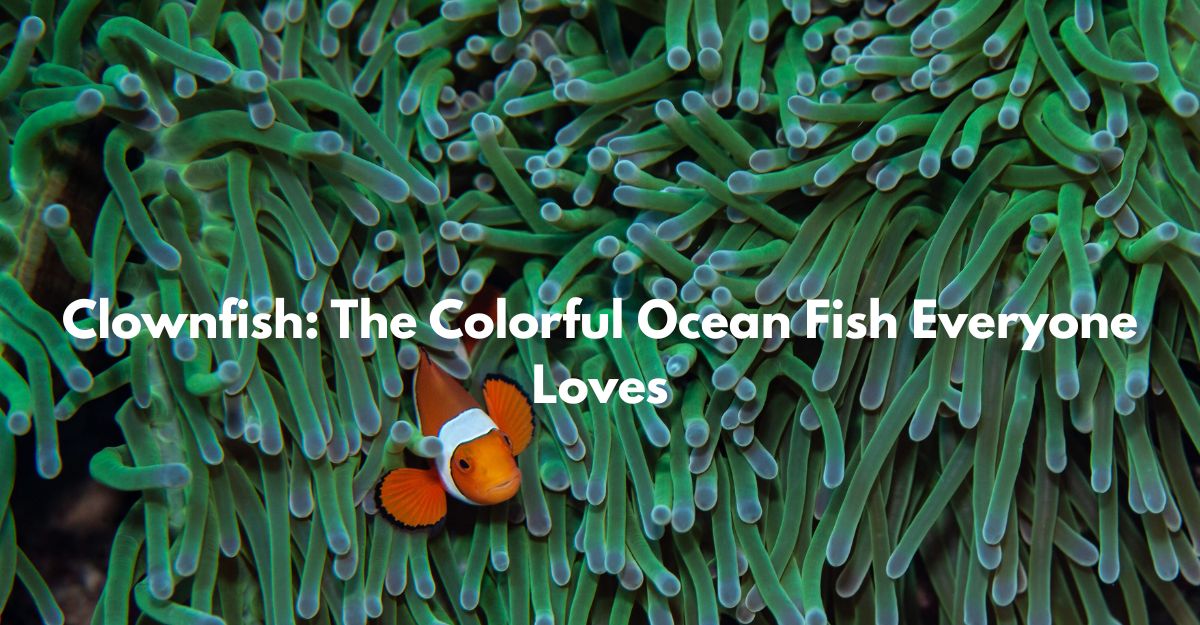
Have you ever watched Finding Nemo and wondered how much of it is actually true? Well, clownfish are very real, and they are even more amazing than the movie shows. These bright little fish live in warm ocean waters and share a special bond with sea anemones that scientists still find fascinating today.
Clownfish are one of the most recognized fish in the world. Their bold orange color and white stripes make them stand out on any coral reef. But their looks are just the beginning. These fish have a lifestyle, a survival strategy, and a social structure that will genuinely surprise you.
Whether you are a wildlife lover, a student, or just someone curious about ocean life, this guide will walk you through everything you need to know about. Let’s dive in.
What Is a Clownfish?
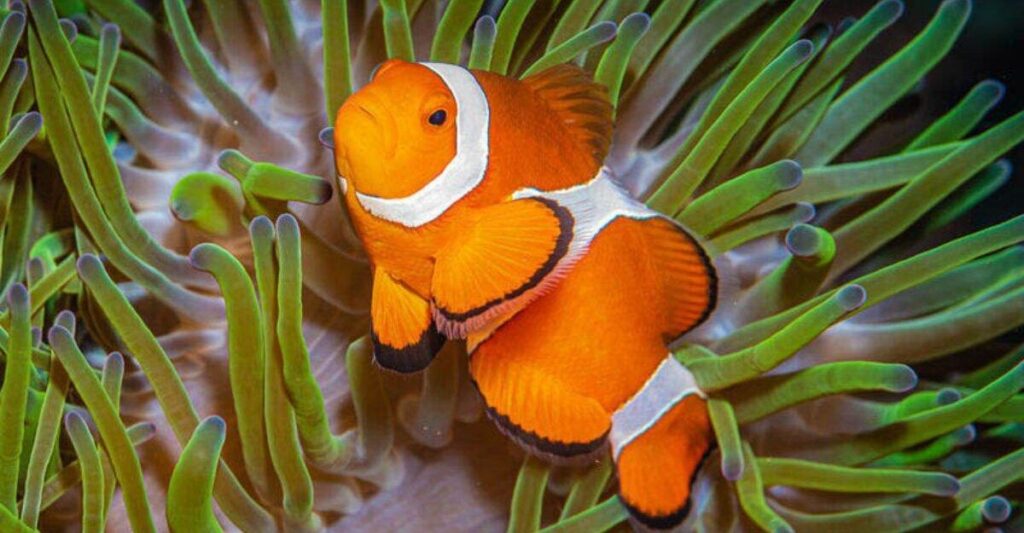
Clownfish, also known as anemonefish, are members of the Amphiprioninae subfamily. These fish are small, colorful reef dwellers that are found in warm tropical ocean waters. They get their name from the bold color patterns on their bodies, which look a lot like a clown’s face paint.
The most well-known species is the common clownfish (Amphiprion ocellaris), also called the false clownfish or false percula. This is the species that starred in the movie Finding Nemo. However, the true clownfish is Amphiprion percula, which looks nearly identical but is slightly different in body shape and habitat.
Clownfish are carnivores. They eat algae, zooplankton, small invertebrates, and leftover food scraps from their host anemone. They live in groups called schools and can live for 6 to 10 years in the wild.
Here is a quick overview of basic facts:
| Feature | Details |
| Scientific Name | Amphiprioninae |
| Type | Fish |
| Diet | Carnivore |
| Average Lifespan | 6 to 10 years |
| Size | Up to 4.3 inches (11 cm) |
| Habitat | Warm tropical oceans |
| Known Species | At least 30 |
Where Do Clownfish Live?
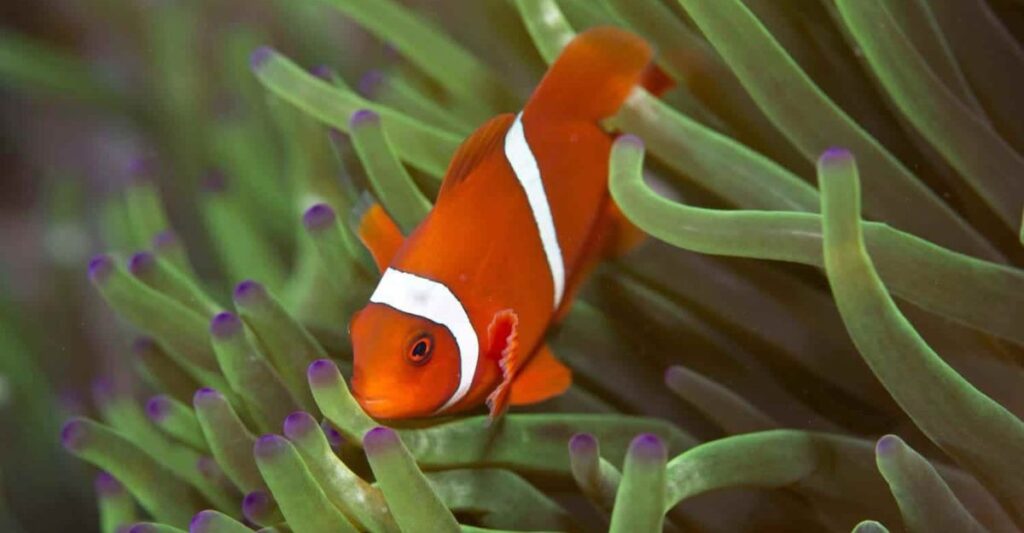
Clownfish live in the shallow, warm waters of the Indian Ocean, the Red Sea, and the western Pacific Ocean. You can find them near northwestern Australia, Southeast Asia, Indonesia, Taiwan, and Japan’s Ryukyu Islands.
They love coral reefs. Coral reefs are underwater ecosystems full of color, life, and activity. Clownfish make their homes within sea anemones that grow on these reefs. They rarely stray far from their host anemone.
One important thing to know is that clownfish are not found in every ocean. They do not live in the Caribbean Sea, the Mediterranean Sea, or the Atlantic Ocean. Their range is limited to the warmer, tropical parts of the Indo-Pacific region.
They prefer shallow waters where sunlight can reach. This allows the sea anemones they depend on to thrive. If you go snorkeling or scuba diving in the coral reefs of the Indo-Pacific, there is a good chance you will spot a clownfish peeking out from the waving tentacles of a sea anemone.
What Do Clownfish Look Like?
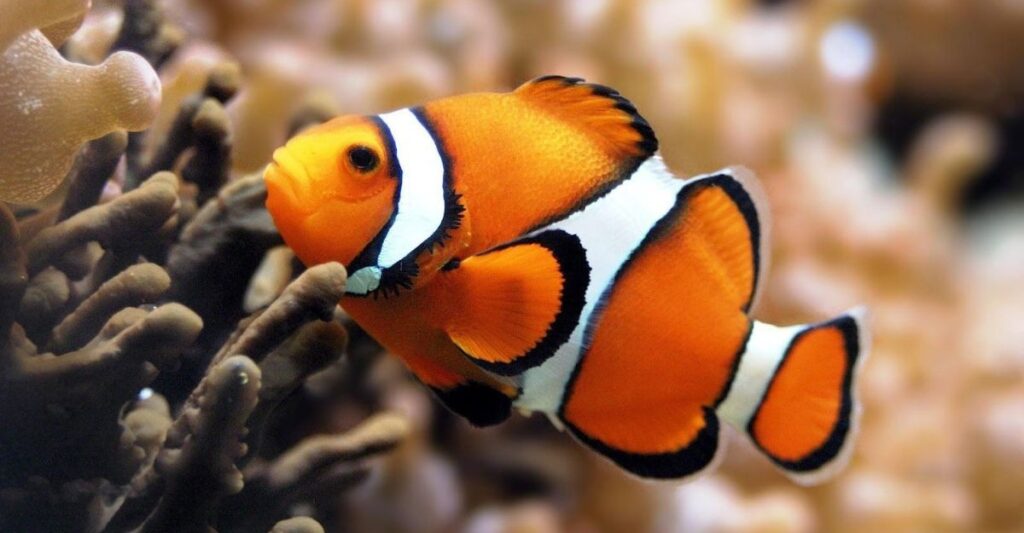
Clownfish are easy to recognize. They have a bright orange body with three white vertical stripes outlined in thin black borders. These colors are bold and striking, which makes them one of the most visually memorable fish in the ocean.
The common clownfish grows to about 4.3 inches (11 cm) in length. They are small but very noticeable on the reef because of their vivid coloring.
The common clownfish has 11 dorsal fin spines. Scientists actually use this to tell it apart from the orange clown anemonefish (Amphiprion percula), which is very similar. Another difference is the ring around the pupil of the eye.
Different species of clownfish can look quite different from each other. Some are red or yellow. Others are darker brown or even black. Not all clownfish have three white stripes. The number and placement of stripes can vary depending on the species.
| Species | Color | White Stripes |
| Common Clownfish (A. ocellaris) | Bright orange | 3 |
| Clark’s Anemonefish (A. clarkii) | Orange-brown | 3 |
| Cinnamon Clownfish (A. melanopus) | Dark red/brown | 1 or 2 |
| Tomato Clownfish (A. frenatus) | Bright red/orange | 1 |
| Maroon Clownfish (P. biaculeatus) | Dark maroon | 3 |
Clownfish and Sea Anemones Share an Incredible Bond
They live inside sea anemones, which are creatures that sting and paralyze other fish with their tentacles. Yet clownfish swim among those same tentacles without getting hurt at all.
There is a special layer of mucus on the skin of clownfish. This coating tricks the sea anemone into thinking the fish is not food. The anemone’s stinging cells, called nematocysts, do not fire when they come in contact with the clownfish’s mucus.
Before a clownfish moves into a new anemone, it performs an elaborate “dance.” It gently touches different parts of the anemone’s tentacles with different parts of its own body. This process helps the fish get used to the anemone gradually. Think of it as a formal introduction between two neighbors.
This relationship is called mutualism, which means both animals benefit from living together. The sea anemone gives the clownfish shelter and protection from predators. Clownfish protect anemones in return. It chases away fish that try to eat the anemone’s tentacles, like butterflyfish. It also cleans parasites from the anemone’s body.
The clownfish even helps the anemone breathe better. When the clownfish swims around inside the anemone’s tentacles, it increases water circulation, which brings more oxygen to the anemone.
The three main anemone species that common clownfish live with are Heteractis magnifica, Stichodactyla gigantea, and Stichodactyla mertensii.
How Do Clownfish Reproduce?
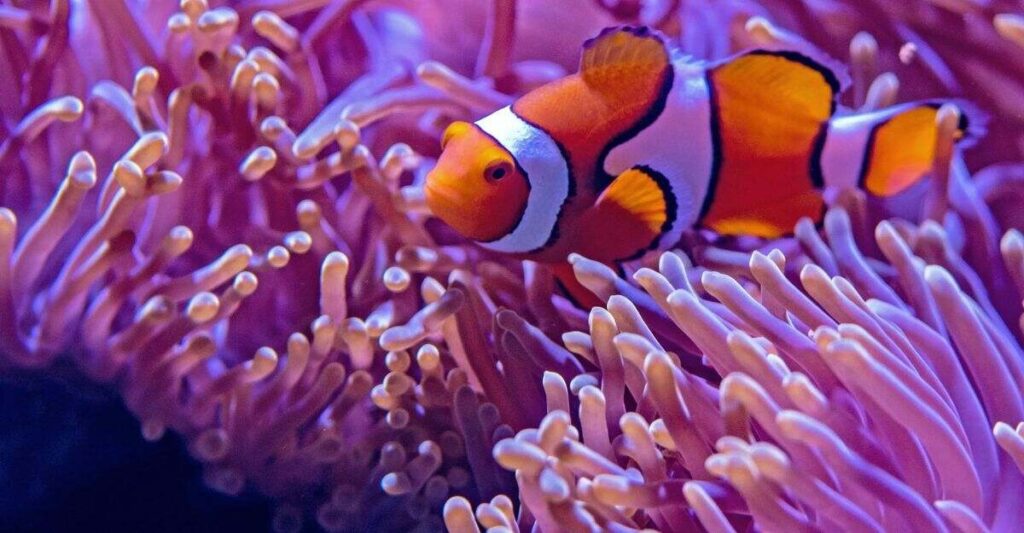
The reproductive biology of the clownfish is one of the most amazing things in the animal world. It completely challenges what we think we know about gender in nature.
All clownfish are born with both male and female reproductive organs, but in an undeveloped state. Their male organs develop first.
Every clownfish has the ability to become female. However, this only happens under a specific circumstance. In every group, there is one dominant female, who is always the largest fish in the group. Below her is the breeding male, the second largest. All other fish in the group are smaller, non-breeding individuals.
If the dominant female dies, something remarkable happens. The breeding male changes sex and becomes the new female. The next largest fish in the group then steps up and becomes the new breeding male. This process is called sequential hermaphroditism, and the sex change is permanent and irreversible.
This means that in the real Finding Nemo story, after Nemo’s mother died, Nemo’s father Marlin should have turned into a female fish. But that is probably not the kind of movie Disney wanted to make.
Breeding happens year-round. When it is time to reproduce, the female lays between 100 and 1,000 eggs on a flat surface near or inside the anemone. The male fertilizes the eggs and both parents guard them carefully.
The eggs hatch after 8 to 12 days. Once the young hatch, parental care ends. The tiny fish float away into the open ocean on currents. Many of them are eaten by predators during this vulnerable time. After about two weeks, the survivors begin to search for coral reefs and look for a sea anemone to call home.
What Do Clownfish Eat?
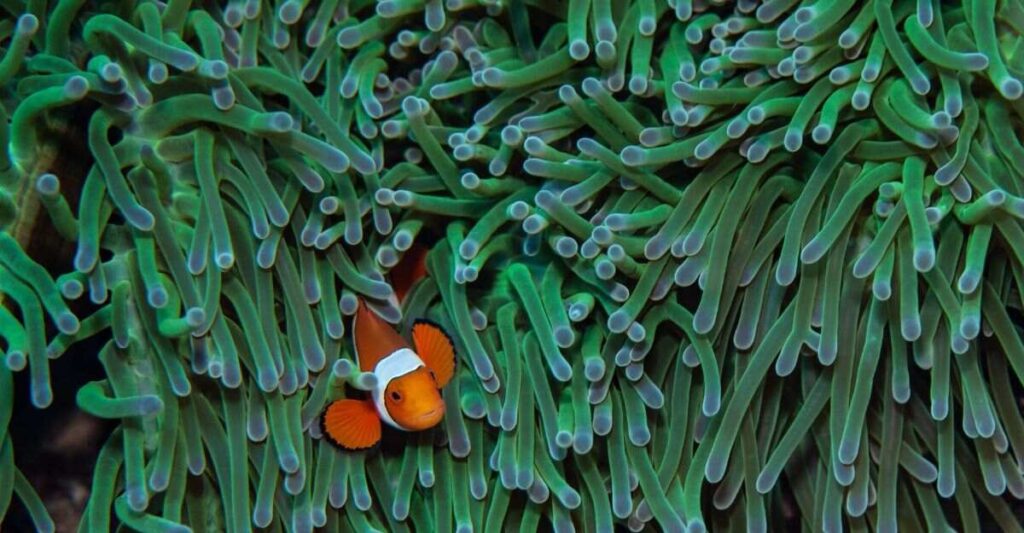
Clownfish are carnivores, but their diet is not complicated. They eat a variety of small food sources that are easily available in and around their host anemone.
Their main diet includes algae, small invertebrates like zooplankton, and marine isopods. They also eat leftover bits of food from the anemone’s meals. When the anemone stings and kills prey, the clownfish can eat the remains. They also consume parts of the anemone itself that fall off naturally.
This makes the clownfish an opportunistic feeder. It eats what is available and wastes very little. Living inside the anemone means they always has a food source nearby. It does not need to venture far to hunt.
How Many Species of Clownfish Are There?
There are at least 30 known species. They all belong to the family Pomacentridae and the subfamily Amphiprioninae. All species form relationships with sea anemones, though the specific anemone species they prefer can vary.
Some species are very picky and will only live with one type of anemone. Others are more flexible and can live with several different species. The common clownfish is known to prefer three specific anemone species.
New species are occasionally discovered, especially as ocean exploration improves. Scientists believe there may still be undiscovered variations of clownfish in remote reef systems around the world.
Read about it more: https://www.nationalgeographic.com/animals/fish/facts/clownfish
Are Clownfish Threatened?
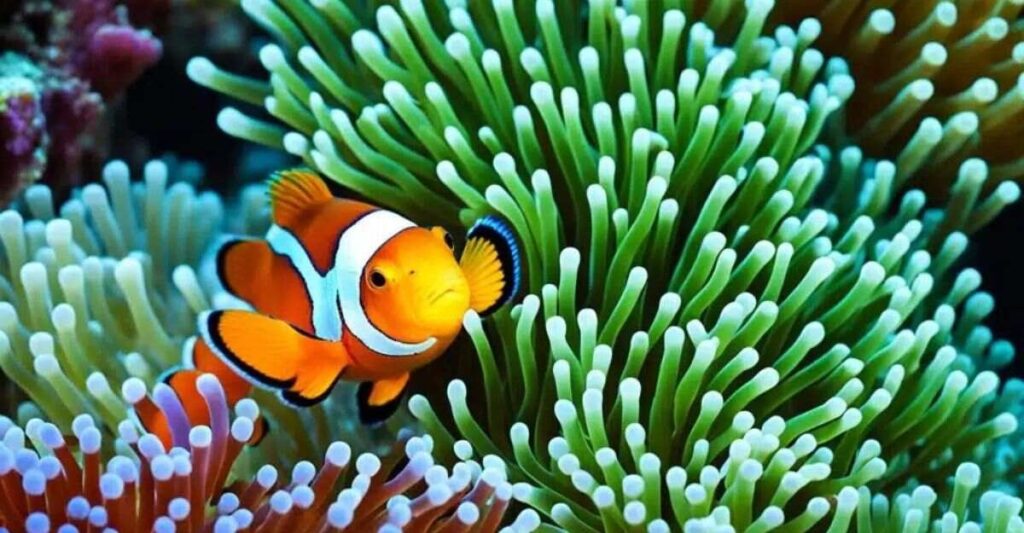
Clownfish face several threats in the wild. The biggest threat is the destruction of coral reefs. As coral reefs bleach and die due to rising ocean temperatures and climate change, the sea anemones that clownfish depend on also suffer.
Without anemones, clownfish cannot survive. They are entirely dependent on this relationship for food and shelter.
Overfishing and collection for the aquarium trade also put pressure on wild clownfish populations. After Finding Nemo became a massive hit in 2003, demand for pet clownfish surged dramatically. Many of these fish were caught from wild reef populations.
The good news is that clownfish breed relatively easily in captivity. Many aquariums and fish breeders now raise without taking them from the wild. Buying captive-bred fish rather than wild-caught fish makes a real difference for reef conservation.
Ocean pollution, including plastic waste and chemical runoff, also harms the reef ecosystems that clownfish call home.
Fun and Surprising Clownfish Facts
There are a few amazing facts about clownfish that most people do not know. Here are some of the most surprising ones.
Clownfish are very territorial. Despite their small size, they aggressively defend their anemone from other fish, including fish much larger than themselves.
They can make sounds. Clownfish communicate using a series of clicking and popping sounds. They use these sounds to establish dominance within their group.
They are fast swimmers. Their bright colors may make them seem easy targets, but they can dart quickly into the anemone’s tentacles the moment a predator approaches.
They clean their home. Clownfish are known to clean the area around their anemone, removing debris and dead tentacles to keep the anemone healthy.
Their name comes from their colors. The bold, multicolored patterns on a clownfish’s body look similar to the face paint that circus clowns wear.
Why Clownfish Matter for Ocean Conservation
Clownfish are more than just a pretty face in the ocean. They play a real role in the health of coral reef ecosystems. By cleaning parasites off sea anemones and protecting them from predators, they help anemones thrive. Healthy anemones contribute to the overall biodiversity of the reef.
Coral reefs are some of the most biologically rich ecosystems on the planet. They cover less than 1% of the ocean floor but support about 25% of all marine species. Protecting clownfish and their habitats means protecting an entire web of ocean life.
You can help by supporting reef conservation organizations, reducing your carbon footprint, and choosing sustainably sourced seafood.
Conclusion
Clownfish are one of nature’s most extraordinary creatures. They are beautiful, resilient, and full of surprises. From their unique protection against sea anemone stings to their remarkable ability to change sex, these small fish have a story that is bigger than any movie could capture.
They remind us how deeply connected life in the ocean truly is. A tiny orange fish and a stinging sea creature working together to survive, that is the kind of teamwork that keeps coral reefs alive.
The next time you see a fish, whether in the ocean, in an aquarium, or on your screen, take a moment to appreciate just how incredible these little fish really are. And remember, protecting their world means protecting ours.
Frequently Asked Questions
Where do clownfish live?
Clownfish live in warm tropical waters of the Indian Ocean and the Pacific Ocean. They are commonly found around coral reefs and sea anemones.
How many species of clownfish are there?
Scientists have identified around 30 species of clownfish. Each species has different colors and markings.
What do clownfish eat?
Clownfish eat zooplankton, small invertebrates, algae, and food scraps left by sea anemones.
Why are clownfish not stung by sea anemones?
Clownfish have a special mucus coating on their skin. This layer helps protect them from the anemone’s stinging cells.
Can clownfish change gender?
Yes. they can change from male to female. If the dominant female dies, the breeding male becomes the new female.
