

Introduction
Many people think of eagles, falcons, or other birds known for speed. However, when it comes to running on land, one bird stands far above the rest. The ostrich is the undisputed champion of speed among birds.
The fastest running bird can reach speeds of up to 72 kilometers per hour (45 miles per hour). This incredible ability helps it escape predators and survive in some of the toughest environments on Earth. Despite being unable to fly, the ostrich has evolved into one of nature’s most impressive runners.
In this article, you will discover why the ostrich is the fastest running bird, how it achieves such remarkable speed, and how it compares with other fast-running birds around the world.
What Is the Fastest Running Bird?
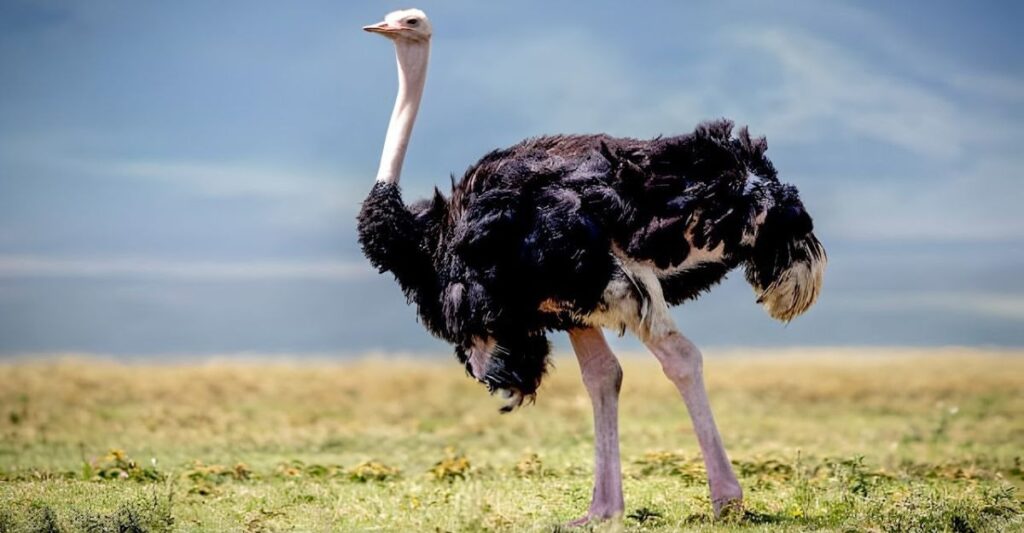
Ostriches are the world’s fastest runners. This giant bird lives mainly in Africa and is famous for its size, strength, and incredible speed.
Unlike most birds, ostriches cannot fly. Over millions of years, they developed powerful legs that allow them to move quickly across open grasslands and deserts. Instead of escaping danger through flight, they rely on speed and endurance.
Scientists and wildlife experts have recorded ostriches running at speeds of up to 72 kilometers per hour. They can also maintain high speeds for longer periods than many animals. Their long legs help them cover large distances with each stride. Some strides can exceed 7 meters when running at full speed.
The ostrich is not only the fastest running bird but also the largest living bird on Earth. Adult males can stand nearly 2.7 meters tall. Their large size makes their running ability even more impressive.
Because of these remarkable traits, the ostrich remains one of the most fascinating animals in the wildlife world.
How Does the Ostrich Become the Fastest Bird in the World?
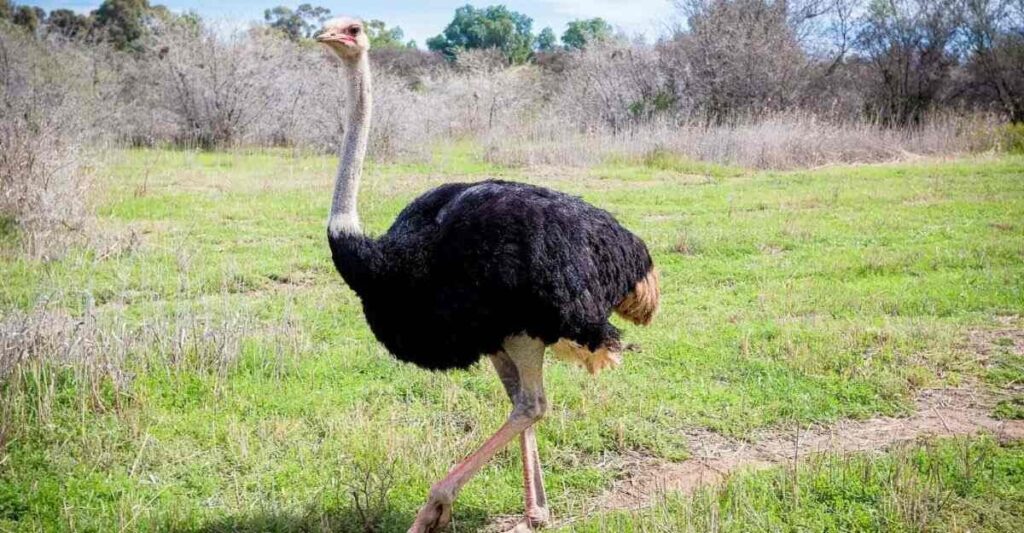
The secret behind the fastest running bird lies in its body design. Every part of an ostrich’s body helps it move quickly and efficiently.
Its legs are extremely long and powerful. These legs contain strong muscles that generate enormous force during each stride. Unlike most birds, the ostrich has only two toes on each foot. This unusual feature reduces weight and improves running efficiency.
The bird’s lightweight skeleton also helps. Although ostriches are large, their bodies remain relatively light compared to many mammals of similar size. This allows them to accelerate quickly and maintain high speeds.
Another important factor is stride length. An ostrich can cover several meters in a single step. This means it needs fewer steps to travel long distances. The combination of long legs and large strides creates exceptional speed.
Their strong tendons act like springs. These tendons store energy when the bird lands and release it during the next step. This process helps conserve energy while running.
The result is a bird perfectly built for life on the ground. These adaptations make the ostrich the clear winner whenever the title of fastest running bird is discussed.
Habitat and Lifestyle of the Fastest Running Bird
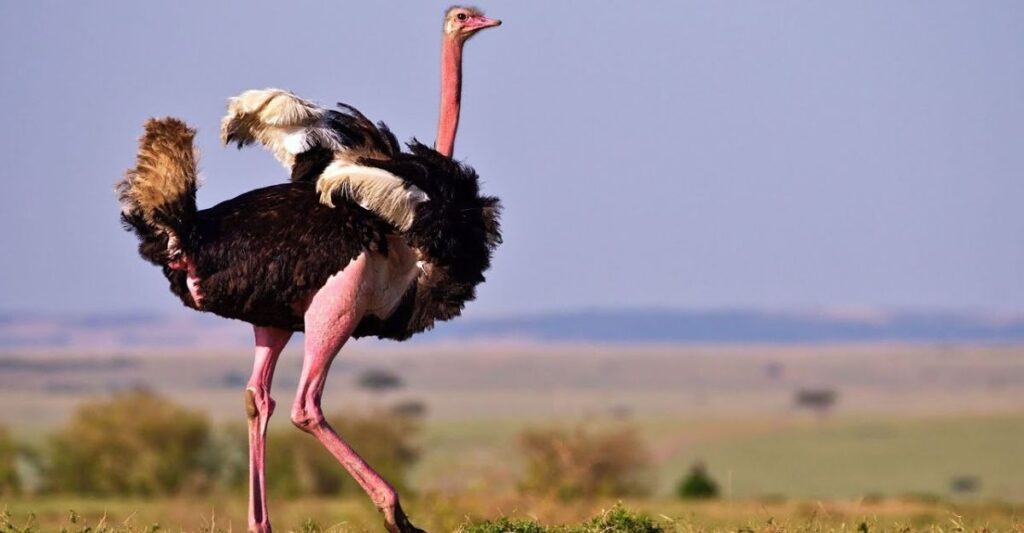
The fastest running bird thrives in open landscapes where speed provides a major advantage. Ostriches are native to many regions of Africa, including savannas, grasslands, and semi-desert areas.
Open habitats allow ostriches to spot predators from a distance. When danger approaches, they often choose to run instead of fight. Their excellent eyesight helps them detect threats long before predators come close.
Ostriches usually live in groups. These groups provide extra protection because many eyes can watch for danger at the same time. Living together also helps them locate food and water sources.
Their diet consists mainly of plants, seeds, roots, flowers, and small insects. Since they do not have teeth, they swallow small stones that help grind food inside their digestive system.
Life in African grasslands can be challenging. Temperatures often become extremely hot, and water may be scarce. The ostrich has adapted well to these conditions. It can survive for long periods with limited water by obtaining moisture from the plants it eats.
The ability to run fast gives ostriches a huge advantage in these environments. It allows them to travel long distances in search of food and escape many natural predators.
Fastest Running Bird Compared with Other Running Birds
Although the ostrich holds the title of fastest running bird, several other birds are also impressive runners.
The emu, native to Australia, can reach speeds of around 50 kilometers per hour. It is the second-largest living bird and relies heavily on running for survival.
The cassowary, found in tropical forests, can run at speeds close to 50 kilometers per hour. Its strong legs and sharp claws make it one of the most powerful birds in the world.
The rhea, native to South America, is another flightless bird known for speed and endurance. It uses its running ability to avoid predators across open grasslands.
| Bird | Top Speed | Region |
| Ostrich | Up to 72 km/h | Africa |
| Emu | Up to 50 km/h | Australia |
| Cassowary | Up to 50 km/h | Australia & New Guinea |
| Rhea | Around 60 km/h | South America |
| Roadrunner | Around 42 km/h | North America |
The roadrunner deserves special attention because it is the fastest running flying bird. It can run at speeds of about 42 kilometers per hour while still retaining the ability to fly.
Even among these impressive birds, the ostrich remains the undisputed champion.
Emu
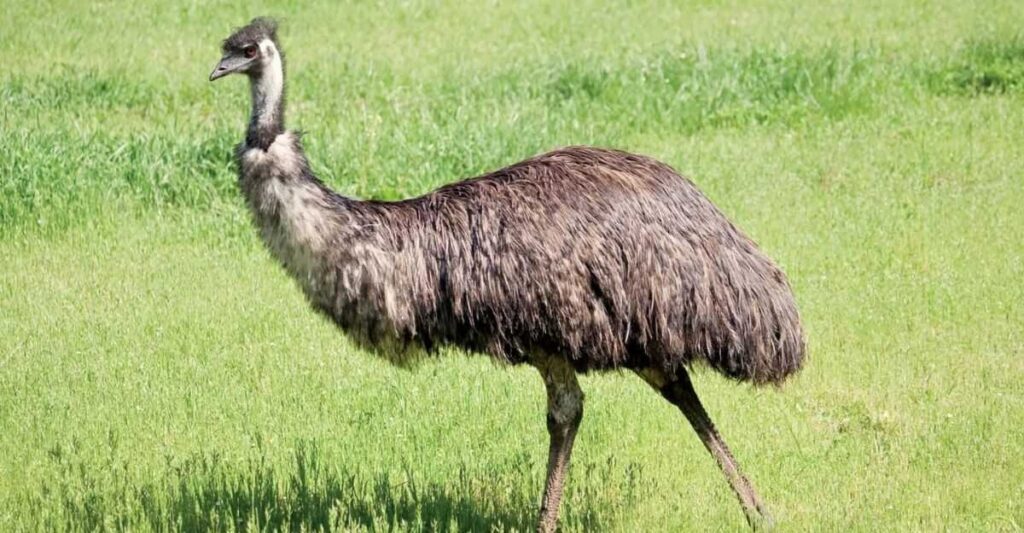
The emu is the second-largest bird in the world after the ostrich. It lives mainly in Australia and is known for its strong legs and fast running ability. An emu can run at speeds of up to 50 kilometers per hour. Its long legs help it travel long distances while searching for food and water. The emu cannot fly, but it can move quickly across open grasslands and forests.
Emus eat plants, seeds, fruits, and insects. They are adaptable birds and can survive in different environments. Their soft brown feathers help protect them from the hot Australian climate. Emus usually live alone or in small groups and are active during the day. Their speed and strong legs help them escape predators, making them one of the fastest running birds in the world.
Cassowary
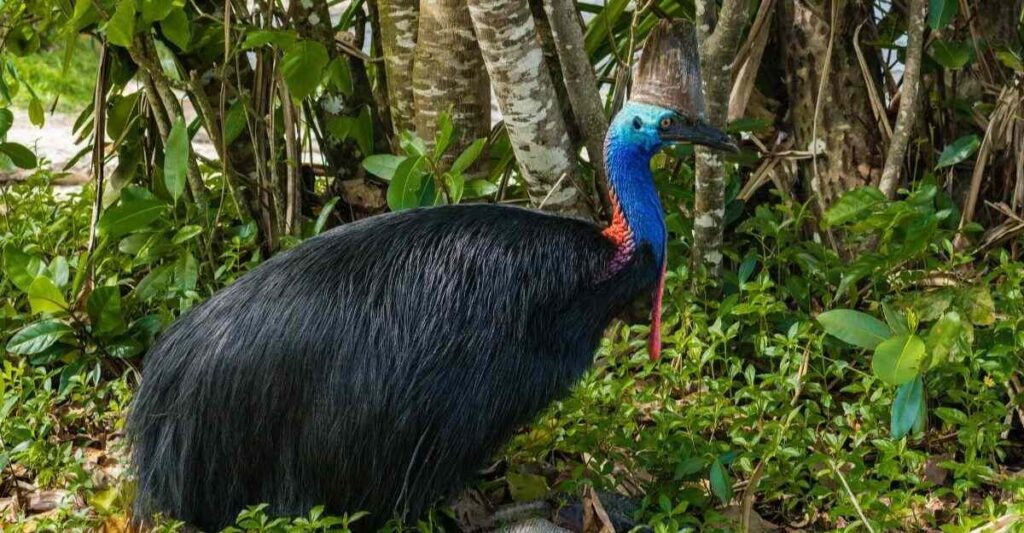
The cassowary is a large flightless bird that lives in the tropical rainforests of Australia and New Guinea. It is known for its bright blue neck, black feathers, and helmet-like crest on its head. The cassowary can run at speeds of up to 50 kilometers per hour. Its strong legs help it move quickly through dense forests. Even though it is a large bird, it can easily travel across rough ground and thick vegetation.
Cassowaries mainly eat fruits, but they also consume insects, small animals, and fungi. They play an important role in the rainforest by spreading seeds through their droppings. This helps many plants grow in different areas. The cassowary is usually shy and prefers to stay away from people. Its speed, strength, and ability to move through forests make it one of the most remarkable running birds in the world.
Rhea
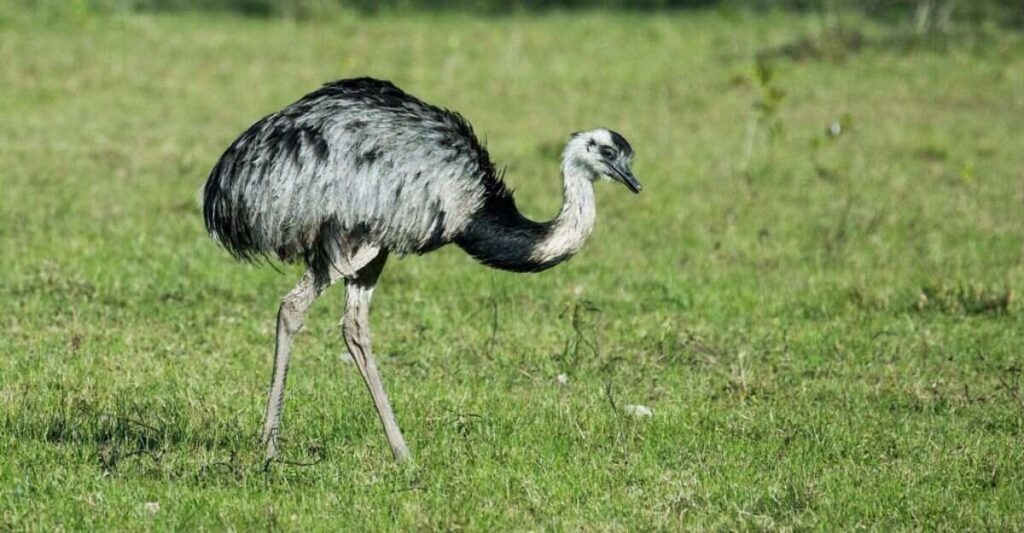
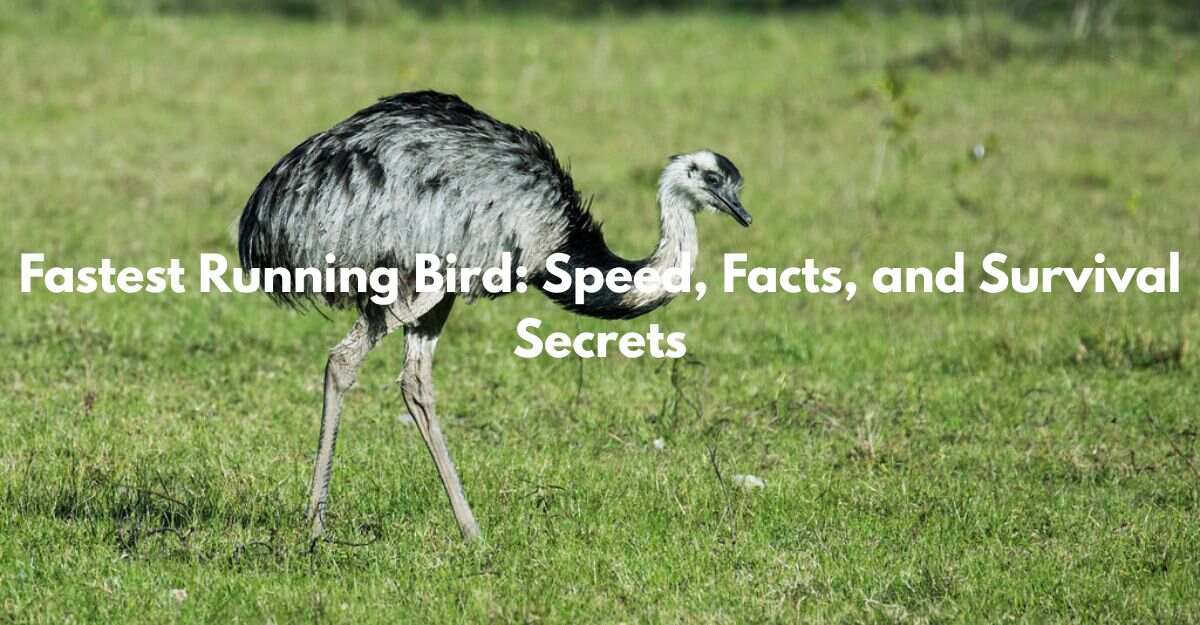
The rhea is a large flightless bird that lives in South America. It is often found in grasslands, open plains, and farmland areas. The rhea looks similar to an ostrich but is smaller in size. It has long legs and strong muscles that help it run very fast. A rhea can reach speeds of up to 60 kilometers per hour when escaping danger. Its fast running ability helps it survive in open habitats.
Rheas eat a variety of foods, including plants, seeds, fruits, insects, and small animals. They are active during the day and usually move in groups. Their soft feathers help them stay comfortable in different weather conditions. When threatened, a rhea can quickly change direction while running, making it difficult for predators to catch. Its speed and agility make it one of the fastest running birds in the world.
Roadrunner
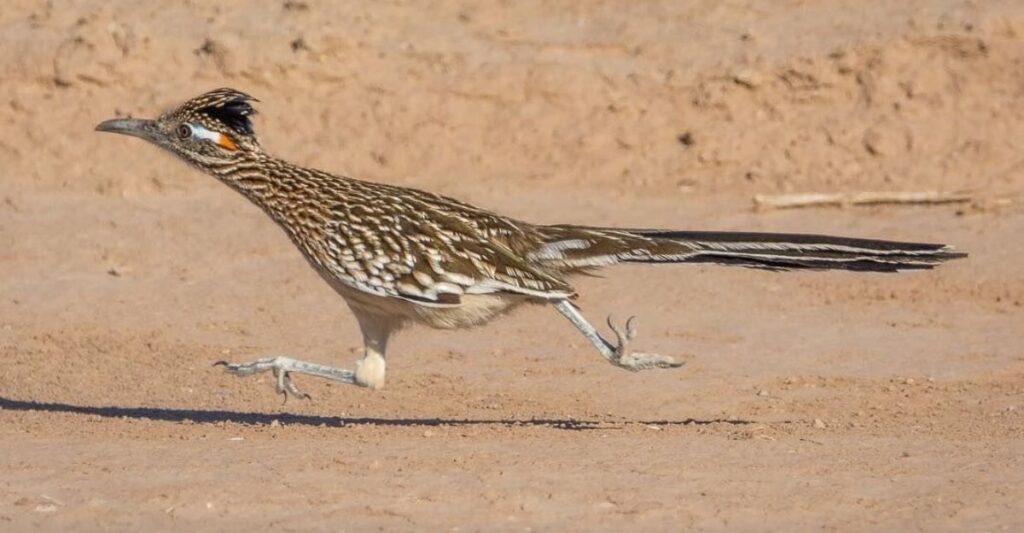
The roadrunner is a fast and agile bird that lives in the deserts and dry regions of North America. The roadrunner can run at speeds of up to 42 kilometers per hour, making it one of the fastest running birds that can also fly. Its long legs and strong body help it move quickly across rocky and sandy landscapes.
Roadrunners eat insects, lizards, snakes, spiders, and small rodents. They are skilled hunters and use their speed to catch prey. These birds are active during the day and often prefer running to flying. Their long tail helps them stay balanced while making quick turns. The roadrunner’s speed, hunting skills, and adaptability make it a fascinating bird of the desert.
How the Fastest Running Bird Escapes Predators
Survival in the wild depends on avoiding predators. For the fastest running bird, speed is the most important defense.
Predators such as lions, cheetahs, leopards, and hyenas may attempt to hunt ostriches. Instead of hiding, ostriches often rely on rapid acceleration and sustained speed.
When an ostrich begins running, its long legs generate powerful strides that quickly create distance between the bird and its pursuer. Many predators struggle to maintain the same speed over long distances.
Ostriches can also change direction quickly. Their balance and agility help them make sudden turns while running. This ability makes it harder for predators to predict their movements.
If cornered, an ostrich can defend itself using powerful kicks. A single kick from an adult ostrich can cause serious injury.
These survival strategies have helped ostriches thrive in Africa for thousands of years. Their combination of speed, awareness, and strength makes them one of nature’s most successful large birds.
Interesting Facts About the Fastest Running Bird
The fastest running bird is full of surprising features that make it unique in the animal kingdom.
They are also the largest living birds on Earth. Adult males can weigh more than 150 kilograms and stand nearly 9 feet tall.
Despite their size, ostriches can run faster than many mammals. Their speed often exceeds that of horses over short distances.
Another fascinating fact is that ostriches cannot fly. Their wings are too small to lift their heavy bodies into the air. Instead, the wings help with balance and steering while running.
Their feathers are soft and loose because they do not need the rigid feather structure required for flight. This gives them a unique appearance compared with flying birds.
All these characteristics contribute to the remarkable reputation of the fastest running bird.
Conservation and the Future of the Fastest Running Bird
The fastest running bird remains widespread in many parts of Africa. However, wildlife conservation remains important for protecting ostrich populations.
Habitat loss, human expansion, and illegal hunting can affect local populations. Conservation organizations work to preserve natural habitats where ostriches and other wildlife can thrive.
Protected areas and national parks play a major role in safeguarding these birds. Many wildlife reserves provide safe environments where ostriches can live and reproduce without significant human disturbance.
Public education also helps conservation efforts. When people learn about wildlife and understand its importance, they are more likely to support protection programs.
The ostrich is not only an impressive runner. It is also an important part of African ecosystems. By protecting this remarkable species, we help preserve biodiversity for future generations.
Conclusion
The ostrich proudly holds the title of the fastest running bird in the world. With speeds reaching up to 72 kilometers per hour, it outperforms every other bird on land. Its powerful legs, long strides, and specialized body structure make it one of nature’s greatest athletes.
Beyond its speed, the ostrich is an extraordinary animal. It is the largest living bird, possesses remarkable survival skills, and plays an important role in African ecosystems.
Whether you are a wildlife enthusiast or simply curious about amazing animals, the story of the fastest running bird shows how evolution can create truly remarkable creatures.
Frequently Asked Questions
Which bird runs the fastest in the world?
It is believed that ostriches are the fastest running birds in the world. It can reach speeds of up to 72 kilometers per hour.
How fast can an ostrich run?
An ostrich can run at speeds of about 72 kilometers per hour or 45 miles per hour.
Why can’t the fastest running bird fly?
Ostriches are too heavy for flight. Over time, they evolved powerful legs instead of large flying muscles and wings.
Which is the fastest running flying bird?
The roadrunner is considered the fastest running flying bird and can run at around 42 kilometers per hour.
Where does the fastest running bird live?
Ostriches live mainly in Africa, especially in grasslands, savannas, and semi-desert regions.
