
It is home to millions of creatures. Some are beautiful and peaceful. Others can be very dangerous. Many people fear sharks when they think about deadly sea animals. But sharks are not always the biggest threat.
The answer surprises many people. The box jellyfish is often called the most deadly ocean animal in the world. It looks small and harmless, but its venom is extremely powerful. A single sting can cause heart failure, severe pain, or even death within minutes.
Still, the ocean has many other dangerous creatures. Some attack with venom. Others use sharp teeth, poison, or powerful bodies. Understanding these animals helps people stay safe while enjoying the sea.
In this guide, you will learn what is the most deadliest animal in the ocean, why it is so dangerous, and which other sea creatures also rank among the deadliest animals in the world.
What Makes an Ocean Animal “Deadly”?
Before we dive in, it helps to understand what “deadly” really means.
Some animals are deadly because of their venom. Others are deadly because of their size and strength. They can bite, crush, or drag you underwater before you even react.
Some animals kill directly. Others cause indirect deaths by triggering panic, drowning, or allergic reactions. When we talk about the most deadliest animal in the ocean, we need to think about all of these factors.
Deadly can mean the animal with the most potent venom. It can also mean the one responsible for the most human deaths each year. Both measures matter. And both tell a fascinating story.
The Box Jellyfish
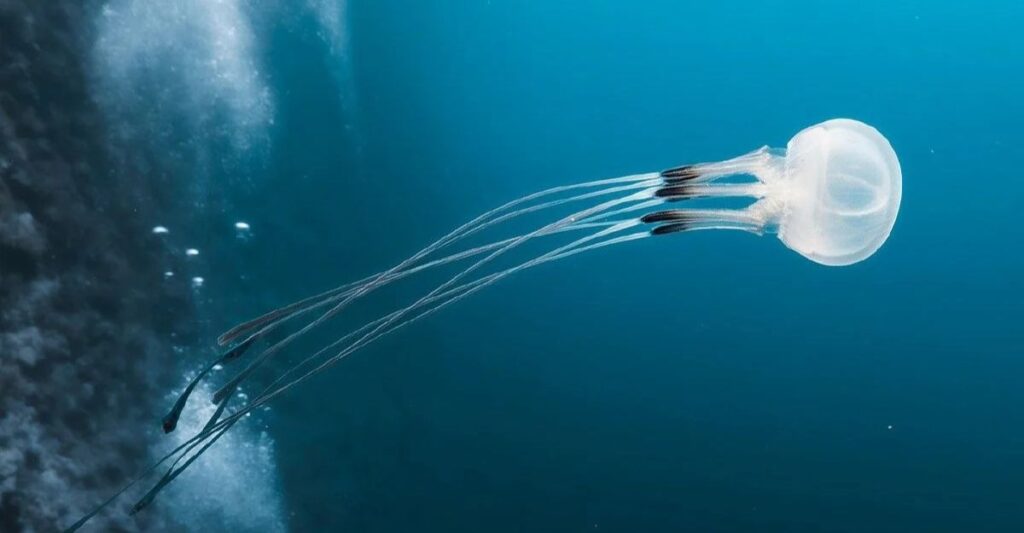
Most marine experts agree. The box jellyfish is the most deadliest animal in the ocean.
It does not look like a monster. It looks like a soft, transparent bag drifting through the water. But this creature carries one of the most powerful venoms ever discovered in nature.
The Australian box jellyfish (Chironex fleckeri) is the most dangerous species. Its tentacles can stretch up to 3 meters. Each tentacle is lined with thousands of tiny stingers called nematocysts. The moment these touch your skin, they fire venom directly into your body.
This venom attacks your heart, your nervous system, and your skin cells all at the same time. The pain is extreme. It happens immediately. Some die from heart failure within five minutes.
Between 40 and 100 people die from box jellyfish stings each year. Experts believe the real number is much higher, because many deaths in remote areas go unreported.
Box jellyfish are found in the coastal waters of northern Australia and Southeast Asia. They are almost invisible in the water, which makes them even more dangerous.
There is an antivenom available, but it must be given very quickly. Most victims do not get treatment in time.
This is why the box jellyfish earns the title of the most deadliest animal in the ocean.
The Top 10 Most Deadliest Animals in the Ocean
Now let us look at the full list. These are the ocean creatures that pose the greatest danger to humans.
| Animal | Danger Type | Found In | Deadly Because |
| Box Jellyfish | Venom | Australia, SE Asia | Kills within minutes |
| Blue-Ringed Octopus | Venom | Pacific, Indian Ocean | No antidote exists |
| Stonefish | Venom | Indo-Pacific | Most venomous fish |
| Cone Snail | Venom | Indo-Pacific reefs | No antidote exists |
| Beaked Sea Snake | Venom | Indian Ocean | Highly toxic bite |
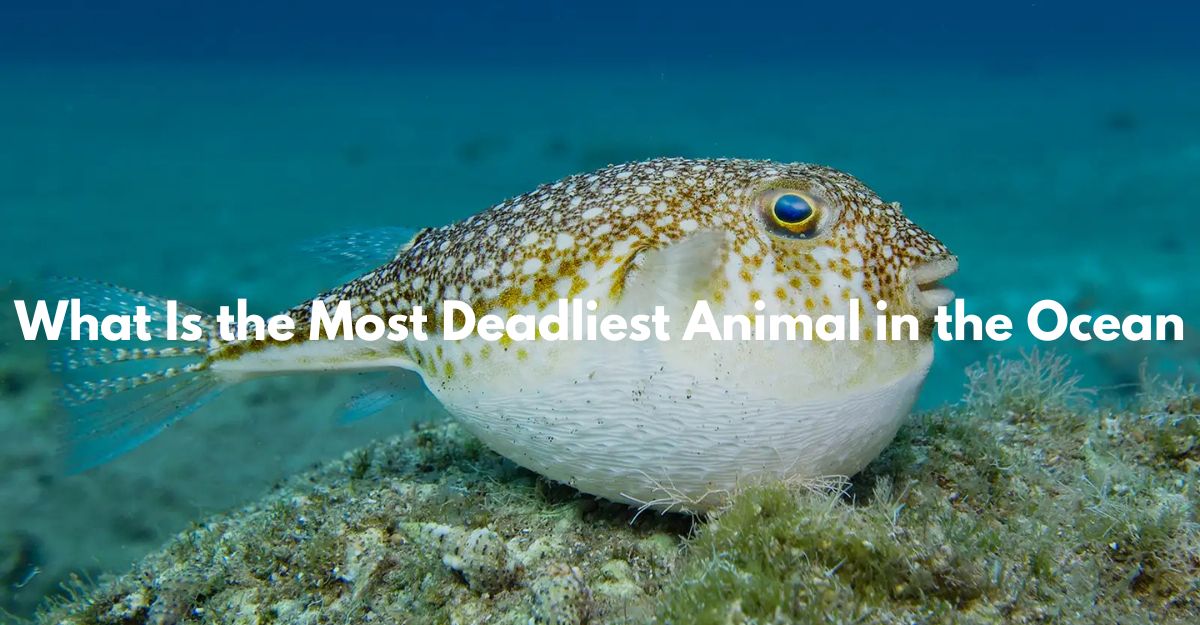
| Pufferfish | Poison | Tropical oceans | Deadly if eaten |
| Saltwater Crocodile | Physical attack | SE Asia, Australia | Strongest bite force |
| Great White Shark | Physical attack | Worldwide | Apex predator |
| Tiger Shark | Physical attack | Tropical waters | Unpredictable attacks |
| Bull Shark | Physical attack | Shallow coastal waters | Found near humans |
Blue-Ringed Octopus: Tiny But Terrifying
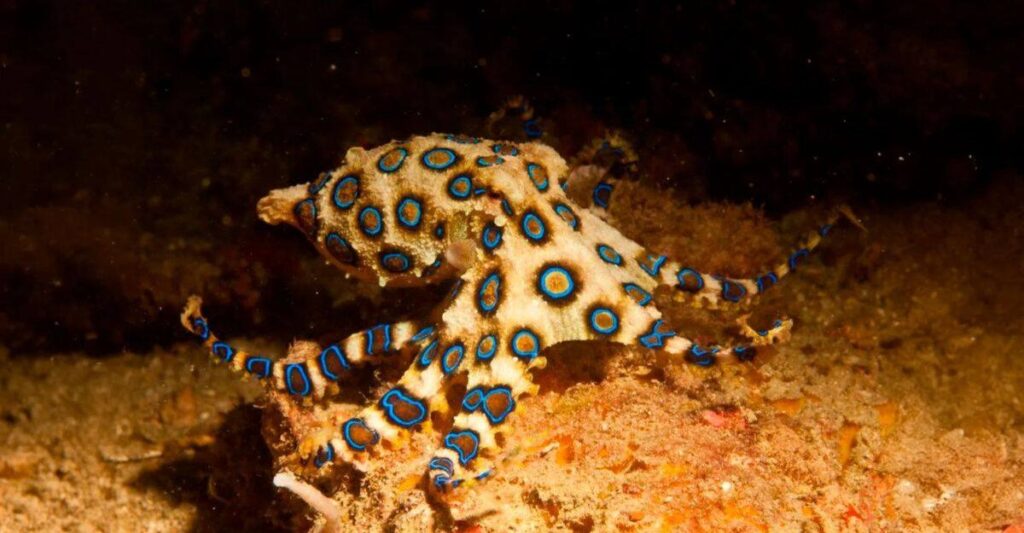
The blue-ringed octopus is about the size of a golf ball. It looks beautiful, with glowing blue rings across its body. But those bright rings are a warning sign.
This small creature carries tetrodotoxin, one of the most powerful neurotoxins known to science. There is no antidote. None at all.
A bite from a blue-ringed octopus can cause paralysis within minutes. The victim stays fully conscious but cannot breathe.
What makes this animal extra dangerous is that its bite is nearly painless. You might not even know you have been bitten until your body starts to shut down.
Blue-ringed octopuses live in coral reefs and tidal pools across the Pacific and Indian Oceans. They are shy animals and only bite when provoked or accidentally picked up.
The lesson here is simple: do not touch anything colorful in the ocean that you do not recognize.
Stonefish: The World’s Most Venomous Fish
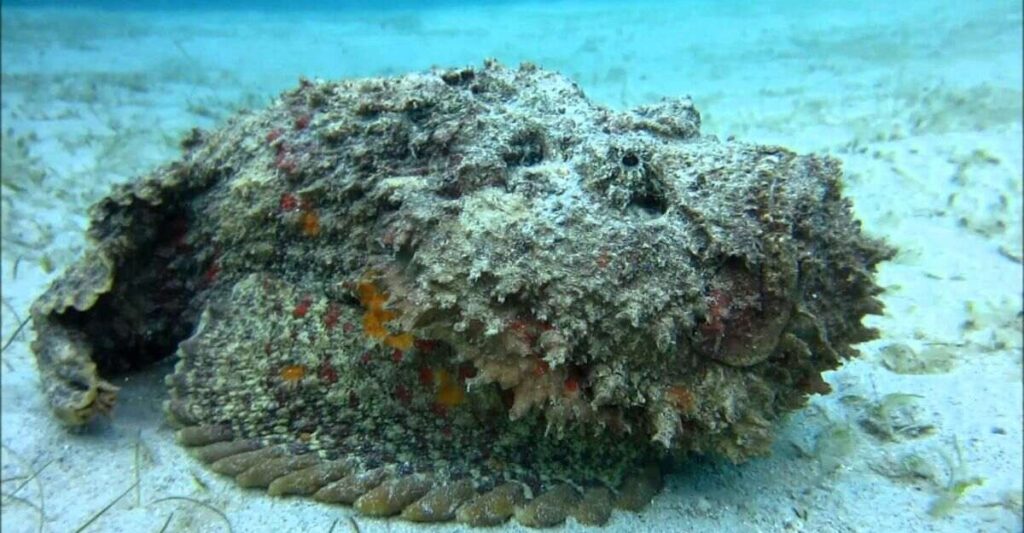
The stonefish wins the title of the most venomous fish on Earth. And the scariest part? You will probably never see it coming.
Stonefish look exactly like rocks or lumps of coral. They sit completely still on the ocean floor in shallow waters. Swimmers and waders often step directly on them.
When someone steps on a stonefish, its 13 dorsal spines inject venom instantly. The pain is described as the worst pain a human can experience. It causes intense swelling, tissue death, and in serious cases, heart failure.
The good news is that antivenom exists and most victims survive if treated quickly. Hot water immersion also helps break down the venom. But without fast treatment, a stonefish sting can be fatal.
Stonefish are found across the Indo-Pacific region, including the coasts of Australia, the Philippines, and the Red Sea. If you walk in shallow reef areas, always wear reef shoes.
Cone Snail: The Shell That Can Kill You
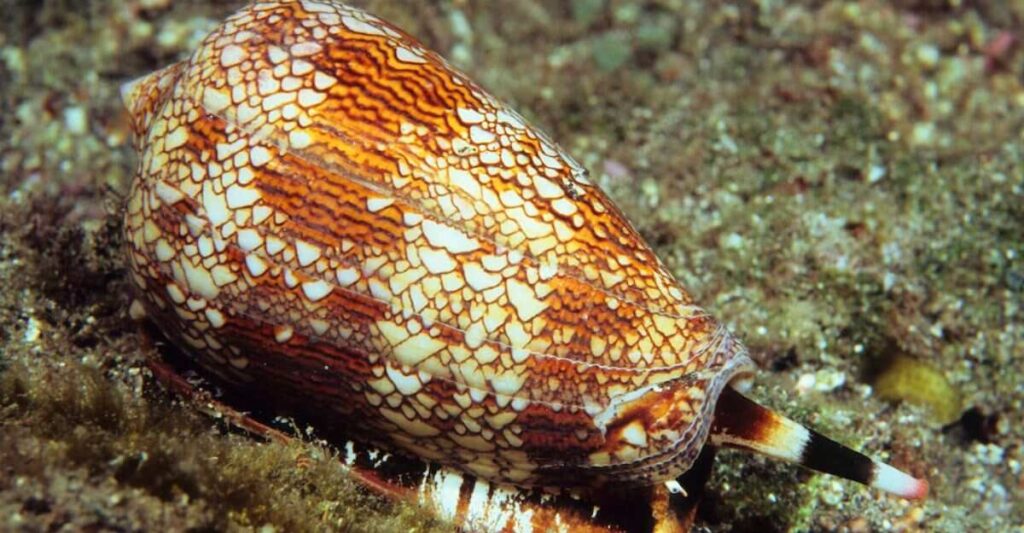
A cone snail looks like a harmless, beautiful shell lying on the ocean floor. Many beachgoers have picked one up out of curiosity. That curiosity has killed people.
The cone snail hunts fish by firing a harpoon-like tooth from any direction, including backward. This tiny harpoon delivers a neurotoxic venom called conotoxin. It causes numbness, paralysis, and respiratory failure.
There is currently no antivenom for a cone snail sting. Around 30 documented human deaths are attributed to cone snails, most from the geography cone (Conus geographus), the most dangerous species.
Cone snails live in the Indian and Pacific Oceans, hiding in reef areas and sandy seabeds. Of the 700 known species, only a handful are deadly to humans. But since you cannot easily tell them apart, the safest rule is never to pick up any cone shell.
Beaked Sea Snake: The Aggressive Serpent
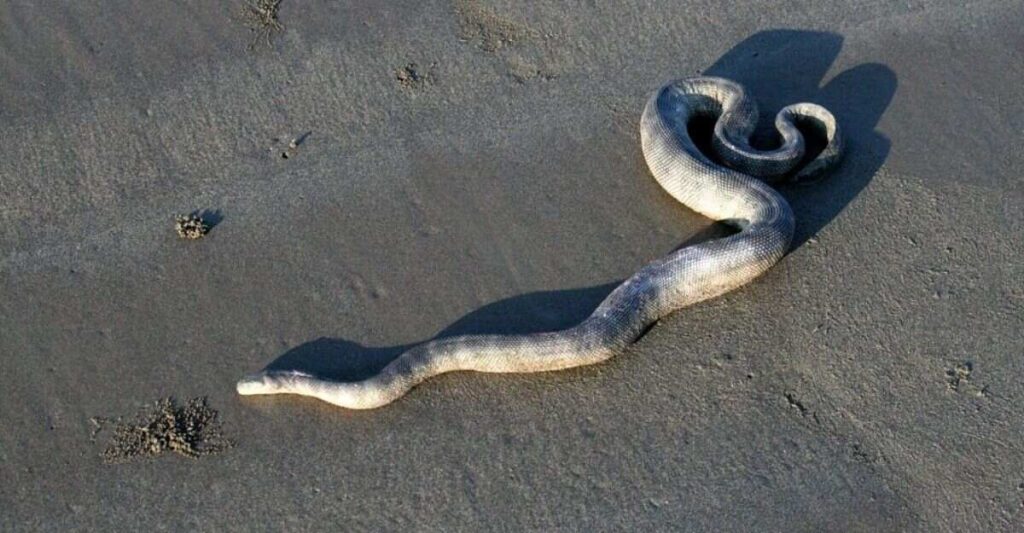
Most sea snakes are shy. They avoid humans. But the beaked sea snake (Enhydrina schistosa) is the exception.
This species is known for its aggressive nature. It delivers venom through small fangs at the front of its mouth. The venom causes paralysis of the muscles, including the diaphragm. Without treatment, the victim suffocates.
Beaked sea snakes are responsible for the majority of sea snake bite incidents worldwide, especially among fishermen in the Indian Ocean and around the Malay Peninsula. Many bites happen when fishers try to remove the snakes from fishing nets.
The good news is that antivenom is available and effective.
Pufferfish: Deadly on the Dinner Table
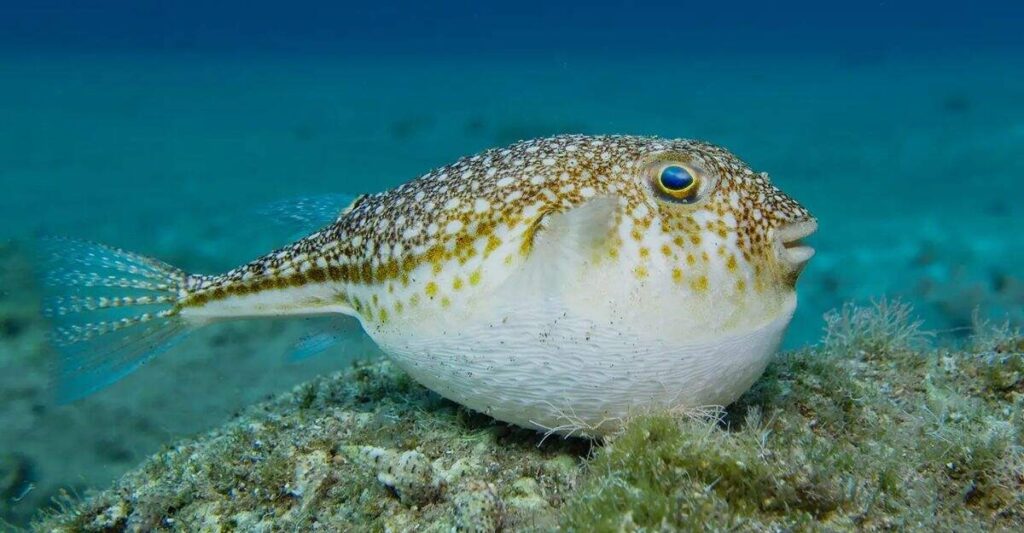
The pufferfish is famous for puffing up into a spiky ball. But its real danger comes from its internal organs, which contain tetrodotoxin, the same toxin found in the blue-ringed octopus.
Pufferfish are considered a delicacy in Japan, where they are known as fugu. Chefs must undergo years of training and hold a special license to prepare and serve it safely. Even so, accidental deaths occur every year from poorly prepared fugu.
The liver, ovaries, eyes, and skin of the pufferfish are all highly toxic. Eating contaminated parts causes numbness, paralysis, and can stop the heart.
Saltwater Crocodile: The Ocean’s Ambush Killer
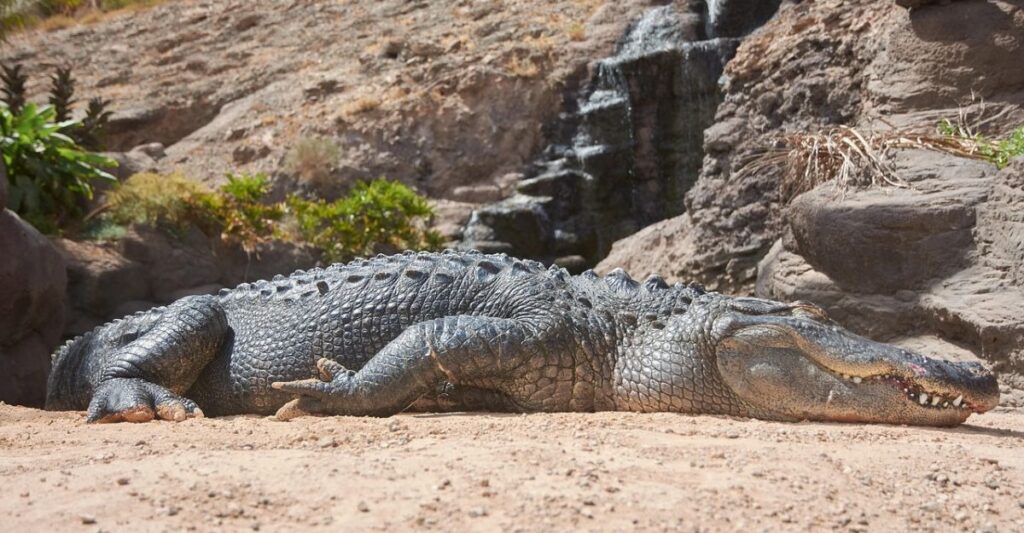
In terms of size, saltwater crocodiles are the largest reptiles. It can grow up to 7 meters long and weigh over 1,000 kilograms.
What makes the saltwater crocodile so deadly is its combination of power, speed, and aggression. It has the strongest bite force of any animal on Earth. Once it grabs prey, it performs a deadly “death roll,” spinning its body to tear off pieces.
Saltwater crocodiles live in coastal waters, estuaries, and rivers across Southeast Asia and northern Australia. They are not strictly ocean animals, but they regularly swim in saltwater and venture far offshore.
These crocodiles are responsible for more human deaths per year than sharks in many regions. They are extremely territorial and will attack boats, swimmers, and anyone who enters their habitat.
The saltwater crocodile is the deadliest large ocean predator in terms of annual human fatalities.
Great White Shark: The Iconic Ocean Predator
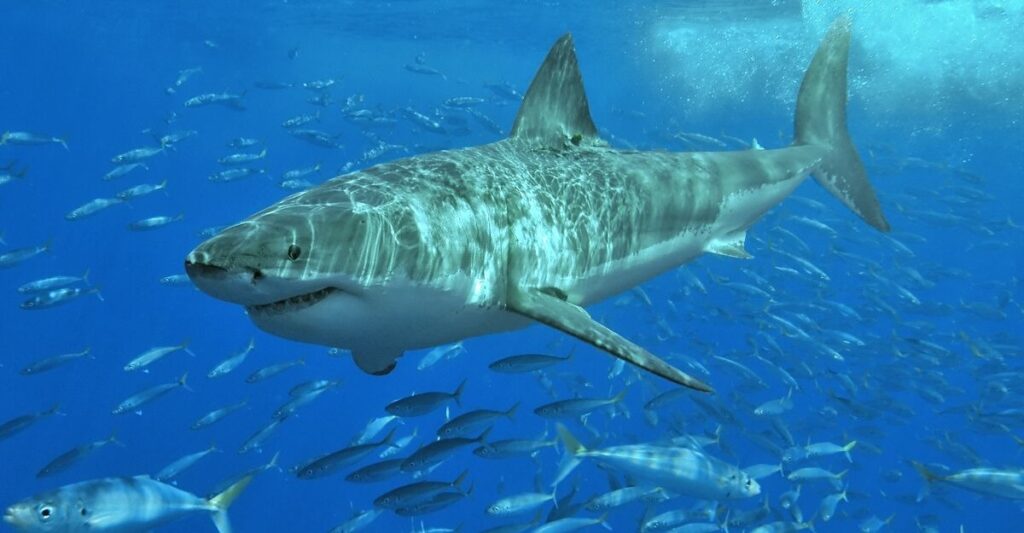
No discussion of the most deadliest animal in the ocean is complete without the great white shark.
The great white is the world’s largest predatory fish. It can grow up to 6 meters long and weigh up to 1,800 kilograms. Its jaws contain rows of razor-sharp teeth designed to tear through flesh and bone.
However, great whites do not actively hunt humans. Most attacks are cases of mistaken identity. The shark investigates an unfamiliar shape in the water and bites out of curiosity or confusion.
Great whites are found in temperate coastal waters worldwide, including South Africa, Australia, California, and the Mediterranean. They are top predators that play a vital role in keeping ocean ecosystems balanced.
Lionfish: Beautiful and Venomous
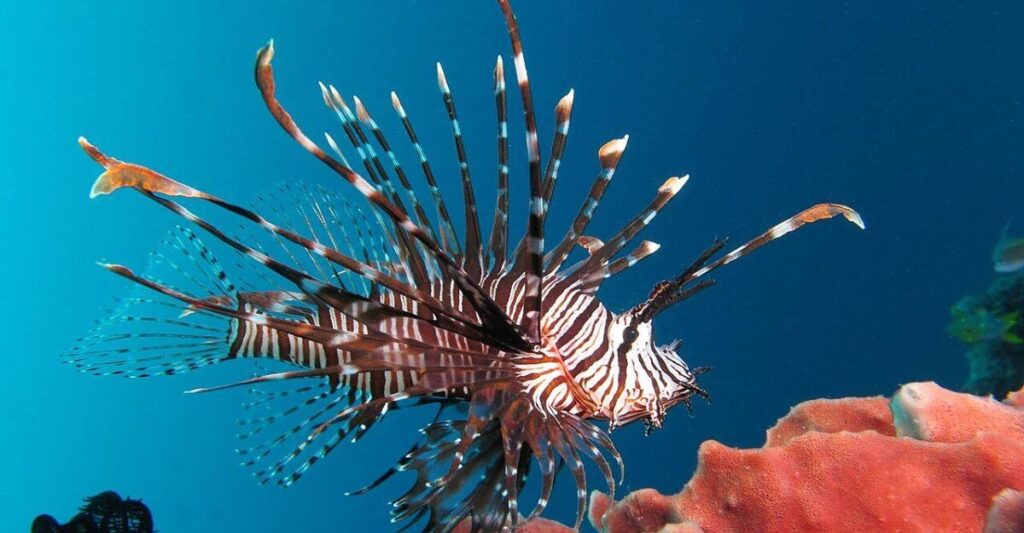
Ocean creatures such as the lionfish are breathtaking. Its striped body and flowing fins make it look like something from a fantasy world. But those fins hide a dangerous secret.
Lionfish have 13 venomous spines along their back. When touched, these spines deliver a neurotoxic venom that causes extreme pain, swelling, and in rare cases, temporary paralysis.
Lionfish rarely attack humans on purpose. Most injuries happen when divers or snorkelers accidentally brush against them. Their ecological damage to reef systems is just as concerning as their venom. They eat up to 30 times a day and are devastating fish populations across the Caribbean.
How to Stay Safe in the Ocean
Knowing what is the most deadliest animal in the ocean is only half the battle. The other half is knowing how to protect yourself.
Watch where you step. Many of the most dangerous ocean animals, like stonefish and cone snails, live on the seafloor. Always wear reef shoes in shallow reef areas.
Never touch what you do not recognize. This rule alone could save your life. Beautiful shells, colorful octopuses, and resting fish are all potential dangers.
Check local warnings. Before you swim or dive, check for local warnings about box jellyfish season or shark sightings. Many Australian beaches close during peak box jellyfish season.
Seek immediate medical help after any sting or bite. Many ocean venoms act fast, and the difference between life and death often comes down to how quickly you get treatment.
Why We Should Protect These Deadly Creatures
It might seem strange to want to protect animals that can kill us.
Sharks control fish populations and keep reef systems healthy. Without them, prey fish overpopulate and destroy coral reefs. Box jellyfish are part of the ocean food chain, eaten by sea turtles and some fish species.
Many of these dangerous animals are themselves threatened or endangered. Overfishing, pollution, and climate change are destroying their habitats and reducing their numbers.
When we protect the ocean, we protect all of its creatures, both the gentle and the deadly. A healthy ocean needs all of its parts, even the dangerous ones.
Support ocean conservation efforts. Reduce single-use plastic. Choose sustainable seafood. Donate to marine protection organizations. Every action counts.
Conclusion
The box jellyfish holds that title for many experts because of its extremely powerful venom and deadly stings.
However, the ocean contains many other dangerous creatures, including blue ringed octopuses, stonefish, saltwater crocodiles, and sharks.
These animals may look frightening, but they are also important parts of marine ecosystems.
Understanding how they live and behave helps people stay safe while respecting nature.
The ocean remains one of the most fascinating places on Earth. It is filled with beauty, mystery, and incredible wildlife.
Learning more about deadly sea creatures not only satisfies curiosity but also encourages people to protect the natural world.
Frequently Asked Questions
What is the most deadliest animal in the ocean?
The box jellyfish is widely considered the most deadly ocean animal because its venom can cause heart failure and death within minutes.
Can a box jellyfish kill a human?
Yes. A severe box jellyfish sting can be fatal if medical treatment is not given quickly.
Are sharks more dangerous than jellyfish?
No. Sharks cause fewer human deaths compared to deadly jellyfish species in some regions.
Where are box jellyfish commonly found?
Box jellyfish mainly live in warm tropical waters near northern Australia and the Indo Pacific region.
How can people stay safe from dangerous ocean animals?
People should follow beach warnings, wear protective clothing, avoid touching marine animals, and seek immediate help after stings or bites.
