
Introduction
The ocean is full of life. Every animal depends on another animal or plant to survive. This connection creates a food web. One of the most powerful hunters in the sea is the great white shark. Many people fear this shark, but it plays a very important role in ocean balance.
Understanding a food web for great white shark helps us learn how marine life stays healthy. The great white shark sits near the top of the ocean food web. It hunts many animals and also affects the behavior of other sea creatures. Without sharks, the balance of marine ecosystems can break down.
The great white shark connects many levels of the marine ecosystem. Small fish, seals, plankton, and even whales all play a role in a food web for great white shark. Every living thing matters.
In this article, you will learn how the great white shark fits into the marine food web. You will also discover its prey, threats, habitats, and why conservation matters for ocean life.
Understanding A food Web for Great White Shark
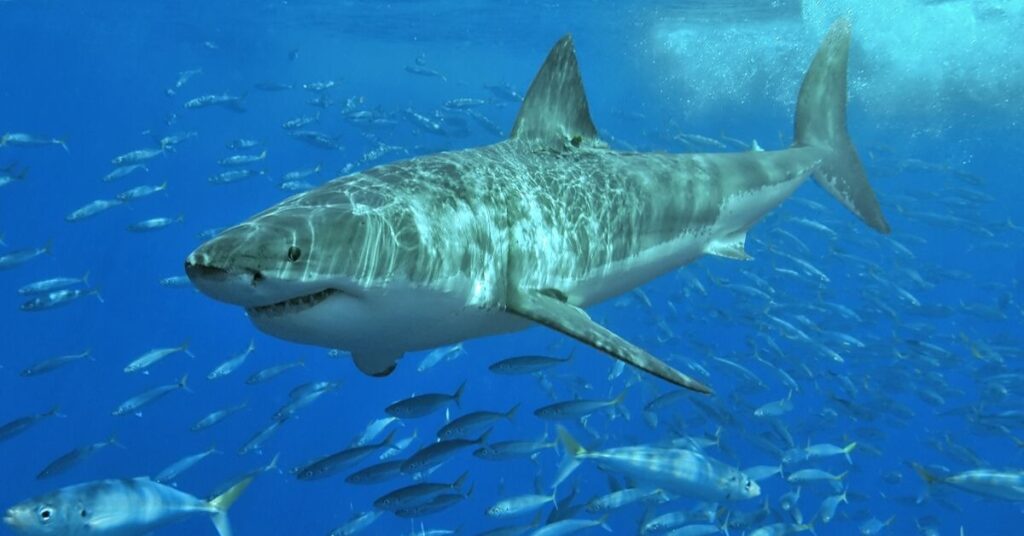
A food web for great white shark starts with tiny ocean organisms. These include phytoplankton and algae. Phytoplankton use sunlight to make energy through photosynthesis. Small fish and sea animals eat these tiny plants.
Larger fish then eat smaller fish. Seals and sea lions eat fish and squid. Finally, the great white shark hunts seals, fish, rays, and other marine animals. This creates several layers in the food web.
The great white shark is called an apex predator. This means it sits near the top of the food web. Few animals naturally hunt adult great white sharks. Their strong bodies, sharp teeth, and fast swimming skills make them powerful hunters.
A food web for great white shark is important because it controls animal populations. Sharks often target weak or sick prey. This helps keep fish and seal populations healthy. It also prevents one species from becoming too large in number.
The food web also shows how energy moves through the ocean. Energy starts with sunlight and moves from small organisms to larger animals. Every step supports the next one.
If one part of the food web disappears, other parts can suffer. For example, if fish populations drop, seals may struggle to find food. Then sharks may also face problems finding prey.
This balance shows why every ocean species matters. The great white shark is not just a predator.
The Main Prey in A food Web for Great White Shark
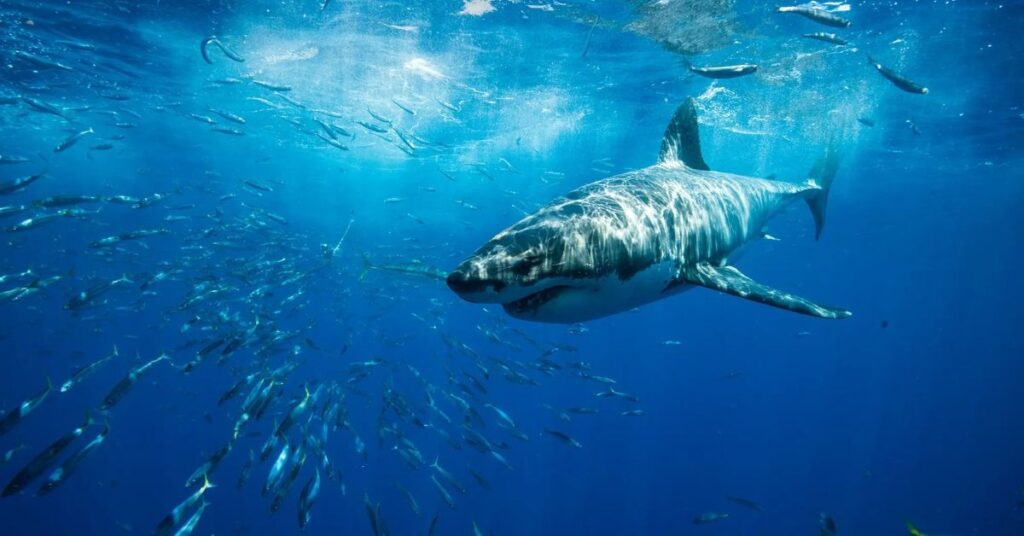
Great white sharks eat many types of marine animals. Their diet changes with age, size, and habitat. Young sharks usually eat smaller prey. Adult sharks hunt larger animals with more fat and energy.
Fish are an important part of a food web for great white shark. Young sharks often feed on sardines, mackerel, tuna, and rays. These fish give sharks energy while they grow.
As sharks become larger, they start hunting seals and sea lions. Marine mammals contain a lot of fat. This fat helps sharks stay strong and active in cold ocean water.
Seals are one of the most common prey animals for adult great white sharks. Sharks often attack from below. Their dark backs help them hide in deep water. This hunting method makes them very effective predators.
Some great white sharks also eat dolphins, squid, sea turtles, and dead whale carcasses. Whale remains can feed sharks for days. This is another important connection in a food web for great white shark.
The shark’s diet depends on where it lives. Sharks near South Africa often hunt seals. Sharks near Australia may eat fish, rays, and marine mammals. Ocean conditions also affect food availability.
The hunting behavior of great white sharks shapes the ecosystem. Seals often avoid areas where sharks hunt frequently. This changes how seals feed and move through the ocean.
These natural behaviors help maintain balance in marine ecosystems. The shark’s role is larger than simply eating prey. It influences the habits of many other species.
Producers and Smaller Animals in the Food Web
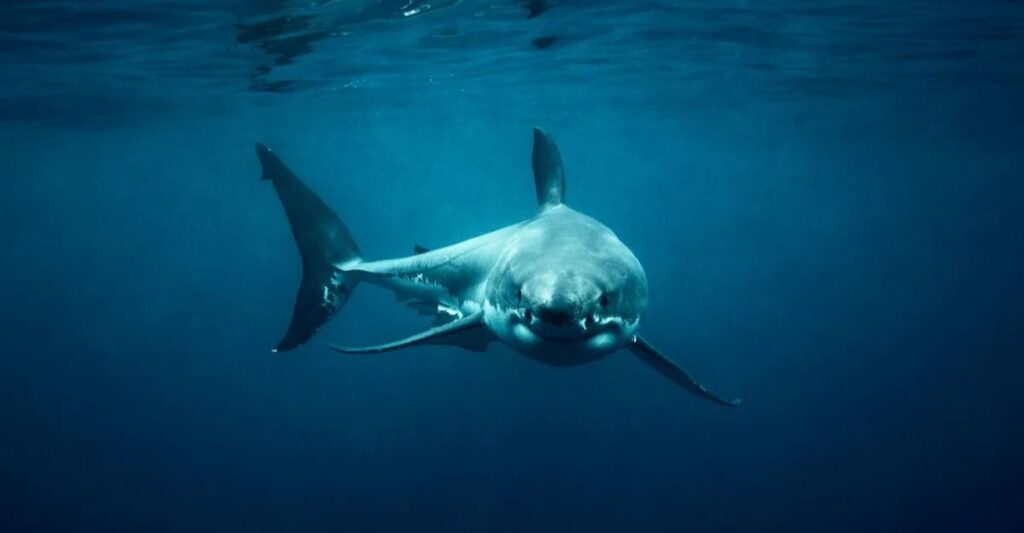
Many people focus only on sharks and seals. However, the base of a food web for great white shark starts with tiny organisms.
Phytoplankton are microscopic plants that float in ocean water. They absorb sunlight and produce energy. These tiny organisms are among the most important living things in the sea.
Zooplankton eat phytoplankton. Small fish then eat zooplankton. Larger fish eat smaller fish. This chain continues until it reaches apex predators like the great white shark.
Seaweed and algae also support marine ecosystems. Small ocean animals hide and feed in underwater plant areas. These environments help young fish survive.
Without plankton, the food web would collapse. Small organisms provide energy for all higher levels in the ecosystem. Even the largest shark depends on these tiny life forms indirectly.
Crabs, squid, and small fish are also important connections in a food web for great white shark. These creatures transfer energy from lower levels to larger predators.
Ocean currents also affect food supply. Nutrient rich waters often attract plankton. Fish gather in these areas, followed by seals and sharks. This creates active feeding zones in the ocean.
The food web is always changing. Weather, water temperature, and pollution can affect marine life. Even small changes at the bottom of the food web can impact large predators.
This is why healthy oceans depend on protecting every level of marine life, from tiny plankton to massive sharks.
Predators and Threats to Great White Sharks
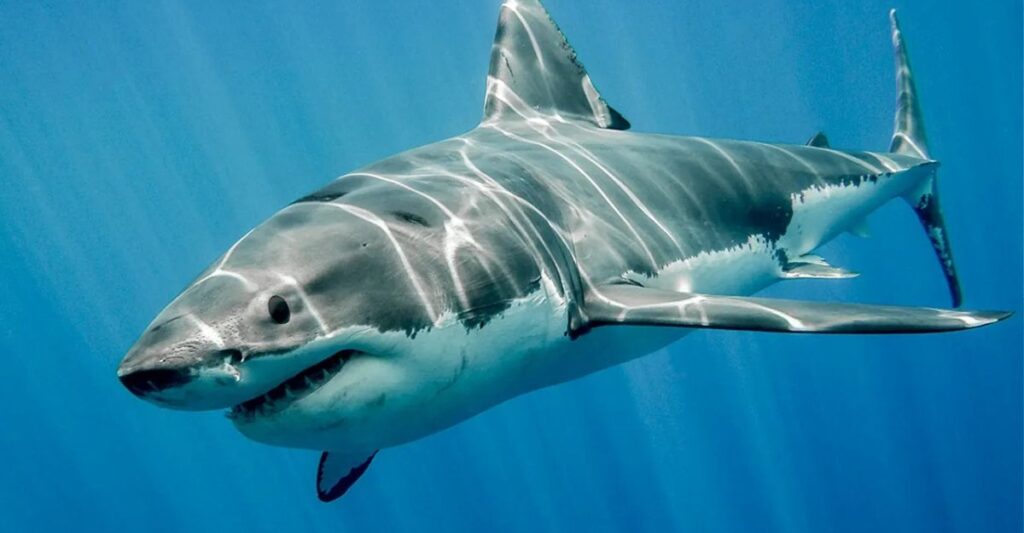
Adult great white sharks have very few natural predators. However, they still face dangers in the ocean.
Orcas, also called killer whales, are one of the few animals known to hunt great white sharks. Orcas are intelligent hunters that sometimes attack sharks for their nutrient rich livers.
Young sharks face more threats. Larger sharks and marine predators may attack juvenile sharks before they fully grow.
Humans are the biggest threat in a food web for great white shark. Fishing activities harm shark populations around the world. Sharks sometimes become trapped in fishing nets or caught accidentally on hooks.
Some people also hunt sharks for fins, teeth, or sport. Pollution adds another danger. Plastic waste and chemical pollution affect fish populations and damage marine habitats.
Climate change also impacts shark food sources. Rising ocean temperatures can change fish migration patterns. This may force sharks to travel farther for food.
When shark populations decline, the entire food web can change. Seal numbers may grow too large in some areas. Fish populations can also shift in unhealthy ways.
This imbalance can damage coral reefs, fish stocks, and other marine ecosystems.
Many countries now have shark protection laws. Scientists also track shark movements to better understand their behavior and habitats.
Conservation efforts are important for keeping a food web for great white shark healthy and balanced for future generations.
Habitats That Support A food Web for Great White Shark
Great white sharks live in many oceans around the world. They prefer coastal waters with rich food sources. Areas with seals, fish, and cold currents often attract these sharks.
South Africa is famous for great white sharks because of its seal colonies. Australia, California, and parts of the Pacific Ocean also support large shark populations.
Habitats are very important in a food web for great white shark. Kelp forests, coastal waters, rocky islands, and open oceans all provide feeding opportunities.
Kelp forests are underwater ecosystems filled with marine life. Small fish hide in the kelp while larger predators search for prey. These habitats support many levels of the food web.
Seal colonies also play a major role. Sharks often patrol areas near seal populations because they provide high energy meals.
Ocean temperature affects shark movement. Great white sharks often travel long distances searching for food. Some sharks migrate thousands of miles across the ocean.
Clean water and healthy fish populations are necessary for shark survival.
Marine protected areas help conserve important shark habitats. These protected zones limit harmful fishing and support marine biodiversity.
Scientists continue studying shark habitats using tracking devices. This research helps conservation groups protect important feeding and breeding areas.
Healthy habitats support every part of a food web for great white shark. Protecting these ecosystems benefits sharks, fish, seals, and many other sea animals.
Importance of Great White Sharks in Ocean Ecosystems
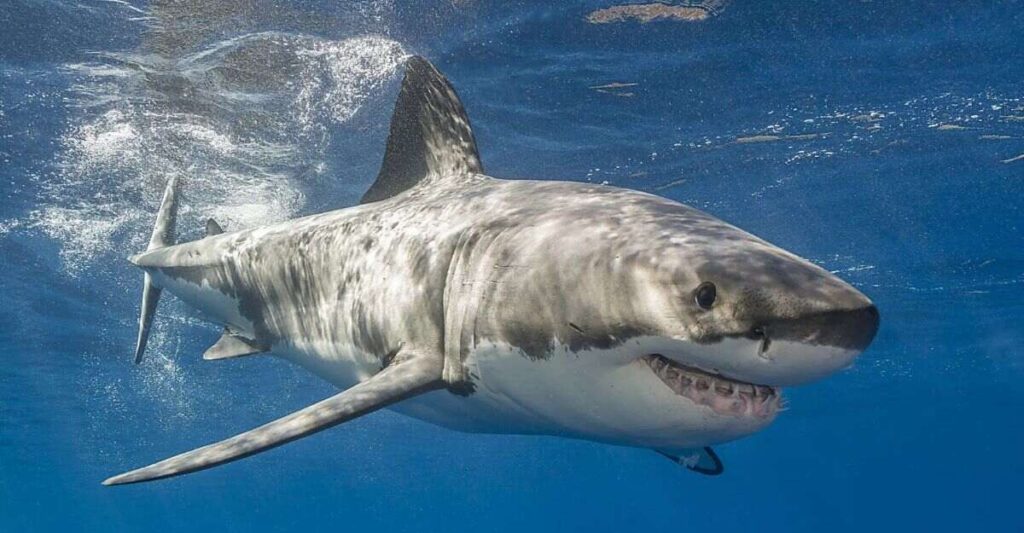
Great white sharks help maintain balance in marine ecosystems. Their presence keeps prey populations under control. This supports healthy ocean environments.
In a food web for great white shark, sharks prevent certain species from becoming too dominant. Without predators, some animals may overeat fish stocks or damage habitats.
Sharks also support biodiversity. Their hunting patterns influence where prey animals feed and travel. This creates balance across different marine areas.
Dead animals also benefit from sharks. Great white sharks sometimes feed on whale carcasses and dead marine life. This helps recycle nutrients back into the ecosystem.
Healthy shark populations often indicate healthy oceans. Scientists use apex predators as signs of ecosystem stability.
Tourism also benefits from shark conservation. Eco tourism creates jobs and raises awareness about marine protection.
Fear often causes misunderstandings about sharks. In reality, shark attacks on humans are very rare.
Education is important for changing public views. Learning about a food web for great white shark helps people understand why sharks matter.
Protecting sharks also protects coral reefs, fish populations, and ocean biodiversity. Every species in the food web connects in some way.
The ocean needs balance to stay healthy. Great white sharks are an important part of that balance.
Table Showing A food Web for Great White Shark
| Food Web Level | Example Organisms | Role in the Ecosystem |
| Producers | Phytoplankton, algae, seaweed | Create energy through sunlight |
| Primary Consumers | Zooplankton, small fish | Feed on producers |
| Secondary Consumers | Larger fish, squid, rays | Eat smaller fish and animals |
| Marine Mammals | Seals, sea lions, dolphins | Provide prey for sharks |
| Apex Predator | Great white shark | Controls populations and balance |
| Top Threat | Orcas and humans | Affect shark survival |
Conservation and the Future of Great White Sharks
Conservation is important for the survival of great white sharks. Many shark species face declining populations because of human activity.
Fishing remains one of the biggest threats in a food web for great white shark. Sharks grow slowly and produce fewer young compared to many fish species. This makes recovery difficult when populations decline.
Marine conservation programs now focus on shark protection. Some countries ban shark finning and restrict harmful fishing methods.
Public awareness also continues to grow. Documentaries, marine research, and conservation groups help educate people about sharks and ocean ecosystems.
Reducing plastic pollution is another important step. Cleaner oceans support healthier fish populations and safer habitats for marine animals.
Climate action also matters. Stable ocean temperatures help protect migration routes and feeding areas.
People can support conservation by choosing sustainable seafood and supporting marine protection programs. Even small actions can help ocean ecosystems.
Scientists still have much to learn about great white sharks. Research continues to reveal new information about migration, feeding behavior, and social interactions.
Protecting sharks protects marine biodiversity. Healthy oceans benefit humans, wildlife, and the planet.
A food web for great white shark reminds us that every ocean creature has a purpose. From tiny plankton to giant predators, all life in the sea is connected.
Conclusion
A food web for great white shark shows the deep connection between ocean species. The great white shark is one of the ocean’s top predators, but it still depends on many smaller organisms for survival.
The food web begins with tiny plankton and moves upward through fish, seals, and sharks. Every part of this system supports the next. When one level changes, the whole ecosystem can feel the impact.
Great white sharks help keep marine populations balanced. They support biodiversity and healthy ocean habitats. Their role is important for the survival of many marine species.
Human activity now threatens this balance. Overfishing, pollution, and climate change affect sharks and their prey. Conservation efforts are necessary to protect marine ecosystems.
Learning about a food web for great white shark helps people understand the importance of ocean conservation. Sharks are not just hunters. They are key protectors of marine balance.
Protecting sharks means protecting the future of our oceans.
FAQs
What is a food web for great white shark?
A food web for great white shark is the network of marine organisms connected through feeding relationships. It includes plankton, fish, seals, and sharks.
What does a great white shark eat?
Great white sharks eat fish, rays, seals, sea lions, dolphins, squid, and sometimes whale carcasses.
Why are great white sharks important in the food web?
Great white sharks control prey populations and help maintain healthy ocean ecosystems.
What are the threats to great white sharks?
Fishing, pollution, climate change, and habitat loss are major threats to great white sharks.
Do great white sharks have predators?
Adult great white sharks have few predators, but orcas are known to hunt them in some regions.
