

The ocean hides some of the biggest creatures on our planet. Two names always come up when people talk about giant sea animals. These are the whale shark and the blue whale.
So many people ask the same question. Whale shark or blue whale which is bigger? This article gives you a clear and simple answer. We will also look at their diet, habitat, and why they matter to our planet.
By the end, you will know exactly how these two giants compare. You will also understand why protecting them matters for the health of our oceans.
Whale Shark or Blue Whale Which Is Bigger
Let’s answer the main question right away. The blue whale is bigger than the whale shark in almost every way.
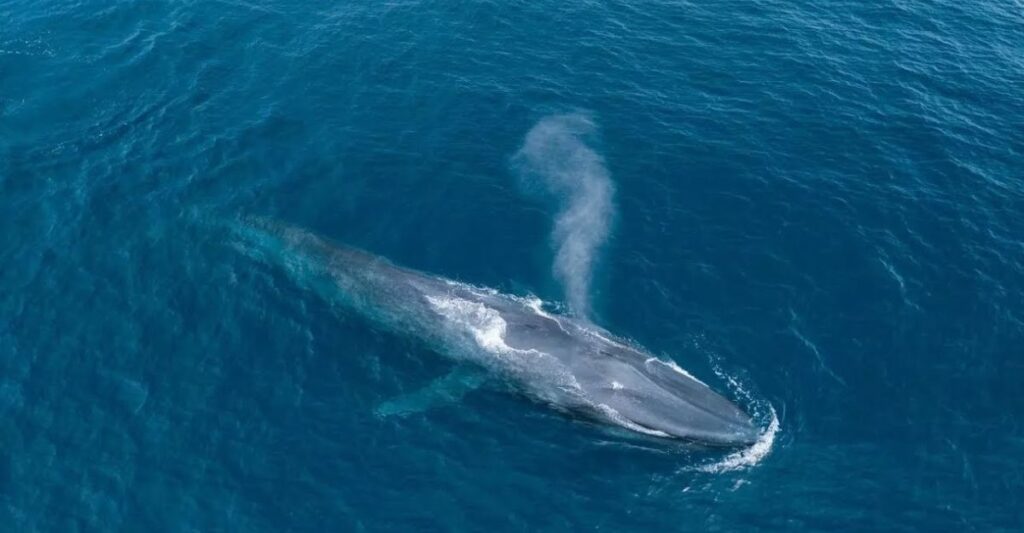
The blue whale is the largest animal alive today. It is also believed to be the largest animal that has ever lived on Earth.
A full grown blue whale can reach lengths of 80 to 100 feet. Some record holders have measured over 110 feet long. Picture three school buses parked end to end. That is roughly the size of one blue whale.
Weight is even more shocking. Blue whales can weigh up to 200 tons. That number is close to 400,000 pounds. This is about the same as 30 fully grown elephants standing together.
Whale sharks are massive too, just not on the same level. They are the largest fish species in the world today. The biggest whale sharks ever recorded reached about 60 feet in length. Most adults grow between 30 and 40 feet long.
In terms of weight, whale sharks can reach around 20 tons. Some rare giants have crossed 40,000 pounds. That still makes them enormous. But a blue whale can weigh up to ten times more than a whale shark.
So when people ask whale shark or blue whale which is bigger, the blue whale wins by a wide margin. It beats the whale shark in both length and weight.
Size Comparison Table
This simple table makes the comparison easy to read at a glance.
| Feature | Blue Whale | Whale Shark |
| Average Length | 80 to 100 feet | 30 to 40 feet |
| Maximum Recorded Length | Over 110 feet | About 60 feet |
| Average Weight | Up to 200 tons | Around 20 tons |
| Animal Type | Mammal | Fish |
| Feeding Style | Baleen filter feeder | Filter feeder with pads |
| Lifespan | 80 to 90 years | 80 to 100 years |
| Conservation Status | Endangered | Endangered |
This table shows why the blue whale takes the crown for size. Even so, the whale shark remains a giant compared to almost every other creature in the sea.
Why Are They Not Related Even Though Both Are Called Whale
This part surprises many people. Even though both names include the word “whale,” these two animals are not related at all.
The blue whale is a true mammal. It breathes air through lungs, just like humans do. Mother blue whales give birth to live calves and feed them milk. Blue whales evolved from land dwelling animals that moved back into the ocean millions of years ago.
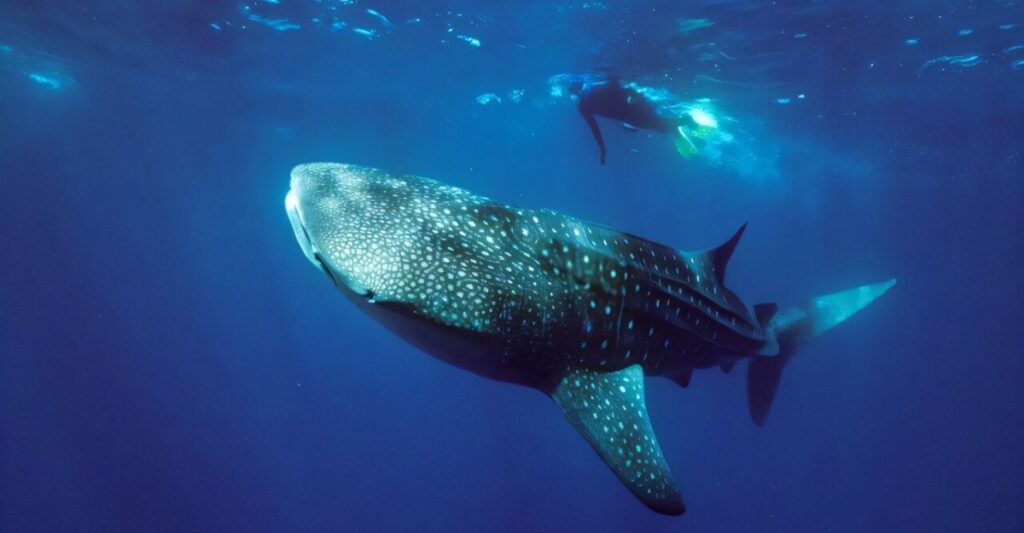
The whale shark, on the other hand, is a fish. It has a skeleton made of cartilage instead of bone. This is the same soft, flexible material found in your ears and nose. Whale sharks breathe using gills, not lungs. They also lay eggs instead of giving birth to live babies.
Scientists believe whale sharks have existed in some form for hundreds of millions of years. That makes their lineage far older than whales. The blue whale’s ancestors only entered the ocean around 50 million years ago.
The word “whale” in whale shark simply describes its giant size. It has nothing to do with actual whale biology. This naming confusion is common in the animal kingdom. Many creatures share names without sharing a family tree.
What Do These Ocean Giants Eat
Both animals share one surprising trait. Despite their giant size, they eat some of the smallest creatures in the sea.
How Blue Whales Feed
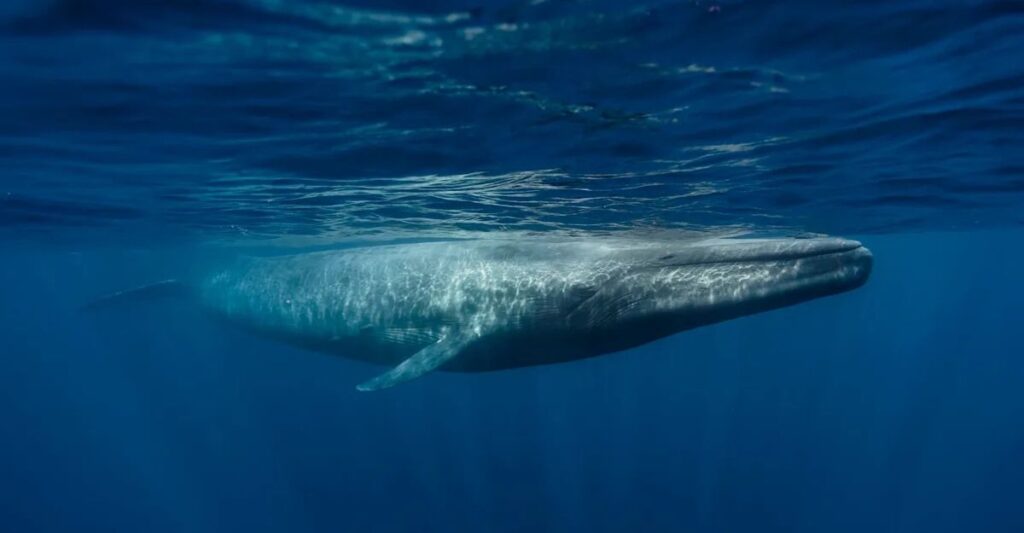
Blue whales use special structures called baleen plates. These plates look like a giant comb made of a hair like material. The whale opens its mouth wide and takes in massive amounts of water. It then pushes the water back out through the baleen. Small shrimp like animals called krill get trapped inside.
A single blue whale can eat close to 2,500 pounds of krill in one day. That is an incredible amount of food for one animal.
Read about it more:https://a-z-animals.com/animals/comparison/blue-whale-vs-whale-shark/
How Whale Sharks Feed
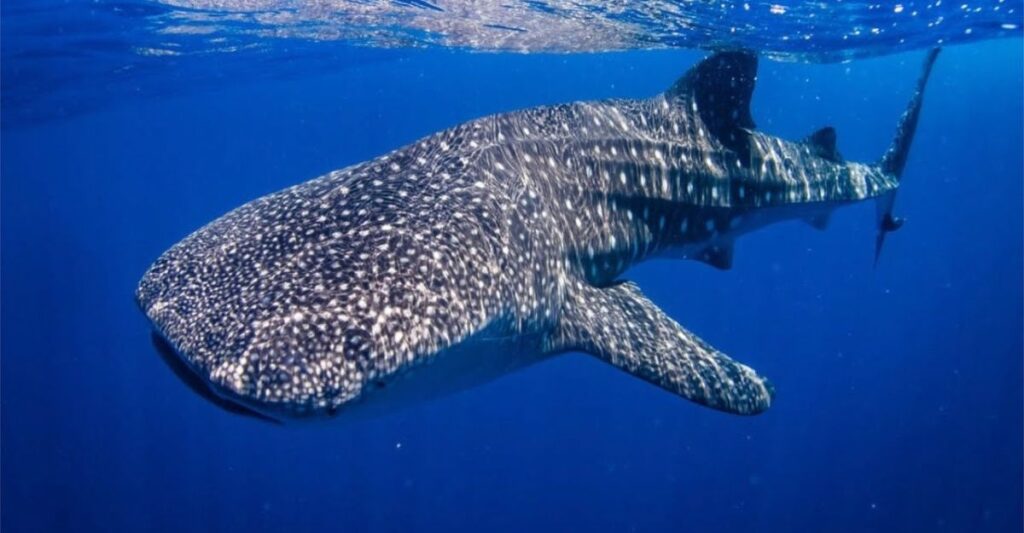
Whale sharks use a different filtering system inside their mouths. They have special filter pads instead of baleen. As water passes through their gills, tiny plankton and small fish get caught. Some whale sharks feed by swimming forward with their mouths open. Others hover near the surface and bob up and down to catch food.
Both feeding styles show how nature finds different paths to the same result. Massive size can be built from the tiniest meals in the ocean.
Where Do They Live And How Far Do They Travel
Blue whales and whale sharks both roam wide areas of the ocean. Yet they prefer different conditions and follow different migration patterns.
Blue whales live in every ocean on Earth except the Arctic. They usually spend summer months in cold, food rich waters near the poles. When winter arrives, they travel to warmer waters closer to the equator to breed. These trips rank among the longest migrations of any mammal on the planet.
Whale sharks prefer warmer waters throughout the year. They are most often found in tropical and subtropical seas. Most whale sharks stay in areas where the water temperature stays above 70 degrees Fahrenheit. A large share of the world’s whale shark population lives in the Indian Ocean. Smaller groups are found in the Atlantic and Pacific Oceans as well.
Both species travel long distances to find food and suitable breeding grounds. Their journeys show just how connected our oceans truly are.
Do These Giants Have Any Predators
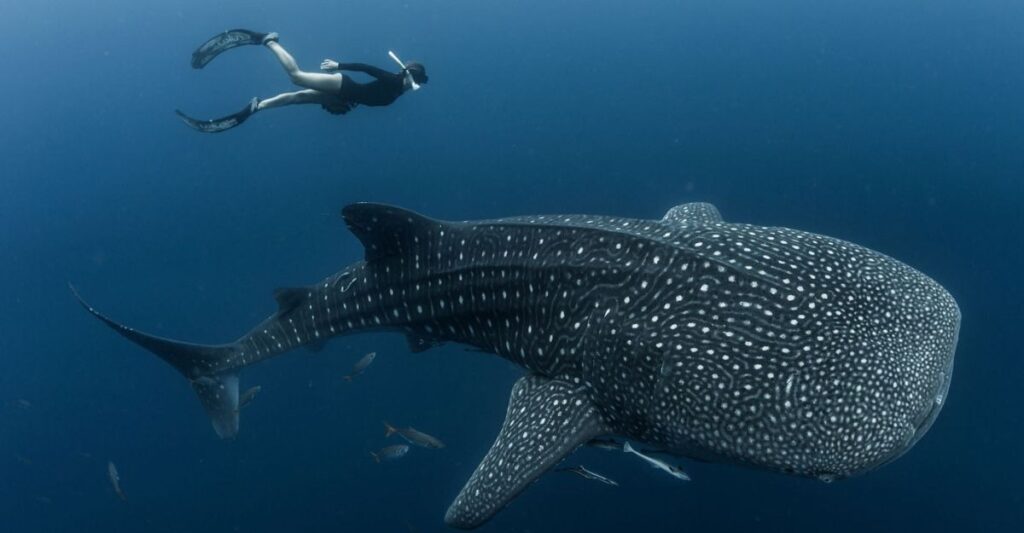
You might assume that such enormous animals have nothing to fear. That is mostly true, but not entirely.
Adult blue whales have almost no natural predators. Their size alone protects them from most ocean hunters. Killer whales are the only animals known to attack blue whales, and they usually target young calves rather than adults.
Whale sharks face a similar pattern. Babies are vulnerable to larger fish and sharks during their early years. Newborn whale sharks measure only about two feet long, which makes them easy targets. Once they reach adult size, natural predators are no longer a real threat.
The biggest danger to both animals today comes from humans. Boat strikes, fishing nets, and ocean pollution harm both species every year. This is why conservation efforts matter so much for their survival.
Conservation Status And Why It Matters
Both the blue whale and the whale shark are currently listed as endangered species. Their stories of decline share some similarities, though the causes are different.
Blue whales were hunted heavily during the whaling era of the past. Their populations dropped dramatically before international protection began in 1966. Since that ban, blue whale numbers have slowly started to recover. Full recovery will still take many more years of protection and monitoring.
Whale sharks face different but equally serious threats. Unregulated tourism in some regions puts stress on their populations. Vessel strikes and habitat loss also continue to harm their numbers. Because whale sharks grow slowly and reproduce late in life, their populations struggle to bounce back quickly.
Supporting ocean conservation groups can make a real difference for both species. Simple actions like reducing plastic use and supporting protected marine areas help too. Every small effort adds up to a healthier ocean for these giants and countless other species.
Conclusion
So, whale shark or blue whale which is bigger? The answer is clear. The blue whale is the larger of the two animals in both length and weight. It stands as the biggest animal to ever exist on our planet.
Still, the whale shark deserves just as much admiration. It holds the title of the largest fish in the entire ocean. Both animals show how nature can create life on a truly massive scale.
These giants remind us how mysterious and powerful our oceans remain. Protecting them protects the balance of marine life around the world. The next time you think about ocean giants, remember these two remarkable species and the different paths that led them to greatness.
Frequently Asked Questions
Is a blue whale bigger than a whale shark?
Yes, a blue whale is much bigger than a whale shark. Blue whales can reach over 100 feet long and weigh up to 200 tons.
Is the whale shark a mammal or a fish?
The whale shark is a fish, not a mammal. It has a cartilage skeleton and breathes through gills instead of lungs.
What do blue whales and whale sharks eat?
Both animals are filter feeders. Blue whales mainly eat krill, while whale sharks eat plankton and small fish and crustaceans.
Are blue whales and whale sharks endangered?
Yes, both species are currently listed as endangered. They face threats from boat strikes, fishing nets, and habitat loss.
Where can you find whale sharks and blue whales?
Blue whales live in oceans worldwide except the Arctic. Whale sharks prefer warmer tropical waters, especially in the Indian Ocean.
