


Imagine a dog as loyal as a German Shepherd but even bigger and calmer. That dog exists, and it is called the king shepherd.
This breed often surprises first time visitors. It looks powerful and strong. Yet it behaves like a soft hearted family companion.
Many people search for the king shepherd because they want a large, protective dog. They also want a dog that stays gentle around children and other pets. This guide answers every common question about the breed.
We will cover its history, size, temperament, training needs, health, and daily care. By the end, you will know if a king shepherd fits your lifestyle and home.
What Is A King Shepherd
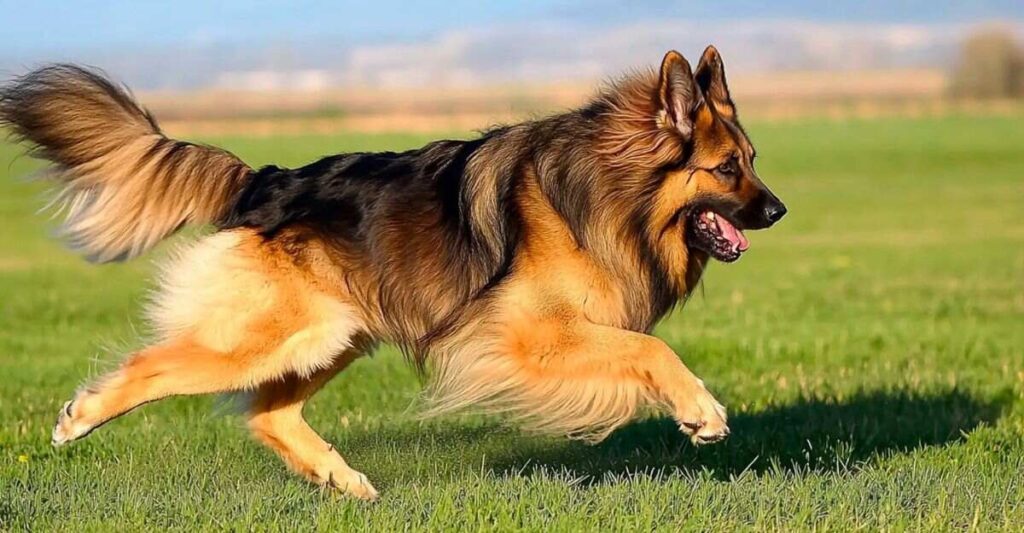
The king shepherd is a large dog breed that started in the United States during the 1990s. Breeders wanted a dog that looked like a German Shepherd but grew bigger and stayed healthier.
To create this breed, breeders mixed German Shepherds with a few other large breeds. These included the Shiloh Shepherd, the Alaskan Malamute, and the Great Pyrenees. Some breeding lines also include the Akita.
The goal was simple. Breeders wanted size, strength, and a calmer personality than the typical German Shepherd. Many experts believe this goal was achieved successfully.
The king shepherd is not yet recognized by the American Kennel Club. However, groups like the American Rare Breed Association and the American King Shepherd Club do recognize the breed. These organizations maintain breed standards for size, coat, and temperament.
Because the breed is still developing, some variation exists between different breeding lines. Two king shepherds from different breeders may look slightly different. Even so, their core traits remain consistent across most lines.
King Shepherd Size And Appearance
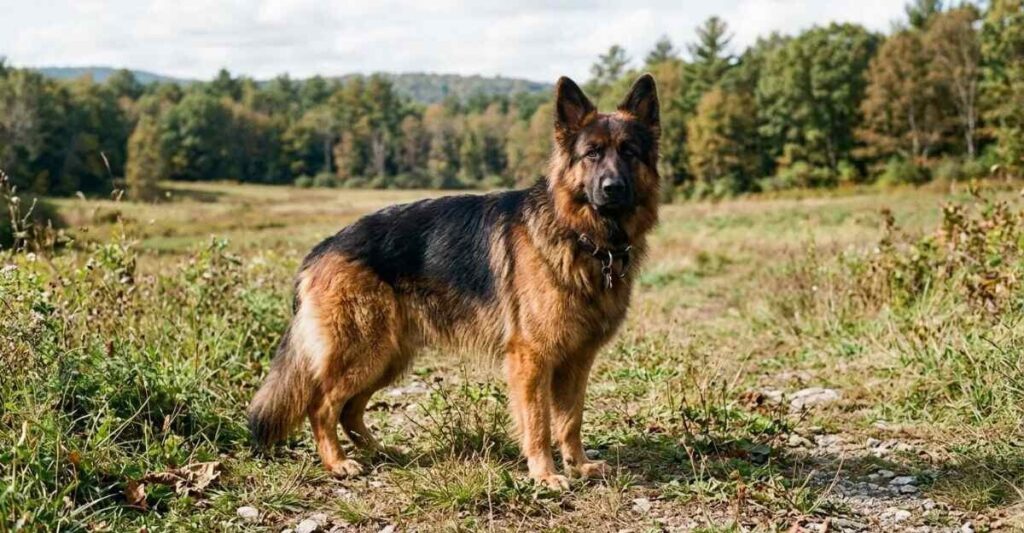
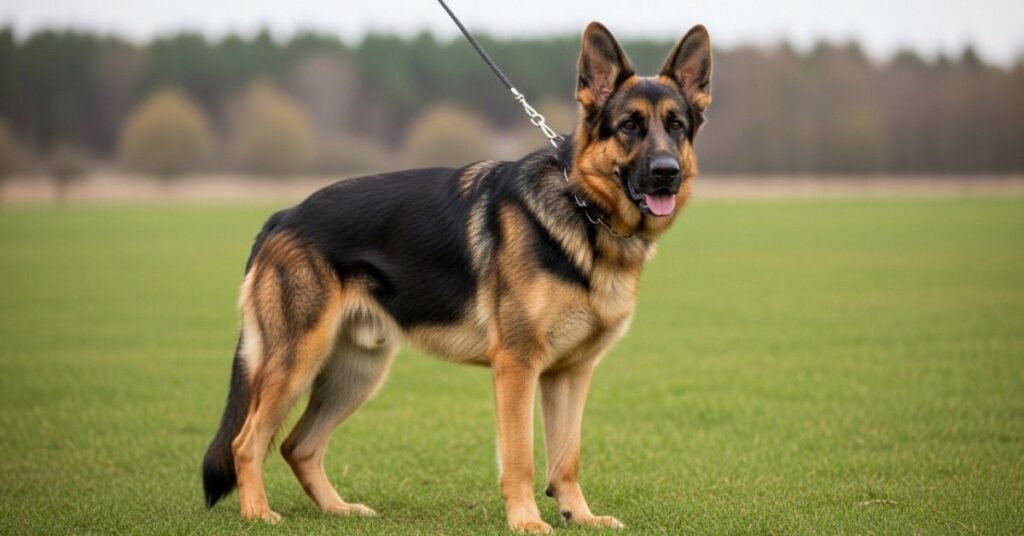
The king shepherd stands out because of its impressive size. This breed falls into the giant dog category, and it looks like an oversized German Shepherd.
Male king shepherds usually reach a height between 27 and 32 inches at the shoulder. Their weight typically falls between 110 and 150 pounds. Female king shepherds are slightly smaller. They usually stand between 25 and 29 inches tall and weigh between 90 and 120 pounds.
This dog carries a muscular, broad chested body. Its head is large with a strong muzzle and erect ears. The overall look combines strength with an alert, intelligent expression.
Their coat is thick and double layered. It can be straight or slightly wavy depending on the dog’s genetics. Common coat colors include black and tan, sable, solid black, and bi color patterns.
The table below shows a quick size comparison for easy reference.
| Feature | Male King Shepherd | Female King Shepherd |
| Height | 27 to 32 inches | 25 to 29 inches |
| Weight | 110 to 150 lbs | 90 to 120 lbs |
| Coat Type | Thick double coat | Thick double coat |
| Lifespan | 10 to 13 years | 10 to 13 years |
This size makes the king shepherd larger than most German Shepherds. Despite its bulk, the breed moves with surprising grace and agility.
King Shepherd Temperament And Personality
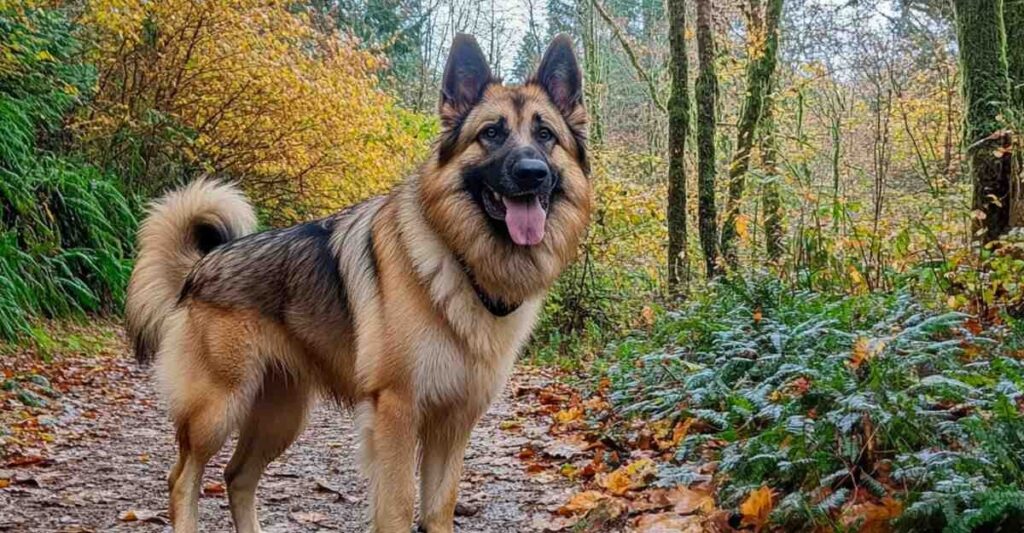
Many people call the king shepherd a gentle giant, and this nickname fits well. The breed combines the loyalty of a German Shepherd with a calmer, more relaxed nature.
King shepherds form deep bonds with their families. They often follow their favorite person from room to room. This close bond makes them excellent companions for people who want an attentive dog.
Despite their large size, these dogs show remarkable gentleness around children. They tend to move carefully and avoid rough play with smaller family members. Proper training still matters, since any large dog needs guidance around young kids.
Protective instincts run strong in this breed. King shepherds watch over their families and homes naturally. Yet they rarely show unnecessary aggression toward strangers. Most will assess a situation calmly before reacting.
This breed also craves purpose. King shepherds were bred from working lines, so they enjoy having a job to do. Without enough mental and physical activity, they may become restless or develop anxious habits.
Overall, the king shepherd suits families who want a loyal, protective, yet gentle companion. The breed rewards patient owners with unmatched loyalty and affection.
Training A King Shepherd
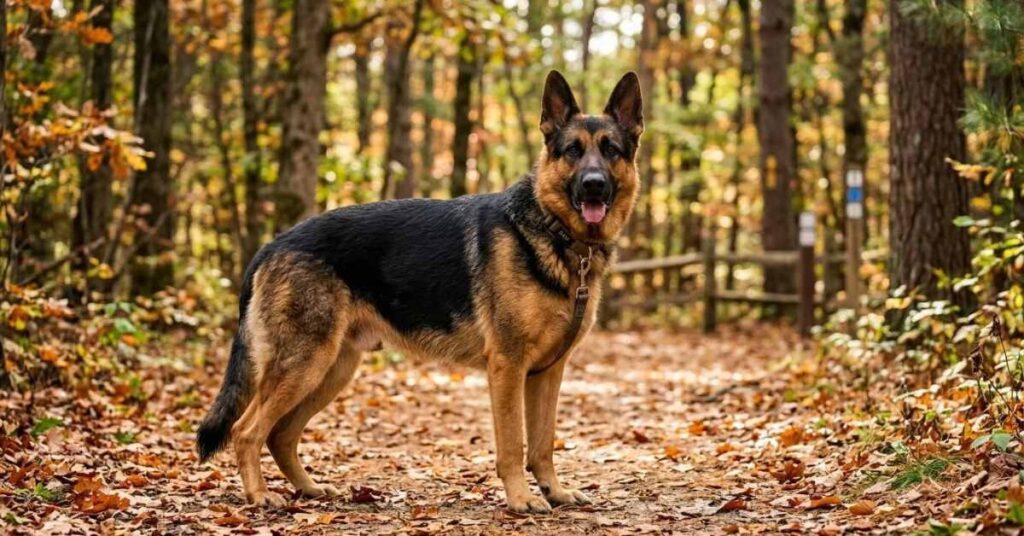
Training plays a major role in raising a well behaved king shepherd. Fortunately, this breed is highly intelligent and eager to please its owner.
Early socialization matters a great deal. Introducing your puppy to different people, animals, and environments helps prevent shyness or overprotectiveness later in life. Start this process as early as possible for the best results.
King shepherds respond best to positive reinforcement. Reward based methods like treats, praise, and play work far better than harsh corrections. This breed can become sensitive or stubborn if training feels overly forceful.
Consistency remains key throughout training. Clear rules and predictable routines help this breed feel secure and confident. Mixed signals from different family members can confuse the dog and slow progress.
Because king shepherds are working dogs at heart, they excel in structured activities. Obedience training, tracking exercises, and even therapy work suit this breed well. Many owners find success with scent games and puzzle toys too.
Training should begin during puppyhood and continue throughout adolescence. Large breeds like the king shepherd mature slowly, both physically and mentally. Patience during this stage leads to a well mannered adult dog.
Exercise Needs Of The King Shepherd
This breed carries plenty of energy, so daily exercise remains essential. Without enough physical activity, a king shepherd may become bored or develop unwanted behaviors like chewing or excessive barking.
Most experts recommend at least ninety minutes of exercise every day for this breed. Some king shepherds thrive with even more activity, especially younger dogs full of energy.
Exercise should include a mix of physical movement and mental stimulation. Long walks, hikes, and games of fetch help burn physical energy. Puzzle toys, obedience drills, and scent work challenge the mind as well.
This breed does best in homes with access to a yard or open space. Apartment living can work, but only for owners committed to providing enough daily activity. A bored king shepherd in a small space often becomes restless.
Interactive games like tug of war and hide and seek keep this breed engaged. Rotating toys regularly also helps prevent boredom. Dogs that receive enough exercise tend to be calmer and more relaxed indoors.
Remember that puppies need careful exercise limits. Too much high impact activity during growth can harm developing joints in large breeds like this one.
Grooming And Coat Care
The king shepherd inherited a thick double coat from its German Shepherd ancestry. This coat requires regular attention to stay healthy and manageable.
Brushing should happen at least two to three times each week. During shedding season, daily brushing helps control loose fur around the house. This breed sheds heavily throughout the year, with heavier shedding during seasonal changes.
Bathing does not need to happen often. Most king shepherds only need a bath when their coat becomes visibly dirty or messy. Overbathing can actually strip natural oils from their skin.
Beyond brushing, owners should trim nails on a monthly basis. Long nails can cause discomfort or affect a dog’s gait over time. Dental care matters too, so brushing your dog’s teeth two to three times weekly supports better oral health.
Ears also deserve regular checks. Because king shepherds have erect ears, they generally face fewer ear infections than breeds with floppy ears. Still, periodic cleaning helps prevent wax buildup or irritation.
Consistent grooming keeps this breed comfortable and looking its best. It also gives owners a chance to check for skin issues, lumps, or parasites early.
Health Issues And Care Considerations
One reason breeders created the king shepherd was to reduce health problems common in German Shepherds. In many cases, this goal has been successful, though the breed still faces some health concerns.
Hip and elbow dysplasia remains a concern for this large breed. This condition affects the joints and can lead to pain or mobility issues over time. Regular vet checkups help catch early signs before they worsen.
Bloat, also called gastric torsion, poses another risk for deep chested breeds like this one. This condition can become life threatening quickly, so owners should learn the warning signs and avoid heavy exercise right after meals.
Some king shepherds also face degenerative myelopathy, a condition affecting the spinal cord in older dogs. Responsible breeders often test parent dogs to reduce this risk in future generations.
Von Willebrand’s disease appears in some lines as well. This condition affects the blood’s ability to clot properly after an injury. While manageable, it requires awareness from both owners and veterinarians.
With proper healthcare and preventive screening, most king shepherds live full and active lives. Working with a trusted veterinarian and choosing a responsible breeder both help minimize these risks significantly.
Feeding And Nutrition Needs
As a giant breed, the king shepherd requires a substantial amount of food to maintain healthy energy levels. Most adult dogs eat between three and four cups of quality food daily, though needs vary by individual dog.
Splitting meals into two or three smaller portions works better than one large meal. This approach helps reduce the risk of bloat, which affects deep chested breeds more often.
Choosing age appropriate food matters greatly for this breed. Puppies need different nutritional support than adult or senior dogs. A veterinarian can help create a feeding plan suited to your dog’s life stage and activity level.
Weight management deserves special attention too. King shepherds can develop hypothyroidism, a condition that slows metabolism and increases the risk of weight gain. Monitoring portions and providing regular exercise helps keep weight in a healthy range.
Some owners choose to add supplements like omega three fatty acids for coat health or glucosamine for joint support. Always consult a veterinarian before adding any new supplement to your dog’s diet.
Fresh water should remain available throughout the day. Proper hydration supports digestion, joint health, and overall energy levels in this active breed.
King Shepherd Puppies And Early Life
Bringing home a king shepherd puppy requires preparation and commitment. These puppies grow quickly and need consistent guidance from an early age.
Since this breed is prone to separation anxiety, gradual training around alone time helps prevent stress later. Puppies benefit from short periods of independence that slowly increase as they mature.
Socialization during puppyhood shapes how this breed interacts with the world later in life. Meeting new people, animals, and environments early builds confidence and reduces fearfulness.
King shepherd puppies require plenty of attention and mental engagement. Bored puppies often turn to chewing or digging as an outlet. Providing safe toys and consistent training helps redirect this natural energy.
Because the breed is still developing, always research breeders carefully. Responsible breeders test for common health conditions and prioritize temperament alongside appearance.
Patience during the puppy stage pays off significantly. A well socialized, well trained king shepherd puppy grows into a confident and balanced adult dog.
Is The King Shepherd Right For Your Family
Choosing any dog breed requires honest thinking about your lifestyle and home environment. The king shepherd fits certain households better than others.
Families with children often do well with this breed, since king shepherds tend to be gentle and patient around kids. Homes with yards or access to open space also suit this breed’s exercise needs better than small apartments.
This breed thrives with active owners who enjoy daily walks, hikes, or outdoor play. Owners who travel often or spend long hours away from home may find this breed’s need for companionship challenging.
Experienced dog owners often handle this breed more easily, since king shepherds require consistent training and structure. First time owners can still succeed with proper research and commitment to training.
If you want a loyal, protective, and loving companion with a calm temperament, the king shepherd could be an excellent match. Consider your space, schedule, and experience level before bringing one home.
Conclusion
The king shepherd stands out as one of the most impressive large dog breeds available today. It combines size, intelligence, and gentleness in a way that few other breeds manage successfully.
This breed rewards owners who provide structure, exercise, and affection. In return, families receive a devoted protector and a loving companion for many years.
Whether you are drawn to its striking appearance or its gentle personality, the king shepherd offers a unique combination of traits.
Frequently Asked Questions
What is a king shepherd mixed with?
The king shepherd typically comes from German Shepherd lines mixed with Shiloh Shepherd, Alaskan Malamute, and Great Pyrenees breeds.
Are king shepherds good with kids?
Yes, king shepherds are generally excellent with children. They tend to be gentle, patient, and protective around younger family members.
How long do king shepherds live?
Most king shepherds live between 10 and 13 years, which is a solid lifespan for a giant breed dog.
Is the king shepherd recognized by the AKC?
No, the king shepherd is not yet recognized by the American Kennel Club. It is recognized by rare breed organizations instead.
How much exercise does a king shepherd need? This breed needs at least ninety minutes of daily exercise, including both physical activity and mental stimulation.
