
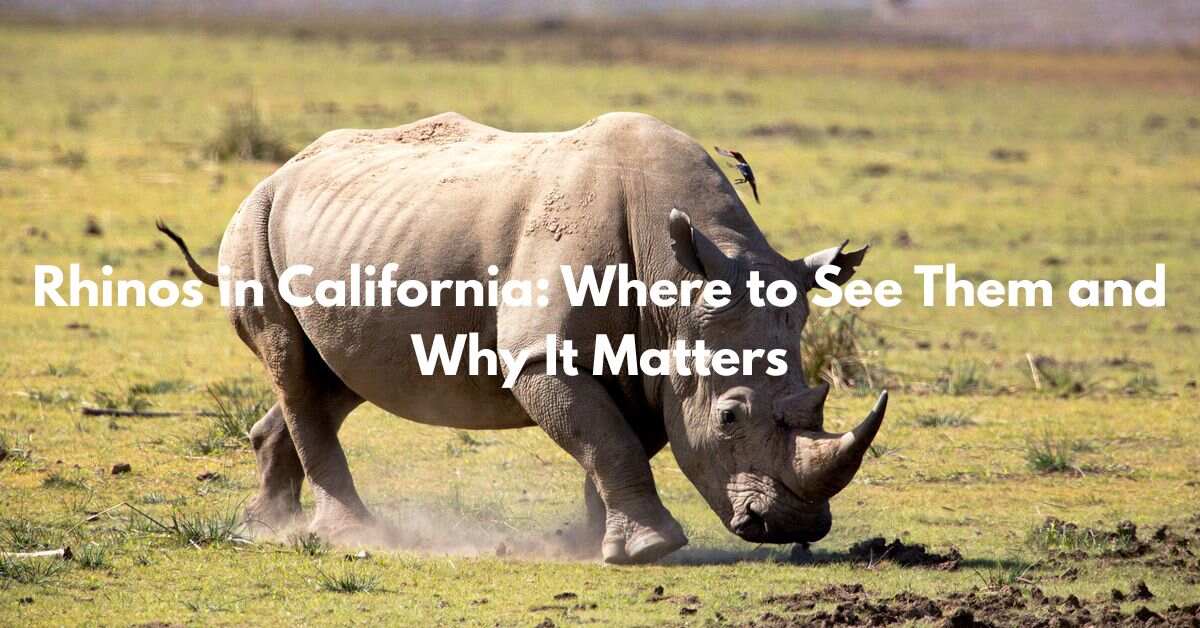
Imagine standing just a few feet away from one of the most powerful animals on Earth. A massive creature weighing up to 6,000 pounds stares back at you with calm, deep eyes. That experience is completely possible right here in California.
Rhinos in California are not a myth or a trick of the imagination. They are real, they are thriving, and they are at the heart of some of the most important conservation work happening anywhere on the planet.
California is home to several world-class wildlife facilities that care for rhinos. These places do far more than keep rhinos on display. They actively fight extinction through cutting-edge science, breeding programs, and global partnerships. If you have ever wondered where to find rhinos in California, or why their presence here matters so much, this article has everything you need to know.
Are There Wild Rhinos in California?
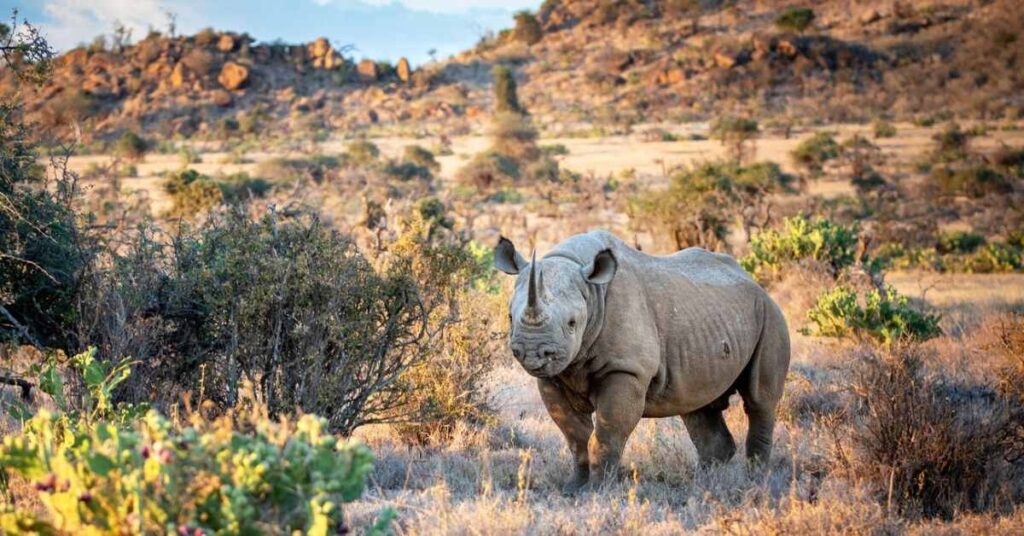
This is one of the most common questions people ask. The short answer is no. Rhinos are not native to California, and there are no wild rhinos roaming the state’s forests, deserts, or grasslands.
Rhinos naturally live in Africa and Asia. Their native habitats range from the open grasslands of sub-Saharan Africa to the dense tropical forests of Southeast Asia. California’s ecosystem simply does not match what rhinos need to survive in the wild.
However, rhinos in California do exist in accredited zoos, wildlife preserves, and conservation sanctuaries. These are carefully managed environments designed to mimic natural habitats as closely as possible. The animals receive expert veterinary care, proper nutrition, and enough space to live healthy, comfortable lives.
So while you will not spot a rhino on a hiking trail in the Sierra Nevada, you absolutely can see them up close at dedicated wildlife facilities across the state.
Where to Find Rhinos in California
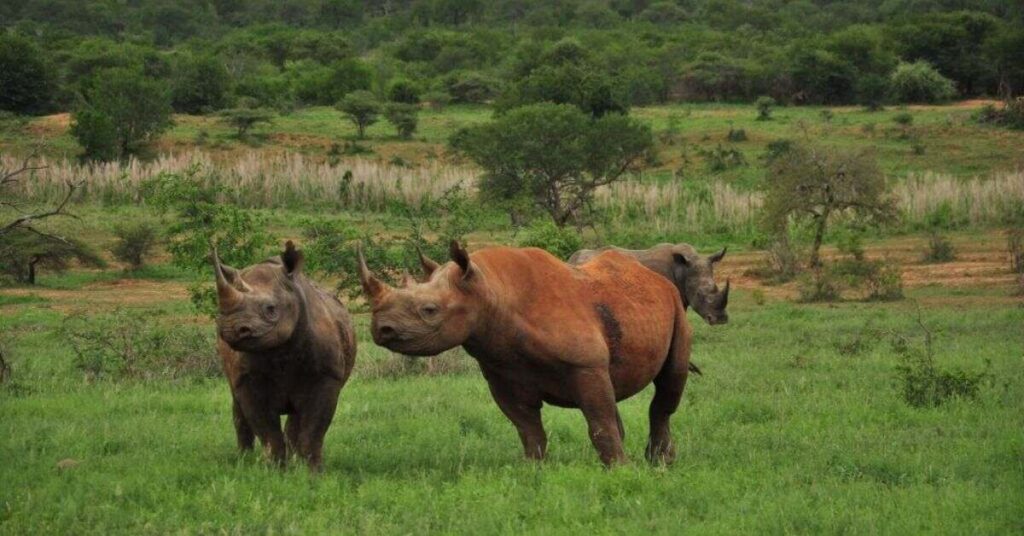
California is home to several outstanding facilities that house rhinos. Each one offers a unique experience and plays an important role in global conservation efforts.
San Diego Zoo Safari Park in Escondido is the most famous destination for rhinos in California. This is where the largest managed group of rhinos in the world lives. The Safari Park cares for three species of rhinos, including southern white rhinos, greater one-horned rhinos, and black rhinos.
The park has an extraordinary history with these animals. It first began caring for rhinos back in 1952. Since then, it has overseen the births of more than 100 southern white rhino calves. That record makes it a global leader in rhino conservation.
Safari West in Santa Rosa is another remarkable location to see rhinos in California. This wildlife preserve recently made international headlines in July 2025 when a healthy southern white rhino calf was born on the very same day rock legend Ozzy Osbourne passed away. The preserve named the newborn “Ozzy” in honor of the music icon. The calf was born to 20-year-old mother Eesha and 29-year-old father Ongava. The birth was celebrated as a meaningful moment for the global conservation of southern white rhinos.
Monterey Zoo is another California facility that proudly houses southern white rhinos. The zoo operates what it calls a world-class, award-winning multi-species Africa Savannah Exhibit. Visitors can get up close to these magnificent animals while learning about the importance of protecting them.
| Facility | Location | Species Housed |
| San Diego Zoo Safari Park | Escondido, CA | Southern White, Greater One-Horned, Black |
| Safari West | Santa Rosa, CA | Southern White |
| Monterey Zoo | Salinas, CA | Southern White |
The Nikita Kahn Rhino Rescue Center: California’s Most Important Rhino Facility
No discussion of rhinos in California is complete without talking about the Nikita Kahn Rhino Rescue Center. This dedicated facility sits within the San Diego Zoo Safari Park and represents one of the most ambitious conservation projects anywhere in the world.
The center was built with a single driving mission: to prevent rhinos from going extinct. It uses advanced reproductive science to give rhinos a fighting chance at survival.
In 2019, the center achieved a historic milestone. A southern white rhino named Victoria gave birth to a healthy male calf named Edward. This was the first southern white rhino in North America to be born through artificial insemination. It was a scientific breakthrough that proved the technology could work and opened the door to even greater possibilities.
The center houses six female southern white rhinos that were brought from private reserves in South Africa in 2015. These females are trained, cared for, and potentially prepared to serve as surrogate mothers for northern white rhino embryos in the future.
The ultimate goal is breathtaking. Scientists want to bring back the northern white rhino from the very edge of extinction. Only two northern white rhinos remain on Earth, and both are female. Using frozen genetic material stored in the Safari Park’s famous Frozen Zoo, researchers hope to create embryos that could one day be carried by a southern white rhino surrogate right here in California.
The Rhinos California Is Helping to Save: A Global Crisis
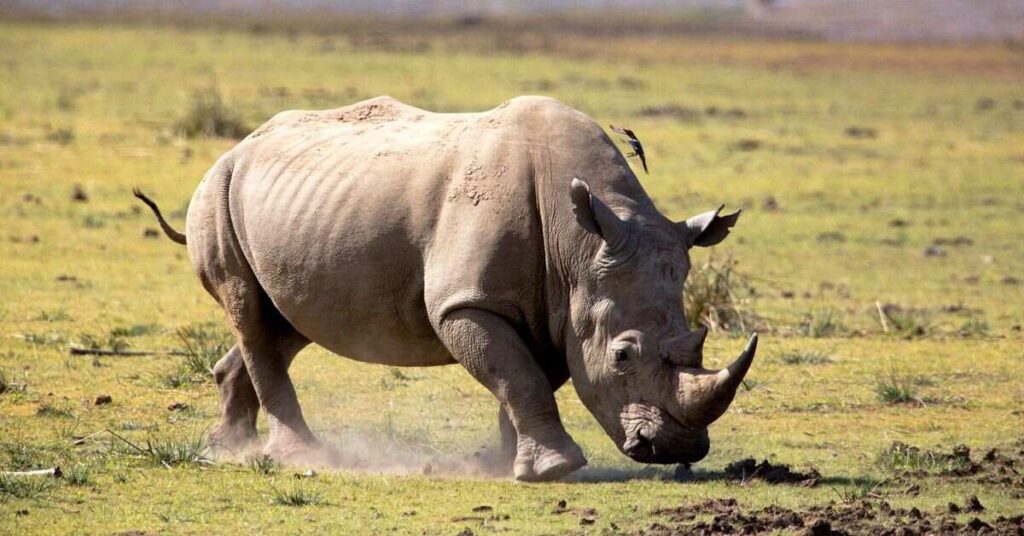
Understanding why rhinos in California matter so much requires a look at the global picture. The situation facing rhinos worldwide is deeply serious.
At the start of the 20th century, an estimated 500,000 rhinos roamed across Africa and Asia. Today, fewer than 28,000 remain. That devastating decline happened because of relentless poaching and widespread habitat destruction.
Rhino horn is the main driver of this crisis. Some cultures falsely believe that rhino horn has medicinal properties. In reality, rhino horn is made entirely of keratin, the same material that forms human fingernails and hair. It has no scientifically proven health benefits whatsoever. Yet the illegal demand for rhino horn drives a black market that kills rhinos every single day.
Here is a quick look at where each rhino species stands right now:
| Rhino Species | Estimated Wild Population | IUCN Status |
| Southern White Rhino | ~15,752 | Near Threatened |
| Black Rhino | ~6,788 | Critically Endangered |
| Greater One-Horned Rhino | ~4,075 | Vulnerable |
| Javan Rhino | ~50 | Critically Endangered |
| Sumatran Rhino | 34-47 | Critically Endangered |
| Northern White Rhino | 2 (females only) | Functionally Extinct |
The northern white rhino situation is the most heartbreaking. The last male northern white rhino, named Sudan, died in 2018. Only two females, Najin and Fatu, remain. They live under 24-hour armed guard at Ol Pejeta Conservancy in Kenya. Natural reproduction is no longer possible. Science and collaboration between institutions like the San Diego Zoo Safari Park are now the only hope.
California’s Role in Fighting Rhino Extinction
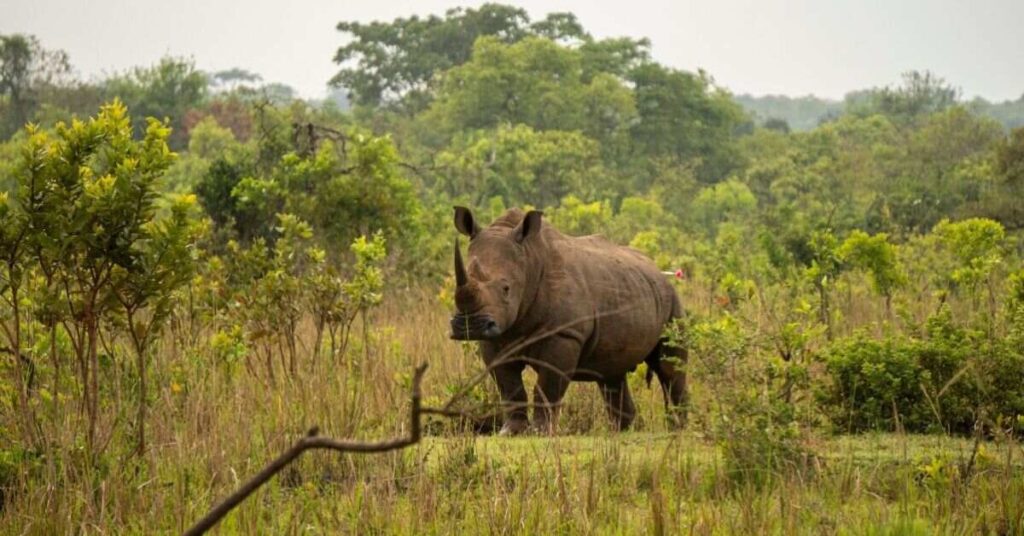
California does not just house rhinos. It actively leads the global fight to save them. The work happening at facilities like the San Diego Zoo Safari Park goes far beyond what most people realize.
The San Diego Zoo Wildlife Alliance partners with conservation organizations across Africa and Asia. It funds anti-poaching units, supports protected reserves, and helps relocate rhinos to safer environments. It has established anti-poaching programs in South Africa and works closely with the International Rhino Foundation.
The Frozen Zoo at the Safari Park is one of the most valuable conservation resources on the planet. It holds cell cultures from 78 black rhinos alone, including animals born in the wild. These preserved genetic materials could one day be used to help revive species that have been pushed to extinction’s edge.
Scientists at the Safari Park also develop and share cutting-edge technology. They use machine learning and deep learning tools to monitor rhino behavior and track population trends. These tools are then shared with conservation partners in Kenya and other countries, helping protect wild rhinos on the ground.
The birth of “Ozzy” the rhino calf at Safari West in July 2025 reminds us that every birth is a victory. Safari West’s founder and conservation director, Dr. Nancy Lang, put it perfectly when she said that every rhino birth inspires hope and underscores the importance of protecting these extraordinary animals.
How You Can Help Rhinos in California and Beyond
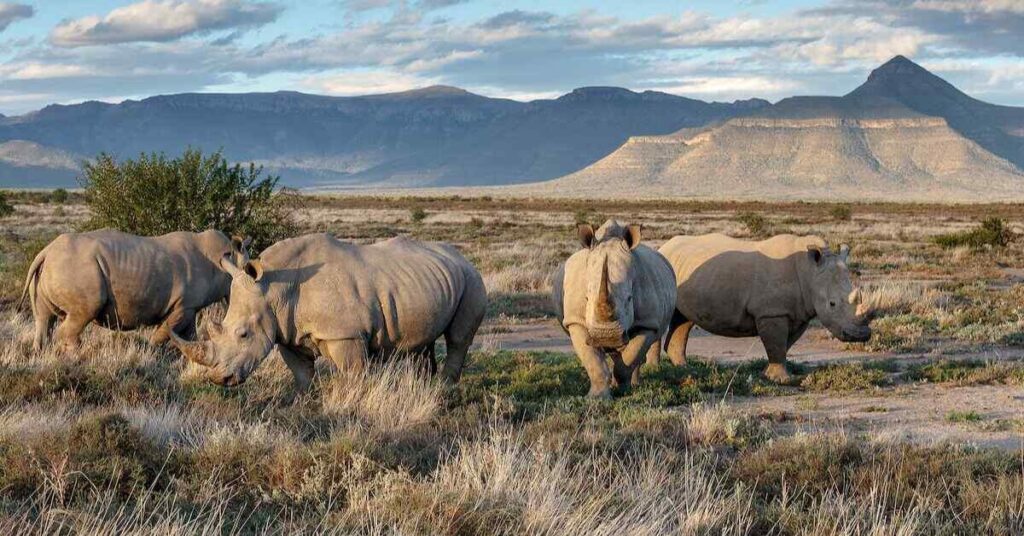
Seeing rhinos in California is a powerful experience. But you can do more than just visit. There are real and meaningful ways to support the animals and the people working to protect them.
Visit accredited facilities. When you visit the San Diego Zoo Safari Park, Safari West, or the Monterey Zoo, your admission fees directly support conservation programs. These organizations depend on public engagement and funding to continue their work.
Donate to conservation organizations. The San Diego Zoo Wildlife Alliance, the International Rhino Foundation, and Save the Rhino International all accept donations. Every contribution funds anti-poaching patrols, veterinary care, and scientific research.
Spread awareness. Talk to your friends and family about the rhino crisis. Share what you have learned. Public awareness drives political will and conservation funding.
Avoid products linked to illegal wildlife trade. Never purchase rhino horn products. These items are illegal in most countries and directly fuel the poaching that threatens wild rhino populations.
Support sustainable tourism. Wildlife-based tourism in Africa generates income for local communities and gives rhinos economic value. When communities benefit from protecting rhinos, they become powerful allies in conservation.
A Moment of Hope: Baby Ozzy and the Circle of Life
Sometimes nature delivers moments that stop you in your tracks. The birth of a rhino calf named Ozzy at Safari West in Santa Rosa is one of those moments.
On July 22, 2025, as the world learned that rock legend Ozzy Osbourne had passed away, a healthy male southern white rhino calf entered the world at Safari West wildlife preserve. The timing felt like something beyond coincidence. The staff named the newborn Ozzy in a heartfelt tribute to the musician’s legacy.
The calf was born to mother Eesha and father Ongava, and he joins older brother Otto, who was born at Safari West in April 2023. He is expected to nurse and stay close to his mother for up to two years. His birth is not just a joyful milestone for Safari West. It is a small but meaningful win for a species that desperately needs every new life it can get.
Southern white rhinos are classified as Near Threatened on the IUCN Red List. Their numbers have been declining in recent years, largely due to continued poaching in South Africa and Namibia. Each new calf born in a protected environment represents a step in the right direction.
The Future of Rhinos in California
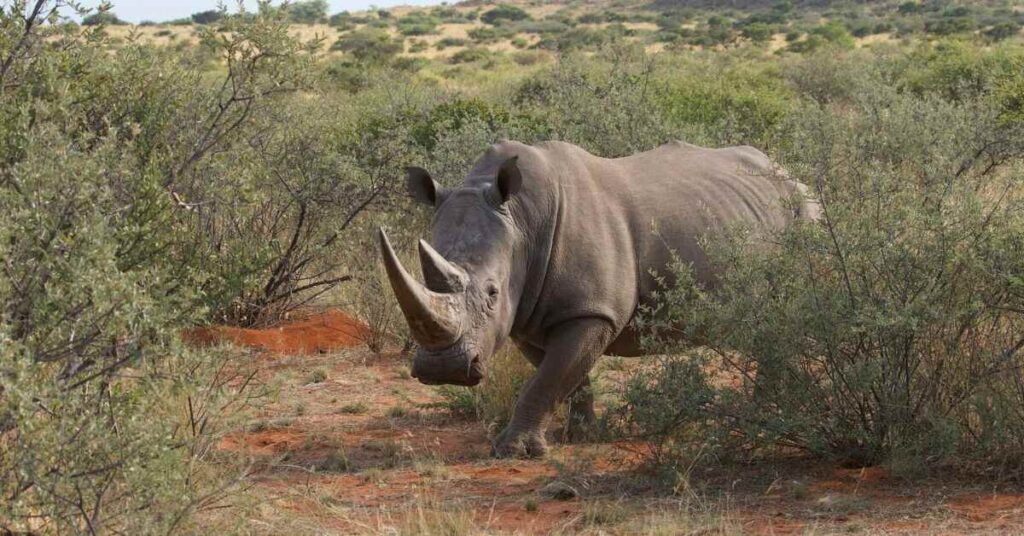
The future of rhinos in california depends on conservation and education. While wild rhinos will likely not return, their role in wildlife awareness will grow.
Zoos and wildlife parks will continue to care for rhinos. They will also improve breeding programs. These programs are important for keeping species alive.
Technology also plays a role. Scientists use data to track rhino health and behavior. This helps improve care and conservation strategies.
Education will remain a key focus. More people are becoming aware of wildlife issues. This awareness leads to support for conservation programs.
The idea of rhinos in california may also inspire future projects. Some experts explore ways to restore ecosystems. While reintroducing rhinos is unlikely, similar ideas help protect biodiversity.
In the end, the future is about balance. It is about protecting animals while respecting natural ecosystems.
Practical Takeaways for Wildlife Lovers
If you are interested in rhinos in california, there are simple ways to get involved.
You can visit wildlife parks and learn about rhinos. This helps support conservation efforts.
You can also support organizations that protect rhinos. Many groups work to stop poaching and protect habitats.
Learning about wildlife is another important step. The more you know, the more you can help.
Sharing information with others also makes a difference. Awareness is one of the strongest tools in conservation.
By taking small steps, you can contribute to a bigger cause. The story of rhinos in california is not just about the past or present. It is also about the future of wildlife.
Conclusion
The topic of rhinos in california is both fascinating and meaningful. It connects ancient history with modern conservation.
While rhinos do not live in the wild in California today, their presence in wildlife parks plays an important role. It helps educate people and support global conservation efforts.
This story reminds us how much the world has changed. It also shows how important it is to protect wildlife.
By understanding the journey of rhinos in california, we gain a deeper respect for nature. We also learn that every effort counts when it comes to saving endangered animals.
Frequently Asked Questions
Are there wild rhinos in California?
No, there are no wild rhinos in California today. They only live in zoos and wildlife parks.
Did rhinos ever live in California?
Ancient relatives of rhinos lived in North America long ago. This includes regions similar to California.
Where can I see rhinos in California?
You can see rhinos in wildlife parks and zoos that focus on conservation and animal care.
Why are rhinos endangered?
Rhinos face threats like poaching and habitat loss. These factors have reduced their population.
How does California help rhino conservation?
California supports conservation through breeding programs, education, and partnerships with global wildlife organizations.
