

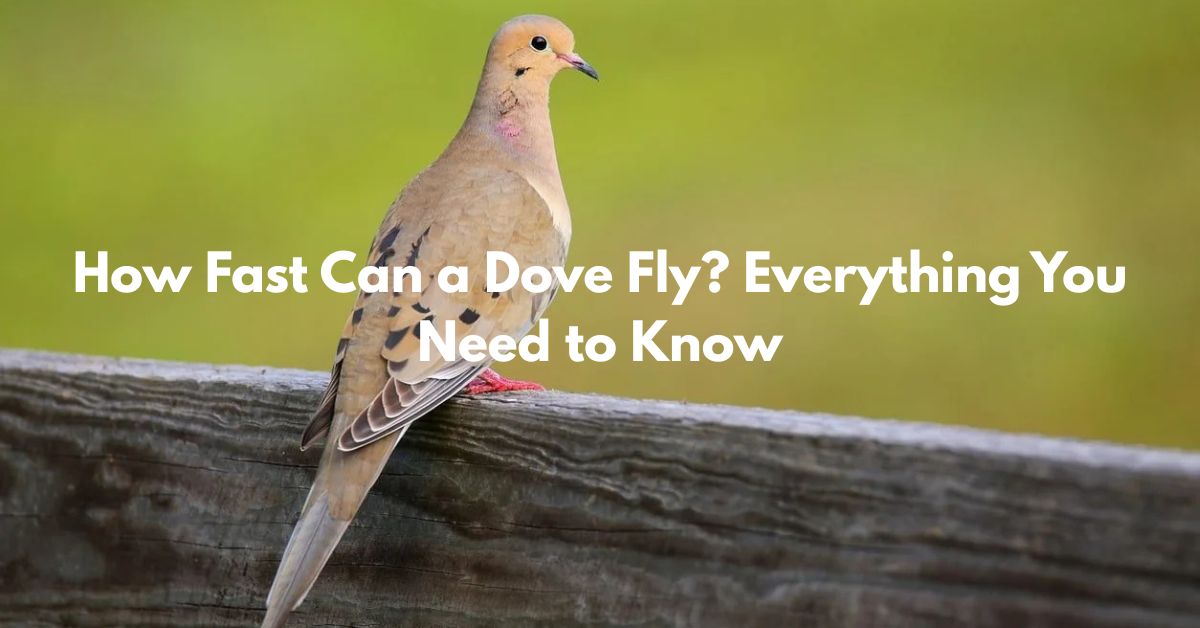
Have you ever watched a dove burst into the air and disappear in the blink of an eye? One second it is perched quietly on a fence wire, and the next it is gone. That moment always leaves people asking the same question: how fast can a dove fly?
The answer may surprise you. These gentle, soft-cooing birds are far faster than most people think. They are not just pretty faces at your bird feeder. Doves are built for speed, and they use that speed every single day to survive in the wild.
In this article, we break down exactly how fast a dove can fly, what makes them so quick, how they compare to other birds, and much more. Whether you are a backyard birder or just curious about nature, this guide has everything you need.
How Fast Can a Dove Fly? The Real Numbers
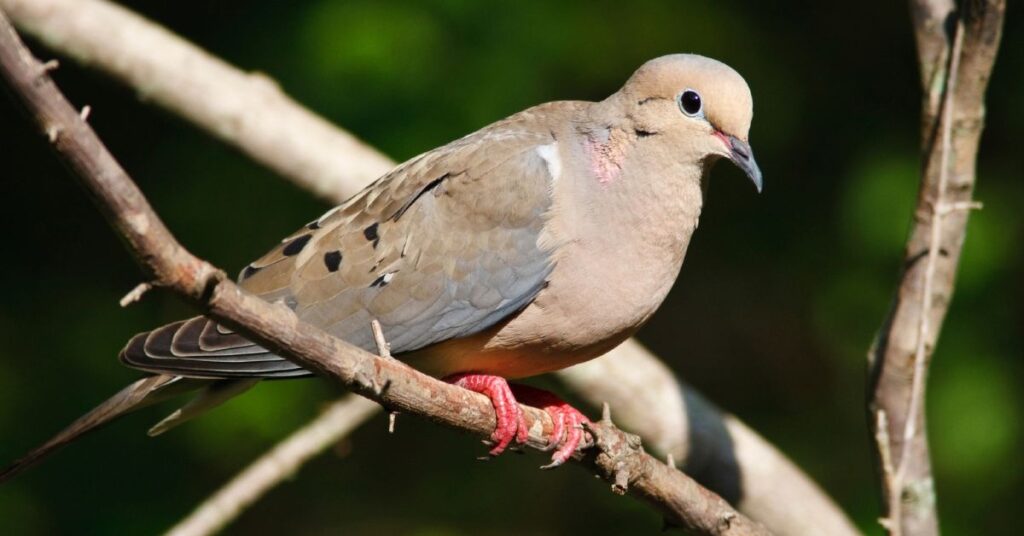
The mourning dove, which is the most common dove species in North America, has been clocked at speeds between 40 and 55 miles per hour (mph). That is around 64 to 88 kilometers per hour. In some cases, they can push even beyond that.
When a mourning dove is escaping a predator, it can reach bursts of speed that go above 55 mph. The Minnesota Department of Natural Resources notes that mourning doves travel at 30 to 40 mph during normal cruising flight, but they can accelerate to speeds greater than 60 mph when they need to.
That is faster than most cars drive through a neighborhood.
Here is a quick look at dove flight speed ranges:
| Flight Situation | Speed Range |
| Normal cruising flight | 30 to 40 mph (48 to 64 km/h) |
| Average top speed | 40 to 55 mph (64 to 88 km/h) |
| Escape from predators | Up to 60+ mph (96+ km/h) |
So the next time you see a dove take off, know that it is one of the fastest small birds in your backyard.
What Makes a Dove Fly So Fast?
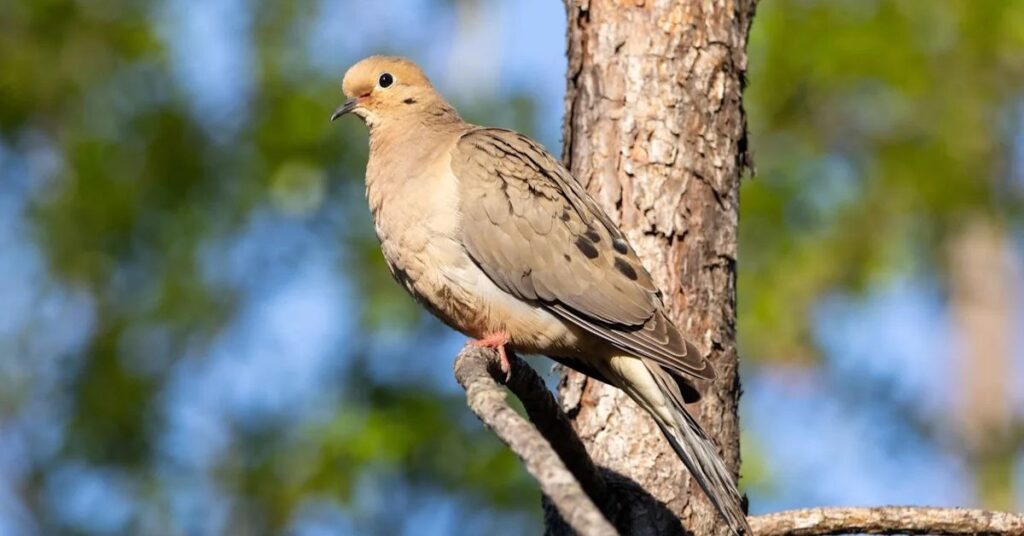
When you look at a dove, it does not exactly look like a speed machine. It is small, round-chested, and soft-looking. But the body of a dove hides some serious aerodynamic design features.
Long, pointed wings are the first key. The mourning dove has wings that look almost falcon-like in their shape. Pointed wings cut through the air with very little drag. This allows the dove to reach high speeds without burning too much energy.
A long, pointed tail is the second key. The mourning dove has a tail that is longer than that of any other dove species. This long tail helps the bird steer and balance while flying at high speeds.
Powerful breast muscles are the third key. The chest of a dove is packed with strong muscles that power its wings. These muscles allow the dove to flap its wings up to 5 times per second. That rapid wing beat is what gives the bird its speed and its ability to accelerate quickly.
All of these features work together to create a bird that is built to move fast. The shape is not random. It is the result of thousands of years of natural design that helped doves survive in the wild.
How Fast Can a Dove Fly Compared to Other Birds?
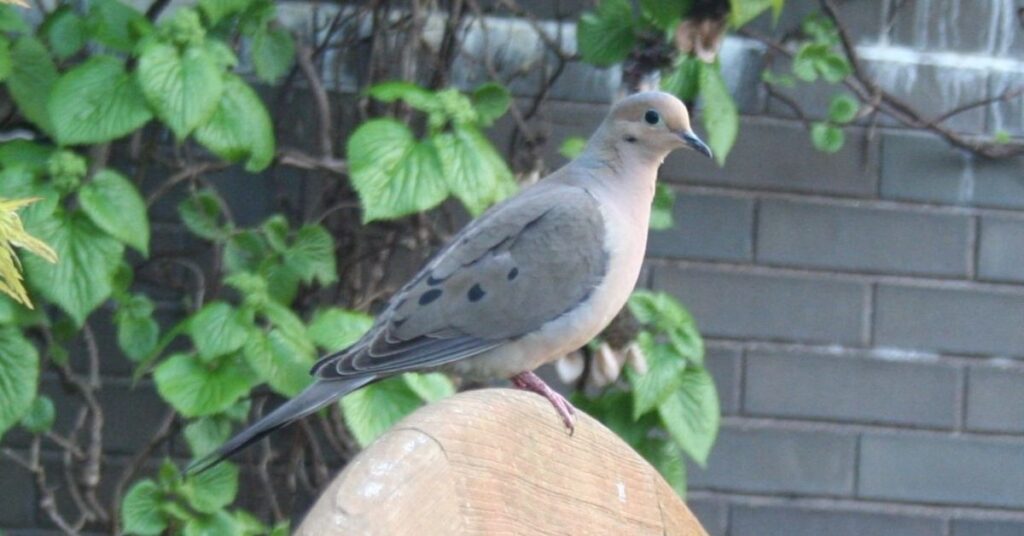
Knowing how fast can a dove fly is even more impressive when you compare it to other birds. Most people assume that small birds are slow. But doves actually sit on the faster end of the spectrum for small birds.
Here is how the mourning dove compares to other well-known birds:
| Bird | Average Flight Speed |
| Mourning Dove | 40 to 55 mph |
| Sparrow | 20 to 30 mph |
| Starling | 40 to 60 mph |
| Hummingbird | Around 30 mph (up to 60 mph in dives) |
| Peregrine Falcon (dive) | Up to 240 mph |
| Snipe | Around 60 mph |
| Canada Goose | 40 to 55 mph |
The mourning dove holds its own very well. It flies faster than sparrows and is in the same range as starlings. Among backyard birds, the mourning dove is widely considered one of the fastest fliers. It is certainly the fastest that most people will ever see sitting at a feeder.
The peregrine falcon is in a completely different category when it dives, but for a small, peaceful bird, the dove is impressively quick.
How a Dove Flies: Speed, Style, and Survival
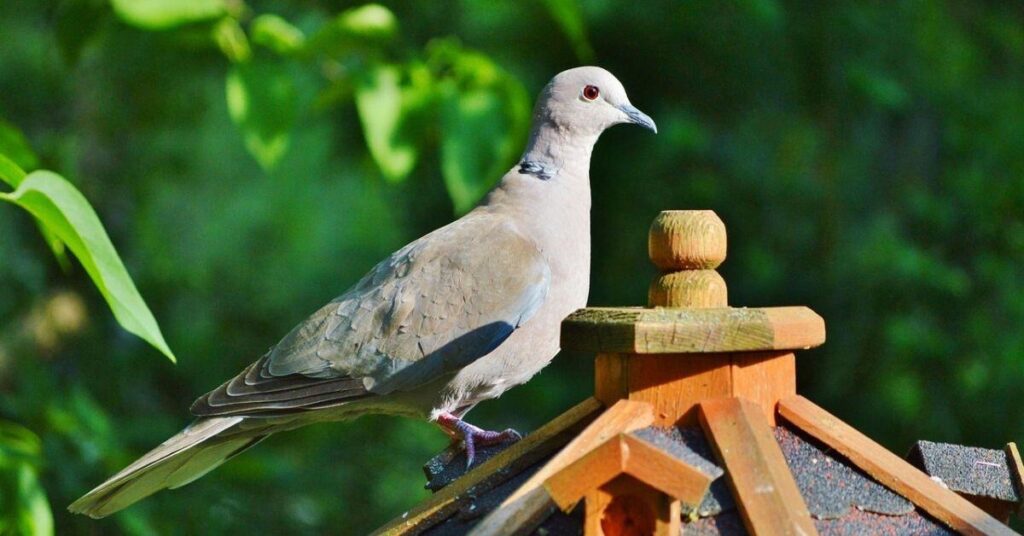
The way a dove flies is just as interesting as how fast can a dove fly. Mourning doves do not drift lazily through the air. Their flight is described as fast and bullet straight. They take off quickly, fly in a direct line, and land with precision.
When a dove takes off, you can often hear a sharp whistling or whirring sound. This sound does not come from the dove’s throat. It comes from the wing feathers. Scientists believe this sound acts as a warning to other doves nearby, telling them that danger is close.
Doves also use speed in a very smart way. When a predator such as a hawk or a falcon gets too close, the dove does not just fly fast. It also changes direction quickly. It can twist and turn mid-flight to confuse the attacker. This combination of speed and agility makes the dove very hard to catch.
Over long migration distances, doves slow down to a steady cruising speed. Flying at top speed for hours would burn too much energy. So doves are smart enough to pace themselves. They fly fast when they need to and cruise efficiently when they are traveling long distances.
The Mourning Dove: A Closer Look at This Amazing Bird
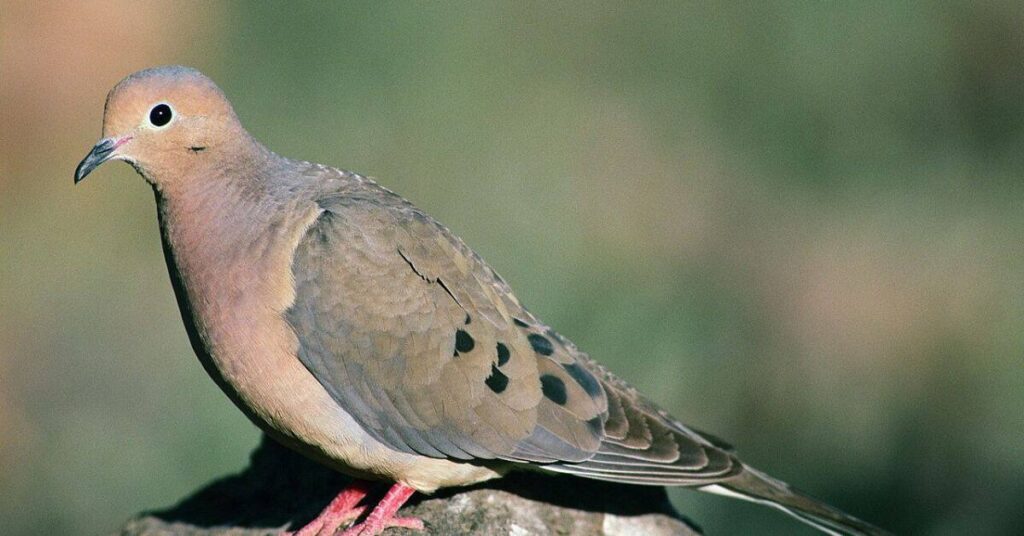
To fully understand how fast can a dove fly, it helps to know more about the bird itself. The mourning dove (Zenaida macroura) is one of the most common and most recognized birds in North America.
It gets its name from its soft, sad-sounding call. That mournful “coo-ooo-ooo” is a sound that many people grow up hearing without ever knowing what bird makes it. The call is usually made by an unmated male trying to attract a partner.
The mourning dove is a graceful bird. It has a small head, a plump, rounded body, and a long, pointed tail. Its feathers are a soft mix of brown and gray with a few black spots on the wings. Up close, you can see a pale blue ring of skin around each eye. The legs are dull red.
Males and females look very similar, which makes it hard to tell them apart. The male is slightly larger and has a faint blue-gray crown on its head along with a pinkish chest. The female has a softer, browner appearance overall.
These birds are found across most of North America. They live in open country, woodland edges, farmland, backyards, and even desert areas. They are incredibly adaptable, which is one reason they are so widespread.
What Does a Dove Eat and How Does It Feed?
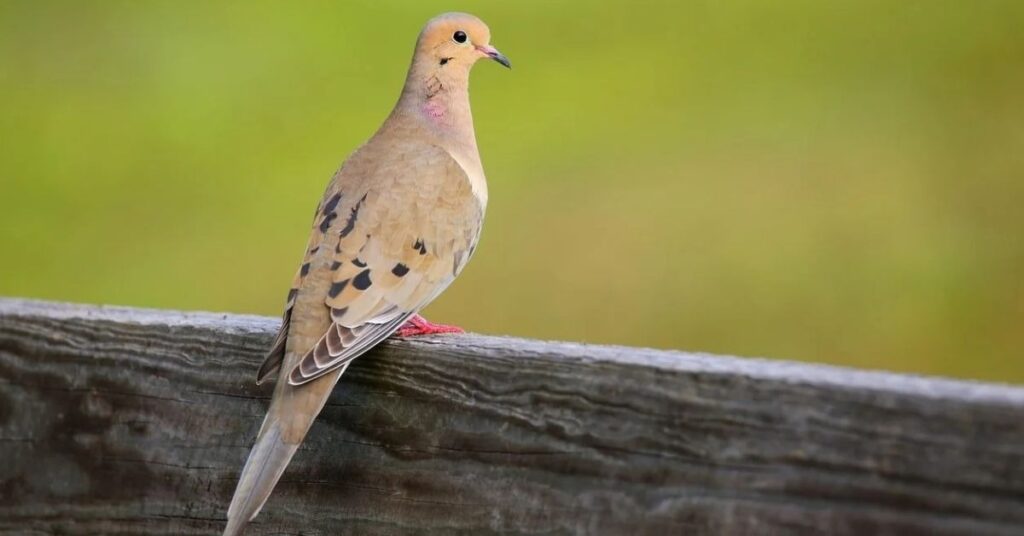
A dove’s diet is closely linked to how it uses its flight speed. Mourning doves eat almost entirely seeds. Seeds make up about 99% of their diet. They forage on the ground, eating corn, millet, sunflower seeds, wheat, pine nuts, and many other types of seeds.
A dove does not dig or scratch for food. It only picks up seeds that are sitting on bare ground. This means it often feeds in open areas where it is exposed and visible to predators.
This is where speed becomes a survival tool. The dove has a large crop, which is an enlarged section of its esophagus. The dove quickly gathers as many seeds as possible, filling up the crop. One dove was found to have over 17,000 bluegrass seeds stored in its crop at one time.
Once the crop is full, the dove flies quickly to a safe, sheltered perch to digest its meal in peace. This behavior limits the amount of time the dove spends on the ground, where it is most vulnerable. Speed is not just about escaping danger. It is also about getting to safety fast.
Dove Migration and Long-Distance Flight
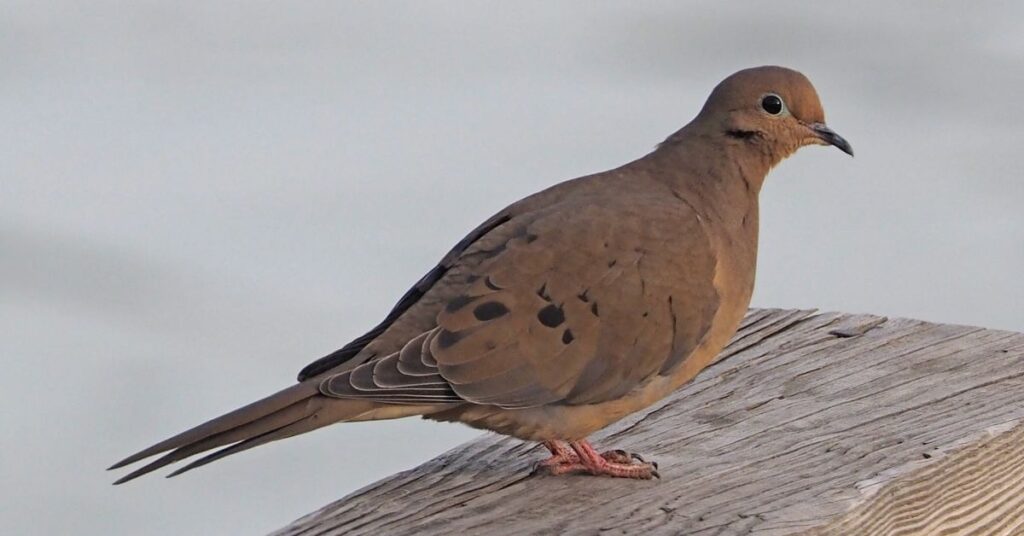
How fast can a dove fly over a long journey? Migration is one of the most remarkable things mourning doves do. They migrate twice a year, once in spring and once in fall. During fall migration, the young birds go first, followed by the females, and then the males.
During migration, doves travel in large flocks and fly at low altitudes. They do not push for top speed during these trips. Instead, they fly at a steady pace that conserves energy. Their cruising speed during migration is estimated to be around 30 to 40 mph.
This is still an impressive pace for a small bird traveling hundreds or even thousands of miles. Some individual doves skip migration entirely if they live near a reliable food source such as a well-stocked bird feeder. For those that do migrate, the journey is a test of endurance as much as speed.
The ability to adjust flight speed based on the situation is one of the most remarkable things about mourning doves. They are smart, adaptable, and built for the long haul.
Fascinating Facts About Dove Speed and Behavior
There is more to the story of how fast can a dove fly than just the numbers. Here are some fascinating facts that make this bird even more impressive.
Doves can drink their entire daily water requirement in under 20 seconds. Unlike most birds that tip their heads back to swallow, doves suck water up like a straw. This gives them more time to feed and fly.
Mourning doves cannot sweat. To stay cool on hot days, they pant like dogs. This means they need to drink large amounts of water in hot weather.
A mourning dove’s feathers are loosely attached to its skin. This is not a flaw. It is a survival trick. If a predator grabs a dove, the feathers pull free easily, allowing the dove to escape. Combined with its flight speed, this gives the dove two layers of defense.
The average lifespan of a mourning dove in the wild is only 1.5 years. However, the oldest known mourning dove lived to be over 30 years old. That record-holder was found in Florida and had been banded in Georgia years earlier.
Despite being hunted heavily as a game bird, with over 70 million shot annually, the mourning dove remains one of the 10 most abundant birds in the United States. Its estimated fall population is over 400 million birds.
How Dove Speed Helps With Conservation Awareness
Understanding how fast can a dove fly also helps us appreciate the broader story of wildlife conservation. The mourning dove is a bird that has thrived because of its adaptability, speed, and reproductive success. It can raise up to six broods per year, the most of any North American bird.
But thriving numbers do not mean we should take these birds for granted. Habitat loss, urban sprawl, and pesticide use that reduces seed availability can all affect dove populations over time.
You can support doves in your own backyard. Scatter millet or sunflower seeds on the ground or on a low platform feeder. Plant dense shrubs or evergreen trees to give doves nesting sites. Keep cats indoors, since doves spend much of their time on the ground and are easy prey for outdoor cats.
Every small action counts. When you make your yard welcoming to doves, you are contributing to the health of your local wildlife community.
Conclusion
The question how fast can a dove fly reveals a lot about this peaceful bird’s lifestyle and survival skills. Doves are not the fastest birds in the sky, but they are strong, efficient, and steady flyers.
On average, they can fly between 30 to 55 miles per hour, depending on conditions. Their speed helps them escape predators, travel long distances, and find food safely.
By learning how fast can a dove fly, we also understand the importance of balance in nature. Doves show us that speed is not everything. Control, endurance, and smart flight patterns are equally important for survival in the wild.
Frequently Asked Questions
How fast can a dove fly in normal conditions?
A dove can usually fly at a speed of 30 to 55 miles per hour in normal conditions.
How fast can a dove fly when escaping predators?
When escaping danger, a dove can reach its maximum speed and fly much faster than usual.
Is a dove faster than a pigeon?
Doves and pigeons have similar speeds, but pigeons can sometimes fly slightly faster in short bursts.
Why do doves fly in a straight line?
Doves fly in straight lines to save energy and maintain efficient speed during flight.
Can weather affect how fast can a dove fly?
Yes, wind and weather conditions can increase or decrease the flying speed of a dove.
