

Introduction
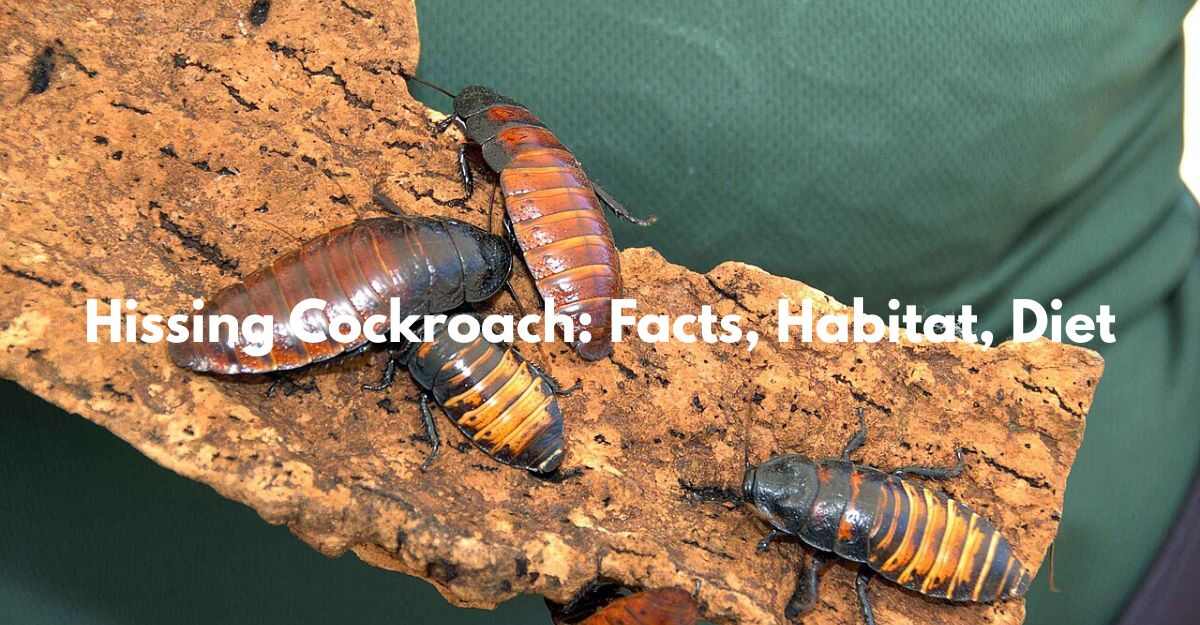
The hissing cockroach is one of the most unusual insects in the world. Unlike most cockroaches, this insect makes a loud hissing sound that can be heard easily. Its unique appearance and interesting behavior have made it popular among wildlife lovers, researchers, and pet owners.
The hissing cockroach comes from the island of Madagascar. It lives in forests where it helps break down dead plant material. This important job supports the health of the ecosystem and helps recycle nutrients back into the soil.
Many people fear cockroaches because they often see household pests. However, the hissing cockroach is very different. It does not invade homes, spread disease, or damage property. Instead, it plays a valuable role in nature and offers a fascinating look into the world of insects.
In this guide, you will learn everything about the hissing cockroach, including its habitat, diet, behavior, life cycle, and importance in the environment.
What Is a Hissing Cockroach?
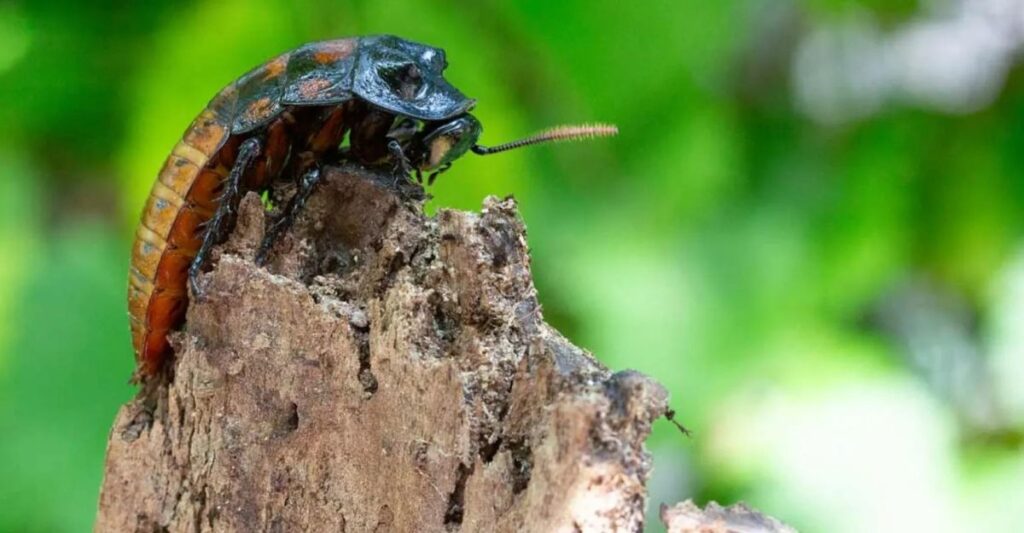
The hissing cockroach is a large wingless insect native to Madagascar. It belongs to a group of insects known for producing a distinctive hissing sound. The most well-known species is the Madagascar hissing cockroach.
Unlike many insects that create sounds by rubbing body parts together, the hissing cockroach forces air through special breathing openings called spiracles. This action creates a loud hiss that can serve several purposes.
A mature hissing cockroach can grow between two and four inches long. Its body is dark brown to black and covered with a hard outer shell. Males usually have large horn-like bumps on their thorax, while females have smoother bodies.
These insects are active mostly at night. During the day, they hide under logs, leaf litter, and other natural shelters. Their strong legs help them climb rough surfaces, including tree trunks and branches.
Because of their size and unique sound, the cockroach stands out from many other insect species found around the world.
Hissing Cockroach Habitat and Distribution
The natural home of the hissing cockroach is the island of Madagascar, located off the southeastern coast of Africa. Madagascar is famous for its rich biodiversity and many species found nowhere else on Earth.
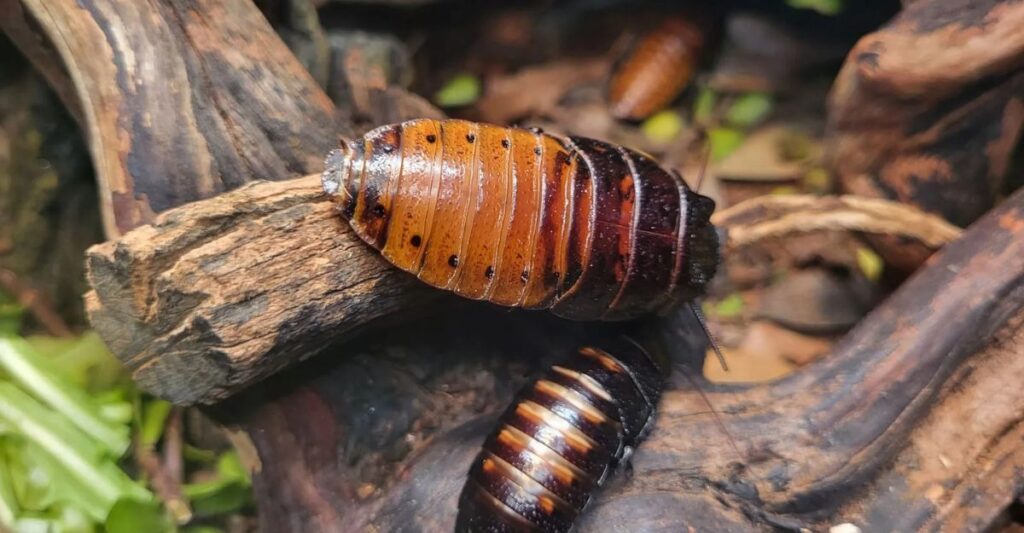
The hissing cockroach lives mainly in tropical forests. It prefers warm and humid environments where dead leaves, fallen branches, and decaying wood are abundant. These materials provide both food and shelter.
Within the forest, a hissing cockroach spends much of its time on the ground. It hides beneath logs and among leaf litter to avoid predators and stay protected from harsh conditions.
The climate of Madagascar supports the survival of the hissing cockroach throughout the year. High humidity helps prevent dehydration, while stable temperatures allow continuous growth and reproduction.
Although wild populations are limited to Madagascar, people have introduced the cockroach to educational centers, zoos, and private insect collections worldwide. Today, many people keep these insects as pets because they are easy to care for and fascinating to observe.
| Feature | Details |
| Native Location | Madagascar |
| Habitat Type | Tropical forests |
| Activity Period | Mostly nocturnal |
| Shelter | Leaf litter, logs, and forest debris |
| Climate Preference | Warm and humid |
Why Does a Hissing Cockroach Make a Sound?
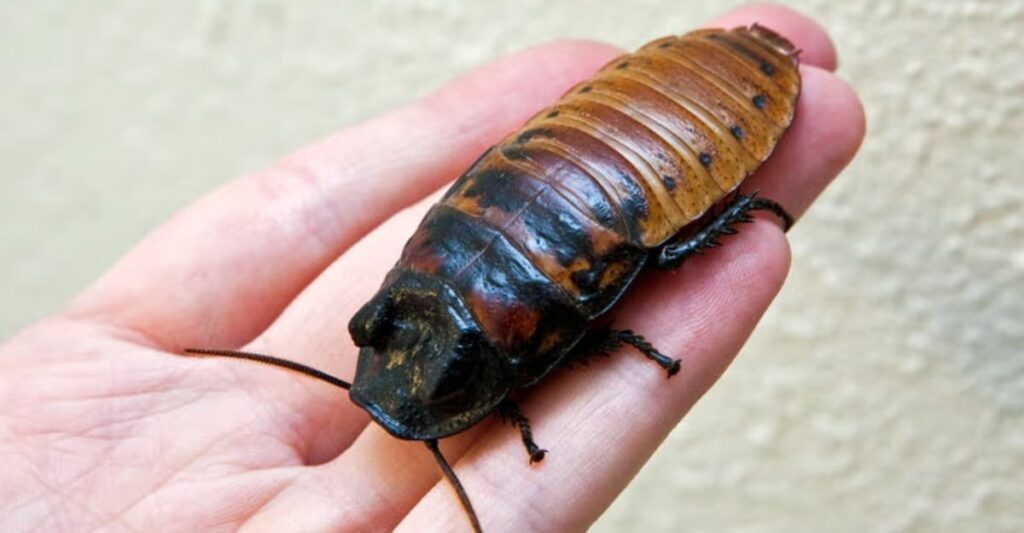
The most famous feature of the hissing cockroach is its ability to hiss. This sound is unusual among insects and serves several important functions.
When threatened, a cockroach releases air through its spiracles to create a loud hiss. The sound can surprise predators and make the insect appear larger or more dangerous than it really is.
Males also use hissing during competition. When two males encounter each other, they may hiss and push against one another to establish dominance. The stronger male usually gains access to territory and potential mates.
Courtship is another reason for hissing. Males produce specific sounds to attract females during the breeding season. These sounds help communicate readiness to mate.
Researchers have identified different types of hissing sounds associated with defense, fighting, and courtship. This makes them one of the few insects known for using complex sound communication.
The ability to hiss provides a significant survival advantage and helps explain why this species has successfully adapted to its environment.
Diet and Feeding Habits
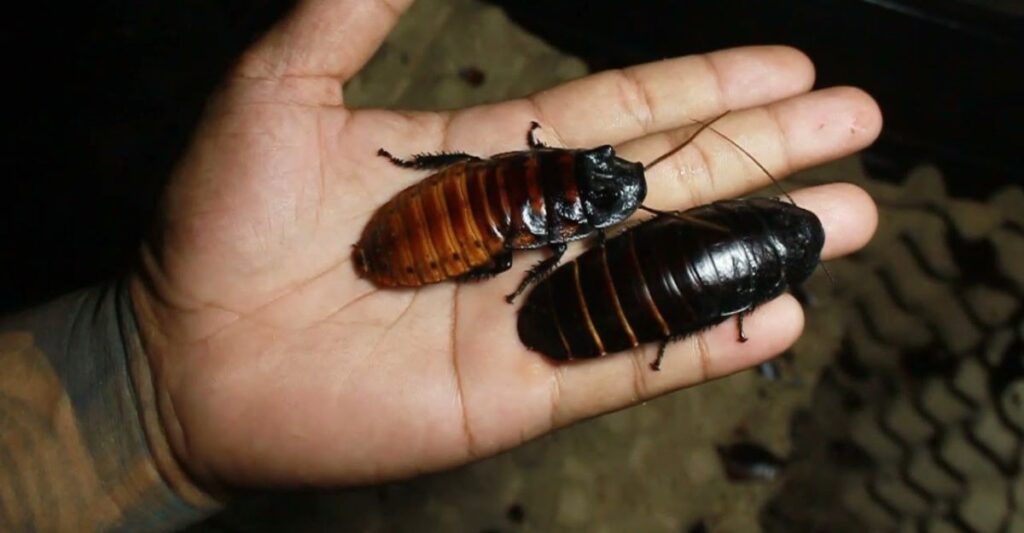
The hissing cockroach is an omnivore and scavenger. It feeds on a variety of organic materials found on the forest floor.
In the wild, a hissing cockroach commonly eats fallen fruit, decaying leaves, plant matter, and other natural debris. It may also consume small amounts of animal material when available.
This feeding behavior makes the hissing cockroach an important decomposer. By breaking down dead organic matter, it helps return nutrients to the soil. Healthy soil supports plant growth and strengthens the entire ecosystem.
Captive hissing cockroach populations can eat many fruits and vegetables. Apples, carrots, bananas, oranges, and leafy greens are common food choices. Pet owners often provide commercial insect diets to ensure balanced nutrition.
Water is also important. Although the hissing cockroach receives moisture from food, access to clean water supports overall health.
The diet of a cockroach is one reason it thrives in many environments. Its ability to consume different food sources helps it survive changing conditions.
Life Cycle of a Hissing Cockroach
The life cycle of the hissing cockroach is fascinating because it differs from many other insects.
Female hissing cockroaches do not lay eggs in exposed locations. Instead, they keep the egg case inside their bodies until the young are ready to emerge. This provides extra protection during development.
After hatching, young cockroaches called nymphs appear as small white insects. Their exoskeleton soon hardens and darkens after exposure to air.
As the nymph grows, it sheds its outer shell several times through a process called molting. Each molt allows the insect to increase in size.
The development period may last several months, depending on temperature, humidity, and food availability. Once maturity is reached, the cockroach can reproduce and continue the life cycle.
Compared with many insects, the cockroach enjoys a relatively long lifespan. Some individuals can live up to five years under suitable conditions.
| Life Stage | Description |
| Egg Stage | Protected inside female |
| Nymph Stage | Small immature cockroach |
| Molting Stage | Growth through shedding |
| Adult Stage | Fully mature and reproductive |
| Average Lifespan | 2 to 5 years |
Behavior and Social Life
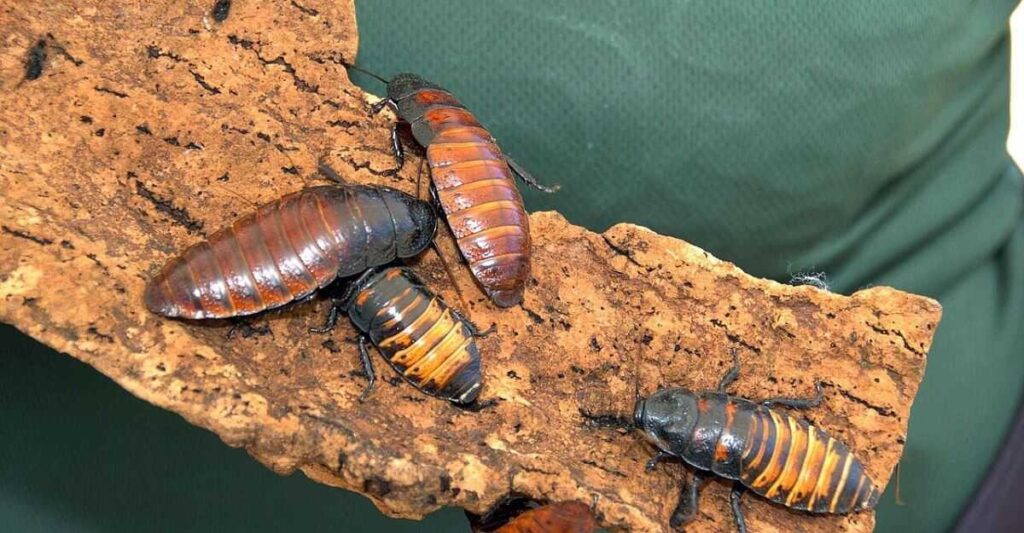
The hissing cockroach displays interesting social behavior that attracts scientific attention.
These insects often live in groups. Group living provides protection and increases opportunities for reproduction. Within these groups, social hierarchies may develop.
Male hissing cockroaches compete for dominance. They use hissing sounds and physical pushing to establish status. Dominant males often gain better access to resources and mates.
Despite these competitions, cockroach is generally calm and non-aggressive toward humans. It rarely bites and prefers avoiding confrontation.
Most activity occurs at night. Darkness reduces exposure to predators and allows safer movement while searching for food.
Communication through hissing helps maintain social interactions. Different sounds may signal warning, aggression, or courtship.
Predators and Survival Adaptations
Even though the hissing cockroach has several defenses, it still faces threats from predators.
Birds, reptiles, amphibians, and small mammals may prey on these insects. Young nymphs are especially vulnerable because they are smaller and less protected.
The hissing cockroach uses several strategies to stay safe. Its dark coloration helps it blend into forest debris. This camouflage makes detection more difficult.
The loud hissing sound acts as a warning signal. Predators may hesitate when they hear the unexpected noise. This hesitation can provide enough time for escape.
A strong exoskeleton offers additional protection. The hard outer covering shields the insect from minor injuries and attacks.
The hissing cockroach also has excellent climbing ability. It can move across rough surfaces quickly and find shelter in difficult-to-reach locations.
These adaptations work together to improve survival in the wild.
Read about it more :https://www.nationalgeographic.com/animals/invertebrates/facts/madagascar-hissing-cockroach
Hissing Cockroach as a Pet
The hissing cockroach has become a popular pet among insect enthusiasts. Many people appreciate its unusual appearance, simple care needs, and interesting behavior.
A pet hissing cockroach requires a secure enclosure with good ventilation. Warm temperatures and moderate humidity help maintain health.
Food is easy to provide because these insects eat many fruits and vegetables. Regular cleaning and fresh water are also important.
One reason people enjoy keeping a hissing cockroach is its calm nature. Unlike some insects, it can tolerate gentle handling. Its hissing sound often surprises and fascinates observers.
Keeping these insects can help people overcome common fears and develop a greater appreciation for wildlife.
Why the Hissing Cockroach Matters in Nature
The hissing cockroach performs an important ecological role. It helps recycle nutrients by breaking down dead plant material and organic waste.
Without decomposers like the hissing cockroach, forests would accumulate large amounts of decaying matter. Nutrient recycling would slow, affecting plants and other wildlife.
The hissing cockroach also serves as part of the food web. Predators depend on insects for nutrition, making these cockroaches an important source of energy within ecosystems.
In addition, researchers study the hissing cockroach to learn more about insect behavior, communication, and adaptation. Its unique hissing ability provides valuable scientific insights.
Interesting Facts
The hissing cockroach is among the largest cockroach species in the world.
A hissing cockroach does not have wings, unlike many other cockroach species.
The hiss comes from breathing openings called spiracles rather than rubbing body parts together.
Male hissing cockroaches have horn-like bumps used during competition.
They can live for several years, which is longer than many insects.
These insects play a valuable role in nutrient recycling within forest ecosystems.
Conclusion
The hissing cockroach is far more interesting than many people realize. Its loud hiss, unique behavior, and important ecological role make it one of the most remarkable insects on Earth.
Native to Madagascar, the hissing cockroach thrives in tropical forests where it helps break down dead organic matter. Its ability to communicate through hissing sounds, defend itself from predators, and adapt to different environments has helped it survive for generations.
Whether you are a wildlife enthusiast, student, researcher, or pet owner, learning about the hissing cockroach offers a deeper understanding of how insects contribute to healthy ecosystems. This remarkable species proves that even small creatures can have a big impact on the natural world.
FAQs
What is a hissing cockroach?
A hissing cockroach is a large wingless cockroach from Madagascar that produces a distinctive hissing sound by forcing air through breathing openings called spiracles.
Why does a hissing cockroach hiss?
A hissing cockroach hisses to defend itself, communicate with other cockroaches, attract mates, and establish dominance among males.
What does a hissing cockroach eat?
A hissing cockroach eats fruits, vegetables, decaying plant matter, leaves, and other organic materials found in its environment.
Is a hissing cockroach dangerous to humans?
No. A hissing cockroach is generally harmless. It does not spread disease like common household pest species and rarely shows aggression toward people.
How long does a hissing cockroach live?
A hissing cockroach can live between two and five years, depending on environmental conditions and access to food.
