

Introduction
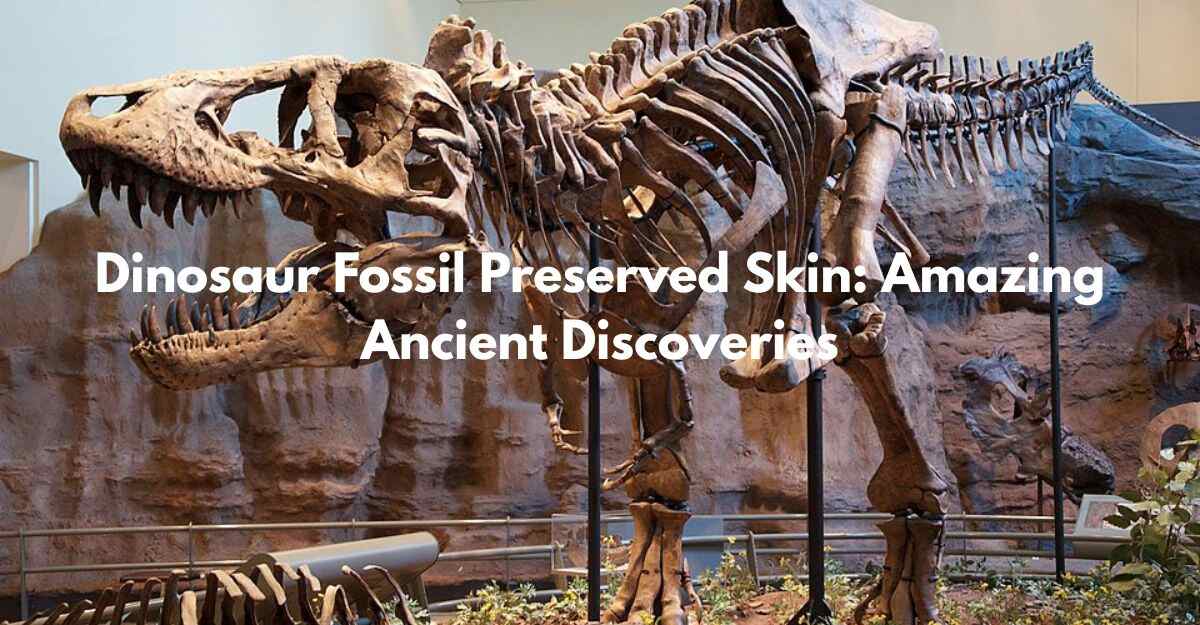
The idea of finding dinosaur remains is exciting on its own. Most people imagine giant bones buried deep in the ground. However, some discoveries are even more surprising. In rare cases, scientists have found dinosaur fossil preserved skin that survived for millions of years.
These discoveries give researchers a unique look at dinosaurs. Bones can reveal size and shape, but preserved skin can show texture, patterns, and details that bones cannot provide. Scientists can learn how dinosaurs looked and how they may have interacted with their environment.
Over the years, several remarkable fossils have changed our understanding of prehistoric life. Some fossils contain large sections of skin, while others preserve tiny impressions that reveal scales and body coverings. Every new discovery helps researchers build a clearer picture of these ancient animals.
This article explores dinosaur fossil preserved skin, how it forms, famous discoveries, what scientists learn from it, and why these rare fossils are so important.
What Is Dinosaur Fossil Preserved Skin?
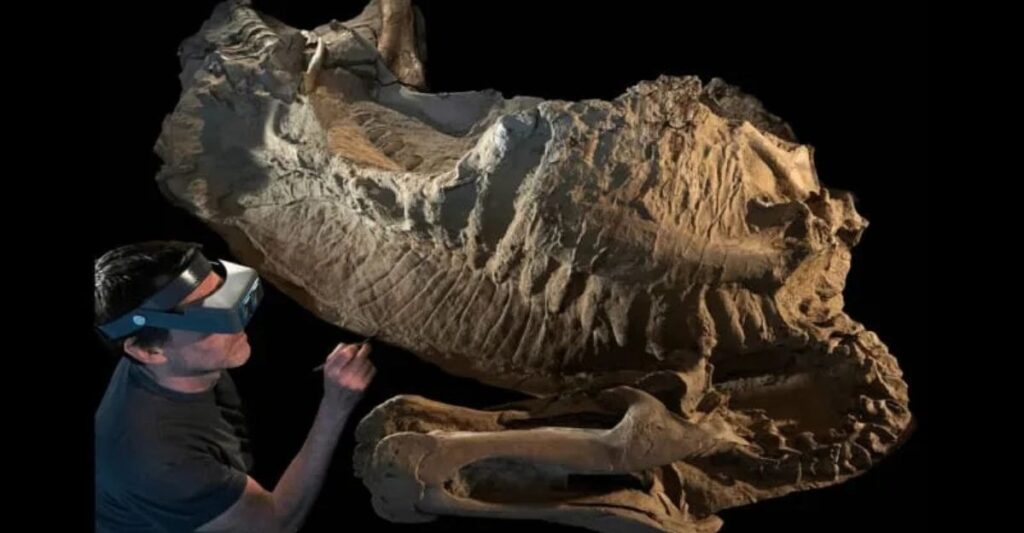
Dinosaur fossil preserved skin refers to skin or skin impressions that remain visible in fossilized dinosaur remains. Unlike bones, skin is a soft tissue. Soft tissues usually decay quickly after an animal dies. Because of this, preserved dinosaur skin is extremely rare.
In many cases, the original skin does not survive. Instead, the skin leaves an impression in surrounding sediment. Over millions of years, that impression becomes part of the fossil record. Scientists can then study the texture and structure of the skin.
Some fossils preserve detailed scale patterns. Others show wrinkles and surface features. These details provide clues about the dinosaur’s appearance and lifestyle.
The discovery of dinosaur fossil preserved skin has transformed paleontology. Researchers no longer rely only on skeletons. They can now examine evidence that reveals how dinosaurs may have looked while alive.
The table below shows the difference between common dinosaur fossils and preserved skin fossils.
| Fossil Type | What It Reveals |
| Bones | Body structure, size, movement |
| Teeth | Diet and feeding habits |
| Footprints | Walking behavior |
| Skin Impressions | Surface texture and scale patterns |
| Preserved Soft Tissue | Rare biological details |
How Dinosaur Fossil Preserved Skin Survives for Millions of Years
The preservation of skin is an extraordinary event. Under normal conditions, bacteria and environmental factors break down soft tissues quickly. For dinosaur fossil preserved skin to survive, several special conditions must occur.
A dinosaur often needs to be buried rapidly after death. Sediment such as mud, sand, or volcanic ash can cover the body before decay becomes extensive. This protective layer limits exposure to air and scavengers.
Minerals carried by groundwater can then replace organic material over time. In some cases, the skin leaves detailed impressions before completely decomposing. These impressions harden into rock and remain preserved for millions of years.
Dry environments can also play a role. Some fossils become naturally mummified before burial. The skin dries out rather than decaying rapidly. This process increases the chance of preservation.
Scientists continue to study these rare events because each example helps explain how soft tissues survive through geological time.
The rarity of dinosaur fossil preserved skin makes every discovery valuable. Even small patches of preserved skin can provide important scientific information.
Famous Dinosaur Fossil Preserved Skin Discoveries
Several discoveries have captured worldwide attention because of their remarkable preservation.
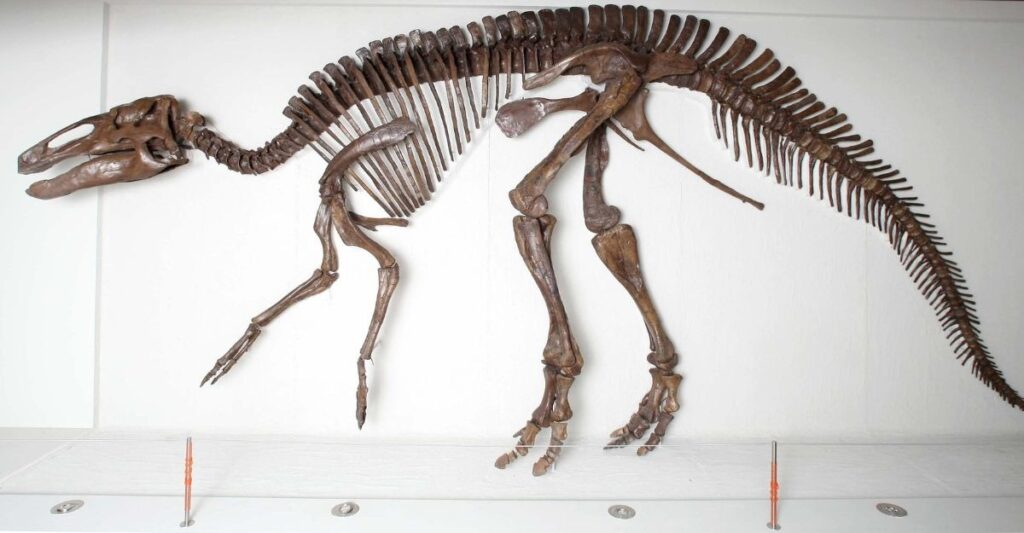
One of the most famous examples involves an Edmontosaurus often called a dinosaur mummy. Researchers found large portions of preserved skin surrounding the skeleton. The fossil revealed detailed scale patterns across different parts of the body.
The discovery surprised scientists because the preservation was far better than expected. Instead of finding only bones, researchers uncovered evidence of the dinosaur’s external appearance.
Another important discovery involved skin impressions from hadrosaurs, commonly known as duck-billed dinosaurs. These fossils preserved detailed textures that allowed scientists to compare different body regions.
Some specimens show that dinosaurs had varying scale sizes across their bodies. This finding suggests that skin structure served different functions depending on location.
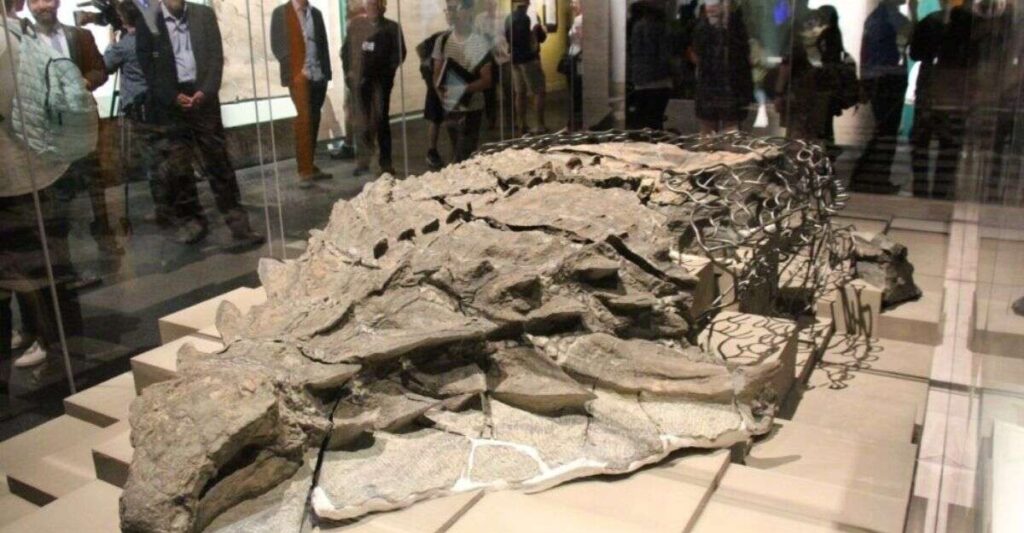
Researchers have also discovered skin impressions from armored dinosaurs. These fossils help scientists understand how scales and protective features covered the body.
Each new dinosaur fossil preserved skin discovery adds another piece to the puzzle of prehistoric life. These fossils reveal information that skeletons alone cannot provide.
What Scientists Learn from Dinosaur Fossil Preserved Skin
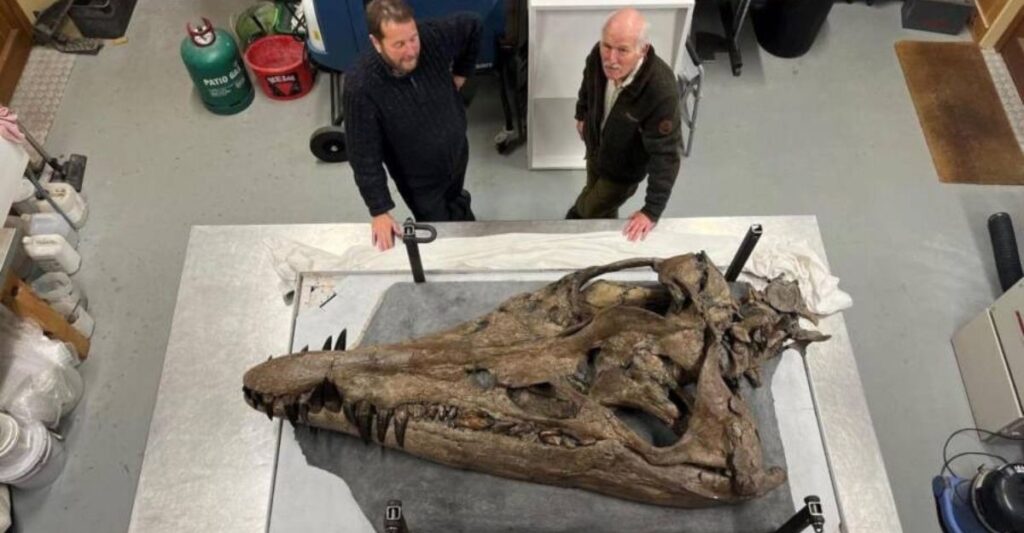
Scientists gain valuable insights when they study dinosaur fossil preserved skin.
One important area is body covering. Skin impressions help researchers determine whether a dinosaur had scales, feathers, or a combination of both. This information improves scientific reconstructions.
Skin fossils also reveal texture. Some dinosaurs had smooth scales, while others displayed complex patterns. These differences may have helped with protection, temperature regulation, or display.
Researchers can estimate flexibility in certain body regions by examining wrinkle patterns. Areas with more folds may have allowed greater movement.
Another important benefit involves evolutionary studies. Scientists compare preserved dinosaur skin with modern reptiles and birds. These comparisons help researchers understand how skin structures evolved over time.
In some rare cases, preserved soft tissues may contain traces of biological materials. Although such discoveries are uncommon, they provide exciting opportunities for further research.
The study of dinosaur fossil preserved skin continues to improve our understanding of dinosaur biology and evolution.
Dinosaur Mummies and Their Importance
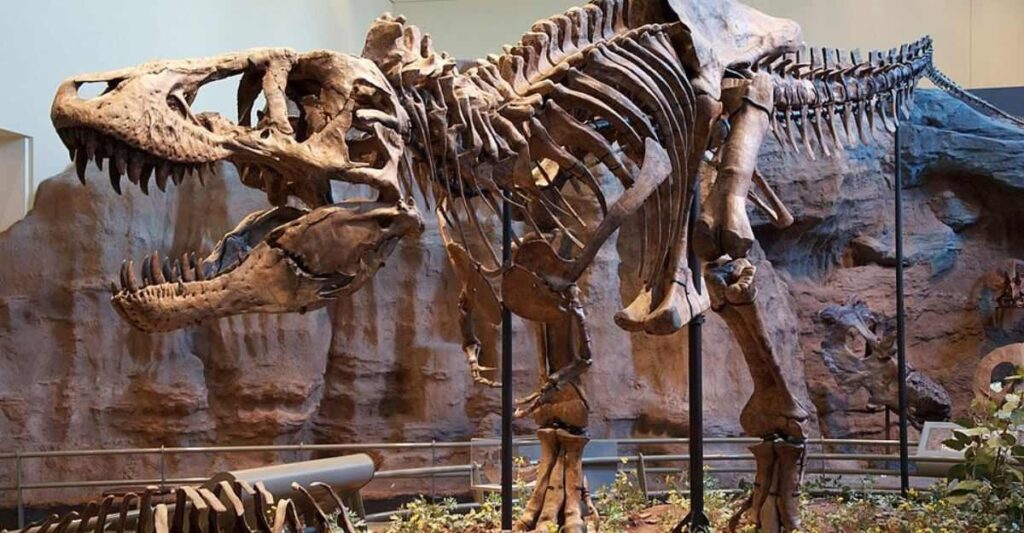
The term dinosaur mummy often appears in news reports about exceptionally preserved fossils. These specimens contain more than bones alone.
A dinosaur mummy may preserve skin, scales, and other soft tissue structures. Such fossils offer an unusually complete picture of ancient animals.
For many years, scientists believed mummification required rapid burial. More recent research suggests that drying and shrinking of skin before burial may also contribute to preservation.
Dinosaur mummies help scientists answer questions about appearance, movement, and behavior. They also reveal features that would otherwise remain unknown.
Because of their rarity, museums and research institutions carefully study and protect these extraordinary fossils.
What Dinosaur Skin Looked Like
Many people wonder what dinosaur skin actually looked like.
Evidence from dinosaur fossil preserved skin suggests that many species had scales similar to those of modern reptiles. However, scale shapes and sizes varied greatly between species.
Some dinosaurs displayed small pebble-like scales. Others had larger scales arranged in patterns. Certain fossils show clusters of different scale types on the same body.
Scientists have also found evidence that some dinosaurs possessed feathers. This discovery shows that dinosaur body coverings were more diverse than once believed.
Skin impressions reveal that dinosaur skin was not uniform.
These details help artists and researchers create more accurate dinosaur reconstructions. Instead of relying on imagination, they can base illustrations on fossil evidence.
As more dinosaur fossil preserved skin specimens are discovered, scientists continue refining our understanding of dinosaur appearance.
Why Dinosaur Fossil Preserved Skin Matters Today
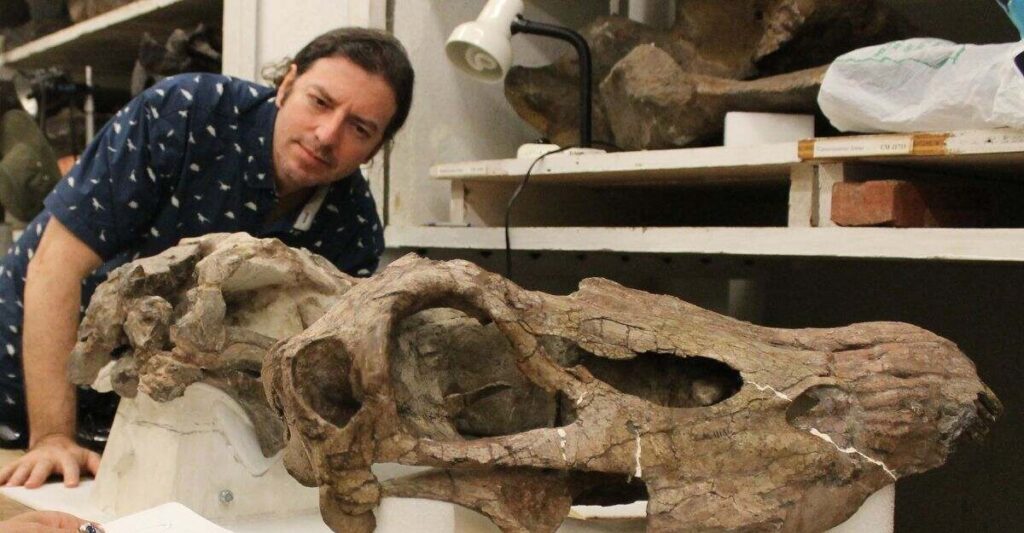
The study of dinosaur fossil preserved skin goes beyond simple curiosity.
These fossils provide direct evidence about how dinosaurs looked and lived.
Preserved skin also bridges the gap between extinct animals and modern species. Researchers compare fossil evidence with living reptiles and birds to better understand biological relationships.
Museums use these discoveries to educate the public about natural history. Visitors gain a deeper appreciation for the complexity of prehistoric life.
The findings also highlight the importance of protecting fossil sites. New discoveries can occur in unexpected places, and every fossil contributes valuable scientific knowledge.
For wildlife enthusiasts, preserved dinosaur skin offers a fascinating reminder that life on Earth has changed dramatically over millions of years.
Future Research on Dinosaur Fossil Preserved Skin
New technologies continue to improve the study of fossilized remains.
Advanced imaging tools allow scientists to examine preserved skin in greater detail than ever before. Researchers can analyze microscopic structures without damaging valuable specimens.
Chemical analysis may reveal information about original biological materials. These methods help scientists investigate how preservation occurred and what ancient tissues contained.
Future discoveries will likely provide even more examples of dinosaur fossil preserved skin. Each specimen offers fresh opportunities to learn about ancient ecosystems and animal evolution.
As paleontologists explore new fossil sites around the world, they continue searching for clues hidden within rocks that have remained untouched for millions of years.
The combination of new discoveries and modern technology promises exciting advances in the study of prehistoric life.
Conclusion
Dinosaur fossil preserved skin is one of the most remarkable forms of fossil preservation. While bones are common compared to soft tissues, preserved skin provides a rare glimpse into the appearance of dinosaurs.
These fossils reveal scale patterns, skin textures, and details that cannot be learned from skeletons alone. Famous dinosaur mummies and other well-preserved specimens have transformed scientific understanding of prehistoric animals.
Researchers continue to study dinosaur fossil preserved skin using advanced tools and techniques. Every discovery helps scientists learn more about dinosaur biology, evolution, and ancient ecosystems.
FAQs
What is dinosaur fossil preserved skin?
Dinosaur fossil preserved skin is fossilized skin or skin impressions that survived from dinosaurs that lived millions of years ago. These fossils reveal texture, scales, and surface details.
How rare is dinosaur fossil preserved skin?
Dinosaur fossil preserved skin is extremely rare because soft tissues usually decay quickly after death. Special conditions are needed for preservation.
What can scientists learn from dinosaur fossil preserved skin?
Scientists can learn about scale patterns, body coverings, appearance, movement, and evolutionary relationships between dinosaurs and modern animals.
Are dinosaur mummies real?
Yes. Dinosaur mummies are real fossils that preserve skin and sometimes other soft tissue structures along with bones.
Which dinosaurs have preserved skin fossils?
Several dinosaurs have preserved skin fossils, including Edmontosaurus, hadrosaurs, and some armored dinosaurs. These discoveries provide valuable information about prehistoric life.
