

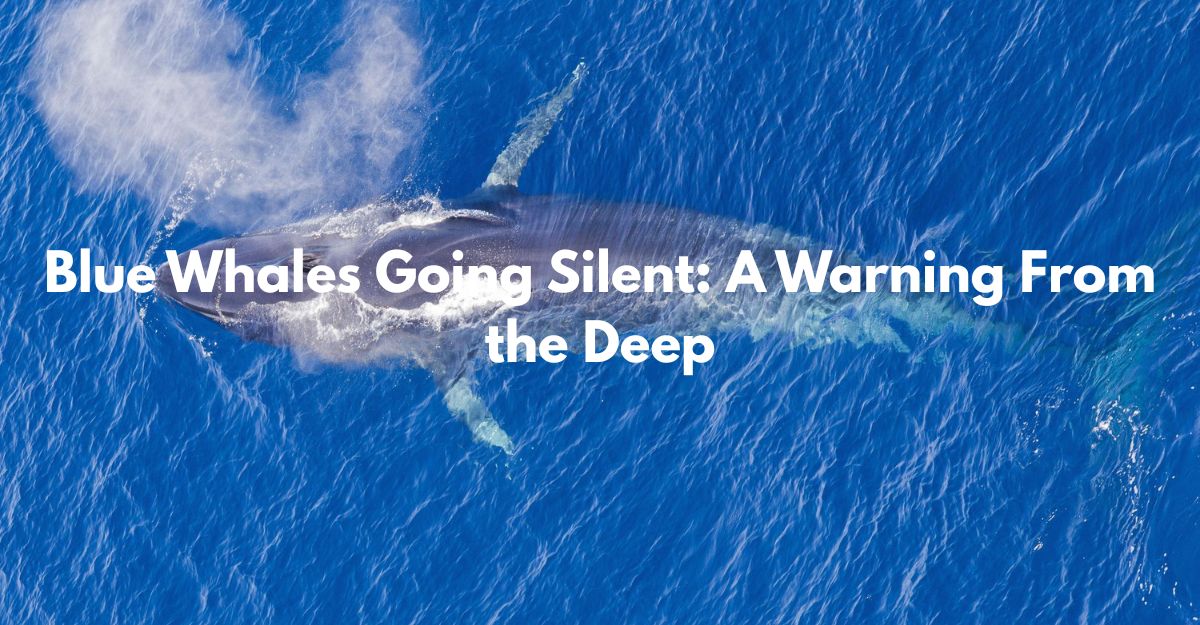
Picture the ocean as a giant concert hall. For millions of years, blue whales have been its loudest performers. Their deep, rolling songs can travel hundreds of miles underwater.
But something strange is happening. Scientists tracking these songs have noticed a troubling pattern. Blue whales going silent is no longer a rare event. It is becoming a recurring story across entire coastlines.
This silence is not just an odd fact for nature lovers. It is a signal. Researchers believe it points to bigger problems happening beneath the waves. Warmer oceans, vanishing food, and human activity are all playing a part.
In this article, we will explore why blue whales are quieting down. We will look at what scientists have discovered, why it matters, and what it means for the future of our oceans.
Why Are Blue Whales Going Silent?
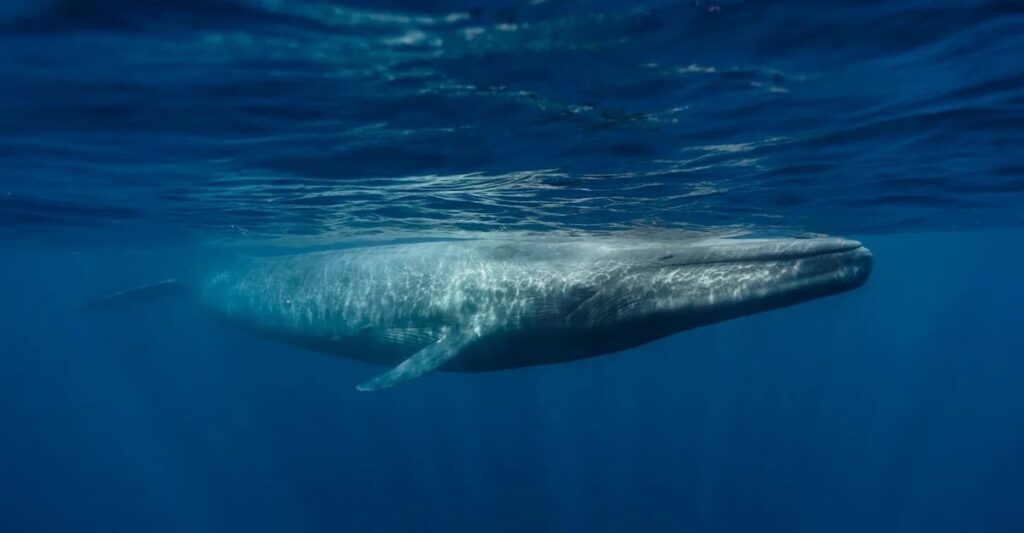
Blue whales sing for a reason. Their songs help them find mates, locate food, and stay connected with others of their kind. When conditions are good, the ocean hums with their calls.
But researchers monitoring the California coast noticed something odd starting in 2015. A massive marine heatwave hit the Pacific Ocean. Scientists nicknamed this warm water mass “The Blob.”
During this heatwave, blue whale songs dropped sharply. One long-term study found that vocalizations fell by nearly 40 percent. This decline happened at the same time as a major crash in krill and anchovy populations.
Krill are tiny, shrimp-like creatures. They may be small, but they are everything to a blue whale. These massive animals depend almost entirely on krill for food. When krill disappear, whales stop singing and start searching.
Oceanographer John Ryan explained it simply. Trying to sing while starving is nearly impossible. When whales spend all their energy hunting for food, there is little left for anything else, including their songs.
The Blob: How One Heatwave Changed Everything
The story of blue whales going silent cannot be told without talking about The Blob. In 2013, an unusually warm patch of water formed in the Gulf of Alaska. It refused to go away.
By 2014, this warm water had spread down the entire Pacific Coast. It stretched from Alaska all the way to Mexico. Ocean temperatures in some areas rose more than four degrees above normal.
The Blob eventually grew to cover more than two thousand miles of ocean. That is a staggering size for a single weather event. Its effects rippled through the entire marine food chain.
Krill populations, which usually appear in massive, dense swarms, thinned out dramatically. In earlier years, krill were so abundant that fishing nets would turn pink from their sheer numbers. During the heatwave, they nearly vanished.
Blue whales rely on a feeding method called lunge feeding. They need krill packed tightly together to make each massive gulp worthwhile. When krill scattered instead of clustering, feeding became far less efficient.
The table below shows how The Blob affected the Pacific Ocean ecosystem.
| Factor | Before The Blob | During The Blob |
| Ocean temperature | Normal seasonal range | Up to 4.5°F above average |
| Krill availability | Dense, abundant swarms | Scattered and scarce |
| Blue whale singing | Regular, seasonal patterns | Dropped nearly 40 percent |
| Whale behavior | Feeding and singing balanced | Constant searching for food |
| Marine mammal health | Stable | Widespread poisoning events reported |
This table shows just how deeply connected temperature, food, and whale behavior really are. A shift in one area quickly affects everything else.
It Is Not Just About Temperature
It would be easy to blame silence purely on warmer water. But researchers say the story is more complex. Heat is only the starting point of a much longer chain reaction.
When ocean temperatures rise, upwelling patterns often get disrupted. Upwelling is the process that pulls cold, nutrient-rich water up from the ocean floor. This process usually feeds the krill that whales depend on.
Without proper upwelling, krill numbers fall and their behavior changes too. Instead of gathering in tight, easy-to-find swarms, they scatter across wider areas. This makes hunting far harder for blue whales.
Marine biologist Kelly Benoit-Bird explained that heatwaves affect the entire system, not just water temperature. Krill scarcity becomes the real driver behind the silence researchers are recording.
Rising heat also triggers harmful algae blooms in some regions. These blooms can release toxins that poison marine mammals. This adds yet another layer of stress on top of food shortages.
Commercial shipping noise adds further pressure too. Ship engines and propellers create constant background noise underwater. This makes it harder for whales to hear each other, even when they do sing.
Together, these factors create what scientists call cumulative stress. No single problem may seem massive alone. But combined, they add up to real trouble for blue whales and other marine species.
Blue Whale Silence Is a Global Pattern
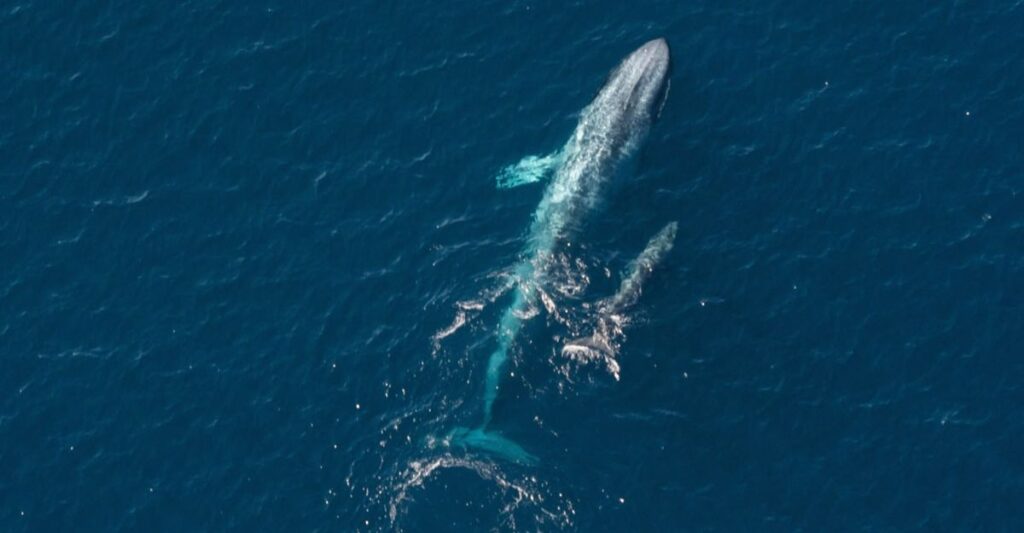
California is not the only place where researchers have noticed this trend. A similar story unfolded thousands of miles away, in the waters near New Zealand.
Between 2016 and 2018, scientists studied blue whales in the South Taranaki Bight. They tracked two types of calls. One type relates to feeding. The other relates to mating and reproduction.
During years affected by warm water, feeding calls dropped noticeably during spring and summer months. By fall, mating songs had also become quieter. Researchers linked this directly to reduced feeding success earlier in the year.
Ecologist Dawn Barlow described blue whales as sentinel species. This means their behavior reflects the broader health of the ocean. When whales struggle, it usually signals that something deeper in the ecosystem has shifted.
What makes this even more concerning is how long the effects can last. A single heatwave does not just cause a few quiet months. Its impact can linger for years, especially for animals with long lifespans like whales.
Blue whales can live for eighty years or more. Their slow reproduction and long lives mean that recovery from major disruptions takes time. Scientists estimate we may need several more decades of data to fully understand these long-term impacts.
New Technology Is Helping Scientists Listen Closer
For years, tracking whales meant waiting for them to make noise. If a whale stayed silent, researchers had no way to follow it. That gap in knowledge is starting to close.
Scientists at the Norwegian University of Science and Technology have found a creative solution. They discovered that ordinary seabed fiber-optic cables can detect whales even when the animals make no sound at all.
These cables were originally built for internet and phone traffic. They run along the ocean floor near Svalbard, a remote Arctic region. Researchers realized the same cables could double as an enormous underwater listening system.
The technology works through a method called distributed acoustic sensing. Laser pulses travel through the cable. As a whale swims nearby, its body pushes water and stirs sediment. This tiny disturbance changes how light moves through the fiber.
In one remarkable case, researchers tracked a blue whale that was singing near the surface. The whale then stopped calling and dove into deeper water. Instead of losing track of it, the cable picked up the faint pressure wave from its movement.
This breakthrough could change how scientists study silent whales. It may also help prevent deadly ship strikes. As Arctic shipping increases due to melting ice, more whales and vessels now share the same routes.
A cable system that detects silent whales could warn ships in advance. This might reduce collisions and give whales a better chance at survival in increasingly busy waters.
What Blue Whale Silence Means for Ocean Health
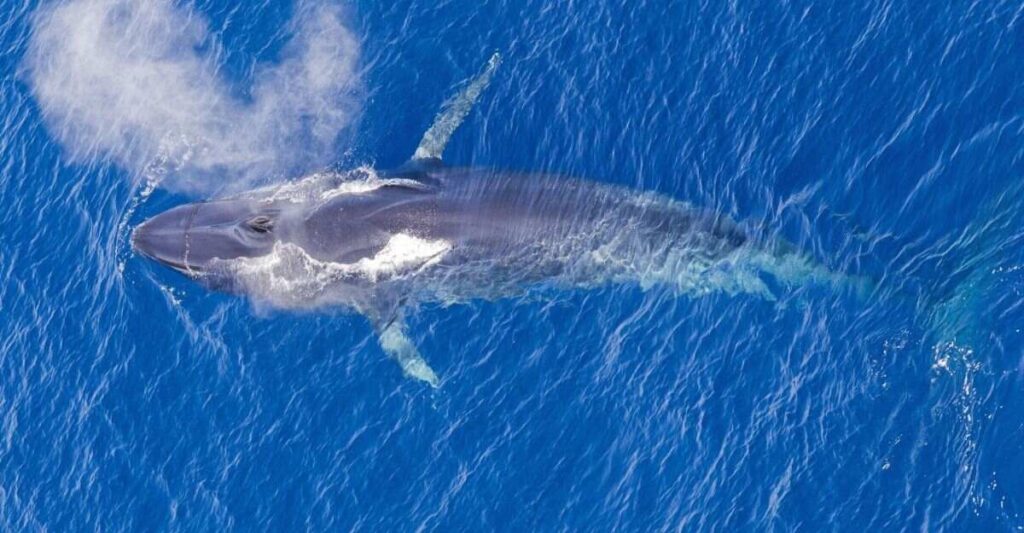
Whale songs work almost like an alarm system for the ocean. When the singing fades, it often means deeper problems are unfolding beneath the surface. Silence rarely happens without a reason.
Marine heatwaves are becoming more frequent and intense due to climate change. Studies show the duration of these heatwaves has tripled since the 1940s. Some regions now experience temperature spikes far beyond historical averages.
The ocean absorbs the vast majority of excess heat trapped by rising greenhouse gases. This makes marine ecosystems especially vulnerable to sudden temperature shifts. Blue whales, sitting near the top of the food chain, feel these changes acutely.
Protecting krill populations is one of the most important steps toward protecting whales. Healthy upwelling patterns, cooler ocean temperatures, and reduced pollution all support stronger krill numbers. In turn, this supports whale feeding and communication.
Reducing shipping noise can also make a real difference. Quieter oceans allow whale calls to travel farther and more clearly. Some regions have already tested speed limits for ships to lower underwater noise levels.
Supporting conservation programs focused on ocean temperature monitoring plays a valuable role too. The more data scientists gather, the better they can predict and respond to future heatwaves before they cause lasting damage.
Every person can contribute in small ways. Reducing carbon footprints, supporting ocean conservation groups, and staying informed all add up. Awareness itself is a powerful first step toward protecting these giants of the sea.
How Researchers Measure Whale Song
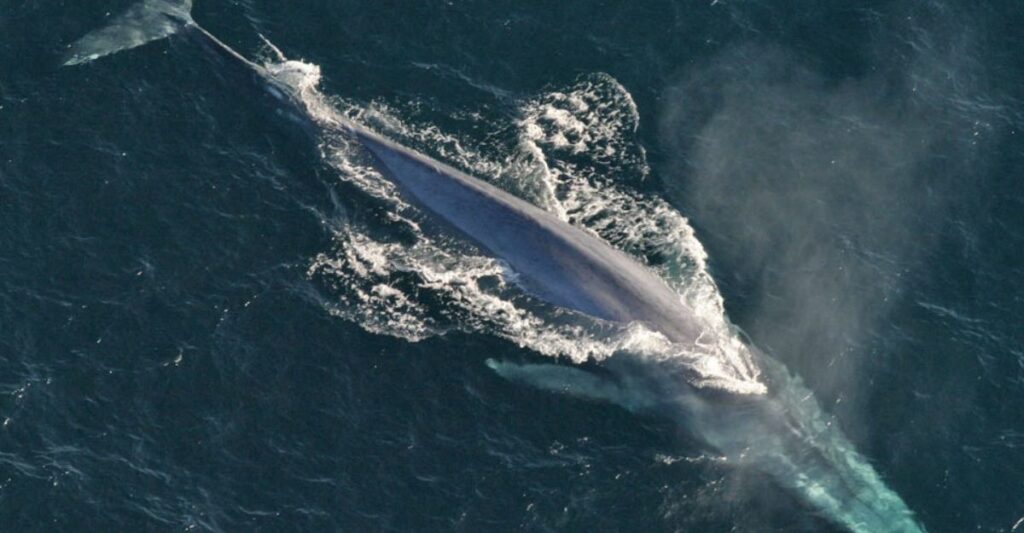
Understanding blue whales going silent required years of patient listening. Scientists use devices called hydrophones, which are simply underwater microphones. These instruments sit on the seafloor and record sound around the clock.
Off the coast of California, one hydrophone system stretches across a cable more than thirty miles long. It sits thousands of feet below the surface, quietly gathering data year after year. This long-term approach lets researchers spot patterns that shorter studies would miss.
Whale songs are grouped into different categories. Some calls relate to feeding, known as D calls. Other patterned songs relate to mating behavior. By tracking both types separately, scientists can tell whether a decline in singing relates to hunger or reproduction.
Comparing years with normal ocean temperatures against years affected by heatwaves gives researchers a clear baseline. This comparison is what first revealed the sharp drop in blue whale vocalizations during The Blob.
Interestingly, not every whale species reacted the same way. Humpback whales, which eat a more varied diet, kept singing steadily throughout the heatwave. Blue and fin whales, which rely almost entirely on krill, showed the biggest declines. This difference helped confirm that food scarcity, not just heat itself, was driving the silence.
The Bigger Picture for Marine Ecosystems
Blue whale silence rarely stays isolated to just one species. Oceans function as connected systems, where a change at one level often ripples outward to affect many others.
When krill populations crash, the impact spreads far beyond whales. Seabirds, fish, and other marine mammals that also depend on krill face similar food shortages. This makes krill one of the most important building blocks in the entire ocean food web.
Fisheries can feel these effects too. Many commercial fish species rely on the same nutrient-rich waters that support krill. A disrupted food web can eventually influence coastal economies and communities that depend on healthy fish stocks.
This is why scientists pay such close attention to whale behavior. Blue whales travel across enormous distances, often covering entire coastlines during their migrations. Their reactions offer a broad snapshot of ocean conditions that smaller, more localized studies simply cannot capture.
As marine heatwaves become more frequent, tracking these patterns will only grow more important. Continued monitoring helps researchers separate short-term fluctuations from long-term, climate-driven shifts. That distinction matters greatly for shaping future conservation policies.
Conclusion
Blue whales going silent tells a story far bigger than missing songs. It reflects a chain reaction that starts with warming oceans and ends with struggling ecosystems. Every disrupted heatwave, every scattered krill swarm, and every quiet stretch of ocean adds another piece to this puzzle.
Thankfully, science is not standing still. New tools like fiber-optic cable detection are opening fresh ways to understand whale behavior, even in silence. Continued research and stronger conservation efforts offer real hope for these magnificent animals.
The ocean has been speaking to us in whale song for centuries. It is our responsibility to keep listening, and more importantly, to respond before the silence becomes permanent.
Frequently Asked Questions
Why are blue whales going silent in the ocean?
Blue whales sing less when krill becomes scarce during marine heatwaves. They spend more energy hunting than communicating.
Does whale silence mean blue whales are disappearing?
No. Silence reflects behavior change from food stress, not a drop in population numbers.
What is The Blob and how did it affect whales?
The Blob was a 2013-2016 Pacific marine heatwave that crashed krill populations and cut blue whale songs by nearly 40 percent.
Can scientists track whales even when they stop singing?
Yes. Seabed fiber-optic cables now detect the pressure waves whales create while swimming, even without any sound.
How does whale silence affect ocean conservation efforts?
It acts as an early warning sign of ecosystem stress, guiding research and pushing for stronger climate protections.
