

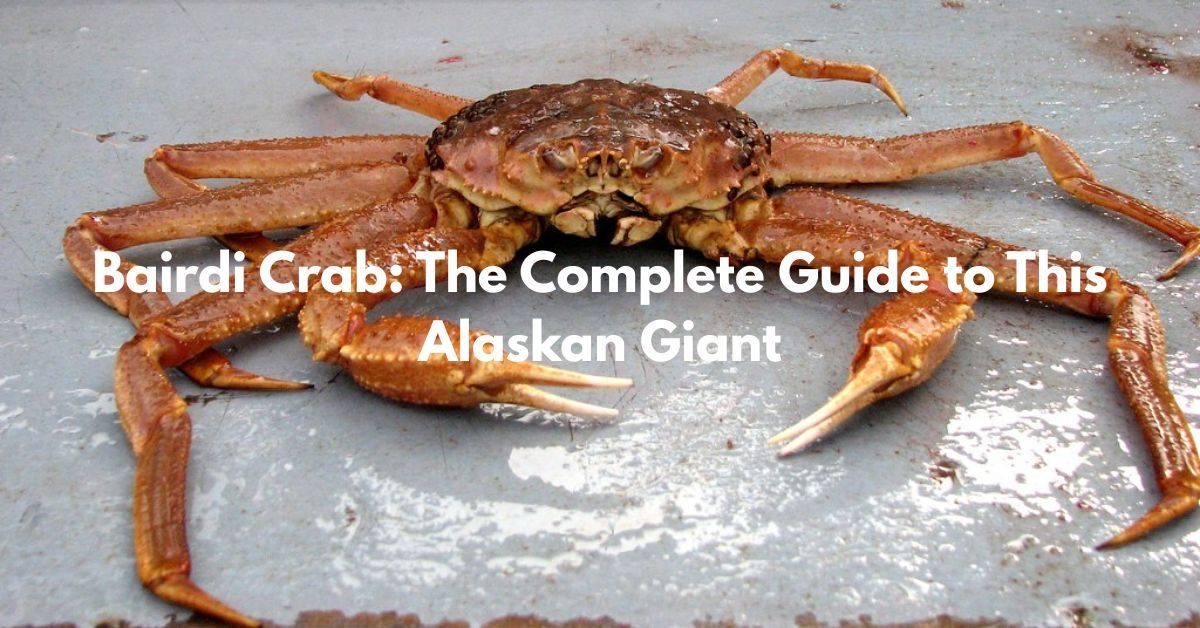
The cold waters of the Bering Sea hide one of the ocean’s most fascinating crustaceans. The bairdi crab crawls along the seafloor in massive numbers, feeding fishing industries and dinner tables across the world.
Most people have eaten this crab without even knowing its real name. It often gets sold under a simpler label. That label is snow crab.
This guide breaks down everything about the bairdi crab. You will learn what it looks like, where it lives, what it eats, and how it differs from its cousins like king crab and opilio crab. You will also learn why its future matters for ocean health.
By the end, you will understand why the bairdi crab deserves more attention than it usually gets.
What Is a Bairdi Crab
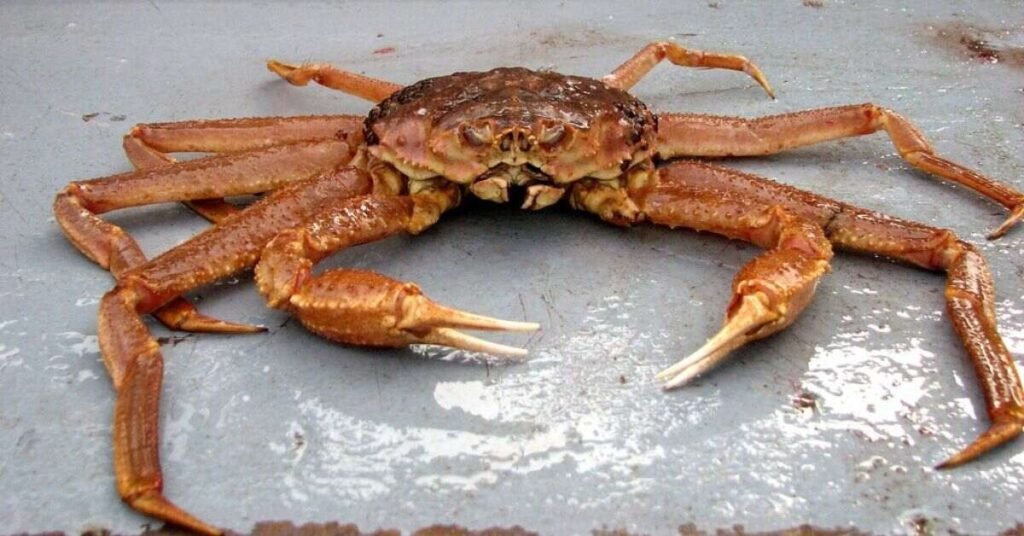
The bairdi crab carries the scientific name Chionoecetes bairdi. Most fishermen and seafood lovers know it by a different name. They call it the Tanner crab.
This crab belongs to a small family of crabs known as snow crabs. The word snow crab is actually a market term. It covers two closely related species. One is the bairdi, and the other is the opilio.
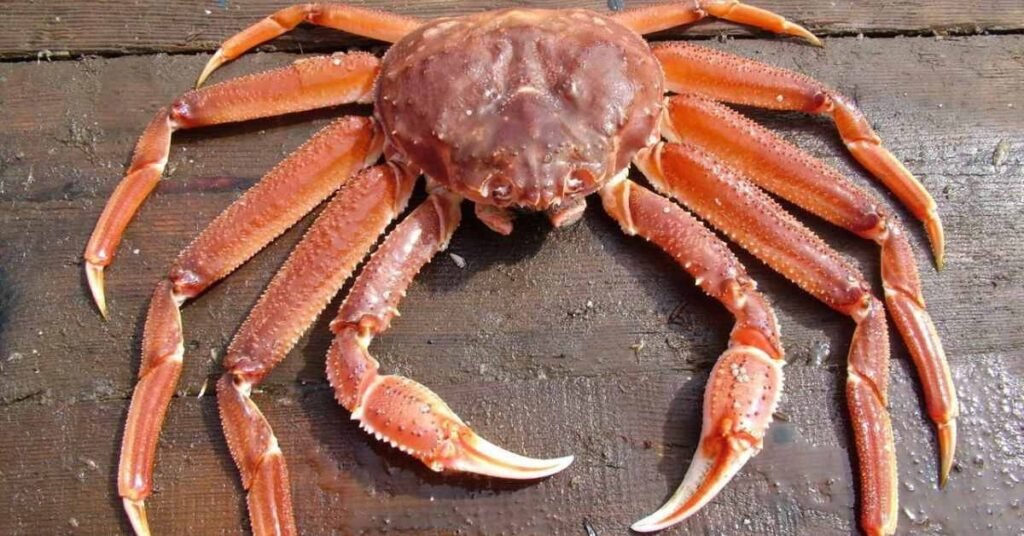
The bairdi crab is a true crab. This means it has four pairs of walking legs and one pair of claws. Its shell is hard and covers a small abdominal flap underneath.
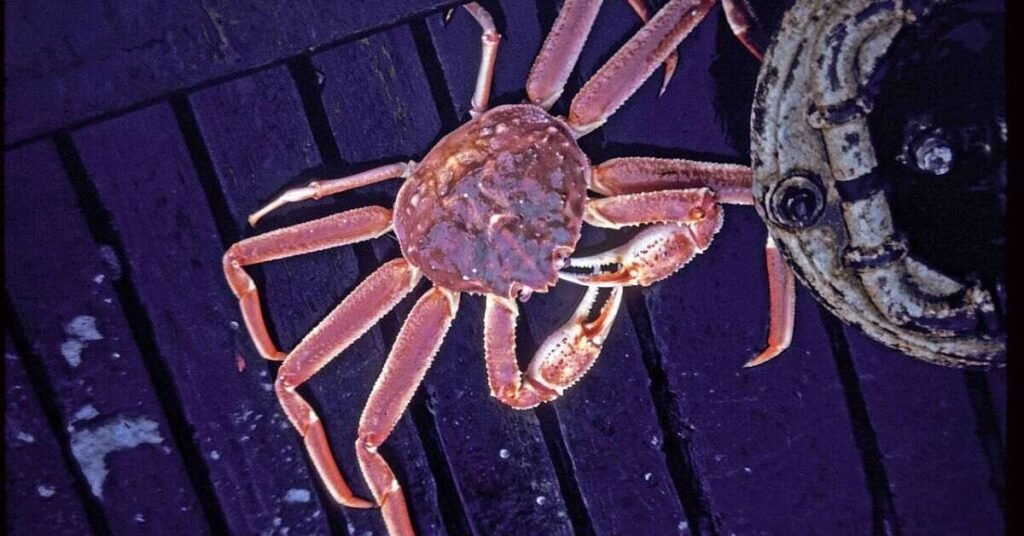
Adult bairdi crabs usually weigh between one and four pounds. Some can stretch close to three feet from claw tip to claw tip. Their shell color ranges from a soft pink to a deeper red, and their meat sits somewhere between bright red and pale pink.
Fishermen mostly harvest mature male bairdi crabs. These males are usually between seven and eleven years old when caught. Females are left alone so populations can keep reproducing.
Where Does the Bairdi Crab Live
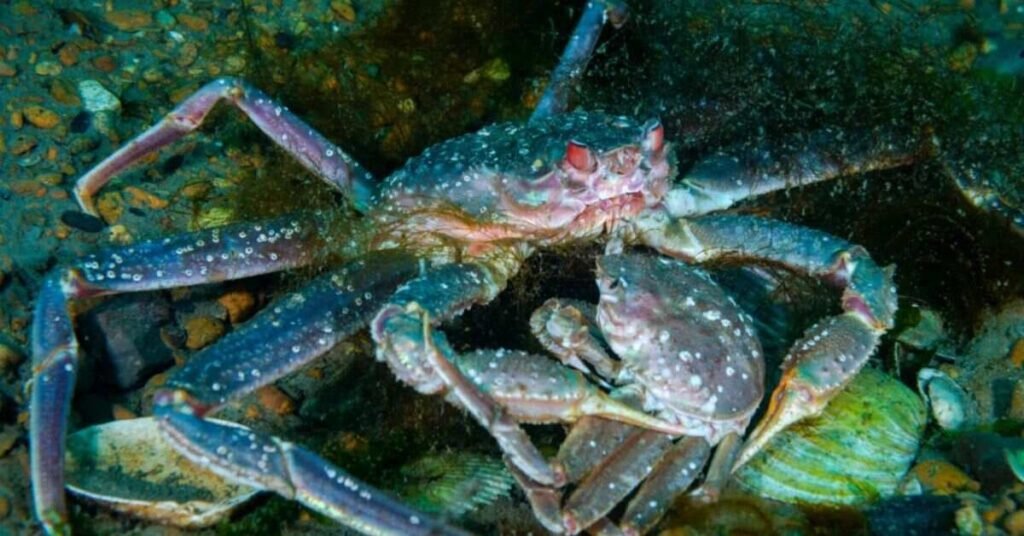
The bairdi crab makes its home in cold northern waters. You will find it along the continental shelf of the Bering Sea, throughout the North Pacific Ocean, and even in parts of the northwest Atlantic.
Alaska remains the center of the bairdi crab’s world. The waters around Kodiak Island, Bristol Bay, and Southeast Alaska hold some of the largest populations. These regions provide the cold temperatures that bairdi crabs need to survive and grow.
Temperature plays a huge role in where this crab can live. Bairdi crabs thrive in icy water. When ocean temperatures rise even slightly, their survival chances drop.
Winter ice cover actually protects young bairdi crabs. As that ice melts each spring, it creates cold pockets of water near the seafloor. Young crabs use these cold pockets as safe feeding zones. Without enough ice, these protective pockets shrink, and baby crabs face more competition and starvation.
This is one reason scientists watch Alaska’s sea ice so closely. The health of the bairdi crab population is tied directly to how cold the Bering Sea stays each winter.
Bairdi Crab Life Cycle and Behavior
The life of a bairdi crab starts small and slow. Female bairdi crabs release a chemical scent called a pheromone once they finish their final shell shedding, known as the maturity molt. This scent attracts male crabs during the breeding season.
Hatching usually begins in late winter and peaks between April and June. This timing lines up perfectly with the spring plankton bloom, which gives baby crabs plenty of food right when they need it most.
For about sixty days, baby bairdi crabs swim freely in open water. After that period ends, they lose their ability to swim and settle onto the ocean floor. From there, they begin a long journey of molting and growing.
It takes roughly five to six years for a bairdi crab to reach maturity. Once fully grown, this crab can live up to fourteen years in the wild.
Bairdi crabs spend most of the year separated by sex. Males and females only come together during specific breeding periods. This behavior helps regulate reproduction and keeps population growth steady across different regions.
Their diet mostly consists of small creatures found on the seafloor. Clams, worms, and other small crustaceans make up the bulk of what a bairdi crab eats each day.
Bairdi Crab vs King Crab
People often confuse the bairdi crab with the king crab. Both live in cold waters and both show up on seafood menus. However, they are quite different animals.
King crabs are much larger. They can weigh between six and twenty pounds and stretch five to six feet across. Bairdi crabs stay smaller, usually topping out around five pounds and three feet wide.
Appearance also sets them apart. King crabs have five pairs of legs, and their color ranges from brownish to a bluish red. Bairdi crabs have four pairs of walking legs plus a pair of claws, and their shells lean toward pink and red tones.
Diet differs slightly too. Bairdi crabs prefer clams, worms, and other bottom-dwelling crustaceans. King crabs eat a wider range of food, including algae, mussels, small fish, and even sea stars.
Life expectancy shows one of the biggest gaps. Male king crabs can live up to thirty years, while bairdi crabs typically live twelve to fourteen years.
Here is a simple table comparing the two crabs side by side.
| Feature | Bairdi Crab | King Crab |
| Average size | Around 3 feet wide, up to 5 lbs | 5 to 6 feet wide, 6 to 20 lbs |
| Leg count | Four pairs plus claws | Five pairs including claws |
| Shell color | Pink to red | Brownish to bluish red |
| Main habitat | Bering Sea, North Pacific | Pacific and Arctic Oceans |
| Typical diet | Clams, worms, small crustaceans | Algae, mussels, small fish |
| Life expectancy | 12 to 14 years | Up to 30 years |
Both crabs remain popular in the seafood world, but their differences in size, appearance, and lifespan make each one unique.
Read about it more:https://a-z-animals.com/animals/comparison/bairdi-crab-vs-king-crab/
Bairdi Crab vs Opilio Crab
Since both bairdi and opilio crabs get sold as snow crab, telling them apart takes a closer look. These two species are so closely related that they sometimes crossbreed in the wild, creating hybrid populations in certain regions.
Opilio crab tends to be smaller than bairdi. Its meat is sweet and tender, and it remains the more widely available of the two species. This wide availability makes opilio easier to find in stores and restaurants.
The bairdi crab grows larger and holds more meat per crab compared to opilio. Many seafood experts consider bairdi meat slightly sweeter and more flavorful. Fishermen and chefs who know both types often prefer bairdi when they want a richer bite.
Fishing regulations treat these two species differently depending on the year. Some seasons see the opilio fishery closed due to population concerns, while the bairdi fishery stays open under strict quotas. This shows how closely regulators watch each species on its own terms.
Below is a quick side-by-side look at these two snow crab types.
| Feature | Bairdi Crab | Opilio Crab |
| Size | Larger | Smaller |
| Meat sweetness | Slightly sweeter | Sweet and tender |
| Availability | Limited, seasonal | More widely available |
| Market name | Tanner or snow crab | Snow crab |
| Habitat overlap | High, can crossbreed | High, can crossbreed |
Both crabs share the same icy waters and similar diets, but their size and market presence set them apart in the seafood aisle.
Why Bairdi Crab Populations Matter
Crab populations do more than fill dinner plates. They play a real role in keeping ocean ecosystems balanced. Bairdi crabs help control populations of worms, clams, and other small seafloor creatures, while also serving as food for larger fish species.
The Bering Sea fishery for tanner crab first opened in 1961. It quickly became one of the largest crab fisheries in the North Pacific, with catches once reaching over 330 million pounds in a single year.
Heavy fishing eventually caught up with the population. By the mid-1980s, catches had dropped to just over one million pounds. Fisheries managers responded by shutting down the fishery entirely for a couple of years to let numbers recover.
Since then, management programs have introduced strict quotas and fishing limits. These programs track how many crabs can be caught each season based on population health. This careful management has helped keep bairdi crab numbers more stable in recent decades.
Climate change now presents a newer challenge. Warmer ocean temperatures threaten the cold-water habitat that bairdi crabs depend on. Scientists continue to study how shifting sea temperatures affect crab survival, growth, and reproduction across Alaskan waters.
Anyone who enjoys seafood can support healthier crab populations by choosing sustainably sourced products. Look for certified sustainable seafood labels when buying crab, since this small choice supports fisheries that follow responsible harvesting limits.
Nutritional Value of Bairdi Crab
Bairdi crab meat brings more to the table than great taste. It packs a solid nutritional punch that makes it a smart addition to a balanced diet.
This crab meat contains omega-3 fatty acids, which support heart health and help reduce inflammation in the body. It also delivers a good dose of protein through amino acids, which the body needs to build and repair tissue.
Bairdi crab meat also provides iron, potassium, and several important vitamins including A, B12, C, and D. These nutrients support everything from oxygen transport in the blood to healthy bone development.
Selenium found in bairdi crab acts as a strong antioxidant. It supports liver function and helps the body clear out harmful compounds. Many nutritionists point to crab meat as a lean protein option that fits well into heart-healthy eating plans.
People looking for a nutrient-dense seafood option often find that bairdi crab checks every box. It combines lean protein with vitamins and minerals the body actually needs.
How Bairdi Crab Is Caught and Prepared
Fishermen catch bairdi crabs using baited pots dropped to the ocean floor. These pots often contain chopped herring or other small fish to attract the crabs inside. Once trapped, crews haul the pots up and sort the catch based on size and sex rules.
Only mature male crabs above a certain size can be kept. Females and undersized males go back into the water, which helps protect future breeding populations.
After harvest, bairdi crab typically gets cooked, then frozen quickly to lock in freshness. Many suppliers use a process called brine freezing, which keeps the meat firm and prevents ice crystals from damaging the texture.
When it comes to eating bairdi crab, simplicity works best. Many chefs recommend serving it cold with a squeeze of lemon or warming it gently with melted butter and garlic. Overcooking can dry out the delicate meat, so gentle reheating always works better than high heat.
Bairdi crab pairs well in crab cakes, creamy soups, and fresh salads. Its firm texture holds up nicely in cooked dishes, while its natural sweetness shines through in simple preparations.
Conclusion
The bairdi crab may not always get top billing on seafood menus, but it plays a big role in Alaska’s marine ecosystem and fishing economy. From its icy Bering Sea home to its careful harvest process, this crab shows how nature and responsible fishing can work together.
Understanding the differences between bairdi, king, and opilio crab helps seafood lovers make more informed choices. It also builds appreciation for the careful management that keeps these populations healthy for future generations.
Next time you order snow crab at a restaurant or pick up a cluster at the seafood counter, take a moment to think about the journey that crab took. From the freezing depths of the Bering Sea to your plate, the bairdi crab tells a story worth knowing.
nicely in cooked dishes, while its natural sweetness shines through in simple preparations.
Frequently Asked Questions
What is another name for bairdi crab ?
Bairdi crab is commonly called Tanner crab. It also gets sold under the general market name snow crab.
Is bairdi crab the same as king crab?
No, bairdi crab and king crab are different species. King crab is larger, has five pairs of legs, and lives longer than bairdi crab.
Why is bairdi crab sometimes hard to find ?
Bairdi crab fishing seasons stay short and tightly regulated. Limited quotas and specific harvest windows make this crab less available compared to opilio crab.
Is bairdi crab healthy to eat ?
Yes, bairdi crab meat is low in fat and high in protein, omega-3 fatty acids, and important vitamins like B12 and D.
How long do bairdi crabs live?
Bairdi crabs typically live between twelve and fourteen years in their natural habitat.
