
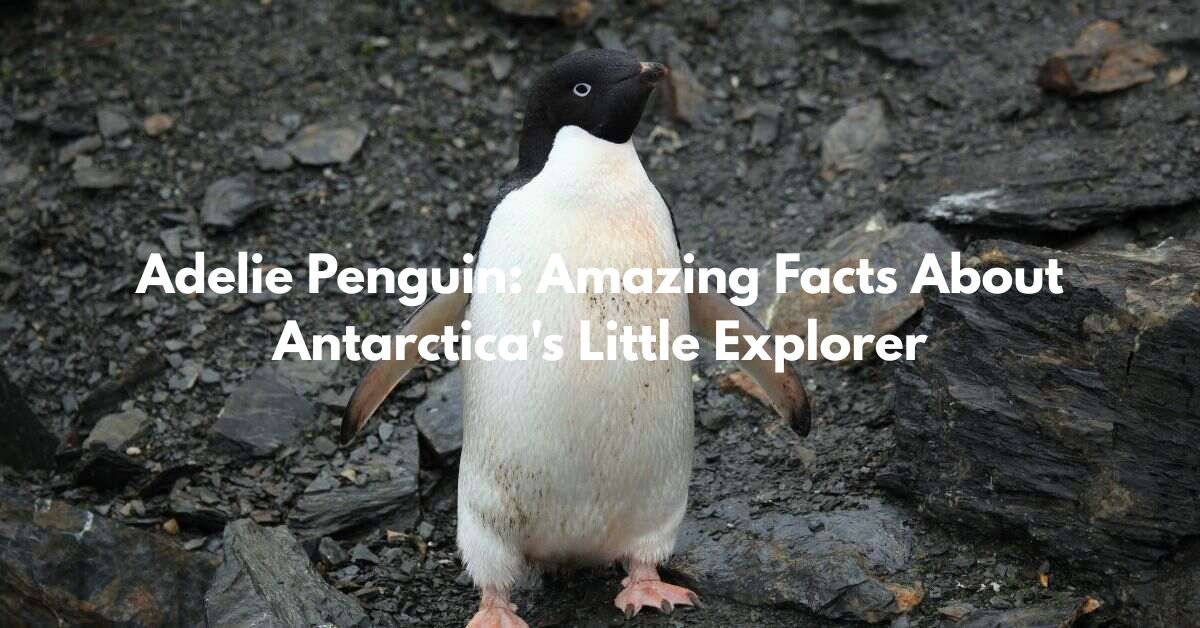
The adelie penguin is one of the most fascinating birds in the world. It lives in the icy lands of Antarctica and spends much of its life swimming through freezing waters.
People love the adelie penguin because of its curious nature and playful walk. These penguins gather in huge colonies that can include thousands of birds. They work together, care for their young, and survive in one of the harshest places on Earth.
Scientists have studied the adelie penguin for many years. They use this species to understand changes in the Antarctic environment. The presence of an adelie penguin colony can tell researchers a lot about sea ice, food supplies, and climate patterns.
In this guide, you will learn about the adelie penguin’s habitat, diet, behavior, breeding habits, and conservation status. You will also discover why this remarkable bird continues to capture the attention of wildlife lovers around the world.
What Is an Adelie Penguin?
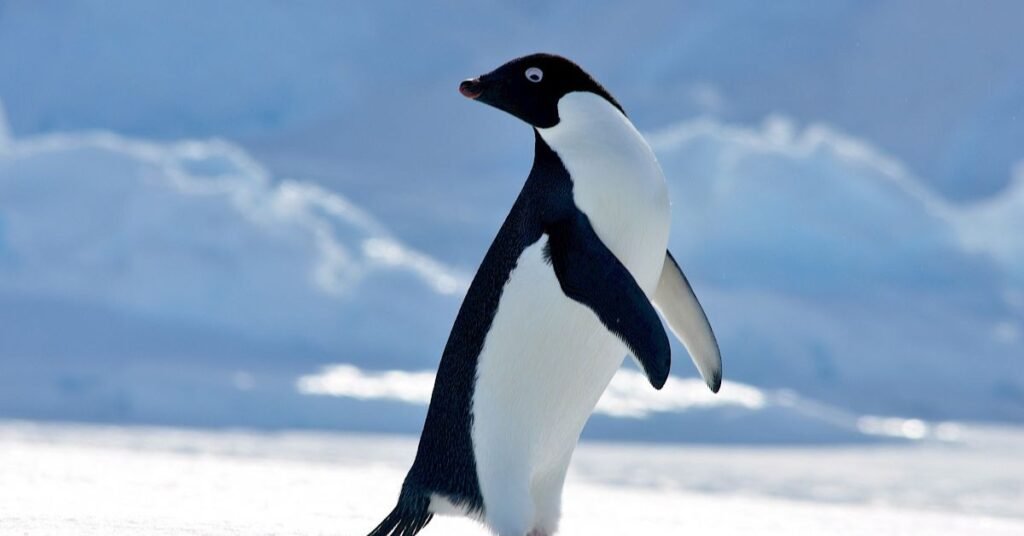
The adelie penguin is a flightless seabird that belongs to the penguin family. Its scientific name is Pygoscelis adeliae. It is one of the true Antarctic penguins and spends its entire life closely connected to the frozen continent.
An adult adelie penguin usually grows to about 27.5 inches tall and weighs between 8.5 and 12 pounds. It has black feathers on its back and head, with a white belly. One of its most noticeable features is the white ring around its eyes.
The adelie penguin was named after Adèle Dumont d’Urville, the wife of a French explorer. Since its discovery, it has become one of the best-known penguin species in the world.
Unlike many birds, they cannot fly. Instead, it uses its powerful flippers to move through the water with great speed. It is an excellent swimmer and can travel long distances while searching for food.
Its social behavior also makes it special. Large groups of adelie penguins often gather together during the breeding season, creating one of the most impressive wildlife sights in Antarctica.
Habitat and Distribution
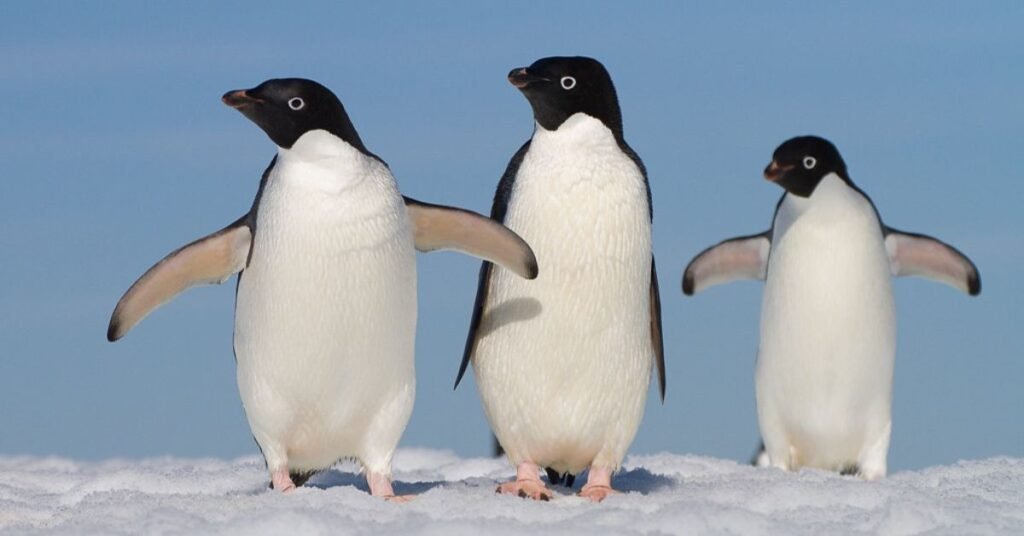
The adelie penguin lives along the coast of Antarctica and on nearby islands. It prefers areas with access to both open water and rocky ground. During the breeding season, these penguins return to the same nesting sites year after year.
In the Antarctic winter, the penguin spends most of its time at sea. It follows the edge of the sea ice and hunts for food beneath the surface. Sea ice plays an important role in its survival because it provides resting places and supports the marine life that penguins eat.
Some of the largest penguin colonies are found in East Antarctica and the Antarctic Peninsula. Researchers have even discovered hidden colonies with millions of birds in remote areas.
The habitat of the penguin is cold, windy, and covered in snow for much of the year. Yet this bird has adapted perfectly to these conditions. Its dense feathers and thick layer of fat help keep it warm during extreme temperatures.
| Adelie Penguin Information | Details |
| Scientific Name | Pygoscelis adeliae |
| Average Height | 27.5 inches |
| Weight | 8.5 to 12 pounds |
| Habitat | Antarctica and nearby islands |
| Diet | Krill, fish, and squid |
| Lifespan | 11 to 20 years |
| Conservation Status | Near Threatened |
Adelie Penguin Diet and Hunting Skills
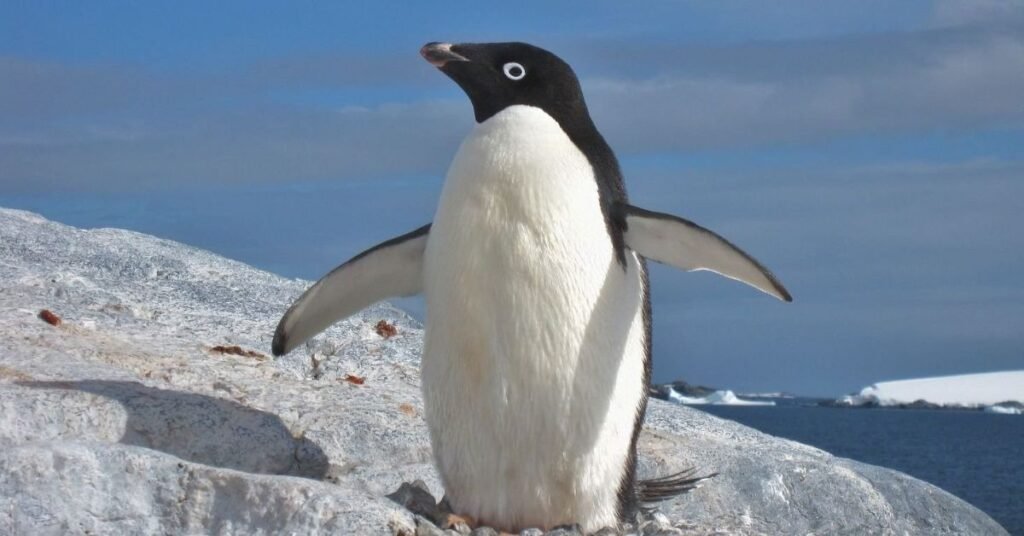
The adelie penguin is a carnivore. It mainly feeds on krill, which are tiny shrimp-like creatures found in Antarctic waters. It also eats fish and squid when available.
Hunting takes place in the ocean. The adelie penguin uses its streamlined body and strong flippers to move quickly through the water. It can dive hundreds of feet below the surface in search of food.
Scientists have recorded adelie penguins diving as deep as 575 feet. However, many dives are much shallower. These birds often travel long distances to find enough food for themselves and their chicks.
This penguin has excellent eyesight underwater. This helps it spot prey even in low light conditions. Once it finds food, it catches it with its sharp beak and swallows it whole.
Food availability has a direct impact on penguin populations. If krill numbers decrease, adelie penguins may struggle to raise their young successfully. This is one reason why scientists continue to monitor Antarctic ecosystems closely.
Adelie Penguin Breeding and Family Life
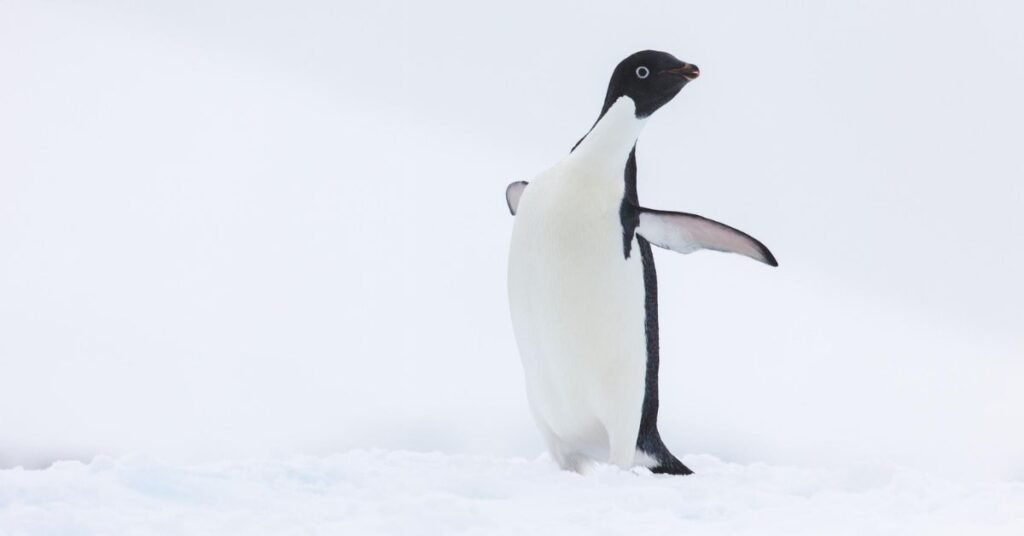
Every year, the adelie penguin returns to Antarctica’s rocky shores to breed. The breeding season begins during the Antarctic spring, usually in September and October.
Male penguins arrive first and begin building nests from small stones. These stones are valuable in Antarctica, and penguins sometimes steal them from neighboring nests. This behavior often leads to amusing interactions between birds.
Female adelie penguins usually lay two eggs. Both parents share the responsibility of keeping the eggs warm. They take turns sitting on the nest while the other partner searches for food.
After several weeks, the chicks hatch. The parents continue to care for them by bringing food back to the nest. As the chicks grow, they gather in groups called crèches for protection.
Young adelie penguins begin swimming at around nine weeks of age. At this point, they start becoming independent and prepare for life in the ocean.
The adelie penguin is known for being a dedicated parent. Its strong family bonds are one reason why it remains one of the most studied members of the penguin species found in Antarctica.
Behavior and Interesting Facts
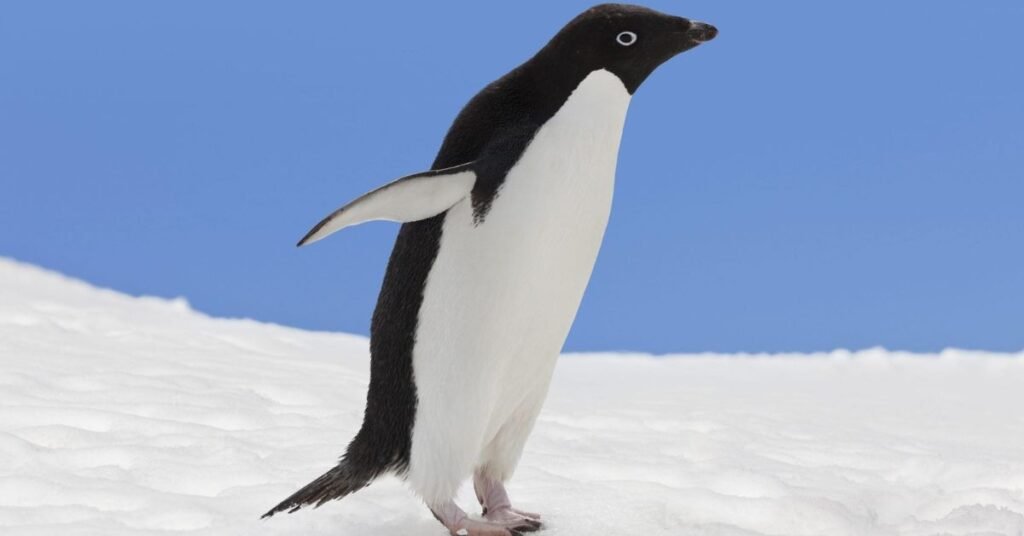
The adelie penguin is active, curious, and surprisingly brave. Researchers have observed these birds approaching humans without much fear. Their playful behavior makes them a favorite among wildlife photographers.
One of the most famous adelie penguin behaviors is tobogganing. Instead of walking, penguins sometimes slide across the ice on their bellies while pushing themselves forward with their feet.
Adelie penguins are also excellent travelers. Some individuals walk many miles across the ice to reach open water during the breeding season. They can swim quickly and spend much of their lives at sea.
Another interesting fact is that adelie penguins communicate using sounds and body movements. They recognize their mates and chicks even within crowded colonies.
These birds are highly social. Living in large groups helps them stay safe from predators and improve breeding success. Common predators include leopard seals in the water and skuas that target eggs and young chicks.
Lifespan and Threats
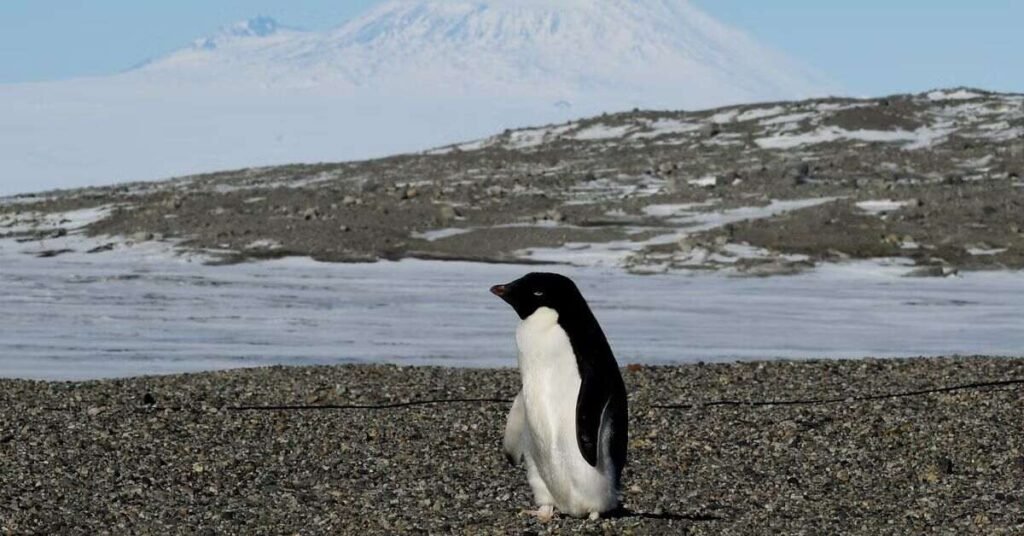
An adelie penguin can live between 11 and 20 years in the wild. Survival depends on access to food, successful breeding, and environmental conditions.
Although some adelie penguin populations remain stable, others face challenges. Climate change is one of the biggest threats to Antarctic wildlife. Changes in sea ice can affect where penguins feed and breed.
Human activities also have an impact. Commercial fishing may reduce the amount of krill available in some areas. Increased tourism requires careful management to avoid disturbing nesting colonies.
Scientists classify the adelie penguin as Near Threatened. This means the species is not currently endangered, but it could face greater risks in the future if environmental changes continue.
Conservation programs help researchers monitor penguin numbers across Antarctica. Satellite technology has even helped scientists discover previously unknown colonies.
Protecting the penguin also protects the wider Antarctic environment. Efforts to support wildlife conservation benefit many other species that share this unique ecosystem.
Read about it more: https://kids.nationalgeographic.com/animals/birds/facts/adelie-penguin
Why the Adelie Penguin Matters
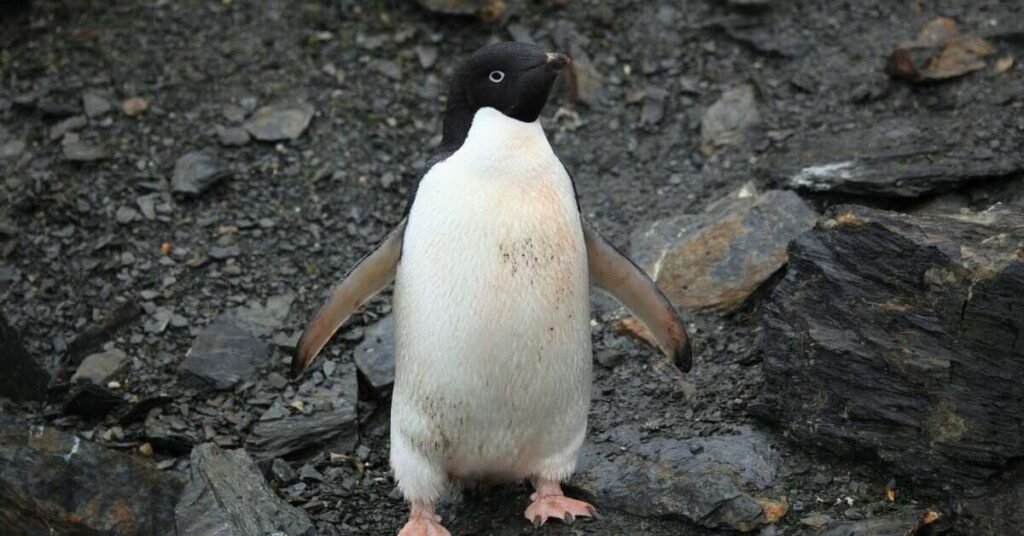
The adelie penguin is more than just an adorable bird. It serves as an important indicator of environmental health in Antarctica. Scientists often study changes in adelie penguin populations to better understand the effects of climate change.
Because the adelie penguin depends on sea ice and healthy oceans, its success reflects the condition of the Antarctic ecosystem. When penguin numbers change, researchers investigate possible causes such as food shortages or warming temperatures.
This species also helps inspire people around the world to care about nature. Images of adelie penguins walking across the ice encourage interest in conservation and environmental protection.
Wildlife documentaries and educational programs have introduced millions of people to the penguin. These efforts have increased public awareness about Antarctica and its importance.
Learning about the penguin can help us appreciate the delicate balance of life on our planet. Every species plays a role, and protecting one animal often benefits many others.
Conclusion
The adelie penguin is one of Antarctica’s most remarkable residents. It survives freezing temperatures, travels great distances, and raises its young in one of the harshest environments on Earth.
From its unique breeding habits to its impressive swimming abilities, the adelie penguin offers endless opportunities for discovery. Its presence also provides valuable information about the health of Antarctic ecosystems.
As climate patterns continue to change, protecting the adelie penguin becomes even more important. Supporting conservation efforts can help ensure that future generations will continue to enjoy these incredible birds.
Frequently Asked Questions
Where do adelie penguins live?
Adelie penguins live along the coast of Antarctica and on nearby islands. They spend much of the winter at sea near the Antarctic pack ice.
What do adelie penguins eat?
The adelie penguin mainly eats krill, fish, and squid. Krill is the most important part of its diet.
How long does an adelie penguin live?
An adelie penguin typically lives between 11 and 20 years in the wild, depending on environmental conditions and food availability.
Are adelie penguins endangered?
The adelie penguin is currently listed as Near Threatened. Some populations are stable, but climate change remains a concern.
Can adelie penguins fly?
No. The adelie penguin cannot fly. It uses its flippers to swim and is one of the best swimmers among Antarctic birds.
