

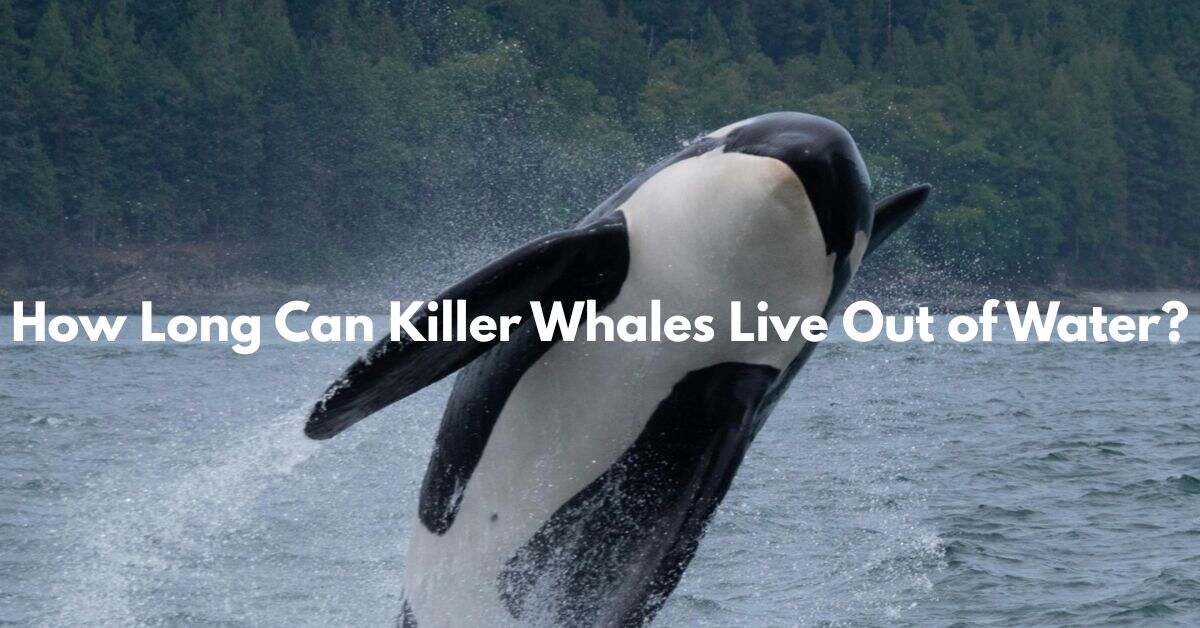
Have you ever seen a video of a massive killer whale stranded on a beach and wondered — how long can it actually survive out there? It is a question that shocks many people.
Killer whales, also known as orcas, are the ocean’s most powerful predators. They rule the seas with intelligence, speed, and strength. But the moment they leave the water, everything changes.
https://thewildlifecore.com/Killer whales can only survive out of water for a few hours at most. In many cases, the danger begins within minutes. Their bodies start breaking down rapidly once they are on land. The very features that make them perfect ocean hunters become deadly liabilities on dry ground.
In this article, we will explore exactly why killer whales cannot live out of water for long, what happens to their bodies, why they sometimes end up on beaches, and what rescuers do to save them.
How Long Can Killer Whales Live Out of Water?
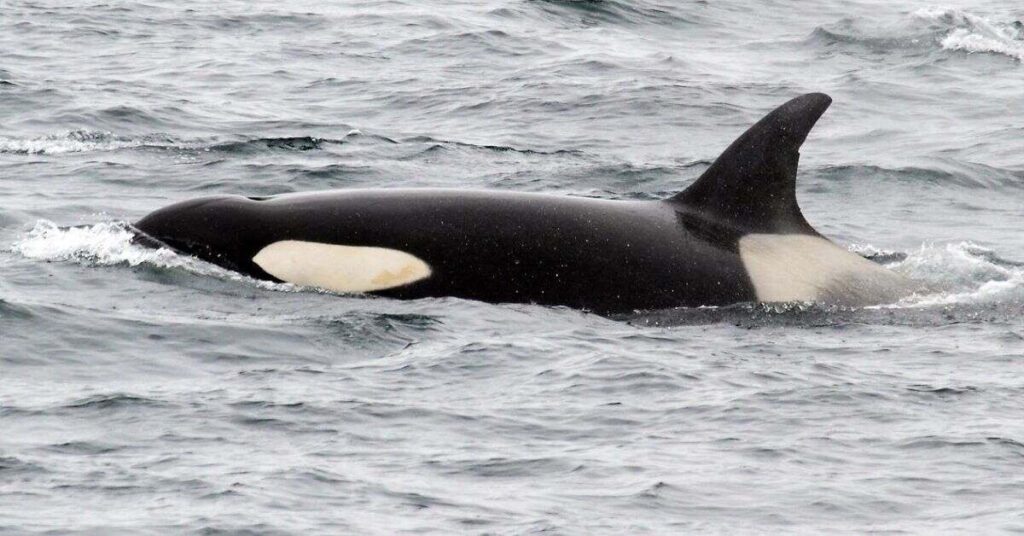
This is the key question. And the answer is both simple and heartbreaking.
A killer whale can survive out of water for only a few hours under the best conditions. With shade, cool temperatures, and rescuers keeping the skin moist, that window may stretch slightly. But without help, death can come even faster.
Smaller cetaceans like dolphins have a similarly short survival window. Larger whales such as blue whales and humpbacks face even faster collapse because their enormous body weight crushes their organs very quickly. Killer whales fall in the middle, but their size still makes land survival extremely difficult.
The table below shows an estimated survival comparison across different whale species when stranded out of water:
| Species | Estimated Survival Time Out of Water | Main Risk Factor |
| Blue Whale | Less than 1 to 2 hours | Massive organ compression |
| Humpback Whale | 1 to 3 hours | Body weight on lungs |
| Killer Whale (Orca) | 1 to 4 hours | Overheating and compression |
| Beluga Whale | A few hours | Dehydration and thermal stress |
| Dolphin | Minutes to 1 to 2 hours | Rapid overheating |
| Sperm Whale | Less than 2 hours | Organ failure from weight |
These are rough estimates. Environmental conditions, the animal’s health, and access to rescue help all change the outcome. But one thing is always true time is the biggest enemy.
Why Killer Whales Cannot Survive Long Out of Water
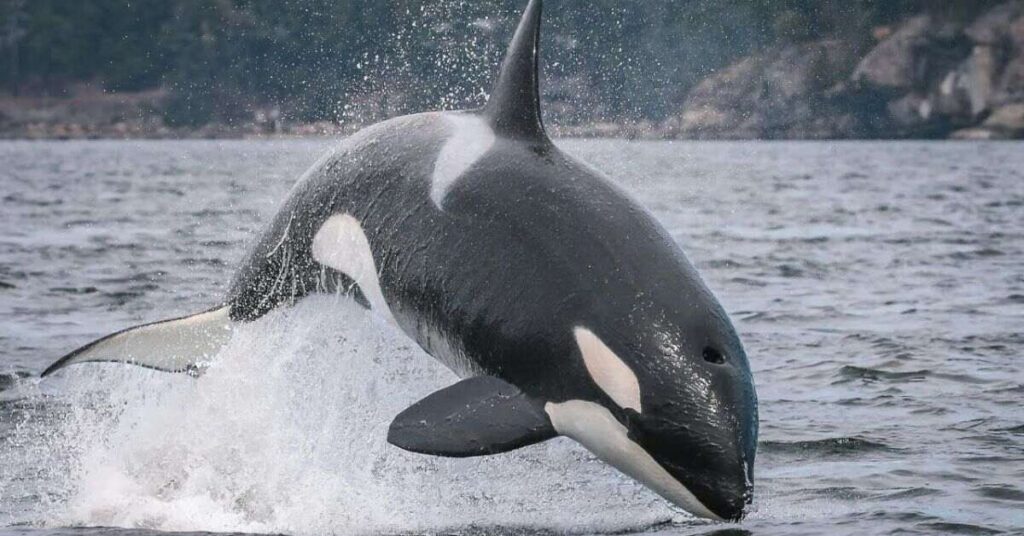
Many people assume that since killer whales breathe air like we do, they should be able to survive on land for a while. But breathing air is only one small part of survival. Their entire body is built for the ocean, and land defeats them in multiple ways at the same time.
The Crushing Weight Problem
In the ocean, water supports every pound of a killer whale’s body. Adult male orcas can weigh up to six tons. The water makes them essentially weightless as they glide through the sea.
On land, that weight becomes a crushing force. Gravity presses down hard on the whale’s chest and ribcage. The lungs cannot expand properly. The heart struggles under the pressure. Internal organs begin to compress and suffer damage.
This process starts almost immediately when the whale hits dry ground. The whale may still be breathing, but deep inside, serious harm is already beginning. Rescuers call this organ compression, and it is one of the leading causes of death in stranded whales.
Even if a killer whale is successfully returned to the sea after stranding, internal damage from compression can still kill it days later. This is why experts say that even a short time on land can be deadly.
Deadly Overheating
Killer whales have a thick layer of fat called blubber under their skin. This blubber can be several inches thick. In cold ocean water, it acts as brilliant insulation, keeping the whale warm and protecting it from freezing temperatures.
But on land, this same blubber becomes a death trap.
There is no cool water to carry the heat away from the body. The blubber traps all the body heat inside. The whale’s internal temperature rises rapidly. This condition is called hyperthermia, and it causes serious tissue damage across multiple organ systems.
The whale essentially starts cooking from the inside. This is why rescuers immediately pour cold seawater over stranded whales to try to cool them down. Even a thin layer of moisture on the skin can make a significant difference in buying extra time.
On hot, sunny days, the danger multiplies. A killer whale stranded on a sun-baked beach in warm weather can reach fatal temperatures far faster than one that beaches on a cool, shaded coastline.
Dehydration and Skin Damage
People think of whales as always being in water, but their skin needs constant moisture to stay healthy. When a killer whale is out of the ocean, its skin begins to dry out, crack, and lose moisture very quickly.
This is not just uncomfortable. Dehydration causes damage at a cellular level. The whale’s mucous membranes dry out. Its body systems begin to break down without the moisture they depend on.
Killer whales also get much of their water intake through the fish they eat. On land, they have no access to food, which cuts off this hydration source entirely. The combination of skin moisture loss and lost dietary hydration accelerates the whale’s decline rapidly.
Rescuers keep wet towels, blankets, and buckets of seawater on hand to keep the skin moist.
Exhaustion and Muscle Damage
A killer whale’s streamlined body is a masterpiece of ocean design. Its muscles are built to propel it through water at speeds of up to 35 miles per hour. Every physical feature serves aquatic life.
On land, those same muscles work against the whale. The animal cannot move effectively. It cannot reposition itself to relieve pressure on its body. Struggling and thrashing causes rapid muscle fatigue. Stressed muscles release harmful compounds into the bloodstream.
In a condition called myopathy, the whale’s muscles begin to break down from the strain. These toxic breakdown products then flood the bloodstream and damage the kidneys and other organs. This can kill the whale even after it has been returned to the water, which is why some rescued whales die in the days after being refloated.
Why Do Killer Whales Beach Themselves?
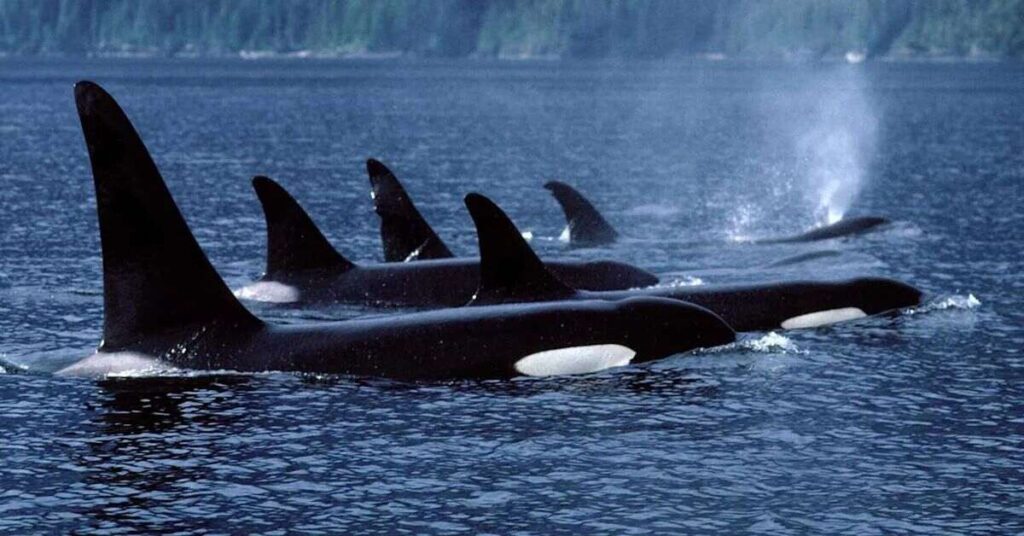
This is one of the most fascinating and still somewhat mysterious questions in marine biology. Scientists have studied whale strandings for decades, and the picture that has emerged involves several different causes.
Social bonding plays a huge role in killer whale strandings. Orcas are extraordinarily social animals. They live in tight family pods led by older females. When one member of a pod is sick or injured and drifts toward shore, other members follow. They simply refuse to abandon their family member. This means a single sick whale can pull an entire healthy pod onto a deadly beach.
Military sonar has been linked to several mass strandings around the world. High-frequency sonar used by navies can disorient whales and disrupt their echolocation. This can cause them to panic and swim rapidly toward shore.
Navigation errors also contribute to strandings. Killer whales use echolocation to sense their environment. In some shallow coastal areas, the sandy slope of the seafloor is so gradual that the sonar signal does not bounce back clearly. The whale may not realize how shallow the water is until it is already too close to the beach.
Illness and old age cause some individual strandings. A sick or elderly orca may simply weaken and drift toward shore. Parasites, infections, and injuries can all compromise a whale’s ability to navigate and swim effectively.
Pollution and environmental toxins also play a growing role. Killer whales at the top of the food chain accumulate high levels of pollutants through their prey. These toxins damage their immune systems, neurological function, and reproductive health, making them more vulnerable to stranding.
What Happens During a Killer Whale Stranding Rescue
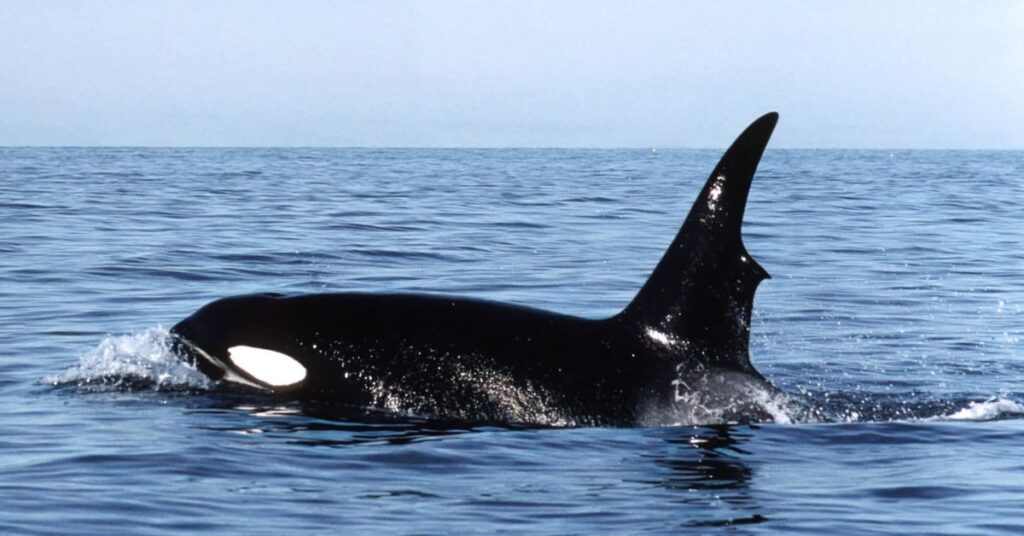
When a killer whale or any large whale strands on a beach, trained rescue teams move fast. Every minute matters, and the steps they take can mean the difference between life and death.
The first priority is always to keep the animal cool and moist. Teams pour buckets of seawater over the whale continuously. They place wet towels and blankets over the body, taking care never to cover the blowhole. Shade is set up if possible to reduce the heat load on the animal.
Rescuers also carefully monitor breathing and vital signs. A whale that is breathing steadily and staying calm has a much better chance of survival than one that is panicking and thrashing. Loud noises and crowds make the situation worse, so keeping bystanders back is essential.
Teams also work to assess the animal’s condition. A whale that is in good physical shape and has been stranded for a short time has a much better rescue prognosis. A whale that has been on land for hours, or one that is visibly ill or injured, faces much worse odds.
When the tide returns, teams use specially designed harnesses and flotation gear to guide the whale back into deeper water. Dragging a whale by its tail is never acceptable it can cause serious spinal injuries and even paralysis.
In some tragic cases, when the whale is too severely compromised to survive, humane euthanasia is the kindest option. This decision is made by qualified marine veterinarians after careful assessment.
How Killer Whales Are Built for the Ocean
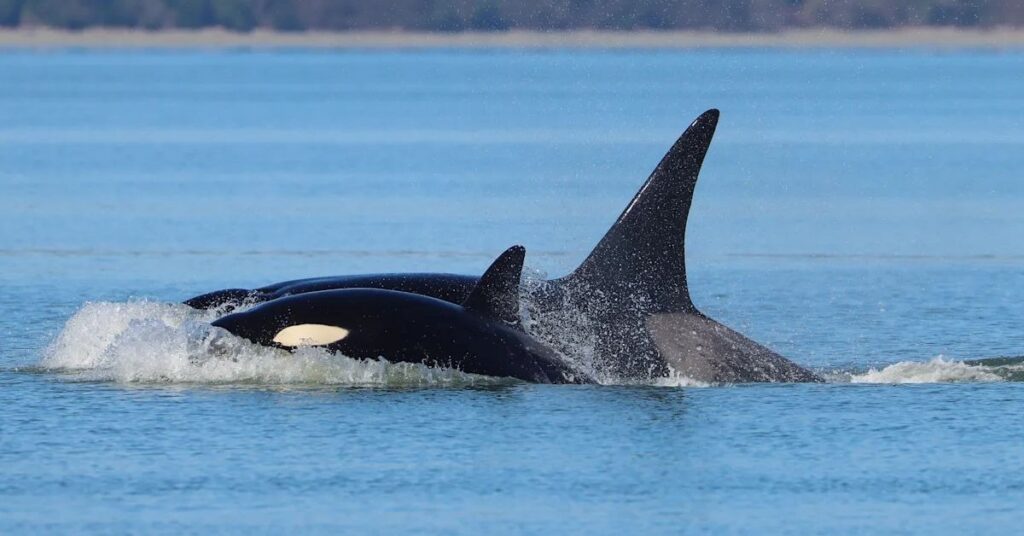
To truly understand why killer whales cannot survive out of water, it helps to appreciate just how completely their bodies are designed for ocean life.
Their circulatory system is adapted for deep diving, with the ability to slow the heart rate dramatically to conserve oxygen during long dives. Their muscles contain extremely high levels of myoglobin, the protein that stores oxygen, which gives whale meat its dark reddish color.
Every single adaptation is built around water. Life on land reverses all of those advantages and turns them into liabilities. It is a powerful reminder that these are ocean creatures through and through.
What You Can Do If You See a Stranded Killer Whale
If you ever witness a stranded killer whale or any marine mammal on a beach, here is what wildlife experts recommend:
Do not attempt to push or move the animal yourself. A six-ton killer whale cannot be helped by a few people on a beach, and attempting to do so can injure both the whale and the rescuers.
Keep all people and pets at a safe distance. Stressed whales can thrash suddenly and cause serious injury.
Call your national or local marine mammal rescue hotline immediately. In the United States, you can contact the NOAA Fisheries Stranding Hotline. In other countries, similar organizations operate dedicated rescue networks.
Note the exact location, the size and condition of the animal, and how long it appears to have been stranded. This information helps rescue teams prepare properly before they arrive.
While waiting for help, if it is safe to do so, you can gently pour seawater over the whale’s skin avoiding the blowhole to help keep it cool and moist. This small act can genuinely help extend the animal’s survival window.
Conservation and the Future of Killer Whales
Killer whales face growing threats from human activity. Pollution, declining prey populations, boat noise, and climate change all affect their health and behavior. Stranding events may become more common as ocean conditions shift and whale populations face increasing stress.
Supporting marine conservation organizations, reducing plastic pollution, and advocating for responsible ocean policies all contribute to protecting these magnificent animals. The more we understand about killer whale biology and behavior, the better equipped we are to protect them.
Killer whales are not just fascinating ocean animals. When they thrive, the ocean is in balance. When they struggle, it is a signal that something in the ecosystem needs our attention.
Conclusion
Killer whales are amazing marine mammals built completely for life in the ocean. Their bodies depend on water for support, cooling, movement, and overall health.
So, how long can killer whales live out of water?
In most cases, only a limited number of hours. Some may survive longer under cool conditions with fast rescue efforts, but serious health problems begin quickly.
Pressure on internal organs, overheating, dehydration, and stress all make land survival extremely difficult.
That is why rescue teams move quickly during whale strandings. Their efforts can mean the difference between life and death.
Understanding these challenges also reminds us why ocean conservation is so important. Healthy oceans give killer whales the best chance to survive and thrive.
The more people learn about whales and marine ecosystems, the more they can help protect these incredible animals for future generations.
Frequently Asked Questions
How long can killer whales live out of water safely?
Killer whales cannot live safely out of water for long. Most may survive only several hours before serious health problems begin.
Why do killer whales die on beaches?
Killer whales die on beaches because their heavy bodies crush internal organs, body heat rises quickly, and dehydration damages the skin.
Can humans save stranded killer whales?
Yes, trained rescue teams can sometimes save stranded killer whales by keeping them cool, wet, and guiding them back into deeper water.
Do killer whales breathe air like humans?
Yes, killer whales breathe air through a blowhole on top of their heads. They are mammals, not fish.
Why are killer whales important to the ocean?
Killer whales help balance marine ecosystems by controlling prey populations and supporting healthy ocean food chains.
