

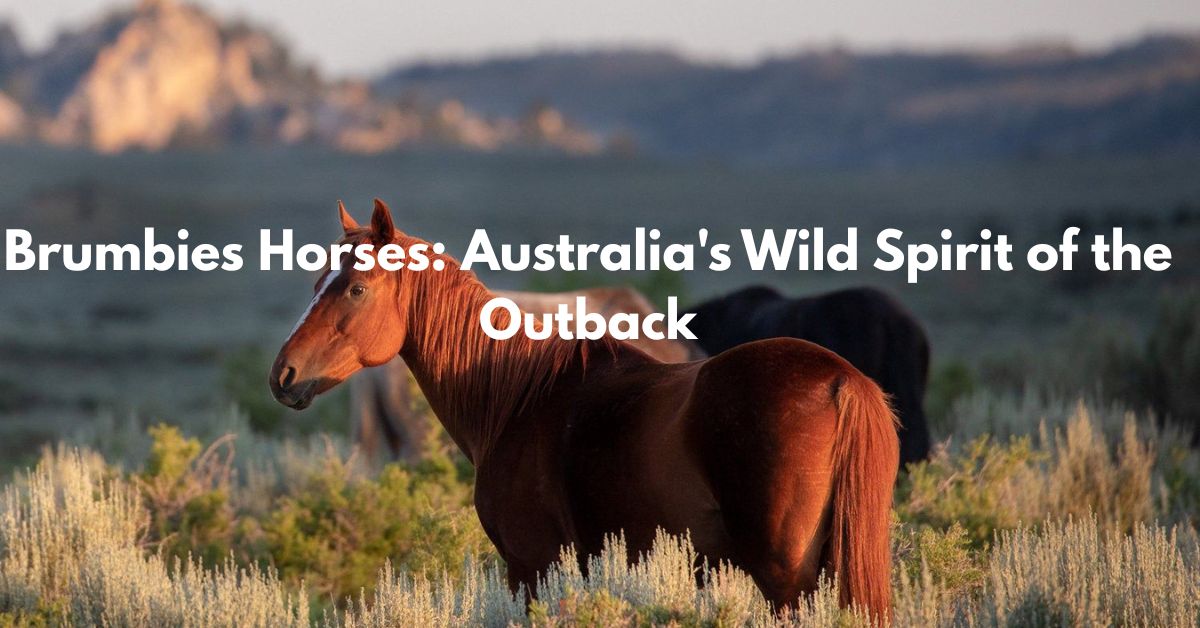
Imagine a herd of horses galloping freely across the rugged Australian mountains, manes flying in the wind, with no rider and no fence to stop them. That is the world of brumbies horses. These wild, free-roaming animals are one of Australia’s most talked-about and debated creatures. They are beautiful. They are tough. And they carry a story that goes back over 200 years.
Brumbies horses are not just animals. They are a living piece of Australian history. From the gold rush era to World War battlefields, these horses have played a huge role in shaping the country. Today, they roam vast landscapes across Australia, from the snowy alpine regions to the burning hot deserts.
But not everyone agrees on how to treat them. Some people see brumbies as a national treasure. Others see them as a threat to the environment. In this article, we will explore everything you need to know about brumbies horses — their origin, behavior, habitat, and the big debate about their future.
What Are Brumbies Horses?
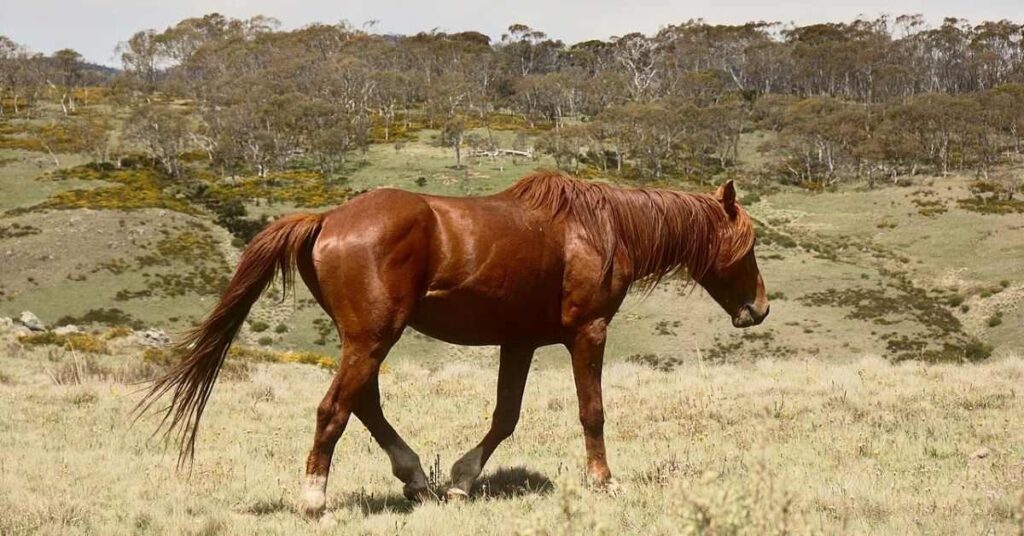
Brumbies horses are feral horses that live and roam freely in the wild across Australia. The word “feral” means they are descended from domestic horses but now live without human care or control. They are also known as bush horses or wild horses.
The term “brumby” has been used in Australia since the 1870s. The exact origin of the word is still debated. One popular theory links the name to Sergeant James Brumby, a soldier and horse breeder who left his horses to run loose in New South Wales when he moved to Tasmania in 1804. Another theory suggests the word comes from baroomby, a term meaning “wild” in the language of the Pitjara Indigenous Australians of southern Queensland.
Today, there are more than 400,000 brumbies horses roaming freely across Australia. This makes Australia home to the largest wild horse population in the world. They can be found in almost every type of landscape the country has to offer, from snowy mountain ranges to flat desert plains.
A brumby looks much like a regular horse but is often smaller, leaner, and more muscular. This compact build helps it survive on less food and water. Their hooves are incredibly hard and strong, well suited for rocky and dry terrain.
The History of Brumbies Horses in Australia
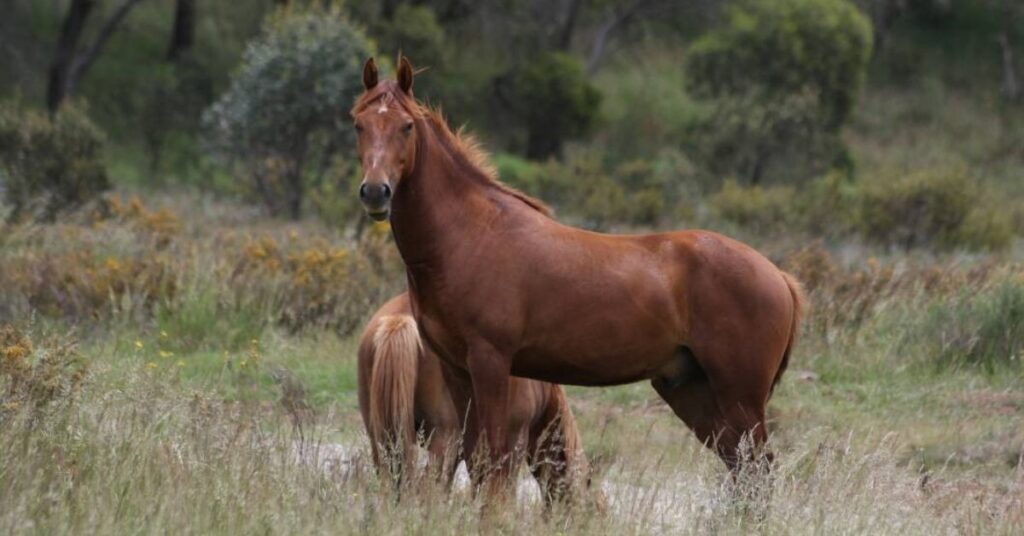
The story of brumbies horses begins in 1788 when British settlers arrived in Australia with the First Fleet. They brought horses with them for transport, farming, and military use. These early horses came from Great Britain, the Cape of Good Hope in South Africa, and India.
Over the following decades, more breeds arrived. Thoroughbreds, Arabians, Hackneys, Welsh Ponies, Shetland Ponies, Clydesdales, and Quarter Horses were all imported at different times. This mix created a genetically diverse group of horses that were strong and adaptable.
As Australia expanded, many horses escaped from farms or were deliberately set free. With no natural predators to control their numbers, these horses bred freely. Wild populations grew quickly across Queensland, the Northern Territory, and the Australian Alps.
By the late 1800s and early 1900s, brumbies horses were being captured and used in practical roles. They served as riding horses, carriage horses, and working animals. During World War I, tens of thousands of Australian horses — often called “Walers” — were exported to serve as cavalry mounts in military campaigns across the world.
Brumbies also became part of Australian culture and art. The famous poem “The Man from Snowy River” by Banjo Paterson brought the image of wild bush horses into the hearts of Australians forever. The novel and film “The Silver Brumby” also helped cement their place in national folklore.
By the mid-20th century, brumbies were so numerous that the government began to see them as a problem. Control programs started, including mustering, relocation, and in some cases, culling.
Where Do Brumbies Horses Live?
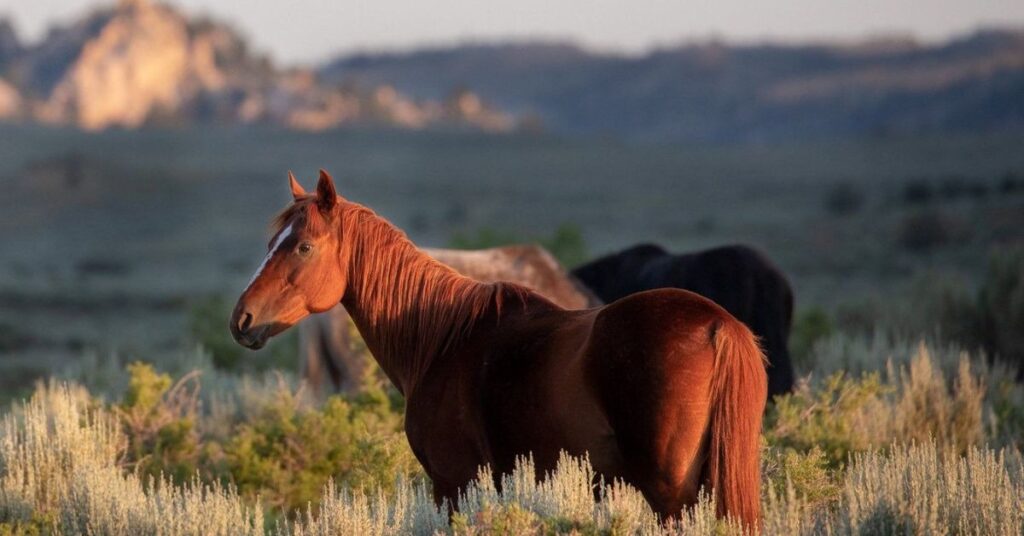
Brumbies horses are incredibly adaptable. They can survive in a wide range of environments that would challenge most domestic horses. Their home ranges vary from 1 to 20 square kilometres depending on the size of the herd and the availability of food and water.
Here is a quick look at where brumbies horses are found across Australia:
| Region | Key Areas |
| New South Wales | Kosciuszko National Park, Snowy Mountains |
| Victoria | Alpine National Park, Bogong High Plains, Barmah Forest |
| Queensland | Cape York, Carnarvon National Park, north-western areas |
| Northern Territory | Alice Springs, MacDonnell Ranges |
| Western Australia | Kimberley, Pilbara, Goldfields region |
| South Australia | Strzelecki Desert, Simpson Desert, arid zones |
They live in tropical grasslands, wetlands, swamps, marshes, semi-arid deserts, rocky ranges, and sub-alpine forests. Herds move from place to place depending on the weather and the availability of food. They can travel up to 50 kilometres a day in search of water and pasture.
Brumbies are crepuscular animals, meaning they are most active during the early morning and late evening. They rest during the hottest parts of the day, which is a smart survival strategy in Australia’s intense heat.
Physical Traits and Appearance of Brumbies Horses
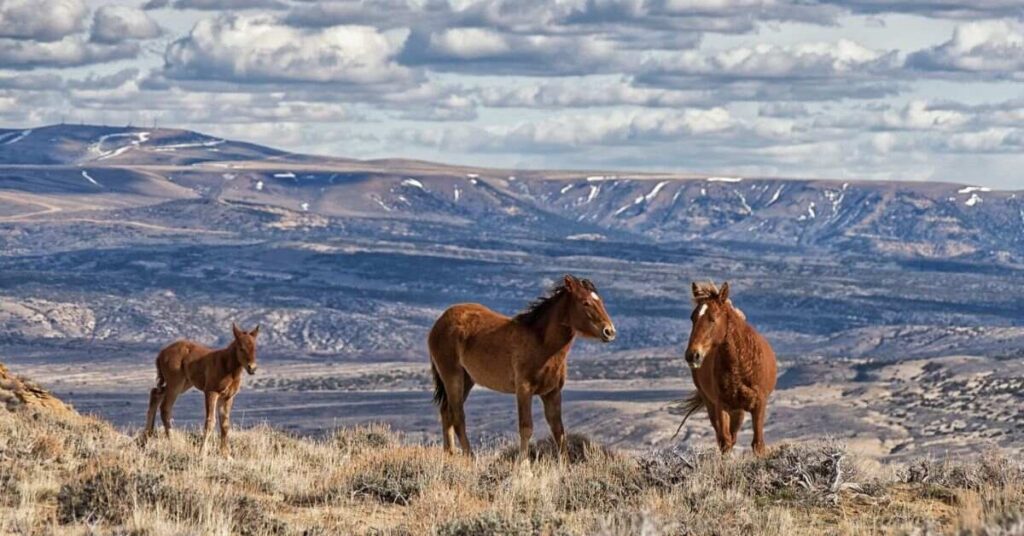
Brumbies horses come in many colours and sizes because they descend from so many different breeds. You can find brumbies in chestnut, bay, black, grey, palomino, roan, buckskin, and even appaloosa patterns.
Their general physical features reflect years of natural selection in tough environments:
| Physical Feature | Description |
| Weight | 350 to 500 kilograms |
| Height | 135 to 150 centimetres (13 to 15 hands) |
| Hooves | Very hard and durable, suited to rocky terrain |
| Body | Compact, muscular, with a deep chest |
| Head | Fine to medium sized, alert expression |
| Eyes | Lively and well-spaced |
| Legs | Dry and strong with well-formed joints |
Mountain brumbies, such as those in Kosciuszko National Park, have evolved to be smaller and shorter than their domestic relatives. Their sloping shoulders, shorter necks, and sturdy frames help them survive on less food and handle the cold mountain climate more effectively.
Their hooves are particularly impressive. Hard and resistant to the rocky ground, brumbies rarely suffer from the hoof problems that affect domestic horses. This durability is a direct result of natural selection over generations.
Behaviour and Social Life of Brumbies Horses
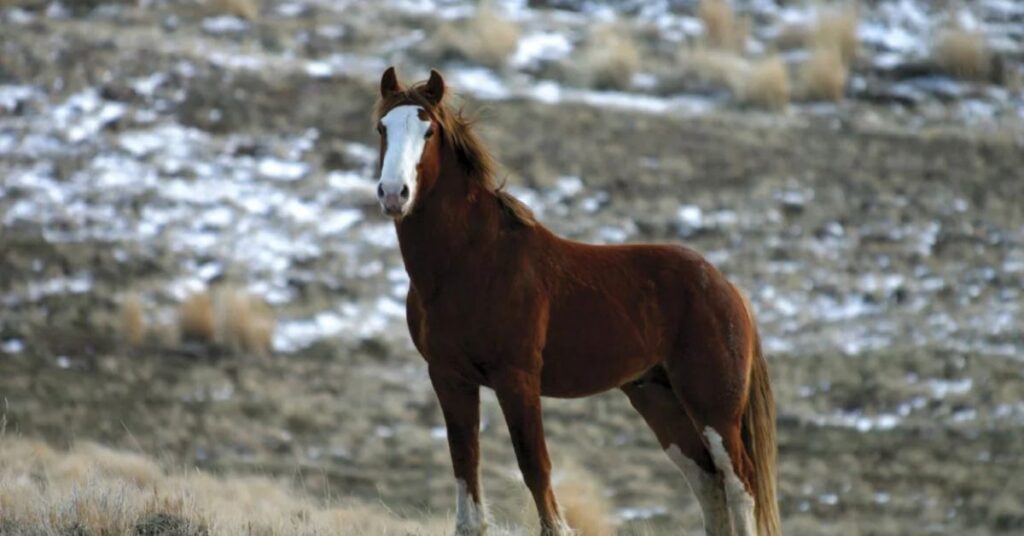
Brumbies horses are highly social animals. They live in herds, usually called a “mob” or “band”. A typical herd has between 5 and 11 mares, one to four stallions, and their offspring.
At the top of the herd is an alpha male stallion. He usually stays at the rear of the group but moves to the front when there is a threat. He protects the herd by kicking, biting, or chasing away danger.
Young males who have not yet formed their own herds live together in bachelor groups. Once they are strong enough, they compete with older stallions for their own mares and territory.
Brumbies communicate in many ways. They use body language, ear positions, and facial expressions to share information with each other. For example, a horse will lay its ears back and expose its teeth to signal aggression. Raising the upper lip is a sign of curiosity or positive emotion. Bobbing the head and pointing ears forward shows friendliness.
Brumbies feed for 15 to 17 hours each day. Their preferred food is grass, but they will also eat leaves, bark, seeds, and nuts when grass is scarce. They breed once a year, usually in spring.
Though wild and wary of humans, brumbies that have been tamed often become loyal, hardworking, and intelligent partners. They are known for their endurance and their ability to learn quickly.
The Environmental Debate Around Brumbies Horses
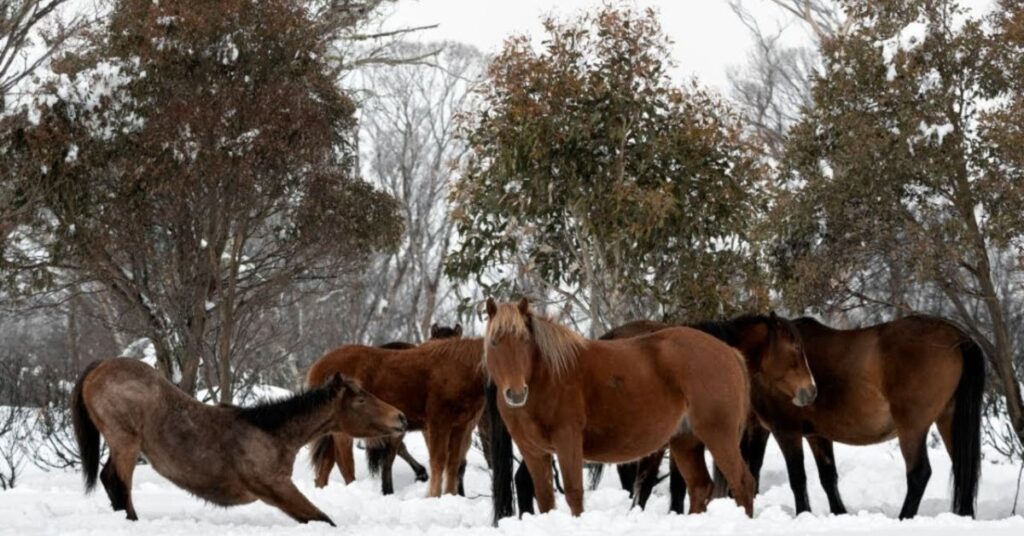
This is where the story of brumbies horses becomes complicated. On the other side, scientists and conservationists warn about the serious damage they cause to the environment.
The environmental concerns are real. Brumbies’ hard hooves compact the soil, which reduces the soil’s ability to absorb water. In areas where brumbies roam heavily, the soil can resist water penetration at a rate 15 times higher than in areas without horses. This leads to soil erosion, damage to native plants, and degraded waterways.
Brumbies also compete with native animals for food and water. Species like kangaroos and wallabies lose grazing land to horse herds. Some endangered species, including the Southern Corroboree Frog and the Mountain Pygmy Possum, depend on undisturbed alpine habitats that are being damaged by brumby activity.
On the other hand, supporters of brumbies argue that their impact is sometimes overstated. Some advocate groups point out that land clearing for cattle farming causes far greater deforestation than horses. In certain areas, brumbies also help keep walking tracks clear, which benefits bushwalkers and service vehicles.
The debate has led to some difficult management decisions. In 2023, aerial shooting was approved as a control method in Kosciuszko National Park. This sparked enormous public outcry. Groups like Save the Brumbies and the Australian Brumby Alliance actively campaign for non-lethal alternatives, such as fertility control and rehoming programs.
The New South Wales government has set a target of reducing the brumby population in Kosciuszko National Park to 3,000 horses by mid-2027.
Brumbies Horses in Australian Culture
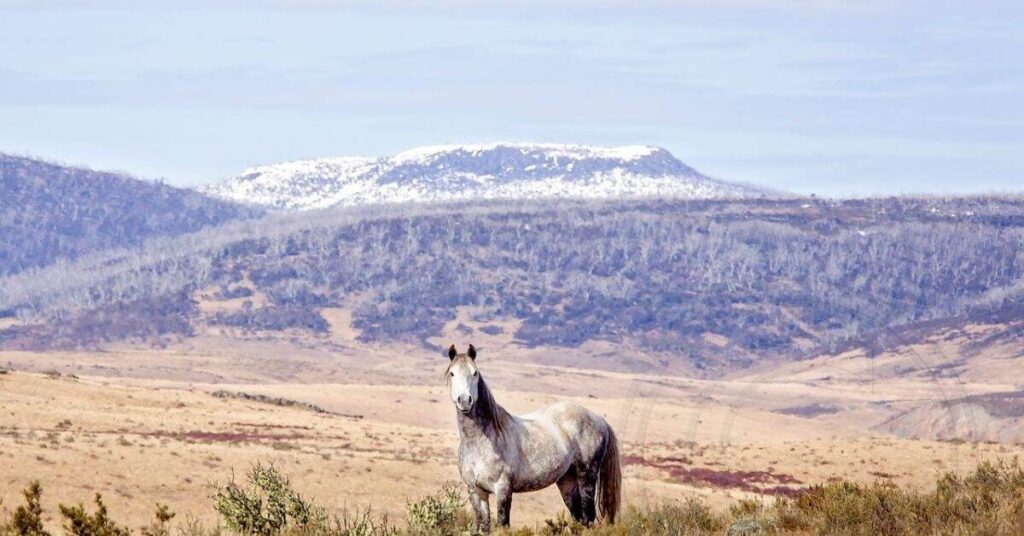
Few animals hold as much cultural power in Australia as brumbies horses. They appear in poetry, novels, films, and art. They represent freedom, resilience, and the wild spirit of the Australian outback.
Banjo Paterson’s famous poem “The Man from Snowy River” painted a vivid picture of wild horses in the Australian high country. The poem has been recited by generations of Australians and continues to inspire a deep emotional connection to these animals.
The children’s novel “The Silver Brumby” by Elyne Mitchell introduced younger generations to the world of wild horses.
Some Aboriginal communities also feel a connection to brumbies. Certain groups believe the horses now belong to the land, having lived there for so many generations that they have become part of the country’s spiritual fabric.
The Kosciuszko Wild Horse Heritage Act 2018 formally recognised the cultural and heritage value of brumbies in parts of Kosciuszko National Park. This law made Australia one of the only countries in the world to give legal heritage protection to a feral animal population.
Conservation Efforts and the Future of Brumbies Horses
The future of brumbies horses is uncertain but not without hope. Several organisations work hard to protect these animals while finding humane ways to manage their populations.
The Australian Brumby Alliance advocates for managed herds that preserve historical bloodlines. They support adoption and rehabilitation programs that allow captured brumbies to be tamed and rehomed as leisure horses, trail horses, or working horses.
Passive trapping is one humane management method. Traps are set up with food, water, or salt licks. . This method causes minimal stress to the animals compared to aerial shooting.
There is also growing interest in fertility control through hormonal treatments delivered via darting. This method can slow population growth without harming the horses.
Brumbies that are successfully tamed can have long and productive lives. Their natural endurance and intelligence make them suitable for a wide range of activities.
With proper management, it is possible to find a balance between ecological protection and cultural heritage.
Conclusion
Brumbies horses are one of Australia’s most extraordinary animals. They carry the weight of history on their backs, from the colonial era to the battlefields of World War I, from the poetry of Banjo Paterson to the ongoing debates of today’s parliament.
They are tough, adaptable, and beautiful. But their growing numbers also create real challenges for the environment and for the native species that share their land.
The key is finding a path forward that respects both the natural world and the cultural heritage that brumbies represent. With thoughtful management, genuine compassion, and a willingness to listen to all sides of the debate, Australia can protect its ecosystems while honouring these remarkable animals.
Whether you see a brumby as a symbol of freedom or a wildlife management challenge, one thing is certain these horses are a living part of Australia’s story, and their future matters to all of us.
Frequently Asked Questions
What is a brumby horse?
A brumby is a feral horse that lives freely in the wild across Australia. Brumbies are descended from domestic horses that escaped or were released into the wild, beginning with horses brought to Australia in 1788.
How many brumbies horses are there in Australia?
There are currently more than 400,000 brumby horses living across Australia. This makes Australia home to the largest wild horse population in the world.
Where do brumbies horses live?
Brumbies live across many parts of Australia, including New South Wales, Victoria, Queensland, the Northern Territory, Western Australia, and South Australia. They thrive in a wide range of habitats, from alpine mountains to desert plains.
Are brumbies horses dangerous?
Wild brumbies are naturally wary of humans and will usually flee rather than confront people. However, they can be unpredictable if startled or cornered. They are not considered dangerous in normal circumstances, but you should always observe them from a safe distance.
Can brumbies horses be tamed?
Yes, brumbies can be tamed, though it requires patience and consistent training. Once tamed, they often become loyal and hardworking horses. Many rehomed brumbies go on to have successful careers as trail horses, show horses, and leisure riding horses.
