


Have you ever stopped and wondered where dogs actually belong in the natural world? You might picture them curled up on a couch or running through a backyard. But the story of a dog’s habitat goes much deeper than that.
Dogs are one of the most adaptable animals on the planet. They live in deserts, forests, mountains, arctic regions, and busy city apartments. No other animal has spread across so many different environments alongside humans.
Understanding what is a dog’s habitat is not just fascinating from a wildlife perspective. It also helps you become a better dog owner. When you know what kind of environment your dog actually needs, you can give them a happier, healthier life.
Let us explore the full picture of the dog’s natural world.
What Is a Dog’s Habitat? The Simple Answer
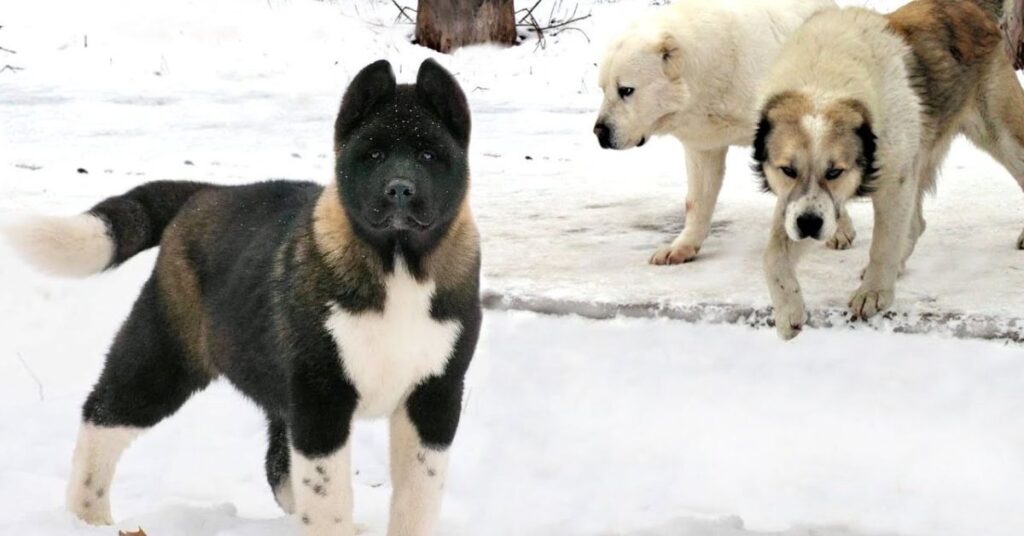
The simplest answer to what is a dog’s habitat is this: wherever humans are.
Domestic dogs evolved alongside people for over 10,000 years. Unlike wolves or foxes that have a clear natural environment, the domestic dog’s habitat is the human environment. Dogs are not truly wild animals. They depend on people for food, shelter, and companionship.
This is a key fact that sets dogs apart from almost every other animal. A dog removed from human contact will struggle to survive on its own. Their biology and behavior are built around living with people.
That said, dogs are incredibly flexible. Over thousands of years, different breeds have adapted to thrive in very specific climates and landscapes. From the frozen Arctic to the blazing deserts of Africa, dogs have made themselves at home in places that would challenge most other animals.
So when we talk about what is a dog’s habitat, we are really talking about two things. First, the domestic habitat, which is the human home and the surrounding environment. Second, the natural or wild habitat, which varies by breed and ancestry.
The Dog’s Wild Ancestry and Its Connection to Habitat
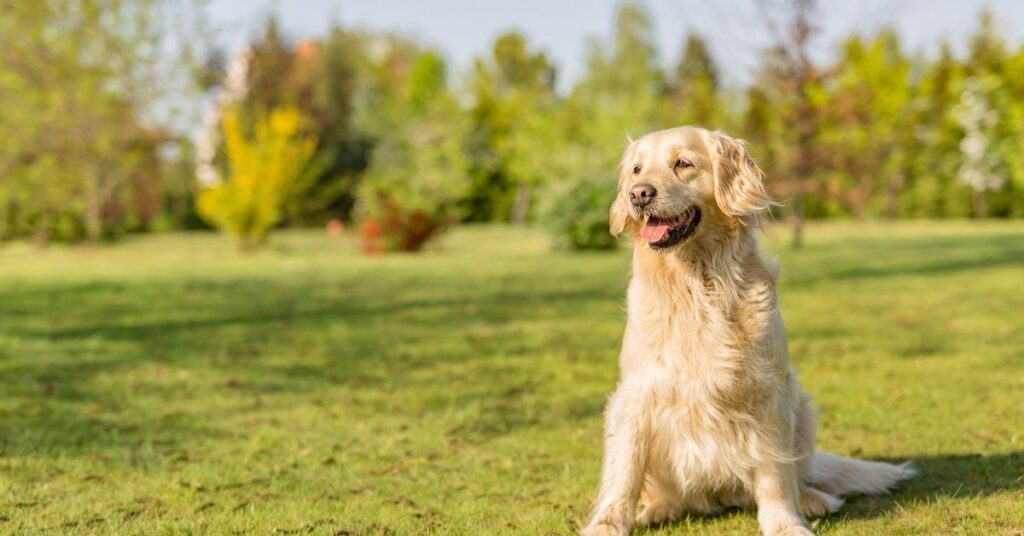
To understand the dog’s habitat, you need to go back in time.
Dogs descended from wolves. Scientists believe that domestication happened somewhere between 15,000 and 40,000 years ago. Early wolves that were less aggressive and more comfortable around humans began to live closer to human settlements. Over generations, these wolves changed. They became smaller, more social, and more dependent on people.
The wolf’s natural habitat includes forests, tundra, grasslands, and mountains across the Northern Hemisphere. As dogs evolved from wolves and spread with human populations, they began to adapt to entirely new environments that wolves never occupied.
This ancient connection to wolves still shows up in dog behavior today. Dogs are pack animals by nature. They form social bonds, communicate through body language, and establish hierarchies within their groups. These instincts come directly from their wolf ancestors.
In the wild, wolves and early dogs succeeded in habitats that offered food, water, and shelter. Forests and brushlands were especially ideal because they provided cover and prey. Some wild or feral dogs still behave this way today, using their instincts to find food and protect their territory.
Types of Dog Habitats Around the World
One of the most remarkable things about dogs is how many different habitats they occupy. Let us look at the main environments where dogs live and thrive.
Dogs in Cold Climate Habitats

Dogs like the Siberian Husky and Alaskan Malamute evolved in some of the harshest cold environments on Earth. Temperatures in the Arctic can drop to minus 50 degrees Celsius. These dogs developed thick double coats that trap body heat and protect against frostbite.
Their large, wide paws act like natural snowshoes. They spread the dog’s weight across the snow so they do not sink. Their bodies are strong and muscular, built for pulling heavy loads over long distances.
Cold-climate dogs are a perfect example of how the dog’s habitat shapes its physical form. The environment literally sculpted their bodies over hundreds of generations.
Dogs in Hot and Desert Habitats
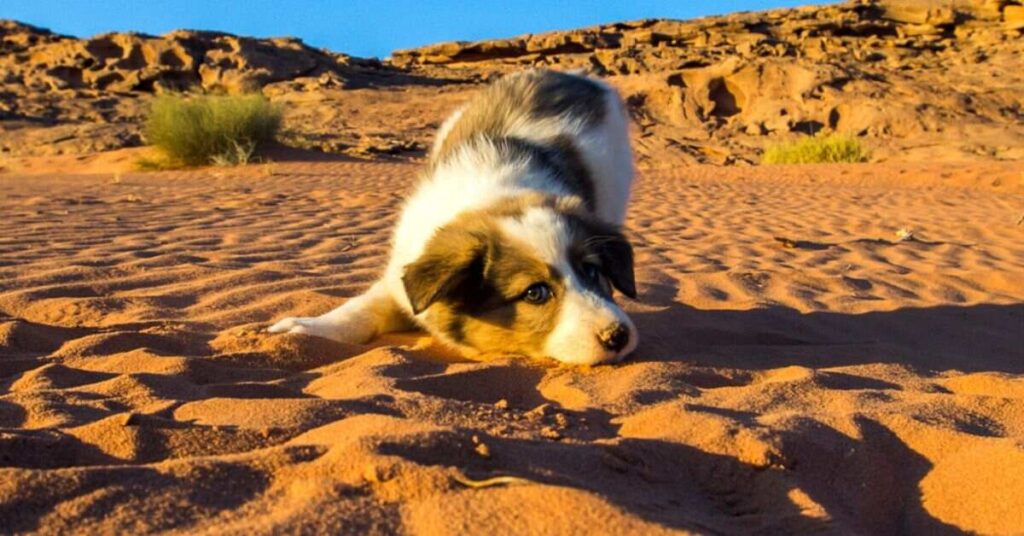
At the opposite extreme, breeds like the Basenji from Central Africa and the Saluki from the Middle East adapted to extreme heat.
These dogs have short, smooth coats that allow heat to escape from their bodies easily. Their lean, long-legged builds lift them away from the hot ground and help air circulate around them. The Saluki is one of the fastest dog breeds in the world, capable of reaching speeds of over 40 miles per hour. This speed was essential for hunting across open desert terrain.
In a hot habitat, a dog’s survival depends on staying cool. Every physical feature of desert breeds reflects this need.
Dogs in Temperate Climate Habitats
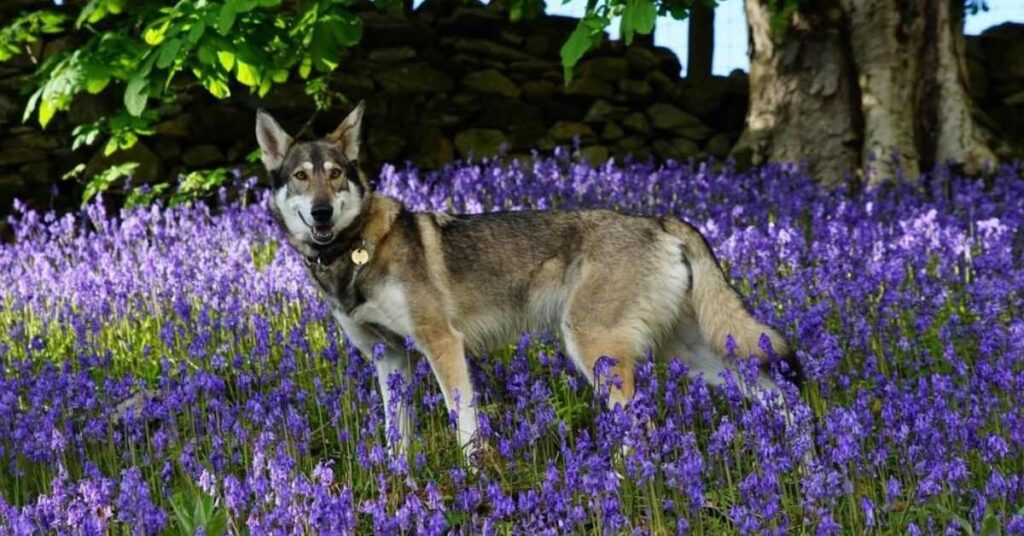
Breeds from Europe and North America, like the Labrador Retriever and the Beagle, evolved in moderate, temperate climates with forests, fields, and bodies of water.
Labradors developed a dense, water-resistant coat that allows them to swim in cold rivers and lakes without losing body heat. This made them excellent hunting companions for retrieving game from water. Beagles developed an extraordinary sense of smell and strong stamina for tracking prey through forests and fields for hours at a time.
Temperate dog habitats produced versatile, athletic breeds that could work in a wide variety of conditions throughout changing seasons.
Dogs in Tropical Habitats

In Southeast Asia and South America, dogs like the Thai Ridgeback and Brazilian Terrier adapted to high humidity and heat.
The Thai Ridgeback has a short coat and large ears that help release body heat. The Brazilian Terrier is extremely agile and energetic, adapted for navigating dense vegetation and warm urban environments. These breeds can handle humidity levels that would exhaust dogs bred for drier climates.
Comparing Dog Habitats at a Glance
| Habitat Type | Example Breeds | Key Adaptations |
| Arctic / Cold | Siberian Husky, Alaskan Malamute | Thick double coat, wide paws, muscular build |
| Desert / Hot | Basenji, Saluki | Short coat, long legs, lean body |
| Temperate Forest | Labrador Retriever, Beagle | Water-resistant coat, strong sense of smell |
| Tropical | Thai Ridgeback, Brazilian Terrier | Short coat, large ears, high energy |
| Urban / City | French Bulldog, Shih Tzu | Small size, low exercise needs, social nature |
The Modern Domestic Dog’s Habitat
Today, the most common dog habitat in the world is the human home.
Domestic dogs live in houses, apartments, farms, and suburban neighborhoods. Their habitat is defined by the space their owners provide. This includes a comfortable sleeping area, access to food and water, a safe outdoor space for exercise, and social interaction with people and other animals.
A good domestic habitat for a dog meets both physical and mental needs. Dogs need daily exercise to stay healthy. They need mental stimulation to avoid boredom and destructive behavior. They need social contact because isolation goes against their pack-animal instincts.
Whether a dog lives in a large house with a garden or a small city apartment, the quality of the habitat depends more on the owner’s commitment than on the size of the space.
What a Dog Needs in Its Habitat
A healthy dog habitat should include these essential elements.
Shelter and comfort come first. Dogs need a warm, dry, and safe place to sleep and rest. Outdoor dogs need proper shelter from rain, wind, and extreme temperatures.
Fresh water and food must always be available. Clean drinking water is critical, especially in hot weather. A dog’s diet should match its breed, size, and activity level.
Space for exercise is non-negotiable. Dogs need daily physical activity to maintain a healthy weight and release energy. A yard, park, or regular walks all serve this purpose.
Social connection is just as important as physical needs. Dogs that spend long hours alone often develop anxiety or behavioral problems. They thrive when they are included in daily human activity.
Feral and Stray Dogs: Wild Habitats Revisited
Not all dogs live in human homes. Around the world, millions of feral and stray dogs survive without permanent owners.
Feral dogs often form packs, echoing the social behavior of their wolf ancestors. They establish territories, hunt small prey, and scavenge near human settlements for food. Research shows that free-roaming dogs strongly prefer habitats close to human buildings and roads. Even when living “in the wild,” dogs gravitate toward people.
In forests and brushlands, wild or feral dogs rely on their keen sense of smell to find food. They may dig burrows for shelter or use abandoned dens from other animals. In urban areas, they scavenge from trash and hunt small animals like rats and pigeons.
Feral dogs remind us that the bond between dogs and humans is ancient and deep. Even without owners, most dogs seek out human proximity. It is built into their nature.
How Dogs Adapt to New Habitats
One of the most impressive things about dogs is their ability to adapt to new environments.
When a dog moves to a new home, it uses scent marking to claim and understand its new territory. This process can take several weeks. Dogs that have moved multiple times tend to adapt more quickly than dogs experiencing their first change of environment.
On a longer timescale, habitat is the biggest driver of physical change in dogs across generations. Diet changes also play a major role. If a population of dogs consistently lives in a colder climate over many generations, their coats naturally become thicker. If food is scarce, body size tends to decrease over time.
Dogs are also uniquely adapted to read human social cues. Their brains evolved specifically to understand human gestures, expressions, and emotions. This is something that even wolves, despite being related to dogs, cannot do as well. This social intelligence is itself an adaptation to the most important habitat in a dog’s life: the human family.
Practical Tips for Creating the Best Habitat for Your Dog
Knowing what is a dog’s habitat gives you useful guidance for caring for your own dog. Here are some practical takeaways.
Match your environment to your breed. A Siberian Husky in a hot climate will struggle without extra care. Research your breed’s natural habitat before bringing them home. Choose a breed whose ancestral environment matches your climate when possible.
Provide enough space for movement. All dogs need daily exercise. Even small apartment dogs need regular walks. Large, active breeds need significant outdoor time every day.
Never leave your dog isolated for long periods. Dogs are social animals. Long-term isolation causes stress and behavioral problems. If you work long hours, consider dog daycare or a dog walker.
Ensure shelter from extreme weather. If your dog lives outdoors, make sure they have a proper shelter. Dogs can suffer from heatstroke in summer and hypothermia in winter just like people can.
Enrich their environment. Toys, puzzles, and new smells keep dogs mentally stimulated. A mentally bored dog is often a destructive dog.
Conclusion
Understanding what is a dog’s habitat gives us a deeper appreciation for these remarkable animals. Dogs are not just pets. They are the result of thousands of years of shared history between people and animals.
From the frozen Arctic to the scorching desert, from tropical rainforests to modern city apartments, dogs have proven themselves to be the most adaptable companions the animal kingdom has ever produced. Their true habitat has always been wherever humans call home.
When you give your dog the right environment, plenty of love, exercise, and connection, you are honoring millions of years of evolution. You are giving them exactly what nature designed them for: a life alongside the people they love.
Frequently Asked Questions
What is a dog’s habitat in simple words?
A dog’s habitat is the place where it lives, eats, sleeps, and feels safe, either in the wild or with humans.
Do dogs need different habitats in summer and winter?
Yes, dogs need cool shade and water in summer and warm shelter in winter to stay comfortable.
Can a dog live happily in a small apartment?
Yes, a dog can live well in a small space if it gets daily exercise, mental activity, and attention.
How can I improve my dog’s habitat at home?
You can improve it by keeping the area clean, providing a cozy bed, fresh water, toys, and regular walks.
Why do dogs prefer staying close to humans?
Dogs are social animals and see humans as family, so they feel safe and happy living near them.
