
Close your eyes and imagine a sound so loud it can travel thousands of kilometres through deep ocean water. A sound so powerful it can stun prey and even damage human eardrums. Now imagine that this sound comes not from a machine, but from a living creature.
The natural world is full of astonishing sounds. Animals use noise to communicate, hunt, attract mates, and defend their territories. Some of these sounds are gentle and musical. Others are downright ear-splitting.
So, which creature earns the title of the loudest animal on earth? The answer might surprise you.
In this article, we take a deep dive into the world’s noisiest animals. We explore how loud they really are, why they make these extraordinary sounds, and what it all means for the wild world around us.
What Is a Decibel and Why Does It Matter?
Before we explore the loudest animal on earth, it helps to understand how sound is measured.
Sound is measured in decibels (dB). The decibel scale is logarithmic. This means every increase of 10 decibels represents a sound that is ten times more intense.
To put this in perspective, consider these everyday sounds:
| Sound | Decibel Level |
| Normal conversation | 60 dB |
| Lawn mower | 90 dB |
| Rock concert | 110 dB |
| Jet engine | 140-150 dB |
| Sperm whale click | 230 dB |
A jet engine can already cause hearing damage. Now imagine a sound that is far more intense than that.
When we talk about the loudest animal on earth, we are talking about levels that go far beyond anything a human voice could produce. These sounds are tools for survival. They help animals find food, communicate across vast distances, and avoid danger.
The Loudest Animal on Earth: The Sperm Whale
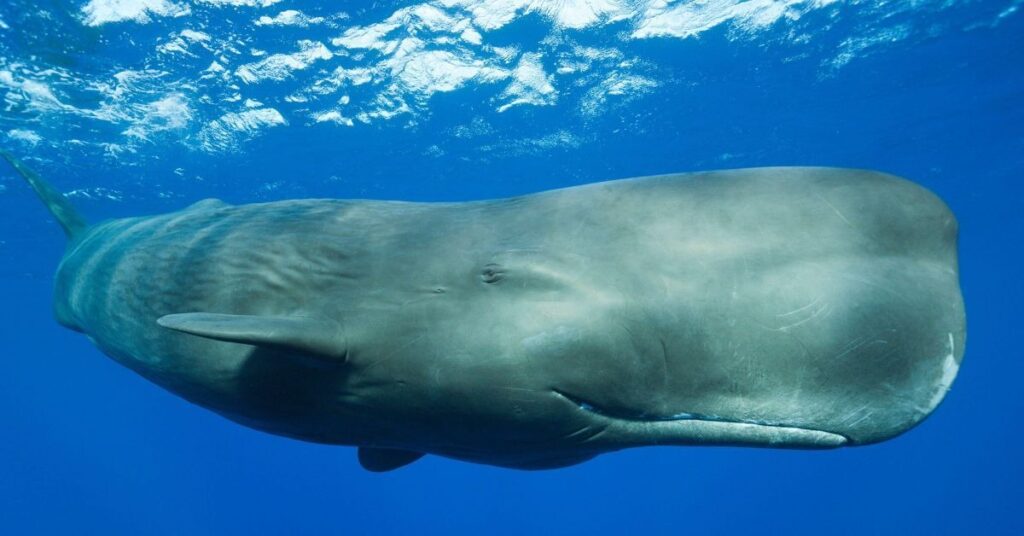
The sperm whale holds the record as the loudest animal on earth. This magnificent deep-sea creature can produce clicks that reach an astonishing 230 decibels.
To understand just how powerful this is, remember that a jet engine sits around 140-150 decibels. The sperm whale’s sound is not just a little louder. It is exponentially more intense.
Sperm whales use these powerful clicks for echolocation. They dive to depths of over 10,000 feet (3,050 metres) in complete darkness. Down there, light simply does not exist. So instead of relying on sight, the sperm whale sends out short bursts of high-pitched clicks, known as codas.
These clicks bounce off objects around them, including prey like giant squid, and return to the whale. The whale uses this information to map its dark surroundings and hunt with incredible precision.
A remarkable 2024 study found evidence that sperm whales may communicate using a complex phonetic alphabet, suggesting their clicks carry far more meaning than scientists first thought.
While the sperm whale’s clicks are technically the loudest sound produced by any animal, they last only a fraction of a second. When scientists consider both loudness and duration together, another giant of the deep comes into focus.
The Blue Whale: Loudest Overall Vocalist on Earth
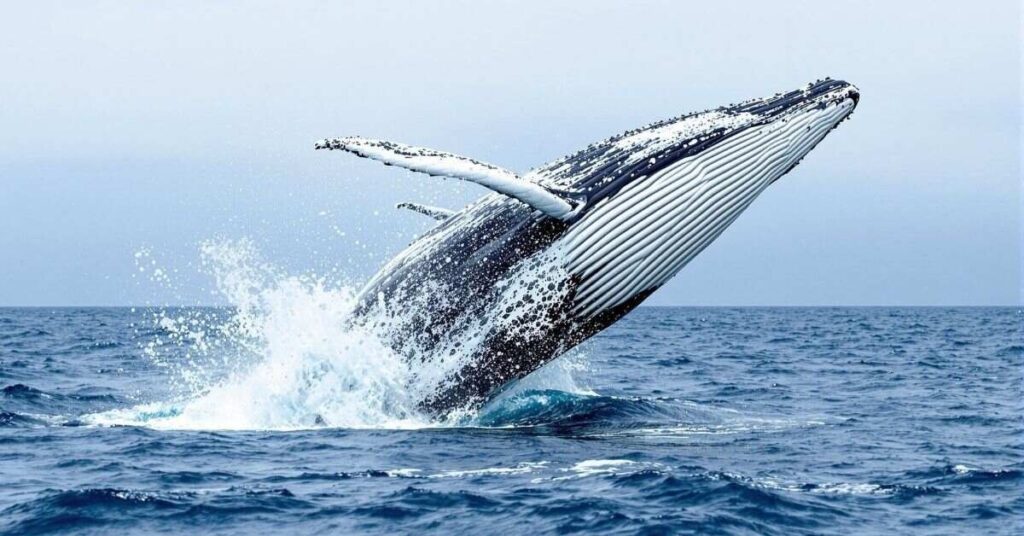
When scientists look at which creature produces the loudest and most sustained sounds, the blue whale takes the crown as the loudest animal on earth by vocal output.
The blue whale is not just the largest animal on the planet. It is also its most powerful singer.
Blue whales emit long, rumbling calls that can reach over 188 decibels. These deep, low-frequency “songs” travel across enormous distances. A blue whale’s song can be heard up to 1,000 miles (1,600 kilometres) away from the source.
Why does this creature sing so loudly? Blue whales are largely solitary. They travel vast stretches of open ocean alone, except during mating or migration. With so much ocean between them, they need a powerful voice to reach other whales.
Their extraordinary sound is produced by a super-large larynx and vocal chords. The calls are so low in frequency that humans can barely detect them with the naked ear.
The blue whale is also critically endangered. Scientists have noticed a gradual decline in the tonal quality of blue whale songs, though the reason for this shift remains a mystery. It is yet another reminder of why protecting these incredible animals matters so deeply.
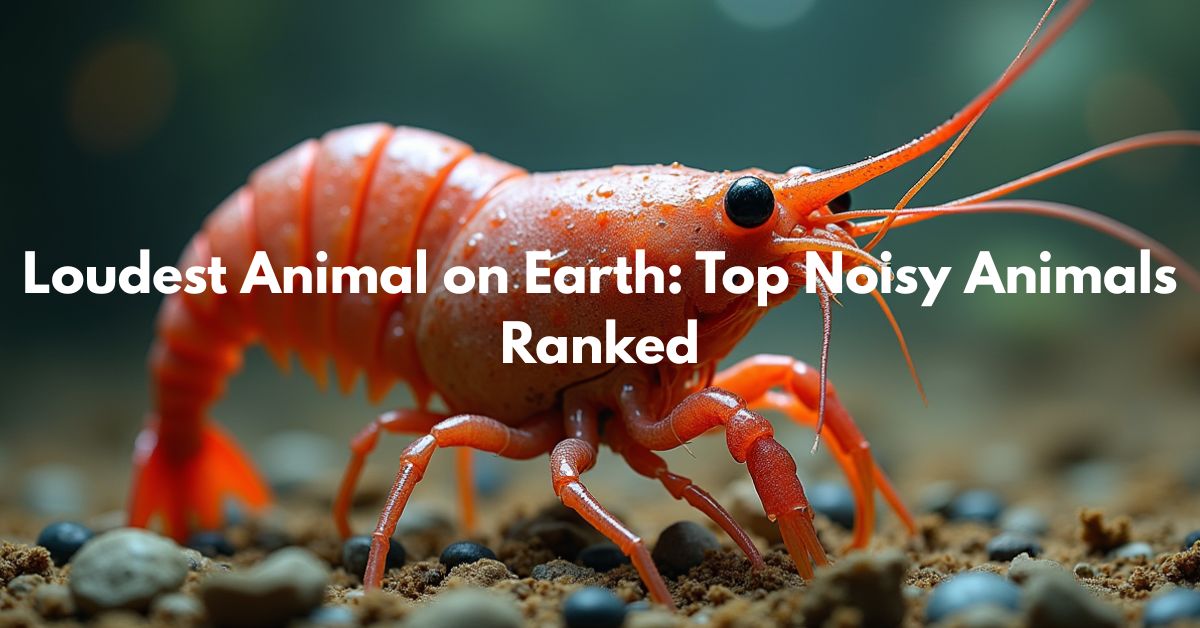
The Pistol Shrimp: The Shocking Little Loudest Animal
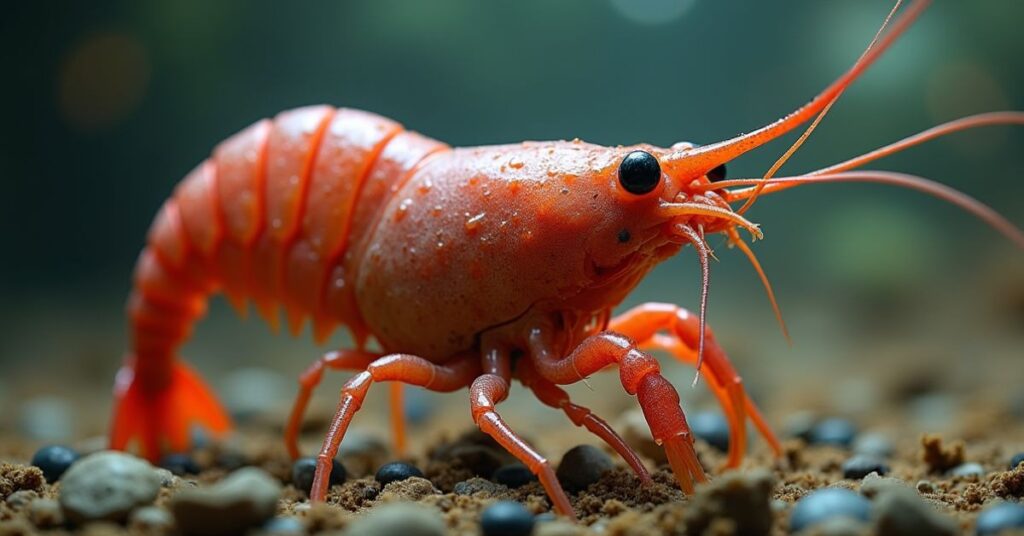
When people think about the loudest animal on earth, they rarely picture a tiny crustacean. But the pistol shrimp is one of the most astonishing noise-makers in the natural world.
The tiger pistol shrimp can create sounds reaching up to 200 decibels. That is louder than a gunshot and entirely deafening to the human ear.
But the pistol shrimp does not use vocal chords or a larynx. It makes its noise in a completely different way. The shrimp snaps its huge claw shut at incredible speed. This creates a high-pressure bubble in the water. When the bubble collapses, it releases a shockwave that stuns or kills nearby prey.
These bubbles travel at speeds of up to 60 miles per hour (97 km/h). The sound, heat, and light created in that tiny explosion is brief but extraordinary.
A related species, Synalpheus pinkfloydi (yes, named after the legendary rock band Pink Floyd), was only discovered in 2017. This colourful shrimp also uses a giant pink claw to create sonic booms reaching 210 decibels.
Scientists have also noted something fascinating: as ocean temperatures rise due to climate change, pistol shrimps become more active. This means warmer oceans could actually get louder, as these tiny creatures snap away at an increasing rate.
Top 10 Loudest Animals on Earth at a Glance
| Animal | Maximum Sound Level | Key Sound |
| Sperm Whale | 230 dB | Echolocation clicks |
| Synalpheus pinkfloydi (Pistol Shrimp) | 210 dB | Claw snap / sonic boom |
| Tiger Pistol Shrimp | 200 dB | Claw snap / shockwave |
| Blue Whale | 188 dB | Low-frequency songs |
| Atlantic Spotted Dolphin | 163 dB | Whistles |
| Greater Bulldog Bat | 140 dB | Echolocation chirps |
| Rooster | 142 dB | Crowing call |
| Northern Elephant Seal | 131 dB | Guttural bellowing |
| Lion | 114 dB | Roaring |
| Howler Monkey | 90 dB | Screaming calls |
These numbers tell a remarkable story. The loudest animal on earth lives deep beneath the waves. And it uses sound not just to communicate, but to survive in total darkness.
Land’s Loudest Voices: Top Noisy Animals Beyond the Ocean
While ocean creatures dominate the top of the loudest animal on earth rankings, the land has no shortage of deafening creatures.
Lion
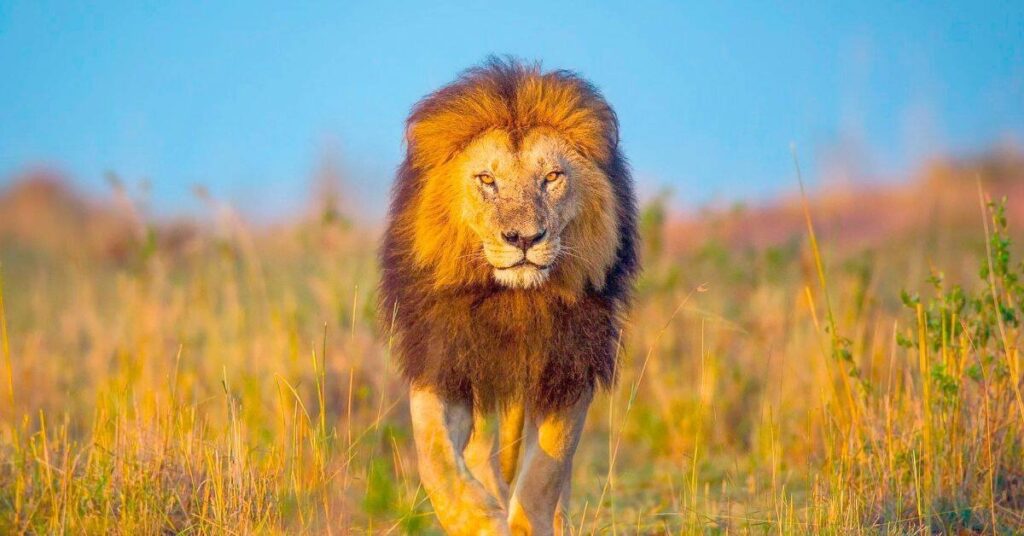
The Lion is the loudest of all big cats. A lion’s roar reaches up to 114 decibels and can be heard up to 5 miles (8 km) away. Lions have a specially shaped, flat larynx that allows air to pass through easily and amplify their roar to tremendous levels. Male lions roar to assert dominance. Females roar to protect their territory. Both use it to communicate across the pride.
Howler Monkey
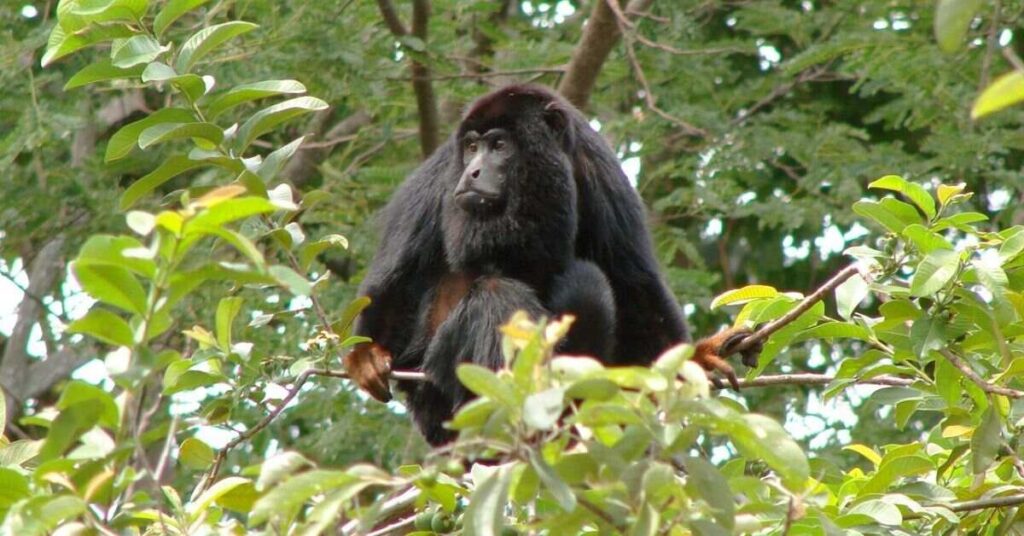
The Howler Monkey holds the title of the loudest land primate. Found in the rainforests of Central and South America, howler monkeys produce calls that reach up to 90 decibels and carry for up to 3 miles (4.8 km). Their enlarged hyoid bone acts as a natural amplifier, giving their howls a deep, booming quality.
African Elephant
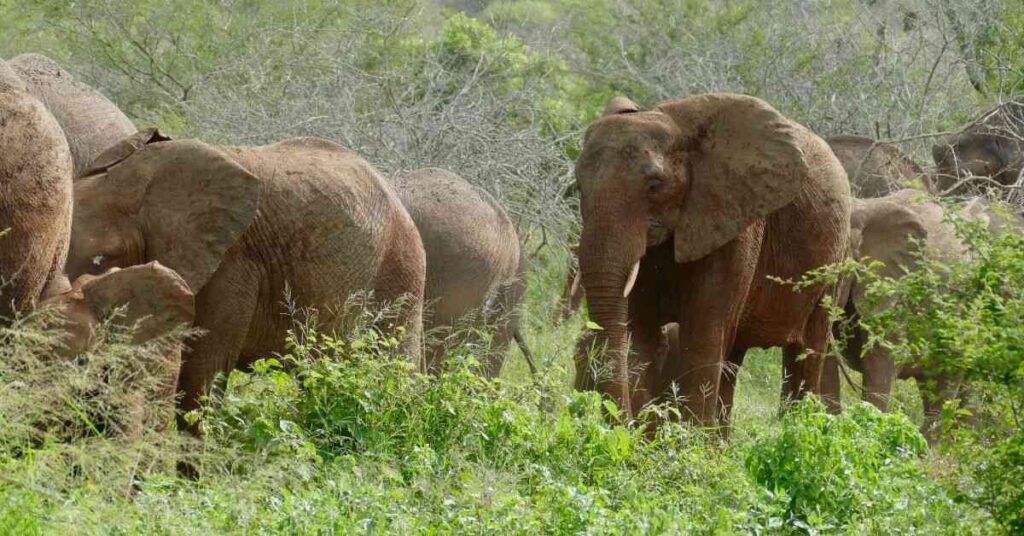
The African Elephant uses its iconic trunk to produce trumpet calls reaching 117 decibels. But elephants also communicate through infrasound, producing low rumbles that travel through the ground and can be felt rather than heard by other elephants. This makes them one of the most versatile communicators in the animal kingdom.
Hippopotamus
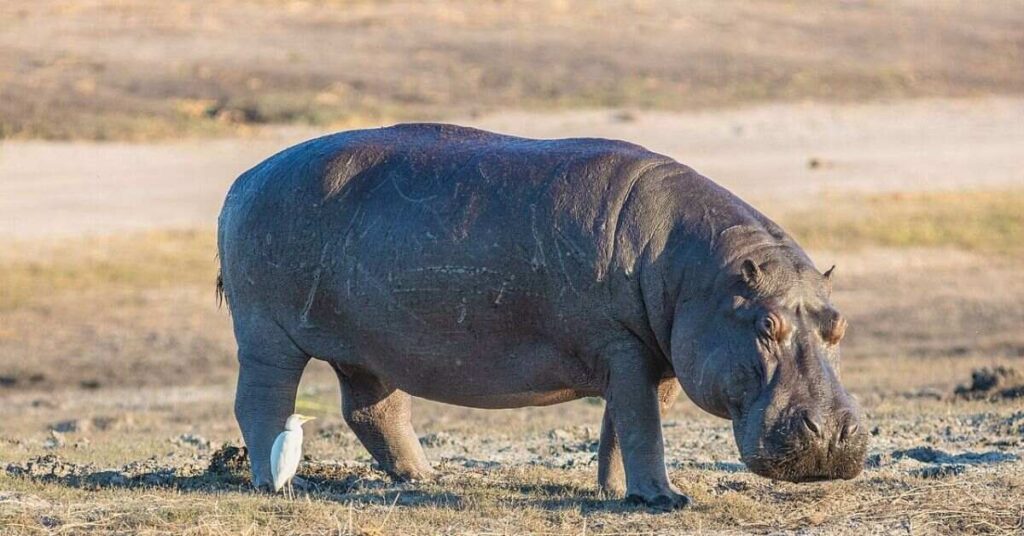
The Hippopotamus produces a distinctive “wheeze-honk” call that reaches 115 decibels. Hippos also use subsonic calls beneath the water’s surface, allowing them to communicate both above and below the waterline at the same time.
The Noisiest Birds and Insects: Tiny Bodies, Big Sounds
It is not just large animals that make remarkable sounds. Some of the loudest creatures on earth are surprisingly small.
White Bellbird
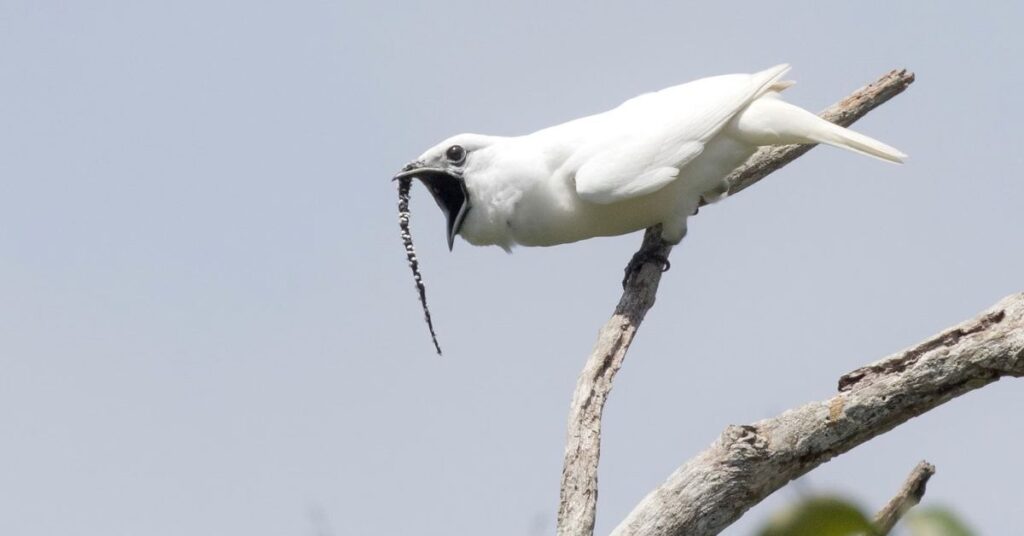
The White Bellbird, a small Amazonian bird, earns the title of the loudest bird in the world. Its call reaches an incredible 125 decibels. Male white bellbirds belt out their deafening songs to attract female mates. Scientists found that males actually swivel during their songs to blast the loudest note directly at a nearby female.
Rooster
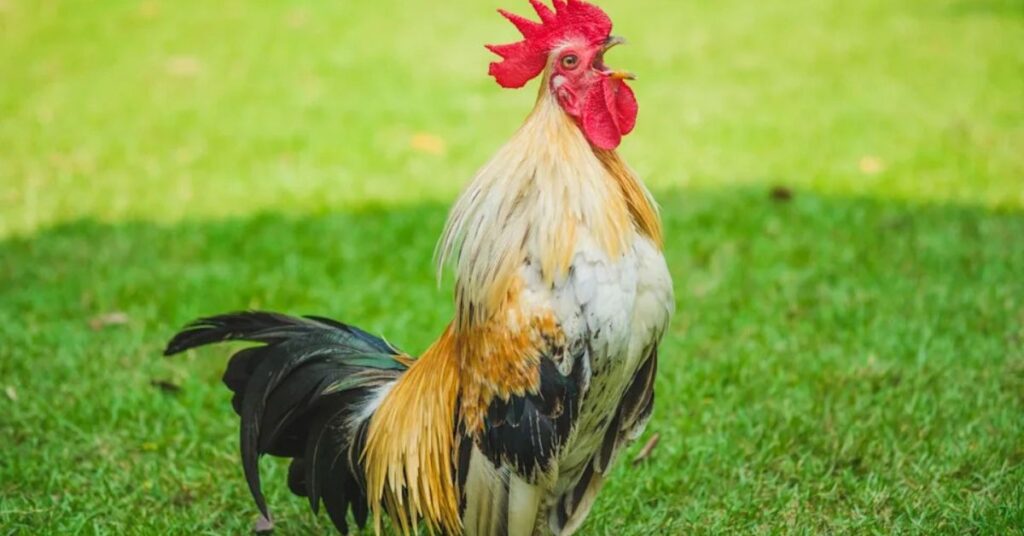
The Rooster is also among the loudest animals on earth for its size. A rooster’s crow reaches 142 decibels. Scientists discovered that a rooster’s eardrum has a natural soft-tissue flap that acts as a built-in ear protector, preventing the bird from deafening itself each morning.
African Cicada
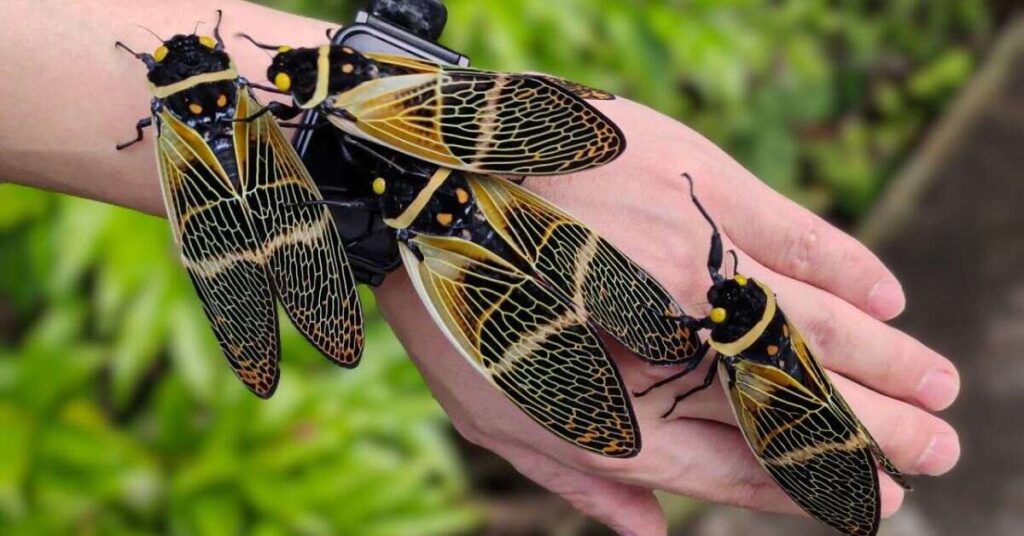
When it comes to insects, the African Cicada wins easily. The loudest cicada species reaches up to 107 decibels. Male cicadas use powerful drum-like membranes in their abdomens, called tymbals, to produce an intense mating song. The sound is comparable to a power mower running at close range.
Water Boatman
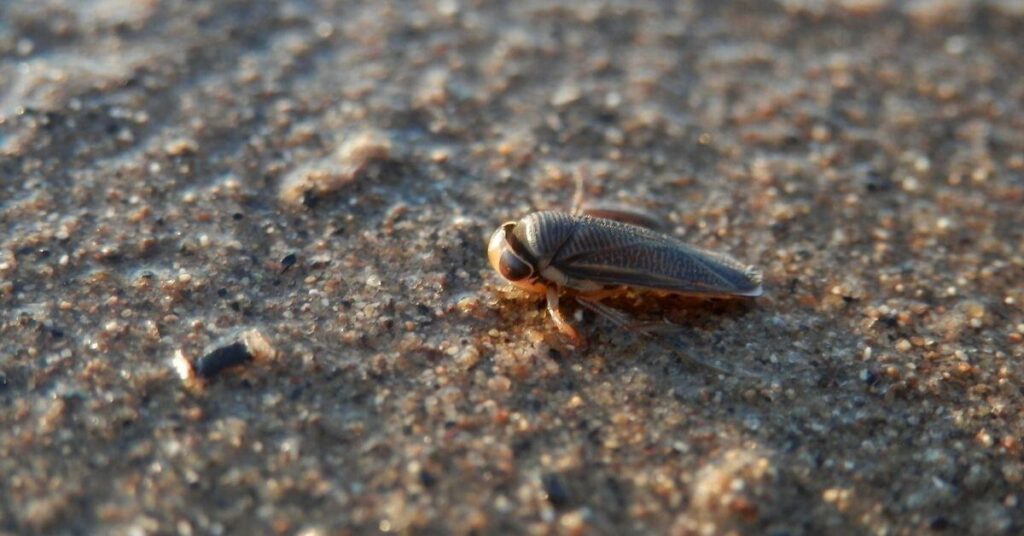
Even more astonishing is the Water Boatman, a tiny freshwater insect. Relative to its body size, scientists believe it could be the loudest creature on earth. It produces sounds up to 99.2 decibels by rubbing its tiny reproductive organ against its abdomen, a process called stridulation.
Why Do Animals Make So Much Noise?
Understanding the loudest animal on earth means understanding why animals make noise in the first place.
Communication is the primary reason. Animals use sound to talk to their families, warn others of predators, and keep the group together. Wolves howl to locate pack members up to 10 miles (16 km) away. Elephants rumble to express emotion and identity.
Mating is another major driver. The loudest calls often come from males trying to attract a female. Howler monkeys, blue whales, roosters, and white bellbirds all use powerful vocalisations to signal their fitness as a mate.
Hunting is a third reason. Sperm whales, bats, and dolphins all use sound as a tool to locate and stun prey. This is known as echolocation, and it is one of the most sophisticated biological systems in nature.
Territorial defence also plays a role. Lions roar to warn rivals away. Hippos bellow to keep competing males at a distance. Even tiny frogs like the Common Coquí use their two-part call, one part to warn off rival males and one part to attract females.
Sound is not just noise. In the wild, it is life itself.
Conservation and the Threat to Animal Sounds
The loudest animal on earth faces a growing challenge. Ocean noise pollution from shipping, sonar, and industrial activity is drowning out the sounds that whales and dolphins depend on for survival.
Blue whales, sperm whales, and dolphins use sound to communicate, hunt, and navigate. When human-made noise floods the ocean, these animals struggle to hear each other. This can disrupt feeding, mating, and migration.
On land, urban noise also affects wildlife. Birds in cities have been found to sing at higher pitches to cut through the background hum of traffic and machinery. Animals that depend on sound to survive are being forced to adapt faster than ever before.
Protecting the natural soundscape of our planet is just as important as protecting its physical habitats. When we protect the loudest animal on earth, we protect the entire web of life that surrounds it.
Fascinating Facts About the Loudest Animals on Earth
Here are some quick and remarkable facts that show just how extraordinary these creatures are:
The sperm whale can dive for over 90 minutes on a single breath while hunting in complete darkness at over 10,000 feet below the surface.
The blue whale’s heart is the size of a small car. It beats so slowly it can be heard from two miles away.
The pistol shrimp’s snap creates a flash of light and a temperature that briefly matches the surface of the sun, a phenomenon known as sonoluminescence.
The African elephant has around 40,000 muscles in its trunk alone, making it one of the most powerful sound-producing organs of any land animal.
The howler monkey has an enlarged hyoid bone that acts like a natural sound box, giving it a voice that belies its relatively small body.
Roosters do not just crow at dawn. They crow throughout the day to communicate with their flock, signal dominance, and warn of danger. Each crow can reach the same volume as a live music concert at close range.
Conclusion
The loudest animal on earth is not a lion roaring across the savanna or an elephant charging through the bush. It is a deep-sea giant communicating in the darkness of the ocean floor.
From the record-breaking 230 decibel clicks of the sperm whale to the surprising sonic booms of the pistol shrimp, nature is far louder than most of us realise. Every sound in the wild has a purpose. Every call, click, roar, and song tells a story of survival, connection, and life.
As wildlife lovers and stewards of this planet, understanding the loudest animal on earth helps us appreciate just how rich and complex the natural world truly is. And it reminds us why we must work hard to protect it.
Listen closely. The wild has a lot to say.
Frequently Asked Questions
What is the loudest animal earth has ever recorded?
The sperm whale is considered the loudest animal on Earth. Its underwater clicks can reach around 230 decibels.
What is the loudest land animal?
The howler monkey is the loudest land animal. Its calls can travel several miles through rainforests.
Why do animals make loud sounds?
Animals make loud sounds to communicate, attract mates, defend territory, hunt prey, and warn others about danger.
Can humans hear whale sounds?
Yes, humans can hear some whale sounds. However, many whale calls are very low in frequency and may require special equipment.
How does noise pollution affect wildlife?
Noise pollution can interrupt communication, increase stress, and affect hunting and mating behavior in many animal species.
