


Introduction
Canada is home to some of the most amazing wildlife in the world. From snowy forests to wide open plains, the country offers perfect homes for many animals. These iconic Canadian animals are not only beautiful but also play an important role in nature.
People from around the world visit Canada to see these animals in their natural homes. Some animals are large and powerful, while others are small and quick.
In this guide, you will learn about iconic Canadian animals, where they live, and why they matter. You will also discover how we can protect them for the future.
What Makes Iconic Canadian Animals Special
Iconic Canadian animals are special because they represent the beauty and strength of nature. These animals survive in cold weather, thick forests, and icy waters. They have strong bodies and smart behaviors that help them live in tough conditions.
Many of these animals have become symbols of Canada. For example, the beaver is a national symbol. It shows hard work and building skills. The moose is known for its size and calm nature.
These animals are also important for the environment. They help keep nature balanced. Some animals control plant growth, while others help spread seeds.
When people learn about iconic Canadian animals, they also learn to respect nature. This helps protect wildlife and their homes.
Famous Iconic Canadian Animals You Should Know
Canada has many famous animals that people love to see. These iconic Canadian animals live in different parts of the country. Each animal has unique features and habits.
The moose is one of the largest animals in Canada. It has long legs and large antlers. They are calm but can be strong when needed.
The beaver is another well-known animal. It builds dams using wood and mud. These dams create ponds that help other animals live there.
Polar bears live in the Arctic. It has thick fur and strong paws. It is a powerful hunter and a symbol of the cold north.
The gray wolf is known for living in packs. Wolves are smart and work together to hunt food. They play an important role in keeping animal populations balanced.
Below is a simple table showing some iconic Canadian animals and their habitats.
| Animal | Habitat | Key Feature |
| Moose | Forests, lakes | Large size |
| Beaver | Rivers, ponds | Dam builder |
| Polar Bear | Arctic ice | Strong swimmer |
| Gray Wolf | Forests | Pack behavior |
Which Animal Is Native to Canada?
Canada is home to many native animals. These animals have lived in the region for thousands of years. Some of the most well-known iconic Canadian animals include the moose, beaver, and polar bear. These animals are perfectly adapted to cold weather and large wild areas. They find food, build homes, and survive harsh winters with ease. Each animal plays an important role in nature.
The beaver is one of the most famous native animals in Canada. It is also a national symbol. The moose is another native species known for its large size and calm nature. In the north, the polar bear lives on ice and hunts for food. The gray wolf also lives in forests and works in packs. These iconic Canadian animals show the true beauty of wildlife in Canada.
Mammals:
Moose
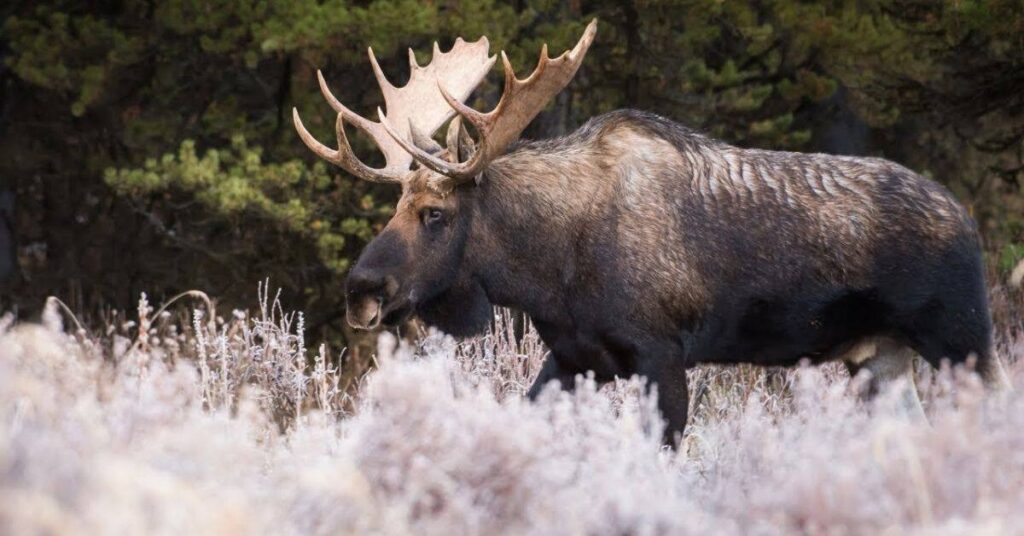
The moose is one of the most famous iconic Canadian animals. It is the largest member of the deer family. Moose have long legs and a big body. They also have wide antlers that grow every year. These animals live in forests and near lakes. They like cold places and can walk easily in deep snow.
Moose are calm animals, but they can be strong when they feel danger. They eat plants, leaves, and water plants. You can often see them near rivers and wetlands. Moose are good swimmers and can move through water with ease. They are an important part of wildlife in Canada and help keep nature balanced.
Beaver
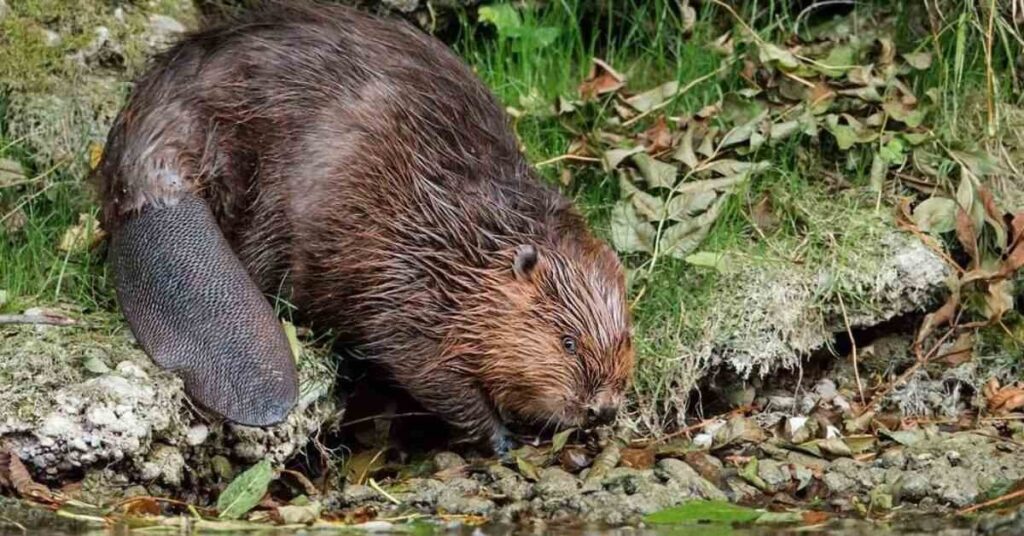
The beaver is one of the most well-known iconic Canadian animals. It is small but very hardworking. Beavers live near rivers, ponds, and lakes. They are famous for building dams using wood, mud, and stones. Creating these dams creates ponds that serve as safe homes for them and other wildlife.
Beavers have strong teeth that never stop growing. They use these teeth to cut trees and branches. They eat bark, leaves, and small plants. Beavers are great swimmers and can stay underwater for a long time. Their work helps shape the environment and supports many forms of wildlife.
Grizzly Bear
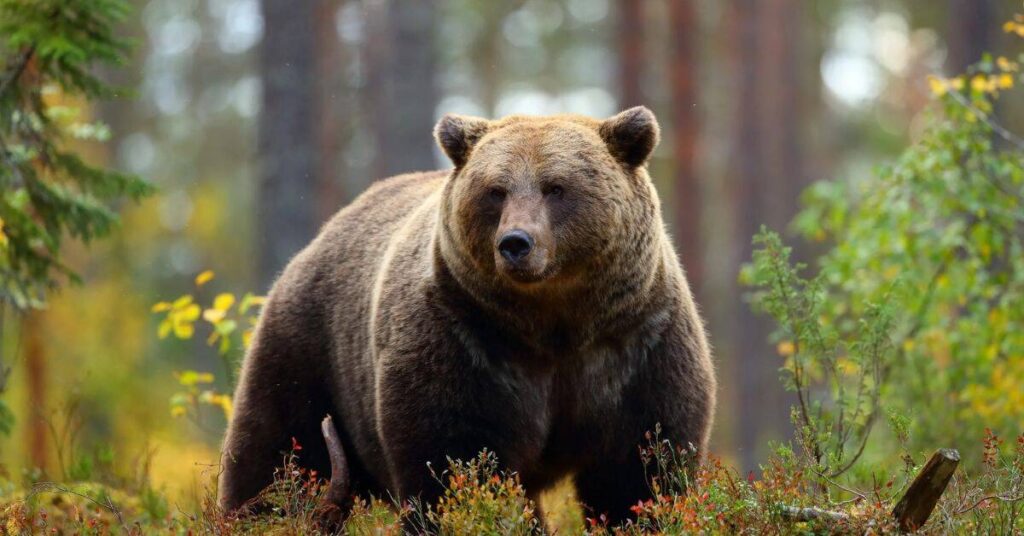
The grizzly bear is one of the most powerful iconic Canadian animals. It has a large body and thick brown fur. Grizzly bears live in forests, mountains, and open valleys. These bears are often seen near rivers, especially during salmon season.
Grizzly bears eat many types of food. They eat fish, berries, plants, and sometimes small animals. In winter, they sleep for a long time in dens. This is called hibernation. Grizzly bears play an important role in nature and help keep the ecosystem balanced.
Wolverine
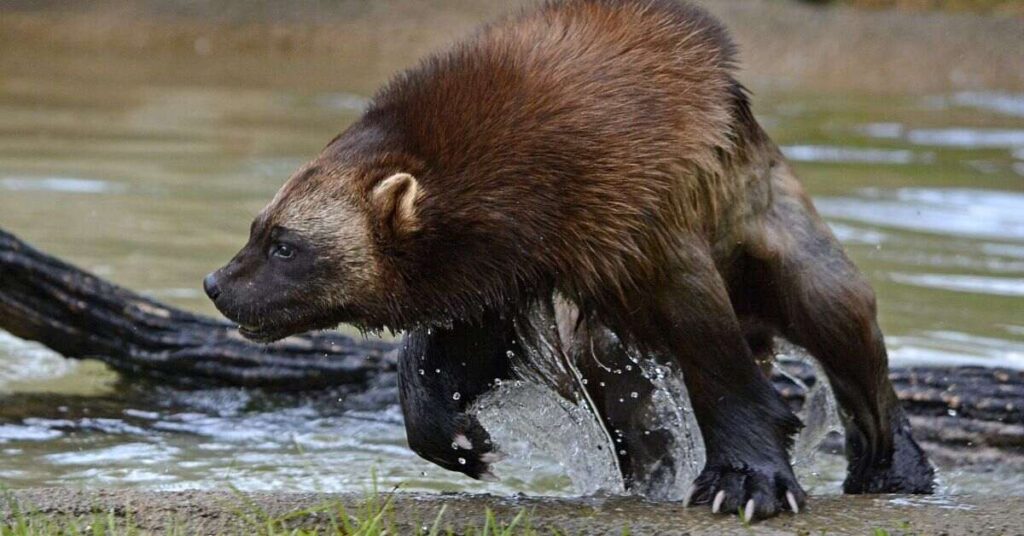
The wolverine is one of the toughest iconic Canadian animals. It looks small but is very strong and brave. Wolverines live in cold and remote areas. They are found in forests, mountains, and snowy regions. They have thick fur that keeps them warm in harsh weather.
Wolverines are known for their fearless nature. They also eat dead animals when food is scarce. Wolverines travel long distances to find food. They are fast and have sharp claws. These animals play an important role in keeping nature clean and balanced.
Canada Lynx
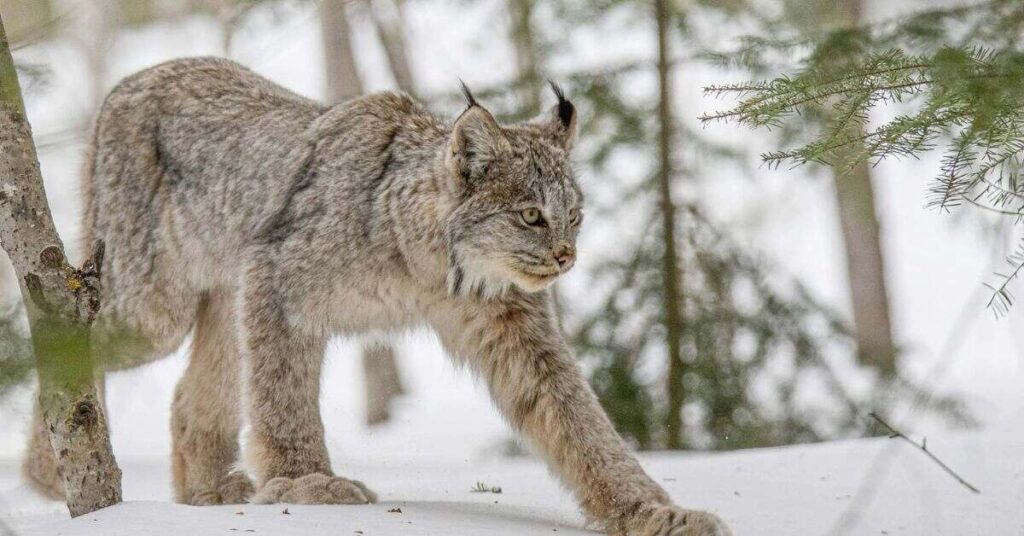
The Canada lynx is one of the most unique iconic Canadian animals. It is a wild cat with thick fur and long legs. Its large paws help it walk easily on snow. The Canada lynx lives in cold forests across Canada. It has pointed ears with black tufts that make it easy to recognize.
The Canada lynx mainly hunts snowshoe hares for food. It is quiet and moves slowly while hunting. This helps it catch prey easily. The lynx is active at night and rests during the day. It plays an important role in controlling animal populations and keeping nature balanced.
Bison
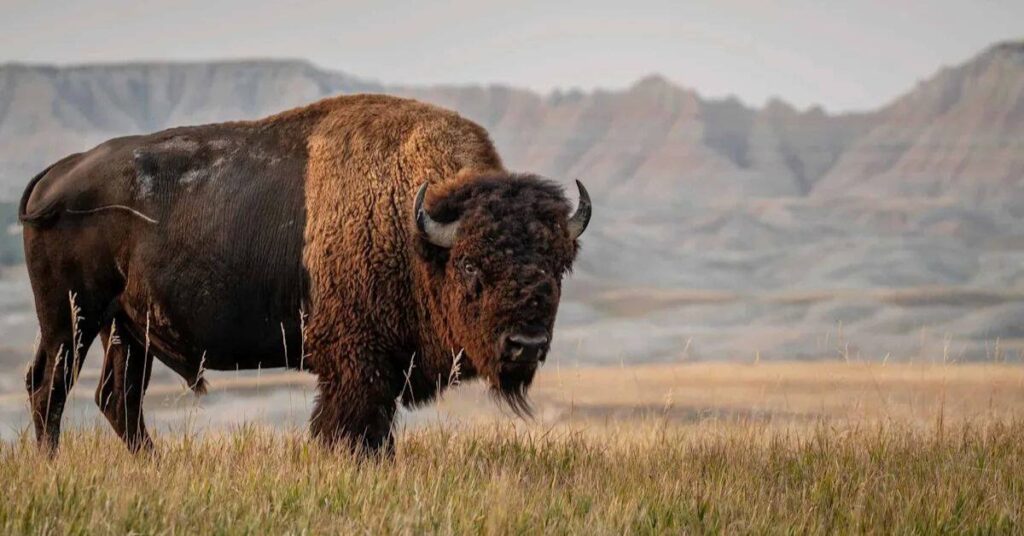
The bison is one of the largest iconic Canadian animals. It has a big body and thick brown fur. Bison live in grasslands and open plains. They move in herds to stay safe from predators. These animals can run fast despite their size. Bison are strong and can survive cold winters easily.
Bison eat grass and plants. The majority of their day is spent grazing. Their movement helps spread seeds and grow plants. Bison are calm but can defend themselves when needed. They are an important part of Canada’s wildlife.
Gray Wolf
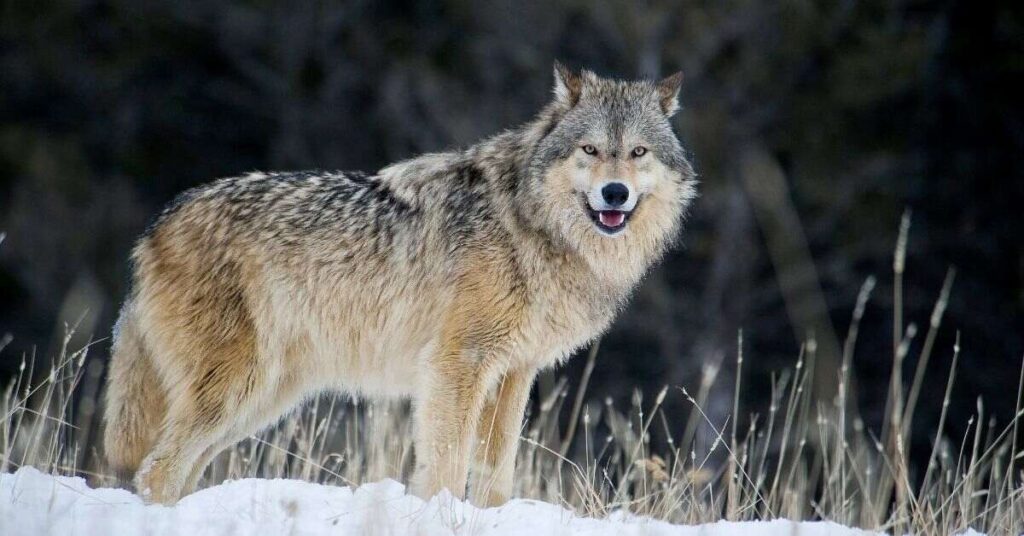
The gray wolf is one of the most iconic Canadian animals. It lives in forests, mountains, and tundra regions. Gray wolves are smart and social animals. They live and hunt in packs. Each pack has a leader called an alpha. Wolves work together to catch their prey and protect each other.
Gray wolves eat deer, moose, and smaller animals. They are active hunters and can travel long distances. Wolves communicate using howls, growls, and body signals. They play an important role in nature by keeping animal populations balanced. Gray wolves help maintain healthy ecosystems across Canada.
Birds:
Common Loon
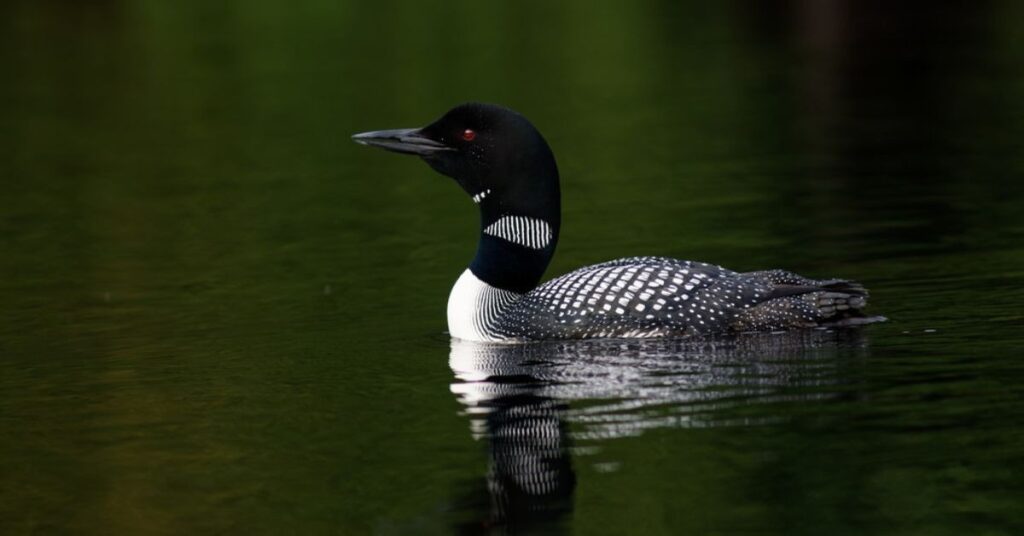
The common loon is one of the most iconic Canadian animals. It is a water bird with black and white feathers. Loons have sharp beaks and red eyes. They live in lakes, rivers, and ponds across Canada. Loons are excellent swimmers and can dive deep underwater to catch fish.
Common loons eat fish, insects, and small water animals. They are known for their loud, haunting calls. These calls help them communicate with other loons. Loons build nests near water and take care of their chicks. They are an important part of Canada’s lakes and wetlands.
Snowy Owl

The snowy owl is one of the most iconic Canadian animals. It is a large white bird with yellow eyes. Snowy owls live in cold Arctic regions and open fields. Their white feathers help them hide in the snow. They are strong fliers and can hunt quietly at night.
Snowy owls eat small mammals like lemmings and birds. They use their sharp talons to catch prey. These owls make nests on the ground and take care of their chicks. Snowy owls are important for keeping small animal populations in check. They are a beautiful and striking part of Canada’s wildlife.
Canada Goose
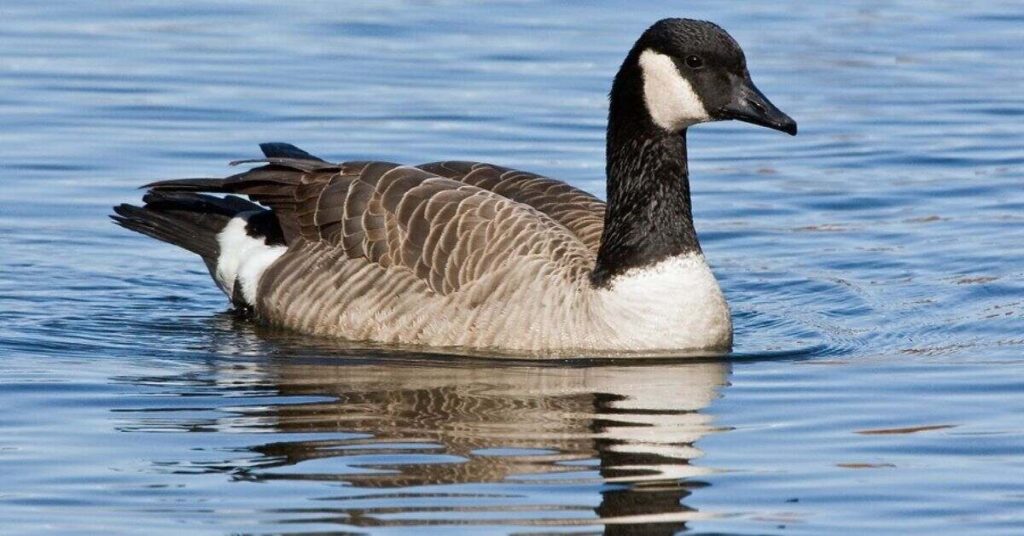
The Canada goose is one of the most iconic Canadian animals. It is a large bird with a long neck and black head. They are strong fliers and can travel long distances during migration. These birds are known for their loud honking calls.
Canada geese eat grass, plants, and grains. Geese take care of their eggs and protect their young. They travel in large flocks and follow each other in a V-shape while flying. Canada geese are an important part of Canada’s wetlands and natural areas.
Marine Life:
Beluga Whale
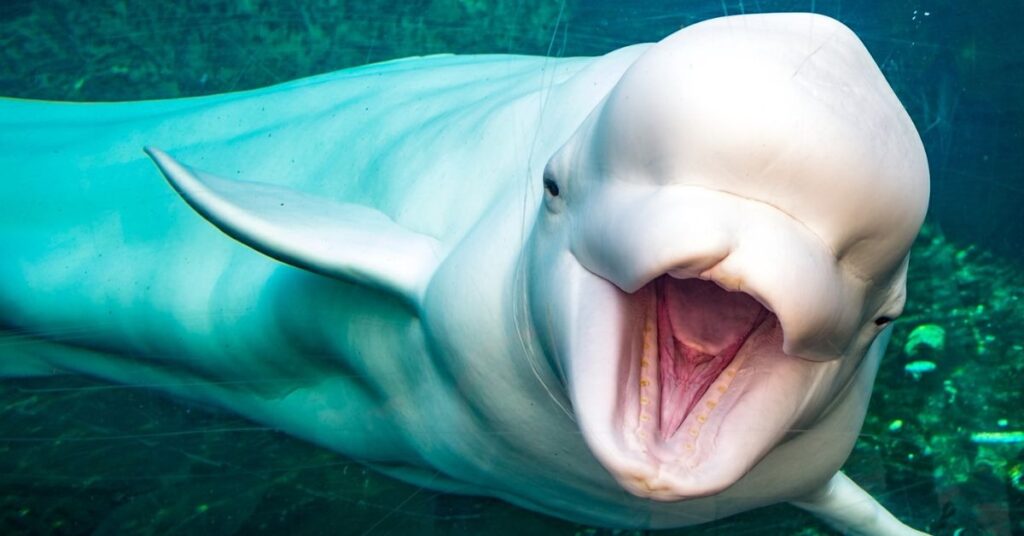
The beluga whale is one of the most iconic Canadian animals. It is a small, white whale that lives in the Arctic waters of Canada. Belugas are very social and travel in groups called pods. They have flexible necks that help them turn their heads easily. These whales are called the “canaries of the sea” because they make many different sounds.
Beluga whales eat fish, shrimp, and small sea animals. They use echolocation to find food and communicate. Sometimes, they swim into rivers near the coast. Belugas are important for the Arctic ecosystem. They are a unique and beautiful part of Canada’s marine wildlife.
Narwhal
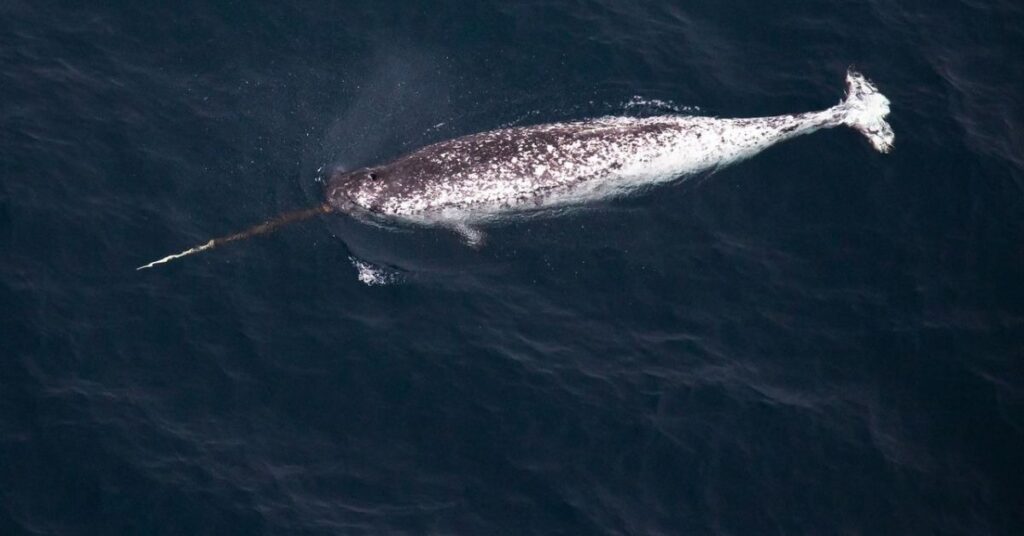
The narwhal is one of the most iconic Canadian animals. It is a medium-sized whale with a long, spiral tusk. Narwhals live in Arctic waters and icy seas. They are quiet animals and travel in groups called pods. Their tusks can grow very long and help them sense the environment.
Narwhals eat fish, squid, and shrimp. They dive deep underwater to catch their food. Narwhals are well adapted to cold water with thick blubber that keeps them warm. These unique whales are a symbol of Canada’s frozen north.
Orca
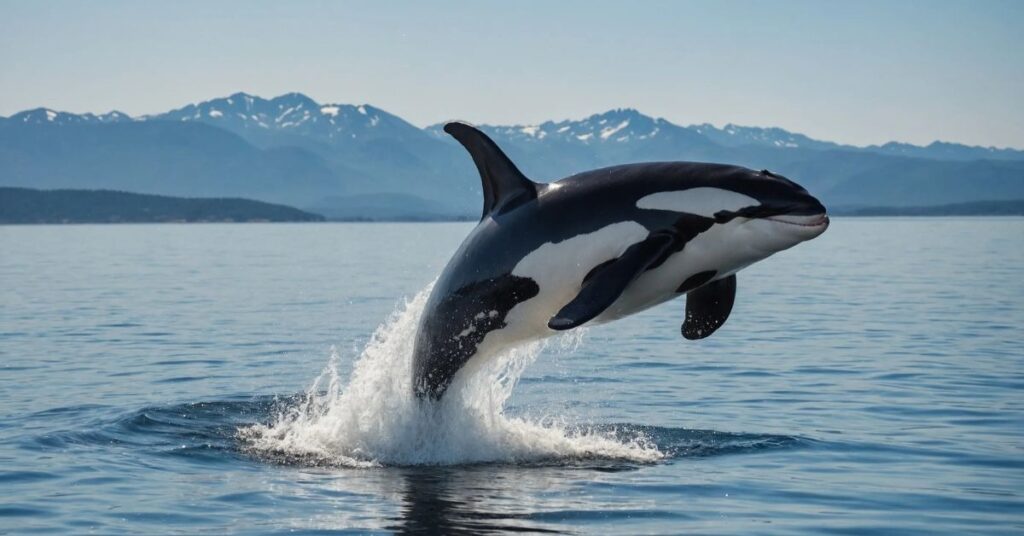
The orca is one of the most iconic Canadian animals. Orcas are large and powerful marine mammals. They live in oceans and coastal waters of Canada. Orcas have black and white bodies that make them easy to recognize. They are excellent hunters and travel in groups called pods.
Orcas eat fish, seals, and sometimes even whales. They use teamwork to catch their prey. Orcas are very smart and communicate with clicks and whistles. They can swim very fast and jump out of the water. These animals are important for the ocean ecosystem. Orcas are a striking part of Canada’s marine wildlife.
Read about it more: https://www.wildlifenomads.com/blog/animals-of-canada/
Reptiles & Amphibians:
Western Painted Turtle
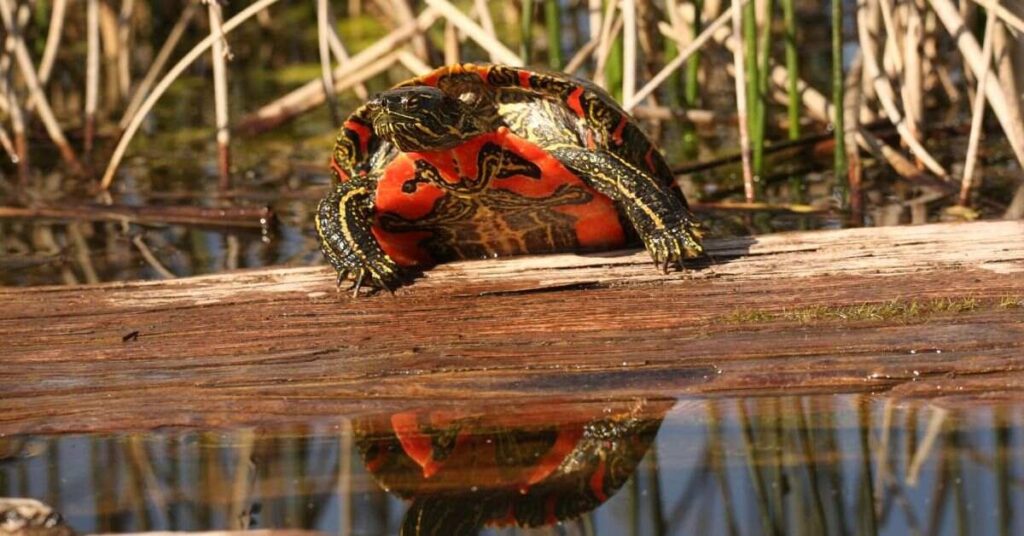
The western painted turtle is one of the most iconic Canadian animals. It is a small freshwater turtle with a colorful shell. These turtles live in ponds, lakes, and slow-moving rivers. They enjoy sunbathing on rocks or logs near the water. Their bright markings help them stand out and are easy to recognize.
Western painted turtles eat plants, insects, and small fish. They spend most of their time in water but come onto land to lay eggs. These turtles are strong swimmers and can hide quickly if threatened. Western painted turtles are a beautiful and unique part of Canada’s wildlife.
Wood Frog
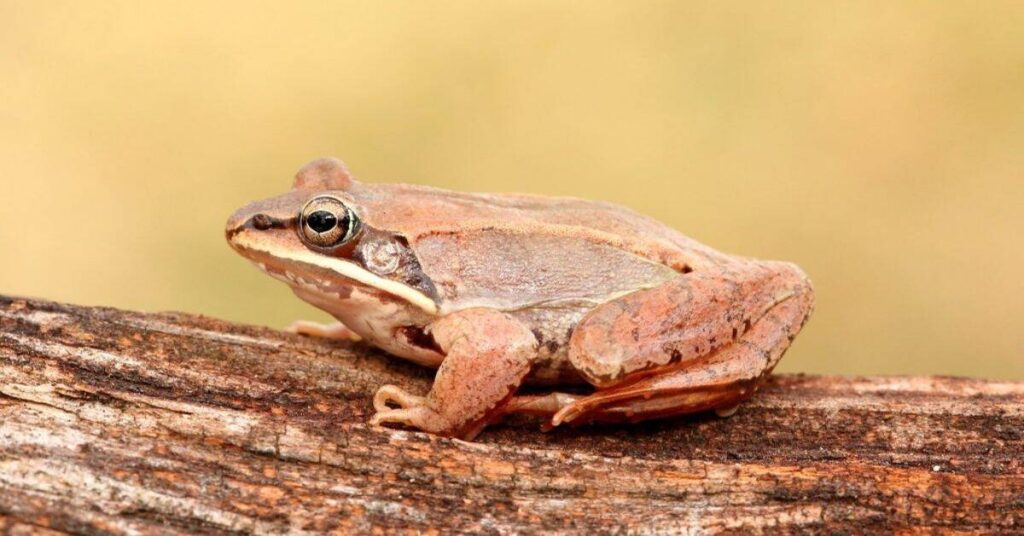
The wood frog is one of the most iconic Canadian animals. It is a small frog with brown skin and a dark mask-like stripe across its eyes. Wood frogs live in forests, wetlands, and near ponds. They are known for their ability to survive cold winters. These frogs can freeze and thaw with the seasons and still stay alive.
Wood frogs eat insects, spiders, and small invertebrates. They are active in spring and summer and hide during winter. Wood frogs help control insect populations. They are an important part of Canada’s forest ecosystems.
Blue Racer
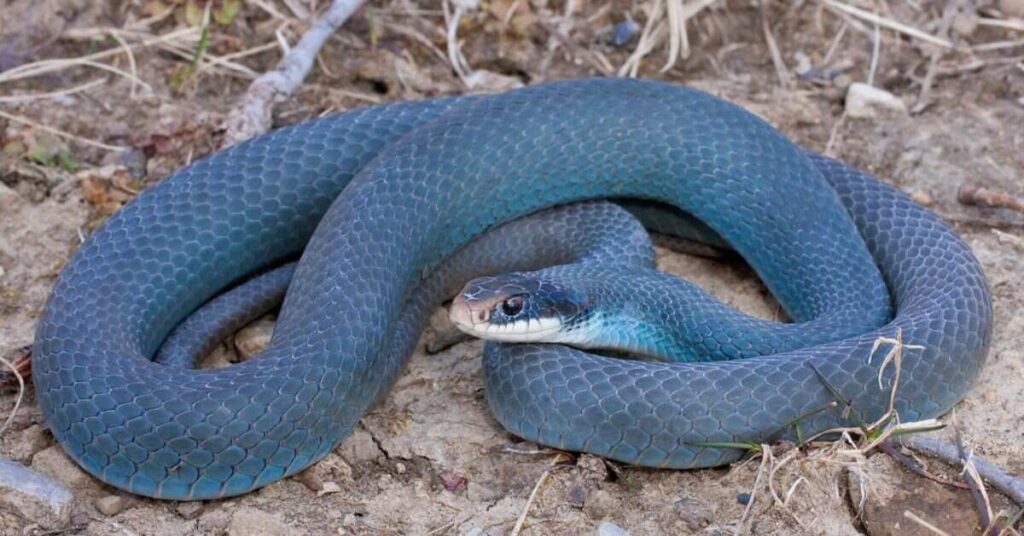
The blue racer is one of the most iconic Canadian animals. It is a fast and slender snake with smooth blue-gray skin. Blue racers live in grasslands, forests, and near wetlands. They are very quick and can move fast to escape danger.
Blue racers eat small animals like frogs, mice, and birds. Blue racers help control populations of small animals. They are an important part of Canada’s natural wildlife.
Black Racer
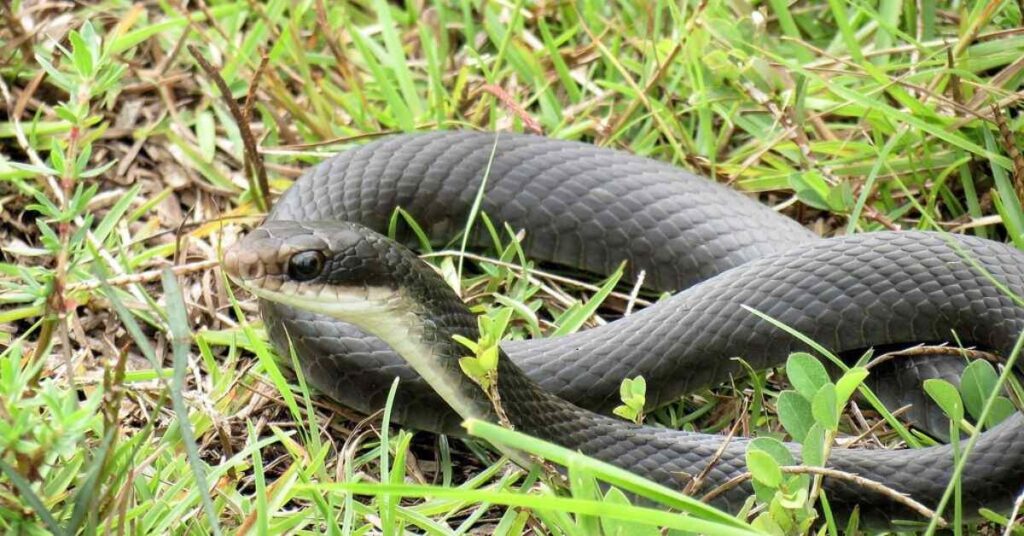
The black racer is one of the most iconic Canadian animals. It is a long, thin snake with smooth black skin. Black racers live in forests, fields, and near wetlands. They are very fast and can escape predators quickly. These snakes are active during the day and rest at night.
Black racers eat small animals like insects, frogs, and mice. They use their speed to catch prey and avoid danger. Black racers help keep nature balanced by controlling small animal populations. They are an important part of Canada’s wildlife.
Habitats of Iconic Canadian Animals
Iconic Canadian animals live in many different habitats. Canada has forests, mountains, grasslands, and Arctic regions. Each area supports different types of wildlife.
Forests are home to animals like moose and wolves. These areas provide food and shelter. Trees give protection from weather and predators.
The Arctic is very cold and covered with ice. Animals like polar bears and Arctic foxes live here. They have thick fur to stay warm.
Grasslands are open areas with fewer trees. Animals like bison live in these regions. They move in groups and graze on grass.
Wetlands and rivers are important for animals like beavers. These areas provide water and food. Many birds also live near water.
Understanding these habitats helps us protect iconic Canadian animals. When we protect habitats, we protect the animals too.
Why Conservation of Iconic Canadian Animals Matters
Conservation is important to protect iconic Canadian animals. Many animals face threats like climate change, pollution, and habitat loss.
People can help by supporting wildlife protection efforts. They provide safe places for animals to live.
Education also plays a key role. When people learn about iconic Canadian animals, they care more about them. This leads to better choices that help the environment.
Protecting wildlife helps keep nature balanced. It also ensures that future generations can enjoy these amazing animals.
How Many National Animals Are in Canada
Canada has more than one national animal. Each animal represents a part of the country’s nature and history. The beaver is one national symbol. It shows hard work and building skills. The Canadian horse is another symbol, known for strength and endurance.
Some people also consider the moose and polar bear as important national animals. They show the beauty and diversity of Canada’s wildlife. Each animal plays a special role in culture and nature. Learning about them helps people appreciate Canada’s rich wildlife.
What Is Canada’s Rarest Endangered Species
Canada has many rare and endangered animals. One of the rarest is the Vancouver Island marmot. It is a small rodent that lives only on Vancouver Island. These marmots have brown fur and live in mountain meadows. Their population is very low, and they need protection to survive.
Another rare species is the whooping crane. It is a tall white bird with a long neck. Whooping cranes live in wetlands and are very endangered. Humans have helped protect them with special programs. These rare animals are important for Canada’s nature and need our care.
The 5 Most Dangerous Animals in Canada
Canada is home to some dangerous animals. The grizzly bear is very strong and can be aggressive if threatened. The polar bear is also powerful and hunts in the Arctic. Wolves can be dangerous in packs, but they usually avoid humans.
Other dangerous animals include the black bear, which can attack if surprised, and the moose, which may charge if it feels threatened. Even small animals like snakes can bite if provoked. These animals are important in nature, but it is best to respect their space and stay safe.
Conclusion
Iconic Canadian animals show the beauty and diversity of nature. From the powerful polar bear to the hardworking beaver, each animal plays a role in the ecosystem.
Learning about these animals helps us understand the importance of wildlife. It also reminds us to protect nature and respect the environment.
By supporting conservation efforts and spreading awareness, we can help iconic Canadian animals survive and thrive for years to come.
FAQs
What are iconic Canadian animals?
Iconic Canadian animals are well-known species that represent Canada’s wildlife, such as moose, beaver, and polar bear.
Where can I see iconic Canadian animals?
You can see them in national parks, forests, and Arctic regions across Canada.
Why are these animals important?
They help maintain balance in nature and support healthy ecosystems.
How can we protect iconic Canadian animals?
We can protect them by saving habitats, reducing pollution, and supporting conservation programs.
Which animal is a symbol of Canada?
The beaver is one of the main national symbols of Canada.
