


Have you ever wondered about the lifespan of one of nature’s toughest survivors? The wolverine stands as a symbol of wilderness strength and resilience. These remarkable animals face harsh conditions daily in some of Earth’s most challenging environments. Understanding how long wolverines live helps us appreciate their incredible adaptation and the challenges they overcome to survive.
The wolverine belongs to the weasel family and lives in remote northern regions across the globe. Despite their fierce reputation, these animals face numerous threats that impact their survival. Their lifespan tells a story of endurance, survival, and the harsh realities of life in the wild.
Understanding Wolverine Lifespan in the Wild
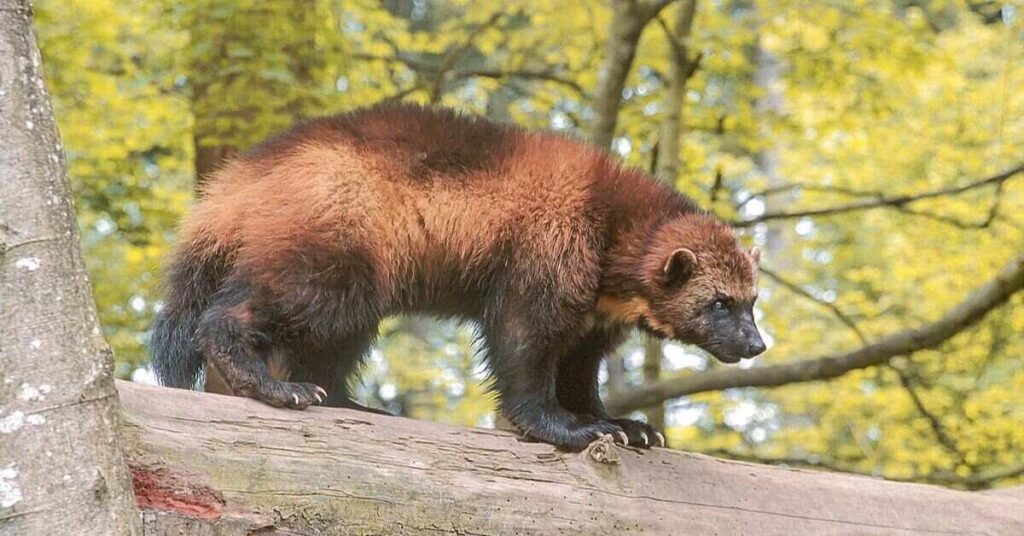
When we ask how long do wolverines live in their natural habitat, the answer reveals the brutal reality of wilderness survival. Wild wolverines typically live between 8 to 10 years, though this varies based on numerous factors. Some individuals manage to reach 12 to 13 years of age, but these cases are exceptional rather than common.
Wolverines live a hard life in the wild. They survive in cold forests, mountains, and snowy tundra regions. Food is not always easy to find. Wolverines often travel long distances to search for prey or carrion. This constant movement uses a lot of energy. Harsh winters also make survival difficult. Because of these challenges, many wolverines do not live very long.
On average, wolverines live seven to ten years in the wild. Some die at a younger age due to hunger or injuries. Predators like wolves and bears also pose danger. Human activities such as roads and habitat loss add more risk. Only strong and lucky wolverines reach older age. This shows how demanding life is for wolverines in the wild.
How Long Do Wolverines Live in Captivity
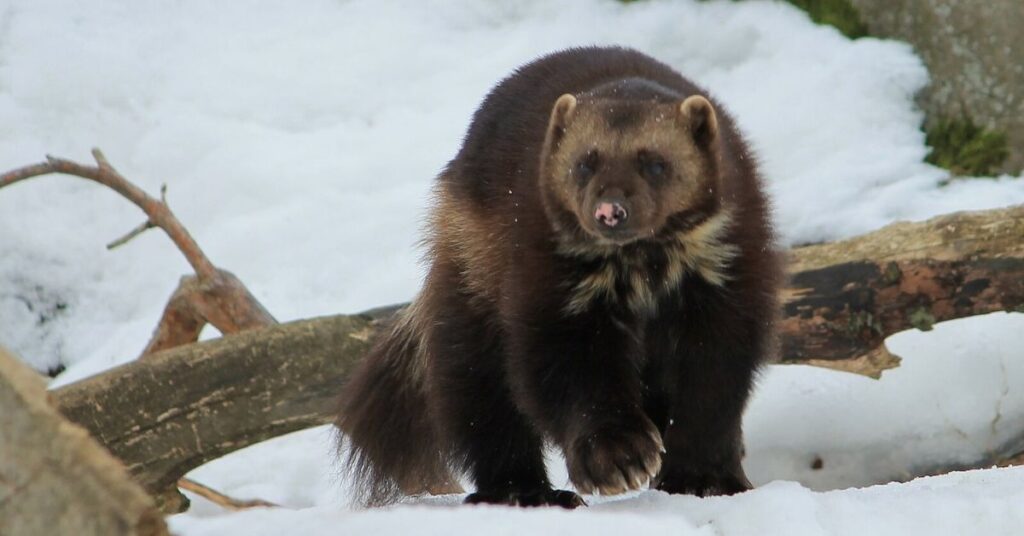
Captive wolverines enjoy significantly longer lives compared to their wild counterparts. In controlled environments, wolverines typically live between 15 to 17 years, with some individuals reaching even 20 years of age. This dramatic difference highlights the dangers wild wolverines face daily.
The extended lifespan in captivity results from several key factors. Regular food supply eliminates the risk of starvation. Protection from predators removes one of the biggest threats to survival. Veterinary care addresses health issues that would be fatal in the wild.
Captive wolverines don’t need to travel dozens of miles daily searching for food. They avoid dangerous encounters with wolves, bears, and other predators. The absence of territorial conflicts with other wolverines reduces injury risks significantly.
However, captivity brings its own challenges. Wolverines are naturally solitary and territorial creatures. They need vast spaces to roam and express natural behaviors. Facilities must provide adequate space and enrichment to maintain their physical and mental health throughout their extended lives.
Top 5 Interesting Facts About Wolverine
1. Wolverines Are Not Wolves
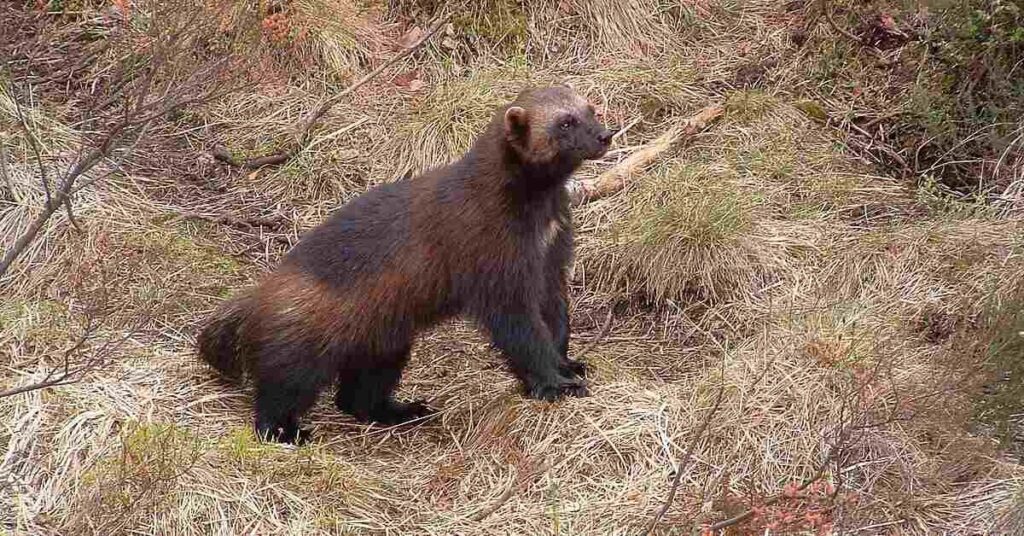
Many people think wolverines are related to wolves. This is a common mistake. Wolverines are not wolves at all. They belong to the weasel family. This family also includes otters, badgers, and martens. Wolverines only look similar to wolves because of their size and strength.
Wolverines behave very differently from wolves. Wolves live and hunt in packs. Wolverines live alone most of the time. They rely on power and fearlessness to survive. Even though they are smaller than wolves, wolverines can scare much larger animals. This unique nature often confuses people about what they really are.
2. They’re Nicknamed the “Glutton”
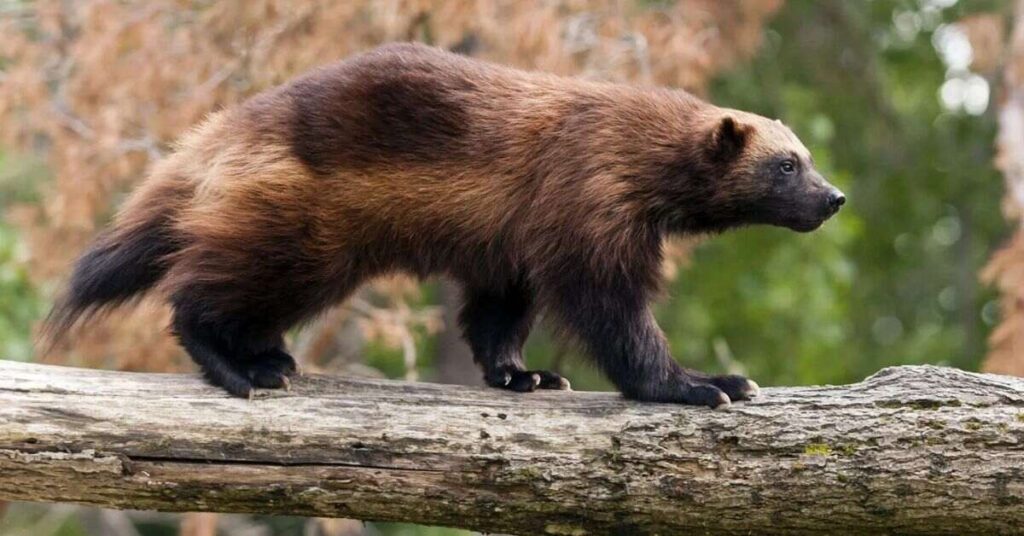
Wolverines are often called the glutton. This nickname comes from old stories and myths. People believed wolverines ate too much and wasted food. In reality, this is not true. Wolverines eat only what they need to survive.
Wolverines store food to prepare for hard times. They live in cold places where food can disappear for weeks. When they find a large meal, they protect it fiercely. This behavior helps them survive long winters. The glutton name sounds negative, but it reflects their smart survival skills.
3. They’re Surprisingly Small But Mighty
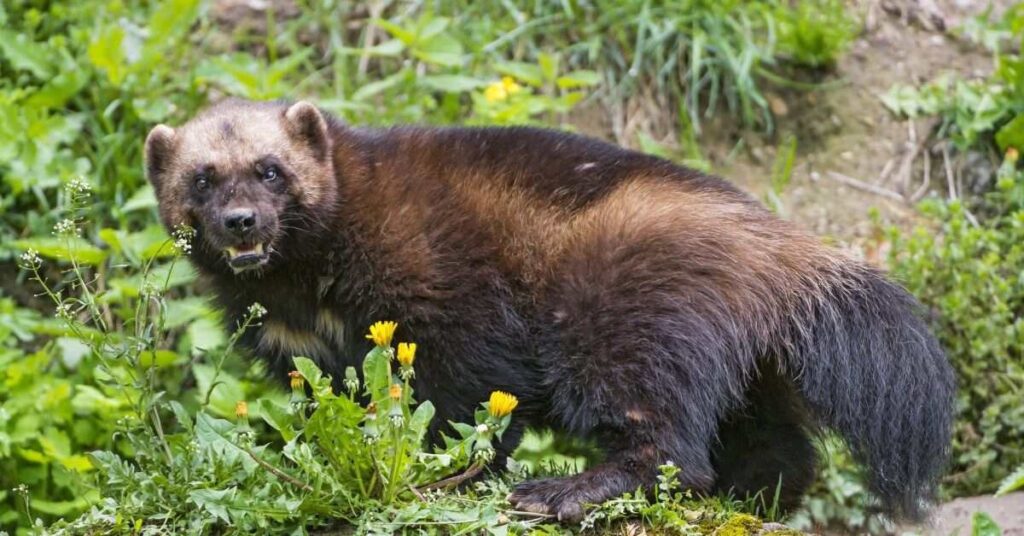
Wolverines look big and scary, but they are not very large animals. Most wolverines are about the size of a medium dog. Their short legs and thick bodies make them look heavier than they are. Despite their size, they have strong muscles and sharp claws.
Their strength surprises many people. Wolverines can fight animals much larger than themselves. They can chase away wolves and even bears from food. This power helps them survive in harsh environments. Their bold nature makes them one of the toughest animals in the wild.
Read about it more: https://www.wildlifenomads.com/blog/wolverines-interesting-facts/
4. They Thrive in Harsh Cold Environments
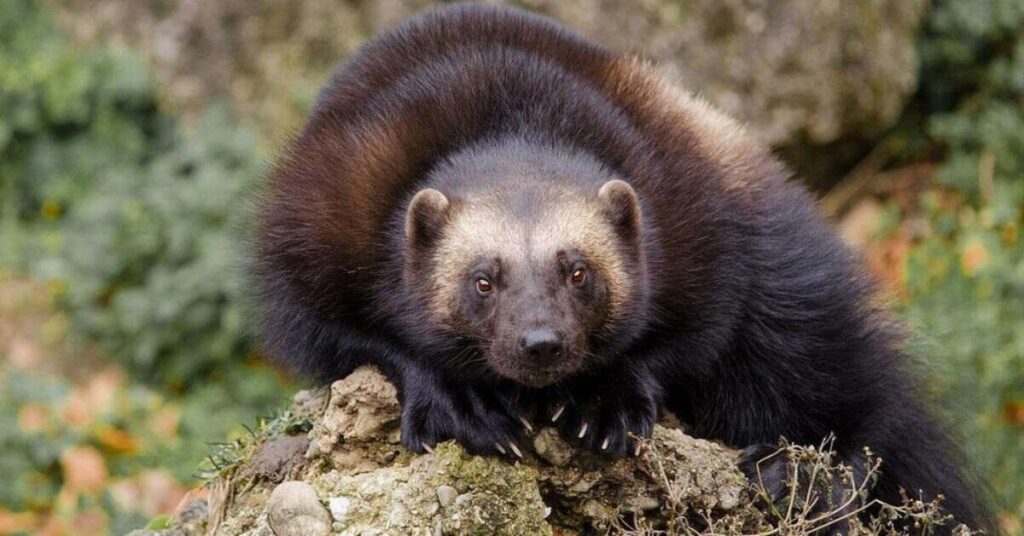
Wolverines live in some of the coldest places on Earth. They prefer snowy forests, mountains, and tundra regions. Thick fur helps them stay warm in freezing temperatures. Their wide paws act like snowshoes. This allows them to move easily over deep snow.
Cold environments also help wolverines store food. Snow keeps meat fresh for a long time. Wolverines hide food under snow or ice for later use. Few animals can survive in such harsh conditions. Wolverines are well adapted to this cold and challenging world.
5. Wolverines Can Travel Vast Distances
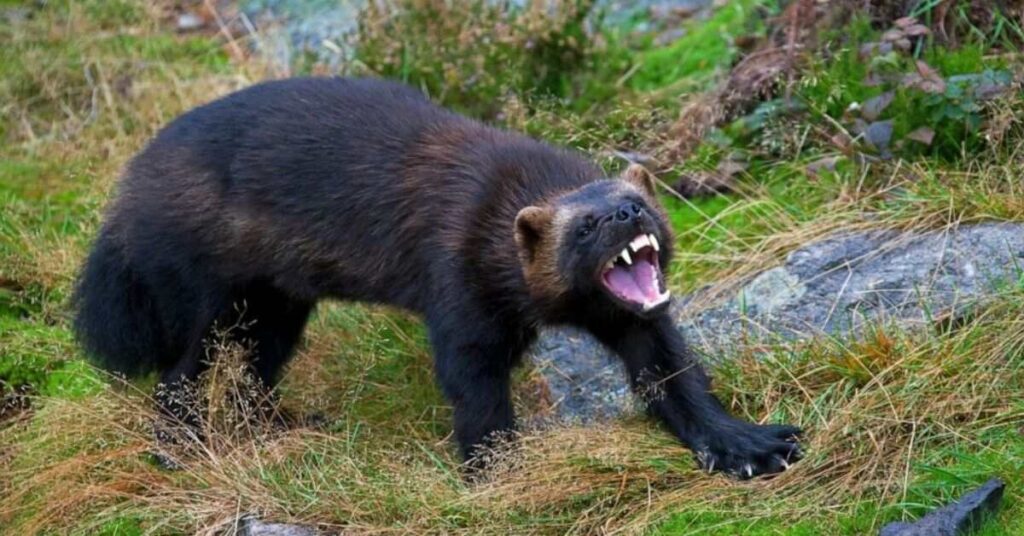
Wolverines are famous for traveling very long distances. They roam large areas to find food and safe territory. A single wolverine may cover many miles in just a few days. This constant movement helps them survive in places where food is rare.
Their strong bodies allow them to keep going without rest. They can cross mountains, forests, and deep snow. Long travel also helps them avoid danger and find new resources. This ability makes wolverines one of the greatest wanderers in the animal world.
Table
| Lifespan Comparison | Average Years | Maximum Years |
| Wild Wolverines | 8-10 years | 12-13 years |
| Captive Wolverines | 15-17 years | 20 years |
| Young Survival Rate | 5-7 years (Alaska) | Variable by region |
| Reproductive Facts | Details |
| Sexual Maturity (Females) | 15 months (3-4 years for successful breeding) |
| Sexual Maturity (Males) | 2 years |
| Breeding Season | May through August |
| Litter Size | 2-3 kits (occasionally 4) |
| Birth Timing | February to March |
| Weaning Age | 9-10 weeks |
| Reproductive Frequency | Every other year (females) |
| Physical Characteristics | Males | Females |
| Weight | 11-18 kg | 6-12 kg |
| Body Length | 65-145 cm | 65-145 cm |
| Tail Length | 13-26 cm | 13-26 cm |
| Major Threats | Impact Level |
| Starvation | High |
| Wolf Predation | High |
| Climate Change | Increasing |
| Habitat Loss | Moderate to High |
| Human Harvest | Regional Variation |
| Disease | Low to Moderate |
Factors That Affect Wolverine Lifespan
Multiple elements determine how long wolverines live in the wild. Food availability stands as the most critical factor affecting survival. Wolverines rely heavily on carrion, especially during winter months. When wolves, bears, and other predators leave behind carcasses, wolverines benefit from these food sources.
The relationship between wolverines and larger predators creates a delicate balance. While wolf kills provide essential food, wolves themselves pose a deadly threat. Research documents numerous cases where wolf packs have killed wolverines. The wolverines weren’t consumed, suggesting wolves killed them to eliminate competition rather than for food.
Starvation represents a common cause of death among wolverines. During periods when carrion becomes scarce, wolverines struggle to find enough food. Injuries sustained while hunting or fighting can lead to starvation if they prevent the wolverine from foraging effectively.
Climate conditions play an increasingly important role. Wolverines depend on persistent spring snow cover for denning and caching food. Climate change threatens these critical habitat features. Areas with reduced snow cover may no longer support healthy wolverine populations.
Human activities significantly impact wolverine survival. Trapping and hunting pressure in some regions affects population numbers. Habitat fragmentation from development reduces available territory. Road and railway accidents claim additional lives each year.
Wolverine Reproduction and Early Life
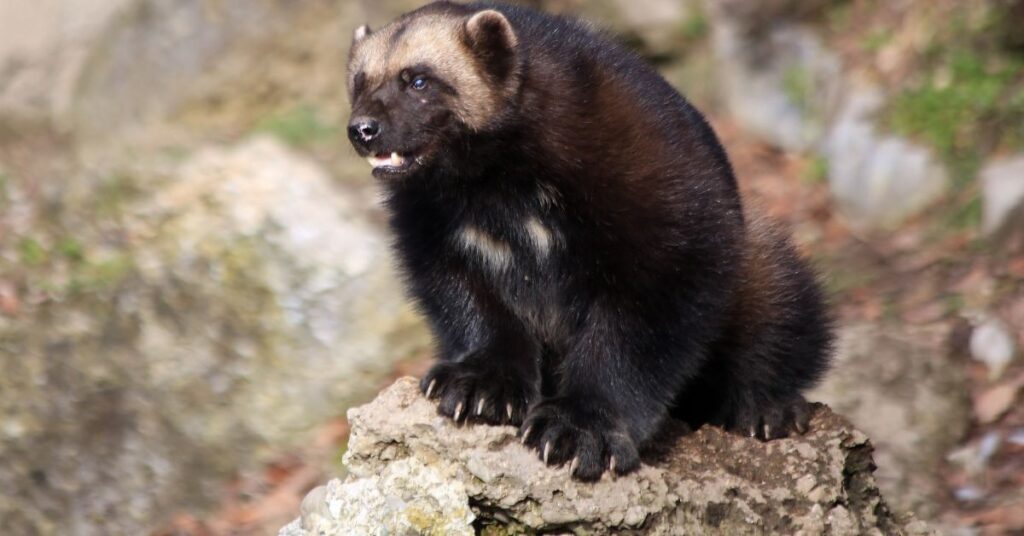
Wolverines mate in the summer months. This usually happens between May and August. Female wolverines don’t give birth right away. They have delayed implantation. This means the fertilized egg doesn’t attach to the uterus immediately. It waits several months. The female’s body chooses the best time for pregnancy. Birth happens in late winter or early spring. This is usually between February and April. Females give birth in snow dens. They dig these dens deep into snowbanks. The den keeps the babies warm and safe.
Baby wolverines are called kits. A litter typically has two or three kits. Sometimes there can be four. The kits are born tiny and helpless. They are blind at birth. They have very fine, white fur. The mother nurses them for about ten weeks. The kits grow quickly on their mother’s rich milk. Their eyes open after a few weeks. By late spring, they start exploring outside the den. The kits stay with their mother for many months. They learn to hunt and survive. Young wolverines don’t become independent until they are about a year old. They reach full maturity around two or three years of age.
Natural Threats and Predators
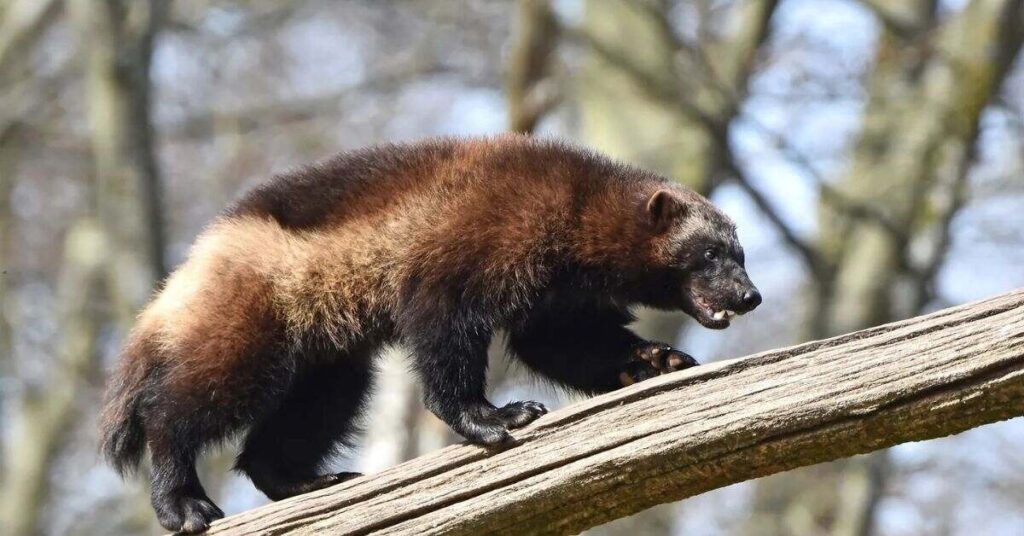
Wolverines are fierce animals, but they still face natural threats. Adult wolverines have few predators because of their aggressive nature. Wolves are their main predators. Wolf packs can overpower a wolverine, especially in winter. Mountain lions also hunt wolverines sometimes. Bears pose a threat too. Grizzly bears and black bears are much larger than wolverines. They can kill wolverines if they meet. Golden eagles sometimes attack young wolverines. The eagles swoop down on kits that wander from their dens. Most predators avoid adult wolverines. Wolverines fight back with incredible strength and fury.
Young wolverines face more dangers than adults. Kits are vulnerable in their first months of life. Foxes and lynx hunt young wolverines. Coyotes also prey on kits when they find them. Starvation is a serious threat for wolverines of all ages. Harsh winters make finding food difficult. Deep snow can trap prey or make hunting harder. Avalanches kill wolverines sometimes. They live in steep, snowy mountains where avalanches happen. Wolverines also fight each other over territory. Males battle fiercely during mating season. These fights can lead to serious injuries or death.
Comparison With Other Wild Carnivores
Many readers ask how long do wolverines live compared to similar animals. Wolverines have a lifespan similar to other medium-sized carnivores.
Animal Average Wild Lifespan Wolverine 7 to 10 years Wolf 6 to 8 years Lynx 7 to 10 years Badger 4 to 6 years
This comparison shows that wolverines live a normal lifespan for their size. Their strength helps them survive longer than some species.
Still, all wild carnivores face similar challenges. Food, weather, and humans shape survival. This comparison helps place how long do wolverines live into a broader wildlife context.
Diet and Survival Strategies
Wolverines are opportunistic eaters. They eat whatever food they can find. They are both hunters and scavengers. Wolverines hunt small animals like rabbits and rodents. They catch ground squirrels and marmots. They also hunt birds when possible. Wolverines can take down larger prey too. They sometimes kill deer and caribou. They target young, old, or weak animals. Carrion makes up a big part of their diet. They feed on animals killed by wolves or bears. Their strong jaws crush through frozen meat and bones. Wolverines also eat berries and plants in summer. They have huge appetites for their size. A wolverine can eat several pounds of meat in one sitting.
Wolverines have amazing survival strategies. They cache food for later use. They bury meat in snow or under rocks. This creates a natural freezer for tough times. Their territories are extremely large. Males can roam over 240 square miles. Females have smaller ranges. These big territories ensure they find enough food. Wolverines travel incredible distances each day. They can cover 15 to 20 miles while hunting. Their large paws work like snowshoes. This helps them move across deep snow easily. Prey animals sink into snow, but wolverines stay on top. They have thick fur that protects them from extreme cold. Wolverines don’t hibernate in winter. They stay active all year long. Their relentless energy and toughness help them survive in harsh conditions.
Conservation Status and Future Outlook
Wolverines face serious conservation challenges. Their populations are small and scattered. In the lower 48 United States, only about 300 wolverines remain. They live mainly in Montana, Idaho, and Washington. Canada and Alaska have larger populations. Still, wolverines are rare everywhere. Climate change is their biggest threat. Wolverines need deep spring snow for denning. Warming temperatures reduce snowpack in the mountains. Less snow means fewer safe places to raise young. Habitat loss also hurts wolverine populations. Human development breaks up their territories. Roads and ski resorts fragment their range. Trapping once nearly wiped out wolverines. Some areas still allow limited trapping. Wolverines reproduce slowly, so populations recover very slowly.
The future outlook for wolverines is uncertain. Scientists are working to protect them. Some groups want wolverines listed as endangered. Legal protection could help save their habitat. Researchers track wolverines to learn their needs. They use GPS collars and camera traps. This information helps create better conservation plans. Connecting habitat corridors is important. Wolverines need large wild areas to survive. Protected wilderness zones give them space to roam. Reducing carbon emissions could slow climate change. This would preserve the snowy habitat wolverines require. Education programs teach people about wolverines. Public support is growing for wolverine conservation. With proper protection and habitat preservation, wolverines might recover.
Life Cycle and Development
Wolverines have a unique life cycle that begins with delayed implantation. After mating in summer, the embryo doesn’t develop right away. It floats freely for months inside the mother. Implantation happens in late fall or early winter. This timing ensures babies are born in late winter.Kits are born in snow dens in February or March. At birth, they weigh less than a pound.The tiny kits depend completely on their mother. They drink her milk and grow rapidly. Their eyes open after three to four weeks. By two months old, kits start eating solid food. The mother brings them meat from her kills. Kits begin exploring outside the den in spring. They learn by watching their mother hunt.
Young wolverines stay with their mother for many months. She teaches them essential survival skills. They learn to hunt, climb, and defend themselves. Kits practice fighting with their siblings. This play prepares them for adult life. By fall, young wolverines start becoming independent. Some leave their mother before their first birthday. Others stay until they’re about 18 months old. Wolverines reach sexual maturity around age two or three. Females can have their first litter at this age. Males must compete for territory and mates. Adult wolverines live solitary lives except during mating season. In the wild, wolverines typically live 7 to 12 years. Some individuals survive longer in protected areas. Their slow reproduction rate makes every wolverine important for the species.
Practical Ways Humans Can Help Wolverines Live Longer
People often ask what they can do after learning how long do wolverines live. Supporting wildlife conservation groups makes a difference.
Protecting natural habitats helps many species. Supporting climate action also preserves snow ecosystems.
Responsible tourism reduces stress on wildlife. Respecting protected areas prevents habitat damage.
Education spreads awareness. Sharing facts about how long do wolverines live helps others care.
Small actions combine into strong protection. Human choices shape the future of wolverines.
Physical Characteristics and Adaptations
The wolverine’s body reflects evolutionary adaptations for survival in harsh northern environments. Understanding these features helps explain how long wolverines live despite challenging conditions.
Size and build vary between sexes, with males substantially larger than females. Adult males weigh 11 to 18 kilograms, while females range from 6 to 12 kilograms. Their body length spans 65 to 145 centimeters, plus an additional 13 to 26 centimeters for their bushy tail.
The wolverine’s stocky, muscular body and short legs create a low center of gravity ideal for navigating difficult terrain. Despite appearing ungainly, wolverines possess remarkable agility and can climb trees readily. Their build provides strength without sacrificing mobility.
Fur characteristics represent crucial cold-weather adaptations. Their long, dense coat consists of dark brown to black guard hairs with distinctive lighter brown or gold stripes running from shoulders to tail base. This fur is naturally frost-resistant, preventing ice buildup even in extreme conditions.
The Inuit and other northern peoples traditionally used wolverine fur for parka hood trim because of its unique properties. Moisture from breath freezes on most furs, but wolverine fur sheds frost easily. This makes it invaluable for protecting faces in Arctic conditions.
Large, broad paws function like natural snowshoes, distributing weight across soft snow. This adaptation allows wolverines to travel efficiently through deep snowpack where other predators would founder. The paws measure disproportionately large relative to body size.
The wolverine’s jaw strength ranks among the most powerful of any carnivore for their size. Special adapted premolar teeth allow them to crush bones and tear frozen meat. This capability enables survival on food sources inaccessible to other scavengers.
Scent glands play important roles in territory marking and food preservation. A ventral gland near the belly button and anal glands produce powerful musk. Wolverines spray cached food with this secretion to deter other scavengers from stealing their stores.
These physical adaptations work together to create a remarkably resilient animal. The combination of strength, endurance, cold resistance, and versatile feeding ability allows wolverines to thrive where few other carnivores can survive year-round.
Conclusion
Wolverines are powerful survivors living in extreme environments. Still, their life is not easy. When asking how long do wolverines live, the answer depends on where and how they live.
In the wild, most wolverines live seven to ten years. In captivity, they can live much longer. Food, climate, predators, and human impact shape their lifespan.
Understanding their life helps protect them. Conservation efforts rely on this knowledge. Every action that protects habitat supports longer lives.
By learning how long do wolverines live, we take one step closer to protecting this rare and fascinating animal.
FAQs About Wolverine Lifespan
How long do wolverines live in the wild?
Most wolverines live between seven and ten years in the wild. Harsh weather, food shortages, and predators limit their lifespan.
How long do wolverines live in captivity?
In captivity, wolverines often live twelve to fifteen years due to regular food and medical care.
Do male and female wolverines live the same length?
Both sexes have similar lifespans. Survival depends more on environment and food than gender.
What is the biggest threat to wolverine lifespan?
Habitat loss and climate change pose the biggest threats. Reduced snow affects hunting and denning.
Why is it important to know how long do wolverines live?
Knowing their lifespan helps conservation groups protect populations and plan long-term wildlife strategies.
