
Introduction
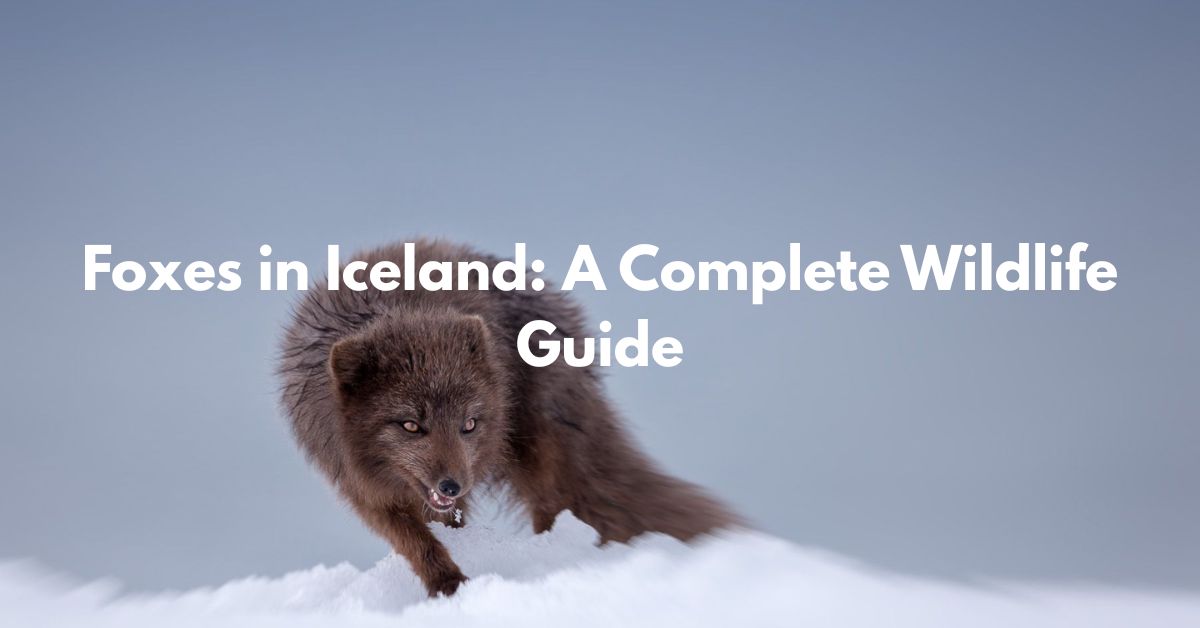
Foxes in Iceland live in one of the wildest landscapes on Earth. They survive strong winds, deep snow, and long dark winters. Yet they thrive in this remote island nation.
Many travelers visit Iceland for waterfalls and volcanoes. Few realize that foxes in Iceland are the country’s only native land mammal. This makes them very special.
If you love wildlife, you will find foxes in Iceland fascinating. They are smart. They adapt quickly to change. In this guide, you will learn where they live, how they survive, and how you can see them in the wild.
The Arctic Fox: The Only Native Mammal Among Foxes in Iceland
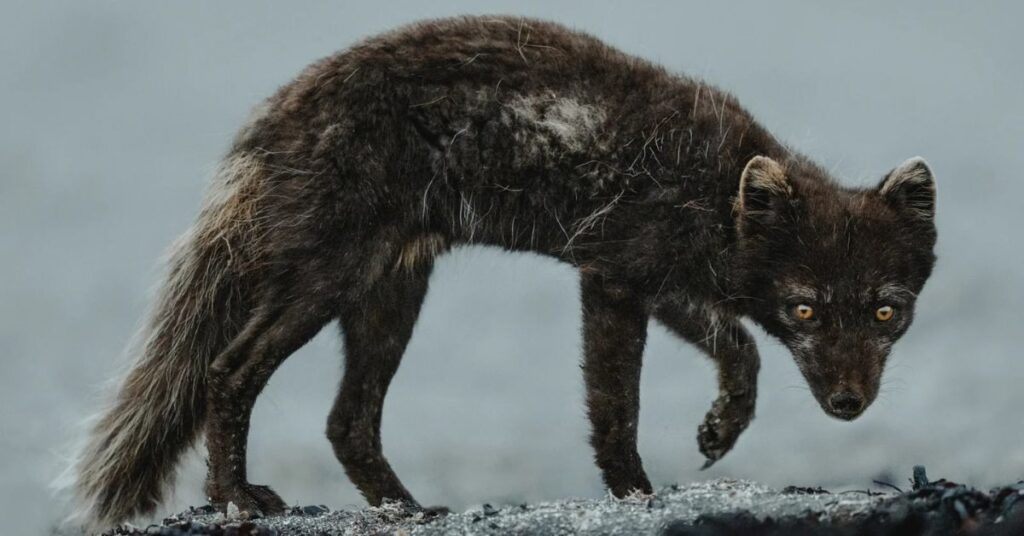
Foxes in Iceland belong to one species. It is the Arctic fox. This small predator arrived in Iceland thousands of years ago. It likely crossed sea ice during the last Ice Age.
Unlike other animals, foxes in Iceland evolved without natural land predators. This shaped their behavior. They often show little fear of humans in remote areas.
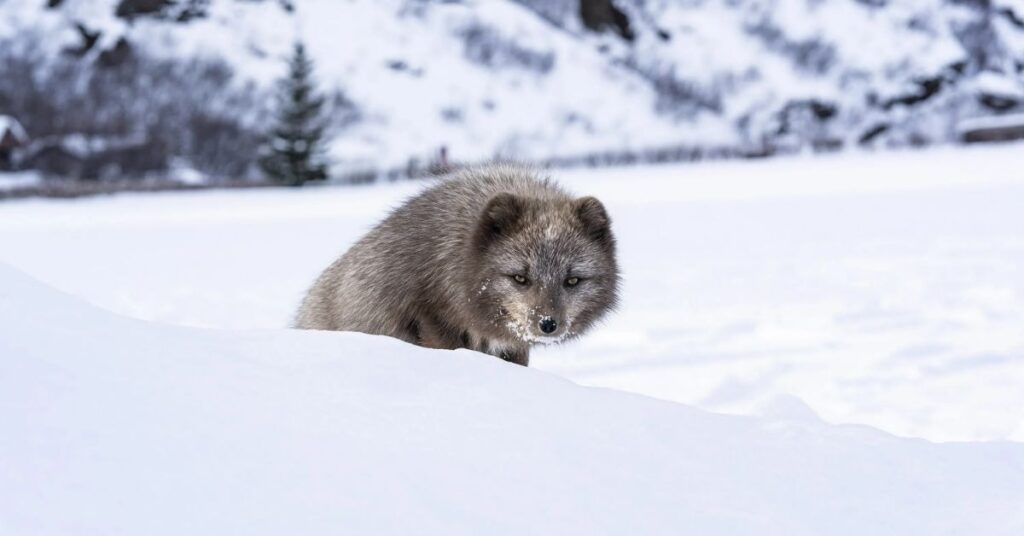
The Arctic fox changes its coat with the seasons. In winter, many foxes turn white. This helps them blend into snow. In summer, their fur becomes brown or gray. This helps them hide among rocks and grass.
There are two color types among foxes in Iceland. The white morph changes color between seasons. The blue morph stays darker all year. The blue morph is common along the coast.
These foxes are small but strong. They weigh only a few kilos. Yet they can travel long distances to find food.
Where Foxes in Iceland Live
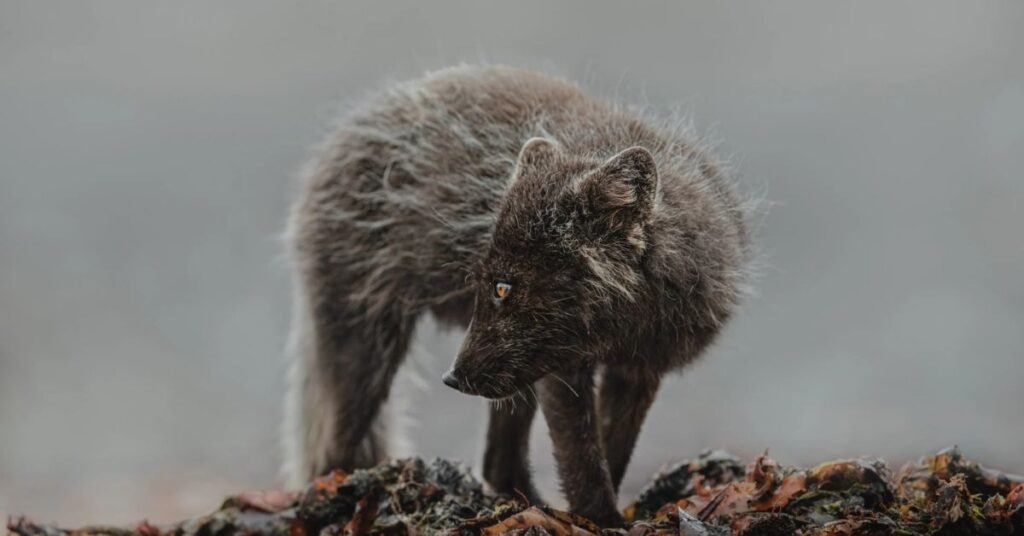
Foxes in Iceland live across the entire country. They adapt to many habitats. You can find them near the coast, in mountains, and even in lava fields.
One of the best places to see foxes in Iceland is the Hornstrandir Nature Reserve. This remote area has no permanent human settlement. Foxes there face little disturbance. As a result, they often act relaxed around visitors.
Coastal areas attract foxes in Iceland because of seabirds. Cliffs and rocky shores provide nesting birds and eggs. During summer, food becomes more available.
In winter, foxes in Iceland move more often. They search for carrion, small mammals, and any food they can find. Their thick fur protects them from freezing winds.
The table below shows key habitats of foxes in Iceland.
| Habitat | Why It Matters for Foxes in Iceland |
| Mountains | Safe dens and wide hunting areas |
| Coastal cliffs | Access to seabirds and eggs |
| Tundra plains | Small prey and open visibility |
| Lava fields | Shelter and protection from wind |
Diet and Hunting Behavior of Foxes in Iceland
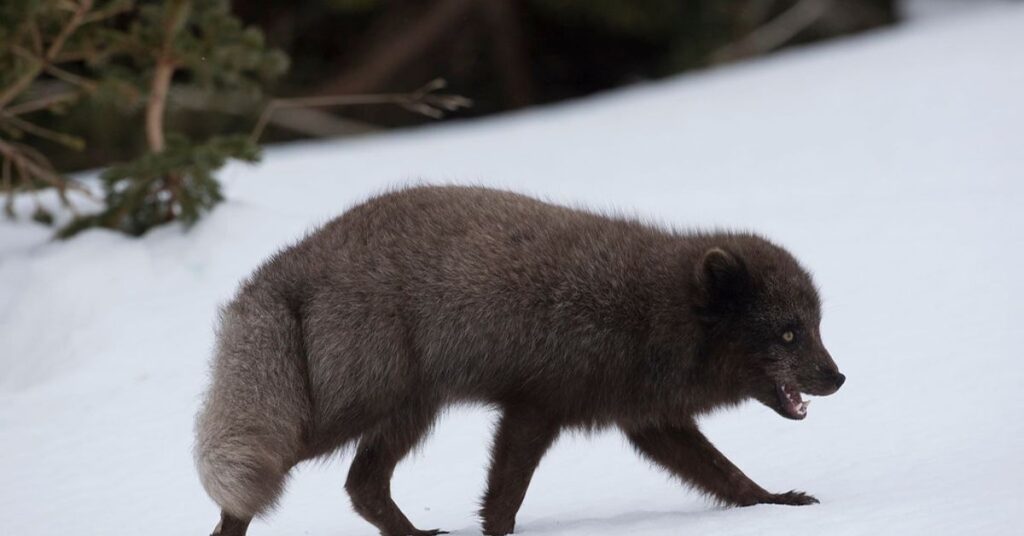
Foxes in Iceland are opportunistic hunters. This means they eat what they find. Their diet changes with the season.
In summer, foxes in Iceland hunt seabirds. They also eat eggs and chicks. This season gives them the most food.
They also catch small mammals. They eat insects and berries when available. Nothing goes to waste.
In winter, survival becomes harder. Foxes in Iceland rely on carcasses left by storms or other causes. They use their strong sense of smell to find food under snow.
Foxes often hunt alone. They move quietly. They listen carefully. Then they pounce on their prey with speed and precision.
Their thick tail helps them balance. It also keeps them warm. When they sleep, they wrap it around their body.
Life Cycle and Family Structure of Foxes in Iceland
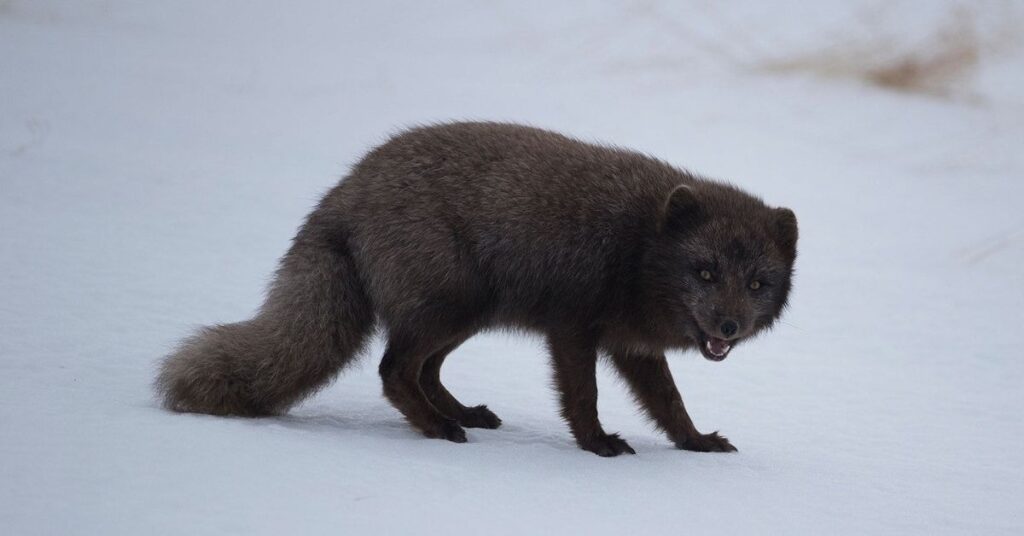
Foxes in Iceland form pairs during breeding season. This usually happens in late winter.
After a short pregnancy, the female gives birth in spring. She uses a den. Dens often lie in hillsides or rocky slopes.
A litter may have several pups. The number depends on food supply. In good years, foxes in Iceland may raise larger litters.
Both parents care for the young. They bring food back to the den. Pups begin exploring outside after a few weeks.
By late summer, young foxes in Iceland start learning to hunt. They observe adults closely. Survival skills develop quickly.
Many young foxes leave their birth area in autumn. They travel to find new territory. This helps spread foxes in Iceland across the landscape.
Read about it more: https://www.wildlifenomads.com/blog/animals-on-iceland/
Best Places to See Foxes
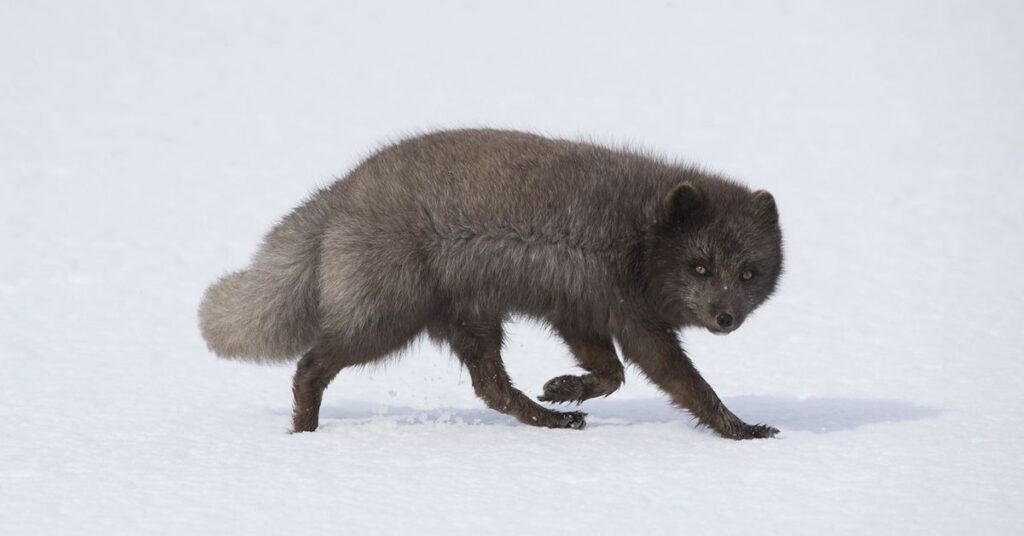
If you want to see foxes in Iceland, you need patience and planning.
Hornstrandir Nature Reserve remains the top location. The lack of roads keeps the area wild. Foxes there are used to hikers.
The Westfjords region also offers strong chances. Remote coastal paths increase your odds.
Summer is the best season to spot foxes. Long daylight hours make wildlife watching easier. Foxes stay active while raising pups.
Early morning and late evening work best. Move slowly. Keep quiet. Respect distance.
You can improve your experience by reading our guide on wildlife watching tips and learning about Arctic ecosystems before your trip.
Conservation and Challenges Facing Foxes in Iceland
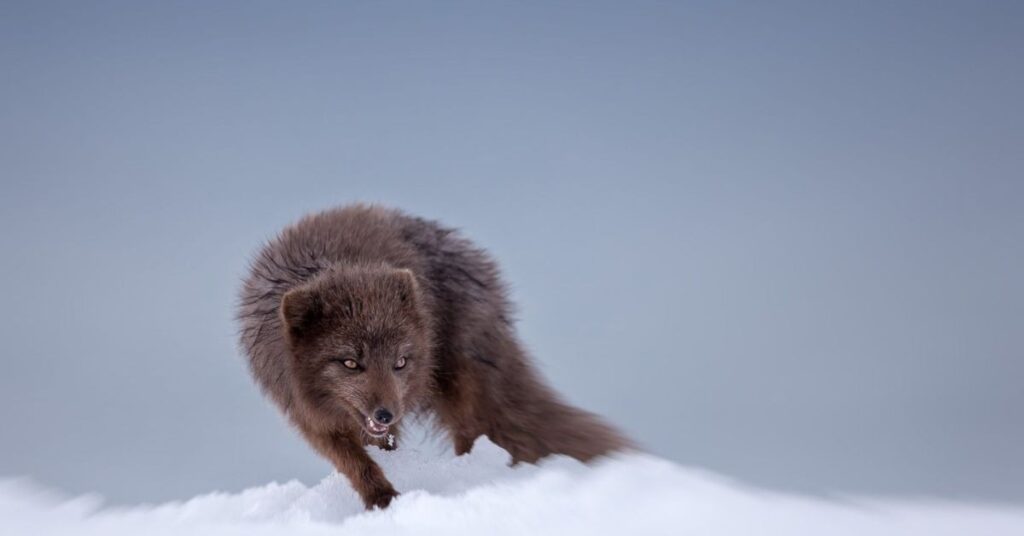
Foxes in Iceland have survived for thousands of years. Still, they face challenges today.
Historically, people hunted foxes to protect livestock. Hunting still happens in some areas. It remains part of wildlife management.
Climate change also affects foxes. Changes in sea ice and bird populations may influence food supply. Scientists continue to study these effects.
Tourism brings both benefits and risks. More visitors mean greater awareness. Yet disturbance can stress wildlife.
Protected areas help foxes in Iceland thrive. Responsible travel plays a key role. When visitors follow rules, wildlife benefits.
Interesting Facts About Foxes
Foxes can hear prey under thick snow.
They can travel many kilometers in a single day.
Some foxes form long term pair bonds.
Their fur provides excellent insulation against Arctic winds.
Foxes in Iceland often cache food. This means they hide extra food for later use.
Each of these traits shows how well foxes adapt to harsh conditions.
How to Photograph Foxes in Iceland Responsibly
Many visitors hope to photograph foxes. You can do this without harming wildlife.
Keep a safe distance. Use a zoom lens. Never approach a den closely.
Avoid feeding foxes. Feeding changes their natural behavior. It can also harm their health.
Wear neutral colors. Move slowly. Sit quietly and wait.
Respect local guidelines. Guides in Hornstrandir often share best practices.
Good photography supports conservation. Sharing respectful images raises awareness about foxes.
Why Foxes Matter to the Ecosystem
Foxes in Iceland play an important role in nature. They control bird and rodent populations.
They also clean up carrion. This reduces disease spread.
When foxes in Iceland thrive, ecosystems stay balanced. Predators keep prey numbers in check.
Studying foxes helps scientists understand Arctic change. Because they respond quickly to food shifts, they act as indicators of environmental health.
Protecting foxes supports wider biodiversity. Their survival connects to seabirds, plants, and climate patterns.
Practical Travel Advice for Seeing Foxes
Plan your trip during summer months.
Choose remote areas with limited disturbance.
Hire local guides who understand fox behavior.
Stay on marked paths.
Respect nesting bird areas.
Pack warm layers. Weather changes fast.
Good preparation increases your chance of a meaningful wildlife experience.
Conclusion
Foxes in Iceland represent resilience and adaptation. They crossed ancient ice to reach this island. They survived harsh winters and changing climates.
Today, foxes continue to roam mountains and coastlines. They remain a symbol of wild Iceland.
When you observe foxes with respect, you become part of their story. Responsible travel protects their future.
Learning about foxes deepens your connection to nature. Their survival reminds us how strong wildlife can be when given space and protection.
FAQs
Are foxes in Iceland dangerous to humans?
Foxes in Iceland are not dangerous to people. They avoid conflict. In remote areas, they may seem curious but rarely show aggression.
When is the best time to see foxes?
Summer offers the best chance. Long daylight hours and active pups increase sightings.
Do they live near cities?
Foxes mostly live in wild areas. Some may approach towns in winter while searching for food.
How big are they?
Foxes are small. Most weigh between three and five kilos. Thick fur makes them look larger in winter.
Why are they important?
Foxes in Iceland help balance ecosystems. They control prey species and clean carrion. Their presence supports healthy Arctic habitats.
