
Have you ever looked at a world map and wondered just how massive the Pacific Ocean really is? It is so enormous that it covers nearly one-third of the entire planet. That alone is one of the most cool facts about the Pacific Ocean. But there is so much more to this giant body of water than just its size.
The Pacific Ocean is full of surprises. It holds the deepest point on Earth. It is home to thousands of islands and millions of species. And it even has a floating garbage patch the size of Texas.
Whether you are a wildlife lover, a curious explorer, or someone who simply enjoys learning something new, this article will take you on a journey through the world’s most fascinating ocean. Let’s dive in.
What Makes the Pacific Ocean So Special?
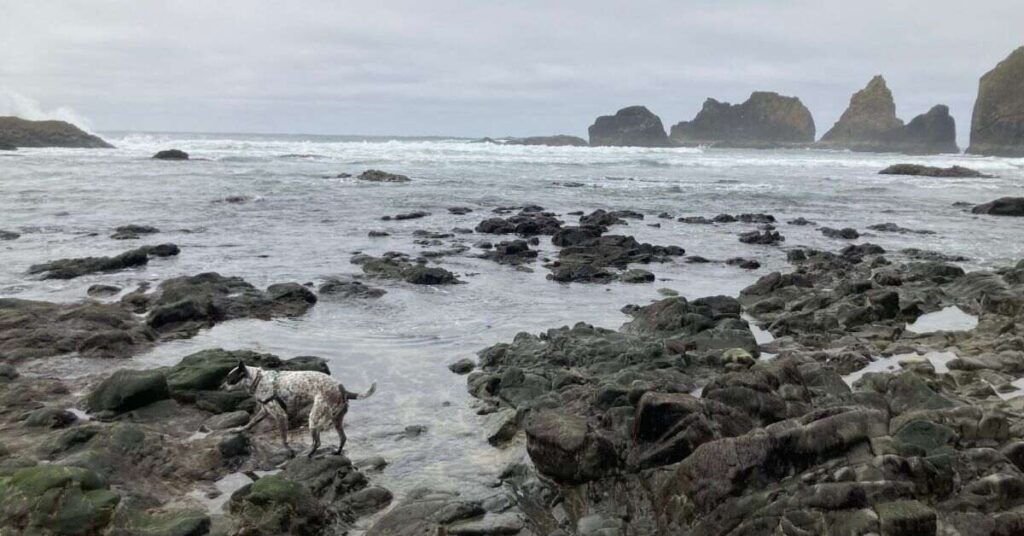
Oceans are the largest and deepest on earth. There are four oceans in it, stretching from the Arctic in the north to the Southern Ocean near Antarctica in the south. From east to west, it reaches from the coasts of North and South America all the way to Asia and Australia.
The widest point of the Pacific spans more than 12,000 miles. That is over five times the diameter of the moon. This ocean alone covers more than 30% of the Earth’s surface and holds more than half of all the ocean water on Earth.
To put it simply, the Pacific Ocean is not just big. It is colossal. Globally, it is larger than all the landmasses combined. When you think about that, it truly puts the scale of this ocean into perspective.
Here is a quick overview of the Pacific Ocean’s key stats:
| Feature | Detail |
| Total Area | Over 60 million square miles |
| Average Depth | Around 4,000 meters |
| Deepest Point | Challenger Deep, ~11,000 meters |
| Number of Islands | More than 25,000 |
| Share of Earth’s Surface | Over 30% |
| Share of Earth’s Ocean Water | More than 50% |
The Meaning Behind the Name: Pacific Ocean
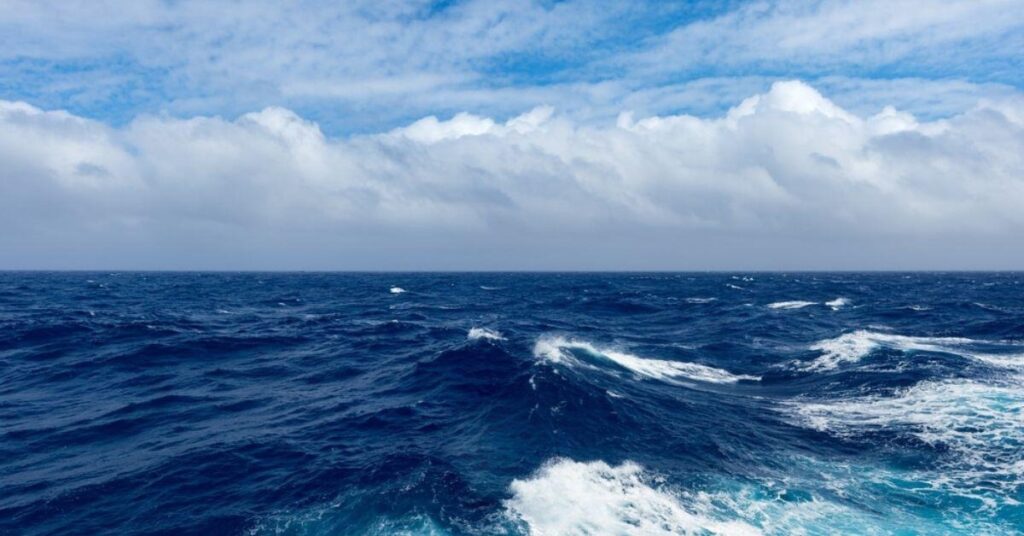
One of the most cool facts about the Pacific Ocean is how it got its name. Back in 1520, the explorer Ferdinand Magellan was the first European to cross this ocean. He had just sailed through some very rough and stormy waters. When he finally reached calmer conditions, he was so relieved that he named it Mar Pacifico, which means “peaceful sea” in Portuguese.
The name stuck. And today, the world calls it the Pacific Ocean.
But not everyone calls it by this name. The Polynesian people call it Moana, which means “deep ocean.” Some Pacific Northwest tribes had their own names too, such as Whulge and Klaskish. These names reflect the deep spiritual and cultural connection that indigenous communities have always had with this vast body of water.
Ironically, the “peaceful sea” is actually one of the most active and stormy oceans on the planet, which makes its name even more fascinating.
The Ring of Fire is located in the Pacific Ocean
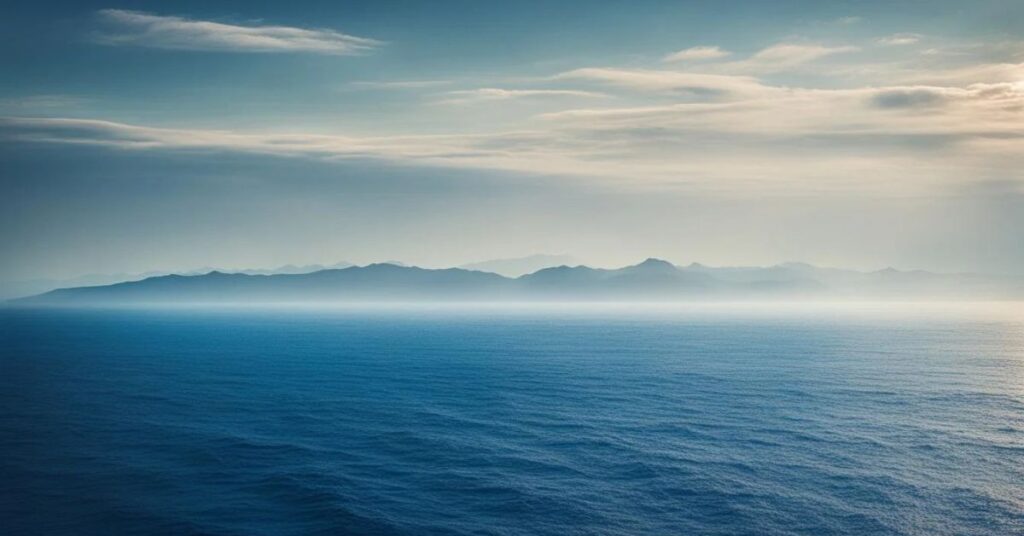
Despite its peaceful name, the Pacific Ocean is anything but calm beneath the surface. It sits at the center of one of the most geologically active zones on Earth, known as the Ring of Fire.
The Ring of Fire is a horseshoe-shaped belt that runs around the edges of the Pacific Ocean basin. It stretches from New Zealand up through Asia, across to Alaska, and down the west coast of the Americas.
This region is responsible for more than 75% of the world’s volcanoes. It also produces more than 90% of all global earthquakes. That is an astonishing amount of geological activity concentrated in one area.
The reason for all this activity is tectonic plates. Several massive plates meet along the edges of the Pacific Ocean. When these plates shift, collide, or slide under each other, they cause earthquakes and volcanic eruptions.
For wildlife and marine ecosystems, this activity plays a big role. Underwater volcanoes create new habitats. Hydrothermal vents support unique creatures that survive without sunlight. The Ring of Fire is truly one of the most remarkable cool facts about the Pacific Ocean.
Pacific Ocean has the deepest point on earth
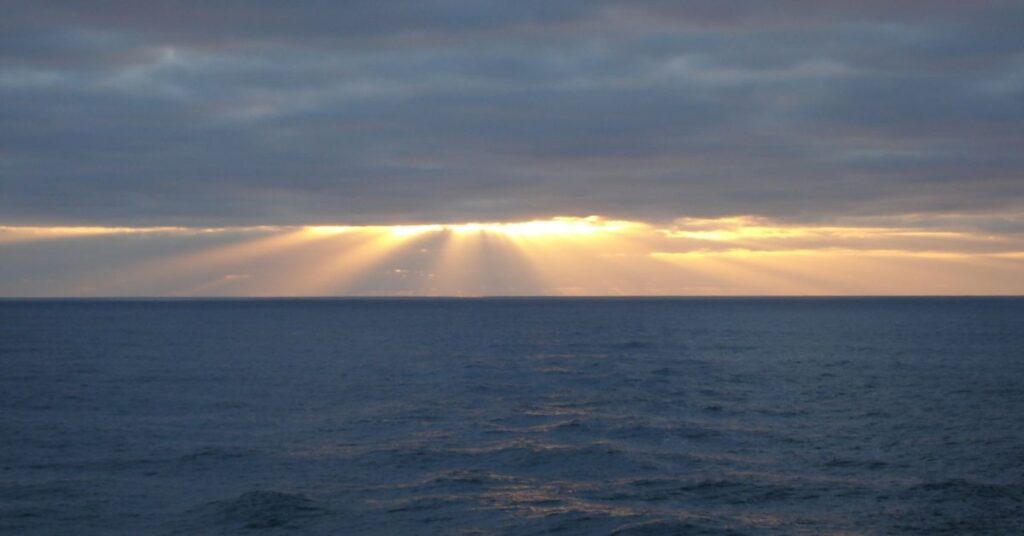
One of the most incredible and cool facts about the Pacific Ocean is that it contains the deepest point anywhere on Earth. That point is called Challenger Deep, and it sits inside the Mariana Trench, located east of the Philippines.
Challenger Deep plunges to a depth of approximately 11,000 meters. To give you a sense of how deep that is, if you placed Mount Everest at the bottom of the Mariana Trench, the peak would still be more than a mile underwater.
The Mariana Trench was first explored by the British ship HMS Challenger back in 1875. Since then, very few people have ever made it to the bottom. It remains one of the least explored places on the entire planet.
Yet even in this crushing, pitch-black environment, life exists. Scientists have discovered unique species of bacteria, small crustaceans, and other organisms that thrive in extreme pressure and cold temperatures. Life in the deep Pacific Ocean continues to amaze researchers and scientists around the world.
Over 25,000 Islands Call the Pacific Home
The Pacific Ocean is home to more than 25,000 islands. That makes it the ocean with the most islands in the world. These range from large island groups like Hawaii, Fiji, Japan, and the Philippines, to tiny, remote atolls scattered across the open sea.
An atoll is a ring-shaped coral island that surrounds a lagoon. They are only found in warm tropical waters, and the Pacific is full of them. These small island ecosystems are incredibly rich in biodiversity and support unique communities of plants, animals, and marine life.
Many of these islands have their own distinct wildlife. Some species found on Pacific islands exist nowhere else on Earth. Endemic species, meaning species unique to one location, thrive here because of the island isolation.
Hawaii, for example, has a wide variety of birds, plants, and sea creatures that evolved in total isolation over millions of years. The Hawaiian monk seal and the nene goose are two iconic examples of wildlife found only in Hawaii.
Amazing Marine Wildlife of the Pacific Ocean
When it comes to cool facts about the Pacific Ocean and its wildlife, there is almost too much to cover. This ocean is one of the most biodiverse places on the planet.
Whales
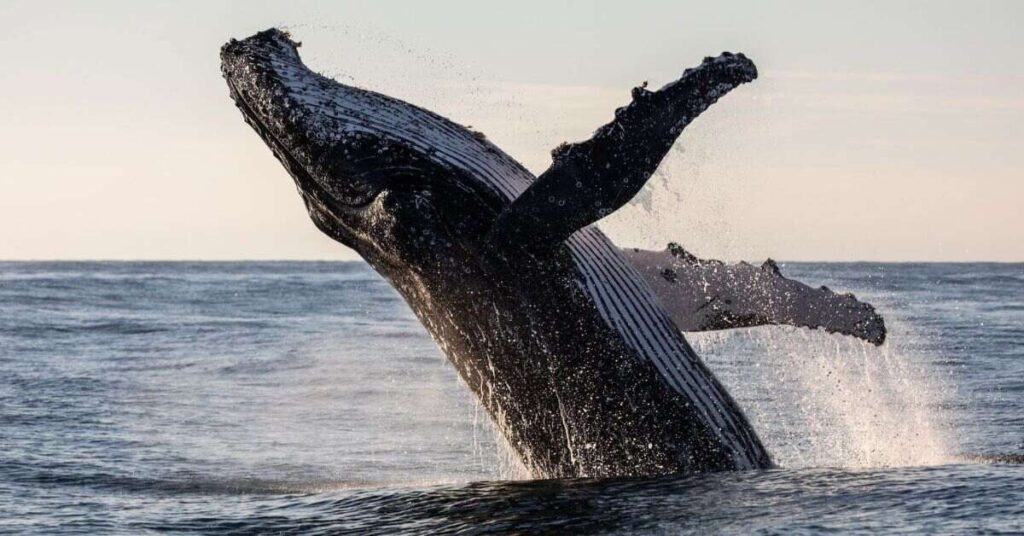
Whales are among the most impressive residents. Humpback, gray, and baleen whales migrate up to 14,000 miles each year across the Pacific. They travel between warm breeding grounds and cold feeding waters in some of the longest migrations of any mammal on Earth.
Leatherback sea turtles
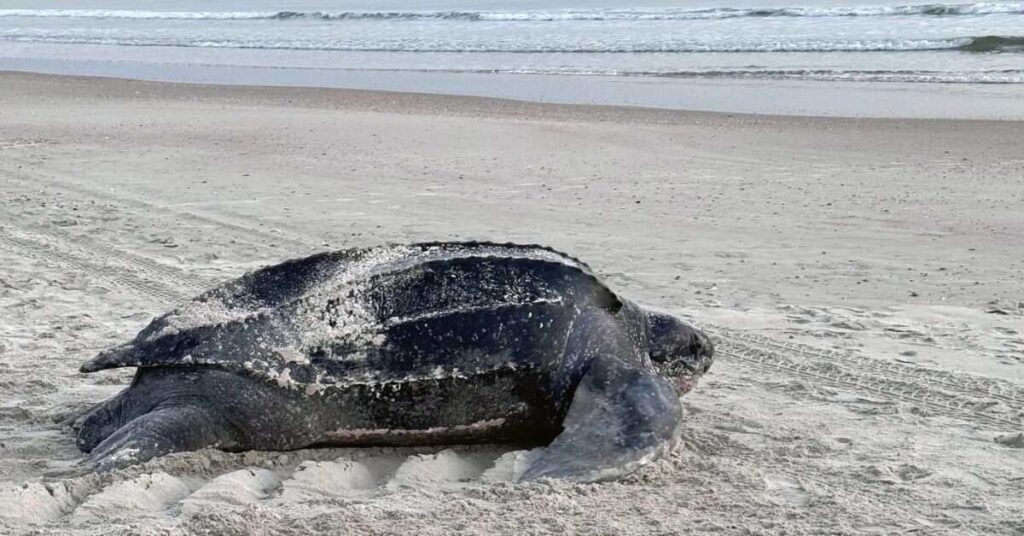
Leatherback sea turtles travel over 10,000 miles between Indonesia and the west coast of North America. These ancient creatures have been swimming the Pacific for millions of years.
Pacific bluefin tuna
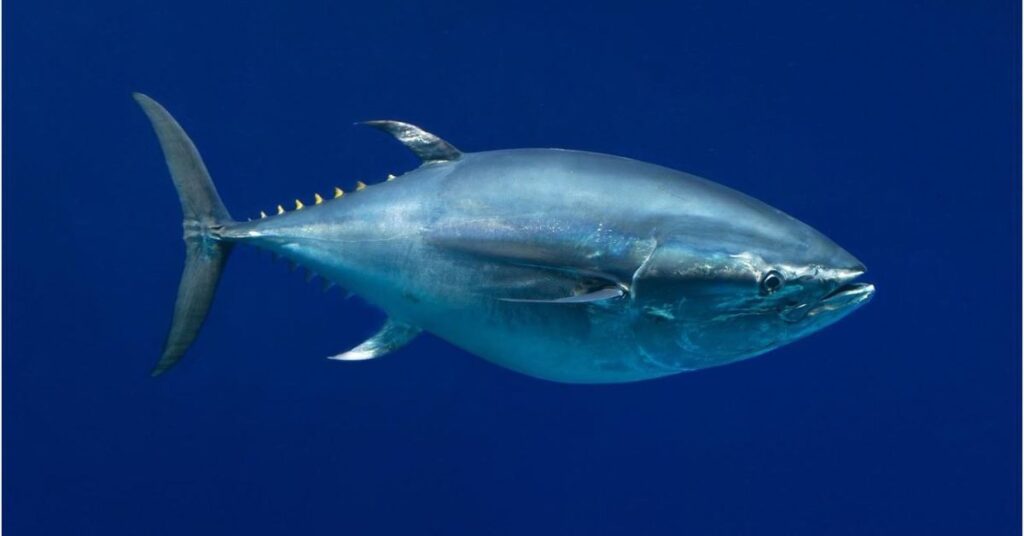
The Pacific bluefin tuna is another remarkable traveler. It swims 5,000 miles from Japan to California just to spawn.
whale shark
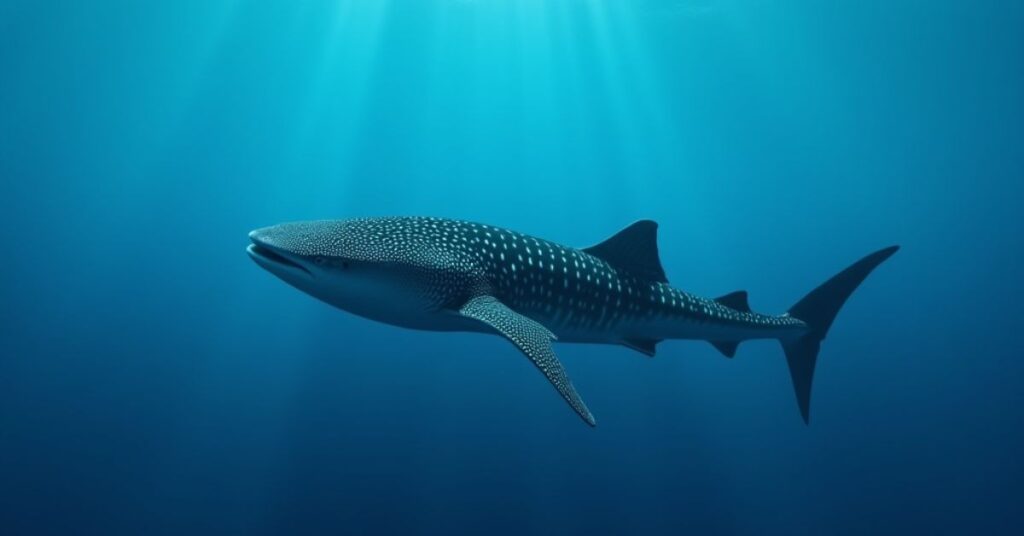
The whale shark, the largest fish in the ocean, also crosses vast stretches of the Pacific on its long migrations.
On the smaller end, the Pacific is full of tiny but vital creatures. Copepods are microscopic crustaceans that form the base of the ocean food chain. The Satomi pygmy seahorse is barely half an inch long and lives hidden in coral reefs of the Western Pacific. And colorful nudibranchs, often found in Indonesia’s Raja Ampat, dazzle divers with their vivid patterns.
| Marine Species | Cool Fact |
| Humpback Whale | Migrates up to 14,000 miles per year |
| Leatherback Sea Turtle | Travels over 10,000 miles across the Pacific |
| Pacific Bluefin Tuna | Swims 5,000 miles from Japan to California |
| Whale Shark | World’s largest fish; migrates across the Pacific |
| Satomi Pygmy Seahorse | Only half an inch long; lives in coral reefs |
| Copepods | Less than 1mm; form the base of the food chain |
The Great Barrier Reef Lives in the Pacific
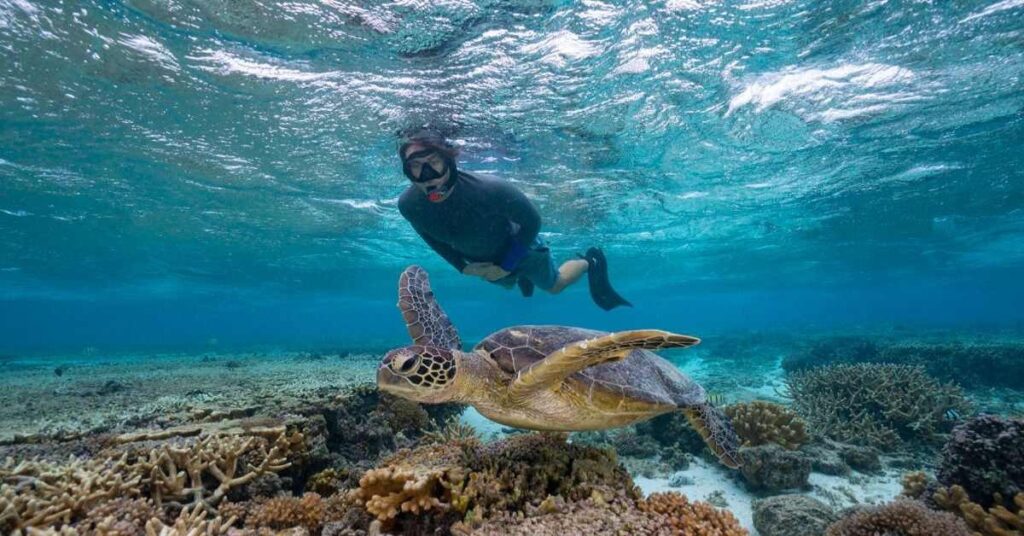
One of the most cool facts about the Pacific Ocean is that it is home to the Great Barrier Reef, the largest coral reef system in the world. Located off the coast of Queensland, Australia, the reef stretches over 1,400 miles.
The Great Barrier Reef supports an extraordinary amount of life. Thousands of species of fish, coral, sharks, rays, turtles, and dolphins call this reef home. It is so important to the planet that it has been recognized as a UNESCO World Heritage Site.
Coral reefs like the Great Barrier Reef are often called the “rainforests of the sea.” They cover less than 1% of the ocean floor but support around 25% of all marine species. This makes them among the most valuable ecosystems on Earth.
Sadly, the Great Barrier Reef faces serious threats. Rising ocean temperatures, ocean acidification, and pollution have caused widespread coral bleaching in recent years. Conservation efforts are now more important than ever to protect this irreplaceable ecosystem.
The Pacific Ocean Is Actually Shrinking
Here is one of the most surprising and cool facts about the Pacific Ocean: it is getting smaller. Every year, the Pacific Ocean shrinks by about one inch.
This happens because of a process called subduction. Tectonic plates beneath the Pacific Ocean are slowly being pushed under the surrounding continental plates. As the ocean floor slides underneath, the Pacific basin gradually becomes smaller.
Meanwhile, the Atlantic Ocean is expanding by roughly the same amount each year. These two oceans are essentially trading places in geological time.
Scientists believe that in about 250 million years, this movement will cause North America and Asia to collide, eventually forming a new supercontinent. The Pacific Ocean, as we know it today, will cease to exist.
It is a humbling reminder that our planet is always changing. The ground beneath our feet, and the ocean beneath the waves, is never truly still.
The Pacific Ocean Controls Global Weather Patterns
The Pacific Ocean plays a massive role in shaping weather patterns around the world. Its sheer size means it absorbs an enormous amount of solar energy. This makes it a major driver of the global climate system.
One of the most well-known weather phenomena linked to the Pacific is El Niño. During an El Niño event, warm water in the central and eastern Pacific heats up more than usual. This shifts rainfall patterns across the globe, causing droughts in some regions and floods in others.
The opposite event, La Niña, brings cooler-than-average ocean temperatures. This can lead to wetter conditions in Australia and Southeast Asia while causing drier weather in South America.
The Pacific also produces some of the world’s most powerful tropical cyclones and hurricanes. Warm ocean water heats the air above it, causing it to rise and create massive rotating storm systems. The Pacific basin generates more tropical storms than any other ocean.
Understanding the Pacific Ocean’s role in climate is crucial for predicting weather, managing agriculture, and preparing for natural disasters.
Why the Pacific Ocean Matters for Conservation
The Pacific Ocean is more than just a body of water. It is a living ecosystem that supports billions of people and millions of species. It produces oxygen, regulates the climate, and provides food for a large portion of the world’s population.
But the Pacific faces serious threats. Climate change, overfishing, plastic pollution, and habitat destruction are all taking a toll. Coral reefs are bleaching. Sea levels are rising. Fish populations are declining.
Conservation efforts are underway across the Pacific. Marine protected areas have been established around Hawaii, the Galapagos Islands, and many Pacific island nations. International agreements aim to reduce plastic waste and regulate fishing.
Every individual action matters too. Reducing plastic use, supporting sustainable seafood, and raising awareness about ocean conservation all help protect this extraordinary ocean.
The Pacific Ocean has existed for hundreds of millions of years. With the right care and attention, it can continue to thrive for millions more.
Conclusion
The Pacific Ocean is truly one of the most extraordinary places on Earth. From its incredible depth and volcanic activity to its breathtaking marine wildlife and pressing conservation challenges, there is no shortage of cool facts about the Pacific Ocean to discover and share.
This vast ocean connects continents, drives our climate, and supports an astonishing diversity of life. It is both awe-inspiring and fragile. The first step toward protecting it is to learn about it.
So next time you look at a world map and see that enormous blue expanse, remember just how alive, active, and essential the Pacific Ocean really is.
Frequently Asked Questions
What are some cool facts about the Pacific Ocean?
Some cool facts about the Pacific Ocean include its massive size, the Mariana Trench which is the deepest point on Earth, and its role in global climate systems. It also contains thousands of islands and supports huge marine biodiversity.
Why is the Pacific Ocean important?
The Pacific Ocean is important because it supports marine life, regulates global weather, and provides food and resources for millions of people worldwide.
How deep is the Pacific Ocean?
The deepest part of the Pacific Ocean is the Mariana Trench. Challenger Deep inside the trench reaches a depth of about 11,000 meters.
What is the number of islands in the Pacific Ocean?
Over 25,000 islands are found in the Pacific Ocean. Many of these islands formed through volcanic activity.
What animals live in the Pacific Ocean?
Many animals live in the Pacific Ocean including whales, sharks, dolphins, sea turtles, coral fish, giant squid, and thousands of other marine species.
