

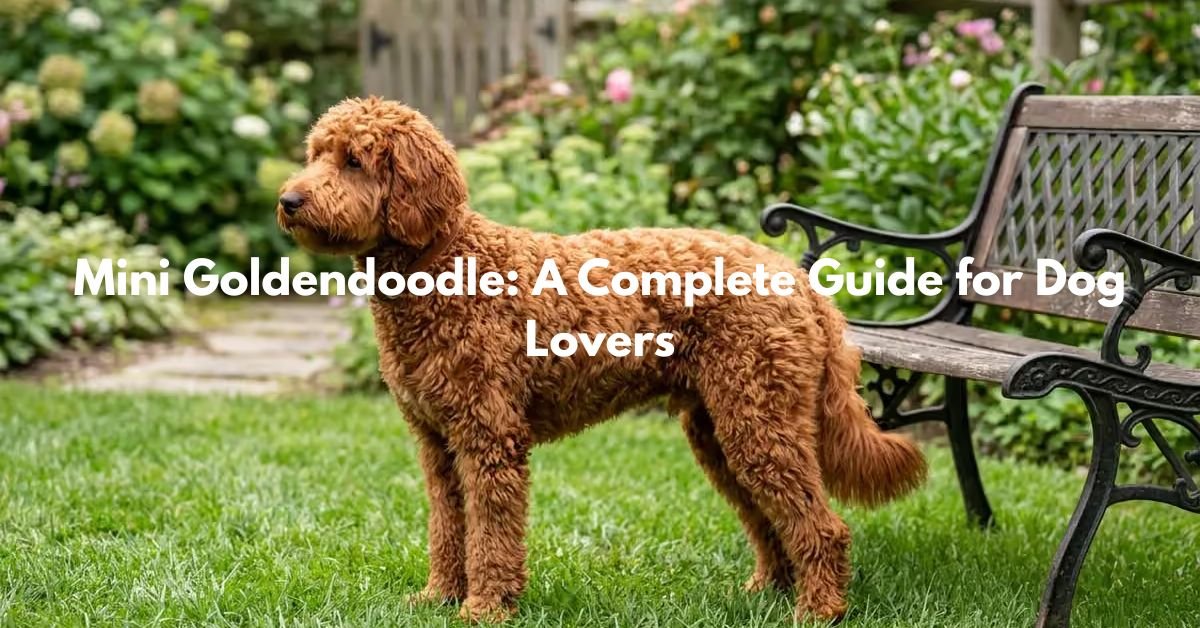
If you want a dog that is friendly, intelligent, playful, and easier to manage than a large dog, the mini golden doodle may catch your attention quickly.
This popular cross combines traits from the Golden Retriever and the Poodle. The result is often a small to medium companion with a loving personality, a soft coat, and a strong desire to spend time with people.
But the cute appearance is only part of the story.
A mini golden doodle needs regular grooming, daily activity, training, social time, and proper health care. Its smaller body does not mean it is a low-energy dog.
Before bringing one home, it helps to understand what life with this type of dog is really like.
This guide explains the Mini Goldendoodle’s size, personality, coat, exercise needs, training, grooming, health, feeding, and suitability for different homes.
What Is a Mini Golden Doodle?
A mini golden doodle is a cross between a Golden Retriever and a smaller Poodle, usually a Miniature Poodle.
The Golden Retriever contributes its friendly, affectionate, and people-focused nature. The Poodle can contribute intelligence, trainability, and a coat that may shed less than a typical Golden Retriever coat.
The exact size also depends on the parents and breeding line. Some Mini Goldendoodles are around 15 to 35 pounds, while some breeding programs report adult dogs closer to 25 to 40 pounds. This shows why future owners should look at the actual parents instead of relying only on the word “mini.”
There are also different generation labels. An F1 Mini Goldendoodle generally comes from a Golden Retriever and Miniature Poodle. An F1B Mini Goldendoodle involves an F1 Goldendoodle crossed back with a Poodle, which can produce a more Poodle-like coat.
| Feature | Mini Goldendoodle |
| Parent breeds | Golden Retriever and Poodle |
| General size | Small to medium |
| Common weight range | About 15 to 40 pounds |
| Coat | Wavy, curly, or fleece-like |
| Personality | Friendly, playful, social |
| Trainability | Usually high |
| Exercise | Daily activity needed |
| Grooming | Regular grooming required |
| Lifespan | Often around 10 to 15 years |
Because there is no single universal size standard for every Mini Goldendoodle, these figures should serve as general guidance rather than exact rules.
Mini Golden Doodle Size and Appearance

One of the biggest reasons people choose a mini golden doodle is its manageable size.
A Mini Goldendoodle can offer some of the appearance and personality people love in a Goldendoodle while taking up less physical space than a Standard Goldendoodle.
However, “mini” does not always mean tiny.
Different breeders use different breeding programs, so adult size can vary. A puppy that looks very small may still grow into a medium-sized adult. Looking at the parents and asking about previous litters can give you a better idea of expected growth.
The appearance can change as the puppy grows. Coat texture and color may become different during adulthood.
This is why choosing a mini golden doodle should be about more than appearance. Temperament, health testing, care needs, and lifestyle fit matter just as much.
Mini Golden Doodle Temperament and Personality

The mini golden doodle is generally known for being affectionate, social, playful, and intelligent.
Its Golden Retriever background can contribute to a friendly and gentle personality. Its Poodle side can add intelligence and alertness.
Many Mini Goldendoodles enjoy staying close to their families. They may follow their owners around the house and look for opportunities to play, interact, or simply relax nearby.
This people-focused nature can make them excellent companions for families and individuals.
However, every dog has its own personality.
Some Mini Goldendoodles may be calm and relaxed. Others can be energetic, excitable, or more sensitive.
They can also become strongly attached to their people. Goldendoodles may develop separation-related problems when they spend too much time alone without proper preparation and mental stimulation.
For this reason, a Mini Goldendoodle is not ideal for someone who expects a dog to remain alone for most of the day.
Is a Mini Golden Doodle Easy to Train?

Yes, a mini golden doodle is generally considered highly trainable.
The best approach is usually positive reinforcement.
Reward good behavior with praise, treats, toys, or play. Avoid harsh punishment because it can create fear and make training harder.
Start with simple skills such as responding to its name, coming when called, sitting, walking calmly on a leash, and learning where to go to the bathroom.
Keep training sessions short.
Socialization is also important. Introduce your puppy gradually to different people, safe environments, sounds, surfaces, and appropriate dogs. Positive experiences can help the puppy become more confident as it grows.
Mental stimulation matters too.
Puzzle toys, scent games, basic obedience, and learning new tricks can give an intelligent Mini Goldendoodle something useful to think about.
Mini Golden Doodle Exercise Needs
A mini golden doodle may be smaller than a Standard Goldendoodle, but it still needs daily exercise.
Many Mini Goldendoodles benefit from around 30 to 60 minutes of daily physical activity, depending on age, health, and individual energy level.
Daily walks are a simple way to provide exercise.
Play sessions can add more activity. Fetch, gentle games, supervised outdoor play, and training games can also help.
Mental exercise is equally useful.
A dog can become bored even when it gets physical activity. Training games, food puzzles, scent activities, and new safe experiences can keep the brain active.
Puppies need special care.
Young dogs are still developing, so owners should avoid forcing them into long or intense exercise sessions. Your veterinarian can help you create an exercise routine that matches the puppy’s age and development.
The goal is not simply to make the dog tired.
The goal is to keep the mini golden doodle physically healthy, mentally engaged, and emotionally balanced.
Mini Golden Doodle Grooming and Coat Care

Grooming is one area that new owners should understand before choosing a mini golden doodle.
Many Mini Goldendoodles have coats that can become tangled or matted if owners do not brush them regularly.
A curly or wavy coat can hold loose hair close to the skin. This means less visible shedding does not mean less grooming.
Regular brushing helps remove loose hair and prevent knots. Professional grooming is also commonly needed every several weeks, depending on the coat and the haircut.
The ears also deserve attention.
Goldendoodles can be prone to ear problems, especially when moisture remains inside the ears. Keeping the ears clean and dry after swimming or bathing can help, while your veterinarian can advise you about safe ear care.
Dental care matters too.
Regular tooth brushing with dog-safe products can help protect oral health. Nail trimming should also become part of the normal routine.
Start grooming habits while the dog is young.
Teaching a mini golden doodle puppy to accept brushing, paw handling, ear checks, and grooming can make future appointments much easier.
Mini Golden Doodle Health and Lifespan
Mini Goldendoodles can be healthy dogs, but they can inherit health concerns associated with their parent breeds.
Some conditions reported in Goldendoodles include hip problems, heart disease, eye conditions, and other inherited disorders.
This does not mean every Mini Goldendoodle will develop these problems.
Genetics, breeding practices, nutrition, exercise, weight, and veterinary care all play important roles in a dog’s health.
A responsible breeder should be willing to discuss health screening performed on the parents. Veterinary sources recommend appropriate testing for conditions that may affect the parent breeds.
Regular veterinary examinations are important throughout the dog’s life.
Watch for changes in appetite, movement, breathing, vision, energy, or behavior. Early veterinary attention can make a major difference when a health problem appears.
Goldendoodles have an average lifespan of around 10 to 15 years, with smaller dogs sometimes living longer than larger dogs.
Good care cannot guarantee a certain lifespan, but healthy weight, balanced nutrition, regular activity, preventive veterinary care, and responsible breeding can support long-term well-being.
What Should a Mini Golden Doodle Eat?

A mini golden doodle needs a complete and balanced diet that matches its age and lifestyle.
Puppies need food designed for growth. Adults need an adult maintenance diet, while senior dogs may have different nutritional needs.
Portion control is important.
Because Mini Goldendoodles are often food motivated, giving too many treats can lead to unwanted weight gain. Extra weight can place more stress on joints and may contribute to other health problems.
Fresh water should always be available.
Treats can be useful during training, but they should not replace balanced meals. PetMD recommends discussing the right food and calorie intake with a veterinarian because nutritional needs can vary between individual dogs.
Avoid suddenly changing your dog’s food.
If you need to change diets, ask your veterinarian about a suitable transition plan. A steady routine can also make it easier to notice changes in appetite or digestion.
A healthy Mini Goldendoodle should maintain an appropriate body condition rather than simply reaching a certain number on a scale.
Is a Mini Golden Doodle Good for Families and Apartments?
A mini golden doodle can adapt well to different homes.
Its smaller size can make it easier to manage than a Standard Goldendoodle. This can be helpful for people living in apartments or smaller houses.
But an apartment does not remove the need for exercise.
A Mini Goldendoodle still needs daily walks, play, training, and interaction. Without enough activity and mental stimulation, boredom may lead to barking, chewing, or other unwanted behaviors.
Families should also teach children how to interact safely with dogs.
Even a friendly dog needs personal space. Young children should always have appropriate adult supervision around pets.
Mini Goldendoodles can also live with other pets, although individual temperament matters. A slow and controlled introduction can make the process easier.
The most important question is not whether you have a large house.
It is whether you have enough time to provide exercise, training, grooming, attention, and veterinary care.
A well-cared-for mini golden doodle can be a wonderful companion in many different living situations.
How to Choose a Healthy Mini Golden Doodle Puppy
Choosing the right puppy requires careful research.
Do not focus only on the puppy’s color, size, or appearance.
Ask the breeder about the health of the parents. Responsible breeders should be able to explain their health testing and breeding practices. Health screening and genetic testing can help identify risks before dogs are bred.
It is also useful to see where the puppies are raised when possible.
Look for clean conditions, healthy adult dogs, and puppies that appear active and appropriately socialized.
Ask about veterinary care, vaccinations, deworming, socialization, and health records.
A responsible breeder should also be willing to answer questions after the puppy goes home.
Be careful with anyone who avoids basic health questions or pressures you to make a fast decision.
The goal is not simply to find a cute mini golden doodle puppy.
The goal is to find a healthy, well-socialized companion from a responsible breeding program.
Are Mini Golden Doodles Hypoallergenic?
The word “hypoallergenic” can create confusion.
A mini golden doodle may shed less than a Golden Retriever, especially when it inherits a more Poodle-like coat. However, no dog can be guaranteed to cause zero allergic reactions.
Dog allergies can involve proteins found in a dog’s skin flakes, saliva, and other materials, not simply visible hair.
This means a person with allergies may still react to a Mini Goldendoodle.
If allergies are a concern, spend time around adult Mini Goldendoodles before bringing one home. This can give you a better idea of how your body responds.
A lower-shedding coat can also require more grooming.
So there is an important trade-off to understand. Less visible hair around the home does not necessarily mean less maintenance.
Mini Golden Doodle: Is This Dog Right for You?

A mini golden doodle can be a great match for someone who wants an affectionate and intelligent companion in a smaller package.
It can suit families, couples, individuals, and some apartment households.
However, it is not a maintenance-free dog.
You need to provide regular grooming, daily exercise, training, social interaction, balanced nutrition, and veterinary care.
The breed’s friendly nature is one of its biggest attractions. Its intelligence can make training enjoyable. Its smaller size can also make everyday handling easier.
At the same time, its need for companionship means it may not suit someone who is away from home for very long periods.
Before choosing a puppy, think about your daily schedule.
Consider how much time you can realistically give to exercise, grooming, training, and social interaction.
A dog should fit your lifestyle, not simply your wish list.
Frequently Asked Questions About Mini Golden Doodle
How big does a Mini Golden Doodle get?
A Mini Goldendoodle does not have one universal adult size. Many are around 15 to 35 pounds, while some breeding programs report adults around 25 to 40 pounds. The size of the parents and the breeding line can make a significant difference.
Is a Mini Golden Doodle easy to train?
Yes, Mini Goldendoodles are generally intelligent and eager to please. They often respond well to positive reinforcement training. Starting early and keeping sessions short, consistent, and enjoyable can help build good habits.
Do Mini Golden Doodles shed?
Some Mini Goldendoodles shed very little, while others shed more. Their coat depends on genetics and can range from wavy to curly. A low-shedding coat should not be confused with a completely non-shedding or allergy-free dog.
How much exercise does a Mini Golden Doodle need?
Many Mini Goldendoodles need around 30 to 60 minutes of daily exercise, along with mental stimulation. Age, health, and individual energy level should also guide the routine.
Are Mini Golden Doodles good family dogs?
They can be excellent family companions because they are often friendly, social, playful, and affectionate. However, each dog has its own temperament, and children should always learn how to interact safely with pets.
Conclusion
The mini golden doodle has become popular for good reasons.
It can combine the affectionate nature of the Golden Retriever with the intelligence and potentially lower-shedding coat of the Poodle.
Its manageable size can also make it appealing to people who want a companion that is easier to handle than a large dog.
But the breed still needs real commitment.
Regular grooming, daily exercise, early training, socialization, balanced nutrition, and veterinary care all play important roles in keeping a Mini Goldendoodle healthy and happy.
If you are considering bringing one home, look beyond the cute face.
Research the parents, ask about health testing, understand the grooming commitment, and make sure the dog’s needs fit your daily routine.
With the right care and a responsible start, a mini golden doodle can become a loving and enjoyable member of the family for many years.
