

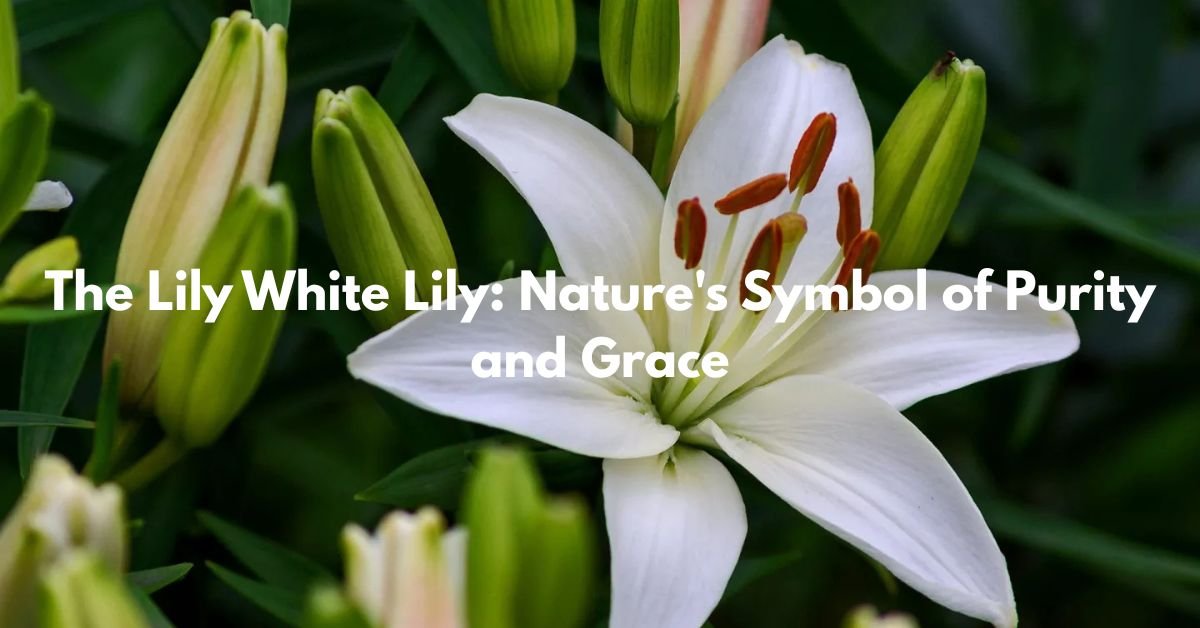
Few flowers capture attention the way a lily white lily does. Its bright white petals seem to glow in a garden bed. Its trumpet shape stands tall above other plants. People have grown this flower for thousands of years, and it still charms gardeners today.
This flower carries a strange kind of double life. On one hand, it represents peace, love, and new beginnings. On the other hand, it hides a serious danger for one common house pet. That mix of beauty and risk makes the white lily worth understanding fully.
In this guide, we will explore what makes a lily white lily unique. We will look at its many types, its deep symbolism, and its role in nature. We will also cover an important safety topic for animal lovers. By the end, you will know everything you need about this timeless bloom.
What Is a Lily White Lily?
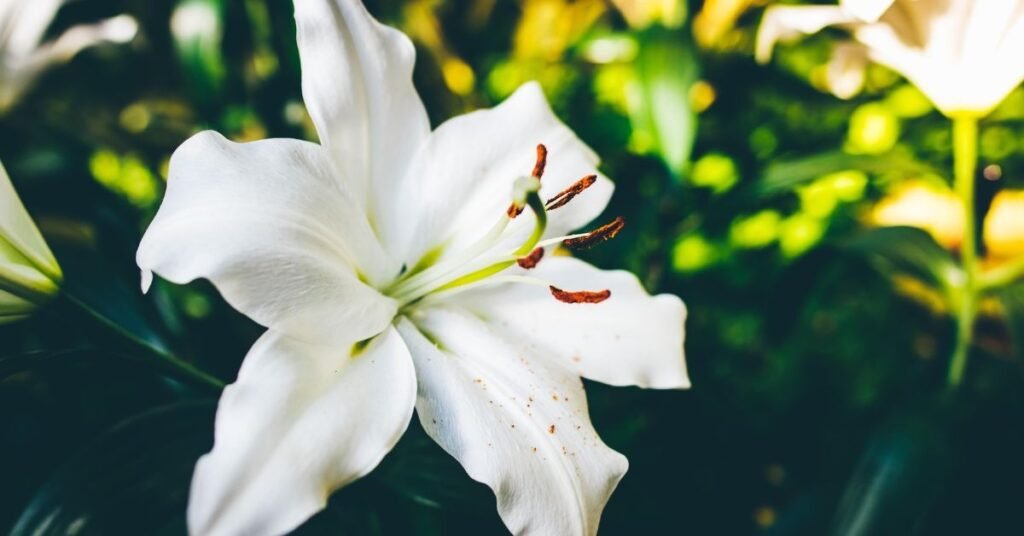
A lily white lily belongs to the Lilium plant family. Most true lilies grow from a bulb buried underground. Each spring, a single tall stem rises from that bulb. Large, trumpet-shaped flowers bloom at the top of the stem.
The white variety stands out because of its pure, clean color. Some types show a faint yellow center. Others have soft cream edges along each petal. The overall look stays bright and elegant either way.
These flowers usually bloom during late spring or early summer. Many gardeners plant them near patios or walkways. The strong, sweet scent fills the air on warm evenings. This makes the lily white lily a favorite for outdoor spaces and cut flower arrangements.
Wild lily species still grow across parts of Europe, Asia, and North America. Over centuries, breeders have created many garden versions from these wild plants. Today, hundreds of lily varieties exist, and many carry the classic white color.
Types of White Lily Flowers You Should Know
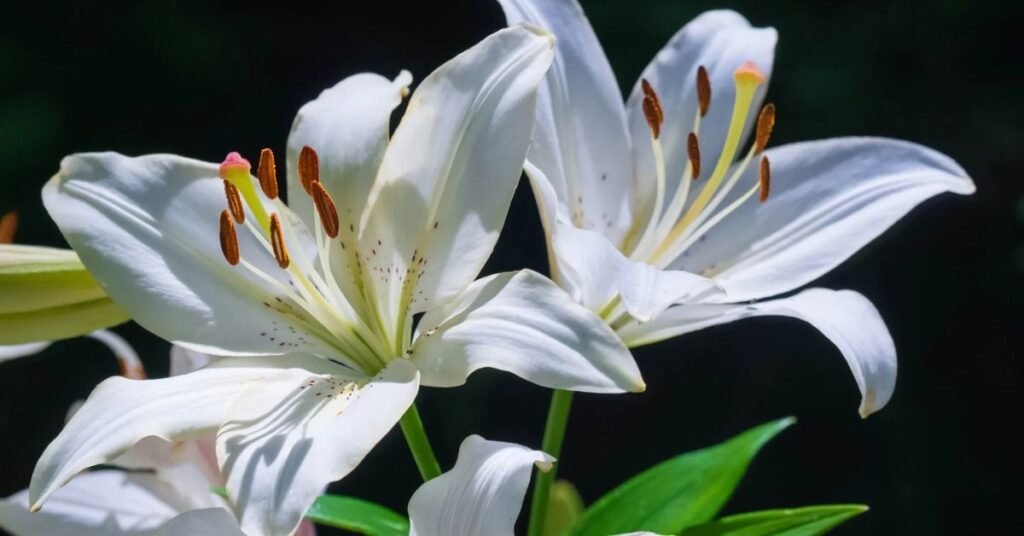
Not every white lily looks the same. Several distinct types exist, each with its own shape and growing habit. Knowing these differences helps gardeners pick the right plant for their space.
The Madonna lily stands as one of the oldest cultivated types. It produces outward-facing blooms with a strong, sweet fragrance. Many people connect this flower to religious art and old European gardens.
The Easter lily blooms with large trumpet-shaped flowers. Growers often time these plants to bloom around the Easter holiday. Their fragrance fills a room quickly, so many people keep just one or two stems indoors.
The Casablanca lily produces some of the biggest blooms in the lily family. Its wide, bowl-shaped petals curve outward gently. This type works well in bouquets because it lasts a long time after cutting.
Asiatic lilies bring a simpler look with less scent. Gardeners like them because they grow easily and spread well over time. Trumpet lilies, meanwhile, grow tall and produce narrow, elegant blooms that flare open at the tip.
White Lily Types at a Glance
| Lily Type | Bloom Shape | Fragrance Level | Common Use |
| Madonna Lily | Outward trumpet | Strong | Gardens, religious displays |
| Easter Lily | Large trumpet | Strong | Holiday decor, indoor pots |
| Casablanca Lily | Wide bowl shape | Strong | Cut flower bouquets |
| Asiatic Lily | Star shaped | Mild to none | Garden beds, borders |
| Trumpet Lily | Narrow trumpet | Strong | Tall garden displays |
What Does a Lily White Lily Symbolize?
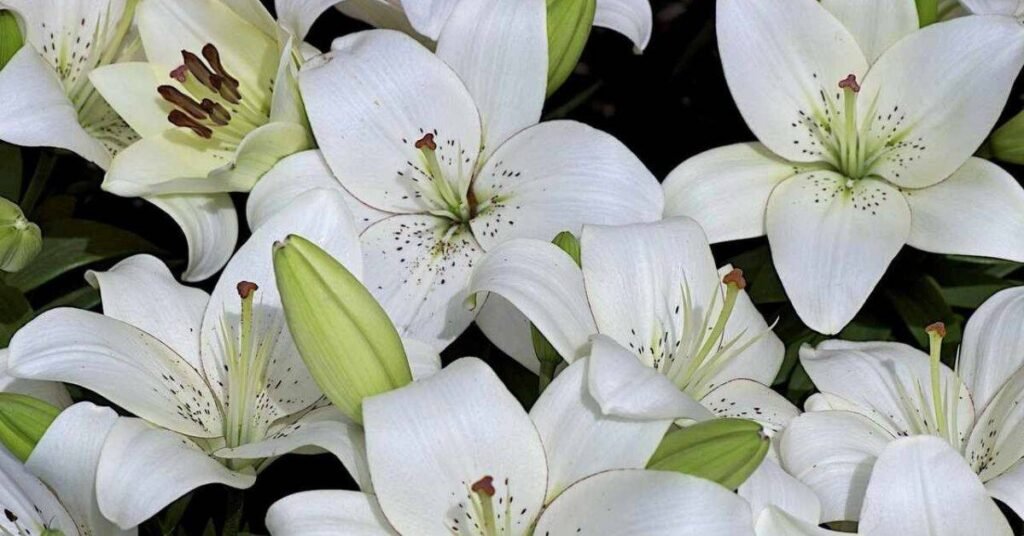
Color often shapes how people read a flower’s meaning, and white carries a message of its own. Across many cultures, the color white stands for purity and honesty. This is one reason white lilies appear so often at weddings.
In Christian tradition, people link the white lily to the Virgin Mary. Artists have painted her holding this flower for centuries. The bloom represents her grace, virtue, and quiet strength in these old paintings.
Ancient Greek stories connect the flower to Hera, the goddess of women and childbirth. Legend says the flower grew from drops of her milk. This story ties the lily white lily to motherhood and new life.
Funerals also use white lilies often. In this setting, the flower represents peace for someone who has passed away. It offers comfort to grieving families rather than sorrow. This dual role, joyful at weddings and calm at funerals, gives the flower a rare emotional range.
Modern florists still lean on these old meanings. A bouquet of white lilies can mark a wedding, a new baby, or a quiet goodbye. Few flowers carry such flexible symbolism across so many life events.
Traditional and Herbal Uses of the White Lily
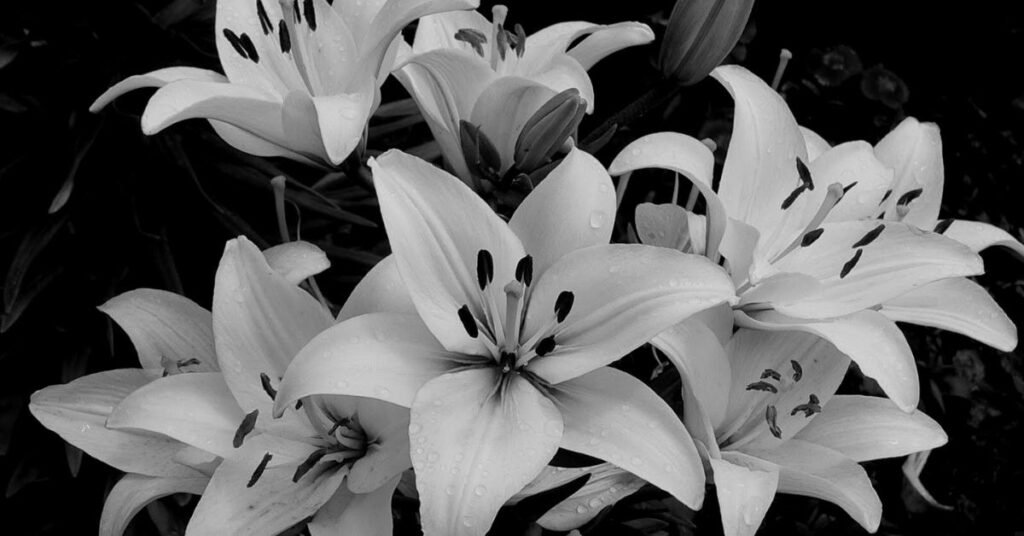
Long before modern medicine, people turned to plants for healing. The white lily played a role in many old folk remedies across Europe and Asia. Healers dried the petals and bulbs for later use.
Traditional practitioners applied crushed lily petals to minor burns and cuts. They believed the plant helped calm swelling and speed up healing. Some also mixed the flower with honey to soothe sore skin.
In parts of Asia, cooks use lily bulbs in soups and desserts. The bulb has a mild, slightly sweet taste. It also contains starch, which gives soups a smooth, thick texture.
It is worth noting that modern science has not fully confirmed these old health claims. Most studies on the plant remain limited or based on tradition rather than strong clinical trials. Anyone considering herbal use of any lily species should speak with a qualified professional first, since dosing and safety data remain unclear.
This mix of old wisdom and modern caution reflects how many traditional plants are viewed today. The stories are rich, but the science still has catching up to do.
Is the Lily White Lily Safe for Pets and Wildlife?
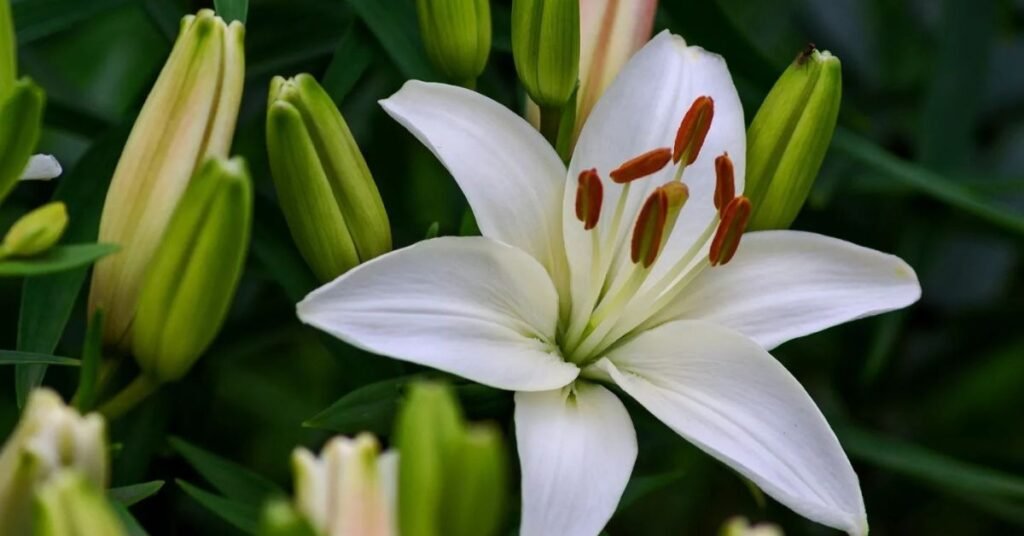
This section matters more than any other on this list. The white lily looks harmless, but it hides real danger for one animal in particular. Cat owners need to read this section closely.
True lilies, including many white varieties, are extremely toxic to cats. Every part of the plant carries this risk. This includes the petals, leaves, stem, pollen, and even the water inside a vase.
A cat does not need to eat much of the plant to get sick. Even a few pollen grains licked off fur during grooming can trigger serious harm. Within hours, a cat may stop eating, start drooling, or begin vomiting. Without fast treatment, this can lead to kidney failure within a few days.
Dogs face a smaller risk from this plant. They may develop an upset stomach after eating lily parts, but severe organ damage is rare in dogs. Cats remain the animal most at risk from this flower.
For wild animals, the picture looks different. There is little evidence that white lilies pose the same threat to birds, deer, or other wildlife that may brush past garden plants. Still, caution makes sense around any curious animal.
If a cat shows signs of illness after contact with a lily, contact a vet immediately. Fast action can save the animal’s life. The safest choice remains keeping true lilies out of homes and yards where cats live.
How to Grow and Care for White Lily Flowers
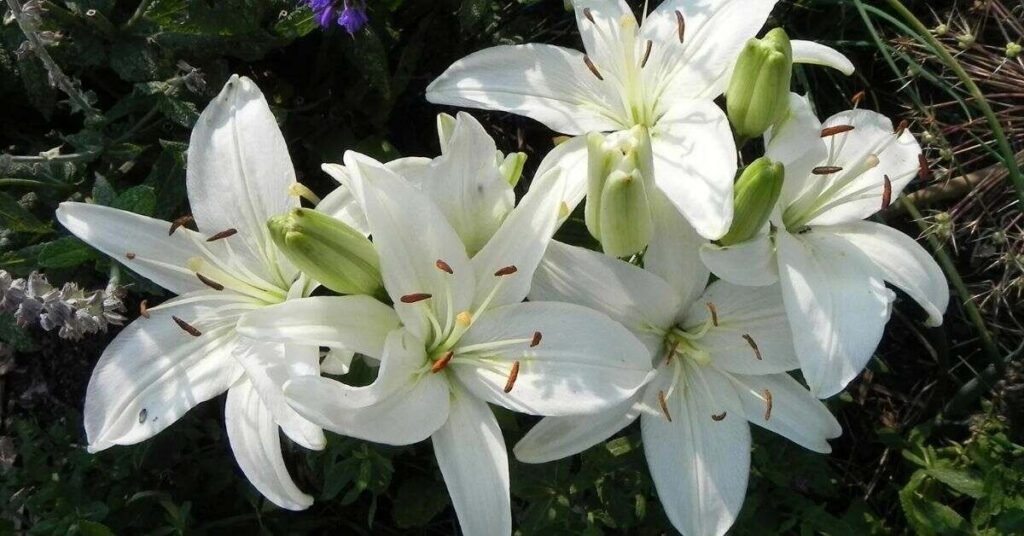
Growing a healthy lily white lily does not require special skills. These plants reward simple, steady care with strong blooms year after year.
Start with well-draining soil. Lily bulbs dislike sitting in wet ground for long periods. Standing water can cause the bulb to rot before it ever produces a flower.
Plant bulbs in a spot with full sun or light afternoon shade. Most lily types need around six hours of sunlight each day. In hotter regions, a little afternoon shade helps protect the blooms from wilting too fast.
Water the plant regularly, but avoid soaking the soil. A deep watering once or twice a week usually works well during dry spells. Mulch around the base helps hold moisture and keeps the roots cool.
Once flowers fade, gardeners often trim off the spent bloom. This step redirects the plant’s energy back into the bulb rather than seed production. The bulb then stores strength for next year’s bloom cycle.
In cooler climates, some lily bulbs need protection through winter. A layer of mulch over the planting site can shield the bulb from hard frost. With this small effort, a lily white lily can bloom reliably for many seasons.
The Lily White Lily in Gardens and Local Ecosystems
Beyond home gardens, white lilies play a small but real role in local wildlife activity. Their strong scent and open blooms attract pollinators looking for nectar.
Bees visit lily flowers often, drawn by the sweet fragrance and wide landing surface. Butterflies and moths also stop by, especially during evening hours when the scent grows stronger. This makes the plant a useful addition for anyone hoping to support local pollinators.
Hummingbirds sometimes visit larger trumpet-shaped lily blooms as well. The deep flower shape suits their long beaks perfectly. A garden bed filled with white lilies can quietly support a small web of local wildlife activity.
Gardeners who care about conservation often choose native or well-adapted lily varieties. These plants tend to need fewer chemical treatments and support local insect life better than heavily bred hybrids. Choosing responsibly sourced bulbs also helps protect wild lily populations from overharvesting.
This connection between a simple garden flower and the wider ecosystem shows how even small planting choices matter. A single lily bed can quietly support bees, moths, and other creatures throughout the blooming season.
Conclusion
The lily white lily proves that a single flower can hold many stories at once.
At the same time, this flower carries a real risk for curious cats. Anyone who loves both plants and animals should keep this balance in mind. Enjoy the beauty of the white lily, but place it thoughtfully where pets cannot reach it.
With the right care, a lily white lily can bring years of blooms, rich symbolism, and quiet support for local wildlife, all from one graceful plant.
Frequently Asked Questions
Is a lily white lily the same as a peace lily?
No. A peace lily belongs to a different plant family called Spathiphyllum. True white lilies belong to the Lilium genus and have a different bloom shape and toxicity profile.
How long does a white lily bloom last?
Most white lily flowers stay open for about one to two weeks per bloom. A single stem often carries several buds, so the overall bloom period can last several weeks.
Can I keep a lily white lily indoors if I own a cat?
This is not recommended. Every part of the true lily is toxic to cats, including the pollen. It is safer to choose a non-toxic houseplant if a cat lives in the home.
Do white lilies need full sun to grow well?
Most varieties need close to six hours of sunlight each day. In very hot climates, light afternoon shade can help protect the blooms from wilting.
What does a white lily symbolize at a wedding?
At weddings, the white lily represents purity, honest love, and a fresh start. This is why florists include it so often in bridal bouquets.
