

When most people go to sleep, another world begins to wake up. Forests become louder. Deserts become busier. Oceans become more active. Many creatures wait for sunset before they begin their day.
These animals that awake at night are called nocturnal animals. They have adapted to life in the dark over millions of years. Some hunt for food. Others avoid predators. Many simply find the cooler temperatures more comfortable.
Scientists estimate that a large number of mammals are active mainly at night. Their unique behaviors make them some of the most fascinating creatures on Earth. From silent owls to flying bats, animals that awake at night play an important role in nature.
In this guide, you will discover why these animals prefer darkness, how they survive, and which species are among the best-known nighttime creatures.
Why Animals That Awake at Night Prefer Darkness
Animals that awake at night have many reasons for choosing the nighttime hours. For some species, darkness provides safety. Predators often have a harder time finding them. Other animals use the night to hunt when their prey is active.
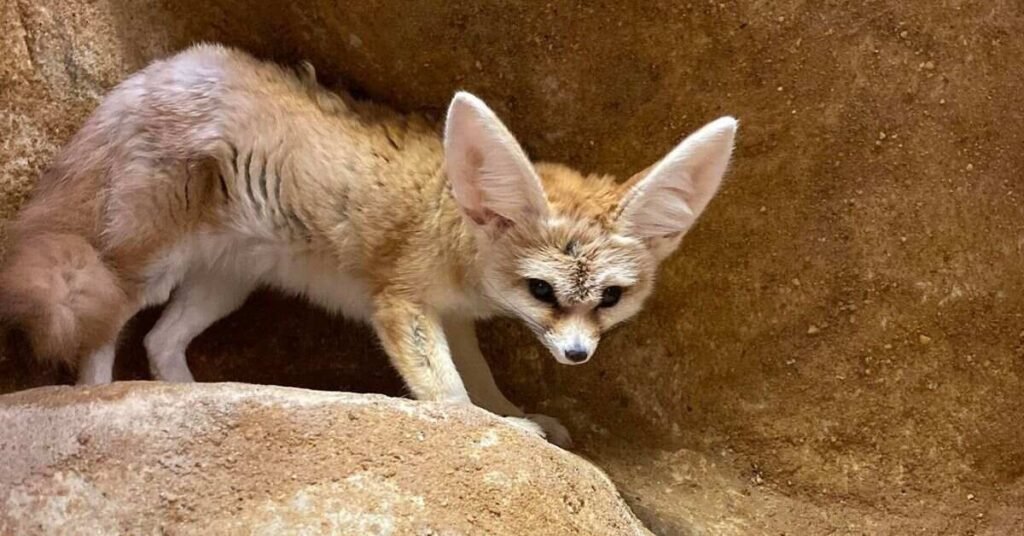
Temperature is another important reason. In hot places like deserts, daytime heat can be dangerous. Animals such as fennec foxes remain in their shelters during the day and become active when temperatures drop.
Competition also plays a role. By staying awake at night, animals can avoid competing with daytime species for food and space. This allows different animals to share the same habitat peacefully.
Many nocturnal creatures have special adaptations. They often have large eyes, sensitive ears, and a strong sense of smell. These features help them move, hunt, and communicate in low light.
Nature has created an impressive balance between animals active during the day and animals that awake at night. This balance helps ecosystems remain healthy and diverse.
| Reason for Night Activity | Benefit |
| Avoid predators | Increased safety |
| Cooler temperatures | Better survival in hot regions |
| Easier hunting | Access to active prey |
| Less competition | More food and space |
| Better camouflage | Harder to detect in darkness |
Common Animals That Awake at Night Around the World
Many famous species belong to the group of animals that awake at night. Some live in forests, while others survive in deserts, grasslands, and cities.
Owls
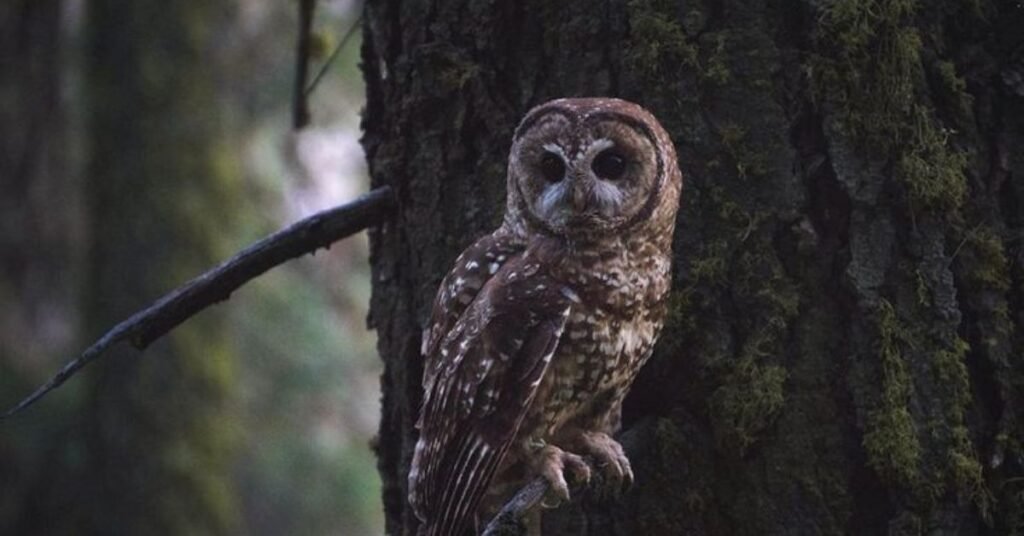
Owls are perhaps the most recognized nocturnal birds. Their excellent hearing allows them to locate prey hidden beneath leaves or snow. Their silent flight makes them skilled hunters.
Bats
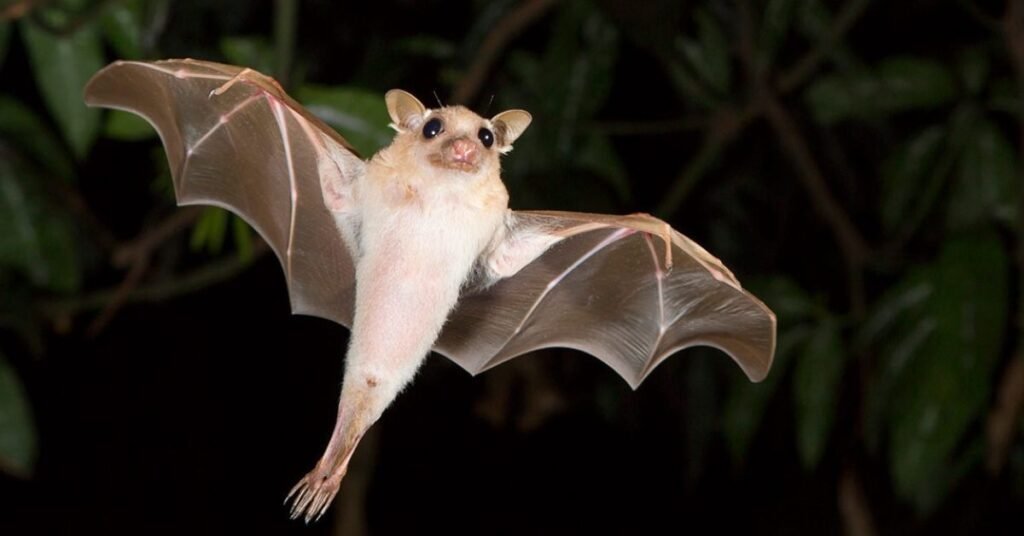
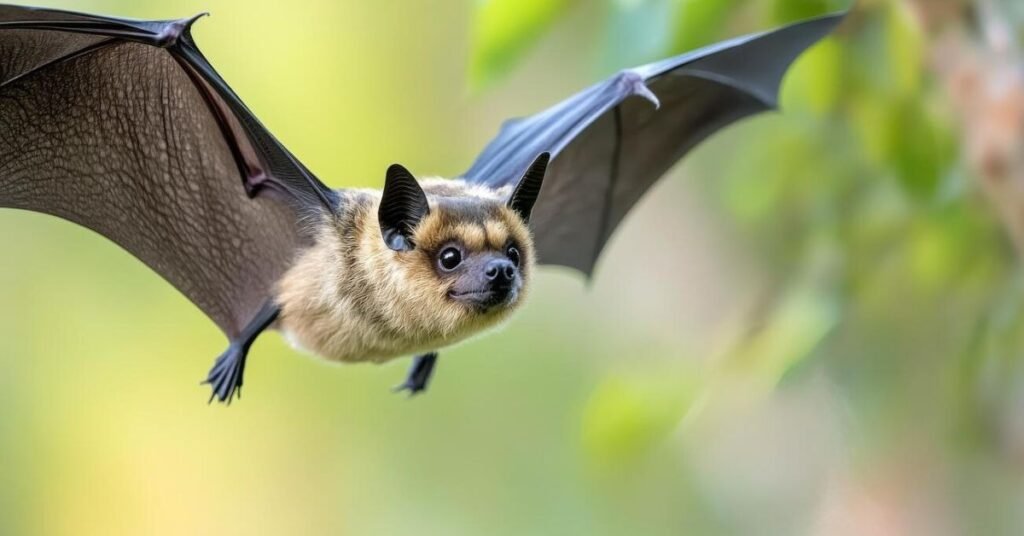
Bats are another well-known example. They use echolocation, which means they send out sound waves and listen for echoes. This helps them fly and catch insects even in complete darkness.
Raccoons
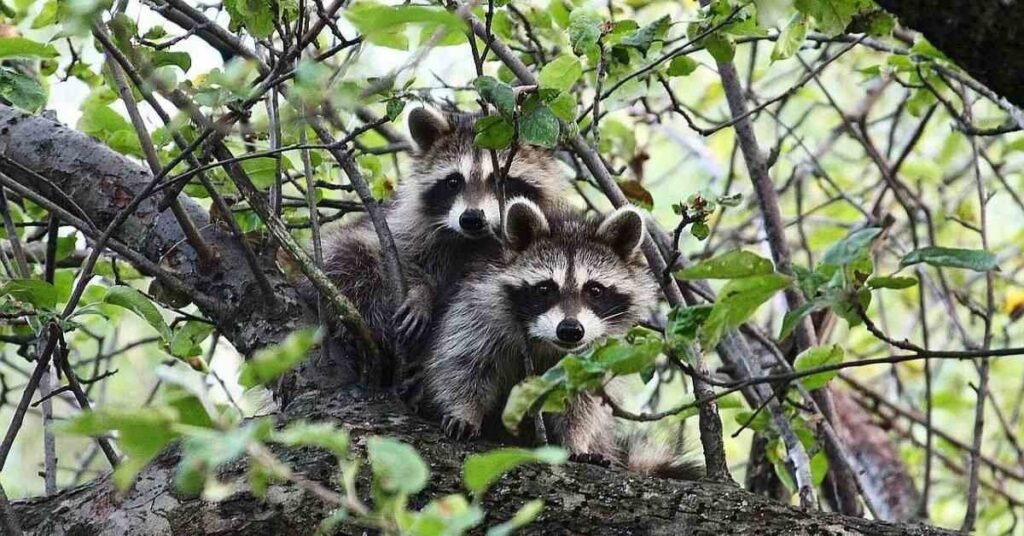
Raccoons have become common visitors in many towns and cities. Their clever nature allows them to find food almost anywhere. Hedgehogs, foxes, opossums, and pangolins are also active after sunset.
Some animals that awake at night are less familiar. The aye aye from Madagascar has long fingers that help it pull insects from tree bark. The kinkajou of Central and South America spends much of its life climbing through trees after dark.
These nighttime animals show how diverse nocturnal life can be across the world.
| Animal | Main Habitat | Special Ability |
| Owl | Forests | Silent flight |
| Bat | Worldwide | Echolocation |
| Raccoon | Forests and cities | Problem solving |
| Fennec Fox | Deserts | Large ears for cooling |
| Pangolin | Forests | Protective scales |
| Aye Aye | Madagascar | Long fingers for feeding |
How Animals That Awake at Night Survive in the Dark
Life at night is not easy. Animals that awake at night must find food, avoid danger, and move safely in darkness. Over time, they have developed amazing features to help them survive.
Large eyes are one of the most common adaptations. Bigger eyes collect more light, making it easier to see. Owls have eyes so large that they cannot move them inside their sockets. Instead, they turn their heads to look around.
Many nocturnal animals also have excellent hearing. A barn owl can hear tiny movements made by mice from a distance. Bats depend heavily on sound rather than sight.
Smell is equally important. Foxes, raccoons, and many mammals use their noses to locate food. Some can detect scents that are several hours old.
Camouflage helps as well. Dark fur or feathers allow animals to blend into shadows. Quiet movement gives hunters another advantage.
These adaptations show that animals that awake at night are perfectly designed for their environment. Every feature helps them survive another evening in the wild.
Amazing Nocturnal Mammals You Should Know
Mammals make up a large part of the animals that awake at night. In fact, many researchers believe most mammal species show at least some nocturnal behavior.
The bat is one of the most successful nocturnal mammals. More than 1,400 bat species exist around the world. They help control insect populations and pollinate plants.
The fennec fox is another remarkable species. It lives in North Africa and survives extreme desert conditions. Its large ears release body heat and help it hear prey moving underground.
The Tasmanian devil from Australia becomes active after sunset. Despite its small size, it has one of the strongest bites relative to body size among mammals.
Hedgehogs spend their nights searching for insects and worms. They curl into a ball when threatened. Meanwhile, the slow loris moves carefully through trees in Southeast Asia.
Many of these animals remain hidden from people for most of their lives. Their nighttime habits make them difficult to study, which adds to their mystery and appeal.
You may also enjoy reading about endangered mammals, forest wildlife, and desert animals to learn more about their habitats and conservation needs.
Birds and Reptiles That Awake at Night
Although mammals dominate the night, many birds and reptiles are also active after sunset.
Owls are the kings of nighttime birds. More than 200 owl species live across the globe. Their feathers reduce sound during flight, allowing them to approach prey without being noticed.
Nightjars are another group of birds that come alive after dark. They feed mainly on insects and use excellent camouflage during the day.
Some reptiles also belong among the animals that awake at night. Geckos are active in warm climates and use sticky feet to climb walls and trees. Certain snakes hunt at night to avoid daytime heat.
Crocodiles often become more active during evening hours. Their eyes reflect light, creating a glowing appearance when viewed with a flashlight.
Sea turtles provide another interesting example. Female turtles usually come ashore at night to lay eggs. The darkness helps protect them from predators and human disturbance.
These species prove that nocturnal behavior is not limited to one group of animals. Birds, reptiles, and even marine life have found ways to thrive after sunset.
The Importance of Animals That Awake at Night
Animals that awake at night are essential for healthy ecosystems. Without them, many environments would struggle to function properly.
Bats eat millions of insects every night. This helps farmers protect crops naturally. Some bats also pollinate flowers and spread seeds across large areas.
Owls help control rodent populations. Without these birds, mice and rats could multiply quickly and damage food supplies.
Scavengers like opossums and Tasmanian devils help clean the environment by eating dead animals. This reduces the spread of disease.
Nocturnal pollinators are equally important. Moths visit flowers at night and support plant reproduction. Many plants depend on nighttime visitors to survive.
Scientists continue to study animals that awake at night because they provide valuable information about ecosystem health. A decline in nocturnal wildlife can be an early warning sign that habitats are changing.
Protecting these species means protecting forests, deserts, wetlands, and other natural environments that support life across the planet.
Threats Facing Animals That Awake at Night
Despite their impressive adaptations, many animals that awake at night face serious challenges today.
Habitat loss remains the biggest threat. Forests are cleared for farming, roads, and cities.
Light pollution is another growing problem. Bright lights from buildings and streets can confuse nocturnal animals. Birds may lose their sense of direction, while bats may avoid areas that were once suitable habitats.
Climate change also affects nighttime species. Rising temperatures are changing animal behavior in many regions. Some species now spend even more time active at night to escape daytime heat.
Illegal hunting continues to threaten certain animals.
Conservation groups around the globe are working to protect these species. Wildlife reserves, education programs, and habitat restoration projects are making a difference.
Every person can help by supporting conservation efforts and respecting wildlife habitats. Small actions today can protect animals that awake at night for future generations.
Interesting Facts About Animals That Awake at Night
The world of nocturnal wildlife is full of surprises.
Some bats can eat thousands of insects in a single night. The aye aye uses its long middle finger like a tool to find food.
Many nocturnal animals have reflective eyes. This is why their eyes appear to glow when light shines on them. Certain species can even communicate through sounds humans cannot hear.
Scientists have discovered that some animals change their activity patterns depending on weather, moonlight, and human activity. Nature is constantly adapting.
These fascinating details remind us that animals that awake at night are among the most unique creatures on Earth. Their hidden lives continue to inspire researchers, photographers, and wildlife lovers everywhere.
Conclusion
Animals that awake at night reveal a side of nature that many people never see. While humans rest, these creatures hunt, explore, communicate, and survive beneath the stars.
From owls and bats to pangolins and fennec foxes, each species has developed remarkable ways to thrive in darkness. Their role in ecosystems is vital, helping control pests, spread seeds, and maintain balance in the natural world.
Learning about animals that awake at night helps us better understand wildlife and the importance of conservation. The next time the sun sets, remember that countless creatures are just beginning their day.
Frequently Asked Questions
What are animals that awake at night called?
Animals that awake at night are called nocturnal animals. They sleep during the day and become active after sunset.
Why are some animals awake at night?
Many animals stay awake at night to avoid predators, find food, escape heat, and reduce competition with daytime species.
Which animal is the most famous nocturnal animal?
Owls are often considered the most famous nocturnal animals because of their silent flight and excellent night vision.
Do nocturnal animals see in complete darkness?
No. Most nocturnal animals still need some light. However, they have large eyes and other adaptations that help them see better than humans in low-light conditions.
Are bats dangerous to humans?
Most bats are harmless and avoid people. They play an important role in controlling insects and supporting healthy ecosystems.
