

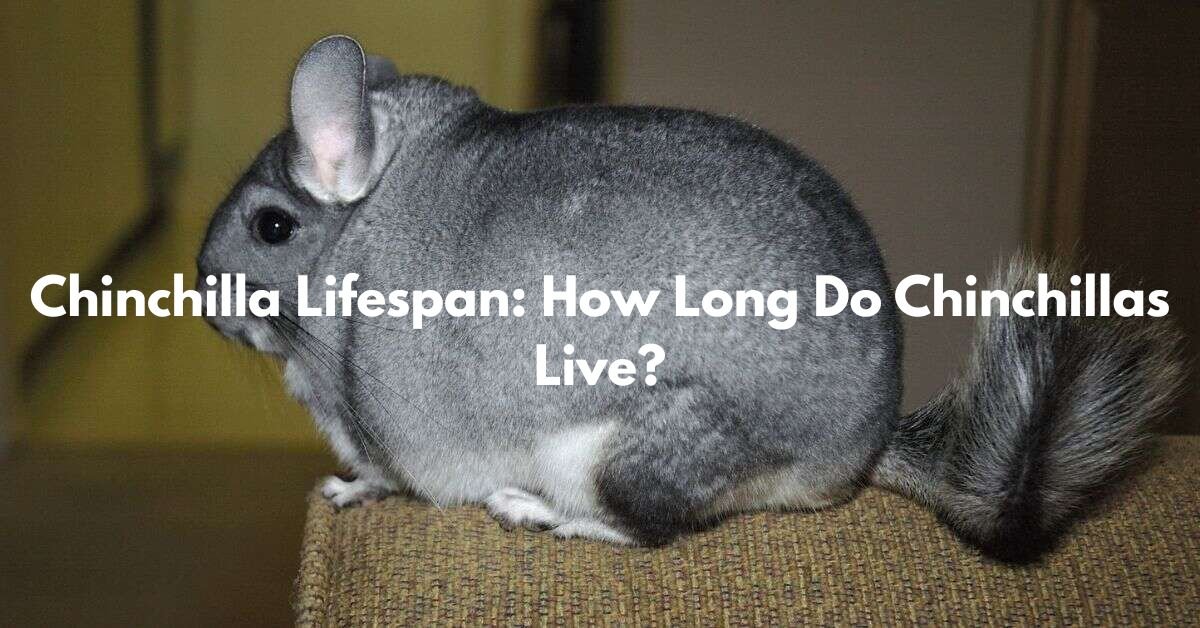
Chinchillas are among the most fascinating small animals in the world. They are known for their soft fur, playful nature, and gentle personality. Many people choose them as pets because they are intelligent and can form strong bonds with their owners.
What is the average chinchilla lifespan?
The answer surprises many people. Unlike many small pets, chinchillas can live for a very long time. With proper care, a pet chinchilla may stay with your family for more than a decade. Some even live beyond 20 years.
Understanding chinchilla lifespan is important before bringing one home. Their lifespan depends on diet, housing, exercise, genetics, and veterinary care. Small changes in daily care can make a big difference over the years.
You will learn how long chinchillas live in the wild, what affects their longevity, and how to help your furry friend enjoy a happy and healthy life.
What Is the Average Chinchilla Lifespan?
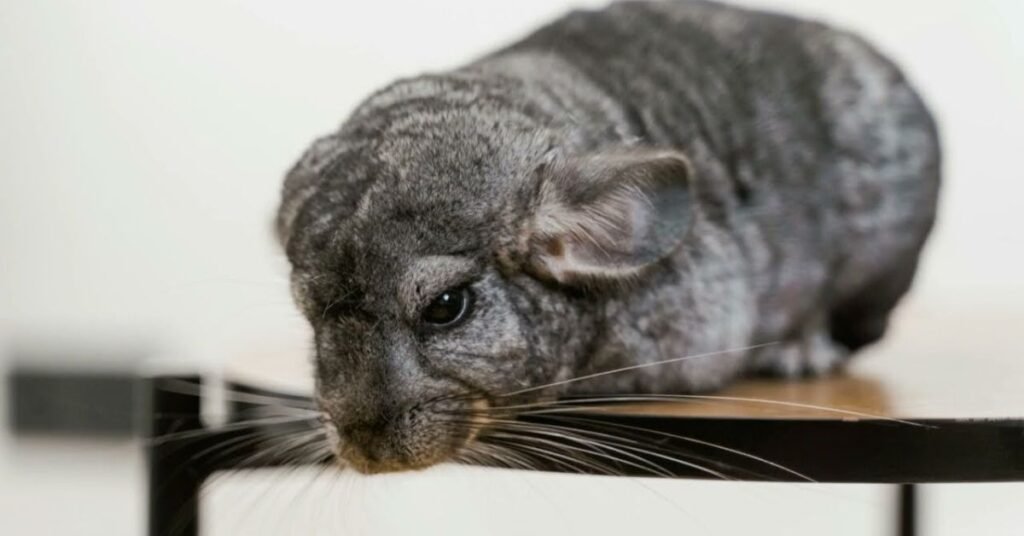
The average chinchilla lifespan varies depending on where the animal lives.
Wild chinchillas face many challenges. They must avoid predators, search for food, and survive harsh weather in the Andes Mountains of South America. Because of these conditions, wild chinchillas often live for around 6 to 10 years.
Pet chinchillas enjoy a much safer life. As a result, the average chinchilla lifespan in captivity is between 10 and 20 years. Many pet owners report their chinchillas living for 15 years or longer.
The oldest recorded chinchilla lived for more than 29 years. While this is rare, it shows how much proper care can affect chinchilla lifespan.
| Chinchilla Type | Average Lifespan |
| Wild Chinchilla | 6 to 10 years |
| Pet Chinchilla | 10 to 20 years |
| Exceptional Cases | 20 to 29+ years |
If you are considering adopting one, remember that a chinchilla is a long-term commitment. Their lifespan is closer to that of a cat than many other rodents.
Why Is Chinchilla Lifespan So Long?
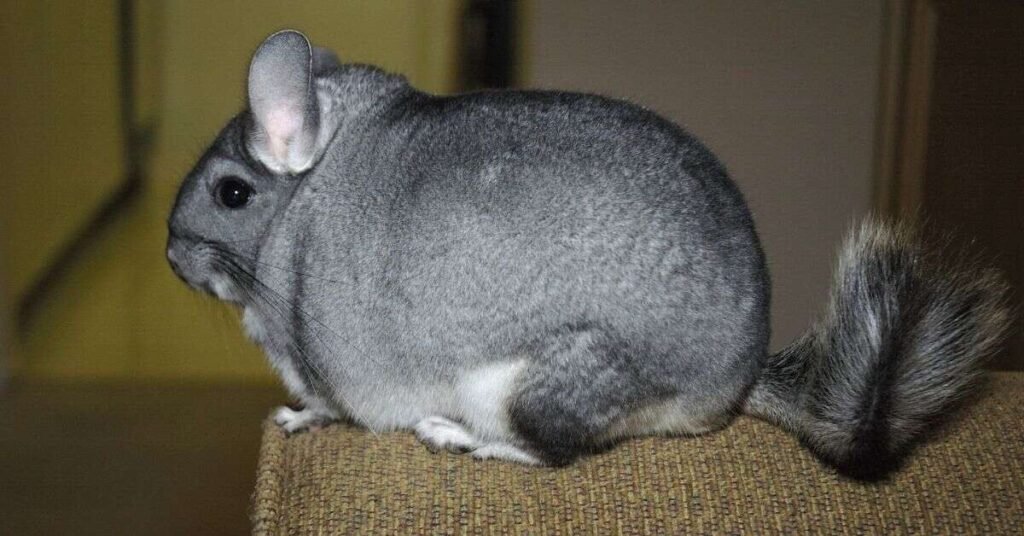
One reason is their natural biology. Chinchillas developed in the mountains of South America. They adapted to tough environments over thousands of years. Their bodies are strong and efficient.
Another reason is their slow growth. Animals that mature slowly often live longer. Chinchillas reach adulthood at a slower pace compared to many small pets.
Their diet also plays an important role. Chinchillas eat a high-fiber diet made mostly of grasses and hay. This helps maintain healthy digestion and supports their continuously growing teeth.
Modern pet care has increased chinchilla lifespan even more. Owners now understand the importance of temperature control, proper nutrition, and routine checkups.
Pet chinchillas also avoid many dangers found in nature. They do not have to worry about predators, food shortages, or extreme weather conditions.
All of these factors work together to make chinchillas one of the longest-living rodents in the world. This is why many wildlife lovers consider them excellent companions for people willing to invest time and care.
You can learn more about their needs through our chinchilla care guide and pet rodent facts resources.
Factors That Affect Chinchilla Lifespan
Several factors influence chinchilla lifespan. Understanding them can help your pet live a longer and healthier life.
Diet and Nutrition
Hay should be the main part of a chinchilla’s diet. Pellets can be given in small amounts.
Sugary treats should remain rare. Too much sugar or fat may lead to obesity and digestive issues.
Housing Conditions
Chinchillas need spacious cages with room to climb and jump. They enjoy shelves, ramps, and hiding spots.
Their environment should remain cool. Temperatures above 80°F can cause heat stress, which may become dangerous.
Exercise
Daily activity supports a healthy chinchilla lifespan. Exercise helps maintain a healthy weight and keeps your pet mentally active.
Veterinary Care
Annual checkups help identify problems early. Dental issues, digestive problems, and infections are easier to treat when discovered quickly.
Genetics
Some chinchillas naturally live longer than others. Good breeding practices often improve overall health.
| Factor | Impact on Chinchilla Lifespan |
| Healthy Diet | Very High |
| Exercise | High |
| Cool Environment | High |
| Veterinary Care | High |
| Genetics | Moderate |
| Stress Levels | Moderate |
Paying attention to these factors can add many healthy years to your pet’s life.
How to Increase Chinchilla Lifespan
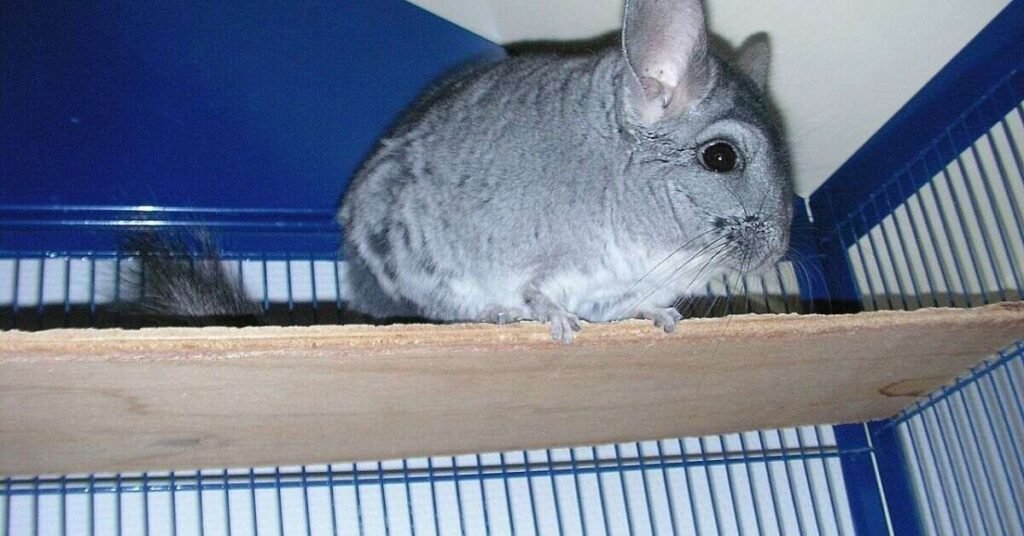
If you want to maximize chinchilla lifespan, focus on daily habits.
Always provide unlimited fresh hay. Hay supports digestion and prevents dental problems.
Keep your chinchilla’s cage clean. Remove dirty bedding regularly and clean food dishes daily. A clean environment lowers the risk of illness.
Dust baths are another important part of care. Chinchillas have dense fur that should never get wet. A dust bath helps keep their coat clean and healthy.
Watch for changes in behavior. If your chinchilla stops eating, becomes less active, or loses weight, contact an exotic veterinarian.
Here are some simple habits that support a longer chinchilla lifespan:
| Healthy Habit | Benefit |
| Unlimited Hay | Better digestion and teeth health |
| Daily Exercise | Maintains healthy weight |
| Dust Baths | Healthy coat and skin |
| Clean Cage | Lower risk of disease |
| Annual Vet Visits | Early detection of illness |
Small actions each day can have a lasting effect on your pet’s overall well-being.
Read about it more:https://a-z-animals.com/animals/chinchilla/
Common Health Problems That Reduce Chinchilla Lifespan
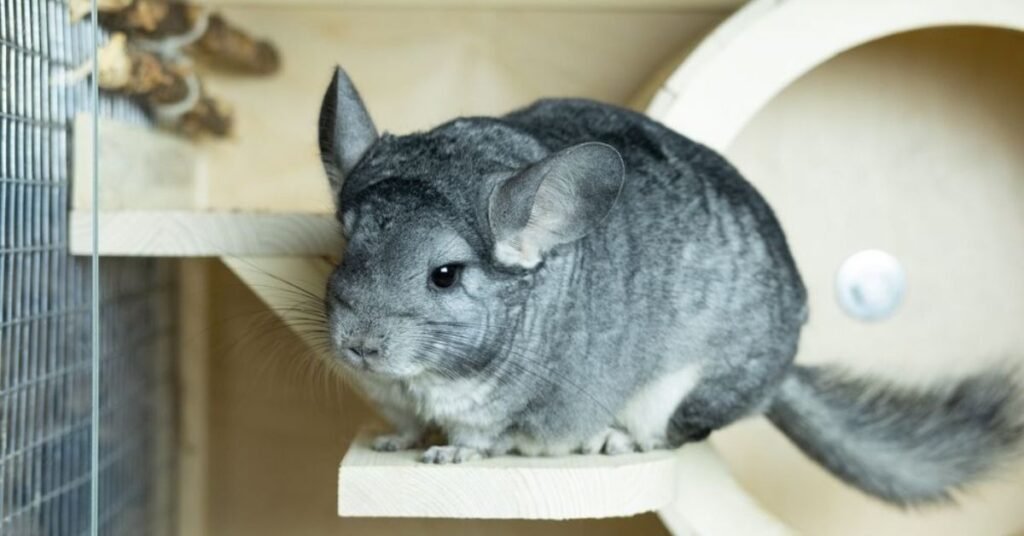
Even with excellent care, health problems can occur.
Dental disease is one of the most common issues. Chinchilla teeth grow continuously. Without enough hay to chew, teeth can become overgrown and painful.
Digestive problems are another concern. Sudden changes in diet can upset their stomach and cause serious complications.
Heat stress can also reduce chinchilla lifespan. These animals prefer cool temperatures and struggle in hot environments.
Other health problems include:
| Health Issue | Common Signs |
| Dental Disease | Drooling, weight loss |
| Heat Stress | Weakness, rapid breathing |
| Digestive Problems | Diarrhea, poor appetite |
| Respiratory Issues | Sneezing, discharge |
| Skin Problems | Fur loss, itching |
Early treatment is important. Chinchillas often hide signs of illness. By the time symptoms appear, the problem may already be serious.
Owners should monitor eating habits, activity levels, and body condition. A healthy chinchilla is usually active, alert, and curious.
Learning about common illnesses is one of the best ways to protect chinchilla lifespan over the long term.
Chinchilla Lifespan by Life Stage
Chinchillas pass through several life stages. Each stage comes with different needs.
| Life Stage | Age |
| Kit | Birth to 8 Weeks |
| Juvenile | 2 to 8 Months |
| Young Adult | 8 Months to 5 Years |
| Adult | 5 to 10 Years |
| Senior | 10+ Years |
Young chinchillas need proper nutrition to support growth. Adults require regular exercise and social interaction.
Senior chinchillas may slow down over time. They might sleep more and become less active. Older chinchillas benefit from regular health checks and extra attention.
Understanding these stages can help owners provide the right care throughout their pet’s life.
The good news is that many chinchillas remain playful well into their senior years. A healthy senior chinchilla can still enjoy climbing, exploring, and interacting with its family.
This long and active life is one of the reasons chinchilla lifespan stands out among small mammals.
Chinchilla Lifespan in the Wild vs Captivity
There is a significant difference between wild and pet chinchilla lifespan.
Wild chinchillas live in rocky mountain regions. They deal with predators, food shortages, and changing weather. These challenges reduce their average lifespan.
Pet chinchillas live in controlled environments. They receive balanced diets and veterinary care. This allows them to live much longer.
| Comparison | Wild | Captivity |
| Food Availability | Limited | Consistent |
| Medical Care | None | Regular |
| Predators | Present | None |
| Lifespan | 6 to 10 Years | 10 to 20 Years |
Captive chinchillas also experience less stress. Stable living conditions help support healthy aging.
Wild populations face conservation challenges as well. Habitat loss and illegal hunting have affected chinchilla numbers over the years.
Supporting wildlife conservation efforts can help protect these amazing animals in their natural environment for future generations.
Conclusion
Chinchilla lifespan is one of the most impressive features of these remarkable animals. While many rodents live only a few years, chinchillas often enjoy lives lasting 10 to 20 years or more.
Their longevity depends on proper care, a healthy diet, regular exercise, and routine veterinary visits. Owners who provide a safe and comfortable environment can greatly improve their pet’s chances of living a long and happy life.
Whether you are considering adopting a chinchilla or already share your home with one, understanding chinchilla lifespan helps you prepare for the years ahead.
With love, patience, and good care, your chinchilla can remain a cherished companion for many years to come.
Frequently Asked Questions
What is the average chinchilla lifespan?
The average chinchilla lifespan is 10 to 20 years in captivity. Wild chinchillas usually live between 6 and 10 years.
Can a chinchilla live for 20 years?
Yes. Many pet chinchillas live beyond 15 years, and some reach 20 years or more with excellent care.
What affects chinchilla lifespan the most?
Diet, housing, exercise, temperature control, and veterinary care have the greatest impact on chinchilla lifespan.
Is a chinchilla a good pet for beginners?
Chinchillas can be good pets for beginners who are willing to learn about their special needs and commit to long-term care.
Do male or female chinchillas live longer?
There is no strong evidence that one gender consistently lives longer. Proper care plays a much bigger role in determining chinchilla lifespan.
