

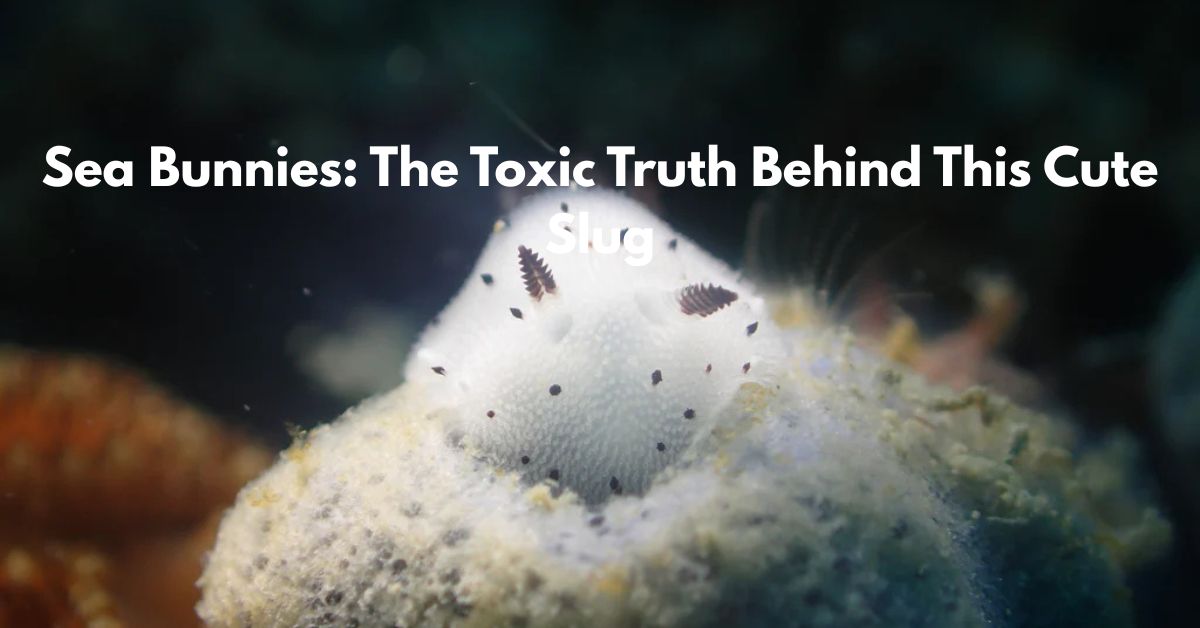
Picture a tiny white rabbit with soft fur and long floppy ears. Now imagine that this creature lives underwater, has no bones, and is actually poisonous. That strange mix is exactly what makes sea bunnies one of the most talked about animals in the ocean today.
Sea bunnies are not mammals. They are not even related to rabbits. They are a type of sea slug that went viral on the internet because of their fluffy, bunny-like look. Behind that cute face, though, sea bunnies carry a powerful chemical defense that keeps most predators far away.
In this article, we will explore what sea bunnies really are, why they look the way they do, where they live, and what makes them toxic. We will also answer some of the most common questions people ask about these curious little creatures.
What Are Sea Bunnies?
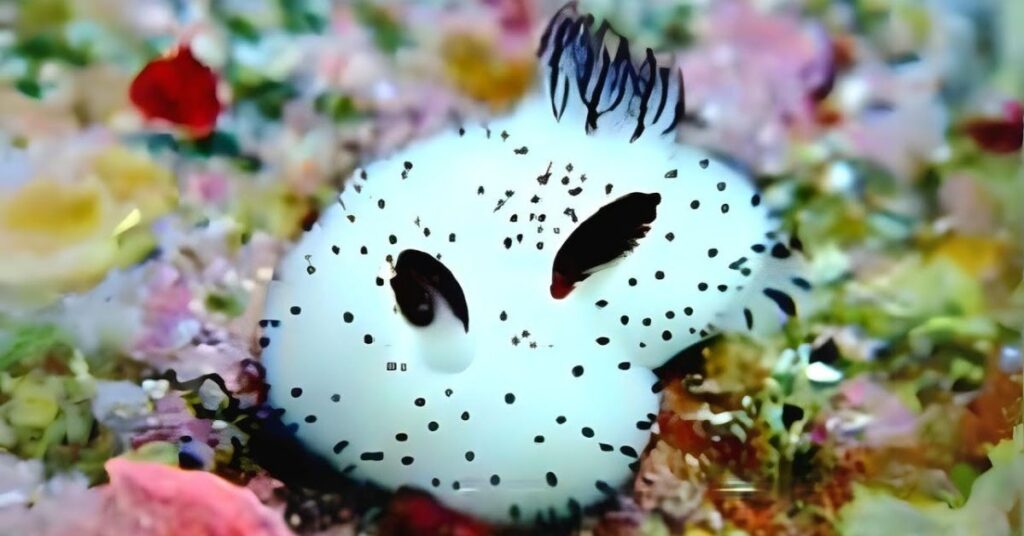
Sea bunnies are a species of sea slug known scientifically as Jorunna parva. They belong to a group of soft bodied marine animals called nudibranchs. The word nudibranch means naked gill, which refers to the exposed, feather like gills found on their backs.
Unlike snails, sea bunnies have no shell as adults. Scientists believe young sea bunnies start life with a tiny shell, then shed it early on. Without that protective covering, sea bunnies had to develop another way to survive, and that solution is toxicity.
These creatures are extremely small. Most sea bunnies grow to less than one inch long, which is roughly two to three centimeters. Despite their tiny size, sea bunnies have captured massive attention online because of how closely they resemble baby rabbits.
Marine biologist Kikutaro Baba first described this species in 1938. It took decades before the wider world discovered them, but once a diver in Japan filmed sea bunnies crawling along the seafloor, their fame exploded almost overnight.
Why Do Sea Bunnies Look Like Fluffy Rabbits?
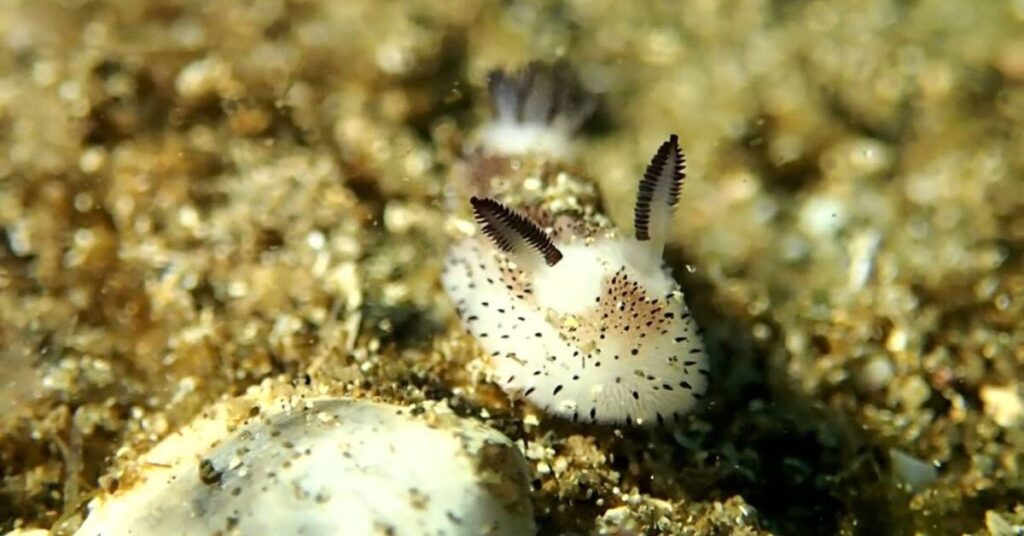
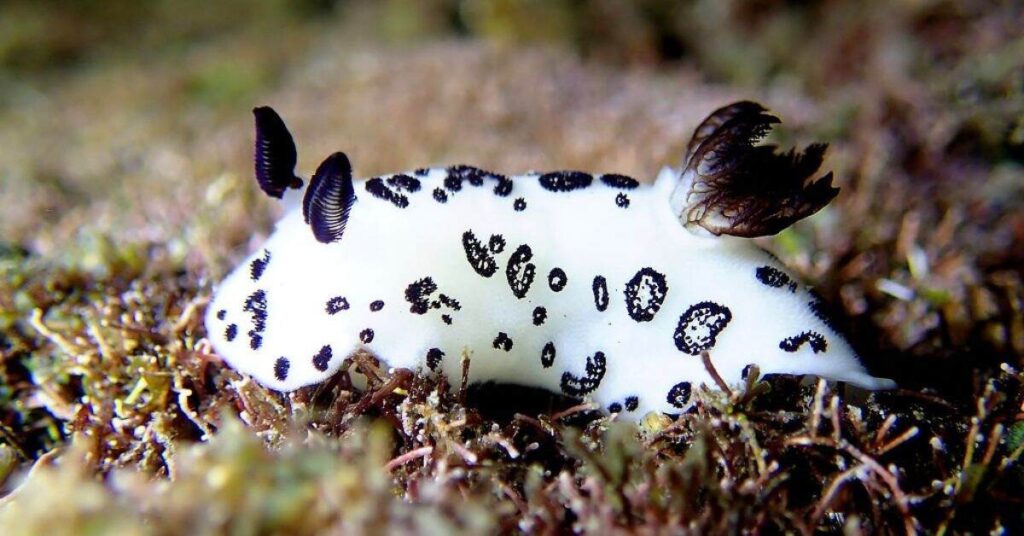
The resemblance between sea bunnies and rabbits comes down to a few clever body parts. None of these features are actually fur, even though they look soft and fuzzy in photos and videos.
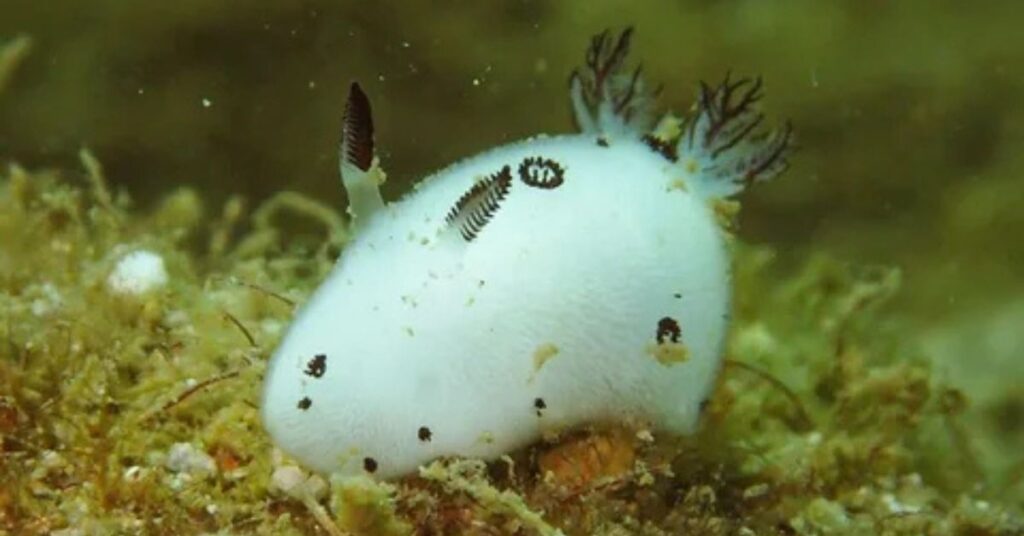
The bunny like ears on top of a sea bunny’s head are called rhinophores. These are sensory organs, not ears at all. Sea bunnies use rhinophores to detect chemicals in the water around them. This helps them find food and locate potential mates in the dark ocean environment.
The fuzzy texture covering the body comes from small projections called caryophyllidia. These tiny rods give sea bunnies their soft, textured appearance. Some of these rods end in black tips, which creates the speckled pattern seen on many sea bunnies.
At the back of the body, a cluster of feathery gills sticks out like a small tail. This tail like structure is how the animal breathes underwater, since the gills absorb oxygen directly from the seawater.
Together, these three features, the rhinophore ears, the fuzzy body, and the gill tail, create the illusion of a fluffy bunny sitting on the ocean floor.
Are Sea Bunnies Toxic?
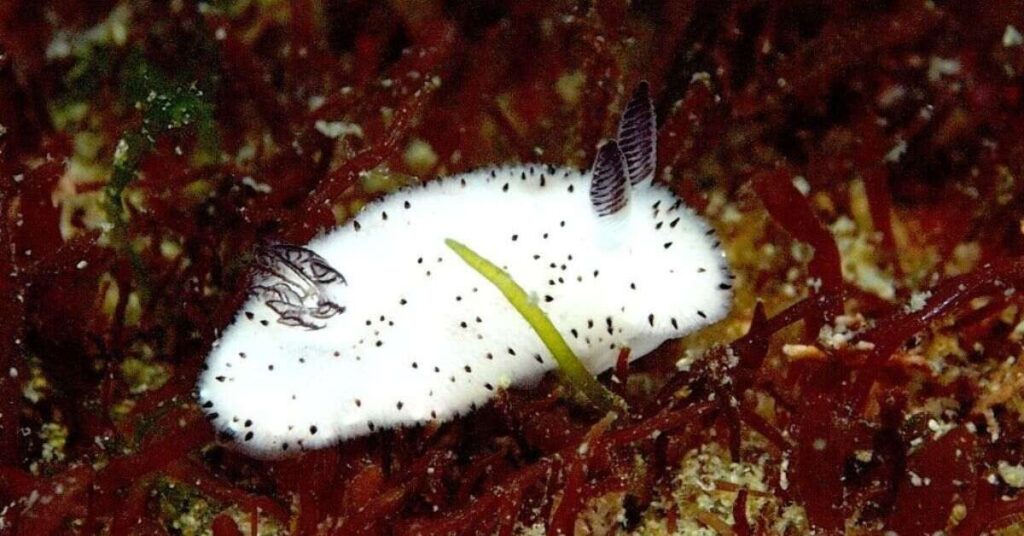
Yes, sea bunnies are toxic, and this is one of the most fascinating facts about them. However, sea bunnies do not produce their own poison. Instead, they borrow it from their food.
Sea bunnies mainly eat sponges that contain natural toxins. When a sea bunny eats a toxic sponge, its body absorbs and stores those chemicals in its skin and tissue. This process is called sequestration. Over time, the sea bunny becomes just as toxic as the sponges it feeds on.
This borrowed poison acts as a strong warning system. Predators that try to eat a sea bunny quickly learn that the taste is unpleasant or even harmful. Many nudibranchs also display bright colors as a visual warning, a strategy scientists call aposematism, which tells predators to stay away before they even take a bite.
Interestingly, some of the same toxins found in sea bunnies and related sea slugs have been studied for medical use. Certain compounds absorbed from sponges show potential in cancer research, which means these small toxic slugs may one day contribute to human medicine as well.
Where Do Sea Bunnies Live?
Sea bunnies live in warm, shallow ocean waters, mainly across the Indo-Pacific region. They are most commonly spotted near Japan, though divers have also found them off the coasts of the Philippines, Indonesia, Australia, and parts of the western Pacific Ocean.
These sea slugs prefer to stay close to the ocean floor. They cling to rocks, coral rubble, and other hard surfaces where sponges are easy to find. Because sponges are their main food source, sea bunnies tend to stay in areas where sponge colonies grow well.
The table below summarizes the key facts about sea bunny habitat and biology in one place.
| Feature | Details |
| Scientific name | Jorunna parva |
| Typical size | Less than 1 inch (2 to 3 cm) |
| Habitat | Shallow reefs, rocks, coral rubble |
| Depth range | About 1 to 30 meters |
| Main region | Indo-Pacific Ocean, especially Japan |
| Lifespan | A few months to about one year |
| Diet | Sponges, occasionally algae and small invertebrates |
Because sea bunnies depend heavily on healthy reef systems and sponge populations, changes to ocean conditions can directly affect where they are able to survive.
What Do Sea Bunnies Eat?
Sea bunnies are carnivores, and their diet centers almost entirely around sponges, particularly those in the Chalinidae family. These sponges naturally produce defensive chemicals to protect themselves from being eaten, but have to evolved a way to eat them safely.
When a sea bunny feeds, it absorbs the sponge’s toxic compounds instead of being harmed by them. These compounds are then stored in the sea bunny’s own body tissue, ready to be used as a defense against future predators.
While sponges make up most of their diet, some sea bunnies have also been observed eating algae, seagrass, and occasionally other small invertebrates when their preferred food is scarce.
Feeding on toxic prey is a delicate balancing act. Sea bunnies must be selective about which sponges they eat and how they process the toxins internally. Because this diet is so specific, and extremely difficult to keep and feed properly outside their natural habitat.
Read about it more: https://a-z-animals.com/animals/sea-bunny/discover-sea-bunnies-natures-cute-yet-toxic-sea-slugs/
How Do Sea Bunnies Reproduce?
Sea bunnies, like most nudibranchs, are hermaphrodites. This means every individual has both male and female reproductive organs at the same time.
When two sea bunnies mate, they exchange sperm with each other rather than one acting only as a mother and the other only as a father. Because of this, both partners can go on to lay fertilized eggs afterward.
This reproductive strategy is especially useful for slow moving, solitary animals. Since they do not travel far and may not encounter many partners during their short lives, being able to mate with almost any other adult sea bunny they meet greatly improves their chances of reproducing successfully.
After mating, sea bunnies lay their eggs in a distinctive spiral shaped ribbon, which is a common pattern seen across many nudibranch species. The eggs are usually attached to rocks or coral surfaces where they remain safe until they hatch.
Given their short lifespan of only a few months to about a year, reproduction happens relatively quickly after reach maturity.
How Long Do Sea Bunnies Live and What Preys on Them?
Sea bunnies do not live very long. Most individuals survive anywhere from a few months up to about one year. This short lifespan is common among many small, soft bodied sea slugs.
Thanks to their toxicity, sea bunnies face fewer natural predators than many other small marine creatures. Still, a handful of animals have found ways around their chemical defenses. Known predators of sea bunnies include certain crabs, cone snails, and even other species of nudibranch that are somehow immune to the toxins.
The biggest threat to sea bunnies, however, is not a natural predator at all. Human activity, including pollution, climate change, and habitat destruction, poses a serious risk to sea bunny populations. Since sea bunnies rely so heavily on healthy reef ecosystems and specific sponge species, any disruption to these environments can directly reduce their numbers.
Protecting coral reefs and reducing ocean pollution plays a direct role in keeping sea bunny populations stable for future generations to discover and enjoy.
Are Sea Bunnies Real? Separating Myth From Fact
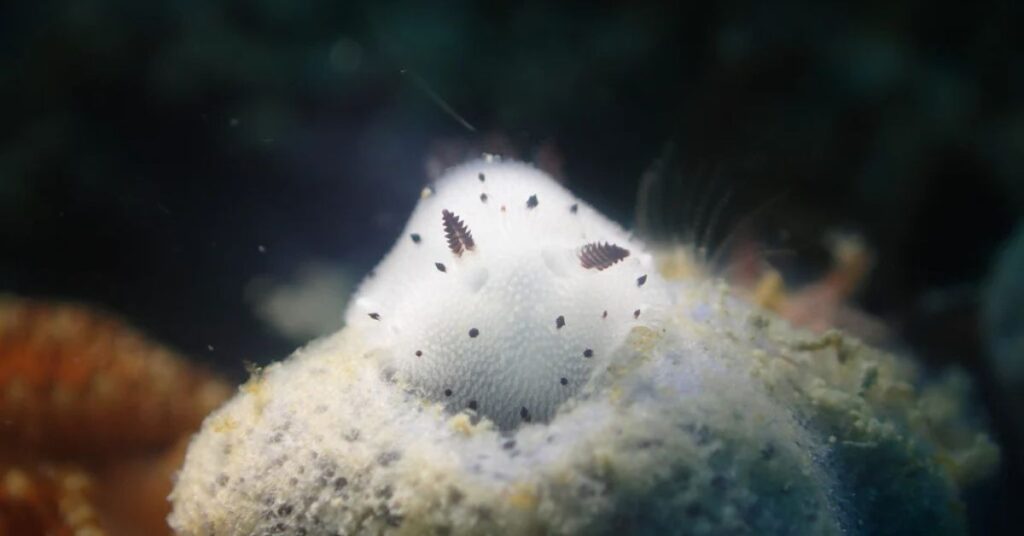
With their rabbit like appearance, many people online have wondered whether sea bunnies are real animals or simply a clever internet creation. The answer is that sea bunnies are completely real, and their biology is just as fascinating as their appearance suggests.
Sea bunnies became a viral sensation in 2015 after a diver in Japan filmed several of them crawling along the seafloor. The footage spread quickly across social media, and soon people around the world were captivated by these fuzzy looking creatures. Many viewers assumed the animal was some kind of hoax or digitally created character, since it looked more like a cartoon than a real sea slug.
In reality, they are not related to rabbits in any way. Their fluffy appearance comes entirely from sensory organs and skin texture, not fur. The viral fame did bring one lasting benefit, though. It introduced millions of people to nudibranchs, a group of animals that had previously received little public attention despite their incredible diversity and unusual survival strategies.
Can You Keep a Sea Bunny as a Pet?
Some saltwater aquarium enthusiasts have attempted to keep sea bunnies and other nudibranchs as pets, but this is a very challenging task recommended only for experienced aquarists.
The biggest obstacle is diet. Sea bunnies rely almost entirely on specific sponge species for food, and these sponges are difficult to source and maintain in a home aquarium. Without a steady supply of the right food.
Water quality and tank conditions must also closely match the sea bunny’s natural reef habitat. Any sudden changes in temperature, salinity, or water chemistry can be harmful to such a delicate creature.
For most people, admiring through photos, videos, or guided diving experiences is a safer and more practical way to enjoy them. Leaving in their natural habitat also supports healthier reef ecosystems overall.
Why Sea Bunnies Matter for Ocean Conservation
Beyond their internet fame, and serve as a helpful reminder of how much diversity exists beneath the ocean surface. Their dependence on specific sponge species and healthy reef systems makes them a useful indicator of overall reef health.
When reef ecosystems decline due to pollution, warming waters, or physical damage, sensitive species and are often among the first to be affected. Marine researchers sometimes study nudibranch populations, to better understand the broader condition of coral reef environments.
Supporting reef conservation efforts, reducing plastic pollution, and being mindful of sustainable diving practices all contribute to protecting the delicate habitats and countless other marine species depend on.
Conclusion
Sea bunnies prove that some of the ocean’s most surprising creatures are hiding in plain sight. What looks like a tiny fluffy rabbit is actually a toxic sea slug with a complex diet, an unusual reproductive strategy, and a short but fascinating life cycle.
Learning about sea bunnies opens the door to a much bigger world of nudibranchs and reef biodiversity. The next time someone mentions sea bunnies, you will know there is far more to this creature than its adorable internet fame suggests.
Frequently Asked Questions
Are sea bunnies dangerous to humans?
Sea bunnies are not considered dangerous to humans through touch. Their toxicity mainly serves as a defense against predators that try to eat them, not as an offensive weapon against larger animals.
What is the real name of a sea bunny?
The scientific name for a sea bunny is Jorunna parva. It belongs to a group of sea slugs called nudibranchs.
Why are sea bunnies called sea bunnies?
Sea bunnies get their nickname from their rabbit like appearance, created by two rhinophores that resemble ears and a fuzzy textured body.
Where can you see sea bunnies in the wild?
Sea bunnies are most commonly found in shallow reef waters around Japan, the Philippines, Indonesia, and Australia, usually clinging to rocks or coral rubble.
Can sea bunnies survive outside water?
No, sea bunnies are fully aquatic creatures and cannot survive outside water. They rely on their marine environment for oxygen, food, and protection.
