
Have you ever seen an animal that looks funny but survives in a smart way? Nature is full of strange creatures. Some animals have developed amazing skills to stay safe, find food, and live in harsh environments.
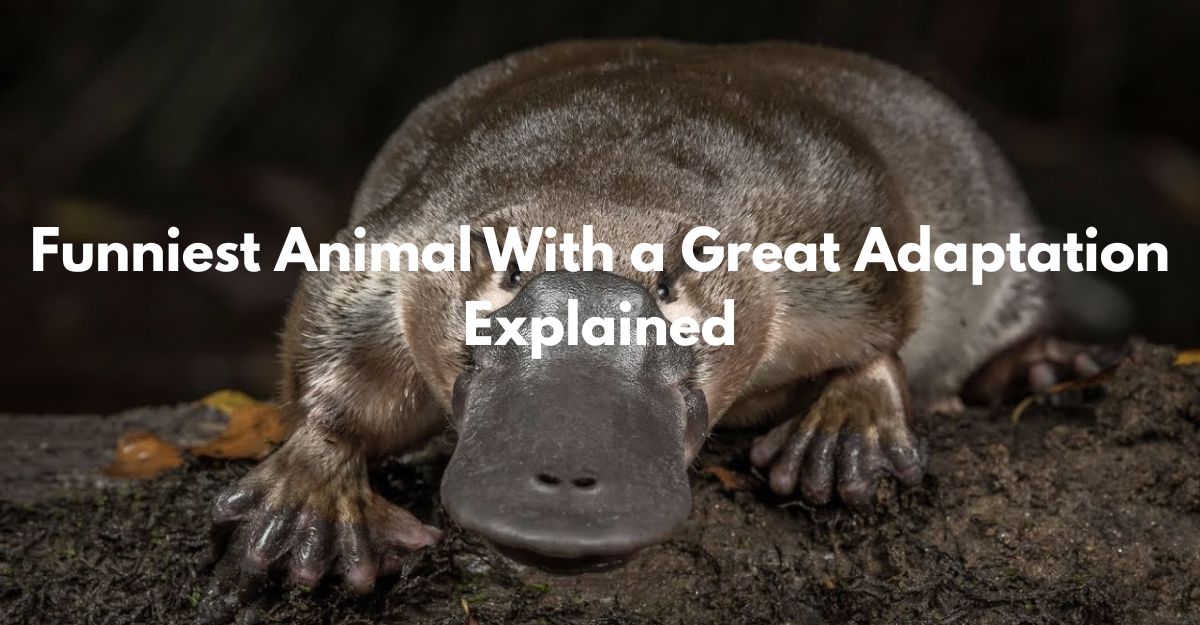
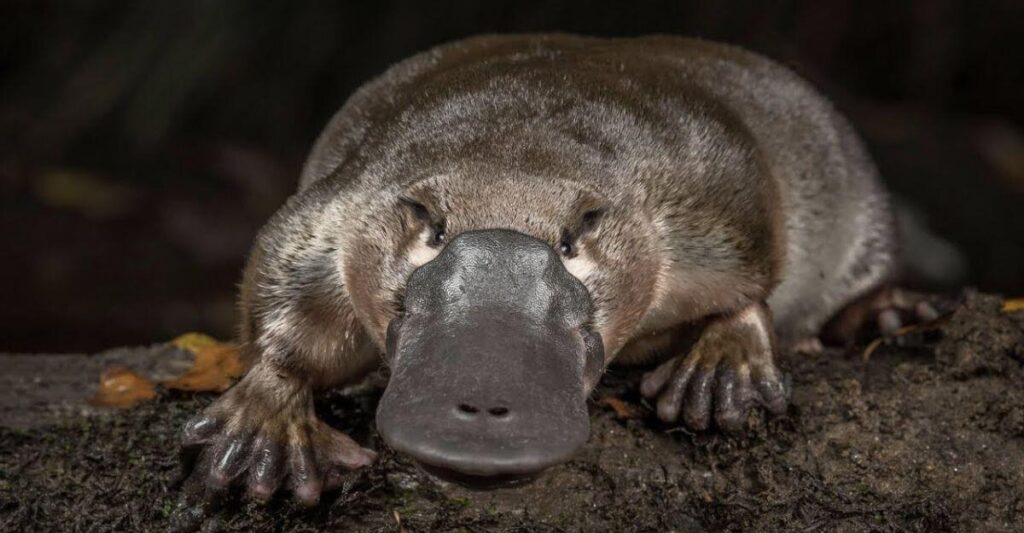
When people think about the funniest animal with a great adaptation, one creature often stands out. The platypus looks like it was made from different animals mixed together. It has a duck-like bill, a beaver-like tail, and feet similar to an otter. Its appearance makes many people smile, but behind its funny look is one of the most impressive adaptations in the animal kingdom.
The platypus is not only unusual. It is also a master of survival. Its unique body helps it find food, avoid danger, and thrive in rivers and streams. This combination of humor and intelligence makes it a perfect example of the funniest animal with a great adaptation.
In this article, you will discover why the platypus is so special, how its adaptations work, and what we can learn from this remarkable animal.
What Is the Funniest Animal With a Great Adaptation?
Many animals have strange appearances. However, very few combine a funny look with such powerful survival abilities.
The platypus is often called the funniest animal with a great adaptation because it looks unlike any other mammal on Earth. Early scientists even believed it was a joke when they first saw preserved specimens. They thought someone had sewn together parts from different animals.
Despite its unusual appearance, the platypus is perfectly designed for life in freshwater habitats. Every part of its body serves a purpose.
Its broad bill helps detect prey underwater. Its webbed feet allow efficient swimming. These features help the animal survive where many others would struggle.
The platypus proves that nature does not always follow simple rules. Sometimes the strangest animals become the most successful.
Why the Platypus Looks So Funny
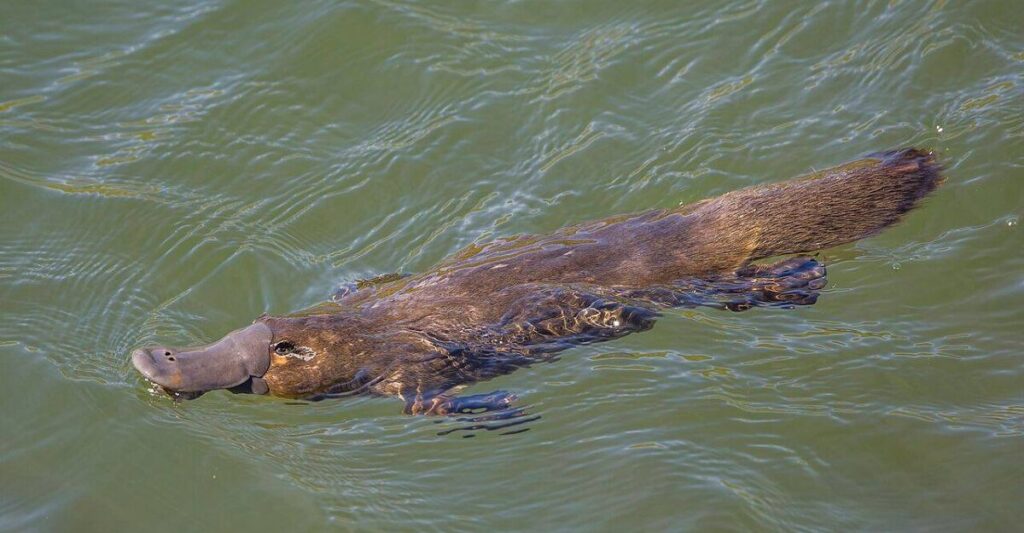
One reason the platypus is considered the funniest animal with a great adaptation is its appearance.
The animal has a flat bill similar to a duck. It also has a wide tail that resembles a beaver’s tail. Its body is covered with thick brown fur, while its feet look like those of a water bird.
This unusual combination creates an animal that seems almost unreal.
People often laugh when they first see a platypus because it appears to be a collection of unrelated animal parts. Yet every feature has evolved for a specific reason.
The bill is not just for looks. It contains special sensors that help detect electrical signals produced by prey. The tail stores fat reserves for times when food becomes scarce.
Even the webbed feet have a clever design. They help the platypus swim quickly while also allowing movement on land.
Nature has turned what appears funny into an effective survival system.
Amazing Adaptations That Help the Platypus Survive
The platypus earns its title as the funniest animal with a great adaptation because of several extraordinary abilities.
Perhaps its most impressive adaptation is electroreception. While swimming underwater, the platypus closes its eyes, ears, and nostrils. It cannot see, hear, or smell.
Instead, it relies on special sensors in its bill.
These sensors detect tiny electrical signals generated by small aquatic animals. This allows the platypus to locate prey hidden beneath rocks, mud, and plants.
Another remarkable adaptation is its waterproof fur. The fur traps air close to the skin and prevents cold water from reaching the body. This helps maintain body temperature during long periods in rivers and streams.
Male platypuses also possess venomous spurs on their hind legs. These spurs can deliver venom that helps defend against rivals and threats.
Together, these adaptations make the platypus one of nature’s most fascinating survivors.
Quick Facts About the Funniest Animal With a Great Adaptation
| Feature | Description |
| Animal | Platypus |
| Habitat | Freshwater rivers and streams |
| Diet | Insects, worms, shrimp, and small aquatic animals |
| Main Adaptation | Electroreception through the bill |
| Body Covering | Dense waterproof fur |
| Special Defense | Venomous spur in males |
| Region | Eastern Australia and Tasmania |
| Lifespan | Around 10 to 17 years |
How the Platypus Finds Food
Finding food underwater is not easy. Water can be cloudy, dark, or full of obstacles.
The platypus solves this problem with one of the most advanced adaptations found in mammals.
When diving, it uses electroreceptors located in its bill. These receptors pick up weak electrical signals produced by muscle movements in prey animals.
This allows the platypus to detect food even when visibility is poor.
The animal sweeps its head from side to side while swimming. This movement helps identify the exact location of prey.
Once food is found, the platypus scoops it up and stores it in cheek pouches. Later, it moves to the surface and eats the collected food.
This strategy allows efficient feeding while reducing time spent searching.
Because of this ability, the platypus can thrive in environments where many other animals would struggle to locate prey.
Other Funny Animals With Great Adaptations
Although the platypus is a leading candidate for the funniest animal with a great adaptation, several other animals deserve attention.
| Animal | Funny Feature | Great Adaptation |
| Axolotl | Permanent smiling face | Can regrow body parts |
| Star Nosed Mole | Strange nose | Highly sensitive touch organs |
| Fennec Fox | Huge ears | Heat control in deserts |
| Aye Aye | Long thin finger | Finds insects inside trees |
| Pufferfish | Inflates into a ball | Protection from predators |
Axolotl
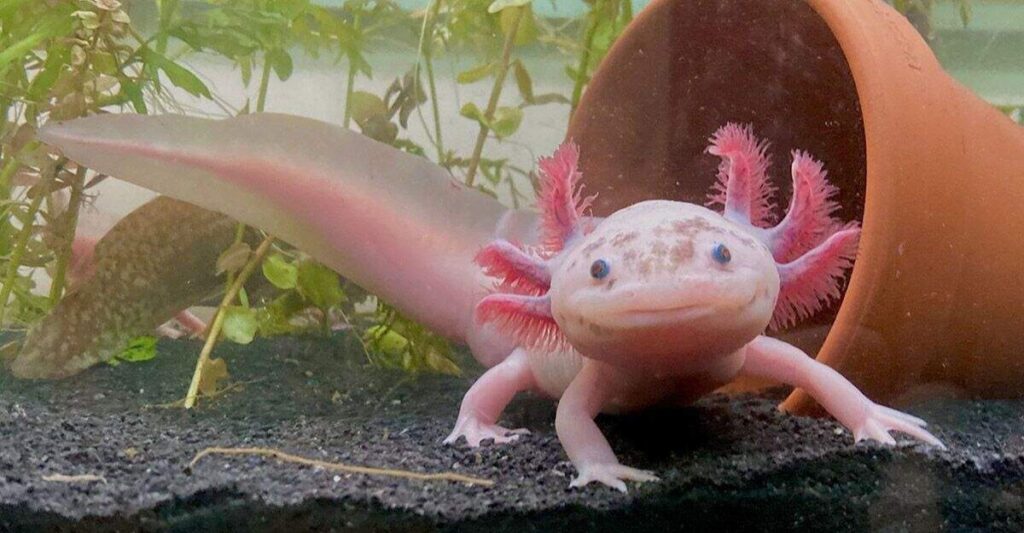
The axolotl is famous for its smiling appearance. It can regenerate limbs, parts of its heart, and even sections of its brain.
Star nosed mole
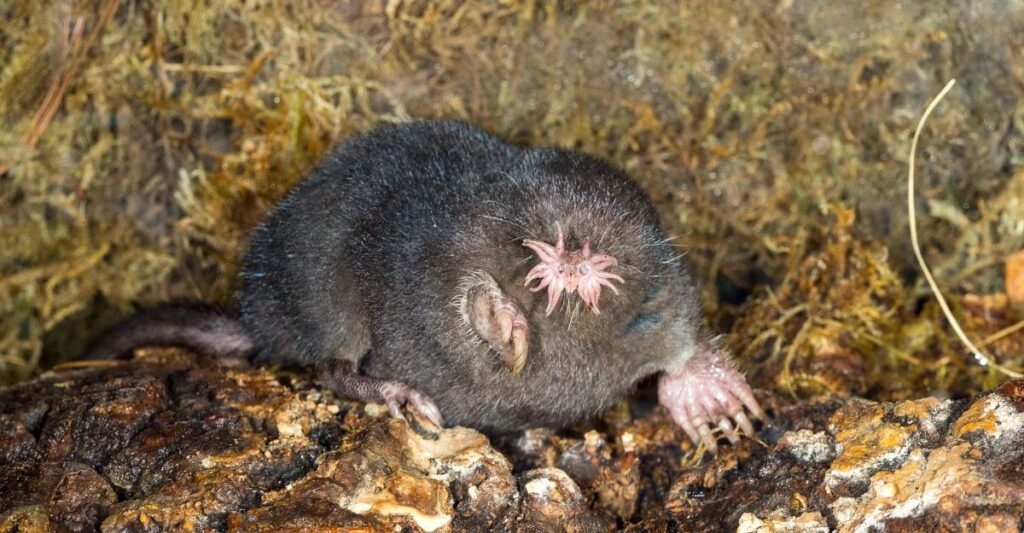
The star nosed mole has one of the strangest noses in nature. Its nose contains thousands of sensory receptors that help locate food quickly.
Fennec fox
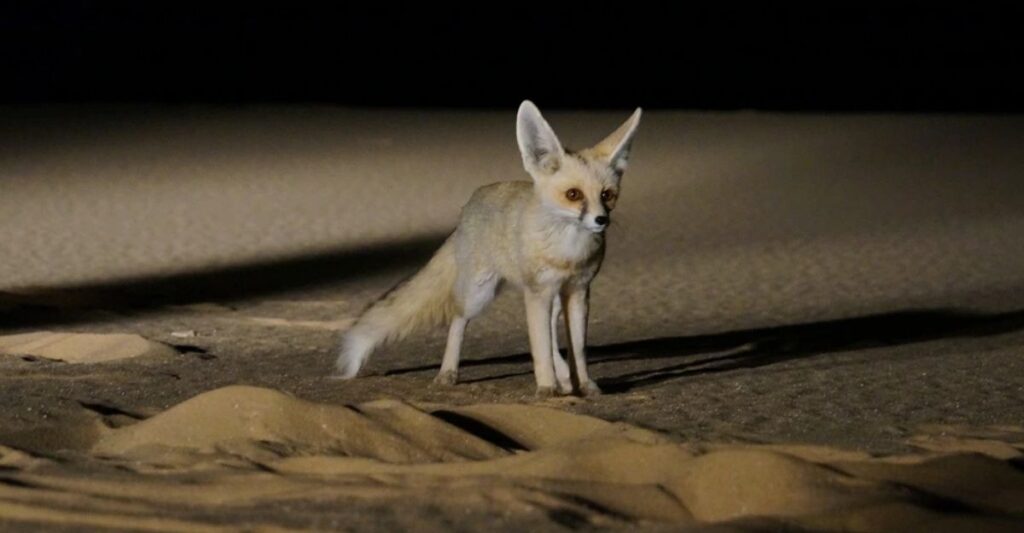
The fennec fox uses its oversized ears to release body heat and survive hot desert temperatures.
Each of these animals demonstrates how unusual appearances can support powerful survival strategies.
What Makes Animal Adaptations So Important?
Adaptations are special features that help animals survive and reproduce.
Without adaptations, many species would disappear when conditions become difficult.
Animals face challenges every day. They must find food, avoid predators, survive weather changes, and compete for resources.
Adaptations provide solutions to these problems.
The platypus developed electroreception because finding food underwater can be difficult. The fennec fox evolved large ears to stay cool in hot environments.
These changes did not happen overnight. They developed over many generations through natural processes.
Studying adaptations helps scientists understand how wildlife responds to environmental challenges.
It also teaches us how important biodiversity is for healthy ecosystems.
Every species contributes something valuable to nature.
Conservation of the Platypus
Protecting the funniest animal with a great adaptation is important for future generations.
The platypus faces several threats in the wild. Habitat destruction, pollution, droughts, and climate change can affect populations.
Healthy rivers and streams are essential for platypus survival.
Conservation groups work to protect freshwater ecosystems and reduce environmental damage. Scientists also monitor populations to understand how changing conditions affect the species.
People can help by supporting wildlife conservation programs, reducing pollution, and learning more about local ecosystems.
Education plays an important role in conservation.
When people understand the value of unique animals like the platypus, they become more willing to protect them.
Every effort helps preserve biodiversity and maintain healthy natural environments.
Fascinating Lessons From the Funniest Animal With a Great Adaptation
The platypus teaches an important lesson about nature.
Things that appear strange are not necessarily flawed. In many cases, unusual features provide remarkable advantages.
Its funny appearance hides one of the most advanced sensory systems among mammals.
Together, these traits create an animal perfectly suited to its environment.
The platypus reminds us that success in nature often comes from unique solutions rather than conventional designs.
This makes it not only entertaining to observe but also inspiring to study.
Conclusion
When discussing the funniest animal with a great adaptation, the platypus stands out as one of nature’s greatest examples.
Its unusual appearance captures attention immediately. Yet its survival skills are even more impressive than its looks.
From electroreception and waterproof fur to webbed feet and venomous spurs, the platypus demonstrates how creative evolution can be.
This remarkable animal proves that being different can be a strength.
As we continue learning about wildlife, animals like the platypus remind us why protecting biodiversity matters. Every species carries unique adaptations that help tell the incredible story of life on Earth.
Frequently Asked Questions
What is the funniest animal with a great adaptation?
The platypus is often considered the funniest animal with a great adaptation because of its unusual appearance and advanced survival abilities.
Why is the platypus adaptation special?
The platypus can detect electrical signals from prey using sensors in its bill. This helps it find food underwater even when visibility is poor.
Where does the platypus live?
The platypus lives in freshwater rivers, streams, and lakes in eastern Australia and Tasmania.
Is the platypus dangerous?
Platypuses are generally shy animals. However, male platypuses have venomous spurs that can cause pain if used in defense.
Why are animal adaptations important?
Adaptations help animals survive, find food, avoid predators, and reproduce successfully in their environments.
