

Introduction
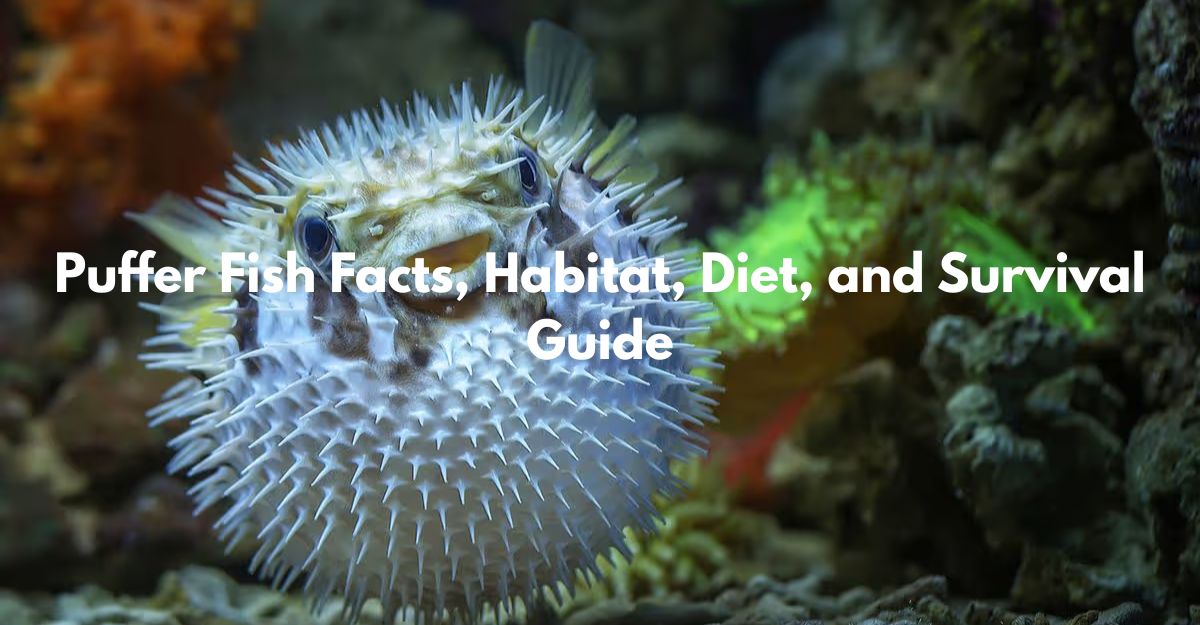
This fish is one of the most interesting creatures in the ocean. People around the world know this sea animal because of its strange body and unique defense system. When danger comes near, it can puff up its body like a balloon. This special skill helps it stay safe from predators.
This unique fish lives in warm oceans, rivers, and coastal waters. Some species live in freshwater while others live in saltwater. Scientists have discovered more than 120 species across the world. Each one looks different, but they all share similar defense abilities.
Many people find this marine creature cute because of its large eyes and funny shape. However, it is also very dangerous. Some species contain a strong poison called tetrodotoxin. This poison can harm humans and animals if eaten.
This ocean fish also plays an important role in marine ecosystems. It helps keep the balance of underwater life by feeding on small animals and plants. Wildlife lovers enjoy learning about it because it combines beauty, danger, and intelligence in one small sea creature.
In this article, you will learn detailed facts about this amazing fish, including its habitat, diet, behavior, defense system, and importance in nature.
What Is a Puffer Fish?
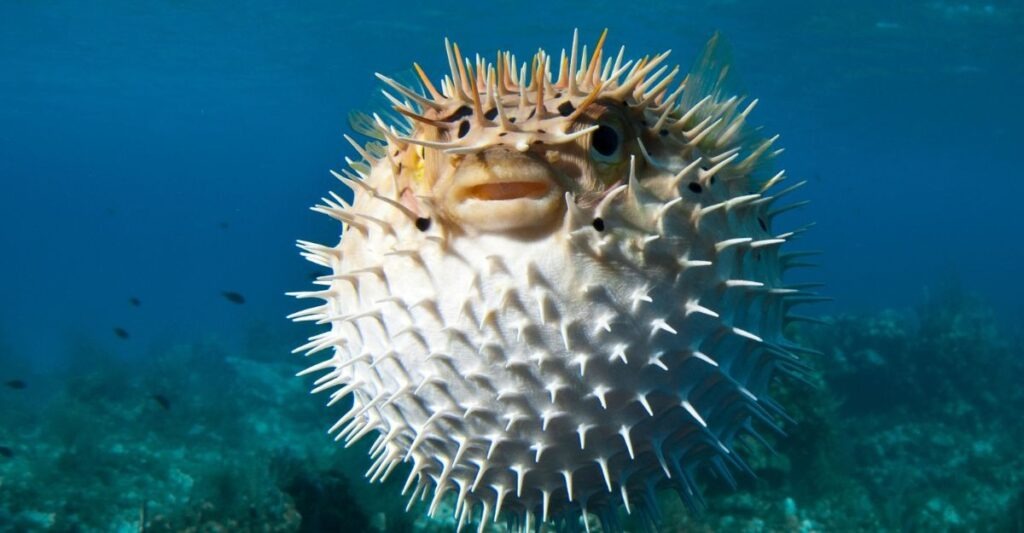
This species belongs to the Tetraodontidae family. The name means “four teeth.” This name comes from the four strong teeth inside its mouth. These teeth join together and form a hard beak. The fish uses this beak to crush shells, crabs, and other hard food.
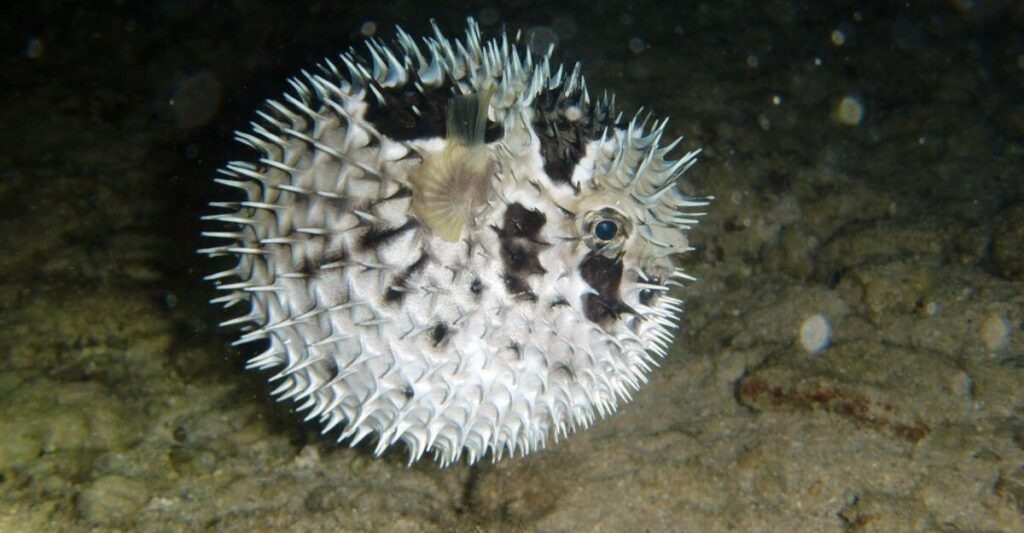
Its body looks very different from other fish. Most species have round bodies, short fins, and large eyes. Some species have spikes on their skin. These spikes become visible when the fish inflates itself.
The size of this fish depends on the species. Some are only a few inches long, while others grow more than two feet. Their colors also vary. Some species are yellow, white, black, green, or brown. Bright colors often warn predators that the fish may be poisonous.
Unlike fast swimming fish, this sea creature moves slowly in water. It uses its fins to glide gently through the ocean. Even though it swims slowly, it survives because of its strong defense system.
Many people confuse this species with the porcupine fish. Both look similar because they can inflate their bodies. However, porcupine fish have longer spikes and belong to a different fish family.
This marine animal is often featured in documentaries and wildlife programs. Its unusual appearance and behavior make it one of the most recognized sea creatures in the world.
Puffer Fish Habitat and Distribution
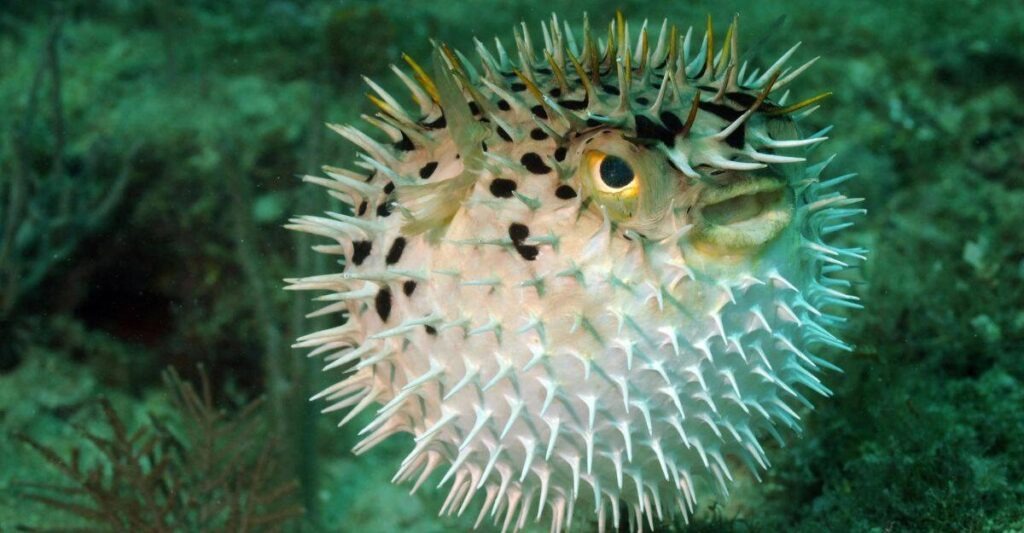
This fish lives in many parts of the world. Most species prefer tropical and subtropical oceans. You can find this fish in the Pacific Ocean, Indian Ocean, and Atlantic Ocean.
Many of these fish species stay close to coral reefs, mangroves, and seagrass areas. These places provide shelter and food. Coral reefs are especially important because they protect the fish from large predators.
Some of these fish also live in freshwater rivers and lakes. Freshwater fish are popular among aquarium owners. These fish need clean water and proper care to survive.
This fish usually likes warm water. It does not survive well in very cold areas. Some species move to deeper waters during winter seasons.
Young this fish often stay in shallow coastal waters. These areas protect them from large predators. As they grow older, they may move into deeper ocean areas.
The table below shows common places where the this fish lives:
| Type of Habitat | Description |
| Coral Reefs | Safe areas with food and shelter |
| Mangroves | Shallow waters rich in nutrients |
| Seagrass Beds | Places with small animals and plants |
| Rivers and Lakes | Home of freshwater this fish |
| Coastal Waters | Warm and protected ocean zones |
Climate change and ocean pollution now threaten many of these fish habitats. Coral reef damage affects the survival of many marine species, including this fish. Conservation efforts are important for protecting these underwater ecosystems.
How the Puffer Fish Protects Itself
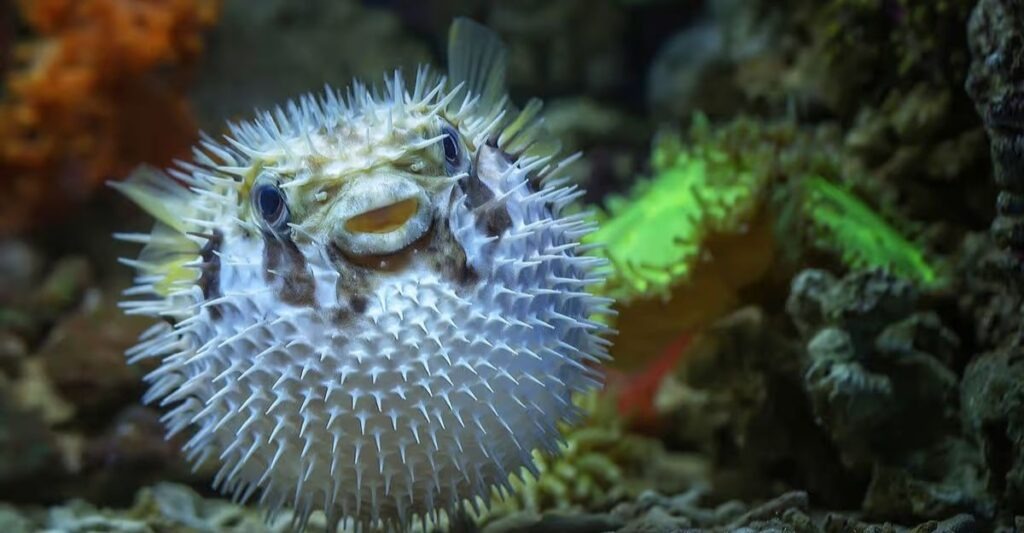
The defense system of this fish is one of the most amazing survival skills in the animal kingdom. When the fish feels danger, it quickly fills its stomach with water or air. This process makes the body expand into a large round shape.
A larger body makes it difficult for predators to swallow this fish. If the species has spikes, the spikes stand outward during inflation. This creates an even stronger defense.
This fish also depends on poison for protection. Many species contain tetrodotoxin, which is one of the strongest natural poisons in the world. The poison mainly stays in the liver, skin, and organs.
Predators usually avoid eating this fish because they know it can be deadly. Bright colors on the body also act as warning signs.
Even humans must be careful around this fish. In some countries, specially trained chefs prepare these fish dishes. If prepared incorrectly, the poison can become dangerous.
This fish does not attack other animals often. It prefers to avoid danger instead of fighting. Its defense system works well because most predators leave it alone.
Scientists continue to study this fish poison for medical research. Some experts believe the toxin may help create future pain treatments and medicines.
What Does a Puffer Fish Eat?
This fish eats many different types of food. Its diet depends on the species and habitat. Most of these fish are carnivores, but some also eat plants and algae.
The strong beak of this fish helps it crush hard shells. It often feeds on crabs, clams, shrimp, snails, and mussels. Some species also eat worms and small fish.
Coral reefs provide plenty of food for this fish. The fish searches through rocks and sand to find hidden prey. Its teeth continue growing throughout life, so chewing hard food helps keep the teeth short.
Some freshwater fish eat insects, larvae, and tiny crustaceans. Aquarium owners must provide proper food to keep pets healthy.
The table below explains common foods eaten by the this fish:
| Food Type | Examples |
| Shellfish | Crabs, clams, mussels |
| Small Sea Animals | Shrimp, worms, snails |
| Plants and Algae | Sea plants and algae |
| Insects | Water insects and larvae |
| Small Fish | Tiny fish species |
This fish usually hunts alone. It moves slowly and carefully while searching for food. Its sharp eyesight helps it spot prey easily.
Healthy feeding habits are important for the survival of this fish. A balanced diet gives the fish energy and supports growth.
Puffer Fish Behavior and Intelligence
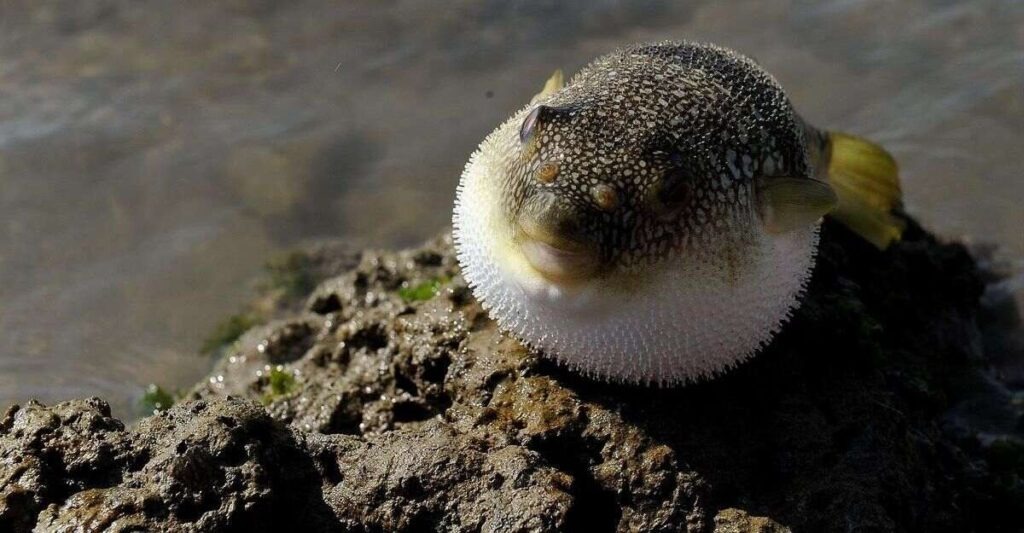
Many people think fish are simple animals, but the this fish shows signs of intelligence. Scientists have observed interesting behavior patterns in several species.
Some male this fish create beautiful circular patterns in the sand to attract females. These patterns look like underwater art. The male works for days to complete the design.
This fish also learns from experience. Aquarium owners often notice that their fish recognize feeding times and react to familiar people.
Unlike aggressive fish, this fish usually stays calm. However, it may become territorial around food or nesting areas.
The large eyes of this fish help it see in different directions. This strong vision improves hunting and helps detect danger.
This fish uses careful movement instead of speed. It glides slowly through the water while watching its surroundings.
Researchers continue studying the intelligence of marine animals. This fish remains one of the most fascinating examples because of its creativity and unique habits.
Many wildlife fans enjoy watching videos of this fish behavior online. These videos help people understand the beauty of marine life and support wildlife conservation awareness.
Read about it more:https://www.nationalgeographic.com/animals/fish/facts/pufferfish
Puffer Fish and Humans
Humans have a long relationship with this fish. In some cultures, people see fish as a delicacy. In Japan, chefs prepare a dish called fugu using certain fish species.
Preparing this fish requires special training. Chefs must remove poisonous organs carefully. Governments in some countries control the sale of this fish because of safety concerns.
This fish is also popular in aquariums. Many people enjoy keeping freshwater fish as pets. These fish have playful personalities and interesting behavior.
However, caring for this fish can be difficult. They need clean tanks, proper food, and enough space. Some species may become aggressive toward other fish.
Scientists also study the poison of this fish for medical purposes. Researchers hope to learn more about pain relief and nerve treatments.
Tourists and divers often enjoy spotting this fish near coral reefs. Their funny appearance makes them a favorite among underwater photographers.
This fish also reminds people about the importance of ocean protection. Pollution, plastic waste, and habitat destruction affect marine animals across the world.
Supporting marine wildlife protection helps preserve the natural homes of this fish and many other sea creatures.
Threats Facing the Puffer Fish
This fish faces several threats in the wild. Ocean pollution is one of the biggest problems. Plastic waste and chemicals damage marine habitats and affect the health of sea animals.
Coral reef destruction also harms this fish. Many species depend on reefs for food and protection. Rising ocean temperatures and climate change now damage coral reefs in many regions.
Overfishing creates another challenge. Some of these fish species are caught for food, aquariums, or traditional medicine. Excessive fishing reduces wild populations.
Some predators also threaten young this fish before they fully develop their defense systems.
Conservation groups work to protect marine ecosystems and educate people about ocean life. Protected ocean areas help many species survive.
People can also help by reducing plastic use, supporting clean oceans, and learning more about marine conservation.
The future of this fish depends on healthy oceans and responsible human actions.
Amazing Facts About the Puffer Fish
This fish has many surprising features that make it special. Some species can inflate their bodies within seconds.
The poison inside certain fish is much stronger than cyanide. Even small amounts can be dangerous.
This does not produce the poison naturally. Scientists believe the toxin comes from bacteria in its diet.
Male puffer fish can create detailed sand circles that measure several feet wide.
Some puffer fish species live in freshwater while others live in saltwater.
The teeth of the puffer fish never stop growing.
Many predators avoid attacking the puffer fish because of its shape and poison.
The puffer fish has excellent eyesight and can move each eye separately.
These unique qualities make the puffer fish one of the most interesting animals in the ocean.
Conclusion
The puffer fish is truly one of the most unique creatures in marine life. Its ability to inflate, its strong poison, and its unusual behavior make it different from other fish.
The puffer fish also plays an important role in ocean ecosystems. It helps maintain balance by feeding on small animals and plants.
People around the world admire the puffer fish for its beauty and survival skills. Scientists continue studying this fish to learn more about marine biology and possible medical uses.
However, the puffer fish faces serious threats from pollution, climate change, and habitat destruction. Protecting oceans and coral reefs is important for the survival of this amazing species.
Learning about the puffer fish also teaches us the importance of respecting nature. Every sea creature has value and helps support life in the ocean.
By supporting ocean conservation efforts, people can help protect the future of the puffer fish and other marine wildlife.
FAQs About Puffer Fish
Is a puffer fish dangerous?
Yes, many puffer fish species contain a strong poison called tetrodotoxin. This toxin can be dangerous if humans or animals eat the fish.
Can a puffer fish puff up more than once?
Yes, the puffer fish can inflate its body many times during its life. However, frequent stress can harm the fish.
Where does the puffer fish live?
The puffer fish lives in tropical oceans, coral reefs, coastal waters, rivers, and lakes depending on the species.
What does a puffer fish eat?
The puffer fish eats shellfish, shrimp, crabs, worms, algae, and small sea animals.
Why does the puffer fish puff up?
The puffer fish inflates its body to scare predators and protect itself from danger.
