
Introduction
Rainforest animals live in some of the richest and most colorful places on Earth. These forests are full of life, sound, and movement. From loud birds in the trees to hidden frogs on wet leaves, rainforest animals create a world that feels magical.
Rainforests cover only a small part of the planet, but they support thousands of species. Many animals found in rainforests cannot survive anywhere else. These forests provide food, shelter, water, and protection for wildlife.
People love learning about rainforest animals because they are unique and beautiful. Some animals climb high trees while others stay deep on the forest floor. Many have bright colors, sharp senses, or unusual behaviors that help them survive.
Rainforest animals also help the environment stay healthy. They spread seeds, control insects, and support the balance of nature. Without them, rainforest ecosystems would struggle.
In this guide, you will discover the most famous rainforest animals, where they live, what they eat, and why they matter. You will also learn how people can help protect rainforest wildlife for future generations.
Why Rainforest Animals Are Important
Rainforest animals play a major role in keeping forests alive. Every species has a purpose in the ecosystem. Some animals spread seeds across the forest. Others pollinate flowers or control insect populations.
Monkeys, birds, bats, and insects all help plants grow in different areas. Large animals create paths through the forest that smaller animals use for movement. Even tiny rainforest animals like ants and beetles help break down dead plants and improve the soil.
Rainforest animals also support human life in many ways. Healthy rainforests help control climate, clean the air, and produce oxygen. When animals disappear, forests can become weaker over time.
Many rainforest animals are also important for science and medicine. Researchers study frogs, insects, and plants to develop new medicines and treatments. Some rainforest species may still hold discoveries that could help people in the future.
People around the world travel to see rainforest animals in their natural habitats. Wildlife tourism supports local communities and raises awareness about conservation.
Protecting rainforest animals means protecting nature itself. Every species matters, no matter how small or large it may be.
Types of Rainforest Animals Found Around the World
Rainforest animals live in tropical rainforests across South America, Africa, Asia, and Australia. Each rainforest region has its own special wildlife.
The Amazon Rainforest is home to jaguars, sloths, macaws, poison dart frogs, and anacondas. This rainforest contains one of the largest collections of wildlife on Earth.
African rainforests support gorillas, chimpanzees, forest elephants, and colorful birds. These forests provide shelter to many endangered rainforest animals.
Asian rainforests contain orangutans, tigers, clouded leopards, and hornbills. Many animals in this region spend most of their lives in trees.
Australian rainforests have unique species like tree kangaroos, cassowaries, and rare reptiles. Many animals found there exist nowhere else.
The table below shows common rainforest animals and the regions where they live.
| Rainforest Animal | Main Region | Known For |
| Jaguar | South America | Powerful hunter |
| Orangutan | Southeast Asia | Intelligent tree climber |
| Gorilla | Central Africa | Largest primate |
| Sloth | South America | Slow movement |
| Toucan | South America | Large colorful beak |
| Poison Dart Frog | Central and South America | Bright warning colors |
| Tree Kangaroo | Australia | Life in trees |
| Bengal Tiger | Asia | Strong predator |
Jaguar
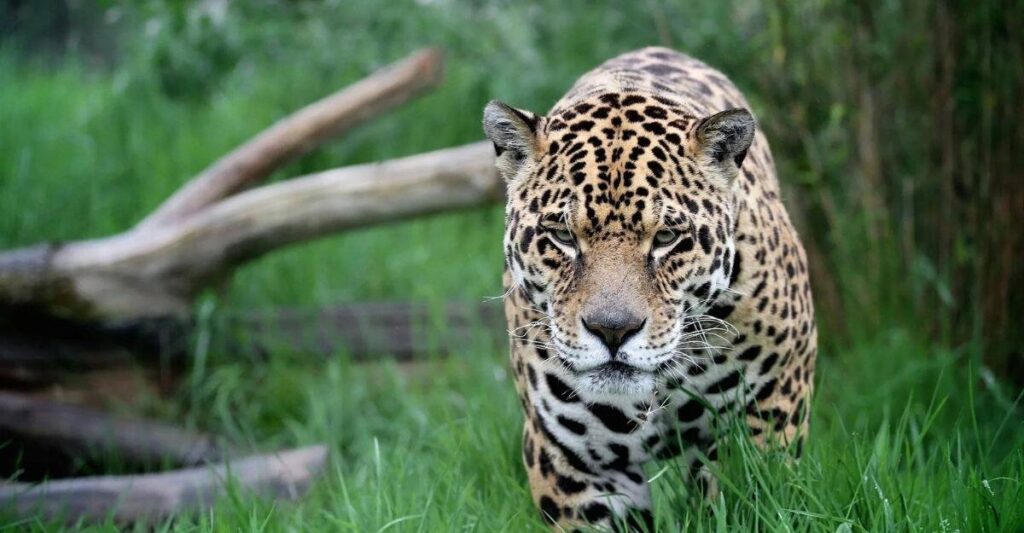
The jaguar is one of the most powerful rainforest animals in the world. It lives mainly in the Amazon rainforest and other tropical forests in Central and South America. Jaguars have strong bodies, sharp teeth, and beautiful spotted fur. Most jaguars hunt at night and stay hidden during the day.
Jaguars eat fish, deer, monkeys, turtles, and many other animals. They help keep the rainforest ecosystem balanced by controlling animal populations. Sadly, jaguars face danger from deforestation and illegal hunting. Many forests are disappearing, which makes survival difficult for these amazing cats. Conservation programs are working to protect jaguars and their rainforest homes.
Orangutan
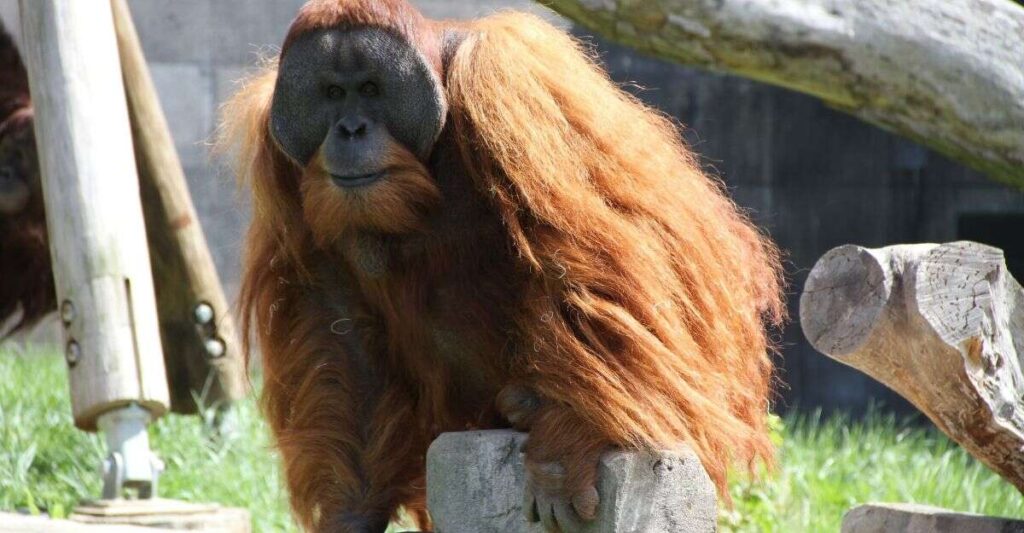
The orangutan is one of the smartest rainforest animals on Earth. It lives in the tropical rainforests of Borneo and Sumatra. Their reddish brown hair helps them stand out from other rainforest animals.
Orangutans eat fruits, leaves, bark, and insects. They also build nests in trees to sleep at night. Sadly, orangutans are endangered because forests are being cut down. Many people and wildlife groups are working hard to protect these gentle animals and their rainforest habitats.
Toucan
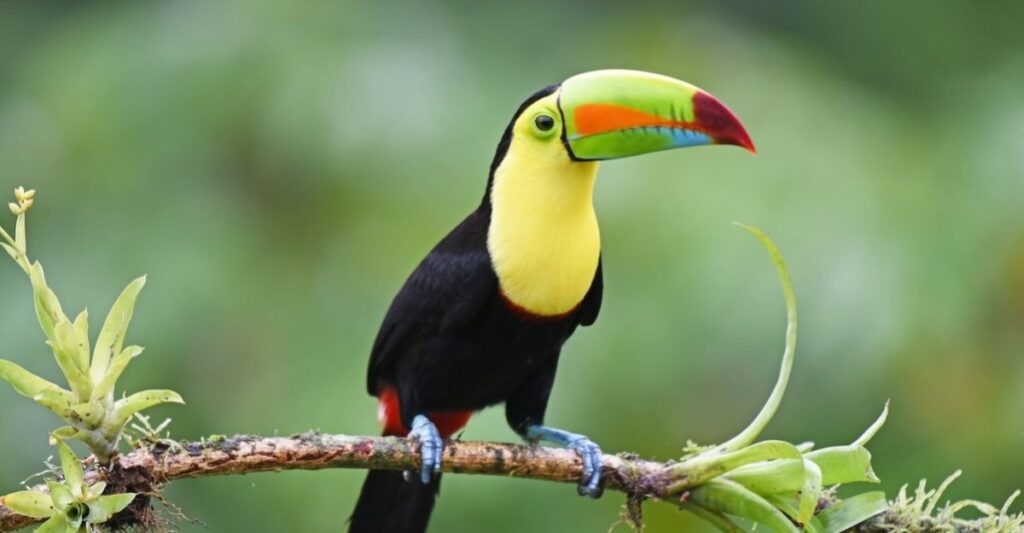
Toucans are colorful birds that live in tropical rainforests. They are famous for their large and bright beaks. They eat fruits, insects, and small animals. Their strong beaks help them pick fruit from trees easily.
Toucans are active and social birds. They often live in small groups and make loud sounds to communicate. Their bright feathers make them very beautiful and easy to recognize. Sadly, some toucans lose their homes because forests are being destroyed. Wildlife groups are helping to protect toucans and their natural habitats.
Poison Dart Frog
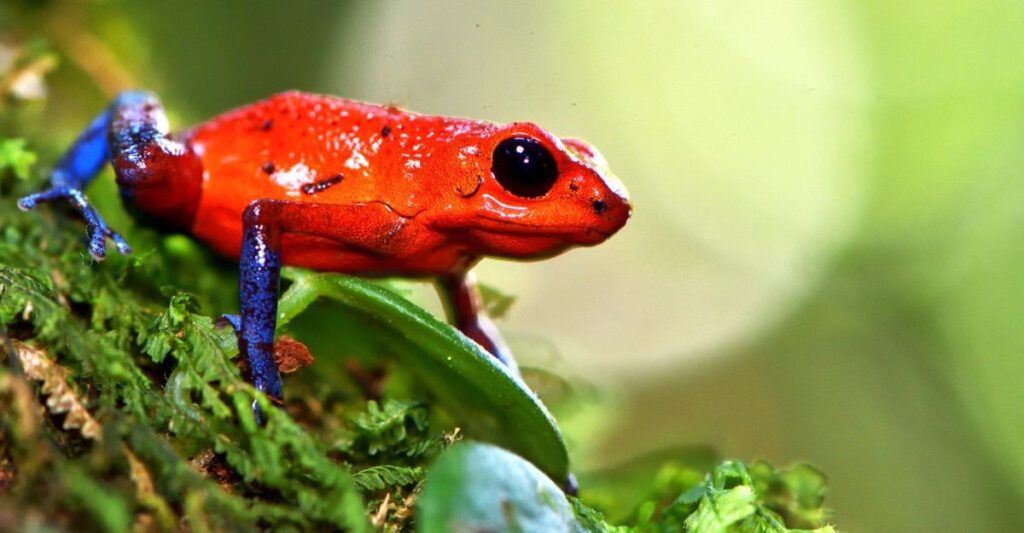
Poison dart frogs are small and colorful frogs that live in tropical rainforests. They are found mostly in Central and South America. These frogs have bright colors like blue, yellow, red, and green. Their colorful skin warns predators to stay away. Some poison dart frogs have toxic skin that can be dangerous to other animals.
Poison dart frogs eat small insects such as ants and termites. They are active during the day and move quickly through plants and leaves. People are working to protect these beautiful frogs and the rainforests where they live.
Tree Kangaroo
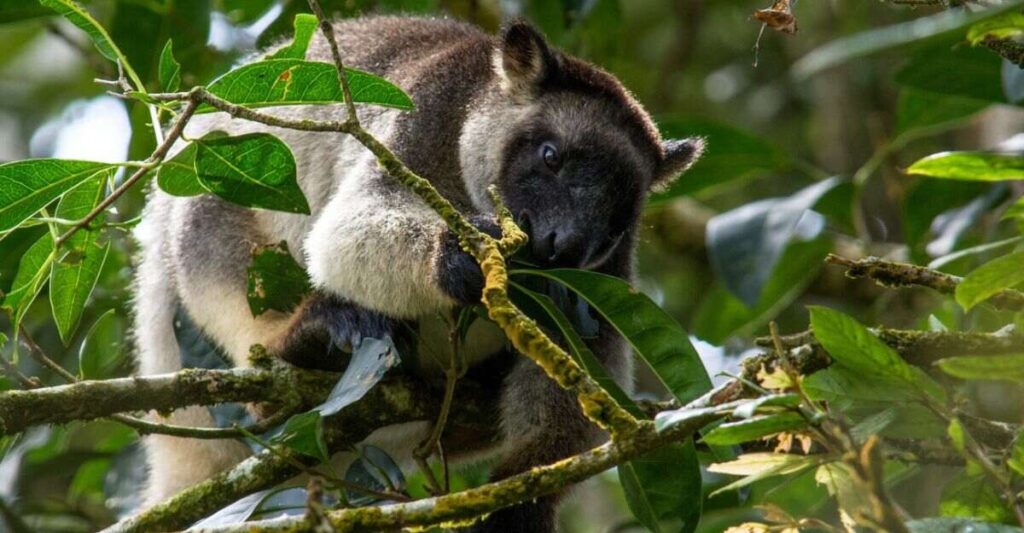
Tree kangaroos are unique animals that live in rainforests. Unlike other kangaroos, they spend most of their time in trees. They have strong arms and legs that help them climb easily. Their long tail helps them balance on branches.
Tree kangaroos eat leaves, fruits, and flowers. They move slowly and carefully in the trees. They are shy animals and are not often seen by people. Tree kangaroos are losing their homes because forests are being cut down. Conservation groups are working to protect them and their natural habitat.
Bengal Tiger
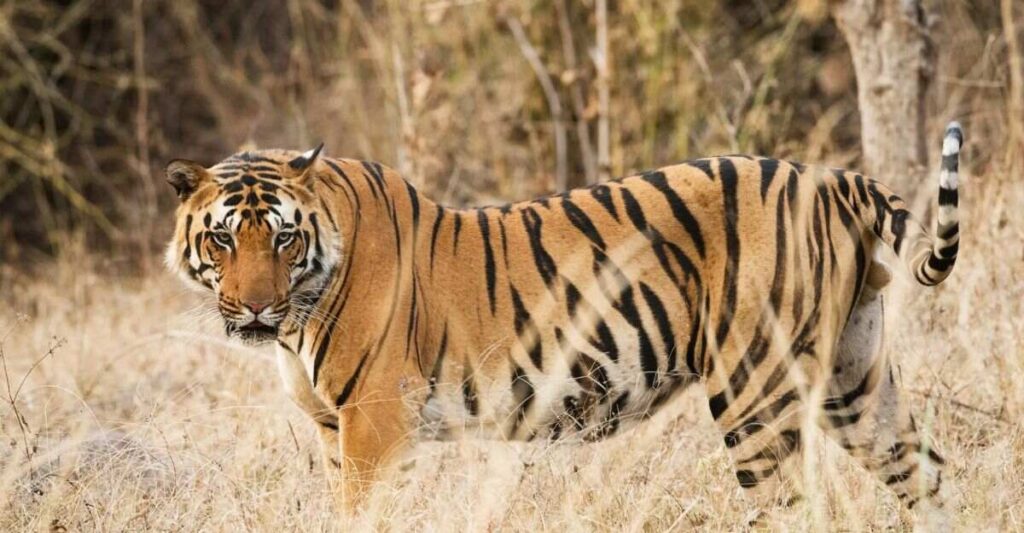
Bengal tigers are strong and powerful wild cats. They are found in India, Bangladesh, Nepal, and Bhutan. They have orange fur with black stripes.
Bengal tigers are carnivores. They are silent and fast hunters. Bengal tigers are endangered because of habitat loss and poaching. Many protected parks and reserves help keep them safe in the wild.
Amazing Rainforest Animals and Their Unique Features
Rainforest animals have many special features that help them survive. Their bodies, colors, and behaviors match the conditions of the rainforest.
Sloths move slowly to avoid predators. Their fur often grows algae, which helps them blend into trees. Jaguars have strong jaws that can crush the shells of turtles. These rainforest animals are excellent swimmers and hunters.
Poison dart frogs use bright colors to warn predators about their toxic skin. Some species are blue, yellow, red, or green. Their colors make them easy to notice in the rainforest.
Toucan birds have large beaks that help them reach fruit on branches. Macaws use strong beaks to crack hard nuts and seeds.
Orangutans are among the smartest rainforest animals. They use tools, build sleeping nests in trees, and care for their young for many years.
Chameleons and other rainforest reptiles can change color or stay perfectly still to hide from danger. Snakes like the green anaconda use camouflage to hunt prey near water.
Many rainforest animals are active at night. Big eyes, sharp hearing, and strong senses help them move safely in the dark.
These adaptations help rainforest animals survive in a crowded and competitive environment.
Layers of the Rainforest and the Animals That Live There
Rainforests have different layers, and each layer supports different rainforest animals. These layers create many habitats inside one forest.
A rainforest’s emergent layer is at its highest point. Eagles, bats, butterflies, and some monkeys live here. Animals in this layer enjoy sunlight and open space.
This area contains thick branches and leaves. Many rainforest animals spend their entire lives in the canopy. Toucans, sloths, monkeys, and tree frogs are common here.
The understory layer sits below the canopy. It receives less sunlight and stays warm and humid. Snakes, insects, birds, and small mammals live in this darker environment.
The forest floor is the lowest layer. Very little sunlight reaches this area.
The table below explains the rainforest layers and common animals found there.
| Rainforest Layer | Description | Common Rainforest Animals |
| Emergent Layer | Tallest trees with sunlight | Eagles, bats, butterflies |
| Canopy Layer | Dense leaves and branches | Monkeys, sloths, toucans |
| Understory Layer | Dark and humid area | Snakes, frogs, insects |
| Forest Floor | Lowest and darkest level | Jaguars, gorillas, ants |
Each layer works together to support rainforest life. Animals move between layers to find food, water, and shelter.
What Rainforest Animals Eat
Rainforest animals eat many different types of food. The rainforest produces fruits, leaves, insects, nuts, flowers, and small animals all year long.
Herbivores eat plants, fruits, and leaves. Sloths mainly eat leaves from rainforest trees. Gorillas eat fruits, stems, and shoots. Many rainforest birds feed on fruits and seeds.
Carnivores hunt other animals for survival. Jaguars eat deer, fish, monkeys, and reptiles. Snakes swallow birds, rodents, and frogs. Large birds of prey catch smaller animals from above.
Omnivores eat both plants and meat. Chimpanzees eat fruit, insects, and sometimes small animals. Some rainforest animals change their diet depending on the season.
Insects are a major food source in rainforests. Frogs, birds, reptiles, and mammals all feed on insects. Ants and termites also help clean the forest by eating dead plants and animals.
Threats Facing Rainforest Animals Today
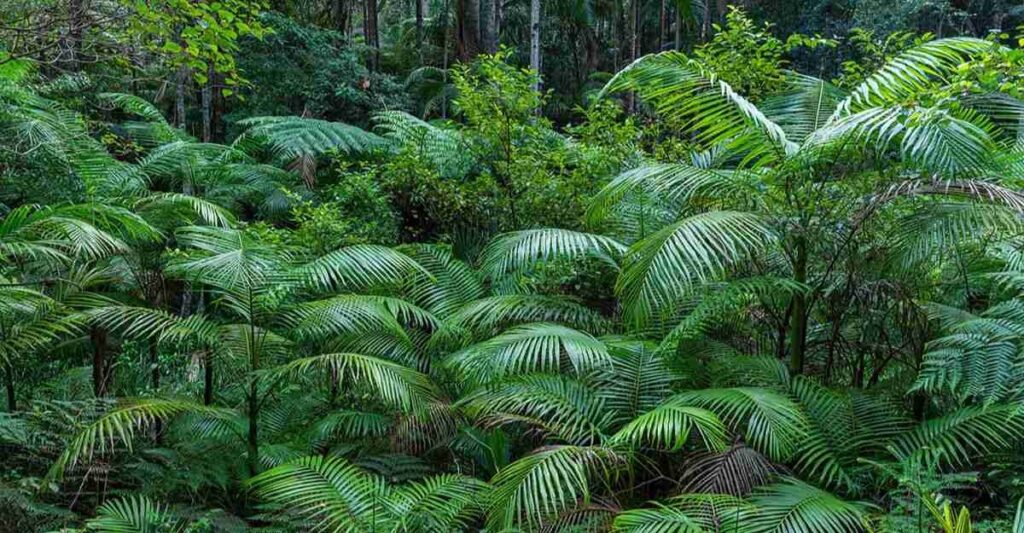
Rainforest animals face many dangers in the modern world. Deforestation is one of the biggest threats. People cut down forests for farming, roads, logging, and development.
When forests disappear, rainforest animals lose their homes and food sources. Some animals cannot move to new areas easily. This makes survival difficult.
It is also harmful to many species to hunt illegally and to trade wildlife. Tigers, parrots, monkeys, and reptiles are often targeted. Some rainforest animals are sold as pets or hunted for body parts.
Rising temperatures and changing rainfall patterns affect plants and water supplies. Animals may struggle to adapt quickly.
Pollution damages rivers and forests. Chemicals and waste can poison rainforest animals and destroy habitats.
Many rainforest species are now endangered. Orangutans, gorillas, and jaguars all face population decline in certain areas.
The table below highlights common threats to rainforest animals.
| Threat | Impact on Rainforest Animals |
| Deforestation | Loss of habitat |
| Illegal Hunting | Decline in wildlife numbers |
| Climate Change | Changes in food and weather |
| Pollution | Damage to water and land |
| Forest Fires | Destruction of homes |
Conservation groups and local communities are working hard to protect rainforest animals. Their efforts include wildlife rescue, forest protection, and education programs.
How People Can Help Protect Rainforest Animals
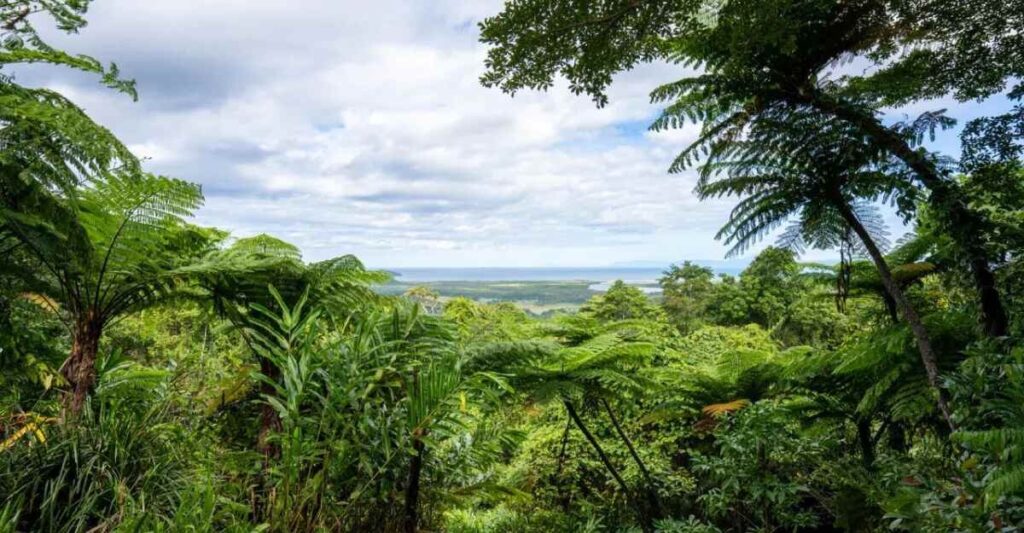
Everyone can help rainforest animals in simple ways.
Supporting conservation groups helps protect forests and wildlife. Many organizations rescue injured animals and create safe habitats.
People can also choose products that support sustainable farming and forestry. This reduces damage to rainforests.
Learning about rainforest animals and sharing information with others increases awareness. Schools, websites, and wildlife programs teach people why forests matter.
Reducing waste and recycling also help the environment. Cleaner ecosystems support healthier wildlife populations.
Travelers who visit rainforests should respect wildlife and avoid activities that harm animals. Responsible tourism supports local communities and conservation projects.
Trees provide homes, food, and clean air for rainforest animals.
Governments and environmental groups continue to create national parks and protected areas. These safe spaces help many endangered rainforest animals survive.
Protecting rainforest animals requires teamwork between people, communities, scientists, and governments.
Fascinating Facts About Rainforest Animals
Rainforest animals are full of surprises. Many species have abilities that seem unbelievable.
The glass frog has transparent skin that allows people to see its internal organs. Electric eels can produce strong electric shocks in rainforest rivers.
Leafcutter ants carry pieces of leaves much larger than their own bodies. They use these leaves to grow fungus for food.
The harpy eagle is one of the strongest birds of prey in the world. It can catch monkeys and sloths from the canopy.
Some rainforest animals glow at night or communicate using sounds humans cannot hear. Others use smells or bright colors to attract mates.
The Amazon rainforest alone contains millions of insect species. Scientists continue to discover new rainforest animals every year.
These amazing facts remind people how special rainforest ecosystems truly are.
Why Rainforest Animals Need Our Protection
Rainforest animals are an important part of life on Earth. They support healthy forests, help ecosystems grow, and inspire people around the world.
These animals face serious threats from habitat destruction, climate change, and hunting. Without protection, many species could disappear forever.
People can help by supporting conservation, learning about wildlife, and protecting forests. Even small daily choices can reduce harm to the environment.
Rainforest animals also remind us of the beauty and diversity of nature. Their colors, sounds, and behaviors make rainforests one of the most exciting places on Earth.
Future generations deserve the chance to see jaguars, toucans, gorillas, and sloths living freely in healthy forests.
Explore more wildlife guides, discover endangered animal facts, and learn about rainforest conservation to continue your journey into the amazing world of nature.
Conclusion
Rainforest animals are an important part of nature. They make rainforests full of life, color, and sound. From powerful jaguars to gentle orangutans, every animal has a special role in the ecosystem. These animals help forests stay healthy and balanced.
Many rainforest animals face threats from deforestation, climate change, and hunting. Protecting rainforests is important for wildlife and for people around the world. By learning more about rainforest animals and supporting conservation efforts, we can help protect these amazing creatures for future generations.
Frequently Asked Questions
What are rainforest animals?
Rainforest animals are species that live in tropical rainforests around the world. These animals include mammals, birds, reptiles, amphibians, and insects.
Which rainforest has the most animals?
The Amazon Rainforest has one of the largest collections of rainforest animals. It contains thousands of species of birds, mammals, reptiles, and insects.
Why are rainforest animals important?
Rainforest animals help maintain healthy ecosystems. They spread seeds, control pests, and support plant growth in forests.
What animals live in the rainforest canopy?
Many rainforest animals live in the canopy layer, including monkeys, sloths, toucans, parrots, and tree frogs.
How can people help rainforest animals?
People can help rainforest animals by supporting conservation groups, reducing waste, planting trees, and protecting forests from destruc
