
Close your eyes for a moment. Imagine sitting in an open safari vehicle as the golden African sun rises over the savannah. A lion strides slowly through the tall grass just metres away. You hear the rumble of an elephant herd moving through the trees. A leopard watches silently from a branch above your head.
South Africa is one of the most wildlife-rich countries on the planet. It is home to 297 species of mammals, 849 species of birds, and over 20,000 species of plants. It ranks as the sixth most biodiverse country in the world out of 17 recognised megadiverse nations.
Whether you are a seasoned safari traveller or someone just beginning to fall in love with the natural world, this guide will take you deep into the heart of South Africa’s extraordinary wildlife. From the mighty Big Five to rare endemic species found nowhere else on earth, there is so much to discover.
Let us begin.
Why South Africa Animals Are So Incredibly Diverse
South Africa is not just one landscape. It is a country of remarkable variety. You will find open savannahs, dense bushveld, dramatic mountains, semi-arid deserts, lush wetlands, and a coastline stretching over 2,500 kilometres along two oceans.
Each of these habitats supports its own unique community of wildlife. The northeast savannah around Kruger National Park teems with large predators and vast herds of prey animals. The fynbos shrublands of the Western Cape shelter plants and animals found nowhere else on earth. The Karoo semi-desert hides surprising pockets of life adapted to dry, harsh conditions.
This variety of habitats is the reason south africa animals are so astonishingly diverse. A single trip across the country can take you from watching elephants at a waterhole to spotting African penguins waddling along a beach. That experience exists nowhere else in the world.
South Africa holds three of the world’s 35 global biodiversity hotspots. These are areas of exceptional plant and animal richness that face serious conservation threats. Protecting them is one of the most important wildlife priorities the country faces today.
The Big Five South Africa Animals Everyone Wants to See
When people think of south africa animals, the Big Five always come to mind first. The term was originally used by big-game hunters to describe the five animals most dangerous and difficult to hunt on foot. Today it represents the five most iconic wildlife sightings on any safari.
The Big Five are the lion, leopard, elephant, rhinoceros, and Cape buffalo. Spotting all five on a single trip is a deeply rewarding experience that many wildlife lovers dream of achieving.
Here is a quick overview of each member of the Big Five:
| Animal | Key Feature | Best Park to See Them |
| Lion | Lives in prides, hunts in teams | Kruger NP, Sabi Sands |
| Leopard | Solitary, nocturnal, elusive | Sabi Sands, Timbavati |
| Elephant | Largest land animal on earth | Kruger NP, Addo Elephant NP |
| Rhinoceros | Two species: black and white | Hluhluwe-iMfolozi, Kruger NP |
| Cape Buffalo | Unpredictable, extremely powerful | Kruger NP, Madikwe |
Each of these animals carries its own story, its own personality, and its own place in the ecosystem. Let us look more closely at some of them.
Lions: The Roaring Kings of South Africa Animals
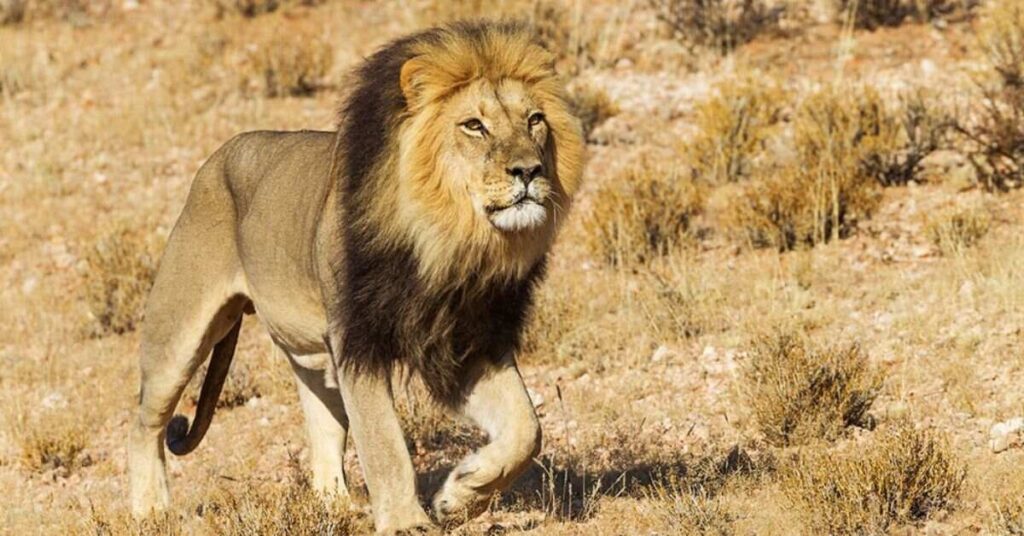
The lion is the most recognisable of all south africa animals. There is nothing quite like hearing a lion’s roar roll across the open plains at dusk. That sound can travel up to eight kilometres and sends a shiver through anyone who hears it.
Lions are highly social animals. They live in groups called prides, which can contain up to 30 individuals. Female lions do the majority of the hunting, working together in teams to bring down large prey like zebra, wildebeest, and buffalo. Male lions protect the pride’s territory and defend the group from rival males.
South Africa offers some of the best opportunities in Africa to see lions in the wild. Kruger National Park has a large and healthy lion population. Private reserves such as Mala Mala and Timbavati also deliver exceptional lion encounters, sometimes from just a few metres away.
Lions are currently classified as vulnerable by the International Union for Conservation of Nature. Their numbers across Africa have declined significantly over the past century. Responsible safari tourism plays a real role in funding the conservation efforts that protect them.
Leopards: The Most Elusive South Africa Animals in the Bush
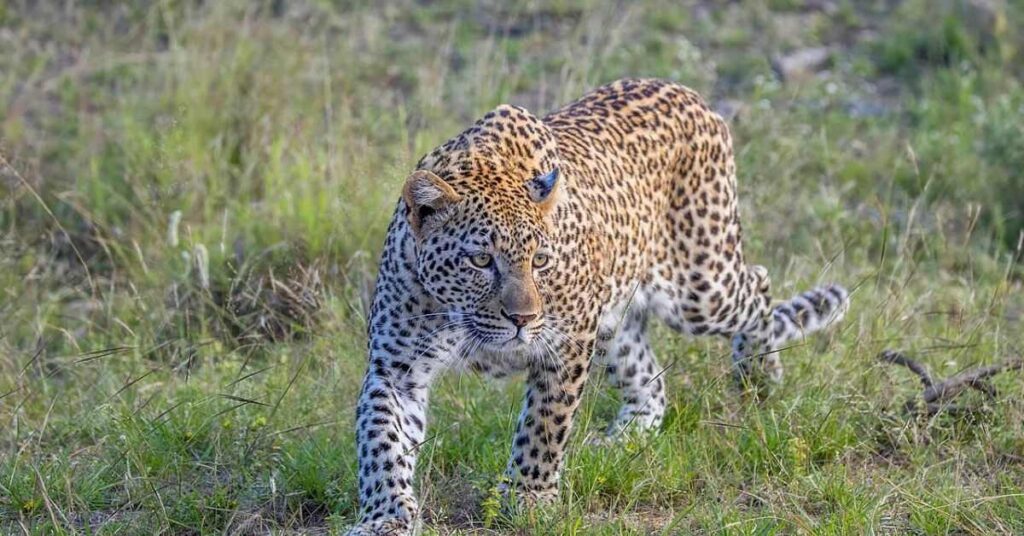
Of all the Big Five south africa animals, the leopard is considered the hardest to find. These stunning cats are masters of camouflage and prefer to live hidden among dense bush and tall trees. Spotting one in the wild is a moment that stays with you for life.
Leopards are solitary and mostly nocturnal. They hunt alone and eat an extraordinary range of prey, from insects and fish to large antelope. One of their most famous behaviours is carrying a fresh kill up into a tree, sometimes lifting prey heavier than their own body weight, to keep it safe from scavengers like spotted hyenas.
The Sabi Sands Game Reserve, bordering Kruger National Park, is one of the best places in the world for leopard sightings. The leopards here have grown comfortable around safari vehicles over many generations, allowing for prolonged and intimate viewing.
If you ever find yourself watching a leopard lying draped across a high tree branch, its long tail swaying lazily in the African breeze, consider yourself among the lucky few. It is one of those moments that no photograph can ever fully capture.
Elephants and Rhinos: Giant South Africa Animals Under Threat
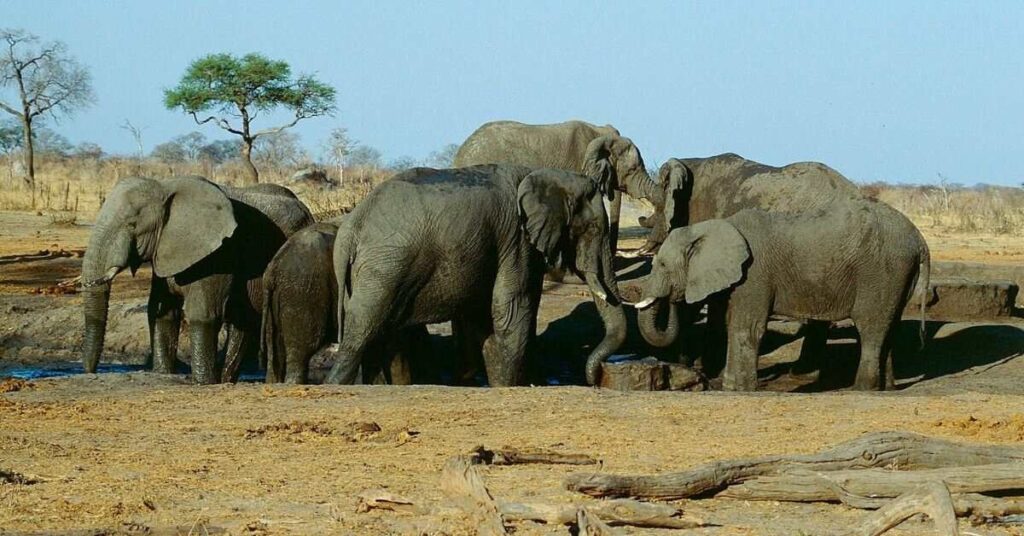
A fully grown male can weigh up to 6,000 kilograms and stand over 3.5 metres tall at the shoulder. These gentle giants are remarkably intelligent. They mourn their dead, communicate through low rumbles that travel through the ground, and live in close-knit family groups led by an experienced older female called the matriarch.
South Africa’s Addo Elephant National Park in the Eastern Cape is home to one of the largest and most accessible elephant populations on the continent. Kruger National Park also hosts thousands of elephants across its vast landscape.
Rhinoceros
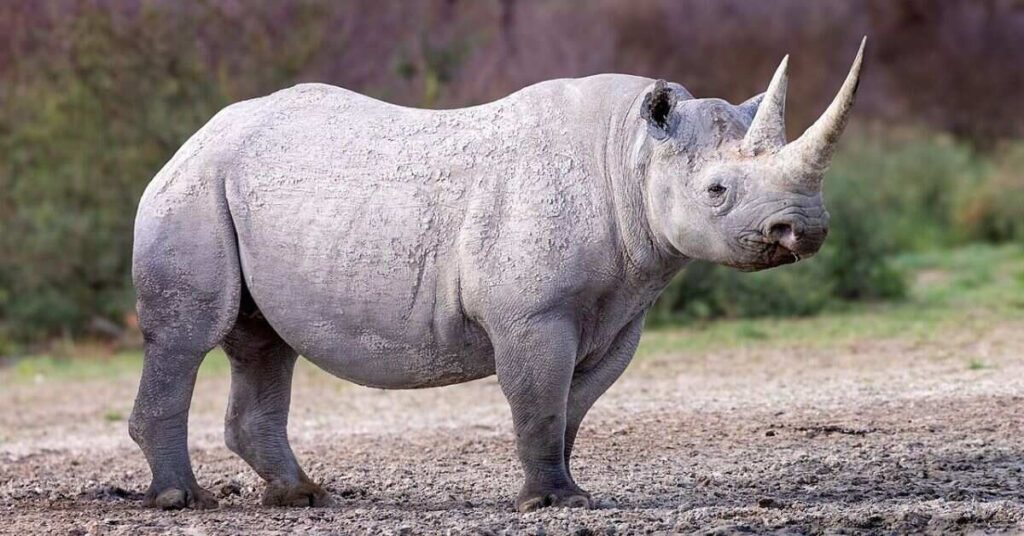
The rhinoceros is perhaps the most endangered of all south africa animals. South Africa and Namibia together hold an estimated 70% of all remaining rhinos in the world. Yet these animals face a devastating crisis from illegal poaching for their horns. Both the white rhino and the black rhino call South Africa home. White rhinos are larger, calmer, and more commonly seen. Black rhinos are smaller, more territorial, and considerably harder to spot.
Conservation teams across South Africa work tirelessly to protect rhinos through anti-poaching units, community engagement, and breeding programmes. The story of the white rhino is one of the great conservation victories of modern times. From fewer than 100 individuals in the early 1900s, the population has grown to tens of thousands today, thanks to dedicated protection efforts.
Endemic South Africa Animals You Will Not Find Anywhere Else
South Africa is home to a remarkable number of species found nowhere else on earth. These endemic south africa animals make the country uniquely special from a conservation and wildlife perspective.
Bontebok
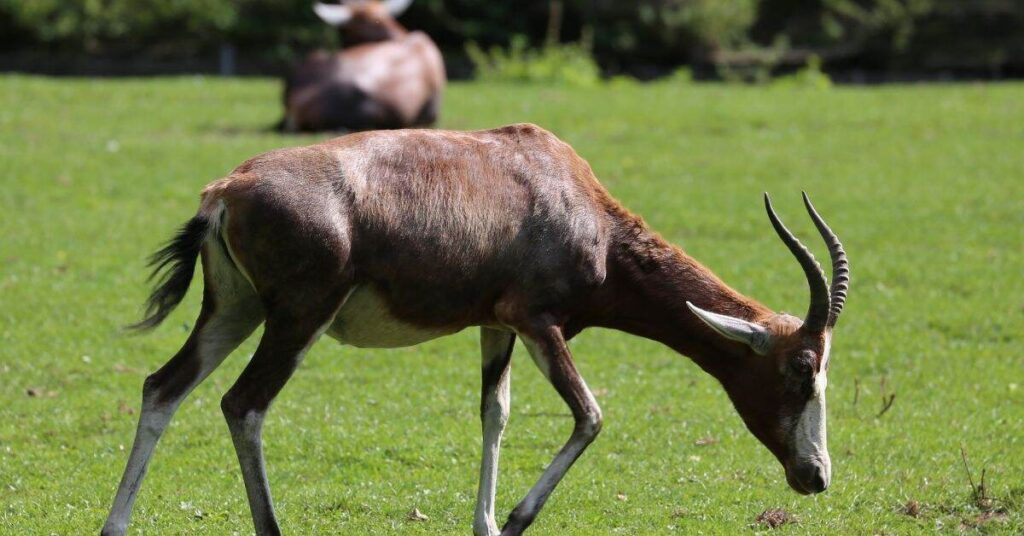
The bontebok is a beautiful antelope with a rich chocolate-brown coat and striking white facial markings. It exists only in the Western Cape region of South Africa. Once hunted almost to extinction, it was saved through dedicated breeding and reintroduction programmes. Today it thrives in protected reserves like Bontebok National Park near Swellendam.
Cape mountain zebra
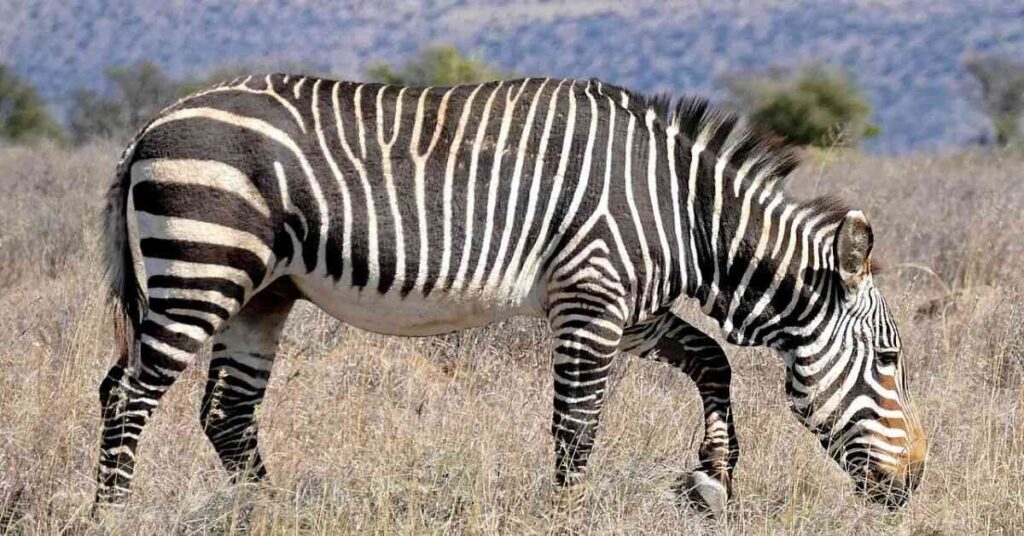
This subspecies of zebra was rescued from near-extinction through careful conservation work. You can see them at Mountain Zebra National Park and several other protected areas across the Cape and Karoo regions.
Springbok
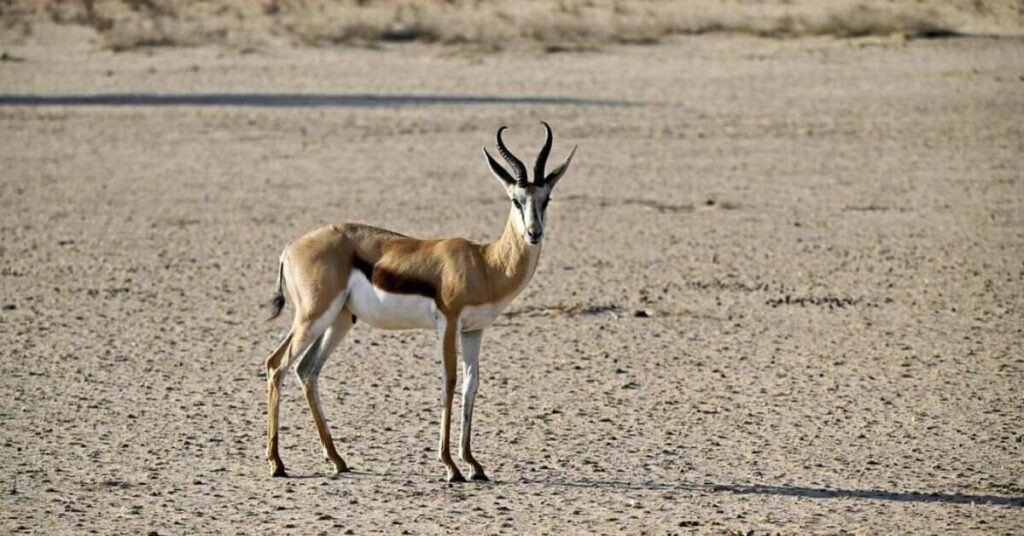
The springbok, South Africa’s national animal, is also native to Southern Africa. This elegant antelope is famous for a behaviour called “pronking,” where it leaps high into the air in great bounding jumps.
Riverine rabbit
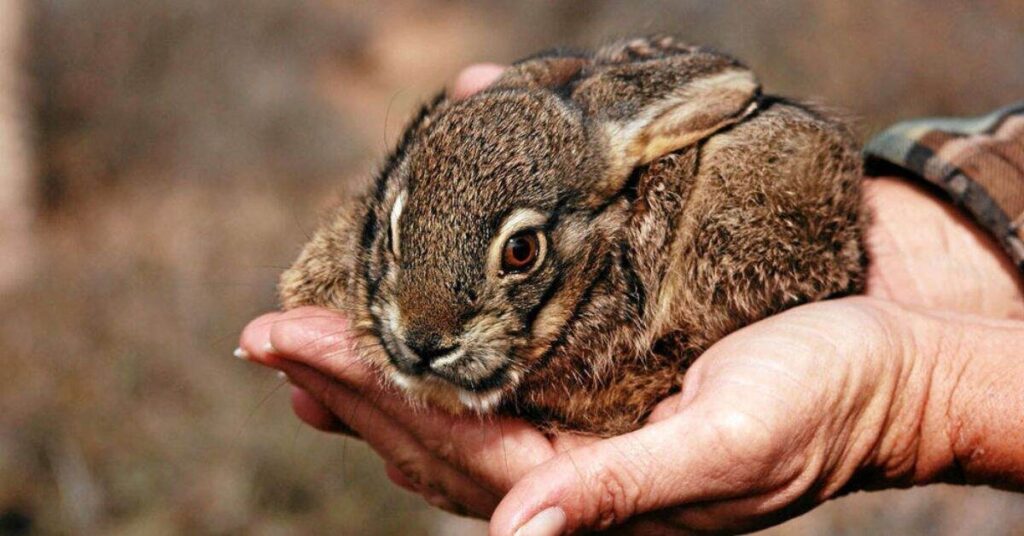
The riverine rabbit is one of South Africa’s most critically endangered animals. Only 157 to 207 mature individuals remain in the wild. It lives in riverine habitats in the Karoo and faces severe threats from habitat loss, agricultural development, and climate change.
These endemic species remind us that South Africa’s wildlife is not just globally important. It is irreplaceable.
Incredible South Africa Animals Beyond the Big Five
South Africa’s wildlife stretches far beyond the famous Big Five. The country hosts a stunning variety of other animals that are just as thrilling to encounter in the wild.
Cheetah
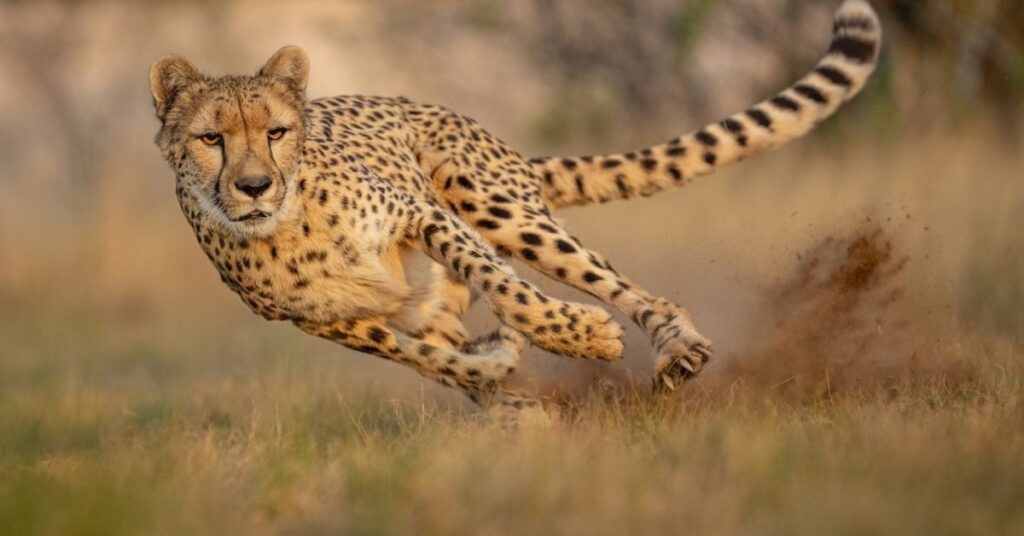
The cheetah is the fastest land animal on earth, capable of reaching speeds of up to 120 km/h in short bursts. It hunts during the day, using its extraordinary eyesight to spot prey from a distance before launching a breathtaking high-speed chase. The Kgalagadi Transfrontier Park is one of the best places in South Africa to watch cheetahs hunt across the open Kalahari terrain.
African wild dog
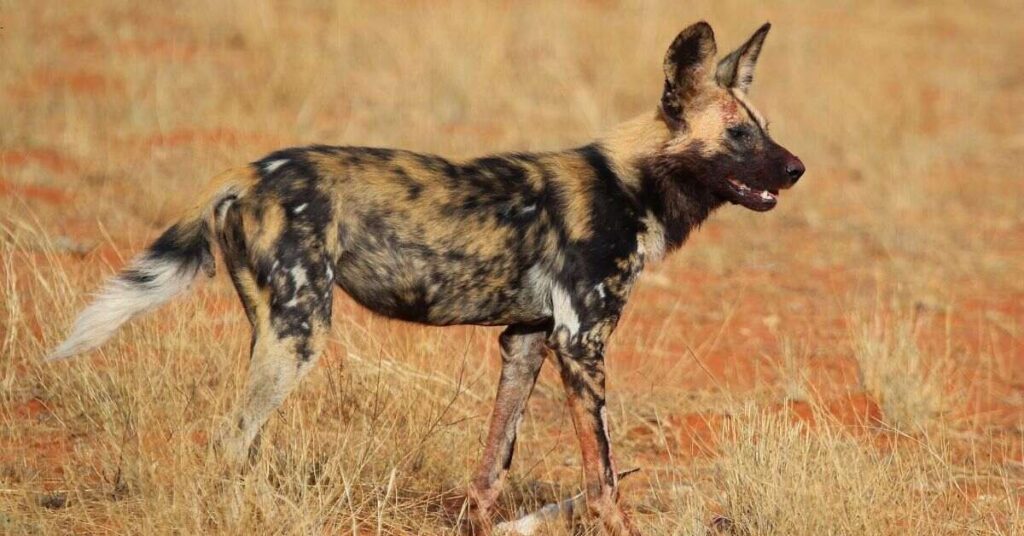
There are a number of critically endangered carnivores in the world, including African wild dogs. These remarkable animals hunt in coordinated packs with extraordinary teamwork and communication. They have an 80% hunting success rate, far higher than lions or leopards. Madikwe Game Reserve and the Greater Kruger area offer some of the best wild dog sightings on the continent.
Hippopotamus
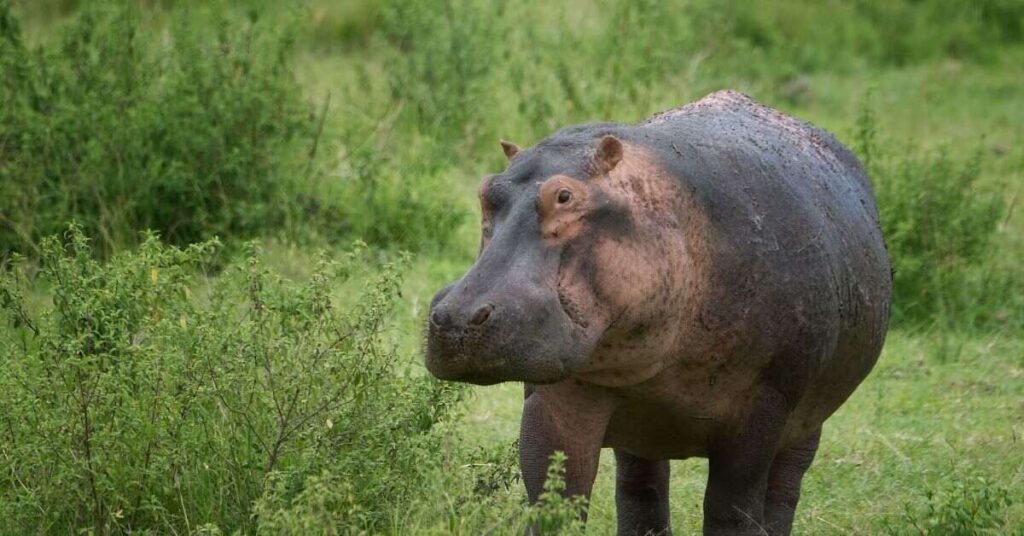
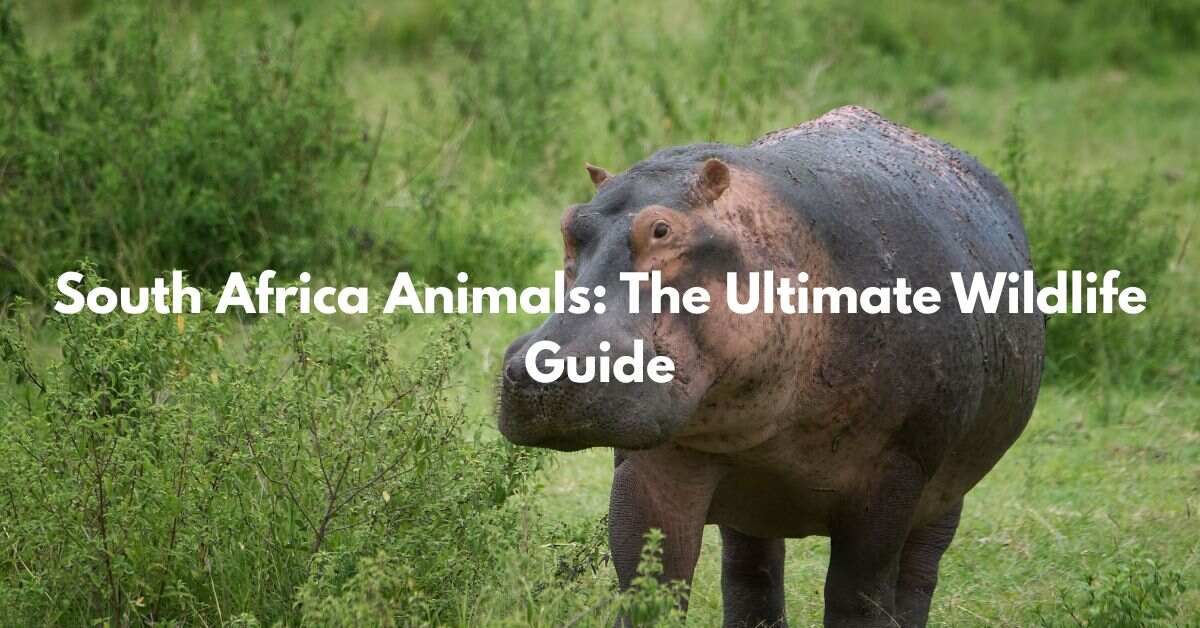
The hippopotamus is another iconic resident of South Africa’s rivers and wetlands. Despite their bulky appearance, hippos are extremely fast and unpredictable. iSimangaliso Wetland Park in KwaZulu-Natal is one of the best places to observe hippos in large numbers along the water’s edge.
Here is a broader look at more remarkable south africa animals to add to your wildlife wishlist:
| Animal | Interesting Fact | Where to See |
| Giraffe | Tallest animal in the world at up to 6 metres | Kruger NP, Pilanesberg |
| Zebra | Each zebra has a completely unique stripe pattern | Most major reserves |
| Meerkat | Stands upright as a sentinel to watch for danger | Kalahari region |
| African Penguin | Only penguin species on the African continent | Boulders Beach, Cape Town |
| Nile Crocodile | It is capable of holding its breath for up to two hours | iSimangaliso, Kruger rivers |
| Honey Badger | Famously fearless, will challenge animals much larger than itself | Kgalagadi, Kruger NP |
| Warthog | Runs with its tail raised straight up like an antenna | Across all major parks |
| Impala | One of the most common antelope in South Africa | Kruger NP and most reserves |
Read about it more: https://www.wildlifenomads.com/blog/animals-of-southafrica/
South Africa Animals in the Sky: Birds to Watch Out For
South Africa is a paradise for birdwatchers. The country is home to 849 species of birds, including around 175 endemic species found nowhere else in the world. Whether you are a dedicated birder or simply someone who enjoys watching birds, south africa animals of the feathered kind will delight you at every turn.
African fish eagle
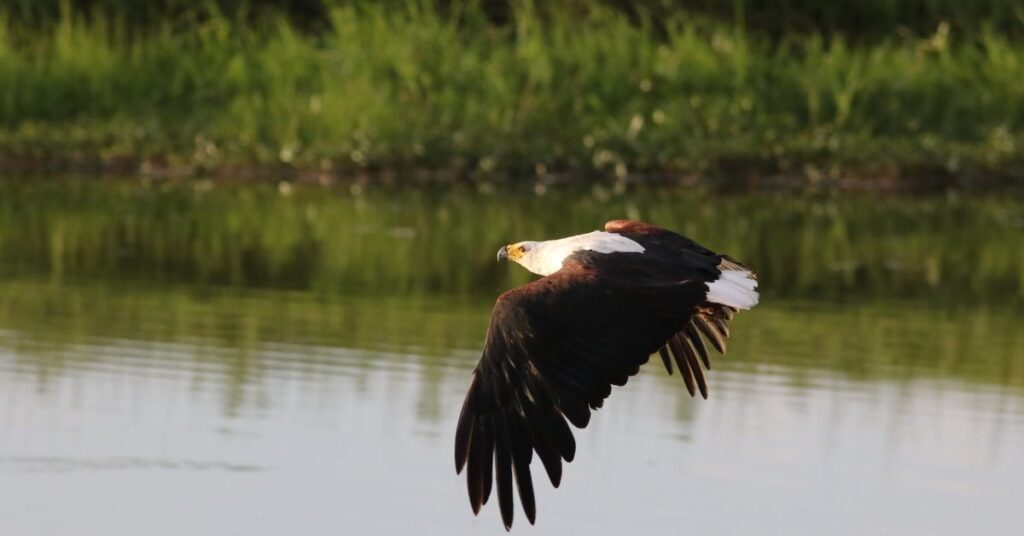
There are few birds on the continent more recognizable than the African fish eagle. Its piercing, haunting call carries across lakes and rivers and is widely considered the sound of wild Africa.
Blue Crane
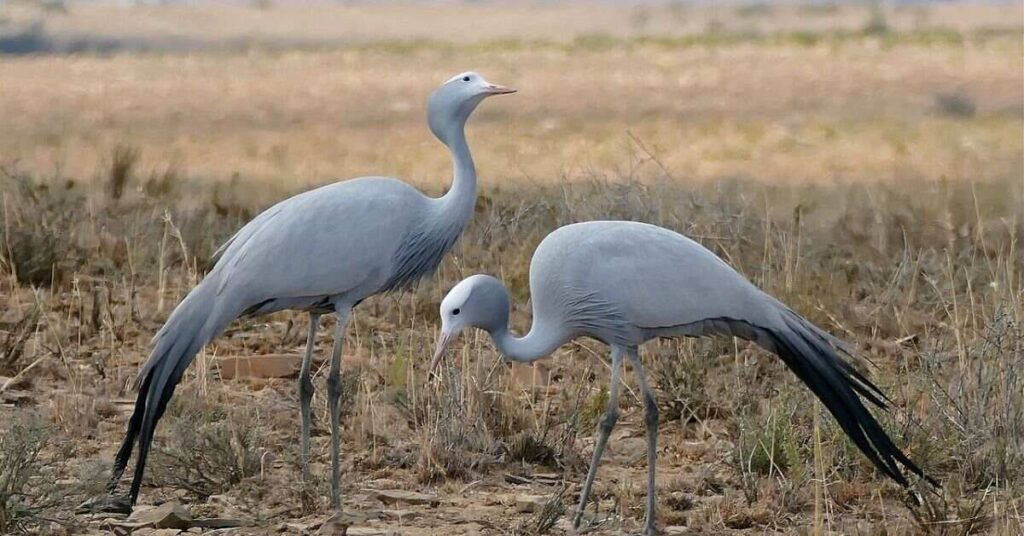
In South Africa, there is a national bird called the Blue Crane. It is an elegant grey bird with long flowing tail feathers and stands about a metre tall. It lives in open grasslands and farmlands and is classified as vulnerable due to habitat loss and human conflict.
lilac-breasted
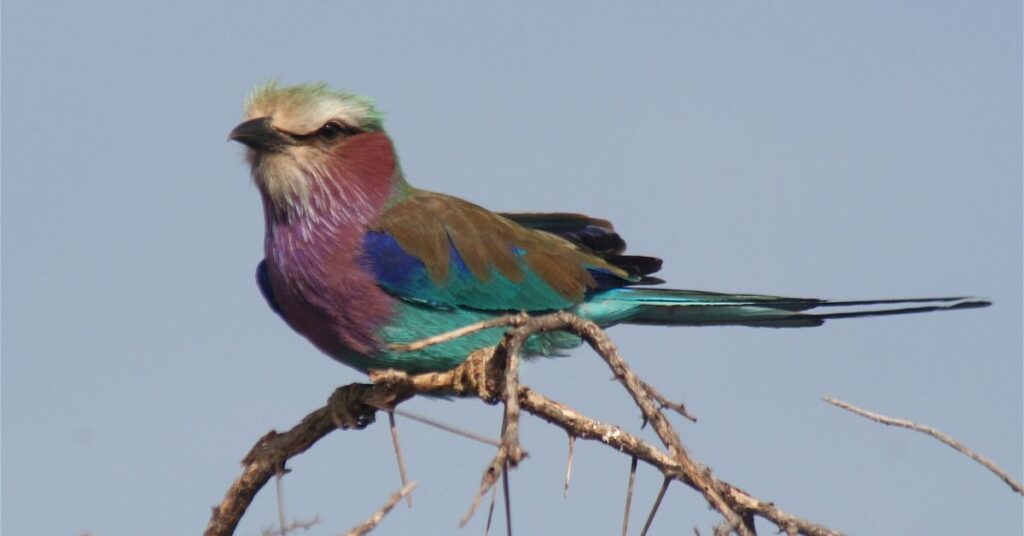
The lilac-breasted roller is one of Africa’s most beautiful birds. It displays a stunning rainbow of colours including lilac, blue, green, and orange, and is commonly spotted perching on acacia trees across the savannah.
Ostrich
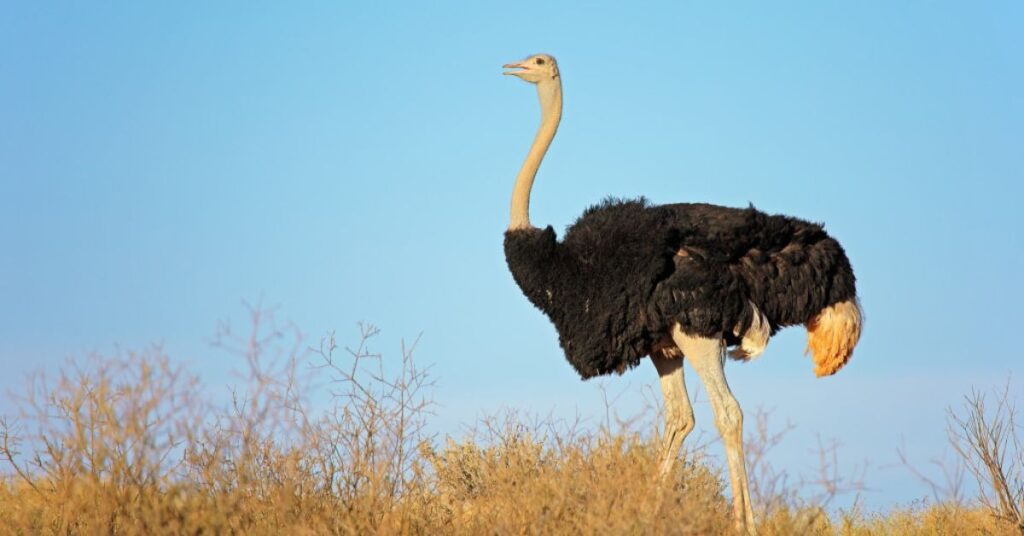
The ostrich is also found throughout South Africa. It is the largest bird in the world and cannot fly but can run at speeds of up to 70 km/h, making it the fastest bird on land.
South Africa hosts around 850 species of birds in total, which makes it one of the top birdwatching destinations in the entire world.
Coastal South Africa Animals: Life Along the Shoreline
South Africa’s coastline stretches for over 2,500 kilometres along both the Atlantic and Indian Oceans. This dual-ocean position creates an incredibly rich marine environment, home to some of the most spectacular south africa animals found anywhere in the country.
Southern Right Whale
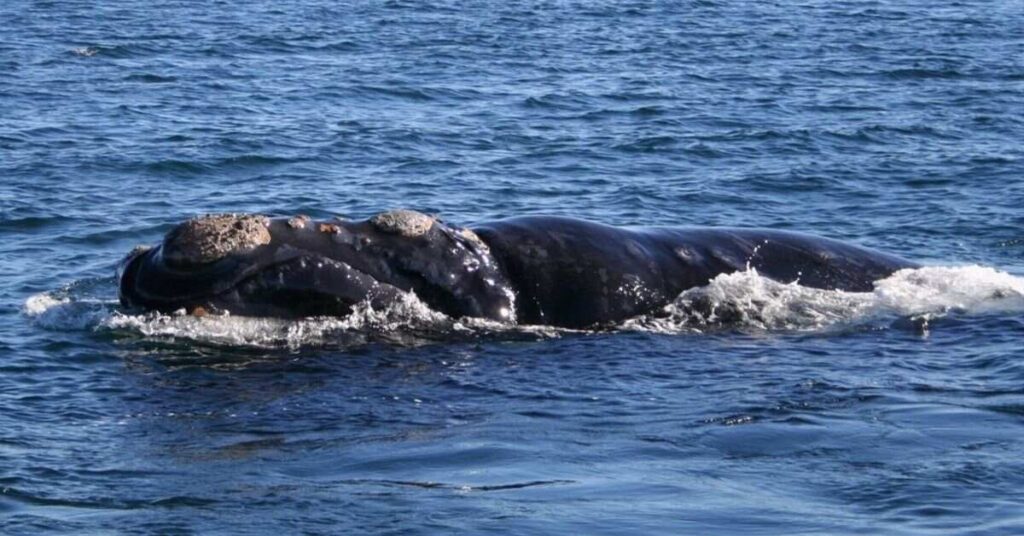
The Southern Right Whale is one of the great wildlife highlights of the South African coast. Every year between June and November, these massive whales migrate to the warm coastal waters to give birth and nurse their calves. The town of Hermanus near Cape Town is internationally recognised as one of the best spots in the world for land-based whale watching. Humpback whales and orca are also regularly spotted along the coast.
African penguin
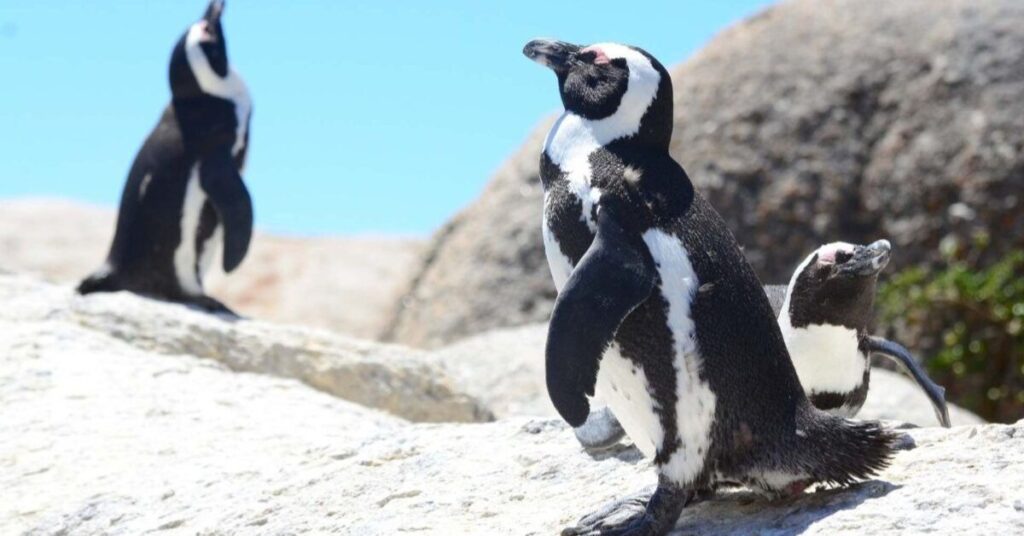
The African penguin is one of the most charming of all south africa animals. Found at accessible colonies such as Boulders Beach near Cape Town and at various points along the West Coast, these small, waddling birds are the only penguin species native to the African continent. Sadly, their population has declined steeply in recent decades due to overfishing, oil pollution, and habitat loss.
South Africa also has an impressive great white shark population. The waters around Gansbaai are known as the great white shark capital of the world, drawing divers and marine enthusiasts from across the globe for cage diving experiences.
Marine life in South Africa accounts for around 15% of all marine species globally. The country holds the third highest marine species endemism in the world, meaning that a huge proportion of its sea life exists nowhere else on the planet.
Conservation of South Africa Animals: Challenges and Victories
South Africa takes wildlife conservation seriously. The country operates an extensive network of national parks, private game reserves, and marine protected areas that together protect millions of hectares of natural habitat.
However, serious threats remain. Poaching continues to be one of the biggest dangers facing south africa animals, particularly for rhinos, elephants, and pangolins. The pangolin is the most trafficked mammal in the world, with demand for its scales driving an illegal trade that pushes this remarkable creature ever closer to extinction.
In 2025, an estimated 20% of South Africa’s mammals and 10% of its birds and frogs face the risk of extinction. Habitat loss caused by farming, mining, and urban development also puts enormous pressure on wildlife populations across the country.
Yet there are real and inspiring success stories too. The white rhino population has grown from fewer than 100 individuals in the early 1900s to tens of thousands today, largely because of dedicated protection in South African reserves. The bontebok and the Cape mountain zebra have both been pulled back from the edge of extinction through conservation breeding programmes.
Responsible safari tourism plays a vital role in funding these efforts. When you visit a well-managed game reserve, your presence contributes directly to anti-poaching patrols, habitat restoration, and local community development. Choosing ethical wildlife experiences is one of the most meaningful things any wildlife lover can do.
Best Time to See South Africa Animals on Safari
Timing your visit makes a genuine difference to the quality of your wildlife experience. While south africa animals can be seen year-round, the dry season from May to October is widely regarded as the best time for safari.
During the dry season, the vegetation thins out significantly, making animals much easier to spot. Water sources become scarce across the landscape, drawing large numbers of animals to rivers and waterholes. This creates incredible opportunities to witness dramatic predator and prey interactions.
The wet season from November to April brings lush green scenery, newborn animals, and outstanding birdwatching as migratory species arrive from Europe and Asia. This time of year has its own special magic, even if the dense vegetation can make spotting animals a little more challenging.
For coastal wildlife such as whales and penguins, the winter months between June and November are ideal along the Western Cape coastline.
Conclusion
South Africa is truly one of the best places in the world for wildlife lovers. The country offers breathtaking landscapes, rich biodiversity, and unforgettable safari experiences. From powerful lions and giant elephants to playful penguins and fast cheetahs, south africa animals attract visitors from every corner of the globe.
The beauty of South African wildlife is not only in the animals themselves but also in the habitats they live in. National parks, forests, grasslands, rivers, and coastal regions all work together to support life and maintain balance in nature.
Conservation efforts continue to protect endangered species and preserve these natural treasures for future generations. Responsible tourism also helps support wildlife protection and local communities.
Whether you are planning your first safari or simply learning more about wildlife, exploring south africa animals can inspire a deeper connection with nature. Every animal has a role in the ecosystem, and every safari experience reminds us why protecting wildlife matters.
South Africa remains a dream destination for anyone who wants to experience the wild beauty of the animal kingdom.
Frequently Asked Questions
What are the most famous south africa animals?
The most famous south africa animals are the Big Five. These include the lion, leopard, elephant, rhino, and buffalo. Many visitors travel to South Africa to see these animals during safari tours.
Where can I see south africa animals?
You can see south africa animals in national parks and game reserves such as Kruger National Park, Addo Elephant National Park, and Hluhluwe Imfolozi Park.
Are south africa animals endangered?
Some south africa animals are endangered because of poaching and habitat loss. Rhinos and African wild dogs are among the species that need strong protection.
What is the best time to see south africa animals?
The dry season is usually the best time for wildlife viewing because animals gather near water sources and vegetation becomes thinner.
Why are south africa animals important?
South africa animals support ecosystems, attract tourism, and help maintain biodiversity. They also play an important role in conservation education and environmental awareness.
