

Introduction
The ocean holds many amazing animals, but few are as fascinating as Blacktip and Whitetip Reef Sharks. These sharks live in warm tropical waters and often swim around colorful coral reefs. Many divers see them during reef dives, which makes them some of the most well known reef sharks in the world.
Blacktip and Whitetip Reef Sharks play an important role in keeping reef ecosystems balanced. They hunt smaller fish and help control marine populations. Because of this, coral reefs stay healthy and full of life.
Many people feel afraid when they hear the word shark. In reality, Blacktip and Whitetip Reef Sharks rarely harm humans. Most of the time they swim calmly around reefs and avoid people.
These sharks also help scientists learn more about ocean ecosystems. Researchers study their movements, feeding habits, and breeding patterns to understand reef health.
This article explores everything about Blacktip and Whitetip Reef Sharks. You will learn where they live, how they hunt, what makes them different, and why protecting them matters for our oceans.
Blacktip and Whitetip Reef Sharks Habitat and Distribution
Blacktip and Whitetip Reef Sharks live mainly in warm tropical oceans. You can find them in coral reefs across the Indo Pacific region. These waters include areas around Southeast Asia, Australia, the Maldives, and many Pacific islands.
Blacktip reef sharks
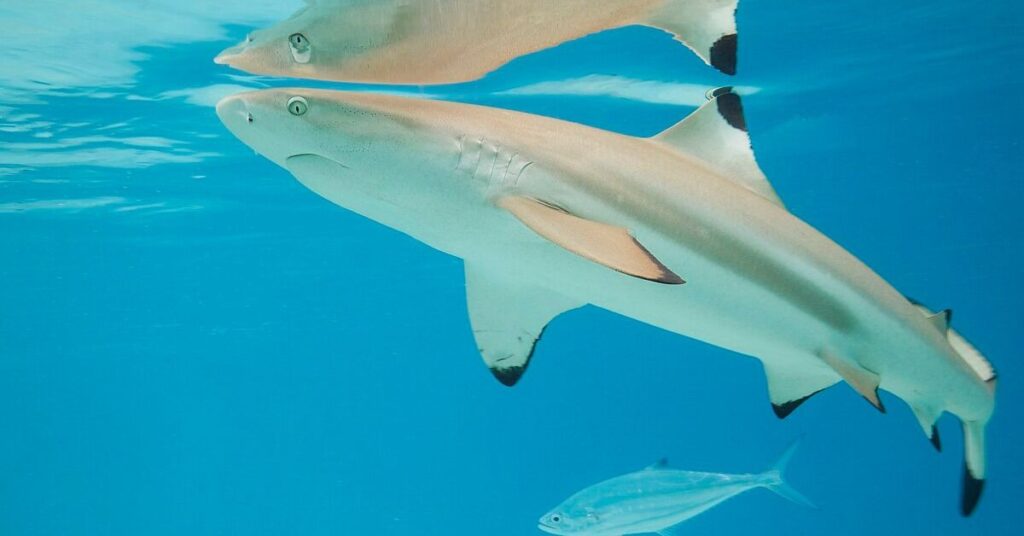
Blacktip reef sharks usually swim in shallow coastal waters. They prefer lagoons, reef flats, and sandy areas close to coral reefs. These locations give them easy access to food and safe places to move quickly.
Whitetip reef sharks
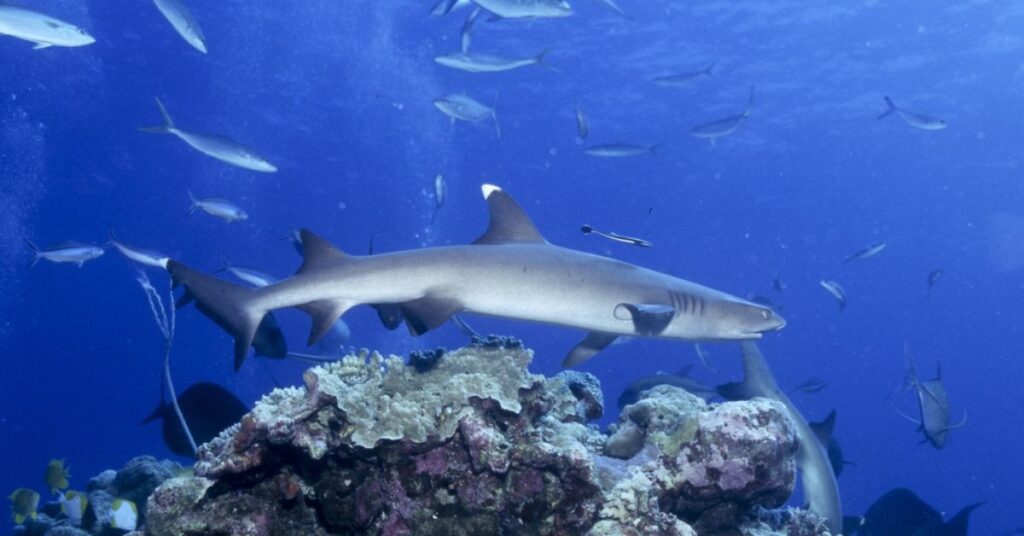
Whitetip reef sharks prefer slightly different areas. They often rest inside caves, reef crevices, and coral formations during the day. At night they become active and swim across the reef to hunt.
Both species depend on healthy coral reef environments. Coral reefs provide shelter for many fish species. These fish become an important food source for Blacktip and Whitetip Reef Sharks.
The presence of these sharks often shows that a reef ecosystem is healthy. When predators live in a reef, it means the food chain is working well.
Below is a simple comparison of their common habitats.
| Shark Species | Common Habitat | Activity Time | Ocean Regions |
| Blacktip Reef Shark | Shallow lagoons and reef flats | Mostly day and night | Indo Pacific, Indian Ocean |
| Whitetip Reef Shark | Coral caves and reef crevices | Mostly night | Indo Pacific reefs |
Protecting coral reefs helps protect Blacktip and Whitetip Reef Sharks and many other marine animals that share the same home.
5 Fascinating Facts About Blacktip and Whitetip Reef Sharks
1. Blacktip Reef Sharks Are Master Habitat Specialists
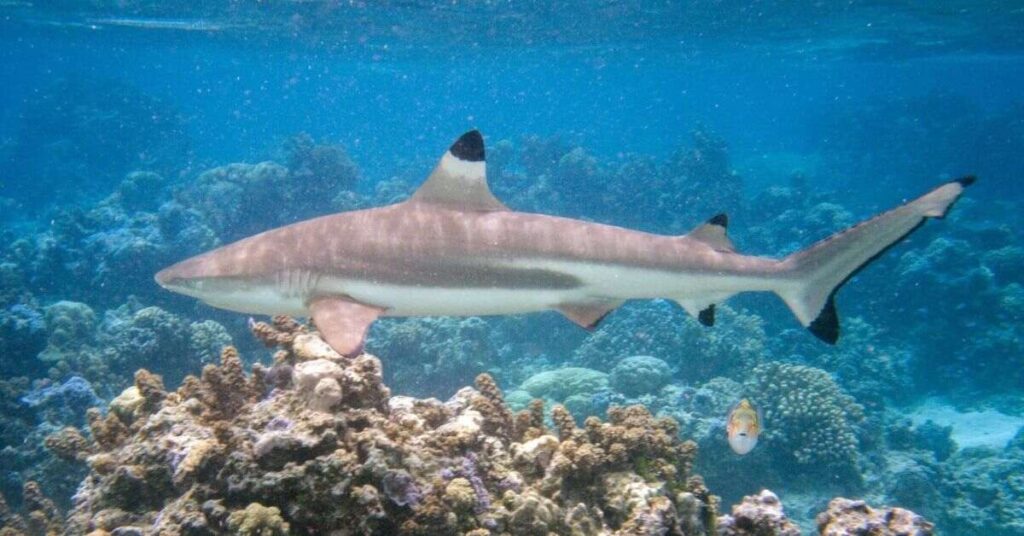
Blacktip reef sharks are true habitat specialists. They prefer shallow waters near coral reefs. These areas give them safety and plenty of food. Many Blacktip and Whitetip Reef Sharks live in lagoons, reef flats, and coastal bays. The water in these places is usually warm and clear. This helps the sharks move easily while hunting fish.
These sharks often swim close to the reef edge. They use their strong bodies to move quickly through shallow water. Small fish, squid, and crustaceans live in these reef zones. This makes the area perfect for hunting. Scientists say that healthy reefs attract Blacktip and Whitetip Reef Sharks because they provide shelter and food. When coral reefs stay strong, these sharks can survive and thrive in their natural habitat.
2. They’re Not Actually That Aggressive – Here’s the Truth
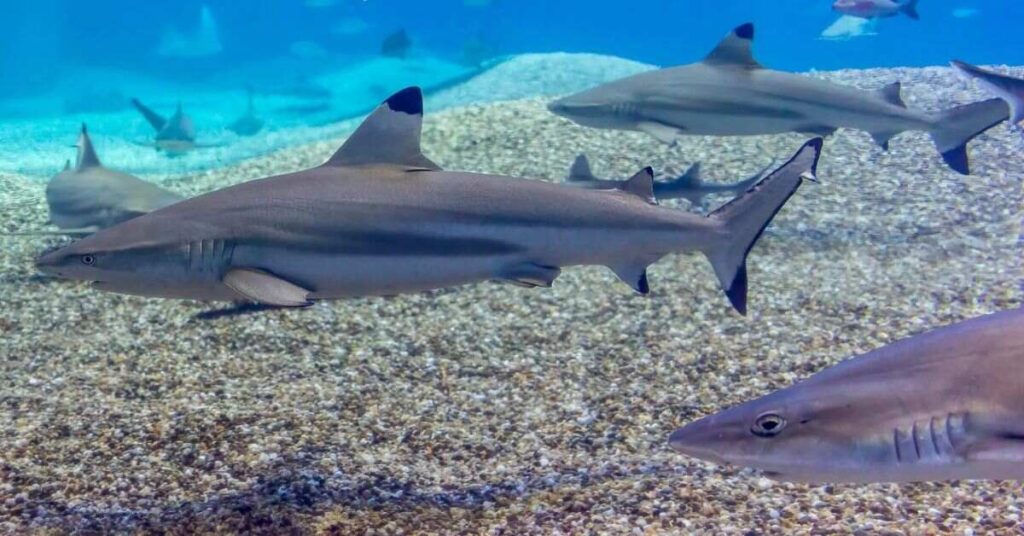
Many people think reef sharks are dangerous. Movies and stories often make sharks look aggressive. In reality, Blacktip and Whitetip Reef Sharks are usually calm animals. They prefer to avoid humans rather than attack them. Most divers see these sharks swimming peacefully around coral reefs.
When Blacktip and Whitetip Reef Sharks notice people in the water, they often keep their distance. Sometimes they swim nearby out of curiosity. Scientists and divers have observed them for many years. Serious attacks are extremely rare. These sharks focus on hunting small fish and marine animals. This shows that they are an important part of the reef ecosystem, not a threat to humans.
3. Swimming with Blacktip Reef Sharks Is Generally Safe
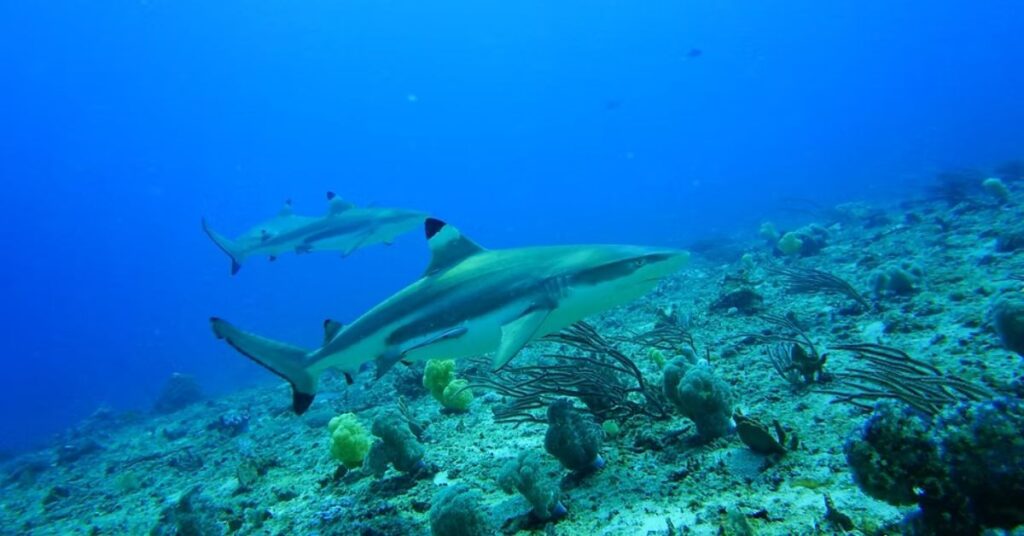
Many people enjoy swimming or diving in areas where reef sharks live. In most cases, it is safe to swim near Blacktip and Whitetip Reef Sharks. These sharks are naturally shy and do not look at humans as prey. Divers often see them moving calmly around coral reefs. They usually keep a safe distance and continue their normal behavior.
Tour guides and marine experts often explain how to behave around reef sharks. Staying calm and not chasing the sharks helps keep the experience safe. When people respect the ocean and wildlife, encounters with Blacktip and Whitetip Reef Sharks become peaceful and exciting. Many divers describe these moments as unforgettable wildlife experiences.
4. Tiger Sharks Are Indeed a Threat to Blacktip Reef Sharks
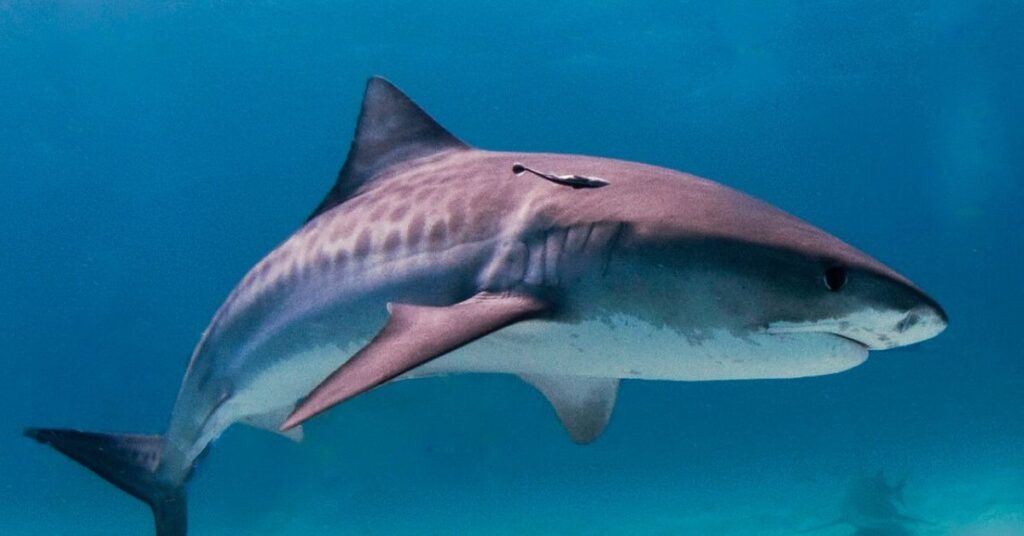
Blacktip reef sharks face danger from larger predators in the ocean. One of the biggest threats comes from tiger sharks. Tiger sharks are much larger and stronger. They hunt many types of marine animals. Sometimes they also hunt smaller sharks. This means Blacktip and Whitetip Reef Sharks must stay alert when larger predators are nearby.
Blacktip reef sharks often survive by staying in shallow reef waters. Large predators like tiger sharks usually prefer deeper areas. Shallow reefs give Blacktip and Whitetip Reef Sharks a safer place to live and hunt. The coral structures also provide hiding spots. This natural protection helps them avoid becoming prey in the ocean food chain.
5. Swimming with Whitetip Reef Sharks Is Incredibly Safe
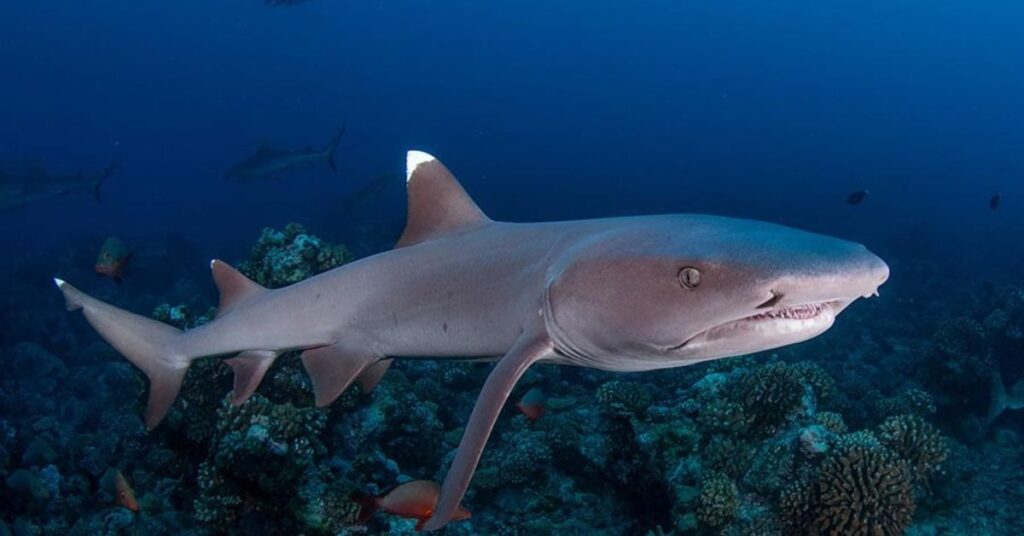
Swimming near whitetip reef sharks is usually a calm experience. These sharks are known for their relaxed behavior. Many divers see them resting on the sea floor during the day. They often stay inside coral caves or under reef ledges. Because of this calm nature, Blacktip and Whitetip Reef Sharks rarely show aggression toward people.
Divers often watch whitetip reef sharks from a short distance. The sharks usually ignore humans and continue resting or swimming slowly. They focus on hunting small fish at night rather than reacting to divers. When people respect the ocean and avoid sudden movements, encounters with Blacktip and Whitetip Reef Sharks remain peaceful and safe.
Read about it more: https://www.wildlifenomads.com/blog/facts-about-blacktip-whitetip-reef-sharks/
Physical Features of Blacktip and Whitetip Reef Sharks
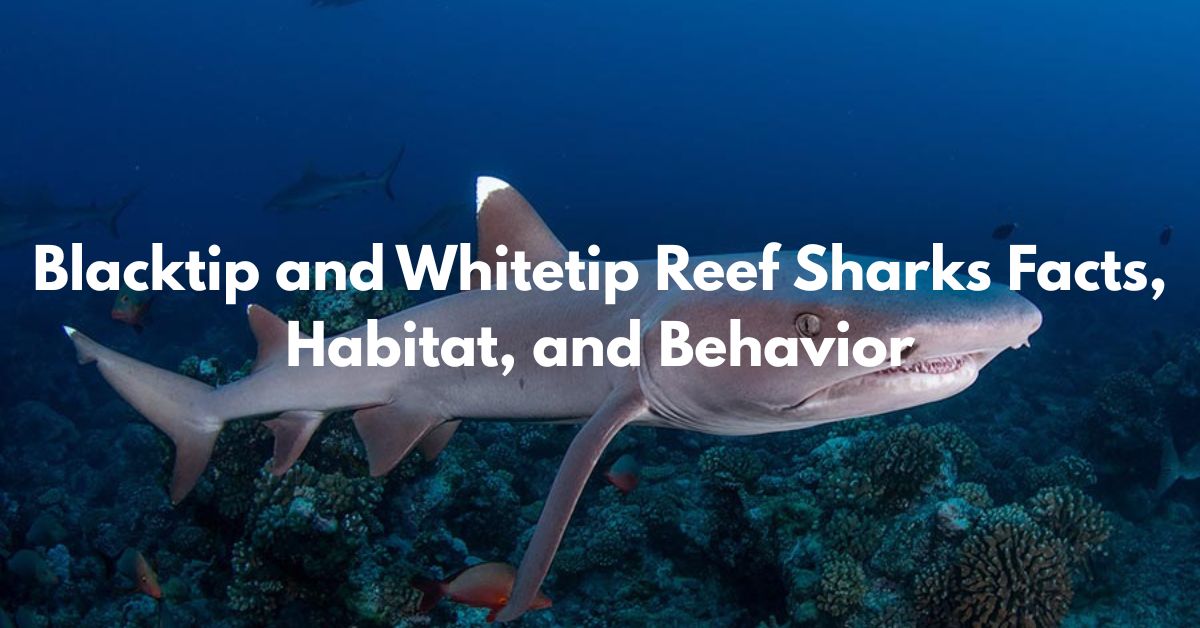
The name Blacktip and Whitetip Reef Sharks comes from their unique fin colors. These markings make it easy for divers and marine scientists to identify them.
Blacktip reef sharks have clear black tips on their dorsal fins, tail fins, and pectoral fins. Their body looks sleek and gray with a white belly. These sharks usually grow up to 1.6 meters long.
Whitetip reef sharks have bright white tips on their dorsal and tail fins. Their body is slim and slightly darker in color. Most adults grow between 1.5 and 2 meters long.
Another interesting feature is their body shape. Blacktip reef sharks have a strong and streamlined body. This shape helps them swim fast while chasing fish in shallow water.
Whitetip reef sharks have a thinner body. They can easily move through narrow coral spaces. This ability helps them catch prey hiding inside reef holes.
The following table shows some clear physical differences.
| Feature | Blacktip Reef Shark | Whitetip Reef Shark |
| Fin Markings | Black tips on fins | White tips on fins |
| Average Length | Around 1.6 meters | Around 1.5 to 2 meters |
| Body Shape | Strong and streamlined | Slim and flexible |
| Movement | Fast swimmer | Moves easily in reef spaces |
Behavior and Hunting Style of Blacktip and Whitetip Reef Sharks
The behavior of Blacktip and Whitetip Reef Sharks shows how well they adapt to coral reef life. Each species uses a different hunting style.
Blacktip reef sharks are active swimmers. They often patrol reef edges and shallow waters during the day. Sometimes they swim in small groups while searching for prey.
These sharks are known for their quick hunting movements. When they spot fish, they suddenly speed up and attack with sharp turns. Their fast body helps them catch prey before it escapes.
Whitetip reef sharks show a different behavior pattern. During the day they usually rest on the ocean floor inside reef caves. Unlike many other sharks, they can breathe while staying still.
At night they become active hunters. They swim slowly through coral areas and look for hidden prey. Their flexible body helps them enter narrow reef gaps.
Divers often observe these sharks swimming calmly around reefs. This peaceful behavior shows they are not naturally aggressive toward humans.
Role of Blacktip and Whitetip Reef Sharks in Coral Reef Ecosystems
Healthy coral reefs depend on strong food chains. Blacktip and Whitetip Reef Sharks play a major role in keeping these systems balanced.
As top reef predators, they control the population of smaller fish. If predator numbers decrease, prey populations may grow too large. This imbalance can harm coral reef ecosystems.
For example, some fish eat algae that grows on coral. If predator numbers drop, certain fish populations increase too much. This can change the natural balance of the reef.
By hunting weaker or sick fish, Blacktip and Whitetip Reef Sharks also help maintain stronger marine populations. This natural process supports healthy species survival.
Scientists often study reef sharks to understand ocean health. When reefs still support predators, it usually means the ecosystem is stable.
Conservation programs focus on protecting shark habitats. Healthy reefs support tourism, fishing communities, and marine biodiversity.
Supporting wildlife conservation helps protect not only these sharks but also thousands of marine species that depend on coral reefs.
Threats and Conservation
Despite their importance, Blacktip and Whitetip Reef Sharks face several threats in the modern ocean.
Overfishing remains one of the biggest dangers. Some fisheries catch reef sharks accidentally while targeting other fish species. In some areas sharks are also hunted for their fins.
Habitat destruction creates another major problem. Coral reefs suffer from pollution, climate change, and warming ocean temperatures. When coral reefs die, many marine animals lose their homes.
Tourism can also disturb reef ecosystems if it is not managed carefully. Responsible diving and marine tourism help reduce harm to wildlife.
Many countries now create marine protected areas to protect reef ecosystems. In these protected zones, fishing limits help shark populations recover.
Protecting sharks helps protect the entire reef ecosystem. Healthy reefs support marine biodiversity, coastal protection, and ocean balance.
Conclusion
Blacktip and Whitetip Reef Sharks are among the most important predators living in coral reef ecosystems. Their presence helps keep marine food chains balanced and healthy.
These sharks show unique behaviors that allow them to survive in busy reef environments. Blacktip move quickly in shallow waters, while whitetip explore coral caves during night hunts.
Although many people fear sharks, Blacktip and Whitetip rarely harm humans. Most encounters with divers remain peaceful and fascinating.
Protecting coral reefs is the best way to protect these sharks. Healthy reefs provide shelter, food, and breeding grounds for many marine species.
Frequently Asked Questions
Are Blacktip and Whitetip Reef Sharks dangerous to humans?
Blacktip and Whitetip Reef Sharks rarely attack humans. They usually swim away when people approach. Most encounters happen safely during scuba diving or snorkeling.
Where can you see Blacktip and Whitetip Reef Sharks?
You can see Blacktip and Whitetip Reef Sharks in tropical oceans. Popular locations include the Maldives, Indonesia, Australia, and many Pacific coral reefs.
What do Blacktip and Whitetip Reef Sharks eat?
Blacktip and Whitetip Reef Sharks eat small fish, squid, octopus, and crustaceans. They hunt around coral reefs where these animals live.
Why are Blacktip and Whitetip Reef Sharks important?
These sharks control fish populations and help maintain healthy coral reef ecosystems. Their presence shows that a reef environment remains balanced.
How long do Blacktip and Whitetip Reef Sharks live?
Blacktip reef sharks can live about 10 to 12 years in the wild. Whitetip reef sharks may live longer depending on environmental conditions.
