
Introduction
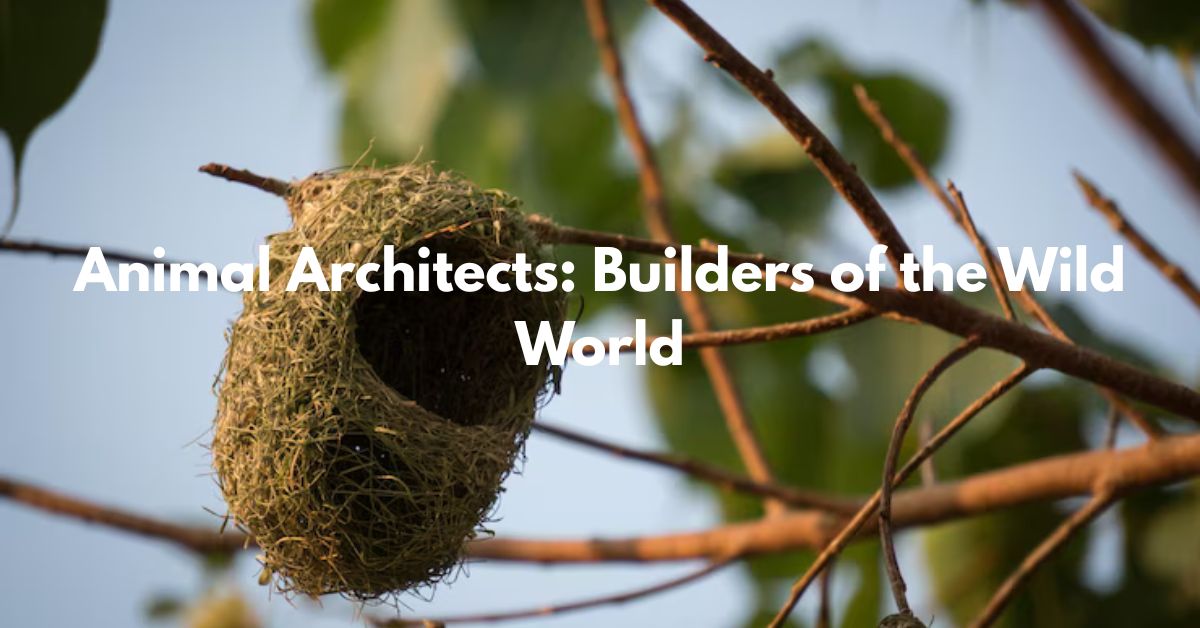
Have you ever seen a bird nest that looks like a tiny woven basket? Or a beaver dam that changes the flow of a river? Nature is full of builders. These builders do not use blueprints or machines. They use instinct, skill, and patience. We call them animal architects.
Animal architects design and build homes, traps, shelters, and even cities. They work with mud, leaves, sticks, silk, and saliva. Each structure serves a clear purpose. It keeps them safe. It helps them find food.
In this guide, you will explore the world of animal architects. You will learn how they build. You will also discover how these natural builders inspire human design and support wildlife conservation.
What Are Animal Architects
Animal architects are animals that build complex structures to survive. These structures include nests, burrows, dams, webs, and mounds. Each design solves a problem. Some protect from weather. Some hide from predators. Others trap food.
Animal architects do not attend school. They rely on instinct and learning from experience. Young animals often watch adults build. Over time, they improve their skills. This mix of instinct and practice creates strong and useful homes.
Many animal architects use local materials. Birds gather twigs and grass. Termites use soil and saliva. Beavers collect wood and mud. By using what is around them, they save energy and reduce waste.
These builders shape entire ecosystems. Their homes affect plants, water, soil, and other animals. When you study animal architects, you also learn how nature stays balanced.
Beavers as Powerful Animal Architects
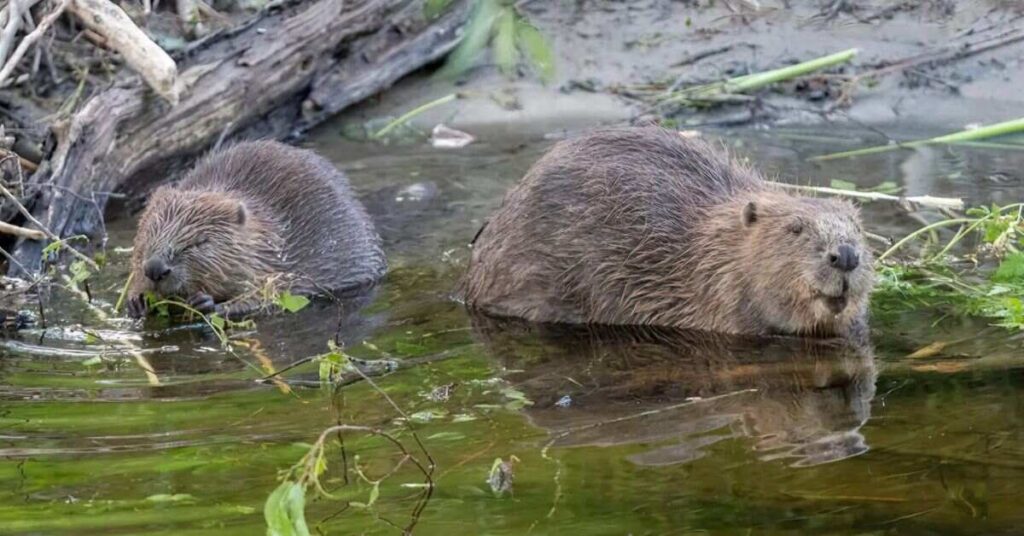
Beavers are among the most famous animal architects. They build dams across streams and rivers. They use logs, branches, stones, and mud. Their strong teeth help them cut trees with care.
A beaver dam slows down water. It creates a pond behind it. This pond protects beavers from predators. It also gives them easy access to food in winter.
Beaver dams change the landscape. The new ponds attract fish, birds, frogs, and insects. Plants grow along the edges. In this way, animal architects like beavers increase biodiversity.
Scientists often study beavers to understand wetland health. Healthy wetlands store water and reduce floods. When beavers build, they support these natural systems. Their work shows how animal architects can improve entire habitats.
Birds That Weave and Design Nests
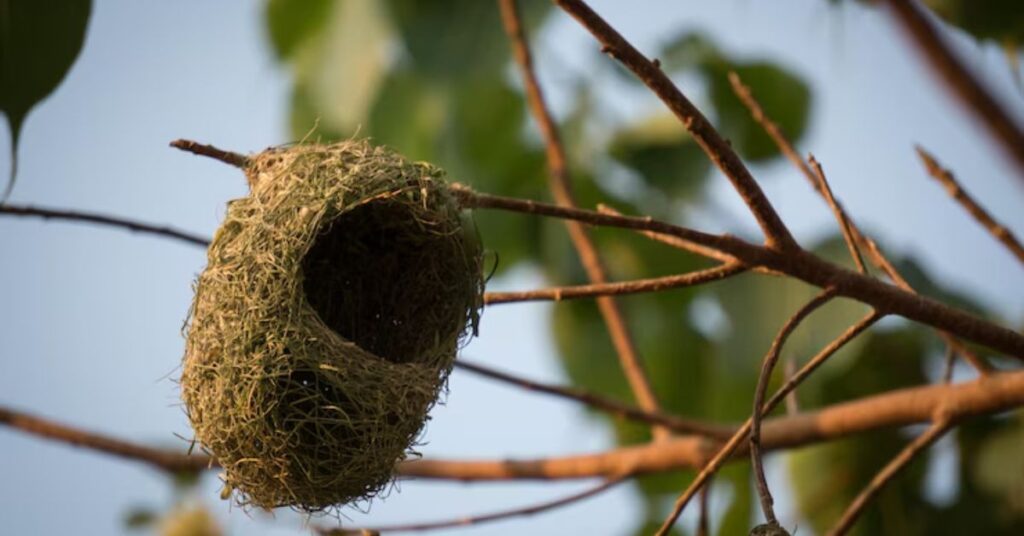
Many birds rank high among animal architects. They build nests that hold eggs and young chicks. Some nests look simple. Others show great skill and detail.
Weaver birds create hanging nests from grass. They tie knots using their beaks. The nest swings from tree branches. This design keeps snakes and predators away.
Eagles build large nests called eyries. They place them high on cliffs or tall trees. These nests grow bigger each year as the birds add more sticks.
Hummingbirds build tiny cup shaped nests. They use spider silk to hold the nest together. The silk stretches as chicks grow.
Bird nests show how animal architects match design to need. Each nest fits the bird’s size, climate, and risk level.
Termites and Their Living Towers
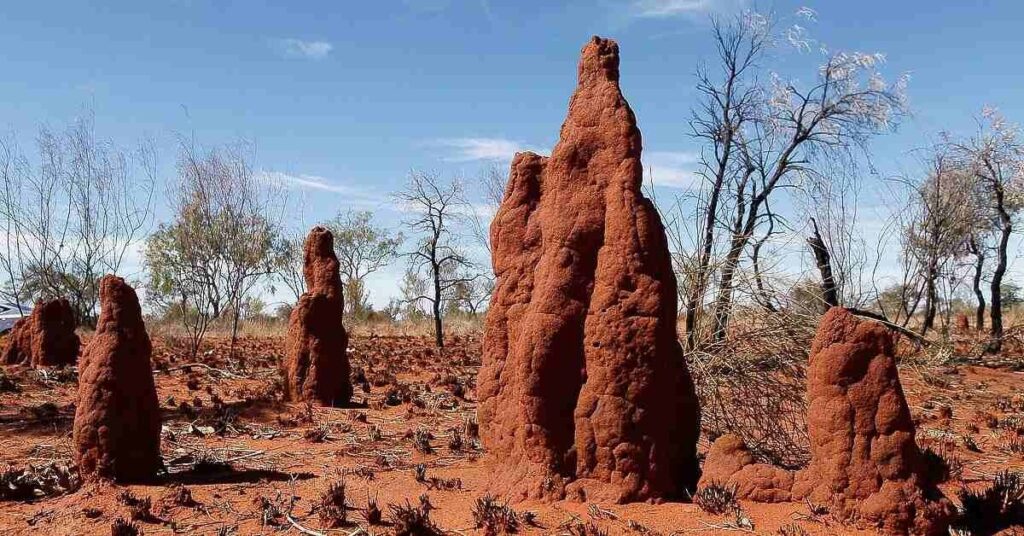
Termites are small insects, but they are expert animal architects. Some termite species build tall mounds that look like towers. These mounds can reach several meters high.
Inside the mound, termites create rooms and tunnels. They build nurseries for young termites. They also create air channels.
These air channels control temperature. Even in hot weather, the inside stays cool. Termites achieve this without electricity or machines. Their design uses natural airflow.
Researchers study termite mounds to improve building design. Some modern buildings copy this natural cooling system. Animal architects like termites inspire energy saving ideas.
Spider Webs as Precision Designs
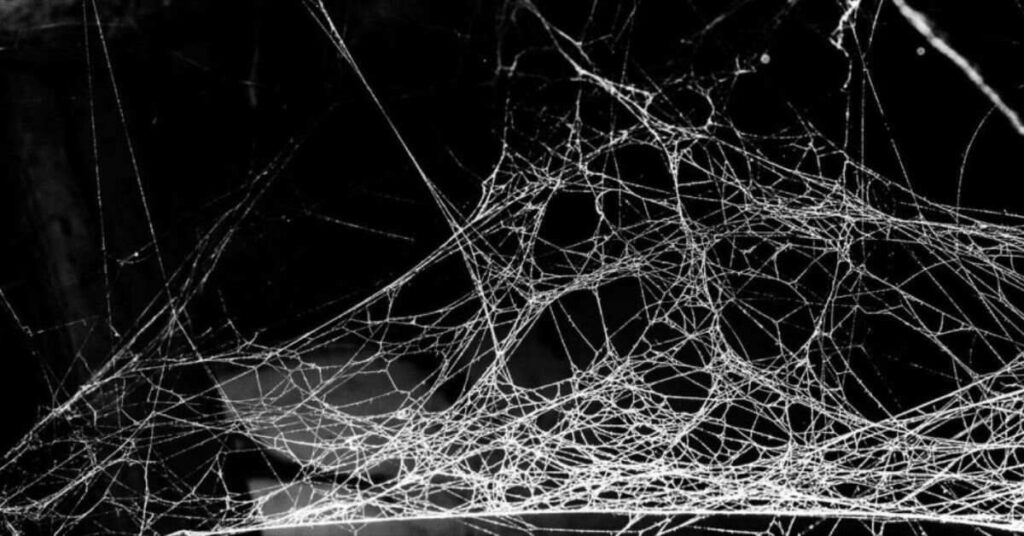
Spiders may seem small, but they are skilled animal architects. A spider web is both a home and a trap. The spider spins silk from special glands in its body.
Orb weaving spiders create round webs with careful patterns. Each thread has a purpose. Some threads are sticky to catch insects. Others are strong and dry to support the web.
The web absorbs shock when an insect hits it. This prevents damage. The spider feels vibrations through the silk. It quickly moves toward trapped prey.
Spider silk is light but strong. Scientists study it to create better materials. Animal architects like spiders show how smart design can be simple yet powerful.
Ant Colonies and Underground Cities
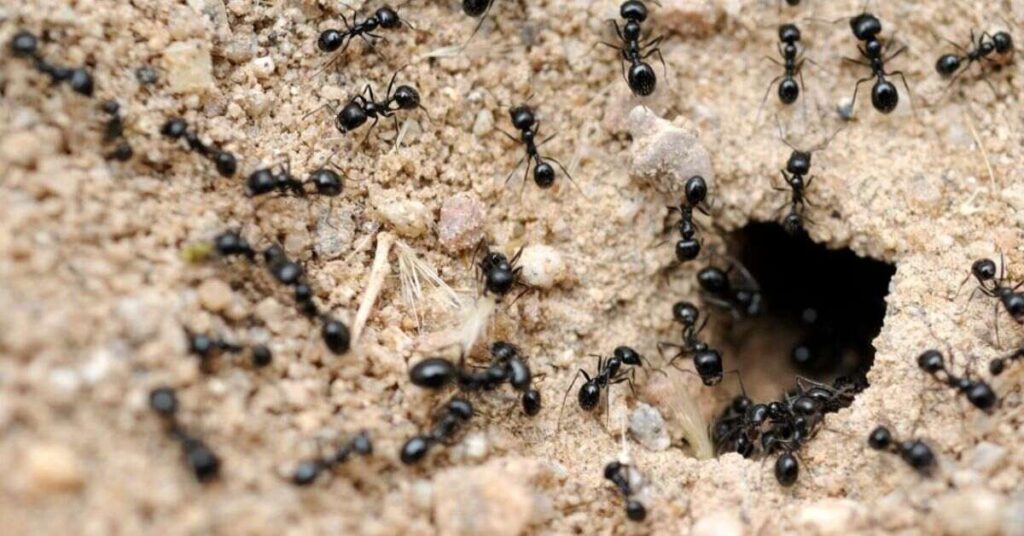
Ants are social animal architects. They work together to build underground colonies. These colonies contain tunnels, storage rooms, and nurseries.
Each ant has a role. Worker ants dig soil and carry it away. Soldier ants guard entrances. The queen lays eggs in special chambers.
Some ant species build above ground structures too. Leafcutter ants create large nests with fungus gardens. They cut leaves and use them to grow food.
Ant colonies improve soil health. Their tunnels allow air and water to reach plant roots. Animal architects like ants support healthy ecosystems beneath our feet.
Read about it more: https://www.wildlifenomads.com/blog/top-5-animal-architects/
Comparison of Famous Animal Architects
| Animal | Structure Built | Main Purpose | Habitat Impact |
| Beaver | Dam and lodge | Safety and water control | Creates wetlands and ponds |
| Weaver Bird | Hanging nest | Protect eggs and chicks | Supports tree ecosystems |
| Termite | Ventilated mound | Temperature control and colony life | Improves soil structure |
| Spider | Web | Catch prey and shelter | Controls insect populations |
| Ant | Underground colony | Protect queen and young | Aerates soil |
This table shows how different animal architects build for survival. Each design fits a clear need. At the same time, each structure affects the wider environment.
How Animal Architects Inspire Human Design
Human builders often learn from animal architects. This practice is called biomimicry. It means copying ideas from nature.
Architects study termite mounds to design buildings with natural cooling. Engineers study spider silk to develop strong fibers. Urban planners observe ant colonies to understand traffic flow.
Even simple bird nests inspire lightweight design. By watching animal, humans discover ways to save energy and materials.
You can explore more about wildlife conservation efforts and how design supports nature on our platform. Learning from animal helps us build smarter cities while protecting habitats.
Why Animal Architects Matter for Ecosystems
Animal architects do more than build homes. They shape ecosystems. Their structures change water flow, soil quality, and plant growth.
Beaver dams create wetlands. Wetlands store carbon and reduce floods. Termite mounds improve soil fertility. Bird nests spread seeds. Ant tunnels improve drainage.
Removing beavers can dry wetlands. Losing ants can harm soil health.
Protecting animal architects means protecting biodiversity. Healthy ecosystems support clean air, clean water, and stable climates. These natural builders play a key role in this balance.
Threats Facing Animal Architects
Animal architects face many threats. Habitat loss is the biggest danger. Forest cutting removes trees for nests. River pollution harms beavers and fish.
Climate change also affects animal architects. Rising temperatures can disturb termite mound balance. Strong storms can destroy bird nests.
Human expansion reduces space for ant colonies and spider habitats. When people drain wetlands, beavers lose safe areas.
We must support conservation. You can learn more through our animal habitat protection guides. Small actions help protect these builders and the ecosystems they shape.
How You Can Support Animal Architects
You can help animal architects in simple ways. Plant native trees in your area. Trees support birds and insects.
Avoid using harmful pesticides. These chemicals harm ants and spiders. Support wetland protection programs. Wetlands protect beavers and many other species.
Educate children about wildlife. When young people understand animal architects, they value nature more.
Visit nature parks and respect habitats. Do not disturb nests or mounds. Responsible behavior keeps safe.
Conclusion
Animal architects prove that smart design does not require machines. It requires purpose and adaptation. From beaver dams to spider webs, each structure tells a story of survival.
These natural builders shape landscapes and support biodiversity. They inspire human innovation and teach us to build with care.
When we protect animal, we protect ecosystems. We also protect our future. Nature already shows us how to design wisely. We only need to observe and learn.
FAQs
What are animal architects?
Animal architects are animals that build complex structures like nests, dams, mounds, webs, and burrows to survive and protect their young.
Why are beavers called animal architects?
Beavers earn the title because they build dams that change water flow and create wetlands that support many species.
How do termite mounds stay cool?
Termite mounds stay cool because termites design air channels that allow natural airflow and control internal temperature.
Do animal architects help the environment?
Yes, it improve soil, create wetlands, control insects, and support biodiversity across ecosystems.
How can humans learn from animal architects?
Humans study animal architects to design energy efficient buildings, strong materials, and sustainable cities inspired by nature.
