

Have you ever dreamed of floating alongside the largest fish in the ocean? Swimming with whale sharks offers one of the most breathtaking wildlife experiences on Earth. These gentle giants can grow up to 40 feet long, yet they pose no danger to humans.
Their spotted skin looks like a starry night sky underwater. Their massive mouths filter thousands of gallons of water each hour. Despite their intimidating size, whale sharks are peaceful creatures that glide gracefully through tropical waters around the world.
If you’re wondering where can I swim with a whale shark, you’re in the right place. This guide reveals the best destinations, ideal visiting times, safety guidelines, and conservation practices to help you plan an unforgettable encounter with these magnificent animals.
Understanding Whale Sharks Before You Swim
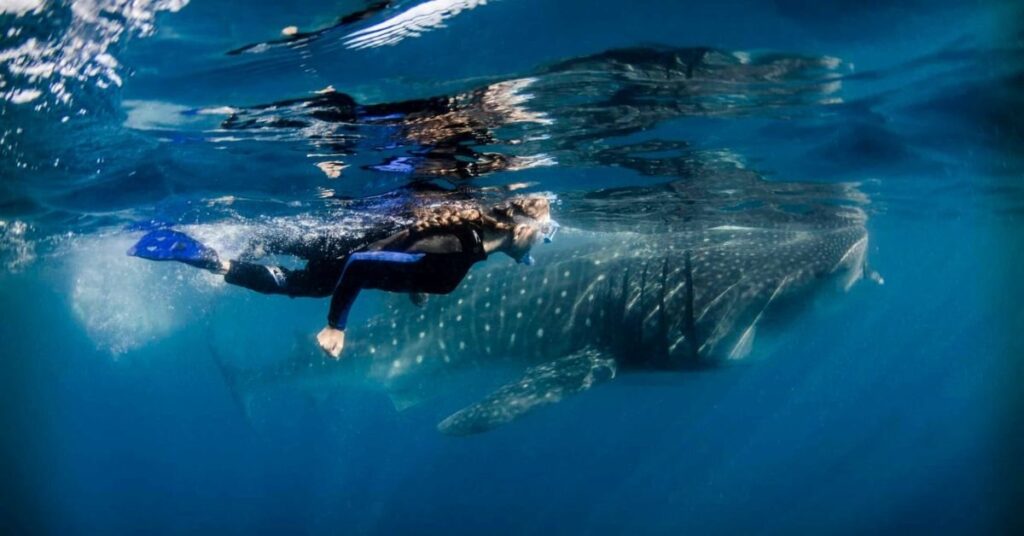
Whale sharks belong to the shark family but behave nothing like the predators you might fear. These filter feeders spend their days peacefully scooping up plankton and small fish near the ocean’s surface. Their diet consists of tiny organisms that make up only a fraction of their body size.
Scientists still discover new facts about whale sharks every year. These mysterious creatures migrate across vast ocean distances following their food sources. Researchers have yet to find their mating sites, and many aspects of their life cycle remain unknown.
The largest recorded whale shark measured almost 65 feet long, though most encounters involve juveniles between 13 and 26 feet. Their flattened heads and distinctive spotted patterns make each shark unique. Marine biologists can identify individual sharks by photographing their spot patterns, similar to human fingerprints.
Whale sharks face serious threats in our modern world. Commercial fishing vessels accidentally catch them as bycatch. Ship strikes injure or kill sharks swimming near the surface. Plastic pollution enters their systems when they filter contaminated water. These dangers have led conservation groups to classify whale sharks as endangered species.
Mexico: The World’s Largest Whale Shark Gatherings
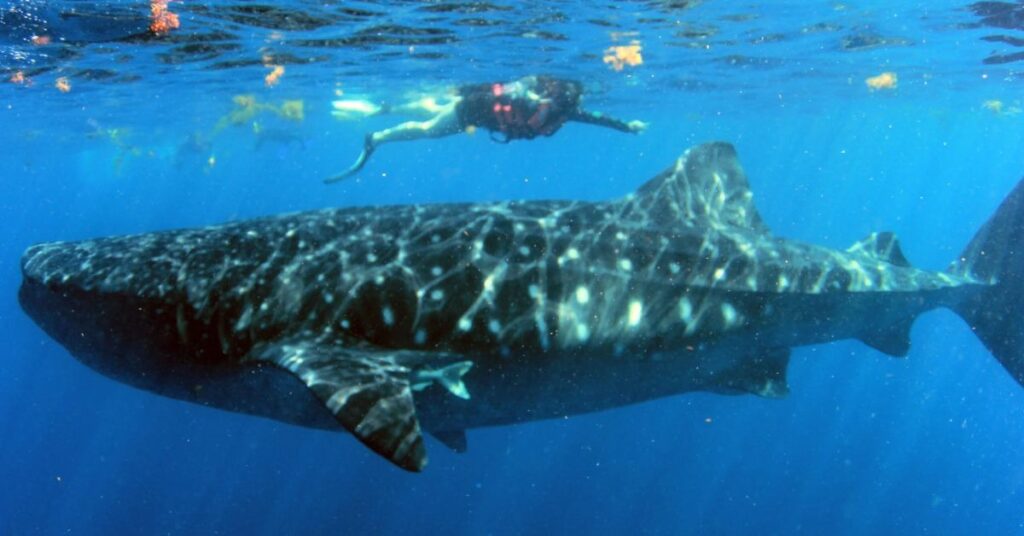
Mexico hosts the planet’s most spectacular whale shark gatherings. Every summer, hundreds of these gentle giants congregate off the Yucatan Peninsula. The area near Isla Mujeres becomes a whale shark highway. Scientists have counted over 400 individuals in a single day. These massive fish come to feed on plankton and fish eggs. The waters turn rich with nutrients during this season. Tourists from around the world visit to swim alongside these spotted beauties. It’s a bucket-list experience for many ocean lovers.
The whale sharks arrive between May and September. Peak season happens in July and August. These creatures can grow up to 40 feet long, yet they’re completely harmless to humans. They filter-feed with their enormous mouths wide open. Local tour operators follow strict guidelines to protect the animals. Swimmers must keep a safe distance and avoid touching them. The gathering supports Mexico’s eco-tourism industry. It also provides valuable research opportunities for marine biologists. This natural phenomenon reminds us how special our oceans truly are.
| Mexican Destination | Best Season | Peak Months | Experience Level |
| Isla Mujeres | June-September | July-August | Beginner-friendly |
| Isla Holbox | May-September | June-August | All levels |
| La Paz | October-April | January-March | Intermediate |
Australia’s Ningaloo Reef: Gold Standard for Whale Shark Tourism
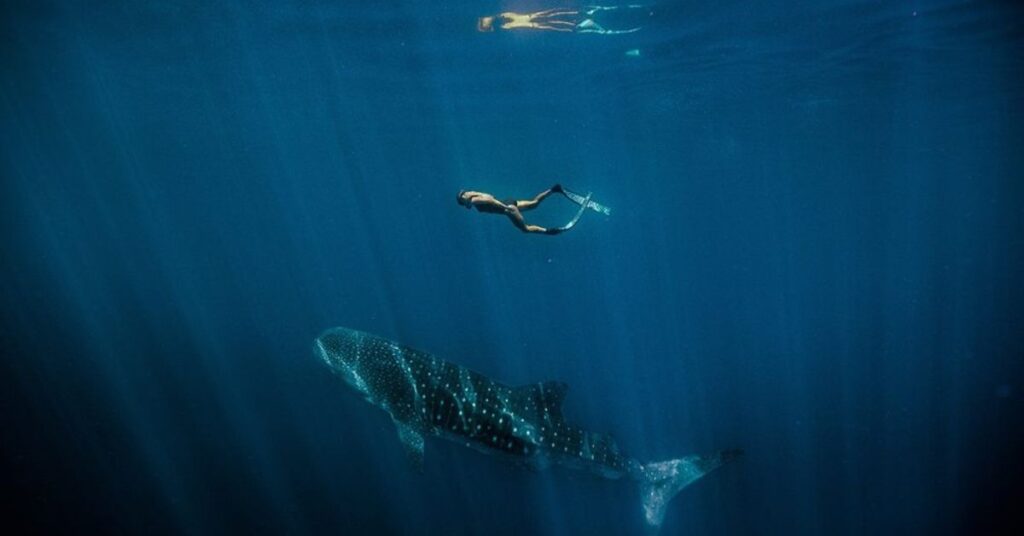
Ningaloo Reef in Western Australia sets the bar for responsible whale shark tourism. This UNESCO World Heritage site attracts whale sharks from March to July each year. The reef stretches over 160 miles along Australia’s northwest coast. It’s one of the few places where the reef sits close to shore. Tourists can sometimes spot whale sharks right from the beach. The area became famous for its well-managed wildlife encounters. Australia was among the first countries to regulate whale shark swimming. Tour operators must have special licenses to run trips. They limit the number of swimmers per shark and enforce no-touch rules.
The tourism model at Ningaloo benefits both the sharks and the local economy. Scientists work closely with tour companies to monitor the whale shark population. Each shark has unique spot patterns like fingerprints. Researchers photograph these patterns to track individual animals over time. The town of Exmouth serves as the main base for tours. Local communities take pride in protecting their marine treasures. Visitors often describe Ningaloo encounters as life-changing experiences. The crystal-clear waters offer incredible visibility for swimming and snorkeling. This sustainable approach proves that tourism and conservation can work hand in hand.
Philippines: Ethical Encounters in Natural Habitats
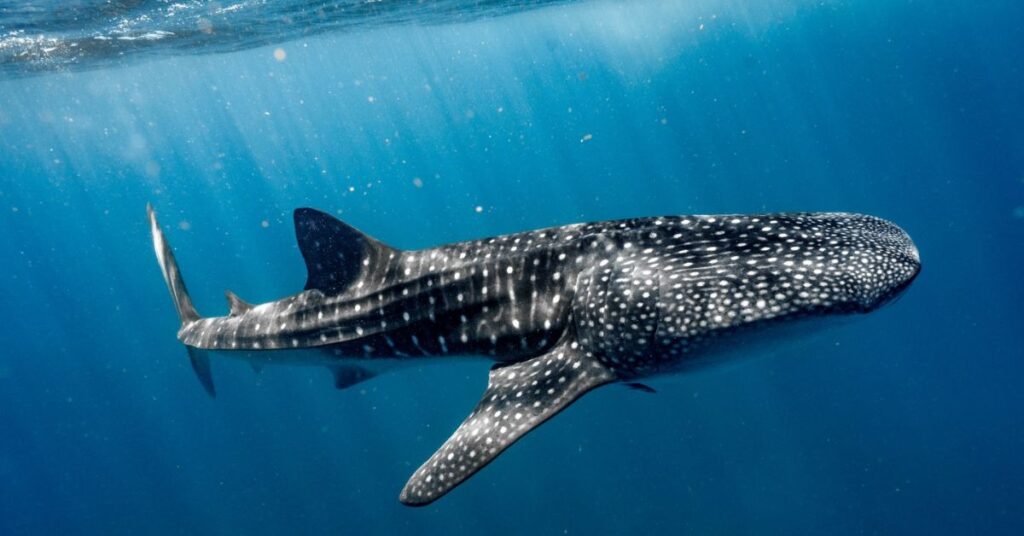
The Philippines offers some of Asia’s best whale shark experiences in their natural environment. Donsol in Luzon became the country’s first ethical whale shark destination. Local fishermen turned into conservation guides during the late 1990s. They traded their fishing nets for snorkeling tours. The whale sharks visit Donsol Bay from November to June. Southern Leyte provides another excellent spot for sightings year-round. These areas banned feeding and touching the animals from the start. Strict codes of conduct protect the sharks from harassment. Only a limited number of boats can approach each whale shark. Swimmers must stay several feet away at all times.
The Filipino approach focuses on education and community involvement. Village residents learn about marine conservation in school programs. Tourism money flows directly into local communities. This gives people a real incentive to protect the whale sharks. The Donsol model has won international recognition for its sustainability. Visitors receive thorough briefings before entering the water. Guides explain proper behavior and whale shark biology. The experience feels authentic and respectful. Many tourists say the ethical approach makes their encounter more meaningful. The Philippines proves that protecting nature can also lift communities out of poverty.
| Philippine Location | Season | Feeding Practice | Conservation Rating |
| Donsol Bay | Nov-June | No feeding | Excellent |
| Sogod Bay | Year-round | No feeding | Excellent |
| Oslob | Year-round | Daily feeding | Concerning |
Maldives: Year-Round Whale Shark Paradise
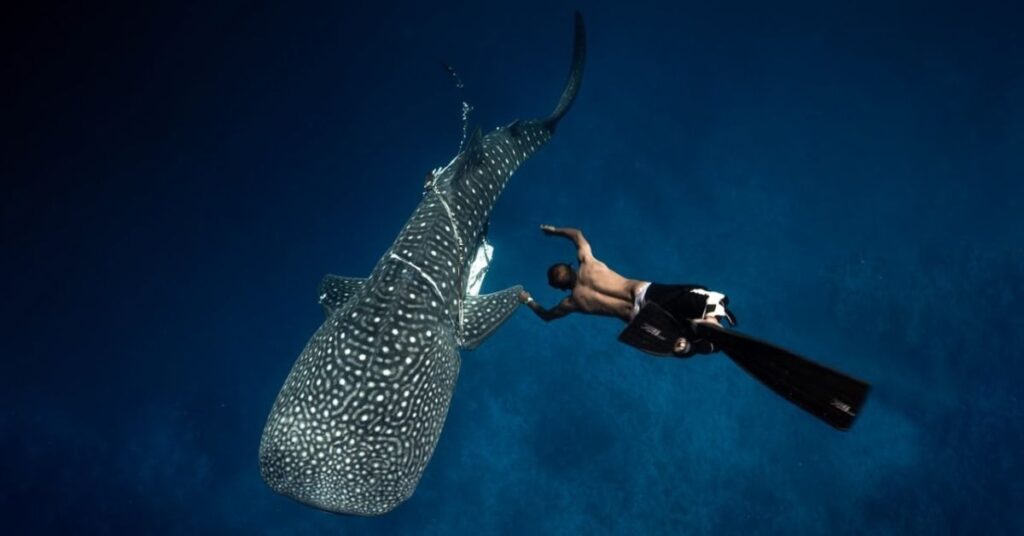
The Maldives offers one of the few destinations where whale sharks appear throughout the year. South Ari Atoll hosts a resident population that stays in the area across all seasons. This consistency makes the Maldives attractive for travelers with flexible schedules.
The best conditions occur from November to December when calm seas and sunny skies combine with excellent visibility. The crystal-clear waters surrounding the small islands create perfect conditions for underwater photography. Whale sharks feed among the pinnacles where pelagic species congregate.
Maamigili Beyru in the southern part of Ari Atoll specializes in juvenile whale shark encounters. These younger sharks measure smaller than adults but remain impressive creatures. Year-round sightings make this location reliable for planners.
The scattered atolls create intimate settings for whale shark encounters. Resorts on small islands offer exclusive trips away from tourist crowds. Liveaboard boats provide another option for exploring multiple atolls and maximizing shark sightings.
Maldivian waters support over 1,000 fish species and pristine coral ecosystems. Marine conservation efforts protect whale sharks and their habitats through careful regulation. The government enforces guidelines that prevent overcrowding and maintain sustainable tourism.
The calm waters make the Maldives suitable for all experience levels. Even nervous swimmers can enjoy whale shark encounters with proper guidance and safety equipment. The warm tropical temperatures allow comfortable extended snorkeling sessions.
Read about it more: https://www.wildlifenomads.com/blog/best-places-to-swim-with-shark-whale/
Additional Top Destinations Around the World
Tanzania’s Mafia Island
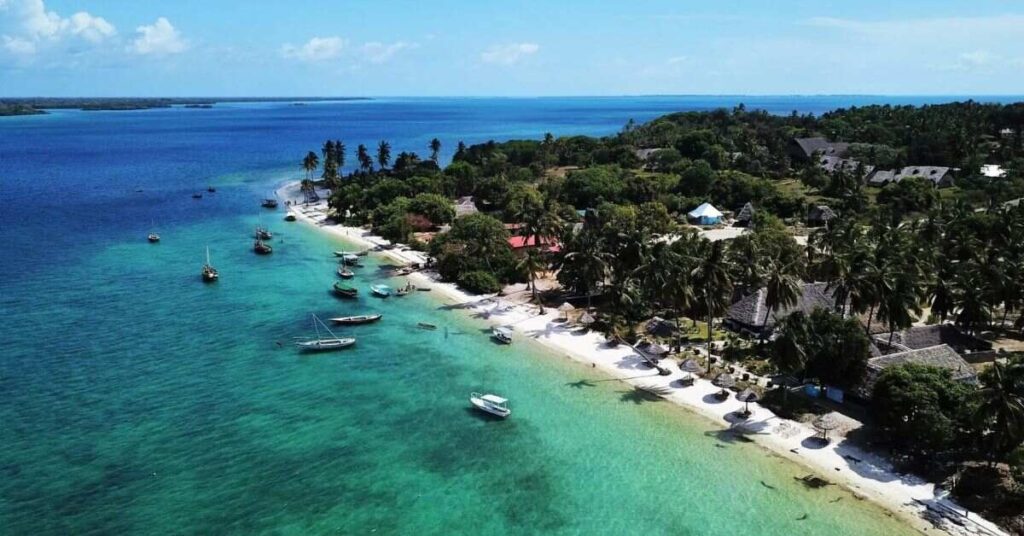
Tanzania’s Mafia Island provides a remote and peaceful whale shark experience. From October to March, these protected waters attract whale sharks to their kaleidoscope of corals. The island remains relatively unknown to most travelers, offering intimate encounters without crowds.
The marine park status protects the ecosystem while allowing responsible tourism. Colorful fish schools swim among pristine coral formations. The quiet atmosphere appeals to anyone seeking relaxation alongside wildlife encounters.
Galapagos Islands
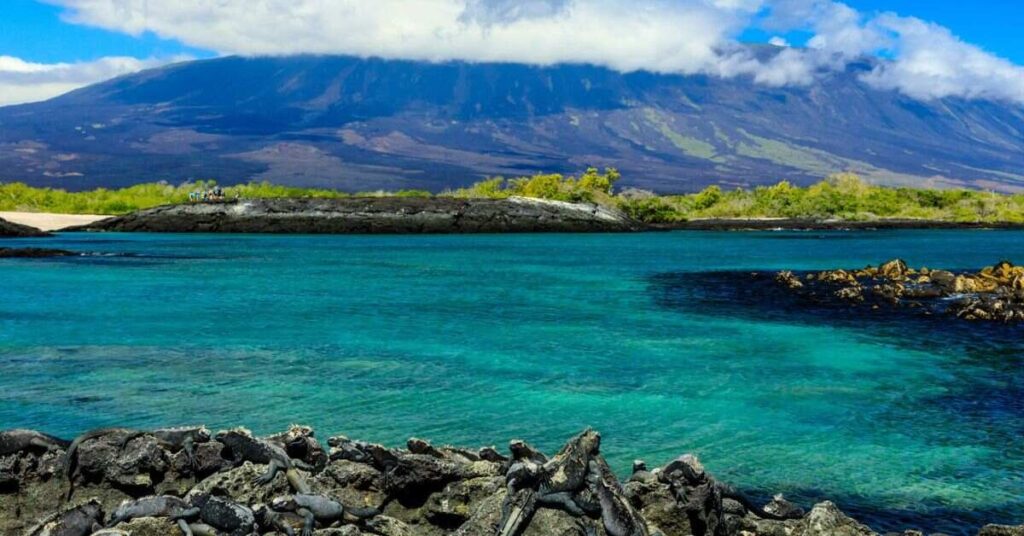
Galapagos Islands offer world-class whale shark diving from June to November. The remote dive sites at Wolf and Darwin Islands attract massive female whale sharks, some exceeding 40 feet in length. Strong currents bring nutrient-rich waters that support abundant marine life.
The Galapagos experience extends beyond whale sharks. Huge schools of hammerhead sharks gather in these waters. Marine iguanas, sea lions, and unique coral formations create unforgettable diving conditions. However, challenging currents and deep dives require advanced experience.
Belize’s Gladden Spit
Belize’s Gladden Spit creates unique whale shark encounters tied to lunar cycles. From March to June, snapper fish aggregate to spawn around the full moon. Whale sharks arrive to feast on fish eggs during these spawning events. The best sightings occur about 10 days after each full moon.
This protected UNESCO World Heritage Site maintains strict conservation standards. Licensed guides must accompany all visitors to the reserve. The regulations ensure both visitor safety and ecosystem protection.
Utila, Honduras stands among the few places offering year-round whale shark sightings. This small Caribbean island sees peak encounters in March, April, May, and August. Deeper waters off the north side produce most sightings when tuna jump and seabirds flock.
Djibouti
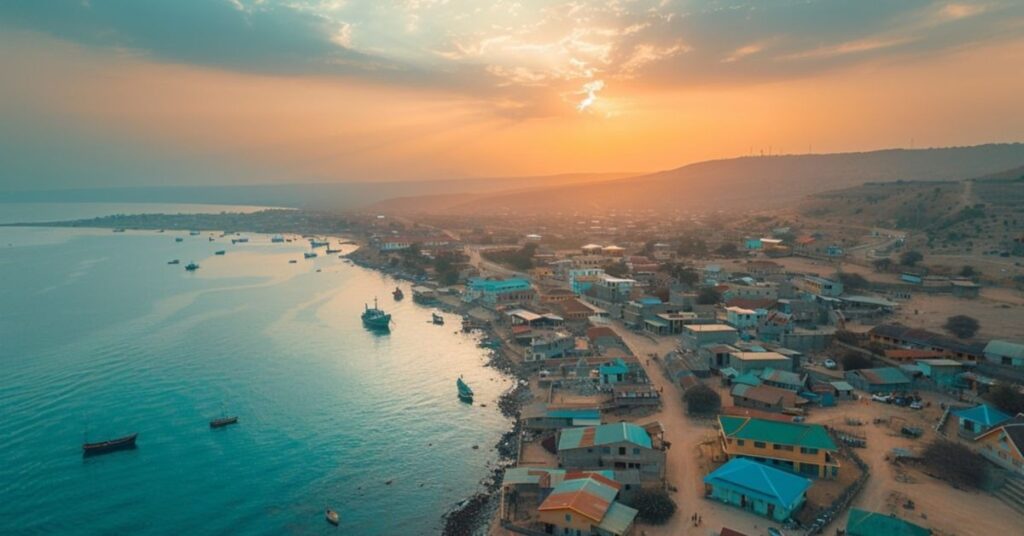
Djibouti attracts whale sharks from November to February in the Gulf of Tadjoura. This lesser-known destination features juvenile whale sharks that sometimes swim close enough to shore for snorkeling access. The discreet bay provides one of the world’s most dependable whale shark locations.
Thailand’s Koh Tao
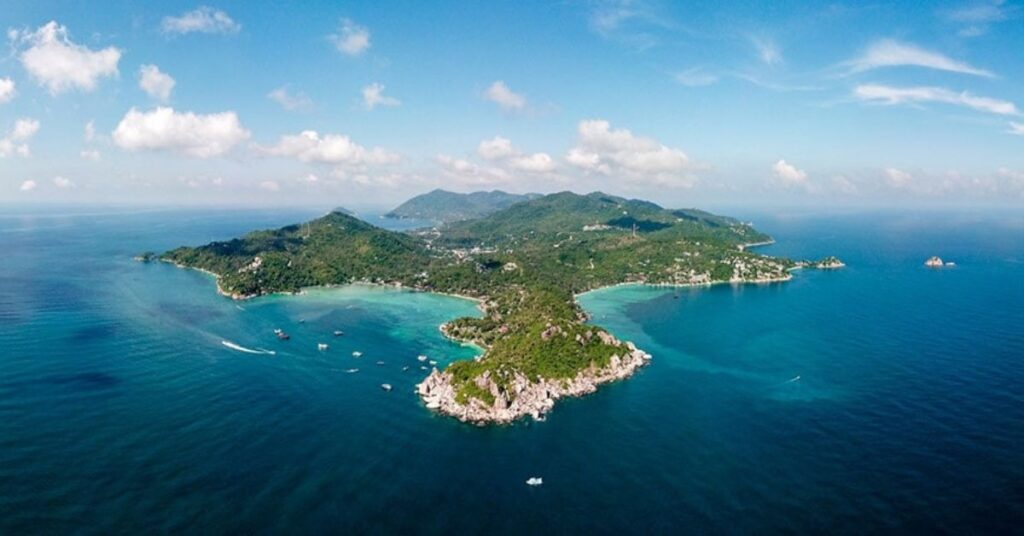
Thailand’s Koh Tao offers affordable whale shark encounters from March to June. This island combines excellent diving conditions with great food and vibrant nightlife. Budget-conscious travelers find Koh Tao appealing for combining adventure with affordability.
Safety Guidelines for Swimming With Whale Sharks
Swimming with whale sharks requires following specific safety protocols. These guidelines protect both you and the animals while ensuring enjoyable encounters.
Distance Rules: Stay at least three meters from the whale shark’s head and four meters from the tail. If a shark swims toward you, remain calm and move to the side. Never block the shark’s path or restrict its movement.
Entering the Water: Enter slowly and quietly to avoid startling the shark. Jump-ins and loud splashes can frighten these sensitive animals. Guides will signal when and where to enter safely.
Swimming Technique: Move calmly using smooth, steady strokes. Avoid chasing whale sharks or making sudden movements. Position yourself alongside the shark near its pectoral fins for the best viewing angle.
No Touching Policy: Never attempt to touch or ride a whale shark. Physical contact disturbs their protective mucus layer and causes stress. Touching can also result in fines from local authorities.
Photography Tips: Take photos without flash as bright lights disorient marine animals. Natural lighting works best for capturing these encounters. Maintain proper distances while photographing to avoid interfering with the shark.
Reading Shark Behavior: Watch for signs that a shark feels uncomfortable. Banking (rolling over to show its back) indicates distress. Back away immediately if you notice this behavior. Similarly, if the shark rolls its eyes, increase your distance.
Personal Safety: Wear a life jacket even if you consider yourself a strong swimmer. The open ocean can be unpredictable, and fatigue sets in quickly. Follow your guide’s instructions at all times.
Group Etiquette: Be considerate of fellow swimmers sharing the experience. Avoid crowding around the shark or blocking others’ views. Take turns approaching for photos and observations.
Environmental Responsibility: Use reef-safe sunscreen to protect marine ecosystems. Never throw trash in the ocean or remove anything except litter. Avoid feeding fish or disturbing other marine life.
Choosing Responsible Tour Operators
Selecting the right tour operator makes the difference between harmful and beneficial whale shark tourism. Responsible operators follow strict guidelines that protect sharks while providing quality experiences.
Look for Proper Licensing: Verify that operators hold required permits and licenses. Ask to see their whale shark experience guidelines before booking. Read online reviews to learn about past tourists’ experiences and whether operators followed responsible practices.
Avoid Feeding Operations: Choose operators that don’t feed or corral whale sharks. Artificial feeding disrupts natural behaviors and creates dependencies. Wildlife should remain wild for healthy ecosystems.
Check Boat Protocols: Responsible operators limit boat speeds to eight knots in whale shark areas. Boats should maintain 23 to 30 meters distance from sharks unless stopped. Too many boats cause stress to the animals.
Group Size Matters: Smaller groups provide better experiences and reduce impact on sharks. Ask about maximum group sizes and swimmer-to-guide ratios. Quality operators limit the number of people in the water simultaneously.
Guide Training: Experienced guides understand whale shark behavior and enforce safety rules. They should provide clear briefings about proper conduct in the water. Look for operators whose guides hold marine biology or conservation certifications.
Conservation Contributions: Many responsible operators contribute to whale shark research and conservation. They may collect identification photos or support protection programs. Ask how your tour fee supports conservation efforts.
Eco-Credentials: Research the operator’s environmental policies and practices. Responsible companies minimize their ecological footprint through sustainable operations. They educate guests about conservation while providing entertainment.
Best Times to Visit Different Destinations
Planning your trip during peak whale shark season increases your chances of successful encounters. Different locations have different optimal visiting periods based on migration patterns and food availability.
January: La Paz Mexico reaches peak season. Mafia Island Tanzania offers reliable sightings. Cenderawasih Bay Indonesia provides year-round opportunities.
February-March: Tofo Beach Mozambique sees high activity. Ningaloo Reef Australia begins its season. Gladden Spit Belize starts welcoming whale sharks.
April-May: Donsol Bay Philippines peaks before ending. Koh Tao Thailand winds down. Gladden Spit Belize reaches its best sighting period.
June-September: Mexico’s Caribbean coast (Isla Mujeres, Holbox, Contoy) hits peak season. Galapagos Islands begins receiving whale sharks. These months offer the highest concentration of sharks in Mexican waters.
July-August: Mexico experiences absolute peak season with hundreds of sharks. Galapagos whale shark sightings increase. This period provides the best overall chances globally.
September-October: Galapagos continues strong sightings. Mafia Island Tanzania becomes most reliable. The Philippines season begins again.
November-December: Baja Peninsula sharks reappear. Maldives enjoys ideal weather conditions. Djibouti starts its season in the Gulf of Tadjoura.
Understanding seasonal patterns helps you plan trips when conditions favor the best encounters. Weather, water temperature, and plankton blooms all influence whale shark presence in different regions.
Conservation and the Future of Whale Shark Tourism
Whale shark tourism plays a crucial role in conservation efforts worldwide. The economic value of live whale sharks often exceeds their value as hunted animals. This reality motivates communities to protect rather than exploit these creatures.
Former fishing villages like Donsol transformed their economies through conservation-based tourism. Hunters became guides, and local incomes increased while shark populations recovered. This model proves that sustainable tourism benefits both people and wildlife.
However, tourism also poses risks when poorly managed. Overcrowding stresses whale sharks and disrupts natural behaviors. Irresponsible operators ignore guidelines and prioritize profits over animal welfare. These practices threaten the very creatures that attract visitors.
Photographers and tourists contribute valuable data to research programs. Citizen science projects collect whale shark identification photos from encounters worldwide. This information helps scientists track migration patterns and population dynamics.
Marine protected areas offer the best framework for sustainable whale shark tourism. These zones enforce regulations that limit boat numbers and swimmer interactions. Protected status prevents destructive fishing practices and habitat degradation.
Climate change threatens whale shark populations through ocean warming and acidification. Shifting plankton distributions may alter traditional migration routes. Conservation efforts must adapt to these changing conditions.
Your choices as a tourist directly impact whale shark conservation. Supporting responsible operators sends market signals that ethical practices matter. Avoiding attractions that feed or harass sharks reduces demand for harmful tourism.
Educating yourself about whale shark biology and threats improves your appreciation of these encounters. Share knowledge with others to spread conservation awareness. Every positive interaction strengthens arguments for protecting these magnificent animals.
Preparing for Your Whale Shark Adventure
Physical preparation enhances your whale shark swimming experience. While you don’t need expert swimming skills, comfort in open water helps tremendously. Practice snorkeling in a pool or calm ocean before your trip.
Fitness Considerations: Swimming in open ocean requires more energy than pool swimming. Waves and currents add challenges even in calm conditions. Build your swimming endurance through regular practice sessions.
Equipment Needs: Most operators provide snorkeling gear including masks, snorkels, and fins. Bring your own equipment if you prefer a personal fit. Consider a wetsuit or rash guard for sun protection and warmth.
Health Precautions: Consult your doctor about any concerns regarding ocean swimming. Inform guides about medical conditions that might affect your participation. Bring necessary medications in waterproof containers.
Documentation: Bring your camera with waterproof housing or a dedicated underwater camera. Extra batteries and memory cards ensure you don’t miss shots. Consider a GoPro or similar action camera for hands-free recording.
Booking Timing: Reserve tours well in advance during peak seasons. Popular destinations fill up quickly, especially in July and August. Early booking secures better prices and preferred dates.
Travel Insurance: Purchase coverage that includes water activities and medical evacuation. Standard policies may exclude adventure sports. Read policy details carefully to understand coverage limits.
Weather Awareness: Check seasonal weather patterns for your chosen destination. Monsoons, hurricanes, and rough seas affect some locations during certain months. Flexible travel dates allow rescheduling if conditions deteriorate.
Cultural Research: Learn about local customs and environmental regulations. Respect local communities that host whale shark tourism. Your respectful behavior reflects on all tourists and supports sustainable practices.
Making the Most of Your Encounter
Your whale shark encounter will likely last just minutes, making every moment precious. Approach the experience with patience and realistic expectations. Natural wildlife sightings depend on many factors beyond human control.
Arrive Early: Morning tours typically offer calmer seas and better visibility. Sharks feed more actively in cooler morning temperatures. Early departures also mean less crowding from other tour boats.
Listen to Guides: Experienced guides know local conditions and shark behaviors. Follow their instructions precisely for safety and success. Their expertise maximizes your chances of quality encounters.
Stay Calm: Excitement is natural, but composure serves you better in the water. Controlled breathing through your snorkel prevents panic. Calm swimmers enjoy longer, more relaxed encounters.
Be Present: Put down your camera occasionally to simply observe. The memory of being present matters more than perfect photos. Balance documentation with direct experience.
Respect Limits: Accept when sharks swim away or conditions prevent ideal encounters. Wildlife operates on its own schedule, not ours. Multiple attempts may be necessary for perfect encounters.
Share the Experience: Allow others in your group equal access to the sharks. Hogging the best positions diminishes everyone’s experience. Cooperation creates better outcomes for all participants.
Express Gratitude: Thank your guides and boat crew for their efforts. These professionals work hard to create safe, meaningful encounters. Positive feedback supports their continued good practices.
Reflect Afterward: Process your experience through journaling or discussion. Consider what you learned about whale sharks and ocean conservation. Let the encounter inspire ongoing environmental awareness.
Conclusion
Swimming with a whale shark offers a rare connection with nature. These gentle giants inspire awe.
Choosing the right destination protects both humans and animals. Timing, ethics, and awareness matter.
The question where can I swim with a whale shark has many answers. Mexico, the Philippines, Australia, and other regions provide safe options.
Respectful tourism helps conservation. Each responsible swimmer becomes part of the solution.
This experience stays unforgettable. It reminds us why ocean protection matters.
FAQs
Where can I swim with a whale shark for the first time?
Beginners often choose Mexico or the Philippines because of calm waters and strong regulations.
Is swimming with whale sharks harmful to them?
Ethical programs minimize impact by enforcing distance and limiting swimmers.
Do whale sharks come every year to the same places?
Yes, many locations see seasonal returns due to food availability.
Can children swim with whale sharks?
Some destinations allow it with age limits and safety supervision.
Why are whale sharks protected?
They face threats from fishing, ship strikes, and habitat loss.
