

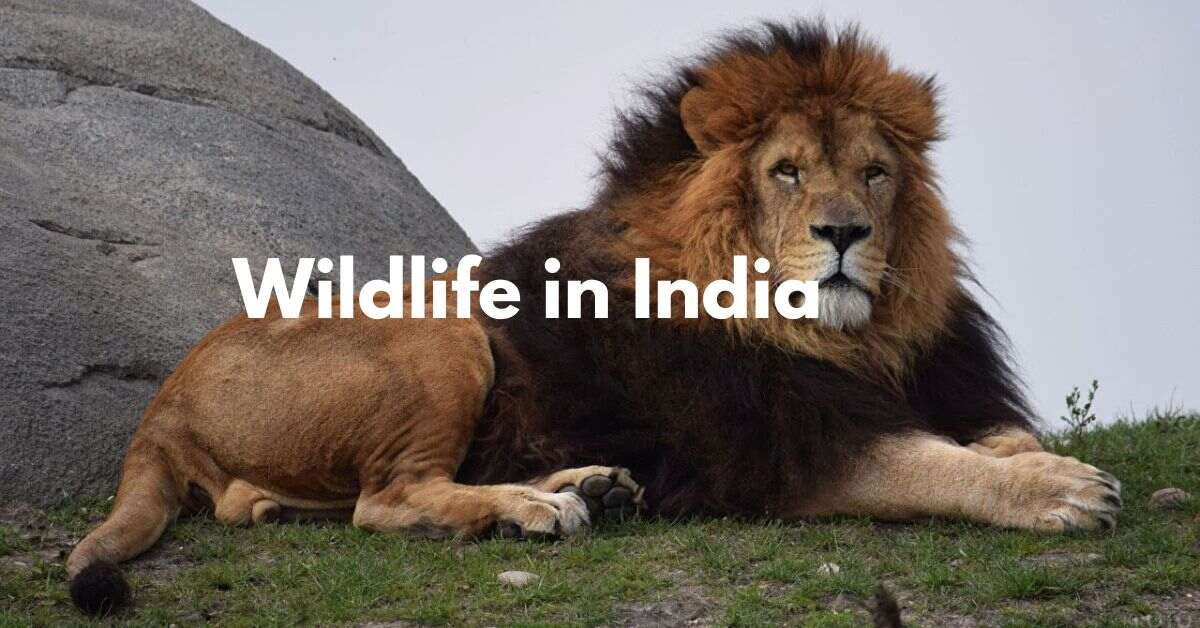
India is one of the most diverse countries in the world when it comes to nature and animals. Wildlife in India attracts nature lovers, researchers, and travelers from every corner of the globe. From dense forests to dry deserts and from high mountains to long coastlines, India offers homes to thousands of animal species.
Wildlife in India is not only about famous animals like tigers and elephants. It also includes birds, reptiles, insects, and marine life that play an important role in the balance of nature. Many animals found here are rare and live nowhere else in the world.
India has a long history of respecting nature. Ancient traditions, forests, and wildlife have always stayed connected. Today, this connection continues through conservation programs, national parks, and wildlife sanctuaries that protect animals and their habitats.
Rich Biodiversity
The biodiversity of wildlife in India is truly remarkable. India is home to more than 90,000 animal species and over 45,000 plant species. This wide variety exists because of the country’s changing climate and landscapes.
Wildlife in India thrives in tropical rainforests, grasslands, wetlands, deserts, and alpine regions. Each ecosystem supports different animals that adapt to local conditions. For example, snow leopards survive in cold mountain areas, while crocodiles live in warm rivers and wetlands.
India is counted among the world’s mega biodiversity countries. This means it holds a large share of the planet’s plants and animals. Many species found in India are endemic, which means they exist only in India.
This rich biodiversity helps maintain clean air, water, and fertile land. Healthy wildlife in India supports farming, climate balance, and human life. Protecting biodiversity is not a choice anymore. It is a need for survival.
Famous Animals Found in India
Wildlife in India is famous for its iconic animals. The Bengal tiger is the most well known species and a symbol of national pride. India holds the largest tiger population in the world, living in forests and reserves across the country.
Asian elephants are another important part of wildlife in India. These gentle giants move in herds and need large forest areas to survive. Elephants help forests grow by spreading seeds and creating pathways.
Other popular animals include the Indian rhinoceros, Asiatic lion, leopard, sloth bear, and wild water buffalo. Each animal plays a role in keeping ecosystems balanced.
Wildlife in India also includes colorful birds like peacocks, hornbills, and flamingos. Reptiles such as king cobras and gharials add to the diversity. Together, these animals make India one of the richest wildlife regions on Earth.
Iconic Animals of India
1. Bengal Tiger
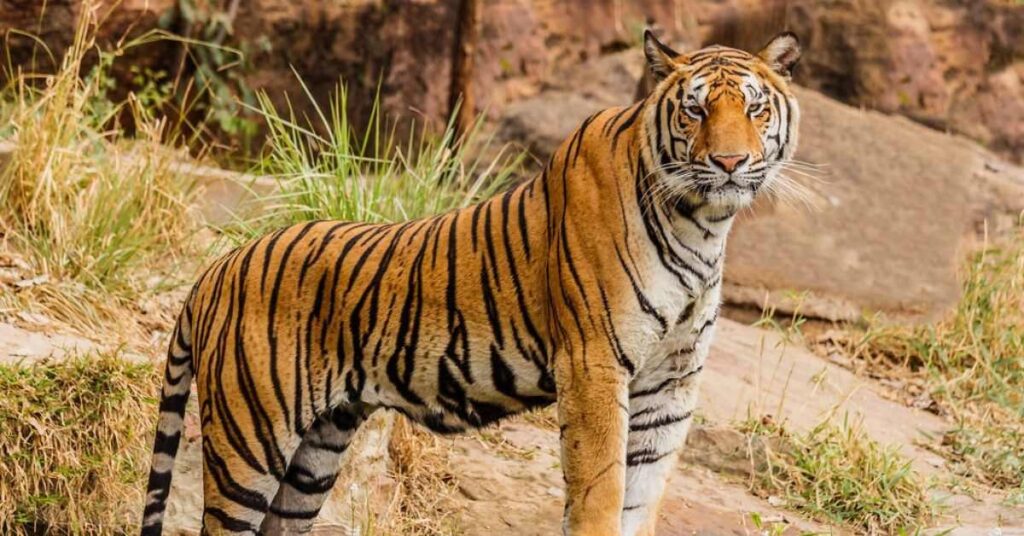
The Bengal tiger is the most famous animal in wildlife in India. It is known for its strength and beauty. This tiger has orange fur with black stripes. Each tiger has a unique stripe pattern. Bengal tigers live mainly in forests and grasslands. They need large areas to hunt and survive.
Wildlife in India protects the Bengal tiger through special reserves. National parks give them a safe home. Tigers help keep nature balanced by controlling prey animals. When tigers stay safe, forests stay healthy. Saving the Bengal tiger also helps protect many other species that share the same habitat.
2. Indian Elephant
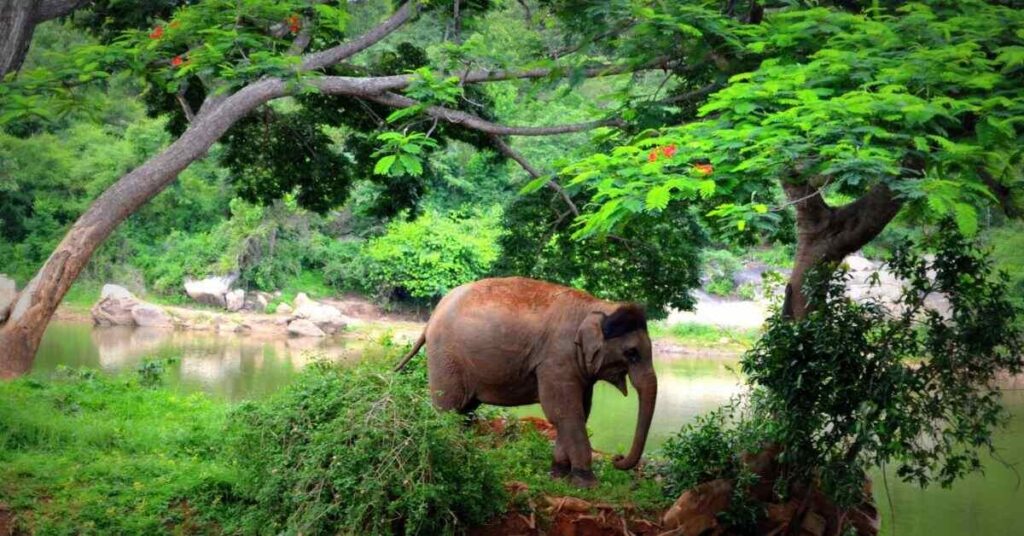
The Indian elephant is one of the largest animals in wildlife in India. It is calm, intelligent, and social by nature. These elephants live in groups called herds. They spend most of their day eating grass, leaves, and fruits. Indian elephants need large forest areas to move freely and stay healthy.
Wildlife in India depends on elephants to keep forests alive. Elephants spread seeds as they travel long distances. They also create paths that other animals use. Conservation efforts protect elephant corridors and reduce human conflict. Saving the Indian elephant helps protect forests and many other species.
3. Asiatic Lion
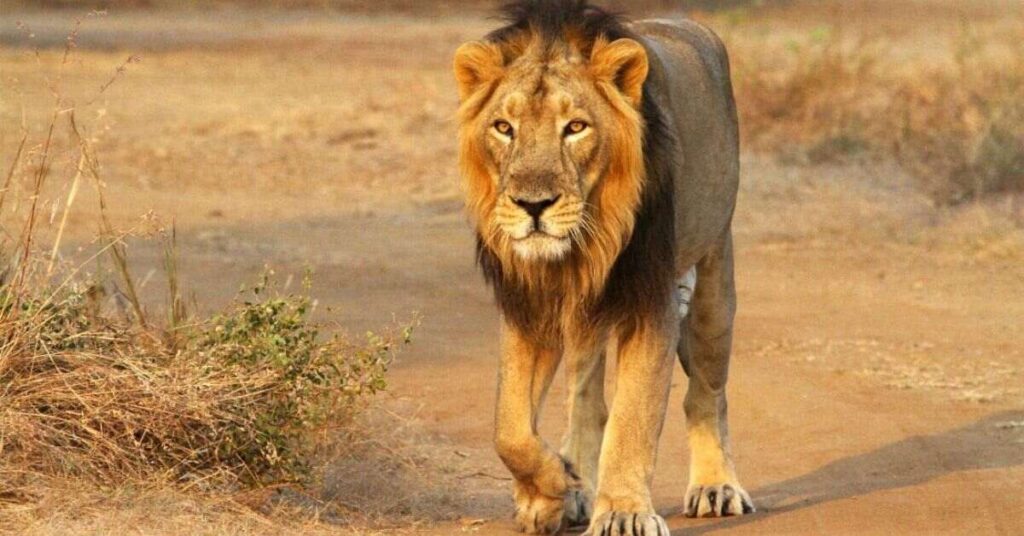
The Asiatic lion is a rare animal found in wildlife in India. It lives mainly in the Gir Forest of Gujarat. This lion is slightly smaller than the African lion. Male Asiatic lions have shorter manes. They live in open forests and grasslands.
Wildlife in India protects the Asiatic lion through strict conservation. Only a small population exists today. Local communities help keep the lions safe. Protection programs have helped their numbers grow. Saving the Asiatic lion is important for India’s natural heritage.
4. Indian Rhinoceros
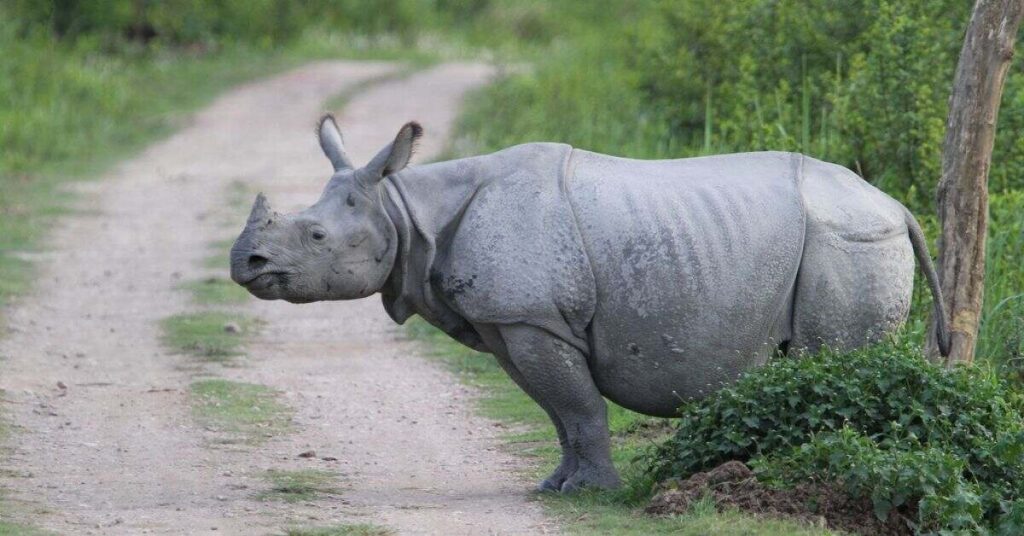
The Indian rhinoceros is a powerful animal in wildlife in India. It has thick skin that looks like armor. This rhino lives near rivers and grasslands. It feeds on grass, leaves, and plants. The one horn on its nose makes it easy to recognize.
Wildlife in India protects the Indian rhinoceros in special parks. Kaziranga National Park is its main home. Strict laws have reduced poaching. Conservation efforts have helped the population grow. Protecting this rhino helps keep wetland ecosystems healthy.
5. Snow Leopard
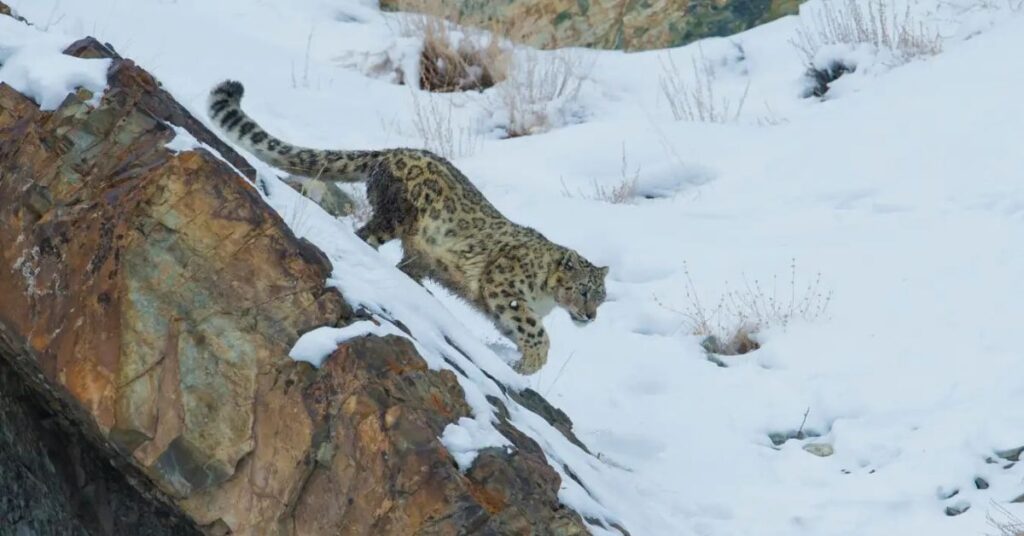
The snow leopard is a rare and shy animal in wildlife in India. It lives high in the Himalayan mountains. This animal has thick fur to survive cold weather. Its long tail helps it balance on rocky slopes. Snow leopards move quietly and are hard to spot.
Wildlife in India protects the snow leopard through mountain conservation programs. These animals face threats from climate change and habitat loss. Protected areas help keep them safe. Local communities also support conservation. Saving the snow leopard protects fragile mountain ecosystems.
Read about it more :https://www.wildlifenomads.com/blog/animals-of-india/
Habitats That Support Wildlife in India
Different habitats across the country support wildlife in India in unique ways. Forests cover a large part of India and provide shelter and food for mammals, birds, and insects. Tropical forests in the south and northeast are especially rich in life.
Grasslands support animals like blackbucks, deer, and wolves. These open areas may look simple, but they are vital for grazing animals and predators.
Wetlands and rivers support aquatic wildlife in India. Crocodiles, turtles, fish, and migratory birds depend on clean water systems. Mangrove forests along the coast protect marine life and reduce storm damage.
Deserts like the Thar region support hardy species such as desert foxes and reptiles. Mountains in the Himalayas shelter rare animals adapted to cold climates.
National Parks and Sanctuaries in India
India has built a strong network of protected areas to safeguard wildlife in India. There are over one hundred national parks and more than five hundred wildlife sanctuaries across the country.
Famous national parks include Jim Corbett, Kaziranga, Ranthambore, Bandhavgarh, and Sundarbans. These parks protect animals and allow visitors to experience wildlife responsibly.
National parks focus on strict protection, while sanctuaries allow limited human activity.
These protected areas also help scientists study animal behavior and population trends. Tourism in parks supports local communities and raises awareness about the importance of wildlife conservation.
Endangered Species and Threats
Despite its richness, wildlife in India faces serious threats. Habitat loss due to deforestation and urban growth is the biggest challenge. As forests shrink, animals lose space to live and hunt.
Poaching and illegal wildlife trade threaten animals like tigers, pangolins, and elephants. Climate change also affects in India by altering rainfall, temperature, and food availability.
Many species are now endangered or vulnerable. Without protection, future generations may never see these animals in the wild.
The government and conservation groups work hard to control these threats. Strong laws, patrols.
Conservation Efforts
India has launched several conservation programs to protect . Project Tiger and Project Elephant are two major initiatives that focus on saving key species and their habitats.
Community involvement plays an important role in conservation. Local people help protect forests and report illegal activities. When communities benefit from eco tourism, they support wildlife protection.
Technology also helps conservation efforts. Camera traps, satellite tracking, and drones monitor animal movement and prevent poaching.
Conservation works best when people understand that protecting animals also protects human life and the environment.
Role of Wildlife Tourism in India
Wildlife tourism has become a powerful tool for conservation. Responsible tourism creates income for local people while supporting wildlife.
Visitors travel to national parks to see animals in their natural habitats. This experience builds respect for nature and encourages protection efforts.
Eco friendly tourism reduces harm to animals and forests. Rules limit noise, vehicle movement, and visitor numbers.
When managed carefully, wildlife tourism helps fund conservation projects and supports sustainable development around protected areas.
Why Wildlife in India Matters Globally
Wildlife is important not only for the country but for the entire planet. India protects a large share of global animal populations, especially tigers and elephants.
Healthy wildlife supports global climate balance. Forests absorb carbon and reduce climate change effects. Rivers and wetlands purify water and support life.
India’s conservation success inspires other countries. Protecting wildlife proves that development and nature protection can exist together.
Conclusion
Wildlife in India reflects the beauty and strength of nature. From powerful predators to small insects, every species has a role to play. India’s forests, rivers, and mountains support life in many forms.
Protecting wildlife in India is a shared responsibility. Governments, communities, and individuals must work together. Simple actions like supporting conservation, reducing pollution, and respecting nature can make a big difference.
The future of wildlife in depends on awareness and action today. When we protect animals and their habitats, we protect our own future as well.
FAQs
What makes wildlife in India unique?
Wildlife in India is unique because of its wide range of habitats and rare species found nowhere else in the world.
Which animal is most famous in wildlife in India?
The Bengal tiger is the most famous animal and a symbol of wildlife in India.
How many national parks protect wildlife in India?
India has over one hundred national parks dedicated to wildlife protection.
Why is conservation important for wildlife in India?
Conservation helps protect endangered species and maintains ecological balance.
Can tourists help protect wildlife in India?
Yes responsible tourism supports conservation and local communities.
