

Introduction
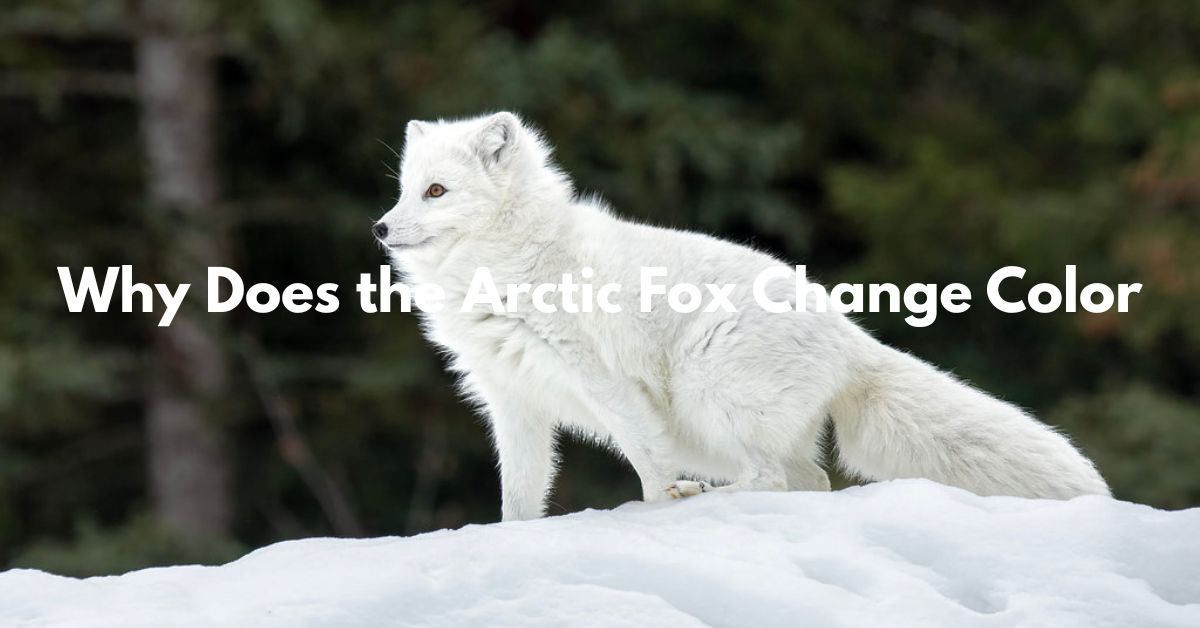
The Arctic fox is one of the most amazing animals living in cold regions. Many students and nature lovers often ask why does the arctic fox change color. This small fox survives in extreme snow, freezing winds, and long dark winters. Its color change is not just beautiful. It is a smart survival trick.
In summer, the Arctic fox usually has brown or gray fur. In winter, its fur turns bright white. This change helps the fox hide from danger and hunt food more easily. Understanding why does the arctic fox change color also teaches us how animals adapt to their environment.
In this article, you will learn how the Arctic fox changes its coat, why this change matters, and how it helps the fox live in one of the harshest places on Earth. This guide explains everything in simple language so students can learn and remember easily.
How Seasonal Camouflage Explains Why Does the Arctic Fox Change Color
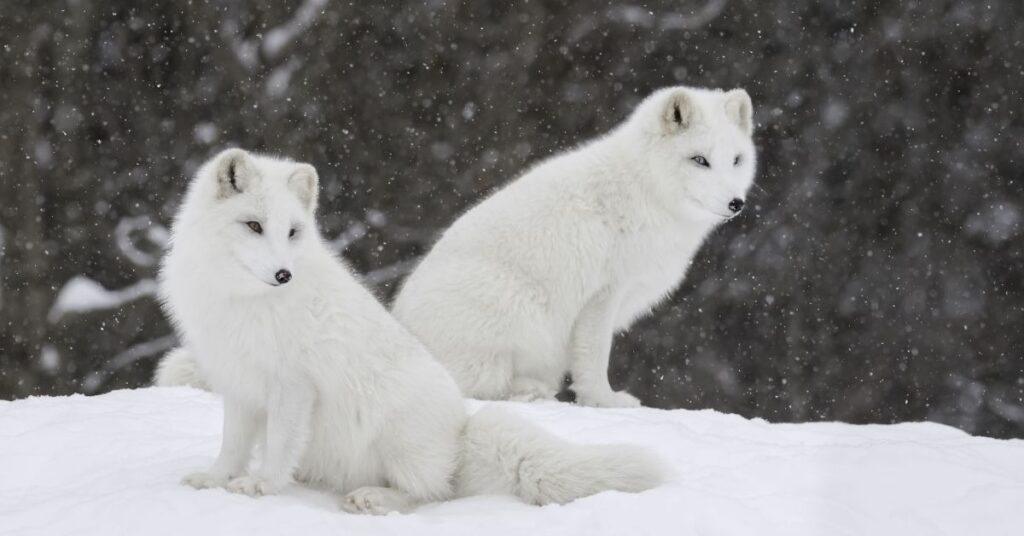
Seasonal camouflage is the main reason why does the arctic fox change color. Camouflage means blending into the surroundings so others cannot easily see you. The Arctic region looks very different in summer and winter.
During winter, the land is covered in snow. A white coat helps the Arctic fox blend perfectly into the snowy ground. Predators like wolves or large birds find it harder to spot the fox. At the same time, the fox can quietly approach prey like small rodents or birds. This white winter coat acts like natural protection.
In summer, the snow melts and the land becomes brown, rocky, and green. A white fox would stand out and become easy to see. So the fox grows darker fur that matches the soil, plants, and rocks. This seasonal shift explains clearly why does the arctic fox change color. It keeps the fox hidden in both seasons.
This smart color change shows how animals use nature’s tools to survive. It improves hunting success and reduces danger from predators.
1. Arctic Foxes Are Master Survivors in Extreme Cold
Arctic foxes live in one of the coldest places on Earth. Temperatures there can drop far below freezing. Strong winds and heavy snow make life very hard. Yet these foxes survive with amazing skills. They grow very thick fur that keeps their body warm. Even their paws have fur, which protects them from icy ground. Their small ears help reduce heat loss and keep them warm.
Arctic foxes also know how to find food in harsh winters. They listen carefully for animals moving under the snow. Then they jump and break through the snow to catch their prey. When food is scarce, they eat almost anything, including leftovers from larger animals. They can also store extra food for later. These smart habits make Arctic foxes true masters of survival in extreme cold.
2. They Experience One of Nature’s Most Dramatic Color Changes
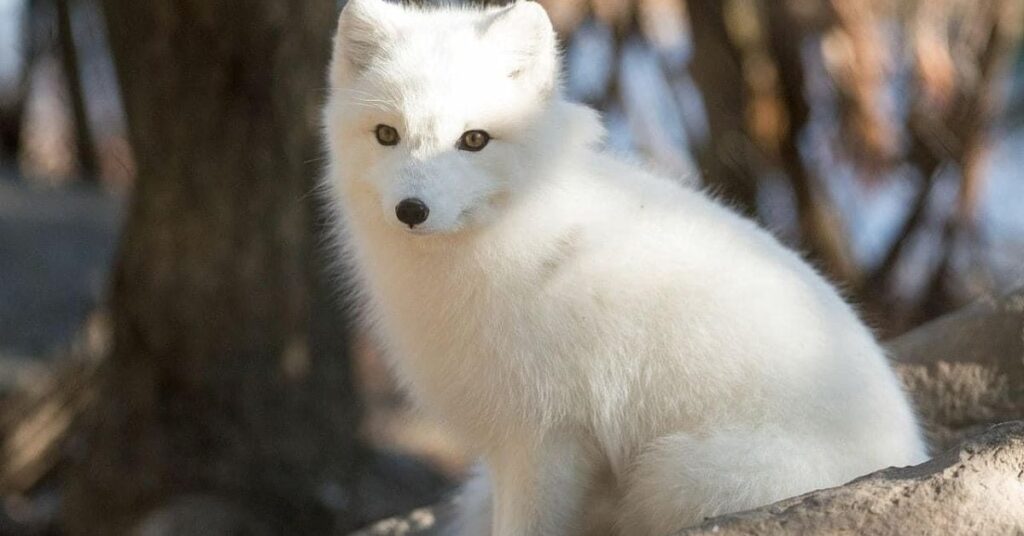
Arctic foxes show one of the most amazing color changes in the animal world. Their fur changes with the seasons. In winter, their coat turns bright white. This helps them blend into the snow and stay hidden from predators. The white fur also helps them sneak close to prey without being seen. It acts like natural camouflage in the icy Arctic land.
When summer arrives, the snow melts and the land becomes brown and rocky. The Arctic fox then grows brown or gray fur. This darker coat matches the ground, plants, and stones. It keeps the fox hidden during the warmer months. This seasonal change is not only beautiful but also very important for survival. It helps the fox stay safe and find food all year.
3. Arctic Fox Populations Face a Complex Conservation Picture
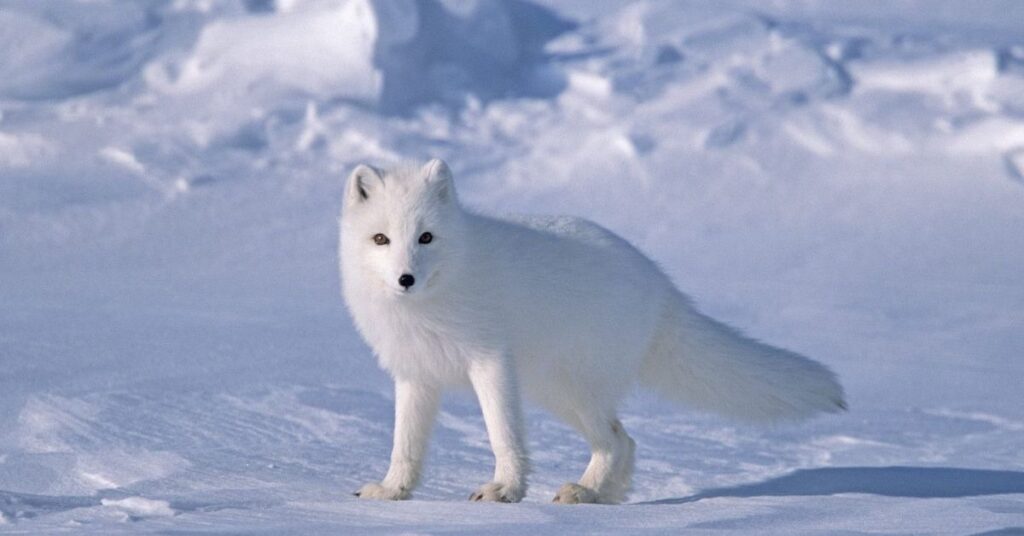
Arctic fox populations do not face the same situation everywhere. In many Arctic regions, they still live in stable numbers. These foxes adapt well to cold climates and harsh weather. However, some local populations are declining. Climate change is one big reason. Warmer temperatures reduce snow cover and change the Arctic habitat. This makes hunting harder and affects where the fox can live.
Human activity also creates challenges for Arctic foxes. Oil drilling, roads, and new settlements disturb their natural homes. In some areas, red foxes move north as the climate warms. Red foxes are larger and stronger, so they compete with Arctic foxes for food and space. Conservation groups now study these changes and protect important habitats. This work helps Arctic fox populations survive in a changing world.
4. Arctic Foxes Call North America Home Too
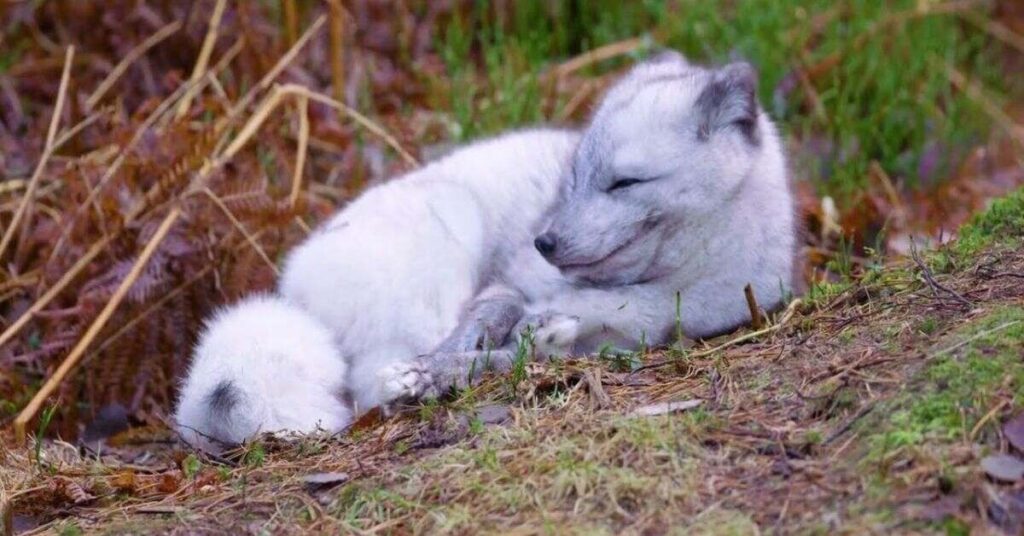
Arctic foxes do not live only in far northern Europe or Asia. They also live in parts of North America. You can find them in northern Canada, Alaska, and some Arctic islands. These places have long winters, deep snow, and very cold temperatures. The icy land and open tundra give Arctic foxes the perfect home. They dig dens in the ground where they rest and raise their young.
In North America, Arctic foxes follow the same seasonal habits. They hunt small animals, birds, and eggs during warmer months. In winter, they search for food under the snow or eat leftovers from larger predators. Their thick fur and color change help them survive in this harsh environment. Their presence in North America shows how well these foxes adapt to life across the Arctic region.
5. Understanding the Predators of the Arctic Fox
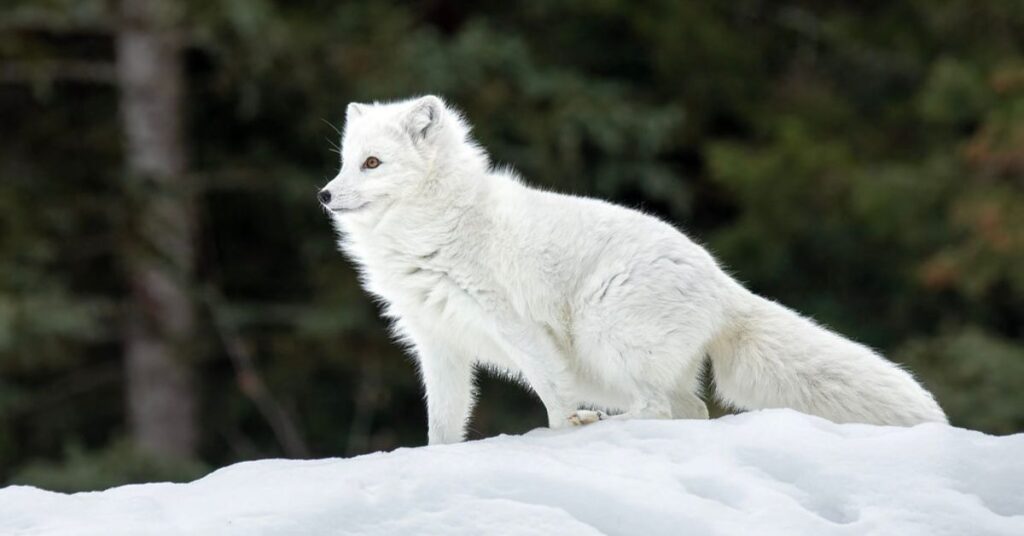
Arctic foxes may be strong survivors, but they still face danger from larger animals. Wolves are one of their main predators. Wolves can easily overpower an Arctic fox if they catch one. Polar bears may also attack them, though this happens less often. Large birds like snowy owls or eagles sometimes hunt young foxes. Baby foxes are more at risk because they are small and less experienced.
To stay safe, Arctic foxes use smart survival tricks. Their white winter coat helps them hide in the snow. In summer, their darker fur blends with rocks and soil. They also stay close to their dens, which give them a quick place to escape. Arctic foxes move quietly and stay alert to sounds around them. These habits help them avoid predators and survive in the wild.
6. The Growing Threat from Red Fox Competition
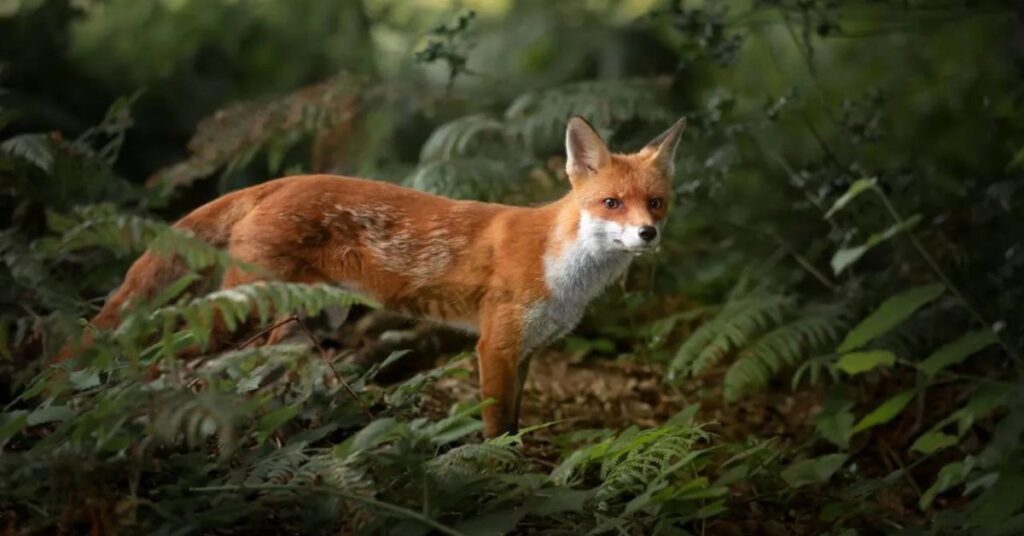
Arctic foxes now face a new challenge in some parts of the Arctic. Red foxes are moving into their territory. This happens because the climate is getting warmer. Red foxes usually live in slightly warmer regions, but they can now travel farther north. They are bigger and stronger than Arctic foxes. Because of this, they often win fights over food and space.
Red foxes also eat many of the same animals. This creates strong competition for limited food. In some places, Arctic foxes move away or struggle to survive. Scientists watch this change closely and study its impact. Protecting Arctic habitats may help reduce this pressure. Understanding this threat helps us see why Arctic foxes need safe and stable environments to live.
Read about it more:https://www.wildlifenomads.com/blog/arctic-fox-facts/
The Science Behind Why Does the Arctic Fox Change Color
The science behind why does the arctic fox change color connects to daylight and temperature. The Arctic fox does not decide to change color. Its body responds naturally to seasonal signals.
When days become shorter and temperatures drop, the fox begins to grow thick white winter fur. Hormones in the body control this process. These hormones react to the amount of sunlight the fox receives. Less sunlight tells the body that winter is coming.
When spring arrives and sunlight increases, the fox sheds its white coat. It slowly grows thinner brown or gray summer fur. This process is called molting. Molting happens in many animals, but the Arctic fox shows one of the most dramatic changes.
The winter coat is not only white. It is also much thicker and warmer. This thick fur traps heat close to the body. So the color change also helps with warmth, not just camouflage. This scientific process is another important part of why does the arctic fox change color.
How Color Change Helps Survival in the Arctic
Understanding why does the arctic fox change color becomes easier when we look at survival. The Arctic is one of the coldest and most difficult places to live. Food is limited and predators are always searching for prey.
A white winter coat helps the fox move across snowy land without being seen. It can sneak closer to animals hiding under the snow. This increases the chance of catching food. Even small improvements in hunting can mean the difference between life and death in winter.
In summer, darker fur protects the fox in a different way. It allows the fox to hide among rocks and plants while searching for eggs, insects, or small animals. The darker coat also absorbs some sunlight, which may help the fox stay warm during cool Arctic nights.
This seasonal adjustment shows that the answer to why does the arctic fox change color is deeply linked to survival. Without this ability, the fox would struggle to hunt and avoid danger.
Do All Arctic Foxes Change Color the Same Way
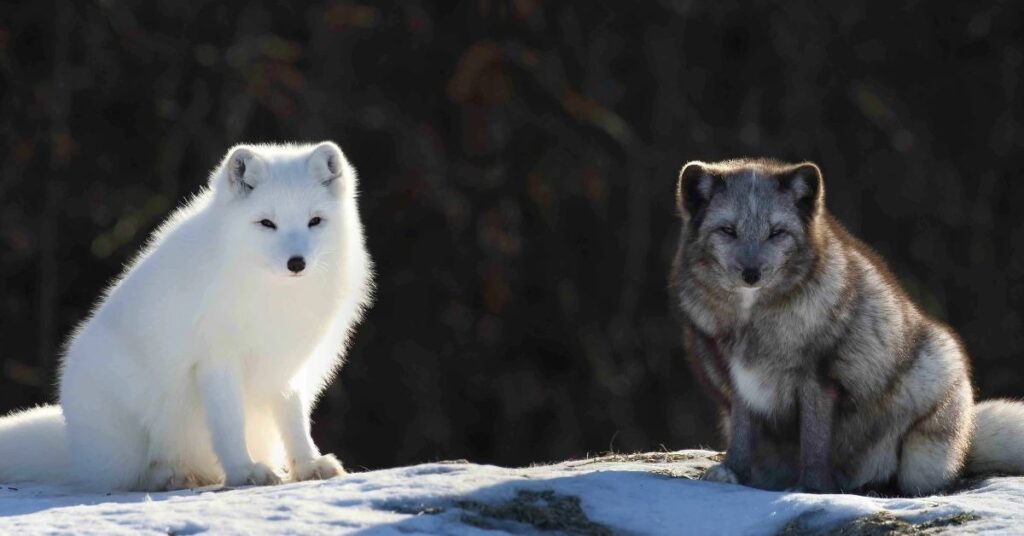
Not all Arctic foxes change color in exactly the same way. Most foxes turn white in winter and darker in summer. However, some Arctic foxes keep a darker coat all year. Scientists call this the blue morph Arctic fox.
These darker foxes live mostly in coastal areas with rocky shores. Snow does not always cover these regions fully. A darker coat can still provide good camouflage. This shows that nature allows some variation depending on habitat.
Still, the majority of Arctic foxes follow the classic seasonal pattern. Their coats respond to changing daylight and temperature. This variation helps students see that the question why does the arctic fox change color has a general answer, but nature can show small differences.
Learning about these differences also helps us understand biodiversity. Animals adapt in many ways depending on where they live.
What Students Can Learn from Why Does the Arctic Fox Change Color
The story of why does the arctic fox change color teaches an important lesson about adaptation. Adaptation means a living thing changes in ways that help it survive better in its environment.
Students can connect this idea to many other animals. For example, some animals change behavior instead of color. Others migrate or grow thicker fur. The Arctic fox uses color change as its main survival strategy.
This example also helps in school subjects like biology and environmental science. It shows how climate, sunlight, and habitat influence living organisms. Teachers often use the Arctic fox as a simple example of natural selection and survival.
By studying why does the arctic fox change color, students learn that nature solves problems in smart and creative ways. It reminds us that even small animals can have powerful survival skills.
Conclusion
The answer to why does the arctic fox change color lies in survival, camouflage, and seasonal adaptation. This small fox changes its coat to match the Arctic environment throughout the year. In winter, white fur hides it in the snow and keeps it warm. In summer, darker fur helps it blend into rocks and plants.
This natural process is controlled by sunlight, temperature, and hormones. It shows how perfectly animals adjust to their surroundings. Learning about this color change helps students understand adaptation and the balance of nature.
The Arctic fox is a powerful example of how animals survive extreme climates. Its seasonal coat change is not just interesting. It is essential for life in the Arctic.
FAQs
Why does the arctic fox change color in winter?
The Arctic fox changes to white in winter to blend with the snow. This camouflage helps it hide from predators and hunt prey more easily.
Why does the arctic fox change color in summer?
In summer, the fox grows brown or gray fur to match rocks, soil, and plants. This keeps it hidden when snow melts.
Does temperature or sunlight control the color change?
Both affect the process, but sunlight plays the biggest role. Changes in daylight trigger hormones that start fur growth and shedding.
Do baby Arctic foxes also change color?
Yes. Young foxes grow their seasonal coats as they mature. Their fur begins to follow the same pattern as adult foxes.
