

Introduction
Many people feel surprised when they hear that hunting can help protect animals. At first, hunting and conservation seem opposite ideas. Yet history shows that responsible hunters often play a key role in protecting wildlife and natural habitats. Understanding what is the hunter’s role in wildlife conservation helps us see how regulated hunting supports healthy ecosystems.
Hunters contribute in many ways. They help control animal populations, protect habitats, and fund conservation programs through licenses and fees. Wildlife agencies use these funds to manage forests, wetlands, and endangered species programs. Ethical hunters also follow rules that protect breeding seasons and prevent overhunting.
This article explains what is the hunter’s role in wildlife conservation in clear and simple language. You will learn how hunters support wildlife protection, how laws guide responsible hunting, and how communities benefit from conservation efforts linked to hunting.
How Hunters Support Wildlife Population Balance
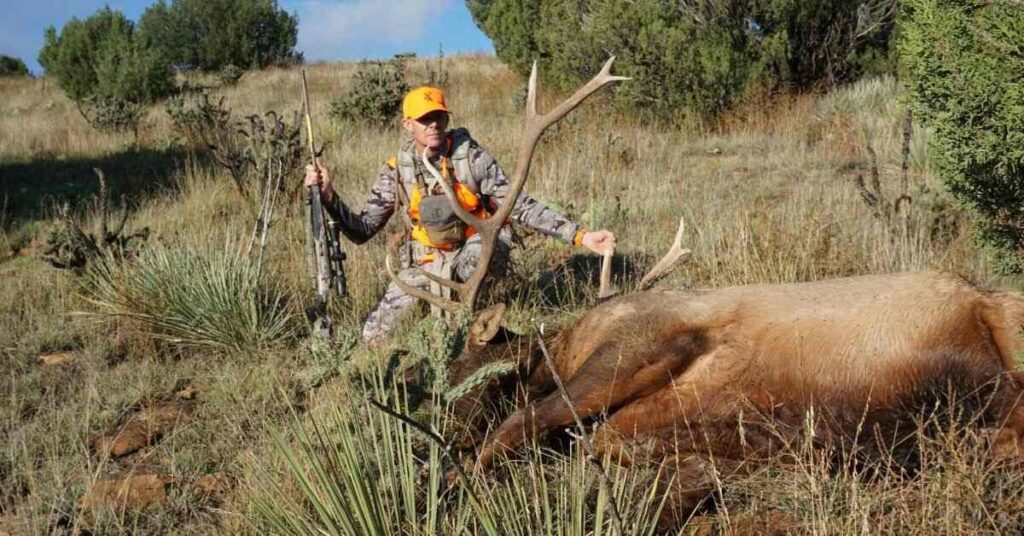
One important answer to what is the hunter’s role in wildlife conservation is population control. In nature, animal numbers rise and fall based on food, predators, disease, and habitat space. When predator numbers drop or habitats change, some species grow too quickly. This growth can harm forests, farms, and even the animals themselves.
Wildlife managers use regulated hunting to keep populations at healthy levels. For example, when deer populations grow too large, they eat too many plants and damage young trees. This reduces food for other animals and weakens the forest. Controlled hunting helps reduce pressure on the habitat and keeps the ecosystem balanced.
Hunters follow strict seasons and quotas set by wildlife experts. These rules protect young animals and breeding females. This system ensures hunting does not harm long term population health. Instead, it supports stable wildlife numbers and reduces disease spread caused by overcrowding.
Through this system, we better understand what is the hunter’s role in wildlife conservation. Hunters act as partners in scientific wildlife management, helping maintain balance in nature.
How Hunting Licenses Fund Conservation Efforts
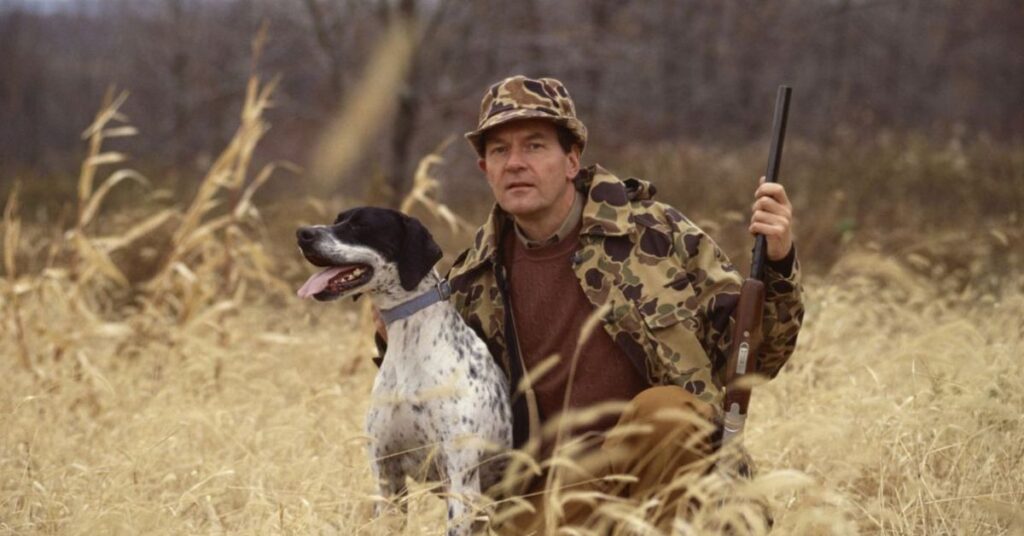
Another major part of what is the hunter’s role in wildlife conservation involves financial support. Hunters pay for licenses, permits, and taxes on equipment. Governments and conservation agencies use this money to protect wildlife habitats and support research programs.
These funds help maintain national parks, wildlife reserves, and wetlands. They support conservation officers who stop illegal hunting and protect endangered species. They also fund education programs that teach safe and ethical wildlife practices.
In many countries, hunting fees provide a large share of conservation budgets. This means hunters directly help pay for habitat restoration, tree planting, and water protection projects. Even people who never hunt benefit from these conservation efforts because healthy ecosystems support clean air, water, and biodiversity.
When we ask what is the hunter’s role in wildlife conservation, funding becomes one of the strongest answers. Hunters contribute real financial resources that keep conservation programs running year after year.
Hunters Help Protect and Restore Wildlife Habitats
Habitat protection forms another key part of what is the hunter’s role in wildlife conservation. Animals need safe places to live, breed, and find food. Without strong habitats, wildlife populations decline quickly.
Many hunting organizations actively protect forests, grasslands, and wetlands. They support land conservation projects and work with local communities to preserve natural areas. Hunters often volunteer in habitat cleanup programs, tree planting drives, and water source restoration efforts.
Because hunters spend time outdoors, they often notice environmental changes early. They report pollution, illegal logging, or habitat damage to authorities. This helps conservation agencies respond quickly and protect wildlife before problems grow worse.
Healthy habitats support not only game animals but also birds, insects, and rare species. This shows clearly what is the hunter’s role in wildlife conservation. Hunters help maintain the environments that allow wildlife populations to survive and grow.
The Role of Ethical Hunting and Wildlife Laws
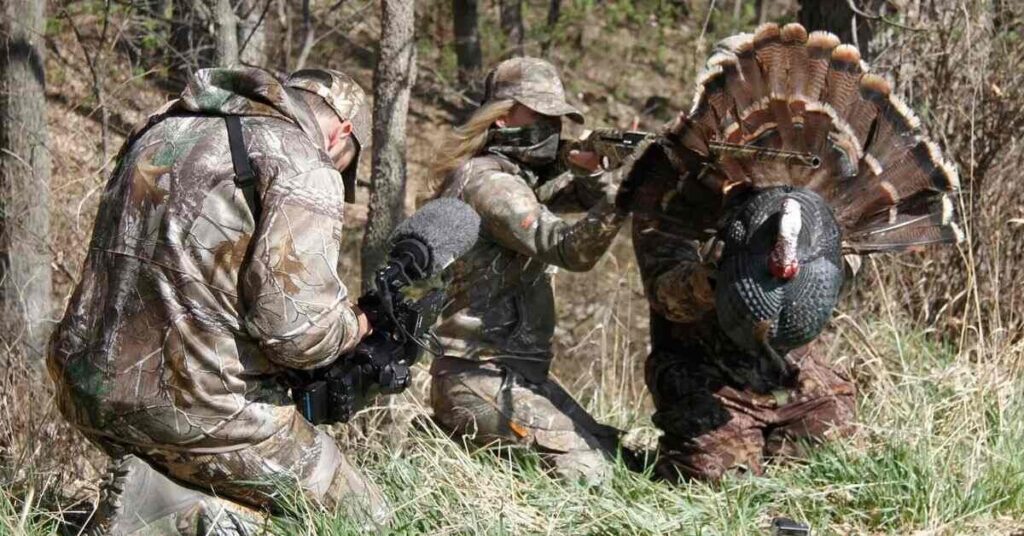
Ethical behavior stands at the center of what is the hunter’s role in wildlife conservation. Responsible hunters respect wildlife, follow rules, and hunt only in allowed seasons. Wildlife laws exist to protect animals during breeding times and prevent overexploitation.
Hunters must learn safety rules, species identification, and conservation principles before receiving licenses in many regions. This education ensures hunters understand how their actions affect ecosystems. Ethical hunters avoid waste, report illegal activity, and follow bag limits set by wildlife agencies.
Strong laws combined with responsible hunting practices reduce poaching and illegal trade. Legal hunters often become the first line of defense against wildlife crime. Their presence in natural areas discourages illegal hunters and supports monitoring efforts.
Understanding ethical hunting helps answer what is the hunter’s role in wildlife conservation. Responsible hunting works as a regulated tool that protects wildlife rather than harming it.
Read about it more :https://www.wildlifenomads.com/blog/is-hunting-animals-good/
Community Benefits of Hunters in Conservation Programs
Local communities also gain from understanding what is the hunter’s role in wildlife conservation. Conservation programs funded by hunting often create jobs for park staff, guides, researchers, and conservation officers. This supports rural economies and encourages communities to protect wildlife resources.
When communities benefit from wildlife, they value conservation more strongly. This reduces illegal hunting and habitat destruction. Sustainable hunting tourism in some regions provides income that supports schools, healthcare, and infrastructure.
Hunters also share wildlife knowledge and conservation awareness with younger generations. Many participate in education programs that teach respect for nature and safe outdoor practices. These programs build future conservation supporters.
The connection between hunters and communities shows what is the hunter’s role in wildlife conservation extends beyond wildlife alone. It includes social, educational, and environmental benefits.
Key Contributions of Hunters to Wildlife Conservation
| Aspect | How Hunters Contribute |
| Population management | Help control animal numbers through regulated hunting |
| Conservation funding | Pay license fees and equipment taxes used for habitat protection |
| Habitat restoration | Volunteer in land protection and environmental cleanup projects |
| Law enforcement support | Report illegal hunting and environmental damage |
| Community development | Support rural jobs and conservation education programs |
This summary highlights clearly what is the hunter’s role in wildlife conservation across multiple areas.
Conclusion
The idea that hunting can support wildlife protection may seem surprising at first. Yet careful research and conservation history show that responsible hunters often play a meaningful role in protecting ecosystems. They help manage wildlife populations, fund conservation programs, and support habitat protection efforts.
Understanding what is the hunter’s role in wildlife conservation allows us to see hunting as part of a regulated conservation system rather than a simple outdoor activity. Ethical hunting practices, strong wildlife laws, and active conservation partnerships ensure that wildlife populations remain healthy for future generations.
When managed responsibly, hunters become valuable partners in protecting biodiversity and maintaining balanced ecosystems. Their financial contributions, environmental awareness, and participation in conservation programs help sustain wildlife and natural habitats worldwide.
FAQs
What is the hunter’s role in wildlife conservation in simple terms?
Hunters help wildlife conservation by controlling animal populations, funding conservation through licenses, protecting habitats, and supporting wildlife laws.
Do hunters really help protect endangered species?
Yes. Money from hunting licenses often funds programs that protect endangered animals and restore habitats.
How does regulated hunting help ecosystems?
Regulated hunting prevents animal overpopulation, reduces disease spread, and protects habitat balance for many species.
Can conservation exist without hunters?
Conservation can exist in many forms, but in many regions hunting funds and management programs play an important supporting role.
Why do governments allow hunting if they protect wildlife?
Governments allow regulated hunting because it helps manage wildlife populations and provides funding for conservation programs while protecting ecosystems.
