

Introduction
The ocean hides many strange and beautiful creatures. Few are as fascinating as the octopus. These soft bodied animals surprise scientists and nature lovers every year. Their behavior looks almost unreal. They solve problems, change color, and escape from tight spaces with ease.
This article shares the most interesting weird octopus facts in simple language. You will learn how octopuses think, hunt, hide, and survive in the deep sea. You will also discover why they are called some of the smartest animals in the ocean. If you enjoy learning about wildlife and marine life, these facts will amaze you and help you understand why octopuses deserve protection.
Weird Octopus Facts About Their Incredible Intelligence
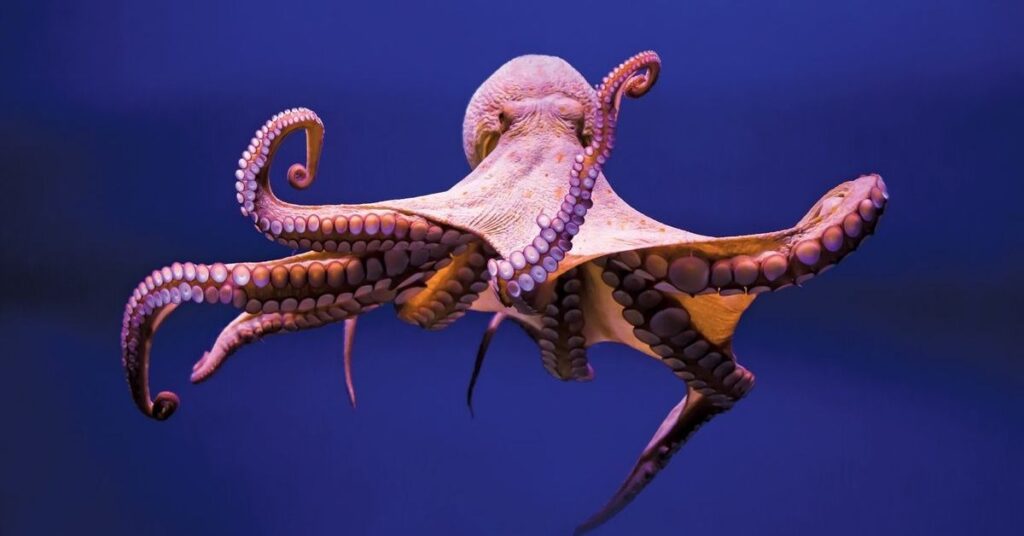
One of the most surprising weird octopus facts is their high intelligence. When compared to their body size, octopuses have large brains. In addition to learning from experience, they can recall solutions to problems as well. Scientists have watched octopuses open jars, solve puzzles, and escape from tanks. This shows they can think and plan actions.
Octopuses also use tools in the wild. Some collect coconut shells or rocks to build shelter. This behavior is rare among sea animals. It proves they can adapt to their environment in smart ways.
Another amazing detail is that many of their nerve cells sit in their arms.Almost every arm can move and react independently. This allows the octopus to explore, grab food, and sense danger quickly. Their intelligence helps them survive in a world full of predators. These weird octopus facts show that they are not just simple sea creatures. They are clever hunters with strong learning skills.
Weird Octopus Facts About Camouflage and Shape Shifting
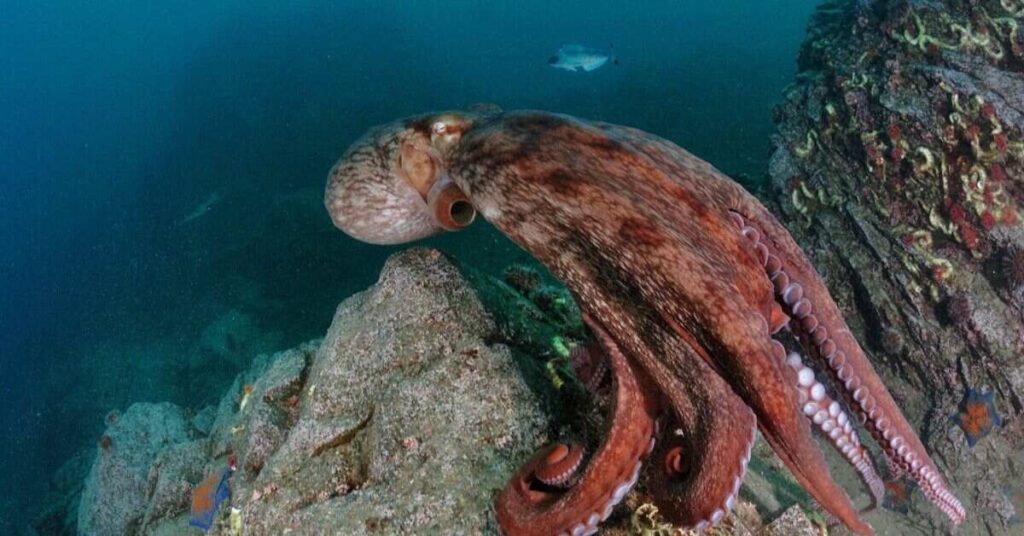
Among the most famous weird octopus facts is their ability to change color and texture. Octopuses have special skin cells that expand and contract. These cells help them match the color of rocks, sand, or coral within seconds. This fast camouflage protects them from predators and helps them sneak up on prey.
Some species go even further. They can change the texture of their skin to look rough like a rock or smooth like sand. Others mimic dangerous sea animals to scare predators away. For example, some octopuses copy the look and movement of lionfish or sea snakes.
This skill makes them masters of disguise in the ocean. Their camouflage also helps them hunt more effectively. Small fish and crabs often fail to notice them until it is too late. These weird octopus facts show how nature gave them powerful tools for survival without bones or shells.
10 Amazing Octopus Facts That Will Blow Your Mind
1. Octopuses Have Three Hearts
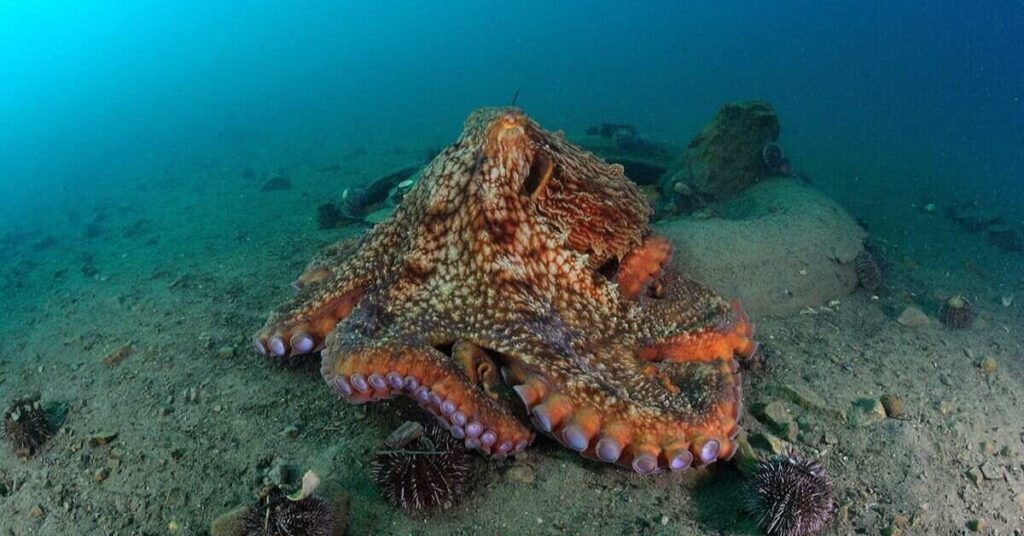
Octopuses have three hearts, which makes them very different from most animals. Two hearts pump blood to the gills.Water provides oxygen to the gills.Oxygen-rich blood is pumped to the rest of the body by the third heart. This special system helps the octopus stay active in the ocean, where oxygen levels can be low.
When an octopus swims, the heart that sends blood to the body works less efficiently. This is why octopuses prefer to crawl instead of swim for long distances. Crawling saves energy and helps their hearts work better. These three hearts play a big role in helping octopuses survive in deep and cold seas.
2. Their Blood Is Blue
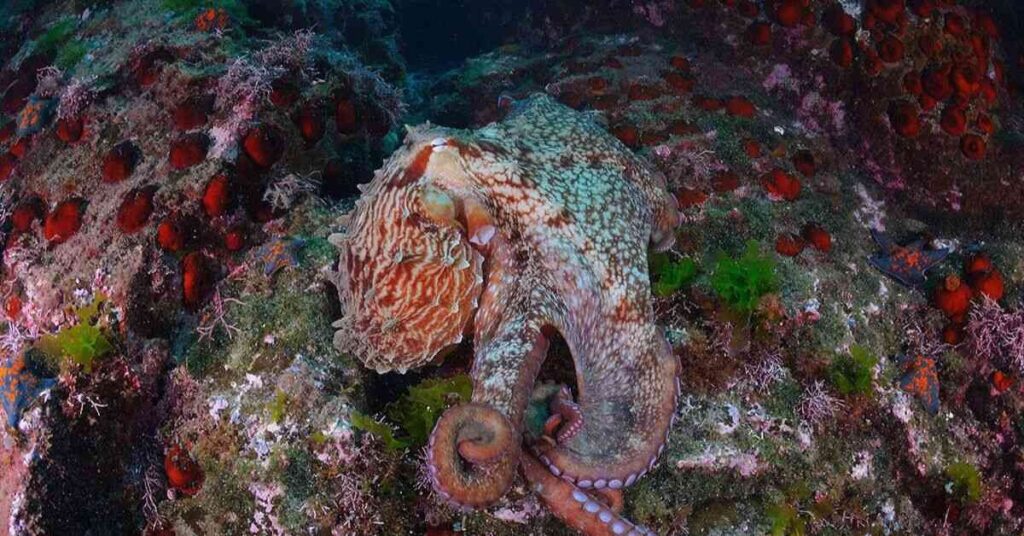
Octopuses have blue blood instead of red blood. This happens because their blood uses a copper based protein to carry oxygen. In humans and many animals, iron makes the blood red. In octopuses, copper gives the blood a blue color. This special blood helps them live in cold and deep ocean water.
Blue blood works better than red blood in places with low oxygen. It helps the octopus get enough oxygen even in harsh sea conditions. This allows them to stay active while hunting or hiding from predators. Their unusual blood is one of the most interesting features that makes octopuses unique in the ocean.
3. Octopuses Can Change Color Instantly
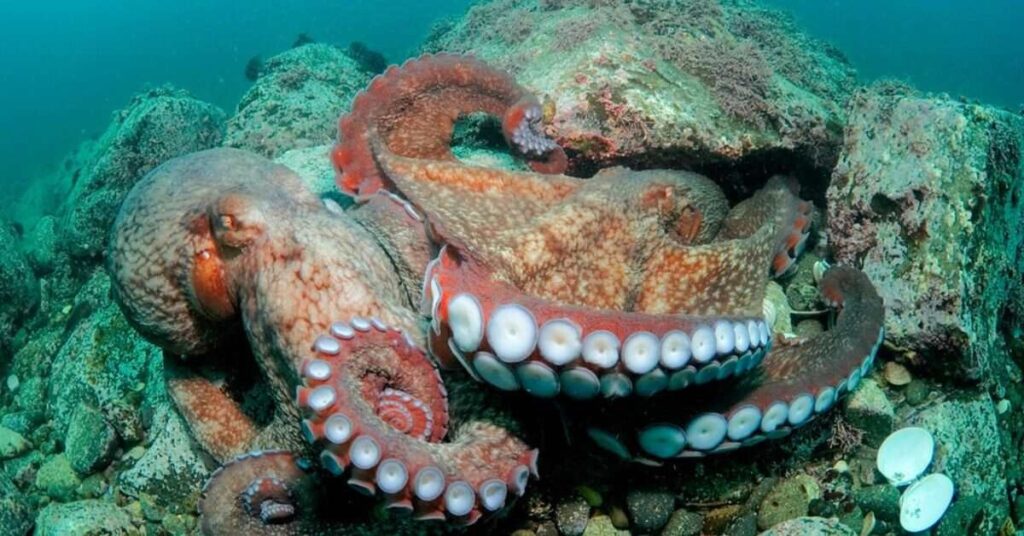
Octopuses can change color in a few seconds. Their skin has special cells that expand and shrink. These cells control different colors and patterns. By using them, the octopus can match rocks, coral, or sand. This helps it hide from predators and stay safe.
They also change color to hunt or communicate. An octopus may turn dark to warn danger. It may show bright patterns when it feels threatened. Some use color changes to confuse prey before attacking. This fast color change makes the octopus one of the best masters of camouflage in the ocean.
4. They’re Masters of Escape
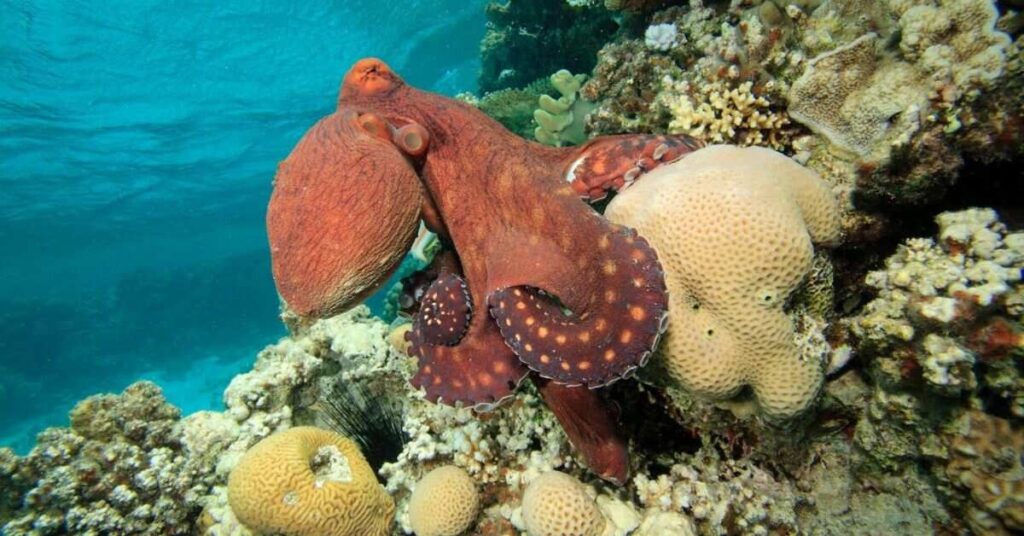
Octopuses are famous for escaping from tight places. Their bodies are soft and have no bones. This lets them squeeze through very small holes. If their beak can fit, the rest of the body can pass too. They often hide in rocks, shells, or tiny spaces to stay safe.
Octopuses are also very smart escape artists. In aquariums, they have opened lids and slipped out of tanks. Some even move across the floor to reach another tank with food. They can use their arms to push, pull, and explore their surroundings. These skills help them avoid danger and survive in the wild.
Read about it more: https://www.wildlifenomads.com/blog/20-amazing-octopus-facts/
5. Octopuses Have Nine Brains
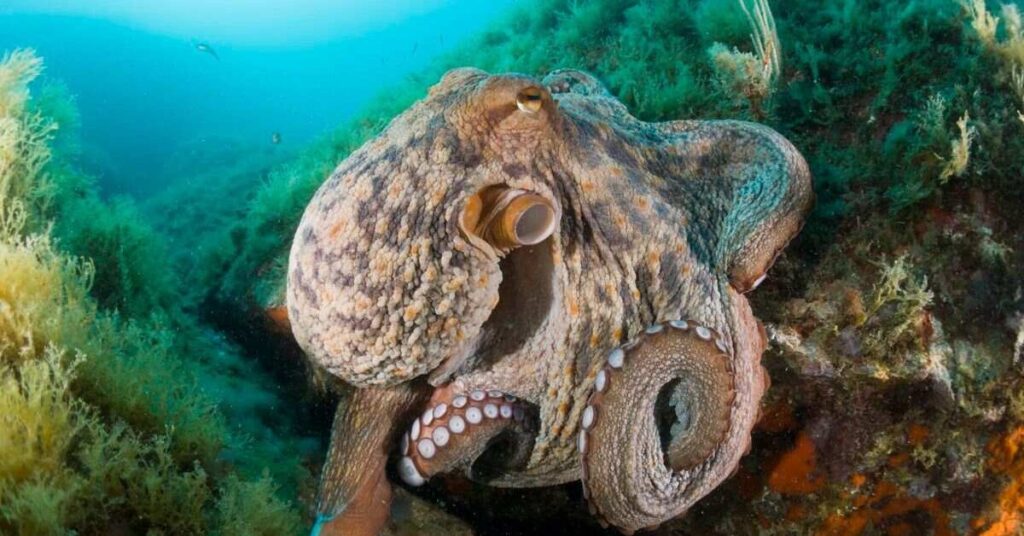
Octopuses are known for having nine brains. One main brain controls the body and overall behavior. The other eight small brains sit in each arm. These small brains help the arms move and react on their own. This allows the octopus to touch, grab, and explore many things at the same time.
Because of this system, each arm can sense and respond quickly. An arm can taste food and decide how to hold it. The main brain still guides the octopus, but the arms help with fast actions. This unique setup makes octopuses very smart and flexible hunters in the ocean.
6. They Can Regrow Lost Arms
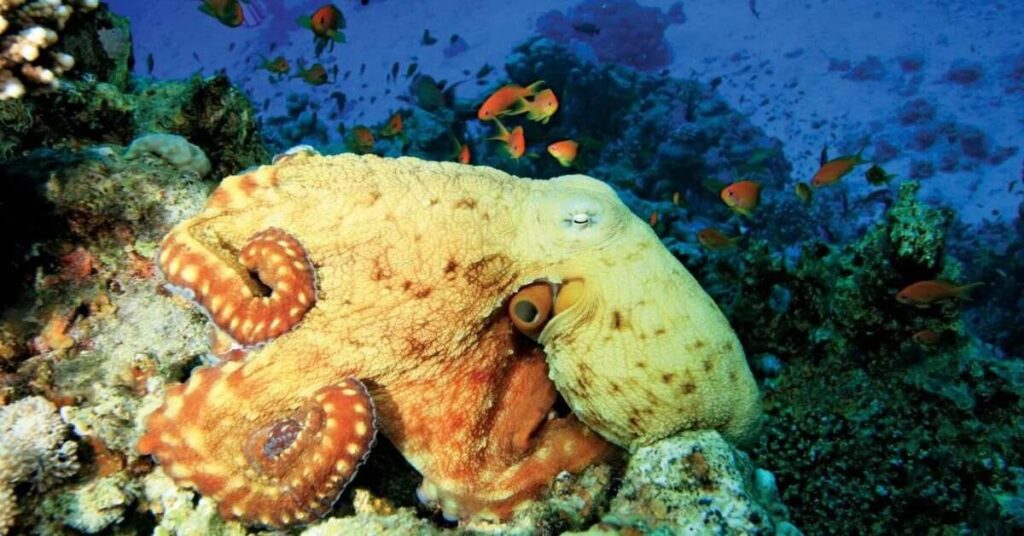
Octopuses can regrow a lost arm. If a predator grabs one of their arms, the octopus can break it off to escape. The lost arm may keep moving for a short time. This distracts the predator and gives the octopus time to swim away and hide.
After some time, a new arm begins to grow back. The process takes weeks or months, depending on the species and size. The new arm can work just like the old one. It can move, grab food, and sense the environment. This ability helps octopuses survive in the wild where danger is common.
7. Octopuses Have Beaks Like Parrots
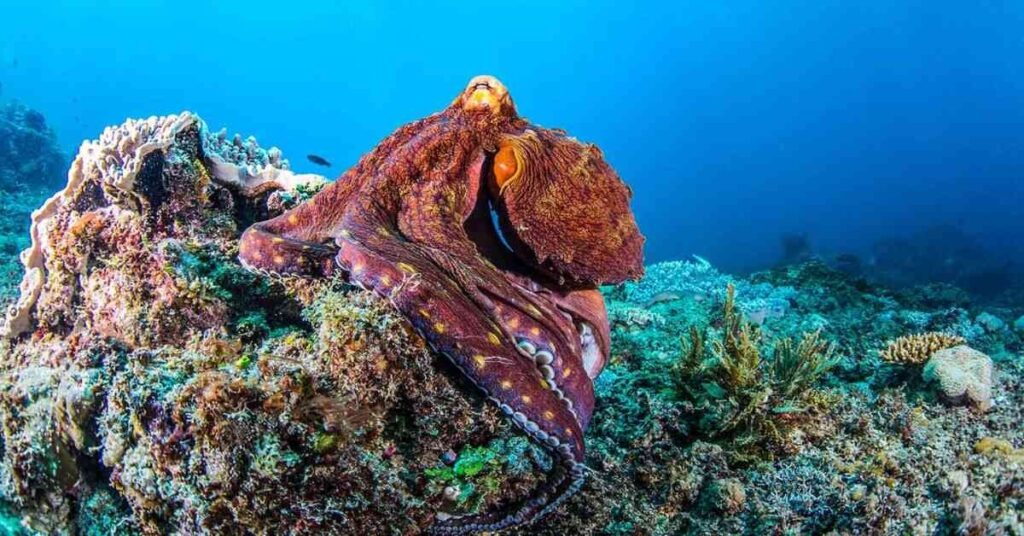
Octopuses have strong beaks that look like a parrot’s beak. The beak is made of hard material and sits at the center of their arms. It helps them bite, tear, and eat food like crabs, fish, and shellfish. Their soft bodies need a hard beak to break shells and tough prey.
The beak is sharp and precise. It allows the octopus to catch and eat quickly. Even though the body is soft and flexible, the beak gives them a strong tool for feeding. This combination of soft body and hard beak makes octopuses unique hunters in the ocean.
8. They Shoot Ink to Escape Predators
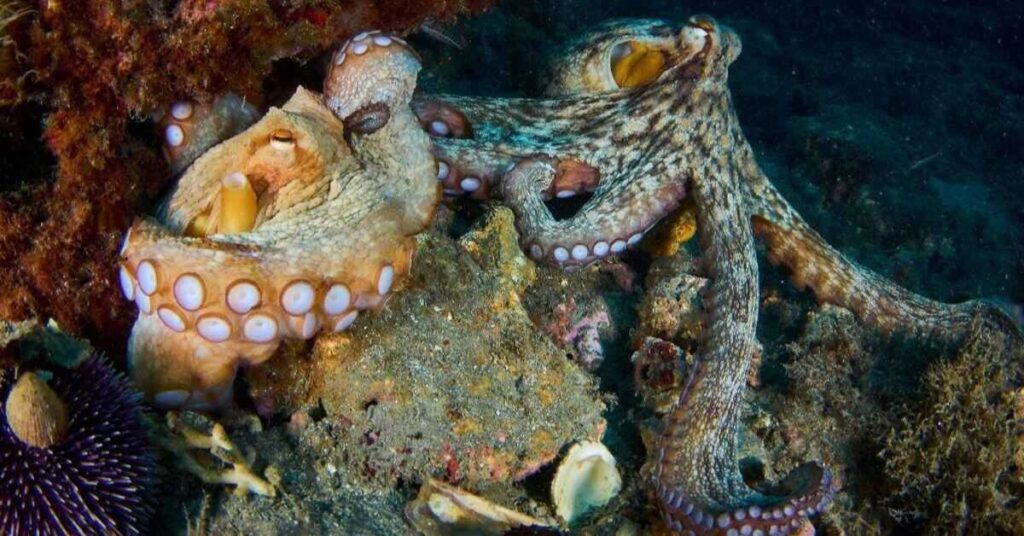
Octopuses can release a cloud of ink when they feel threatened. The ink spreads quickly in the water. It hides the octopus from predators and gives it time to swim away. Some inks even confuse the predator’s sense of smell, making escape easier.
The ink is not harmful to the octopus or other animals. It is a clever defense tool in the wild. By shooting ink, octopuses can escape from fish, sharks, and other threats. This skill, combined with their camouflage, makes them very hard to catch.
9. Octopuses Are Short-Lived but Brilliant
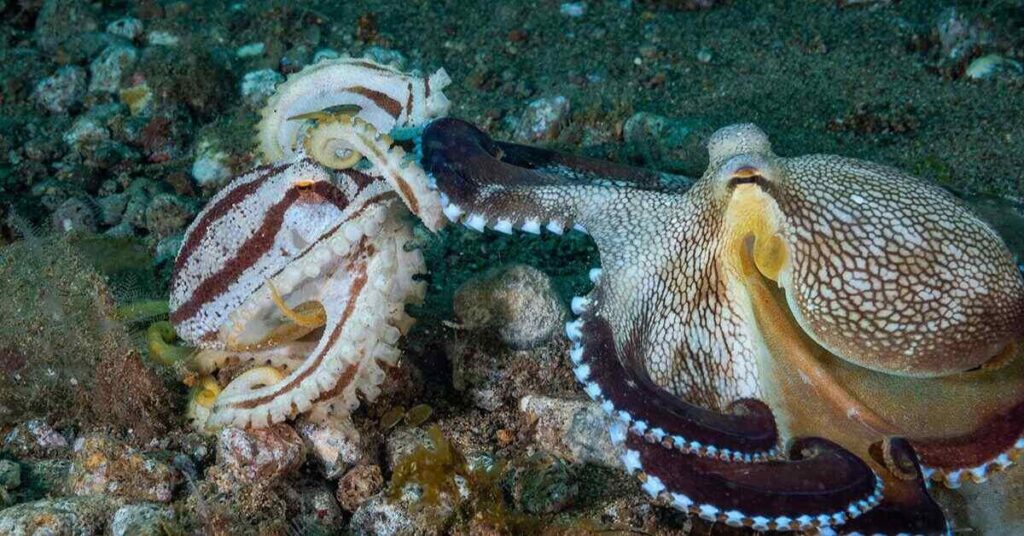
Most octopuses live only one to two years. Despite their short life, they grow very fast. They learn, hunt, and explore quickly. Their intelligence and skills develop in a short time, making them remarkable animals.
Octopuses also reproduce once before dying. The female lays thousands of eggs and protects them carefully. She may stop eating while guarding the eggs. After the eggs hatch, she usually dies. Even with a short life, octopuses leave a lasting impact on the ocean ecosystem.
10. Some Octopuses Walk on Two Arms
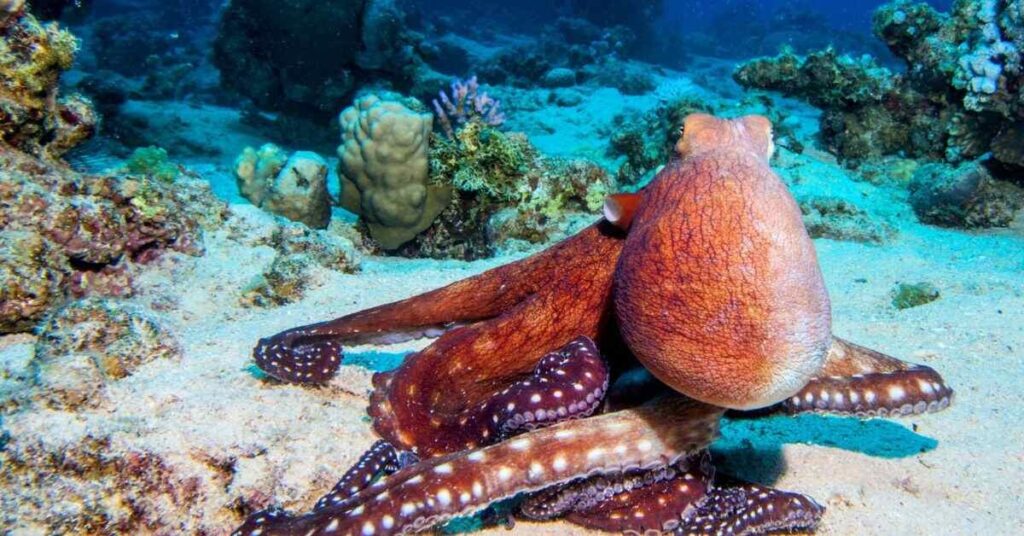
Some octopuses can walk using just two of their arms. They lift the other arms and move slowly along the ocean floor. This helps them sneak past predators or hunt quietly without being noticed.
Walking on two arms also saves energy. It lets them stay low and hidden while moving. This unusual skill shows how flexible and clever octopuses are. It is one of the many strange behaviors that make them unique in the sea.
Weird Octopus Facts About Their Unique Body and Blue Blood
Octopuses have one of the strangest bodies in the animal kingdom. One of the key weird octopus facts is that they have three hearts. Two hearts pump blood to the gills. The third heart sends blood to the rest of the body. This system helps them survive in low oxygen water.
Another unusual feature is their blue blood. Their blood uses a copper rich protein instead of iron. This makes the blood appear blue and helps carry oxygen in cold ocean water.
Octopuses also have no bones. Their soft bodies let them squeeze through tiny openings. If their beak fits, the rest of their body can usually pass through. This helps them escape predators and hide in small holes.
The table below shows some unusual body features of octopuses.
| Feature | Why It Is Strange | Benefit for Survival |
| Three hearts | Rare in animals | Improves oxygen flow in water |
| Blue blood | Uses copper protein | Works well in cold low oxygen seas |
| Boneless body | Fully flexible | Allows escape through small spaces |
| Suction cups | Can taste and grip | Helps detect food and hold prey |
These weird octopus facts explain why they are so well adapted to ocean life.
Weird Octopus Facts About Hunting and Defense Tricks
Octopuses use clever hunting methods. One of the coolest weird octopus facts is how they catch prey. They often stalk slowly and then shoot forward to grab fish or crabs with their arms. Their suction cups grip tightly so prey cannot escape.
Some octopuses release ink when threatened. There is a dark cloud of ink in the water caused by the ink. This confuses predators and gives the octopus time to swim away. In some cases, the ink even dulls the predator’s sense of smell.
Octopuses can also drop an arm if attacked. The lost arm keeps moving and distracts the predator. Later, the octopus can regrow the arm. This defense method increases their chance of survival in dangerous waters.
These weird octopus facts show that they rely on both intelligence and physical tricks to stay alive. Their flexible strategies make them skilled survivors in many ocean habitats.
Weird Octopus Facts About Their Short but Intense Life
Another surprising part of weird octopus facts is their short lifespan. Many octopus species live only one to two years. Despite this short life, they grow fast and reach adulthood quickly.
Their reproduction process is also unusual. After mating, the male usually dies within months. The female lays thousands of eggs and guards them carefully. She often stops eating while protecting the eggs. When the eggs hatch, the female usually dies soon after.
This life cycle may seem sad, but it helps ensure the next generation survives. The mother’s protection keeps the eggs safe from predators and strong currents.
Octopuses spend their short lives hunting, hiding, and exploring. Their rapid growth and intense parenting make them different from many other sea animals. These weird octopus facts remind us how unique their life journey really is.
Weird Octopus Facts and Their Role in Ocean Ecosystems
Octopuses play an important role in marine ecosystems. One of the lesser known weird octopus facts is how they help balance ocean food chains.As a result, these populations do not grow too large.
At the same time, octopuses serve as food for sharks, dolphins, and large fish. This makes them a key link between smaller and larger marine animals.
Octopuses also help scientists study animal intelligence and behavior. Research on their brains and problem solving skills gives insight into how intelligence evolves in different species.
Protecting octopus habitats also protects coral reefs and seafloor ecosystems. Pollution and climate change threaten these environments. Learning weird octopus facts helps people appreciate their value and support ocean conservation efforts.
Conclusion
Octopuses are among the most mysterious animals in the sea. From their three hearts and blue blood to their problem solving skills and color changing skin, they continue to surprise scientists and wildlife lovers alike.
These weird octopus facts show that octopuses are intelligent, adaptable, and essential to ocean life. Their strange bodies and behaviors make them one of nature’s most impressive creations. By learning about them, we also learn why protecting marine habitats matters for the future of wildlife and our planet.
FAQs
What makes octopuses so intelligent?
Octopuses have large brains and many nerve cells in their arms. They can solve puzzles, remember solutions, and learn from experience. This makes them one of the smartest sea animals.
Why do octopuses have blue blood?
Their blood contains a copper based protein that carries oxygen. This works better in cold ocean water, which makes the blood look blue.
Can octopuses really change color instantly?
Yes. Their skin has special cells that allow rapid color and pattern changes. This helps them hide, hunt, and communicate.
How long does an octopus live?
Most octopuses live only one to two years. They grow quickly, reproduce once, and then die shortly after.
Do octopuses attack humans?
Most octopuses avoid humans. They usually hide or swim away. Some large species may defend themselves if threatened, but attacks are very rare.
