
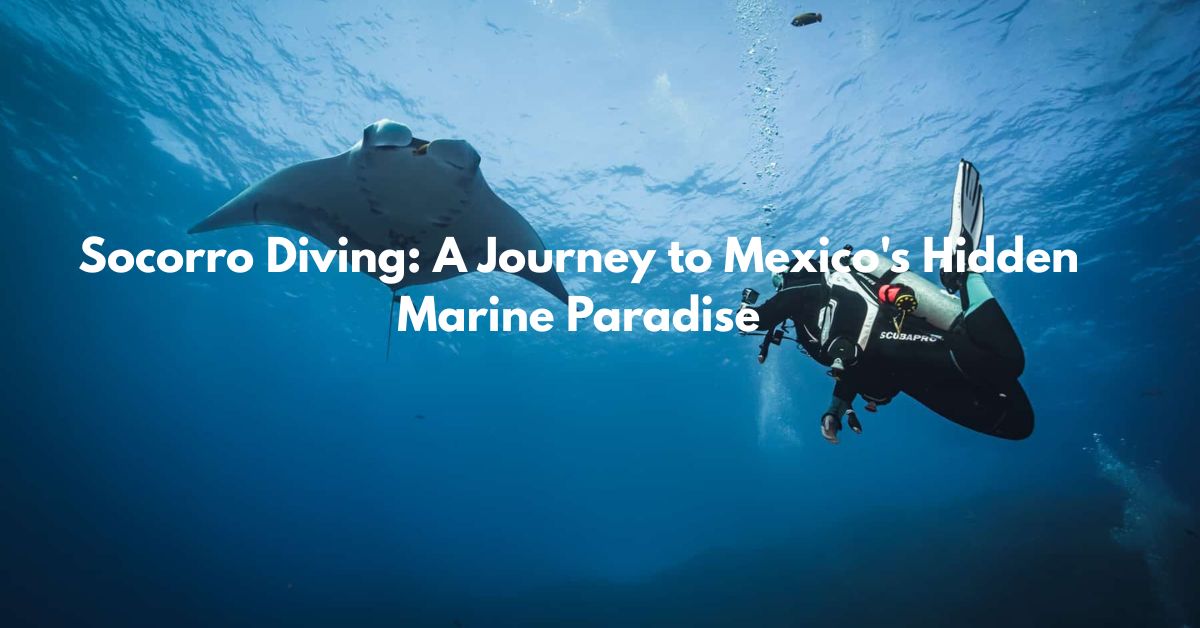
Imagine descending into crystal blue waters where massive manta rays glide directly toward you, curious dolphins spin playfully around your bubbles, and schools of hammerhead sharks sweep past like living clouds. This is not a fantasy. This is Socorro diving, one of the world’s most thrilling underwater adventures.
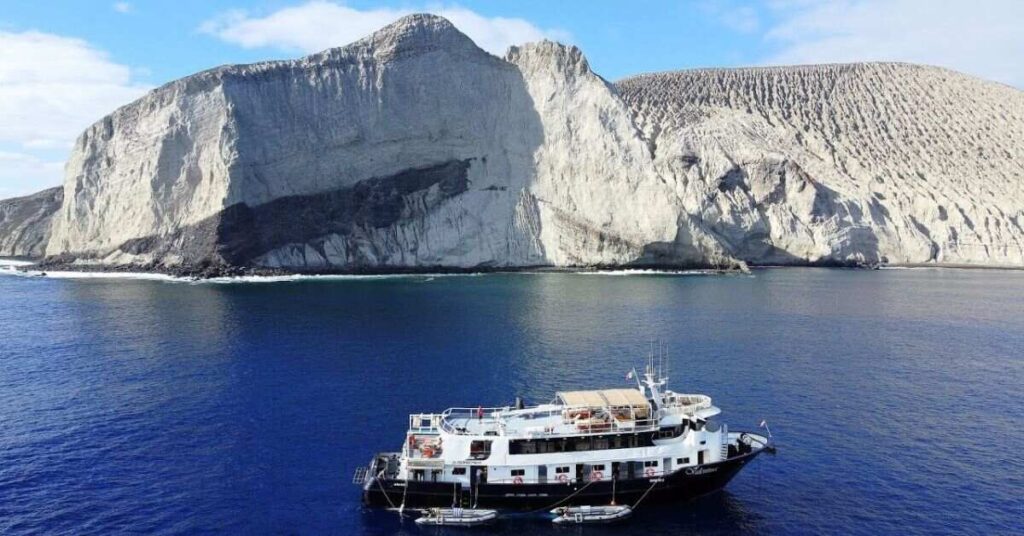
Socorro Island sits 250 miles off Mexico’s coast in the Pacific Ocean. It forms part of the Revillagigedo Archipelago, a group of four volcanic islands that many call Mexico’s Little Galapagos. The remote location creates an untouched underwater world where marine giants gather in numbers found nowhere else on Earth. Every dive here feels like stepping into a nature documentary where you become part of the story.
What makes Socorro diving truly special is not just the wildlife you see but how the animals interact with divers. Giant oceanic manta rays seek out scuba divers, hovering above them to feel the tickle of exhaled bubbles on their bellies. Bottlenose dolphins approach with genuine curiosity, circling and playing as if inviting humans into their world. This level of interaction transforms Socorro from just another dive destination into a life-changing wildlife encounter.
Discovering the Revillagigedo Archipelago
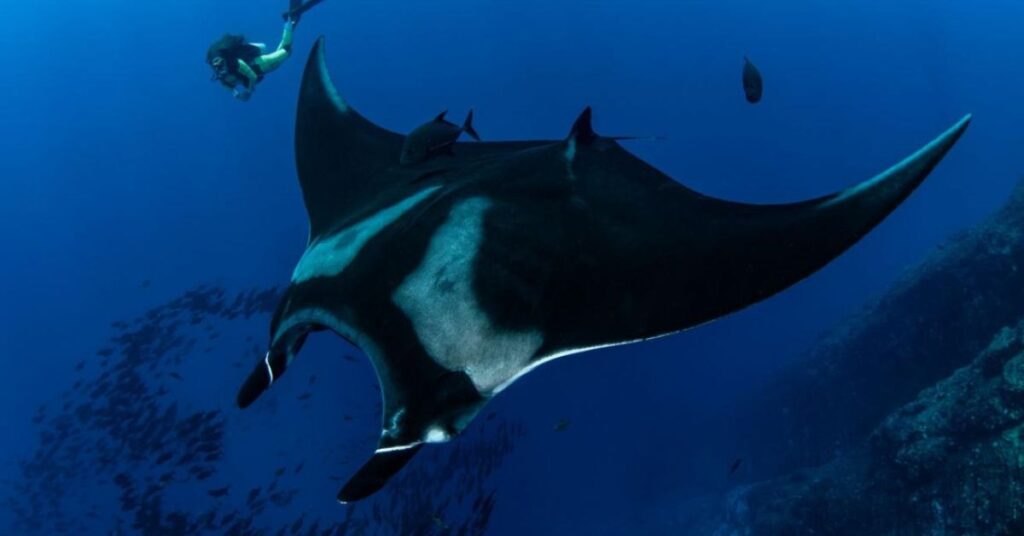
The Revillagigedo Archipelago is a group of islands in the Pacific Ocean. It belongs to Mexico. The islands sit about 250 miles south of Baja California. Most people have never heard of this place. But it’s one of the most amazing spots on Earth. The waters here are incredibly rich with marine life. Giant manta rays glide through the ocean. Humpback whales come here to breed. Dolphins play in the waves. Sharks patrol the reefs. The islands are remote and wild. Only a few people live there.
Getting to Revillagigedo takes effort. You need to take a liveaboard boat from Mexico. The journey takes about 24 hours. But the trip is worth every minute. Divers come from around the world to see this place. The underwater world is breathtaking. The visibility is crystal clear. You can see for over 100 feet in every direction. UNESCO named it a World Heritage Site in 2016. The archipelago is protected now. Fishing is not allowed. This helps keep the ecosystem healthy. It’s a true ocean wilderness. Few places on Earth remain this untouched.
The Marine Life of Socorro Diving
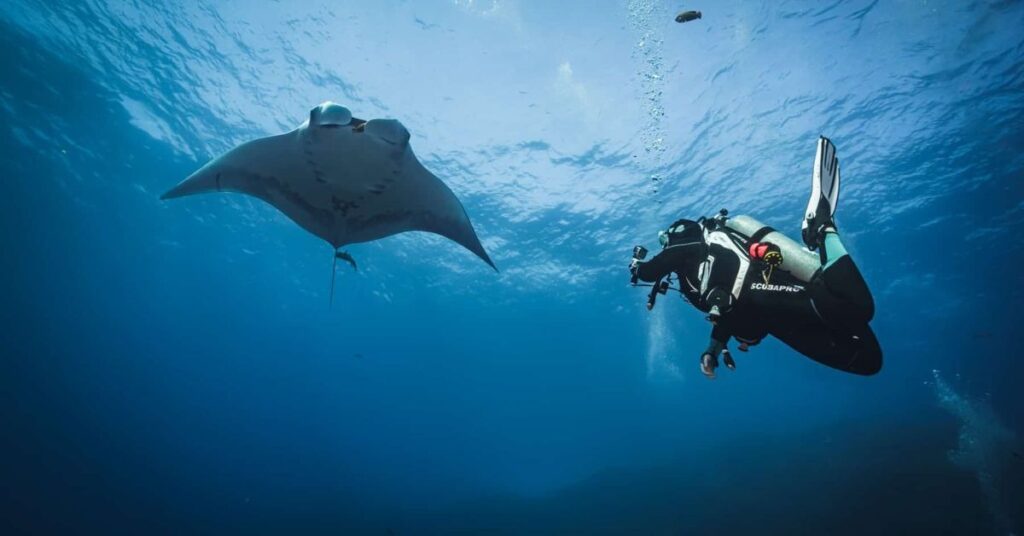
Socorro is famous for its giant manta rays. These gentle creatures are the stars of the show. They can measure up to 23 feet from wing tip to wing tip. The mantas here are incredibly friendly and curious. They often swim right up to divers and look them in the eye. Some even like to play in the bubbles from scuba gear. You’ll also encounter multiple species of sharks. Hammerhead sharks travel in large schools during certain months. Silky sharks are bold and come very close to divers. Galapagos sharks, whale sharks, and tiger sharks all visit these waters.The shark encounters here are safe and spectacular.
Humpback whales arrive between January and April. You can hear their songs echoing through the water. Sometimes they swim close enough to see clearly. Bottlenose dolphins are playful and acrobatic around divers. They love to show off with spins and flips. The smaller reef fish are colorful and abundant too. Yellowfin tuna hunt in massive schools. Wahoo speed through the blue water. Giant trevally patrol the cleaning stations. Moray eels peek out from rocky holes. Octopuses change colors as they crawl across the rocks. Every dive brings something different. You never know what will appear from the deep blue. That’s what makes Socorro diving so addictive and exciting.
What Diving Conditions Are Like in Socorro
Socorro diving involves open ocean conditions. Dives usually take place near volcanic islands and seamounts. Water depth varies from shallow to deep. Visibility often stays good but can change with currents. Currents play an important role in bringing nutrients and wildlife.
Water temperature ranges from cool to warm depending on season. Divers often wear thicker wetsuits for comfort. Surface conditions may feel choppy at times. Underwater conditions remain exciting and dynamic.
Most socorro diving happens from liveaboard boats. These boats act as floating hotels and dive platforms. Divers rest between dives and enjoy ocean views. The remote location means limited communication with land. This isolation adds to the adventure feeling.
Safety remains a priority. Dive guides monitor conditions closely. Briefings explain currents and entry methods clearly. Divers who respect instructions enjoy safe and memorable socorro diving experiences.
When to Plan Your Socorro Diving Adventure
The Socorro diving season runs from November through May or early June. This window avoids the hurricane season and provides the best overall diving conditions. However, the specific month you choose dramatically affects which marine life you encounter and what underwater conditions to expect.
November through January brings the calmest seas and best visibility. Water temperatures range from 24 to 27 degrees Celsius during this period. This is prime time for giant manta ray encounters, as these magnificent animals are most abundant. Whale sharks appear in November and December, attracted by plankton blooms. The conditions during these months make them ideal for first-time visitors to Socorro diving.
February and March mark peak humpback whale season. Water temperatures drop slightly to 21 to 23 degrees Celsius, requiring thicker wetsuits. Thousands of humpback whales congregate around the archipelago during these months for breeding and calving. While seeing whales underwater is never guaranteed, the chances improve dramatically during this window. The whale songs heard on nearly every dive create an unforgettable soundtrack to your underwater adventures.
April and May transition toward warmer conditions. Temperatures climb back toward 25 degrees Celsius. These months often see increased shark activity, particularly schooling hammerheads and silvertips. The water may be slightly less clear than winter months due to plankton, but this same plankton attracts massive schools of bait fish, which in turn draw predators. April through May offers excellent opportunities for dramatic action sequences.
Late May and June represent the tail end of the season before boats depart for other destinations. These months can deliver incredible shark encounters, including large schools of hammerheads and abundant silky sharks. Water temperatures warm to their highest levels. While conditions may be slightly rougher than earlier in the season, the potential for multiple shark species on a single dive peaks during this period.
Read about it more: https://www.wildlifenomads.com/blog/scuba-diving-in-socorro-island/
Famous Socorro Diving Sites
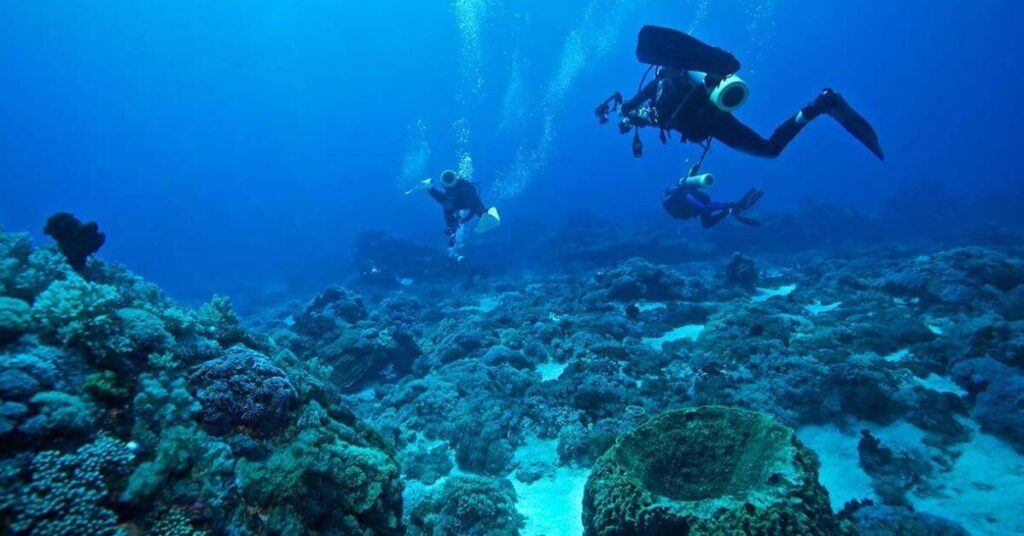
The Boiler at San Benedicto Island is the most famous dive site. It’s a underwater volcano peak that rises from the deep. Giant manta rays gather here every single day. They come to get cleaned by smaller fish. Some mantas have wingspans of over 20 feet. They’re curious and playful with divers. The Boiler also attracts dolphins and sharks. Hammerheads sometimes cruise by in schools. The current can be strong here. But the marine life makes it worth the effort. Cabo Pearce at Socorro Island is another must-see spot. Hundreds of hammerhead sharks patrol these waters. Silky sharks also swim close to divers. The encounters here are thrilling and safe.
Roca Partida is the most remote dive site. It’s a tiny rock sticking out of the ocean. Below the surface, it drops thousands of feet down. This site attracts big pelagic animals. Whale sharks visit during certain months. Tiger sharks and Galapagos sharks hunt in the area. Manta rays circle the rock constantly. The dive here feels like being in the middle of the open ocean. El Cañon at San Benedicto offers something different. It’s a dramatic underwater canyon with steep walls. Moray eels hide in the crevices. Octopuses hunt along the rocks. This site is perfect when the ocean gets rough elsewhere.
Planning Your Socorro Diving Trip
Getting to Socorro requires flying into Los Cabos International Airport in San Jose del Cabo, Mexico. This airport receives direct flights from many major US cities and international connections. Most divers arrive at least one day before their liveaboard departure to account for any travel delays and adjust to the time zone.
The only way to dive Socorro is via liveaboard vessel. The islands sit too far offshore for day trips, and visitors cannot stay on the islands themselves except for the small Mexican Navy contingent on Socorro Island. Liveaboard boats depart from either San Jose del Cabo or Cabo San Lucas, with the crossing taking approximately 24 to 28 hours each way.
Most Socorro diving trips last 8 to 10 days including travel time. This provides five to seven full days of diving with typically three to four dives per day. The long crossing time means you spend roughly two full days traveling to and from the islands, but this also allows time to meet fellow divers, check equipment, and mentally prepare for the adventure ahead.
Several professional liveaboard operators service Socorro with vessels ranging from budget-friendly to luxury options. Popular choices include the Nautilus fleet (Belle Amie, Explorer, Under Sea), Solmar V, Quino El Guardian, and Rocio Del Mar. Each vessel offers different amenities and price points, but all provide experienced crews, excellent dive guides, and comfortable accommodations for the journey.
Booking far in advance is essential for Socorro diving. The limited number of permits and popularity of the destination mean that trips often sell out six months to a year ahead, particularly for peak months. Flexible travelers may find last-minute availability, but planning ahead ensures you get your preferred dates and vessel.
Why Socorro Diving Matters for Wildlife Awareness
Socorro diving changes how people see the ocean. Seeing large animals up close builds respect. Divers understand that sharks are not dangerous monsters. Manta rays show intelligence and curiosity. Dolphins display emotion and playfulness.
This experience often leads to action. Many divers support ocean charities after their trip. Some reduce plastic use at home. Others share conservation messages online. Socorro diving acts as an education tool.
The protected status of the islands shows success. Wildlife numbers remain strong. This proves that protection works when enforced. Visitors become witnesses to healthy ecosystems.
Socorro diving connects people to nature in a deep way. This connection fuels long term care for oceans and wildlife.
Essential Requirements for Socorro Diving
Experience level matters significantly for Socorro diving. Most operators require Advanced Open Water certification with a minimum of 50 logged dives, though some accept Open Water divers with fewer dives. The exposed nature of the sites, strong currents, and deep walls demand solid diving skills and comfort in challenging conditions.
Strong currents sweep many Socorro dive sites, attracting the pelagic species that make these waters famous. Divers need excellent buoyancy control to maintain position at cleaning stations and avoid being swept away from the group. The ability to perform negative entries, where divers descend immediately upon entering the water, is often required.
The deep walls and pinnacles at sites like Roca Partida drop well beyond recreational diving limits. Depth gauges require constant monitoring to avoid accidentally descending too deep while watching the action. Many sites feature diving to 20 to 30 meters, with the seafloor often hundreds of meters below.
Water temperatures range from 21 to 28 degrees Celsius depending on the month. Most divers find a 5mm wetsuit adequate, with some adding a hooded vest during the cooler months of February and March. Mexican law prohibits dive gloves in Socorro to protect the marine life from handling, so divers need to maintain good buoyancy without touching anything.
Safety equipment is mandatory. All divers must carry a whistle, surface marker buoy or safety sausage, and many operators provide GPS tracking devices. The remote location and occasional strong surface conditions make being easily located crucial if a diver surfaces away from the boat.
Nitrox certification is highly recommended for Socorro diving. The repetitive dives to moderate depths benefit significantly from enriched air, extending bottom times and reducing nitrogen loading. Many liveaboards offer nitrox included in the package or for a small additional fee. Taking a nitrox course before the trip maximizes your underwater time with these incredible marine animals.
What Makes Socorro Diving Unique
The level of interaction with marine life at Socorro surpasses most other dive destinations. Giant manta rays do not simply tolerate divers but actively seek them out. Dolphins approach with obvious curiosity and playfulness. Even large sharks seem unconcerned by human presence, allowing close observation of natural behaviors.
This interaction stems partly from the protected status and limited visitation to the islands. The marine life encounters fewer divers compared to more accessible destinations, maintaining their natural curiosity. Strict regulations on group sizes, dive site rotation, and environmental protection ensure the animals remain wild yet comfortable around the small number of visitors permitted.
The concentration of pelagic megafauna in one location makes Socorro remarkable. Few places on Earth allow divers to see whale sharks, giant mantas, multiple shark species, dolphins, and whales all on a single trip. The volcanic pinnacles rising from the deep ocean create perfect gathering points for these far-ranging species.
Socorro’s accessibility from North America gives it an advantage over similar remote Pacific destinations. The Galapagos Islands, Cocos Island, and Malpelo Island all offer comparable marine life but require longer, more complicated travel. Socorro sits just a few hours’ flight from the western United States, making it relatively convenient for such a world-class big animal diving destination.
The pristine, undeveloped nature of the islands adds to the adventure. No resorts, no restaurants, no crowds of tourists. Just volcanic rocks, seabirds, and the endless Pacific Ocean. This isolation creates a sense of true expedition diving, of reaching a wild place where nature dominates completely. The experience feels authentic and uncommercial in a way that many modern dive destinations have lost.
Preparing for Your Socorro Adventure
Physical fitness helps maximize enjoyment of Socorro diving. Strong currents and surge conditions require stamina and the ability to swim against current when needed. While not requiring extreme fitness, being in good diving shape ensures you can fully enjoy multiple deep dives per day for a full week.
Photography equipment should favor wide angle. The large marine life and blue water scenes call for wide-angle lenses or action cameras. Macro opportunities exist but take a back seat to the big animal encounters. Many divers bring video cameras to capture the movement and behavior of mantas, dolphins, and sharks.
Extending your stay in Cabo before or after the liveaboard allows for warmup dives and exploration. The area offers excellent diving at nearby sites like Cabo Pulmo, opportunities to swim with sea lions in La Paz, and chances to see gray whales in San Ignacio during winter months. These additional experiences complement the Socorro adventure.
Packing for the liveaboard requires thinking about both diving and surface intervals. Seasickness medication benefits many people during the long crossings. Sun protection is essential for time on deck between dives. Comfortable clothes for relaxing, good books or entertainment for travel days, and reef-safe sunscreen round out the essentials.
Mental preparation matters as much as physical readiness. Socorro diving involves long boat rides, potentially rough seas, and the reality that wildlife sightings, while highly probable, are never guaranteed. Coming with realistic expectations and flexibility about conditions ensures the best experience regardless of specific encounters.
Conservation and Responsible Socorro Diving
Socorro’s waters are protected by Mexican law. The entire archipelago is a national park and biosphere reserve. No fishing is allowed within the protected zone. This keeps the ecosystem healthy and thriving. But the area still faces threats from illegal fishing. Poachers sometimes enter the reserve at night. They hunt sharks for their fins. Conservation groups work hard to stop this. They patrol the waters and report violations. As a diver, you play an important role too. Follow all the rules your dive guides give you. Never touch the marine animals, even if they come close. Don’t chase after mantas or whales. Let them approach you on their terms.
Responsible diving practices protect this special place. Always maintain good buoyancy control. Poor buoyancy damages the coral and rocks. Don’t collect souvenirs or shells from the ocean floor. Leave everything exactly as you found it. Many liveaboards now ban single-use plastics onboard. Bring a reusable water bottle for your trip. Support operators who follow environmental guidelines. Choose boats that properly dispose of waste. Some of your trip fees go toward conservation efforts. This money helps protect the islands and their wildlife. You can also donate to organizations working in Socorro. The more we protect these waters now, the longer they’ll stay wild. Future generations of divers deserve to see what you’re seeing today.
Socorro Diving Season Summary Table
| Month | Water Temp | Visibility | Best For | Conditions |
| November | 24-27°C | Excellent | Mantas, whale sharks | Calm seas |
| December | 24-27°C | Excellent | Mantas, whale sharks | Calm seas |
| January | 22-25°C | Very good | Mantas, hammerheads | Good conditions |
| February | 21-23°C | Very good | Humpback whales | Cooler water |
| March | 21-23°C | Good | Humpback whales | Cooler water |
| April | 23-25°C | Good | Sharks, mantas | Warming water |
| May | 24-26°C | Good | Hammerheads, sharks | Warmer water |
| June | 25-27°C | Variable | Multiple shark species | End of season |
Conclusion
Socorro diving offers more than adventure. It offers connection, learning, and respect for wildlife. The remote islands create a safe space for marine animals. Divers become guests in this wild ocean world.
Every dive brings emotion and discovery. Giant mantas glide peacefully. Sharks patrol with strength and grace. Dolphins play freely. These moments leave lasting impressions.
Socorro diving also supports conservation. Responsible tourism helps protect marine life. Visitors return home with new awareness and appreciation. This destination proves that wildlife and humans can share space respectfully.
For those who love nature, socorro diving stands as one of the most powerful ocean experiences on Earth.
FAQs
What makes socorro diving different from other dive destinations?
Socorro diving focuses on large marine wildlife like mantas, sharks, and dolphins in open ocean conditions with very little human impact.
Is socorro diving suitable for beginners?
Socorro diving suits divers with some experience because currents can be strong, but skilled guides help ensure safety and comfort.
When is the best time to plan a socorro diving trip?
The best time for socorro diving is from November to May when seas are calmer and marine life activity is at its peak.
What marine animals are commonly seen during socorro diving?
Divers often see giant manta rays, hammerhead sharks, dolphins, and sometimes humpback whales during socorro diving trips.
How does socorro diving support marine conservation?
Socorro diving takes place in a protected marine reserve where responsible tourism helps protect wildlife and healthy ocean ecosystems.
