

Introduction
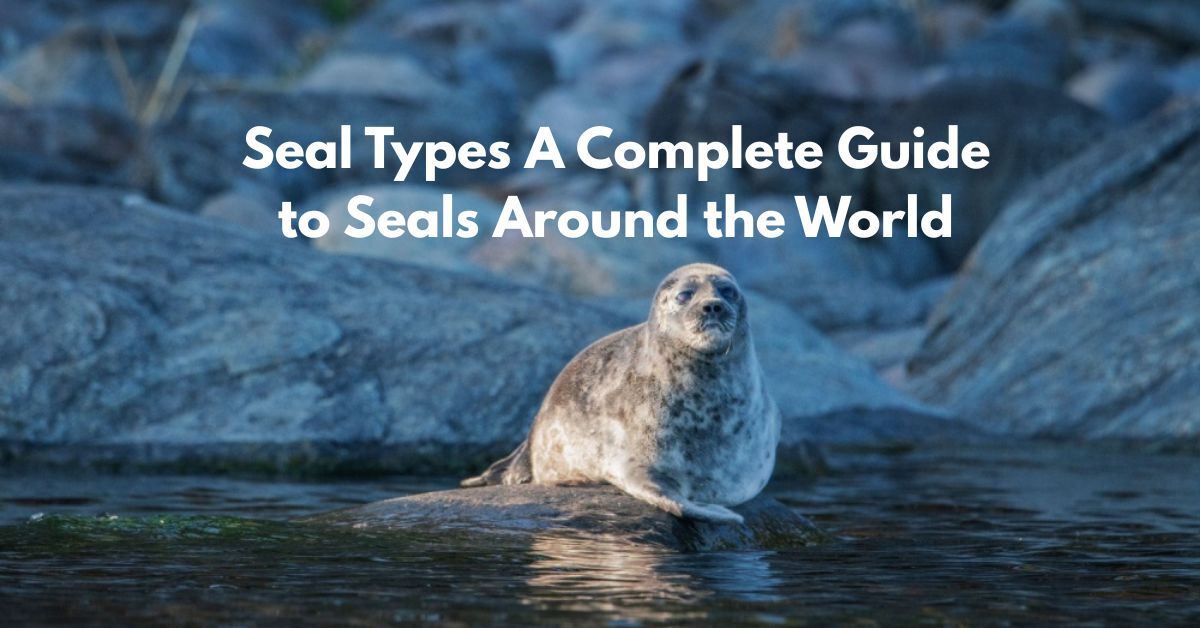
Seals are some of the most fascinating marine animals found on Earth. They live in oceans, seas, and even cold coastal areas across the world. Many people love seals because of their playful nature and calm appearance. Understanding seal types helps us learn how these animals survive in different environments. Each seal species has unique features, habits, and habitats. Some seals live in icy waters, while others prefer warmer coastal regions. Seal types also show us how marine life adapts to changing climates. Learning about seal types increases awareness and supports wildlife conservation. This guide explains seal types in simple words. It is easy to read and full of useful facts. If you want to explore the world of seals, this article will help you understand them clearly.
Understanding Seal Families: The Foundation of Seal Types
Seal families help us understand how different seal types are grouped. Scientists divide seal types into families based on body shape, movement, and behavior. These families show how seals evolved over time. Each family shares common traits that help seals survive in their environment. By learning about seal families, we can easily tell why some seals look and act differently. This knowledge makes seal types easier to understand for everyone.
There are three main seal families found in the world today. True seals belong to one family and lack visible ears. Eared seals form another family and include sea lions and fur seals. Walruses belong to their own family because of their size and tusks. Each family plays an important role in marine ecosystems. Understanding seal families builds a strong base for learning about all seal types and their unique lives in the ocean.
The Three Main Seal Families
Seal types are divided into three main families based on their physical features and behavior. These families help scientists understand how seals live and move. Each family has unique traits that make them different from the others. Learning about these families makes it easier to recognize seal types in the wild. It also helps us understand how seals adapt to land and water life.
The first family includes true seals, which do not have visible ears. The second family includes eared seals, such as sea lions and fur seals. The third family is the walrus family, known for large bodies and long tusks. Each family survives in different environments. Together, these families form the foundation of all seal types found around the world.
1. Phocidae (True Seals)
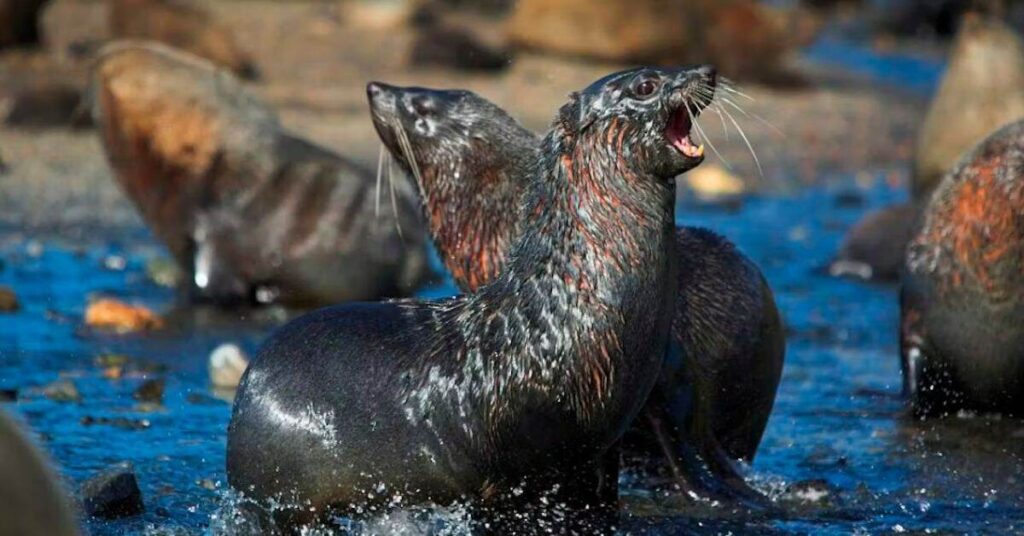
Phocidae is the family that includes all true seals. These seal types do not have visible external ears. Their bodies are built for swimming in open water. They move smoothly and dive deep while hunting for food. On land, they move slowly by sliding on their bellies. This body shape helps them survive in cold and deep oceans.
True seals live in many parts of the world. Many species prefer icy regions like the Arctic and Antarctic. Some also live along temperate coastlines. They eat fish, squid, and small sea animals. Phocidae seals often live alone but gather during breeding seasons. These seal types play an important role in keeping ocean ecosystems balanced.
2. Otariidae (Eared Seals)
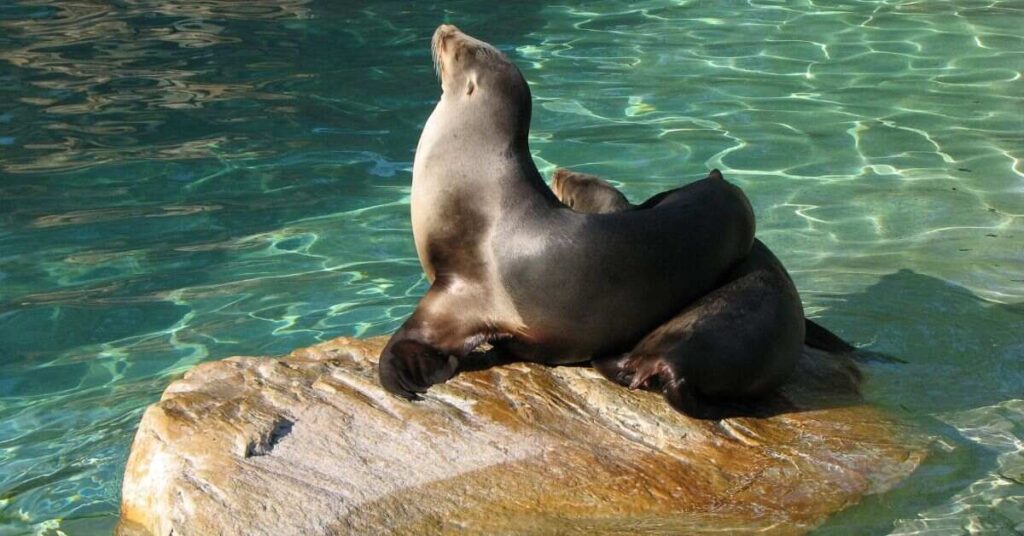
Otariidae is the family that includes all eared seals. These seal types have small ear flaps that are easy to see. They can turn their back flippers forward and walk on land. This makes them faster and more active on beaches. Their bodies are strong and flexible, which helps them swim and dive with ease.
Eared seals are very social animals. They live in large groups and communicate with loud sounds. Sea lions and fur seals belong to this family. They eat fish, squid, and other sea life. Otariidae seal types are intelligent and curious by nature. They play an important role in marine ecosystems and help keep ocean life balanced.
3. Odobenidae (Walruses)
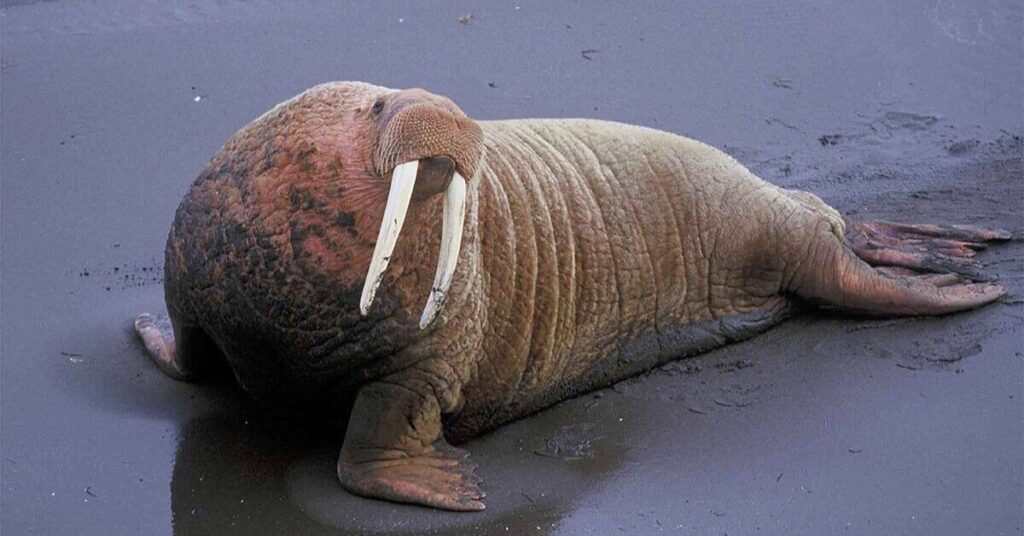
Odobenidae is the family that includes only walruses. These seal types are easy to recognize because of their long tusks and large size. Walruses have thick skin and heavy bodies. They live mainly in the cold Arctic region. Ice and cold water are very important for their survival.
Walruses use their tusks for many purposes. They pull themselves onto ice and protect themselves from danger. Their long whiskers help them find food on the ocean floor. They mostly eat clams and shellfish. Walruses are very social animals and live in large groups. These seal types play a key role in Arctic marine ecosystems.
Eared Seals vs. True Seals
Eared seals and true seals are two major seal types found in the ocean. The biggest difference between them is the ears. Eared seals have small ear flaps that you can see easily. True seals do not have visible ears at all. Their bodies also move differently. Eared seals can turn their back flippers forward and walk on land. True seals move by sliding on their bellies.
These seal types also behave differently in the wild. Eared seals are very social animals. They live in large groups and make loud sounds. True seals prefer a quieter life. They often live alone or in small groups. In water, true seals are strong and smooth swimmers. Eared seals still swim well but spend more time resting on land. Both seal types are important for healthy oceans.
Most Aggressive Seal Species: The Apex Predators
Some seal types are known for their aggressive nature. These seals sit at the top of the food chain in their habitat. Leopard seals are the most famous example. They are strong hunters and very fast swimmers. These seals hunt fish, birds, and even other seals. Their sharp teeth help them catch and hold prey easily.
Aggressive seal species rely on power and speed to survive. They often hunt alone and defend their territory. These seal types do not fear many predators. Orcas and large sharks are their main threats. Even though they seem dangerous, these seals play an important role in ocean balance. They control prey populations and keep marine ecosystems healthy.
The Poster Children of Cuteness: Harbor Seal
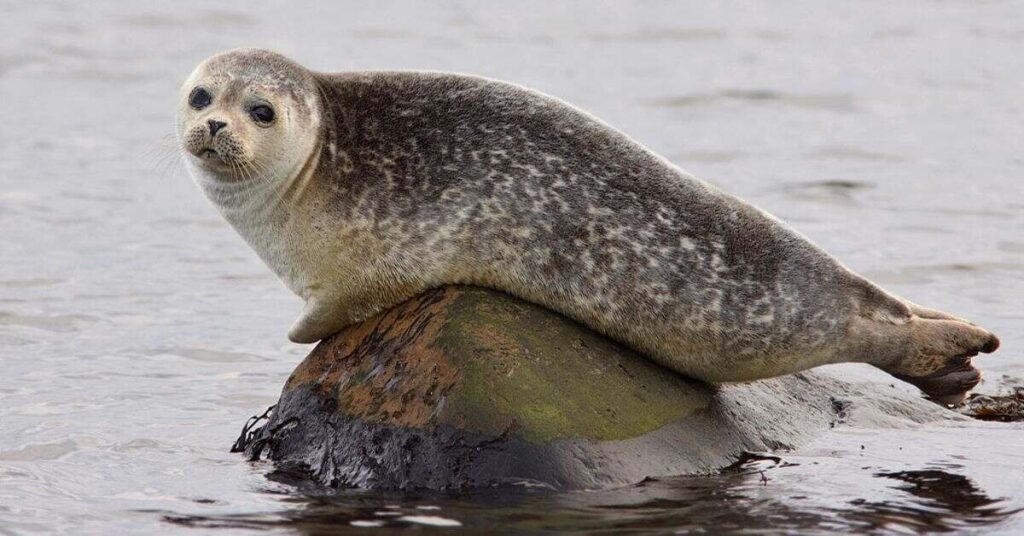
Harbor seals are among the most beloved seal types. They are small and have spotted coats that make them look very cute. These seals live in coastal waters of the Northern Hemisphere. Harbor seals are gentle and calm, making them popular with wildlife watchers. They spend time both in water and on shores, resting on rocks or sandy beaches.
Harbor seals feed mainly on fish and small invertebrates. They are excellent divers and can stay underwater for several minutes. These seal types are generally solitary but may gather in small groups during breeding. Their calm behavior and adorable appearance make them the perfect example of the ocean’s friendly seal types. They also help keep local fish populations balanced.
Baikal Seal: The Freshwater Specialist
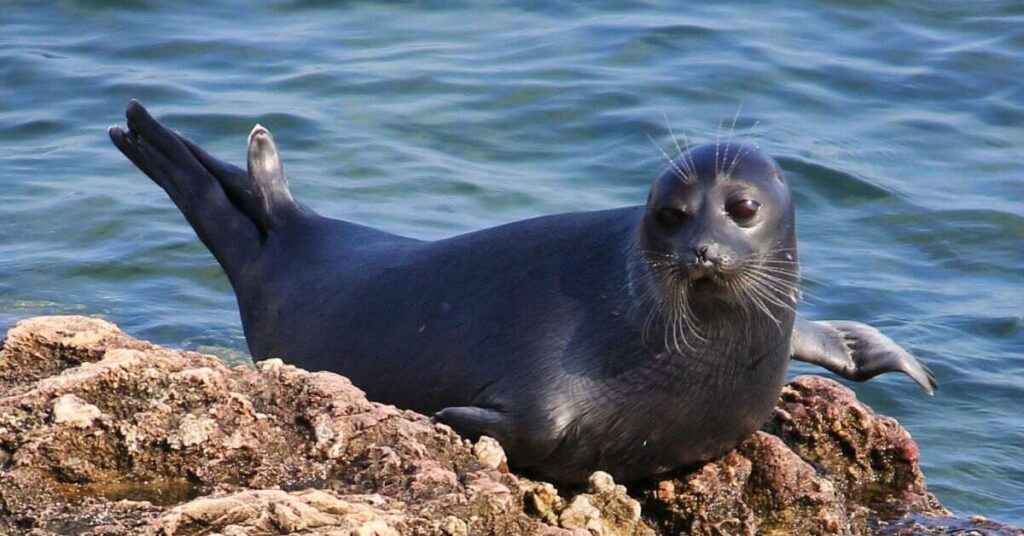
The Baikal seal is a unique seal type because it lives in freshwater. It is found only in Lake Baikal in Russia. Unlike most seals, Baikal seals do not live in the ocean. They have adapted to life in cold freshwater with thick blubber that keeps them warm. These seals are small to medium in size and have a rounded body shape.
Baikal seals feed mainly on fish found in the lake. They are excellent divers and can hunt in deep water. These seal types are generally shy and avoid humans. They play an important role in Lake Baikal’s ecosystem by controlling fish populations. Their presence shows how seals can adapt to unusual habitats beyond the ocean.
Hawaiian Monk Seals: Tropical Charm
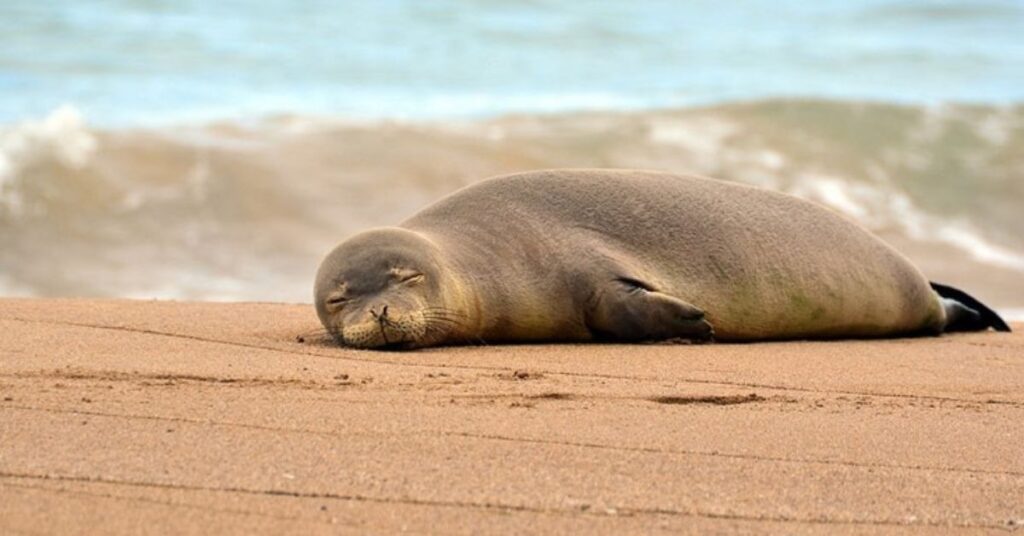
Hawaiian monk seals are one of the rarest seal types in the world. They live in the warm waters of Hawaii. These seals are small and have smooth, gray bodies. Unlike many other seals, they prefer tropical beaches and shallow waters. Hawaiian monk seals are gentle and spend time resting on sandbanks and coral reefs.
These seals feed on fish, squid, and small crustaceans. They are shy and avoid human contact. Hawaiian monk seals are endangered, with only a few hundred left. Protecting their habitats is very important. These seal types show that seals can thrive in warm, tropical environments as well as cold oceans.
Weddell Seals: Antarctic Adorability
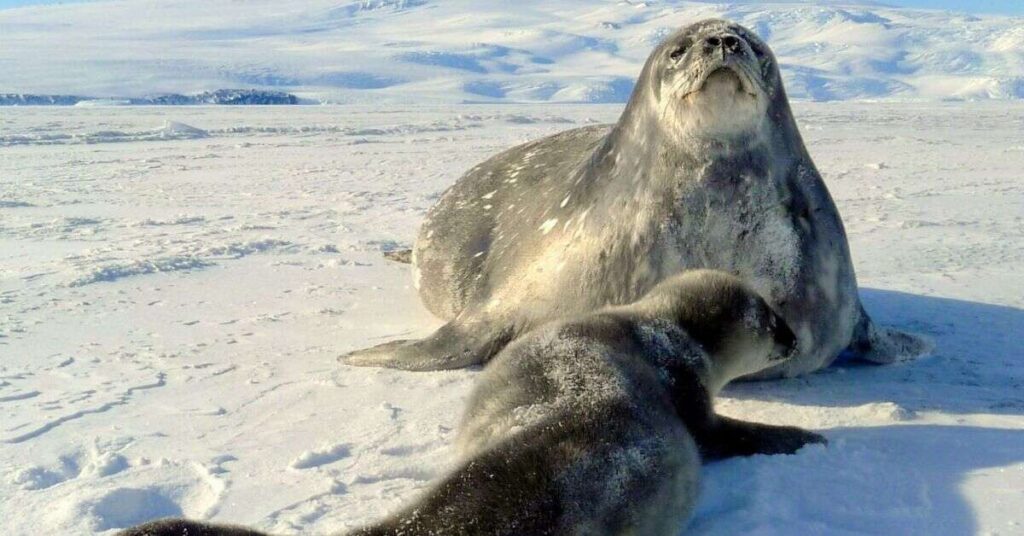
Weddell seals are a well-known seal type in Antarctica. They have thick, smooth fur and a gentle appearance that makes them very appealing. These seals live on ice and in cold waters. Weddell seals are excellent divers and can hunt under the ice. They mostly feed on fish and small marine animals. Their calm nature makes them easy to observe in the wild.
Weddell seals give birth on ice and care for their pups carefully. They can hold their breath for long periods while diving. These seal types are social but not as loud as eared seals. Weddell seals play a key role in Antarctic ecosystems by keeping fish populations in balance. Their adorable looks and peaceful behavior make them favorites for wildlife enthusiasts.
Harp Seals: The Icy White Wanderers
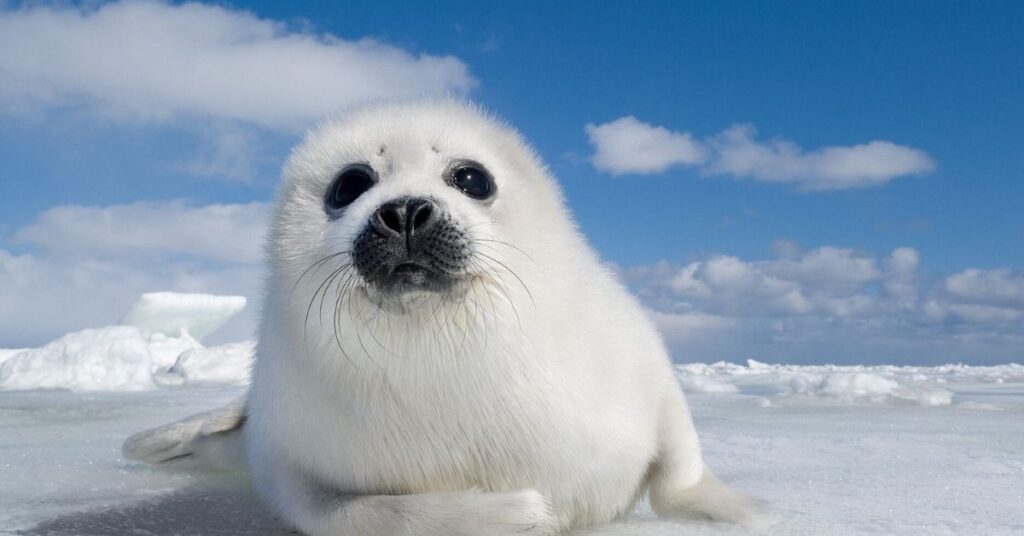
Harp seals are famous for their striking white fur as pups. They live in the icy waters of the North Atlantic and Arctic Oceans. These seal types are strong swimmers and travel long distances. Adult harp seals have gray bodies with black markings. They spend most of their time in water but come to ice floes to rest and breed.
Harp seals feed mainly on fish and small crustaceans. They are social animals and often gather in large groups. Pups are born on ice and rely on their mother’s milk to grow quickly. Harp seals play an important role in Arctic marine ecosystems. Their presence helps maintain a balanced ocean environment and healthy fish populations.
Mediterranean Monk Seal: A Conservation Success Story
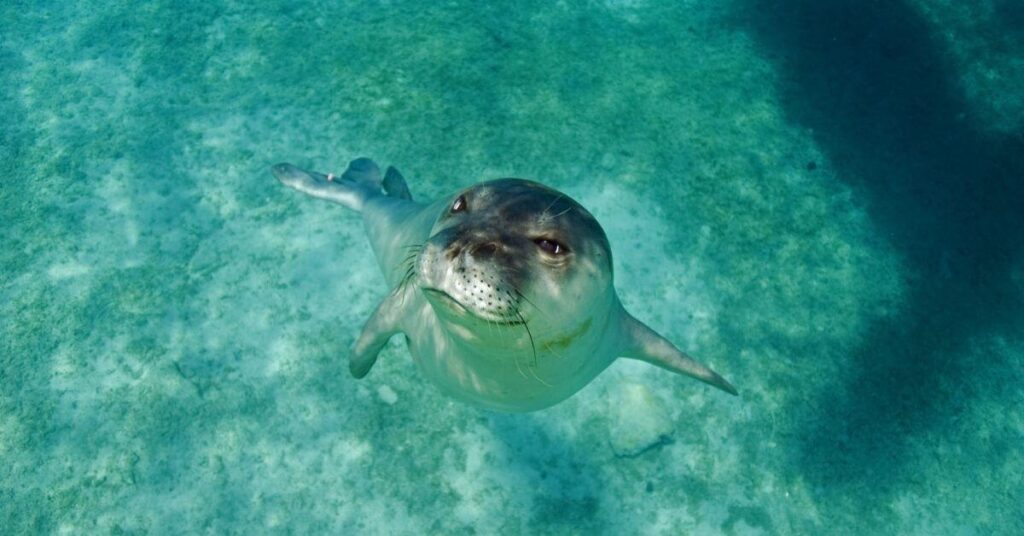
The Mediterranean monk seal is one of the rarest seal types in the world. It lives in the warm waters of the Mediterranean Sea and parts of the Atlantic Ocean. These seals have smooth gray bodies and spend time resting in sea caves. They are shy and avoid human contact. Over the years, their numbers dropped due to hunting and habitat loss.
Conservation efforts have helped protect Mediterranean monk seals. Marine protected areas and strict laws have allowed populations to recover slowly. These seal types feed on fish and small marine animals. They are important for maintaining healthy coastal ecosystems. The recovery of Mediterranean monk seals shows that careful conservation can make a real difference for endangered species.
Read about it more: https://www.wildlifenomads.com/blog/seal-types/
Steller Sea Lion
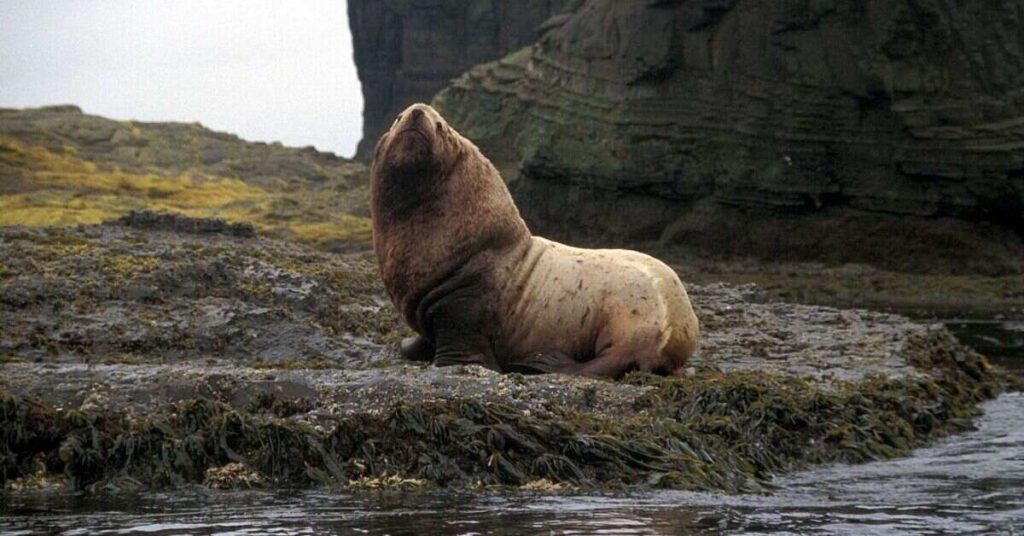
The Steller sea lion is the biggest of all eared seals. Males can grow to be enormous, reaching weights over 2,000 pounds. Females are much lighter at around 600 pounds. These powerful animals live in the cold waters of the North Pacific. You can spot them from northern Japan all the way to central California. They have thick bodies covered in short fur. Their color ranges from light blonde to dark brown. Unlike true seals, they have visible ear flaps on the sides of their heads. They also have large front flippers that help them move on land.
Steller sea lions are excellent swimmers and divers. They hunt for fish, squid, and octopus in the ocean. These animals can hold their breath for up to 20 minutes underwater. They live together in large colonies on rocky shores and beaches. During breeding season, males become very protective of their territory. They bark loudly and fight off other males. Female sea lions give birth to one pup each year. The mothers and pups stay close together for many months. These amazing creatures face threats from pollution and declining fish populations. Scientists work hard to study and protect them for future generations.
Complete Catalog of Seal Species by Region
Arctic and Sub-Arctic Seal Types
Ringed Seals
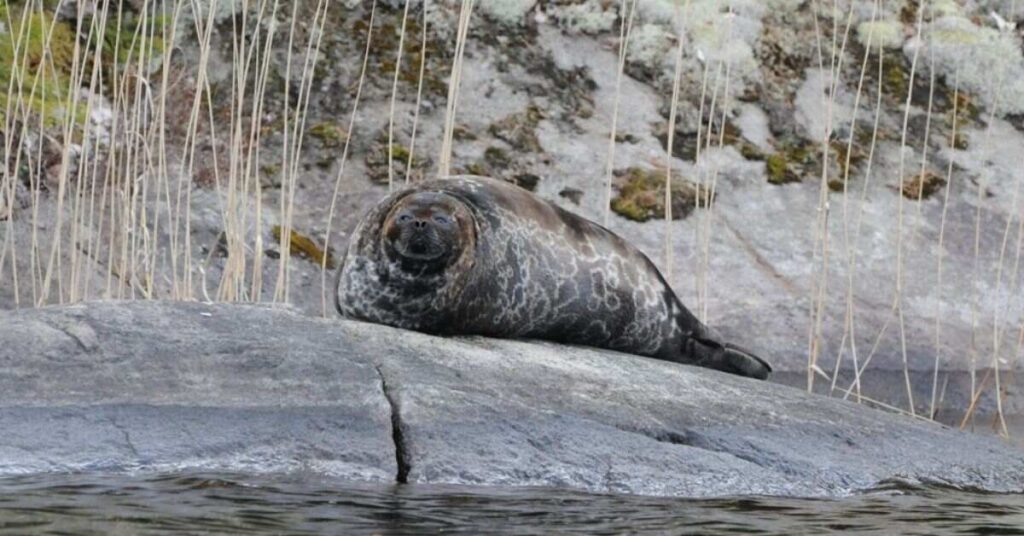
Ringed seals are small and well-adapted to life in Arctic regions. They have thick fur with distinctive dark rings on their bodies. These seals live on sea ice and in cold waters. Ringed seals are excellent swimmers and can dive deeply to hunt for fish. They use holes in the ice to breathe and stay safe from predators.
Ringed seals feed mainly on fish and crustaceans. They give birth on ice and care for their pups carefully. These seal types are an important food source for polar bears and other Arctic predators. By controlling fish populations, ringed seals help keep the ecosystem balanced. Their survival depends on healthy ice habitats and clean oceans.
Bearded Seals
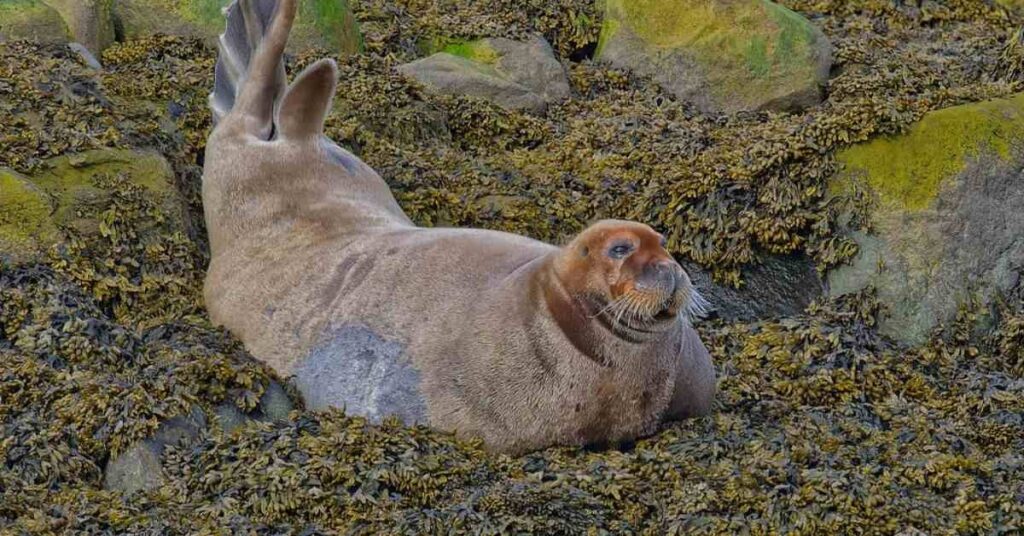
Bearded seals are large seal types found in Arctic and sub-Arctic waters. They have thick, grayish-brown fur and long whiskers on their faces. These whiskers help them find food on the ocean floor. Bearded seals live on ice and in shallow waters. They are strong swimmers and can dive deep to catch fish and crustaceans.
Bearded seals feed mainly on clams, shrimp, and other small sea animals. They give birth on ice and care for their pups carefully. Bearded seals are important for Arctic ecosystems. They help control populations of small marine animals. Their presence shows the health of the icy marine environment and supports other wildlife.
Hooded Seals
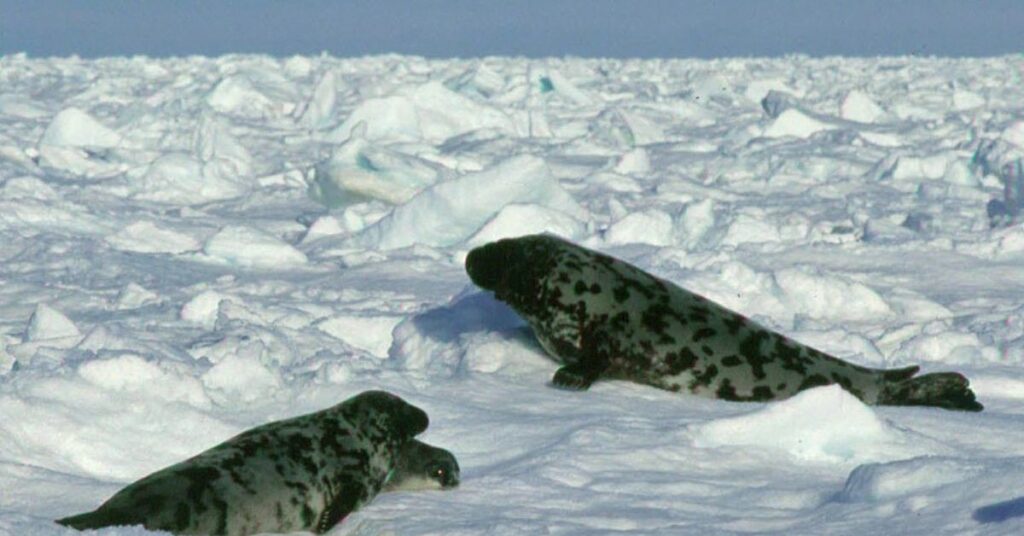
Hooded seals are unique seal types found in the North Atlantic and Arctic Oceans. They are named for the inflatable sac on their heads, which males use to attract mates and show dominance. Hooded seals have thick gray fur and large bodies. They spend most of their time on ice and in cold waters. These seals are strong swimmers and can dive very deep to hunt for food.
Hooded seals feed mainly on fish and squid. They give birth on ice and care for their pups carefully, although the pups grow quickly and are independent soon. Hooded seals are solitary most of the time. They are important for Arctic ecosystems, helping control fish and invertebrate populations. Their unique features make them one of the most interesting seal types in the world.
Polar Bears and Seals
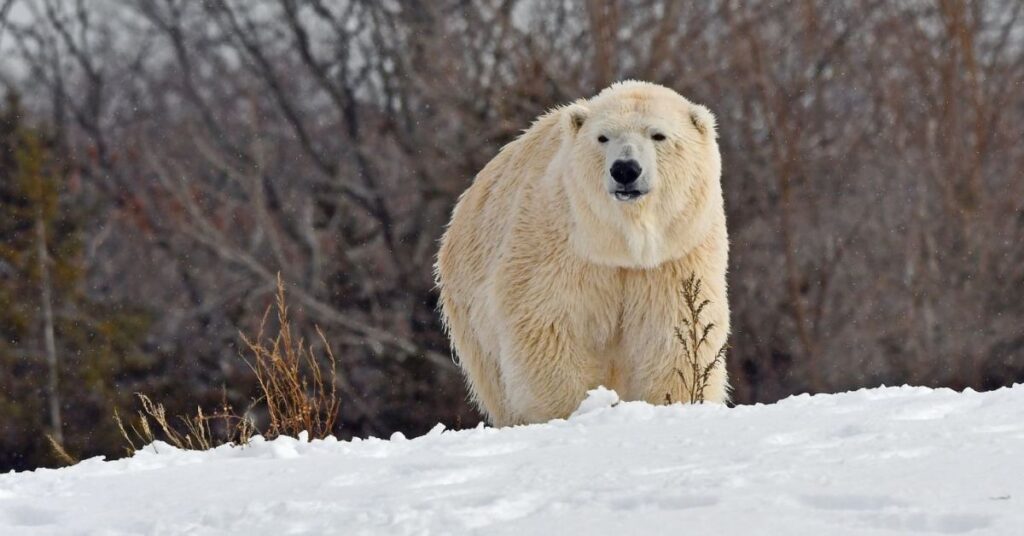
Polar bears and seals share a strong connection in the Arctic. Seals are the main food source for polar bears. Polar bears hunt seals on sea ice. They wait near breathing holes in the ice. When a seal comes up for air, the bear attacks quickly. This hunting method shows how well polar bears adapt to cold environments.
Seals depend on ice for rest and safety, but this also puts them at risk. Ringed seals and bearded seals are common prey. This predator prey relationship keeps the Arctic ecosystem balanced. When seal populations stay healthy, polar bears can survive. Changes in ice levels affect both animals. Protecting Arctic habitats helps maintain this natural connection.
Seal Types by Habitat and Region
Seal types live in many different habitats across the world. Some seal types live in icy polar waters, while others prefer warm coastal areas. Arctic and Antarctic regions host many true seal types like harp seals and Weddell seals. These seals have thick blubber that keeps them warm.
Temperate regions support seal types such as harbor seals and gray seals. These seals often live near rocky shores and sandy beaches. Tropical regions have fewer seal types, but monk seals live in warm waters. Monk seals are among the rarest seal types today.
Seal types adapt to their surroundings in many ways. Body fat, fur thickness, and behavior help them survive. Habitat protection is important because seal types depend on clean oceans and safe breeding areas.
Diet and Hunting Behavior of Seal Types
Seal types have different diets depending on where they live. Most seal types eat fish, squid, and crustaceans. Some seal types hunt alone, while others hunt in groups. Leopard seals hunt penguins and large fish. Harbor seals eat small fish near shorelines.
Seal types are excellent divers. They can hold their breath for a long time. Their bodies store oxygen efficiently. This helps them hunt deep underwater. Some seal types dive hundreds of meters below the surface.
Healthy oceans are important for seal survival. Pollution and overfishing reduce food supply. Protecting marine life helps seal types thrive.
Reproduction and Life Cycle of Seal Types
Seal types have unique breeding habits. Most seals give birth on land or ice. Mothers care for their pups by feeding them rich milk. Seal pups grow quickly and gain fat fast. This fat helps them survive cold water.
Some seal types form large breeding colonies. Others prefer isolated areas. Breeding seasons vary by species and region. After a few weeks, pups learn to swim and hunt.
The life cycle of seal types depends on environmental conditions. Climate change affects breeding success. Conservation efforts focus on protecting breeding grounds.
Threats Facing Seal Types Today
Seal types face many threats in the modern world. Climate change melts ice habitats. Pollution harms ocean health. Fishing nets trap seals by accident. Human activity near coasts disturbs breeding areas.
Some seal types are endangered, especially monk seals. Conservation programs aim to protect these animals. Laws now limit hunting and reduce habitat damage.
Public awareness plays a big role in seal protection. Learning about seal types helps people support conservation actions.
Why Seal Types Matter to Ecosystems
Seal types play a key role in marine ecosystems. They help control fish populations. This keeps ocean food chains balanced. Seals also serve as prey for larger predators like sharks and orcas.
Healthy seal populations indicate healthy oceans. When seal numbers drop, it often signals environmental problems. Protecting seal types benefits many marine species.
Supporting seal conservation supports biodiversity and ocean health.
Conclusion
Seal types show us the beauty and diversity of marine life. From playful sea lions to powerful walruses, each seal type has a special role. Learning about seal types helps us understand nature better. Protecting seals protects oceans and future generations. Small actions can make a big difference. Respect wildlife and support conservation efforts.
FAQs
What are the main seal types found worldwide?
The main seal types include true seals, eared seals, and walruses. Each group has unique traits and habitats.
How many seal types exist today?
There are more than thirty recognized seal types living across different oceans and regions.
Where do most seal types live?
Most seal types live in coastal waters, polar regions, and cold oceans, but some live in warmer areas.
Are all seal types endangered?
Not all seal types are endangered, but some species face serious threats and need protection.
Why is it important to protect seal types?
Protecting seal types helps maintain healthy oceans and balanced ecosystems.
