
Introduction
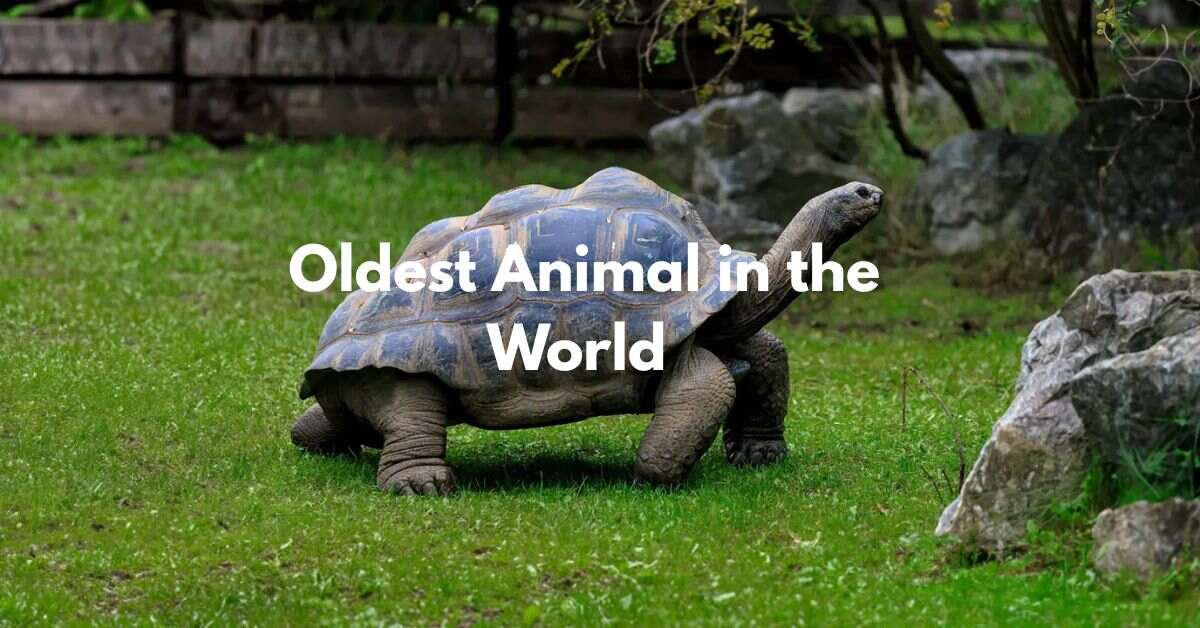
Have you ever wondered what the oldest animal in the world is. Some animals live only a few years. Others survive for hundreds of years. A few even live for more than a thousand years. These animals carry the history of the planet inside their bodies. They lived through climate changes, natural disasters, and human history.
The topic of the oldest animal in the world fascinates wildlife lovers and scientists alike. Long living animals help us understand nature better. They show how slow growth, safe habitats, and strong genetics can extend life.
In this guide, you will explore the oldest animals ever discovered. You will understand why they live so long. You will also see how humans can help protect these ancient creatures. This article will take you deep into the world of extreme animal longevity.
Why Some Animals Live Longer Than Others
Not all animals age in the same way. Some animals grow fast and die young. Others grow slowly and live long lives. The oldest animal in the world usually shares a few key traits. These traits protect the body from damage over time.
Many long living animals have a very slow metabolism. Their bodies use energy at a calm pace. This reduces stress on cells. Less stress means slower aging. Cold water animals often live longer because cold temperatures slow body processes.
Strong DNA repair systems also play a big role. These animals can fix cell damage better than others. This helps them avoid diseases linked to old age. Some animals also face very few predators. A safe life allows them to reach extreme ages.
Stable environments matter too. Animals living deep in oceans or remote islands face fewer threats. This safety allows the oldest animal in the world to survive for centuries without major danger.
| Animal Name | Lifespan | Habitat |
| Ocean Quahog | 500+ years | North Atlantic Ocean |
| Greenland Shark | 400+ years | Arctic and North Atlantic Oceans |
| Bowhead Whale | 200+ years | Arctic Waters |
| Aldabra Giant Tortoise | 150+ years | Island Ecosystems (Aldabra Atoll) |
| Glass Sponges | 10,000+ years | Deep Ocean |
| Immortal Jellyfish | Potentially indefinite | Oceans worldwide |
| Black Coral | Thousands of years | Deep Ocean |
| Rougheye Rockfish | 200+ years | Cold deep ocean waters |
| Red Sea Urchin | 100+ years | Rocky coastlines |
| Koi Fish | 50–100+ years | Freshwater ponds and pools |
| Tuataras | 100+ years | New Zealand |
| Macaws | 50+ years | Tropical forests |
| Galapagos Tortoise | 150+ years | Galapagos Islands |
| American Lobster | 100+ years | Atlantic coast |
| Lake Sturgeon | 100+ years | Rivers and lakes in North America |
1. Ocean Quahog
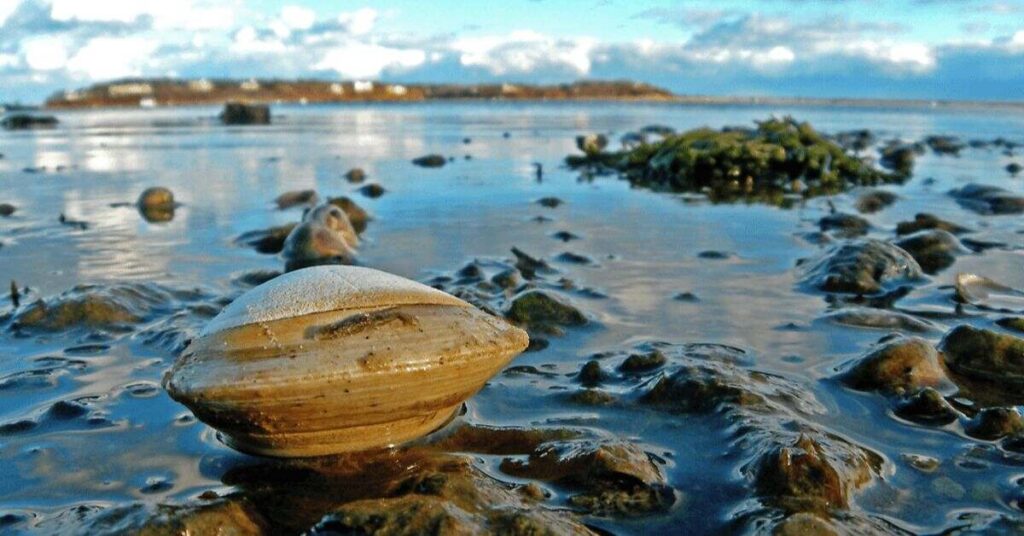
The ocean quahog holds the record for the oldest animal in the world with confirmed age. Scientists found one ocean quahog clam that lived for more than five hundred years. This discovery shocked the scientific community.
Ocean quahogs live in the cold waters of the North Atlantic Ocean. They grow very slowly. Their shells add tiny growth rings each year. Scientists count these rings just like tree rings. This method confirms their age accurately.
These clams live buried in the seabed. They move very little. Their slow lifestyle protects them from predators. Cold water also keeps their metabolism low. This combination allows them to live for centuries.
The ocean quahog teaches us that a calm life can lead to long survival. It also highlights why protecting ocean habitats is important. Damage to seabeds can destroy animals that took hundreds of years to grow.
2. Greenland Shark
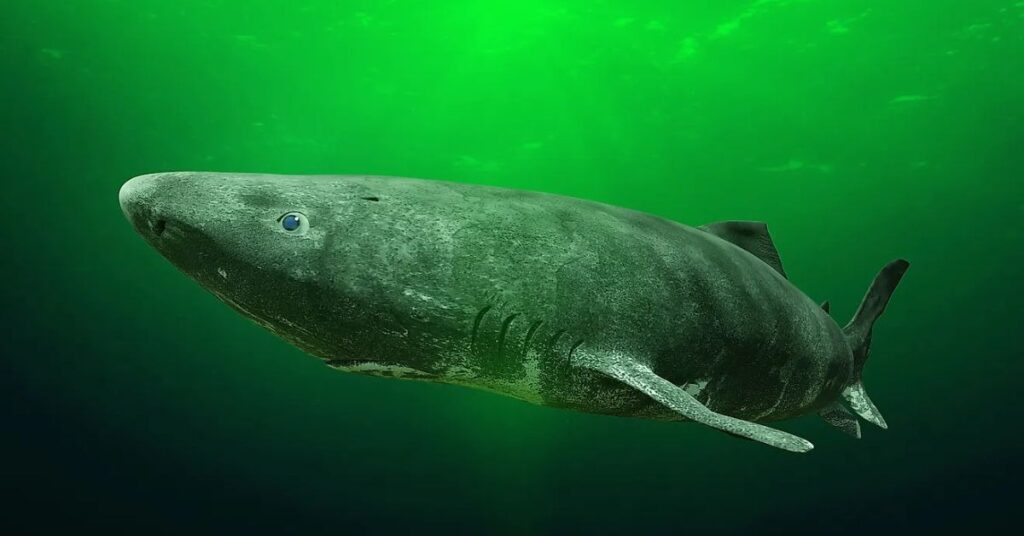
The Greenland shark is one of the most famous candidates for the oldest animal in the world. Scientists estimate that some Greenland sharks are over four hundred years old. This makes them the longest living vertebrates known.
These sharks live in icy waters of the Arctic and North Atlantic. They swim slowly and grow very slowly. Some sharks grow only one centimeter per year. This slow growth matches their long lifespan.
Scientists estimate their age by studying eye tissue. This tissue forms before birth and does not change. Radiocarbon dating helps scientists calculate the shark’s age.
Greenland sharks show how cold environments protect animals from aging quickly. They also remind us how little we know about deep ocean life. Protecting polar oceans helps preserve these ancient sharks.
3. Bowhead Whale
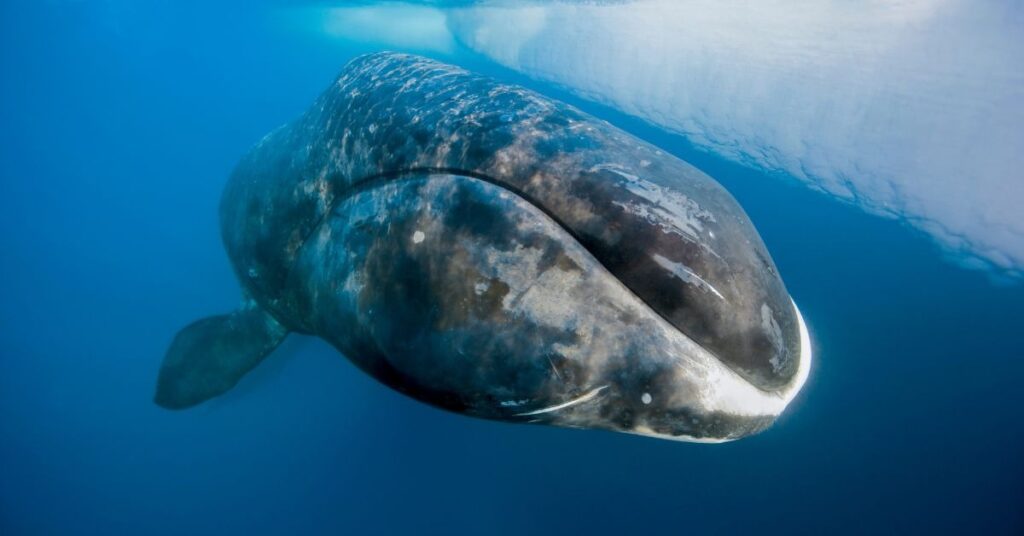
Bowhead whales are among the longest living mammals on Earth. Some individuals live more than two hundred years. This places them close to the title of the oldest animal in the world among mammals.
These whales live in Arctic waters. They have thick blubber and slow heart rates. Their bodies evolved to survive extreme cold. Cold water helps slow aging processes.
Scientists discovered old harpoon tips inside some whales. These tools came from centuries ago. This confirmed their incredible age.
Bowhead whales also have strong DNA repair abilities. This helps prevent cancer and age related diseases. Studying these whales may help humans understand aging better.
4. African Elephant
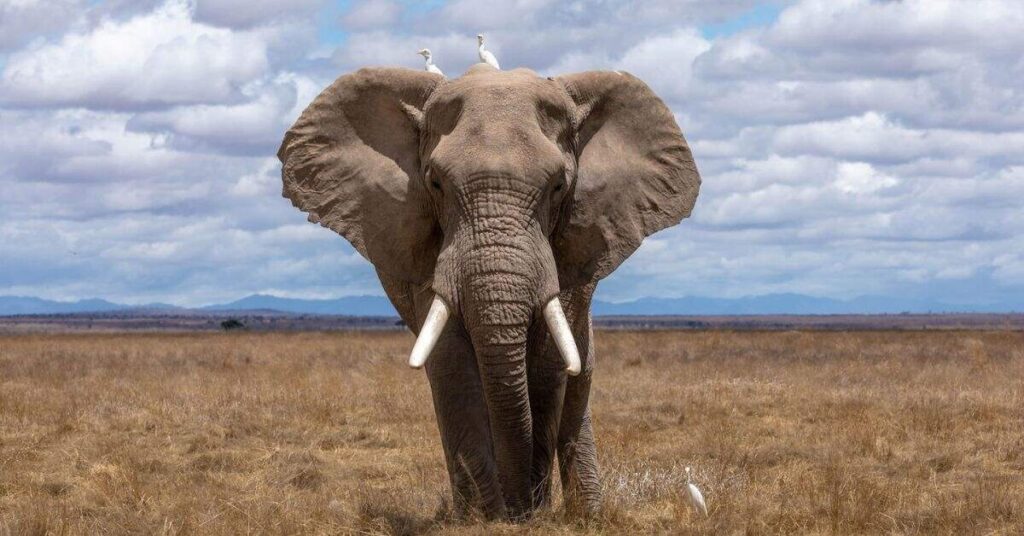
The African elephant is the largest land animal on Earth. They can live for sixty to seventy years in the wild. Their strong bodies and slow aging help them survive for decades. Elephants have complex social lives and form close family bonds.
African elephants live in savannas, forests, and deserts. They eat grasses, leaves, and fruits every day. Poaching and habitat loss threaten their survival. Protecting their natural habitats helps elephants live longer and maintain healthy populations.
5. Glass Sponges
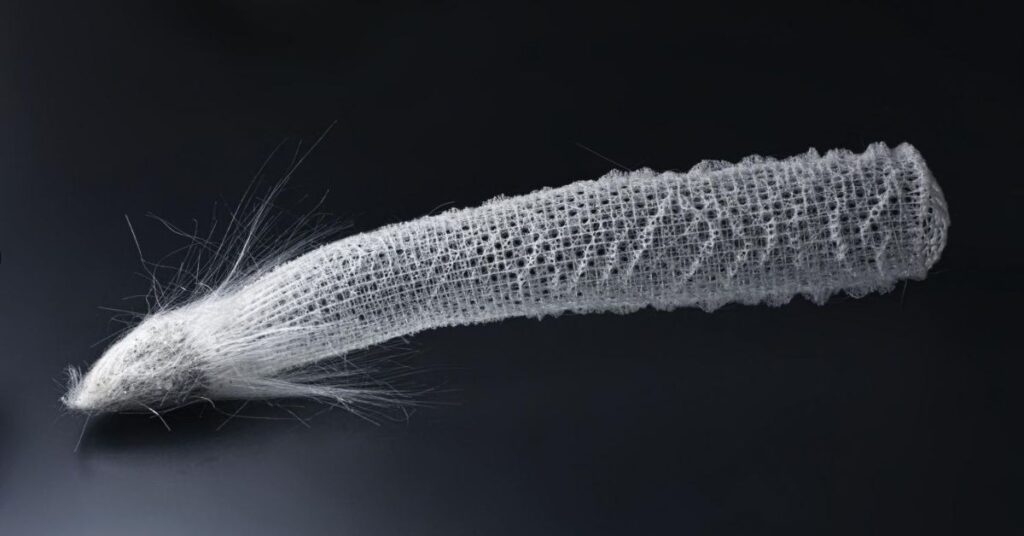
Glass sponges may not look like animals. Yet they are among the oldest living creatures on Earth. Some glass sponges live for more than ten thousand years.
They live deep in the ocean where light never reaches. Their bodies grow extremely slowly. They face almost no predators. This allows them to survive for thousands of years.
Scientists estimate their age by studying their growth rate and size. These sponges help filter ocean water. They play a key role in deep sea ecosystems.
Glass sponges show that the oldest animal in the world may not always move or think. Sometimes survival depends on simplicity and stability.
6. Immortal Jellyfish
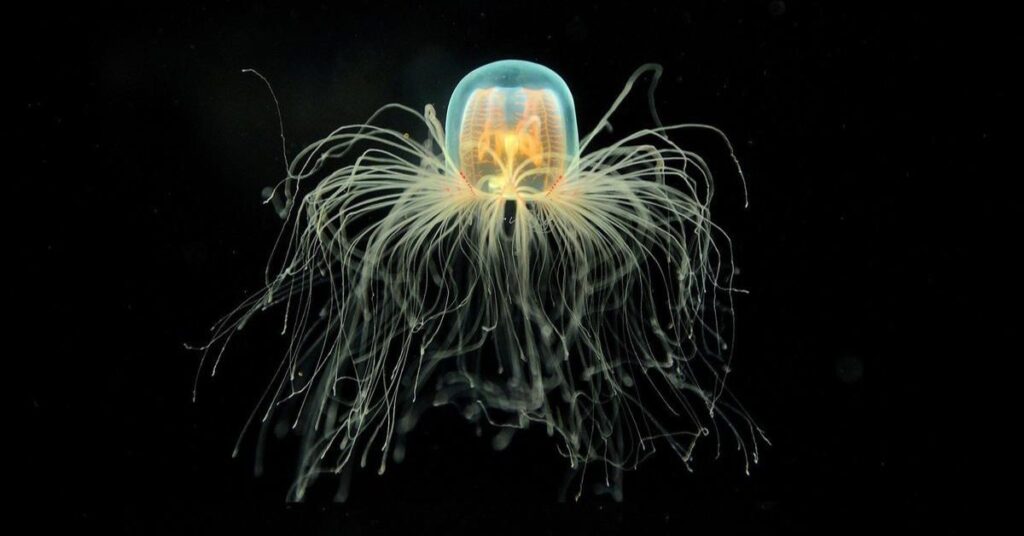
The immortal jellyfish is one of the most amazing creatures on Earth. It is famous because it can restart its life cycle. When it gets old or injured, it does not always die. Instead, it can return to its young form. This ability makes it very special in the animal world.
This jellyfish lives in oceans around the world. It is very small and almost transparent. Scientists study it to understand aging better. The immortal jellyfish shows how nature can find unique ways to survive. It reminds us that life in the ocean still holds many secrets.
Read about it more: https://www.wildlifenomads.com/blog/what-animals-live-the-longest-top-15/
7. Black Coral
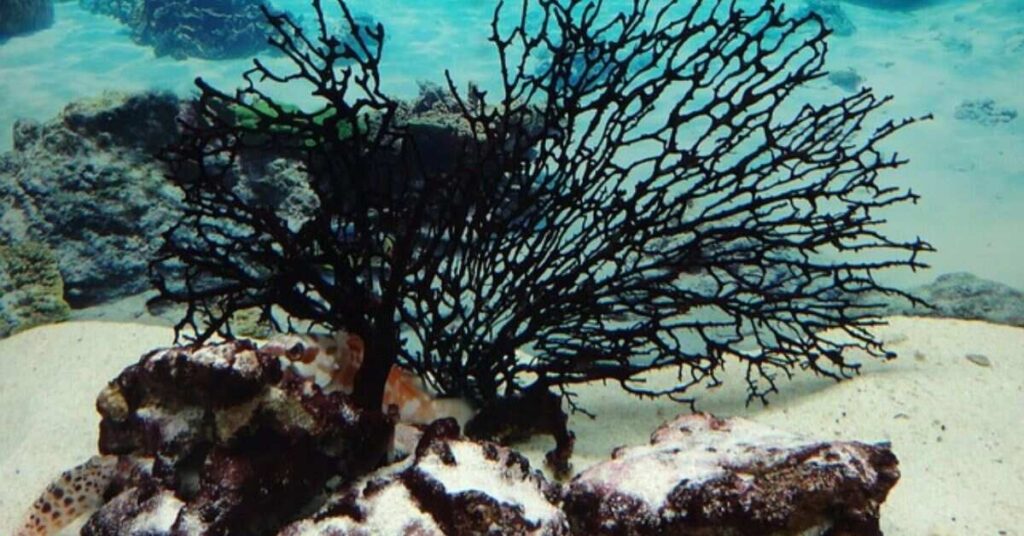
Black coral is one of the oldest living animals found in the ocean. It grows very slowly over many years. Some black coral colonies are thousands of years old. They live deep underwater where sunlight does not reach. Their dark skeleton gives them the name black coral.
Black coral provides shelter for many sea creatures. Fish and small animals hide inside its branches. This coral helps keep ocean ecosystems healthy. Human activities can easily damage it. Protecting black coral is important because it takes centuries to grow back.
8. Rougheye Rockfish
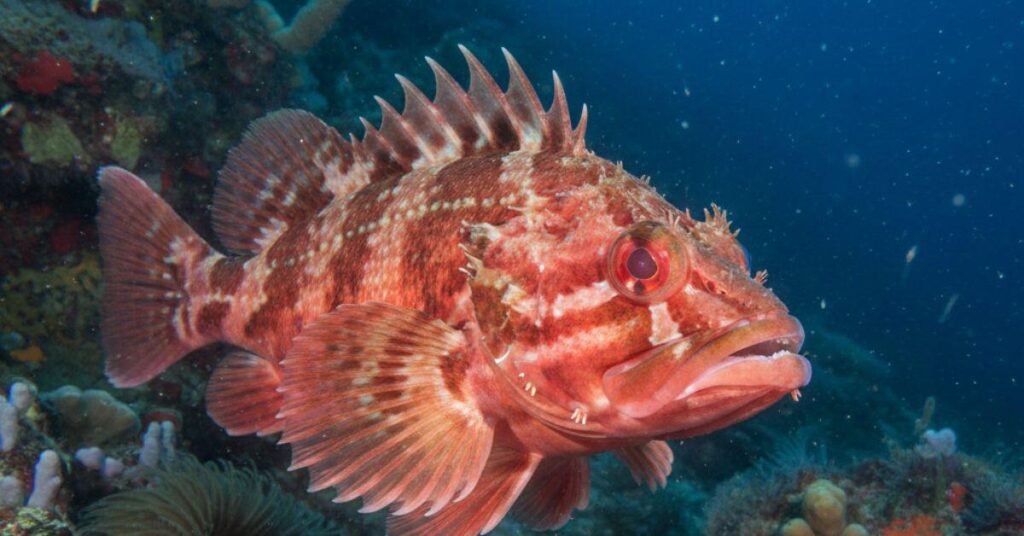
The Rougheye rockfish is a deep sea fish known for its long life. Some individuals live for more than two hundred years. It lives in cold ocean waters and grows very slowly. This slow growth helps it avoid fast aging.
Rougheye rockfish spend most of their life near rocky ocean floors. They face few predators in deep water. Fishing can threaten their population easily. Protecting this fish is important because it takes many years to replace them.
9. Red Sea Urchin
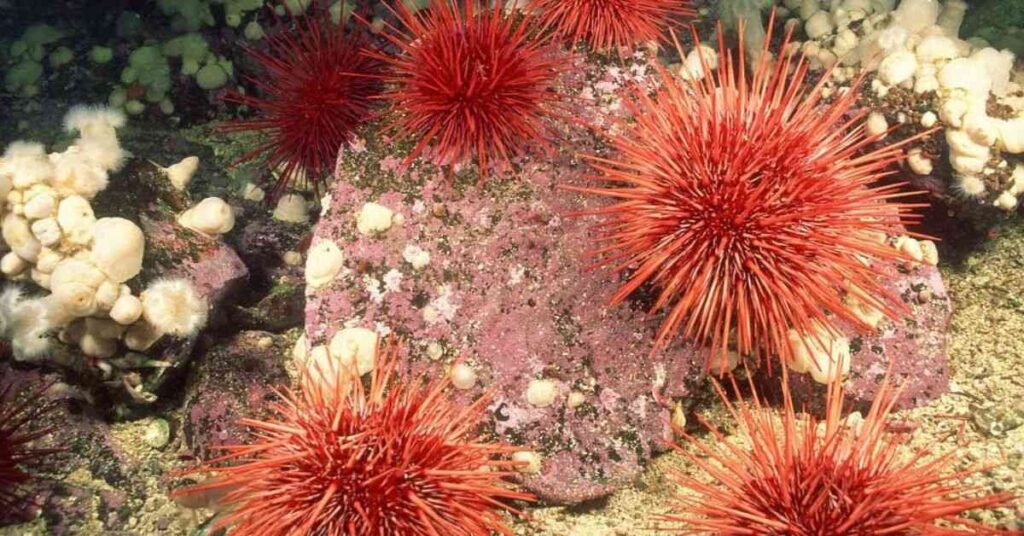
The red sea urchin is a long living ocean animal found along rocky coastlines. It can live for more than one hundred years. Its hard spiny body protects it from many predators. This protection helps it survive for a very long time.
Red sea urchins move slowly across the ocean floor. They feed on algae and help keep sea plants balanced. Scientists study them to learn more about aging. Healthy oceans are important for their survival.
10. Koi Fish
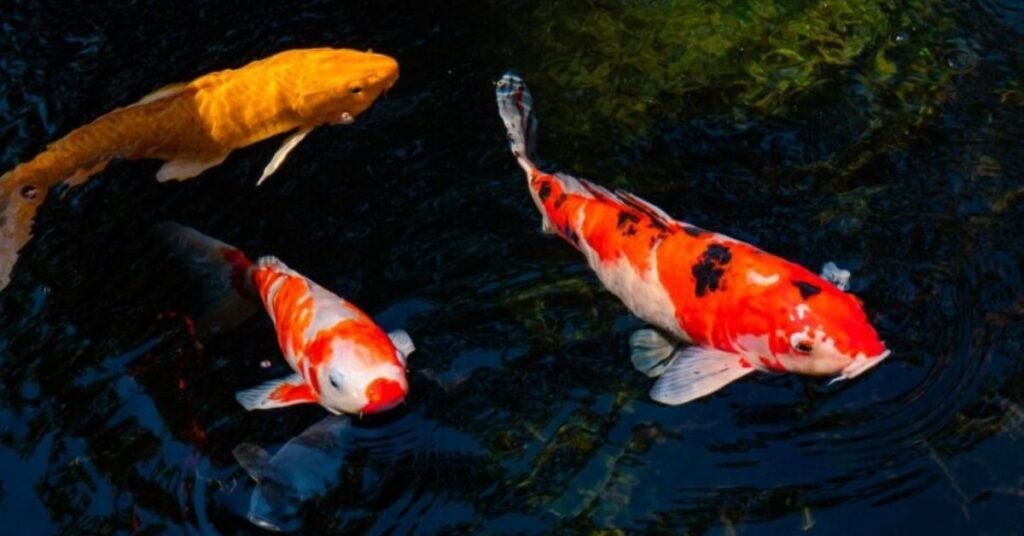
Koi fish are colorful freshwater fish known for their long life. With good care, they can live for many decades. Some koi fish have lived for more than one hundred years. Clean water and a calm environment help them live longer.
Koi fish often live in ponds and garden pools. They recognize their owners and respond to feeding time. Many people see them as symbols of peace and good luck. Proper care helps koi fish stay healthy and live a long life.
11. Tuataras
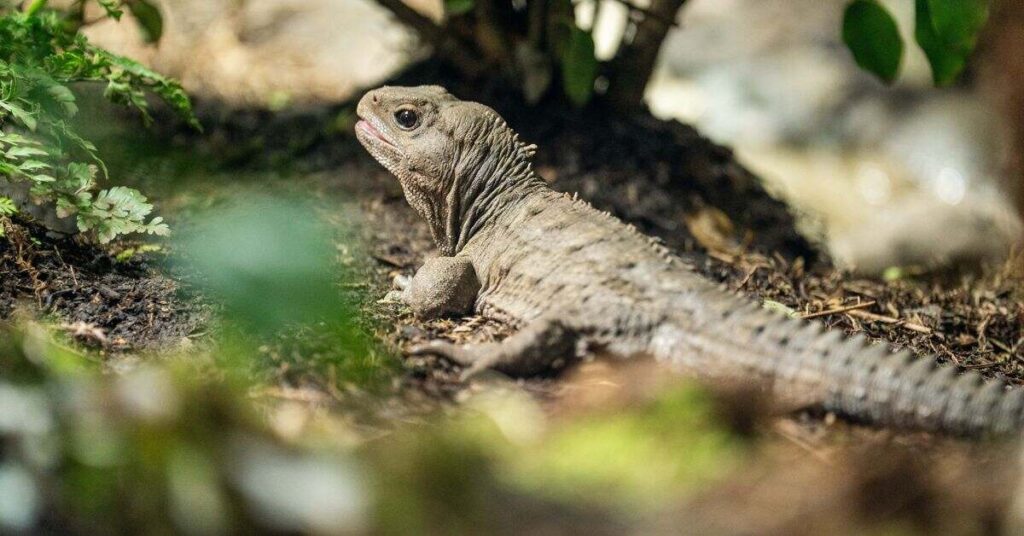
Tuataras are ancient reptiles found in New Zealand. They look like lizards but belong to a different group. Tuataras can live for more than one hundred years. They grow very slowly and age at a calm pace.
These reptiles live in cool environments and stay active at low temperatures. They have strong senses and sharp vision at night. Tuataras face few natural predators. Protecting their habitat helps these ancient animals survive for many more years.
12. Macaws
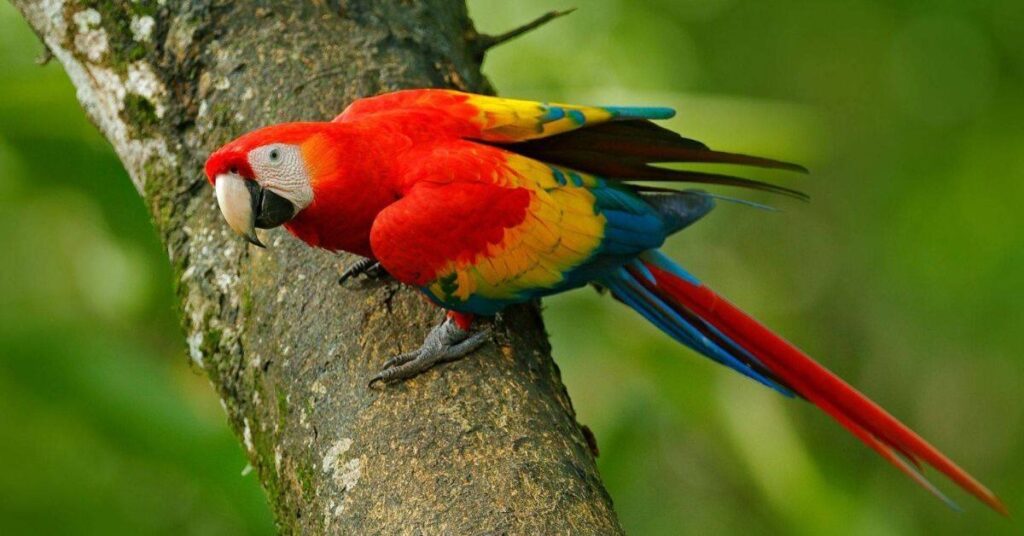
Macaws are large and colorful parrots known for their intelligence and long life. Many macaws can live for fifty years or more. With good care, some live even longer. Their strong bodies and sharp minds help them age well.
Macaws live in tropical forests and eat fruits, seeds, and nuts. They form strong bonds with their partners and families. Habitat loss threatens their survival in the wild. Protecting forests helps macaws live long and healthy lives.
13. Galapagos Tortoise
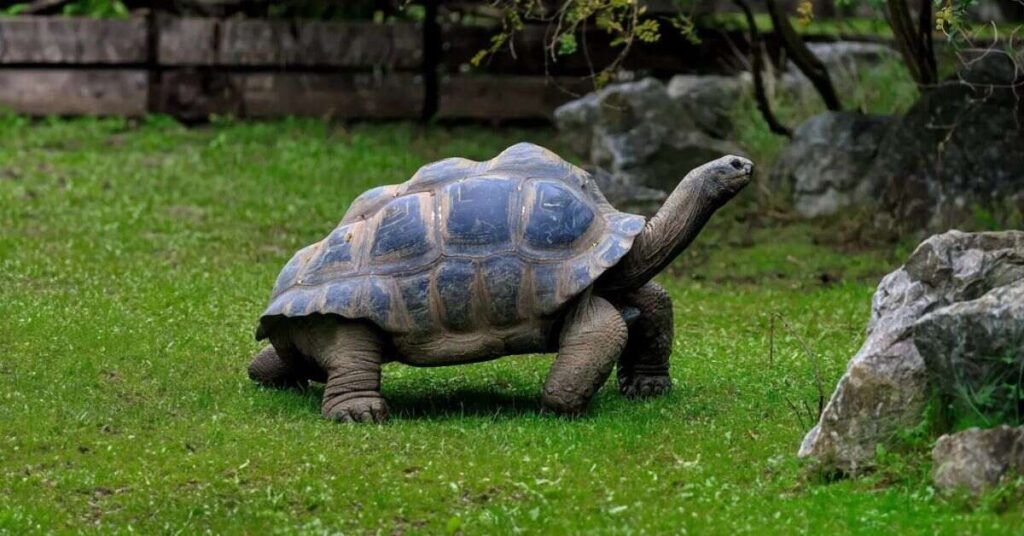
The Galapagos tortoise is one of the longest living land animals. Some individuals live over one hundred and fifty years. They grow slowly and have strong, heavy shells. Their long life helps them survive in harsh island environments.
These tortoises eat plants and move slowly across the islands. They face few natural predators as adults. Protecting their habitat is important because it takes many years for them to grow. Galapagos tortoises are symbols of patience and longevity in nature.
14. American Lobster
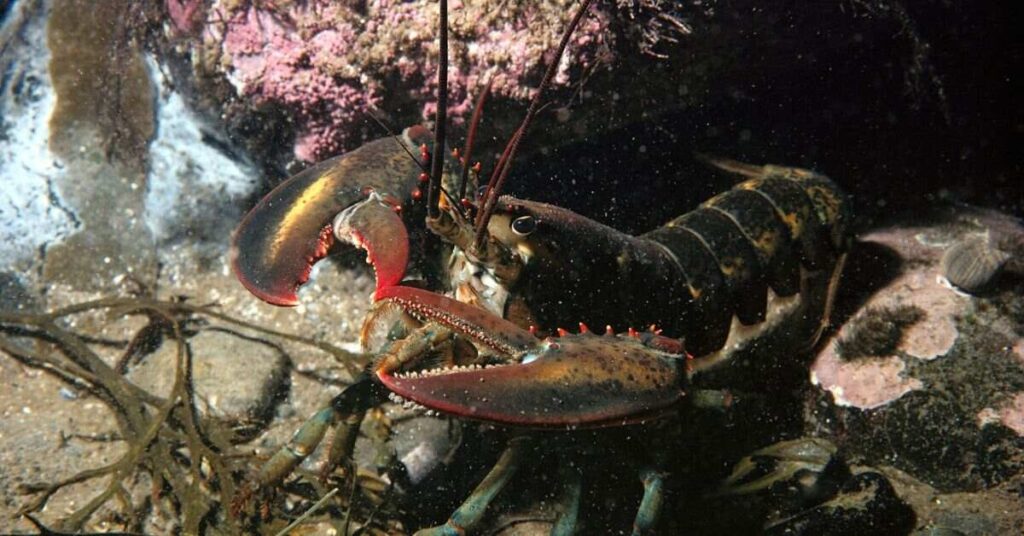
The American lobster is a large sea creature that can live for a very long time. Some lobsters may live over one hundred years. They grow slowly and can keep regenerating lost claws or legs. This ability helps them survive in the wild for decades.
American lobsters live in cold waters along the Atlantic coast. They hide in rocky crevices to avoid predators. Overfishing and habitat loss can threaten their population. Protecting their ocean environment helps these ancient creatures live long and healthy lives.
15. Lake Sturgeon
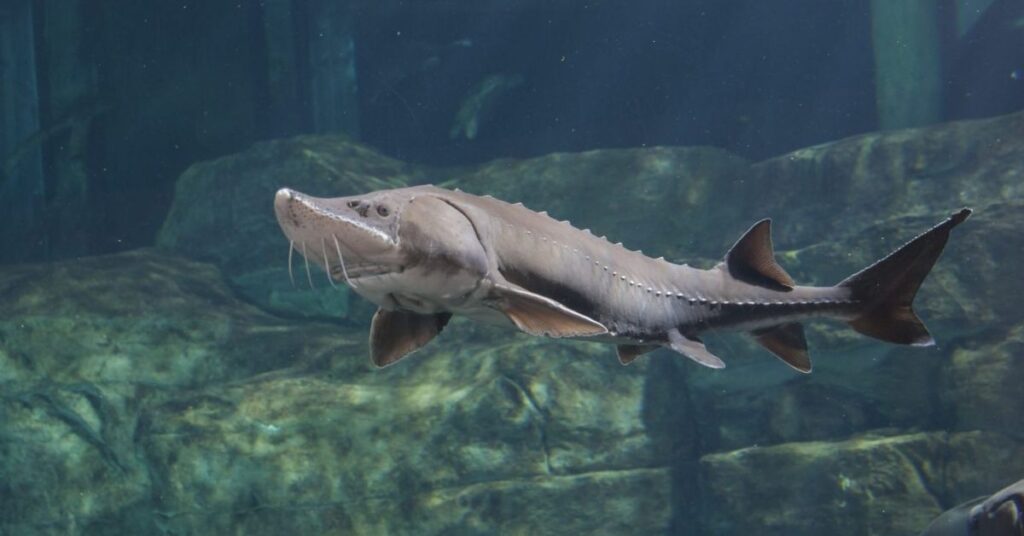
Lake sturgeons are large freshwater fish known for their long lifespan. Some individuals can live more than one hundred years. They grow slowly and take many years to reach maturity. This slow growth helps them survive for a long time.
These fish live in rivers and lakes in North America. They feed on small plants and animals at the bottom of the water. Overfishing and pollution can harm their populations. Protecting lakes and rivers helps lake sturgeons continue to live for many decades.
How Scientists Measure Animal Age
Finding the age of the oldest animal in the world is not easy. Scientists use different methods for different species. Each method depends on how the animal grows.
Shell rings help date clams and mollusks. Bone layers help estimate whale age. Eye tissue helps age sharks. Radiocarbon dating adds accuracy for very old animals.
Scientists also study historical records. Old tools or markings inside animals provide clues. Combining methods gives better results.
Accurate age measurement helps protect species. It shows how long recovery takes if populations decline. This knowledge supports better conservation plans.
Why Protecting Long Living Animals Matters
Long living animals play important roles in ecosystems. They help maintain balance. They pass knowledge through generations. Their loss creates lasting damage.
The oldest animal in the world represents patience and survival. When humans harm habitats, we destroy centuries of life in moments. Overfishing, pollution, and climate change threaten these species.
Protecting oceans and land habitats helps preserve ancient animals. Conservation efforts must focus on long term survival, not short term gain.
Conclusion
The oldest animal in the world teaches us powerful lessons. Long life comes from balance, patience, and harmony with nature. These animals survived ice ages and human history.
From ocean quahogs to Greenland sharks, each species shows a unique path to long life. Protecting them protects our planet’s story.
When we care for wildlife, we protect the past, present, and future.
FAQs
What is the oldest animal in the world ever recorded?
The ocean quahog clam holds the record with a confirmed age of over five hundred years.
Is the Greenland shark older than the ocean quahog?
Greenland sharks live very long lives but their age estimates are less certain than clams.
Do animals live longer in cold environments?
Yes cold temperatures slow metabolism which helps extend life.
Can humans learn from long living animals?
Yes studying these animals helps scientists understand aging and disease prevention.
Why should we protect long living animals?
They maintain ecosystem balance and represent centuries of natural history.
