
Introduction
The national animal Tanzania is one of the most graceful and loved animals in Africa. Many travelers visit the country hoping to see this tall and gentle creature walking across the open plains. Tanzania is famous for its rich wildlife, large national parks, and beautiful natural landscapes. Among all these animals, one stands out as a proud symbol of the nation.
The giraffe holds this special place. It reflects beauty, calm strength, and the natural wealth of Tanzania. People admire its long neck, peaceful nature, and unique spotted pattern. The animal also connects deeply with local culture, tourism, and conservation efforts.
In this article, you will learn why the giraffe is the national animal Tanzania, where it lives, what makes it unique, and why protecting it matters for the future of wildlife.
Why the Giraffe Is the National Animal Tanzania
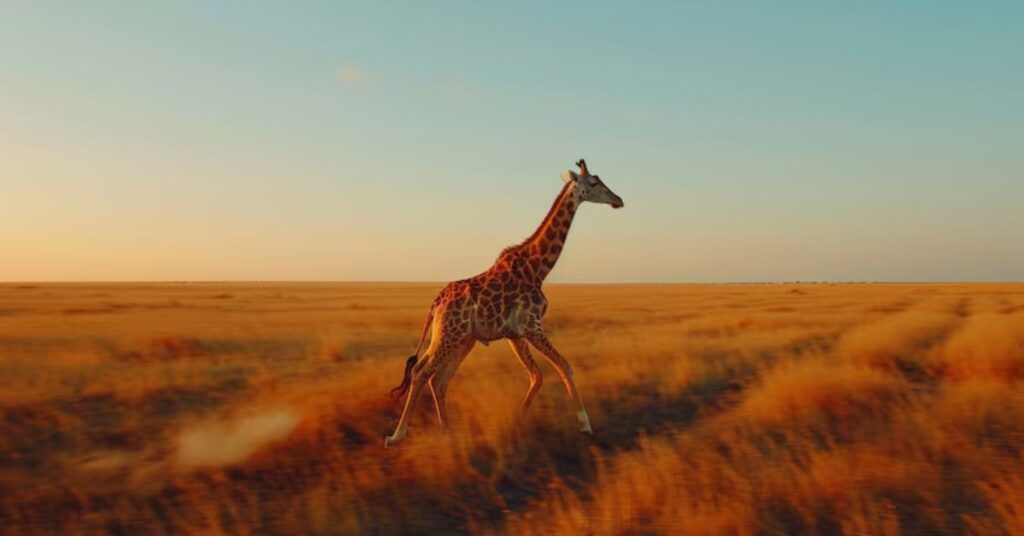
The giraffe became the national animal Tanzania because it represents the spirit of the country. Tanzania has wide savannas, acacia forests, and protected wildlife areas where giraffes live freely. The animal shows elegance and balance, which many people see as a symbol of national pride.
The giraffe also appears in local art, stories, and crafts. Many communities respect it as a peaceful animal that lives in harmony with nature. Its height allows it to see far across the land, and this quality is often linked with wisdom and awareness.
Tourism also plays a big role in its national status. Visitors often dream of seeing giraffes during safaris in famous parks such as Serengeti and Tarangire. Because of this strong connection to nature, culture, and tourism, the giraffe perfectly represents the national animal Tanzania.
Types of Giraffes Found in Tanzania
Tanzania is home to one of the most beautiful giraffe subspecies called the Masai giraffe. This giraffe has irregular star shaped patches that make it easy to recognize. Its pattern looks different from other giraffes in Africa, and many wildlife experts consider it one of the most striking types.
The Masai giraffe lives across many parts of the country. It adapts well to dry grasslands and open woodland areas. It feeds mainly on acacia leaves and uses its long tongue to pull leaves from thorny branches.
Animals in Tanzania
1. Lion
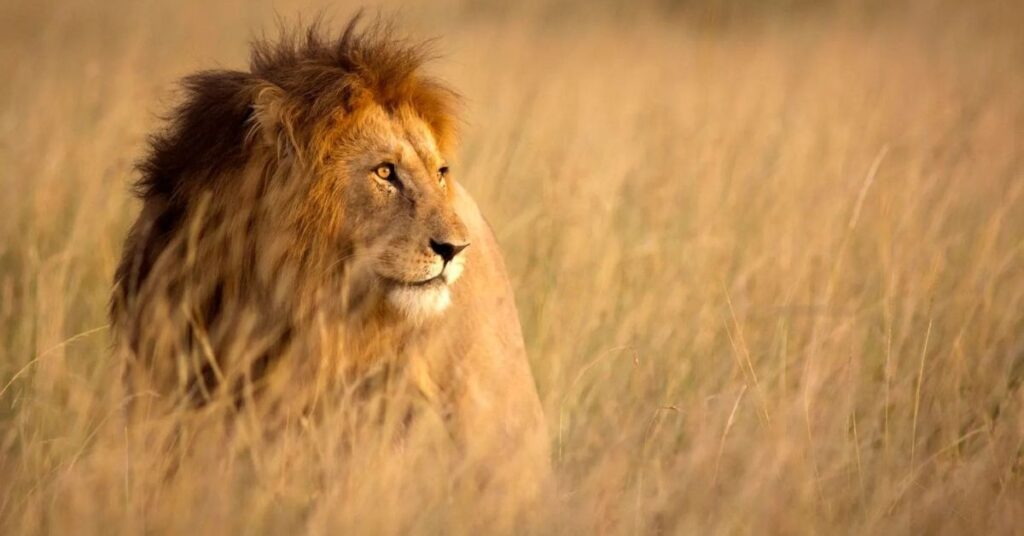
The lion is one of the most powerful wild animals in the world. It is known as the king of the jungle, even though it mostly lives in grasslands and savannas. Lions have strong bodies, sharp teeth, and loud roars that can be heard from far away. Male lions have thick manes around their heads, which make them look bigger and more impressive. They usually live in groups called prides.
Lions are skilled hunters and often hunt together as a team. They mainly eat animals like zebras, antelopes, and buffalo. Female lions do most of the hunting, while males protect the group and territory. Lions spend many hours resting during the day and become more active at night. People admire lions for their strength, courage, and social family life.
2. African Elephant
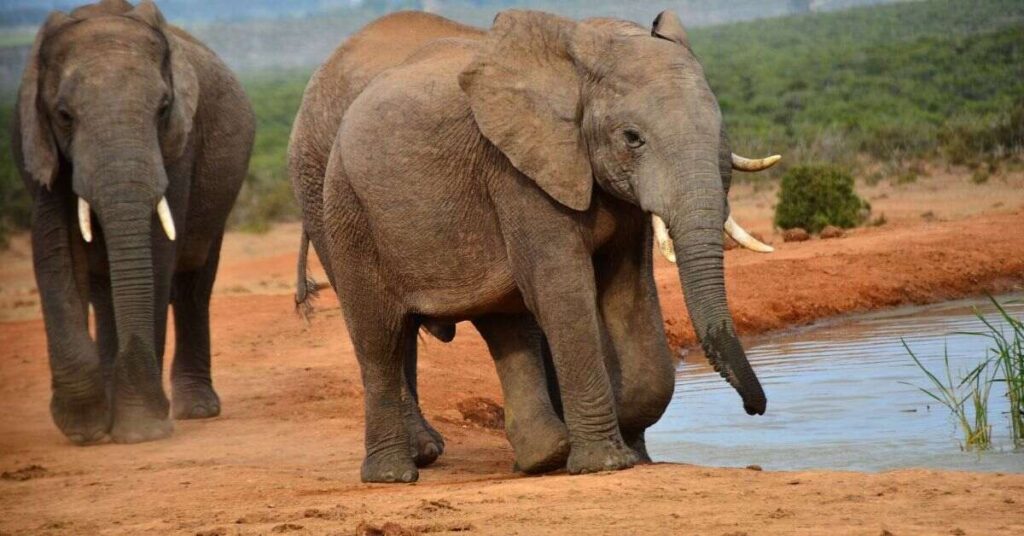
The African elephant is the largest land animal on Earth. It has a huge body, long trunk, and big ears shaped like a map of Africa. The trunk helps it breathe, smell, drink water, and pick up food. African elephants use their tusks to dig, lift objects, and protect themselves. They live in grasslands, forests, and savannas across Africa.
African elephants are gentle and social animals. They live in family groups led by an older female called the matriarch. These groups care for young calves and protect each other from danger. Elephants eat grass, leaves, fruits, and bark every day. They need a lot of water, so they often stay near rivers or lakes. People respect them for their intelligence, memory, and strong family bonds.
3. Black Rhinoceros
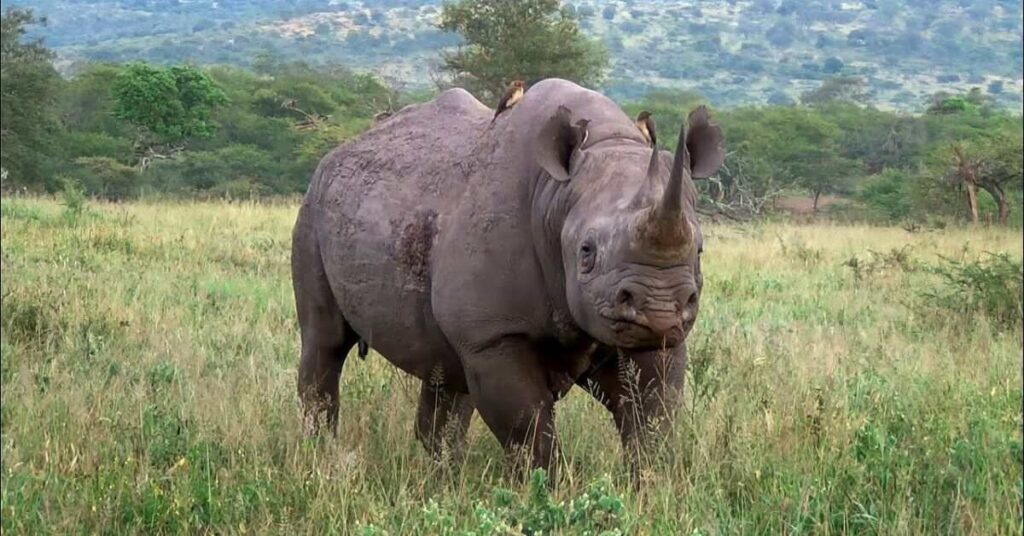
The black rhinoceros is a strong and heavy wild animal found in parts of Africa. It has thick gray skin, two sharp horns, and a pointed upper lip. This lip helps it pull leaves and branches from bushes. Even though it is called black, its color is usually gray or brown. The black rhinoceros prefers dry grasslands, savannas, and bushy areas where it can find food and shelter.
The black rhinoceros is mostly a quiet and shy animal, but it can become aggressive if it feels threatened. It usually lives alone and moves around during the early morning or evening. It eats leaves, shoots, and small branches instead of grass. Sadly, the black rhinoceros is endangered because of illegal hunting and habitat loss. Many conservation groups now work hard to protect this rare and important animal.
4. Giraffe
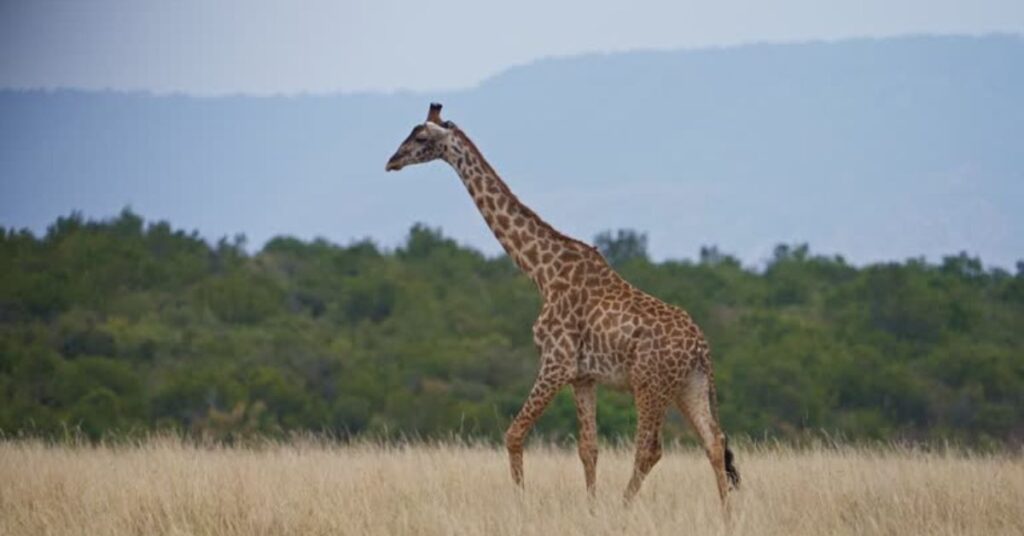
The giraffe is the tallest land animal in the world. It has a very long neck, long legs, and a beautiful spotted coat. These spots help it blend into trees and grass. A giraffe uses its long neck to reach leaves high in tall trees. Its favorite food is acacia leaves, and it uses a long, strong tongue to pull them off branches.
Giraffes are calm and gentle animals. They usually live in small loose groups and move slowly across the savanna. Even though they look quiet, they can run fast when they sense danger. Baby giraffes can stand and walk soon after birth. People love giraffes for their unique shape, peaceful nature, and graceful walk.
Read about it more: https://www.wildlifenomads.com/blog/animals-of-tanzania/
5. Leopard
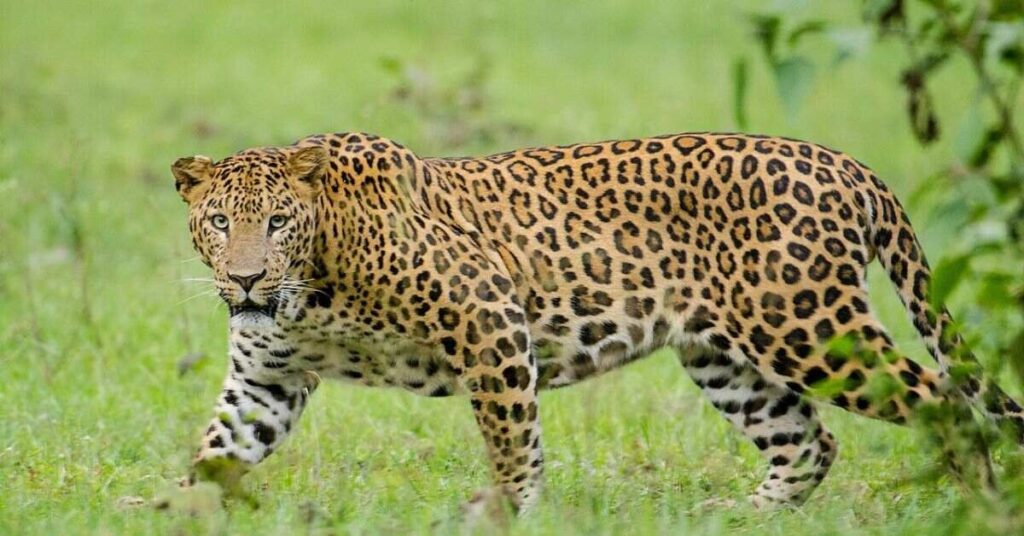
The leopard is a strong and beautiful wild cat found in many parts of Africa and Asia. It has a golden coat covered with dark spots called rosettes. These spots help it hide in grass, trees, and rocky places. Leopards are very flexible and can live in forests, mountains, and savannas. They are also excellent climbers and often rest on tree branches during the day.
Leopards usually hunt at night and move very quietly. They eat animals like deer, monkeys, and small antelopes. After catching prey, they sometimes carry it up a tree to keep it safe from other predators. Leopards prefer to live alone and protect their territory carefully. People admire them for their strength, stealth, and amazing climbing skills.
6. Wildebeest
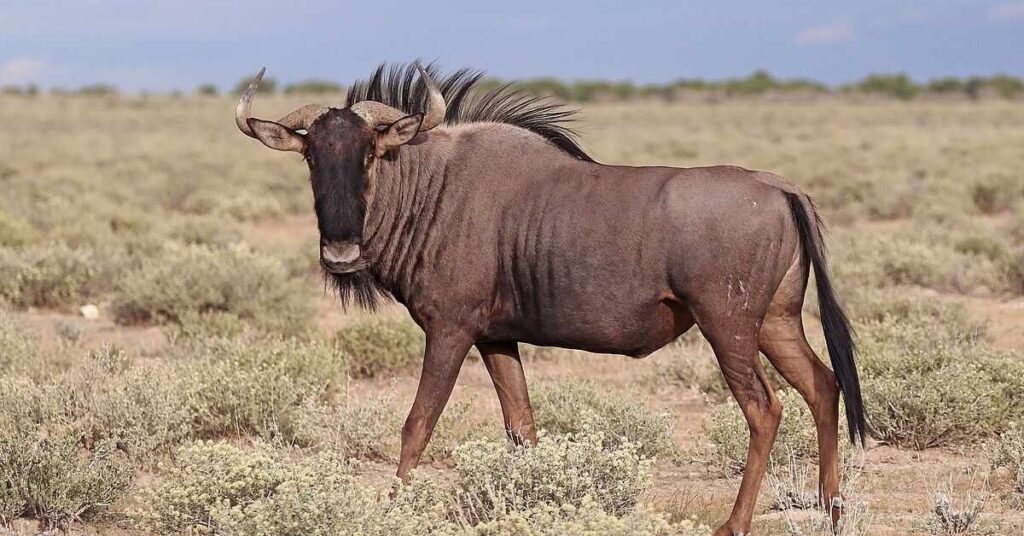
The wildebeest is a large grass eating animal that lives in the open plains of Africa. It has a strong body, curved horns, and a long face that looks a bit like a cow. Its coat is usually gray or brown with dark stripes on the shoulders. Wildebeests live in big herds, which helps them stay safe from predators. They spend most of their time grazing on grass and moving across the savanna.
Wildebeests are famous for their great migration. Every year, thousands of them travel long distances in search of fresh grass and water. This journey is one of the most amazing wildlife events in the world. During the migration, they cross rivers and face dangers from lions and crocodiles. Even with these risks, the herd keeps moving together. People admire wildebeests for their strength, endurance, and strong group behavior.
7. Hippopotamus
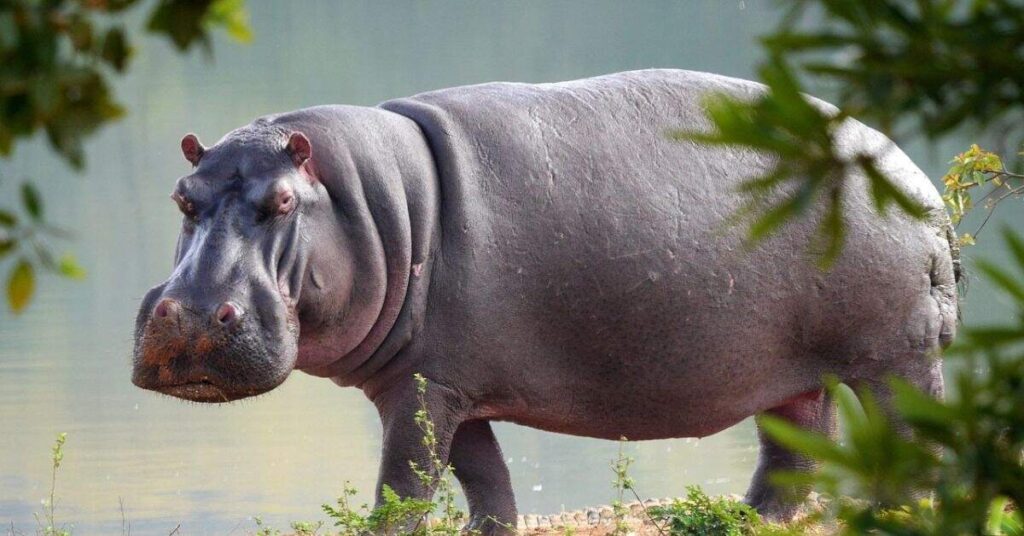
The hippopotamus is a very large and heavy animal that lives near rivers and lakes in Africa. It has a big round body, short legs, and a wide mouth with strong teeth. Its skin looks smooth and gray, and it needs water to stay cool under the hot sun. During the day, hippos spend most of their time in the water to protect their skin from drying out.
At night, hippopotamuses come out of the water to eat grass on land. They can walk long distances while feeding. Even though they look calm, hippos can be very dangerous if they feel threatened. They live in groups called pods and communicate with loud sounds and splashes. People find hippos interesting because of their size, strength, and semi aquatic lifestyle.
8. African Wild Dog
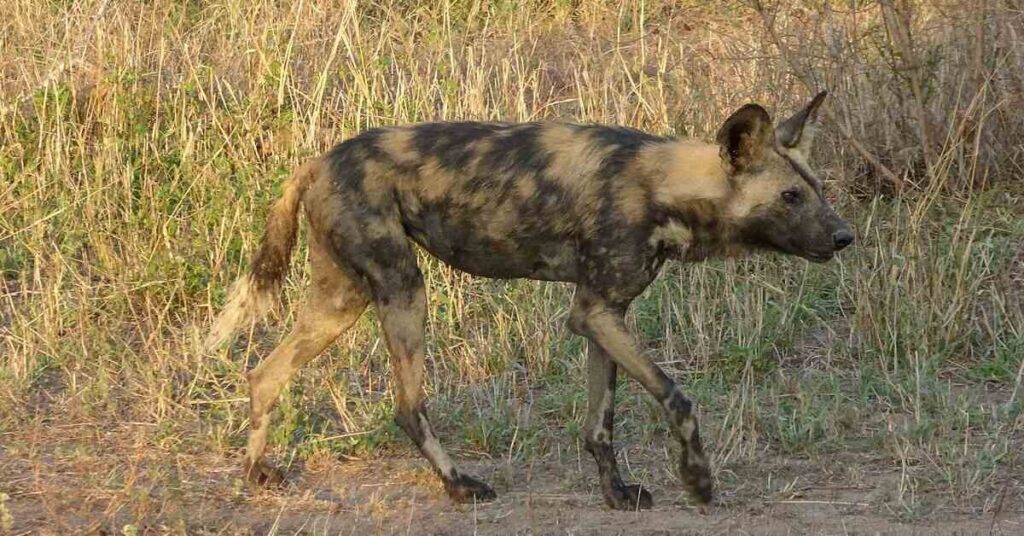
The African wild dog is a smart and fast predator found in parts of Africa. It has a thin body, large rounded ears, and a coat with patches of brown, black, and white. These colorful patterns help it hide in grass and forests. African wild dogs are very social and live in groups called packs. They rely on teamwork to survive and hunt.
They are excellent hunters and can chase prey for long distances. Their favorite food includes antelopes and small mammals. Each pack has a strong leader, usually a male or female, who guides the group during hunts. African wild dogs communicate with calls, body movements, and howls. People admire them for their teamwork, intelligence, and energy in the wild.
9. Cheetah
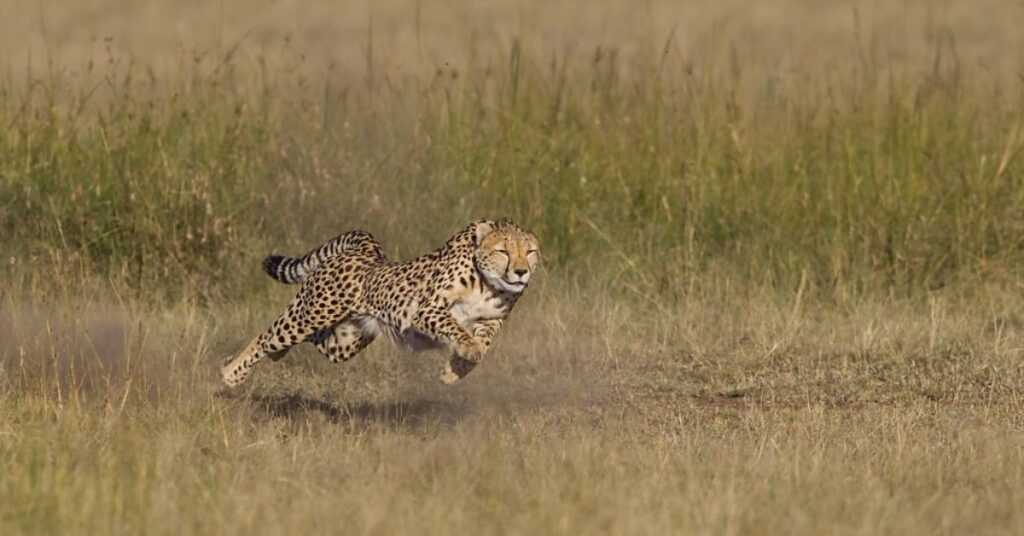
The cheetah is the fastest land animal in the world. It has a slim body, long legs, and a small head. Its coat is yellow with black spots that help it hide in tall grass. Cheetahs can reach very high speeds in short bursts, which helps them catch prey quickly. They mostly hunt during the day to avoid larger predators.
Cheetahs usually live alone or in small family groups. They eat animals like gazelles and hares. Unlike other big cats, cheetahs cannot climb trees well, so they stay on open plains. Their long tail helps them balance while running fast. People admire cheetahs for their speed, grace, and unique hunting skills.
10. Kipunji
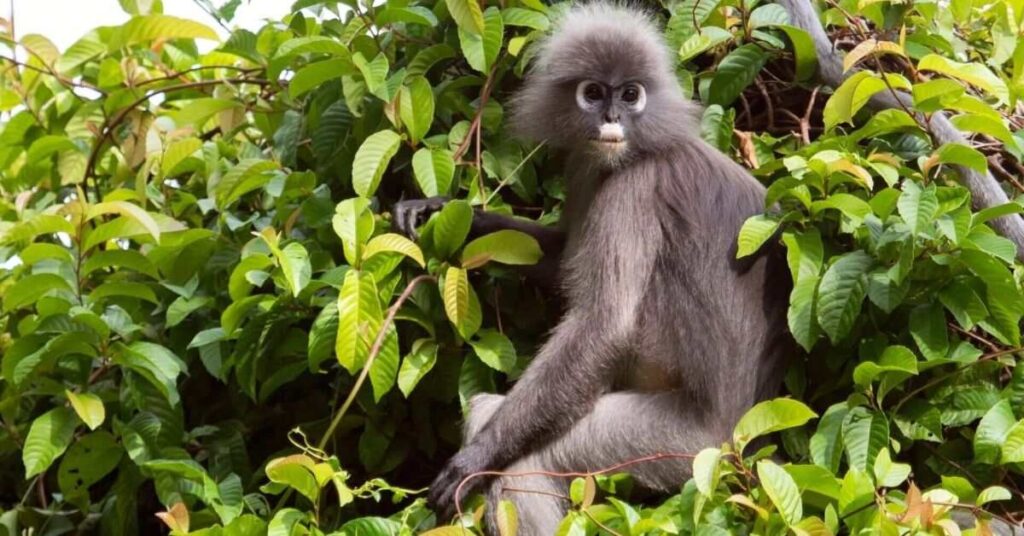
The kipunji is a rare and unique type of monkey found only in Tanzania. It has soft brown fur, a long tail, and a small face with expressive eyes. Kipunji monkeys live high in the forest trees and are very hard to see. They were discovered recently and are one of the newest primate species known to science.
Kipunji monkeys live in small family groups. They eat fruits, leaves, and flowers from the forest. They are quiet and shy, moving carefully among the trees. Sadly, the kipunji is endangered because of deforestation and habitat loss. Conservation efforts are helping to protect this rare animal and its home.
Habitat and Where to See the National Animal Tanzania
The national animal Tanzania lives in several famous wildlife areas across the country. These areas protect natural ecosystems and allow giraffes to roam safely. You can find them in large numbers in Serengeti National Park, Tarangire National Park, Lake Manyara, and Ruaha National Park.
Giraffes prefer open landscapes with scattered trees. These spaces give them easy access to leaves and allow them to watch for predators. They usually live in loose groups and move slowly while feeding.
Safari tours often highlight giraffe sightings because they are easy to spot due to their height. Early morning and late afternoon are the best times to see them. Watching a giraffe walk across the golden plains is one of the most memorable wildlife experiences in Tanzania.
Protecting these habitats helps ensure the national animal Tanzania continues to thrive in the wild.
Cultural Meaning of the National Animal Tanzania
The national animal Tanzania holds deep cultural value for many communities. Traditional artwork often shows giraffes in paintings, carvings, and fabrics. These images celebrate nature and remind people of their connection to the land.
In some local stories, the giraffe symbolizes patience, calmness, and gentle strength. Its slow and graceful movement teaches balance and peaceful living. Schools and tourism campaigns also use the giraffe as a symbol of national identity.
The giraffe also supports the economy through wildlife tourism. Safari companies, local guides, and craft sellers benefit from visitors who want to see or buy giraffe themed items. Because of this, protecting the giraffe means protecting both culture and livelihoods.
This strong link between people, nature, and tourism explains why the giraffe remains the proud national animal Tanzania.
Conservation Efforts for the National Animal Tanzania
Although giraffes seem common, their numbers have declined in some regions due to habitat loss and illegal hunting. Tanzania works with conservation groups and wildlife authorities to protect this important species.
National parks provide safe environments where giraffes can live and reproduce. Rangers monitor wildlife and prevent illegal activities. Conservation programs also teach local communities about the importance of protecting giraffes and other animals.
Research teams study giraffe movements, health, and population trends. This information helps create better protection plans. Responsible tourism also plays a role. Visitors who follow park rules help reduce stress on wildlife and support conservation funding.
By protecting ecosystems and supporting awareness programs, Tanzania helps secure the future of the national animal Tanzania for the next generation.
Interesting Facts About the National Animal Tanzania
The national animal Tanzania has many fascinating traits that make it unique among African wildlife. A giraffe has the same number of neck bones as humans, but each bone is much longer. Its tongue can reach about 45 centimeters and helps it grab leaves from tall trees.
Giraffes need very little sleep. They often rest for short periods while standing. Their strong legs allow them to run fast when threatened, even though they look calm most of the time.
Each giraffe has a unique pattern of spots, similar to human fingerprints. This makes it possible for researchers to identify individuals in the wild. Calves can stand within hours after birth, which helps them avoid predators.
These amazing features make the giraffe a perfect symbol for the beauty and diversity of Tanzania wildlife.
How You Can Help Protect the National Animal Tanzania
People around the world can support the national animal Tanzania in simple ways. Choosing responsible safari operators helps ensure tourism supports conservation. Learning about wildlife and sharing knowledge with others also raises awareness.
Supporting wildlife organizations that work in Africa can help fund habitat protection and research programs. Even small actions like avoiding products made from wildlife parts help reduce illegal trade.
Education also plays a big role. When children and adults understand the value of animals like giraffes, they become more willing to protect nature. Protecting wildlife today ensures future generations can enjoy the beauty of Tanzania.
Conclusion
The national animal Tanzania is the giraffe, a gentle giant that reflects the country’s natural beauty and cultural pride. From its tall shape on the savanna to its presence in art and tourism, the giraffe represents harmony between people and nature.
Protecting this animal means protecting ecosystems, supporting communities, and preserving one of Africa’s most loved wildlife species. By learning about giraffes and supporting conservation, everyone can play a part in keeping the national animal Tanzania safe for years to come.
FAQs
What is the national animal Tanzania?
The national animal Tanzania is the giraffe, especially the Masai giraffe, which lives widely across the country.
Why is the giraffe the national animal Tanzania?
The giraffe represents Tanzania’s wildlife richness, cultural heritage, and tourism importance.
Where can I see the national animal Tanzania?
You can see giraffes in major parks like Serengeti, Tarangire, Lake Manyara, and Ruaha.
Is the national animal Tanzania endangered?
Some giraffe populations face threats from habitat loss and hunting, so conservation efforts remain important.What do giraffes eat in Tanzania?
Giraffes mainly eat leaves from acacia trees and other tall plants found in the savanna.
