

Indonesia wildlife is one of the richest and most diverse in the world. This island nation stretches across thousands of islands. Each island holds unique animals and plants. From deep rainforests to bright coral reefs, life grows everywhere. Many species live only in this country. You cannot find them anywhere else.
Indonesia wildlife attracts nature lovers, photographers, and researchers. People travel far to see rare animals in their natural homes. The country sits between Asia and Australia. This location creates a mix of species from both regions. The result is a wildlife paradise.
In this guide, you will learn about forests, oceans, rare animals, and conservation work. You will also find helpful travel tips. If you love nature, indonesia wildlife will amaze you.
Rainforests and Rich Habitats of Indonesia Wildlife
Indonesia wildlife thrives in thick tropical rainforests. These forests cover islands like Sumatra, Borneo, and Papua. The trees grow tall and close together. Sunlight struggles to reach the ground. This creates cool and wet conditions. Many animals depend on this environment.
The rainforests hold orangutans, tigers, elephants, and hundreds of bird species. Small insects and frogs live under leaves. Monkeys swing across tree branches. Rare flowers bloom in hidden corners.
Indonesia wildlife also includes mangroves, grasslands, mountains, and wetlands. Each habitat supports different animals. Coral reefs along the coast support marine life. Rivers provide fresh water species. The variety of land and sea makes indonesia wildlife special.
Here is a simple overview of key habitats and species.
| Habitat | Famous Species | Key Feature |
| Rainforest | Orangutan | Dense trees and high rainfall |
| Mangrove | Proboscis monkey | Coastal root systems |
| Savanna | Komodo dragon | Dry open grassland |
| Coral reef | Sea turtles | Colorful marine life |
| Mountain forest | Birds of paradise | Cool high elevation |
Iconic Mammals in Indonesia Wildlife
Indonesia wildlife is famous for its rare mammals. The orangutan is one of the most loved animals. These great apes live in Sumatra and Borneo. They spend most of their time in trees. They build nests from leaves. Habitat loss threatens their survival.
Sumatran tiger
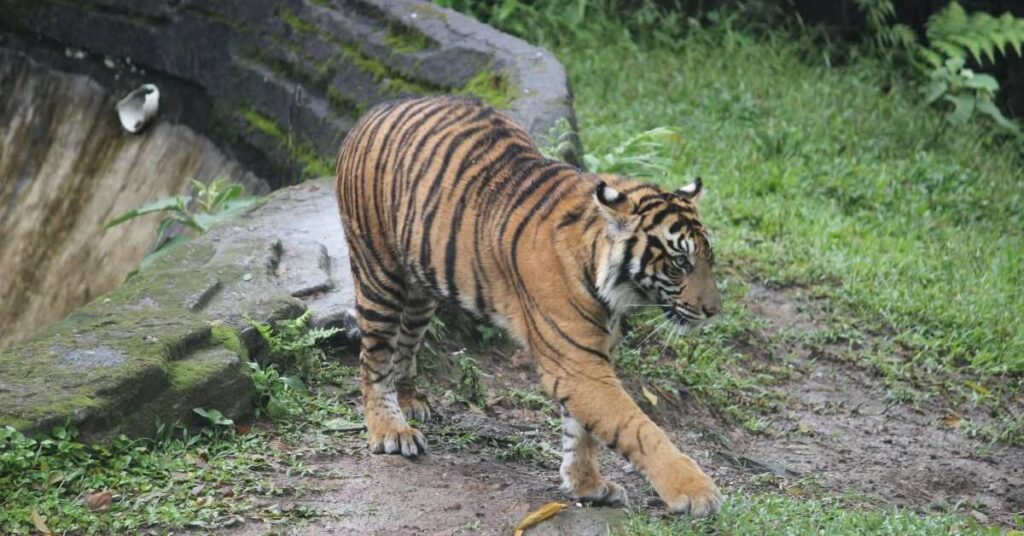
The Sumatran tiger also lives in indonesia wildlife regions. It is smaller than other tiger types. It moves quietly through forests. Sadly, only a small number remain in the wild.
Asian elephant
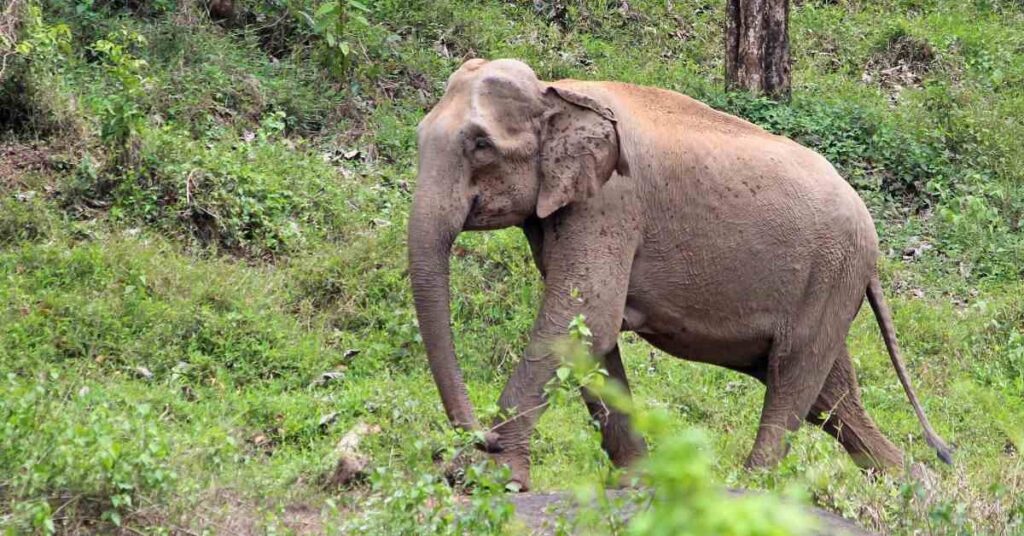
The Asian elephant roams parts of Sumatra. These elephants travel in groups. They search for food and water daily. Forest loss affects their migration paths.
Proboscis monkey
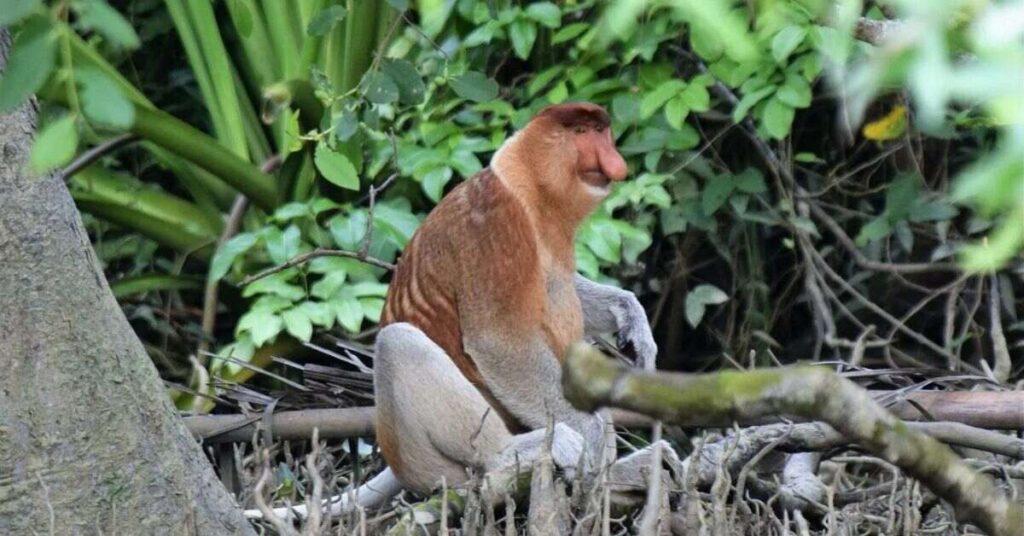
The proboscis monkey stands out because of its long nose. It lives in mangrove forests. It swims well and eats leaves.
Indonesia wildlife protects many of these mammals in national parks. Visitors can see them with trained guides. Respectful tourism helps raise awareness and supports conservation.
Reptiles and Unique Creatures of Indonesia Wildlife
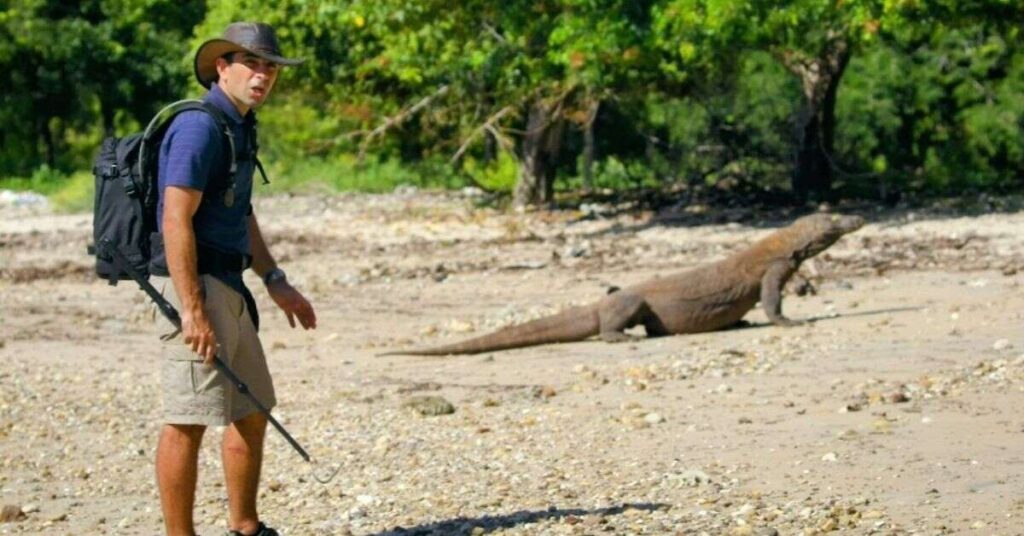
Indonesia wildlife includes some of the most unusual reptiles on Earth. The Komodo dragon is the largest lizard in the world. It lives mainly on Komodo Island and nearby islands. This powerful reptile can grow over three meters long. It hunts deer and other animals. Visitors must follow park rules to stay safe.
Many snakes also live in indonesia wildlife habitats. Some are harmless. Others are venomous. Forest floors and trees provide shelter for them.
Indonesia wildlife also supports colorful frogs and rare turtles. Freshwater turtles swim in rivers. Sea turtles nest on sandy beaches. Conservation groups protect nesting sites during breeding season.
Read about it more:https://www.wildlifenomads.com/blog/10-best-wildlife-destinations-in-indonesia/
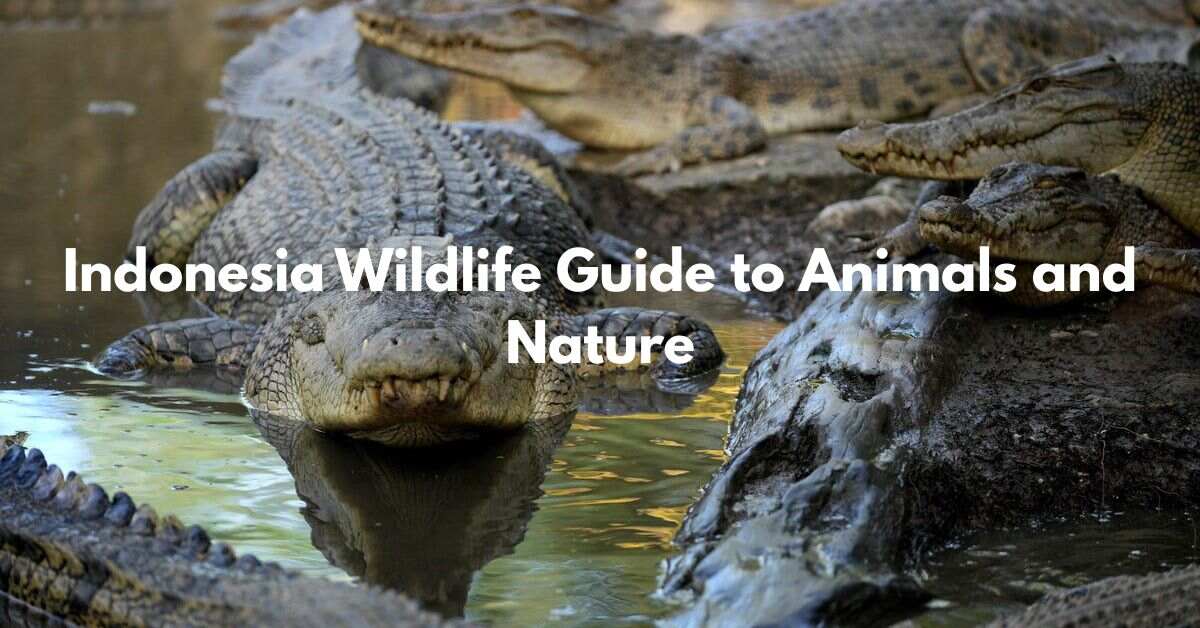
Crocodiles
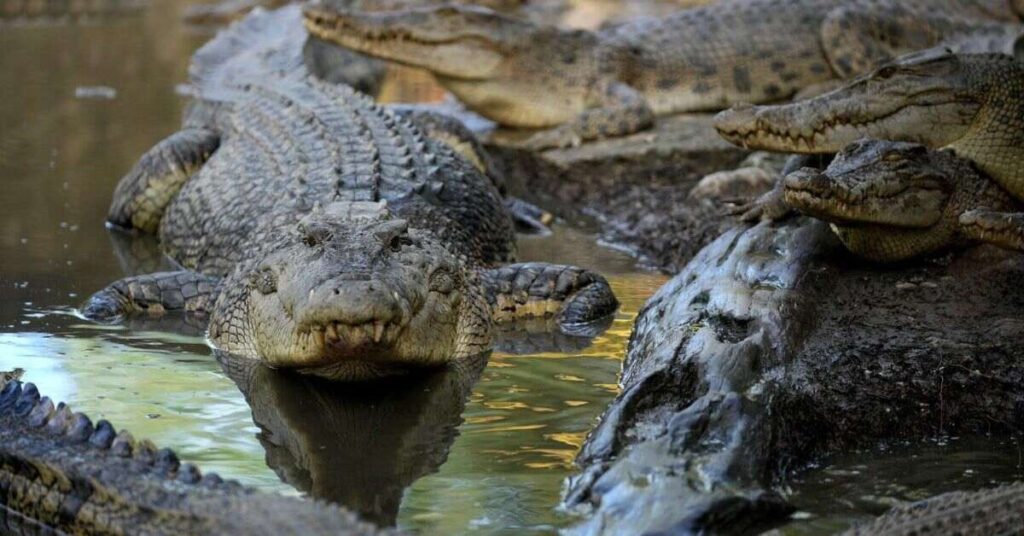
Crocodiles live in rivers and swamps. They play an important role in the ecosystem. They control fish populations and keep water systems balanced.
These reptiles show how diverse indonesia wildlife truly is.
Birdlife and Marine Life in Indonesia Wildlife
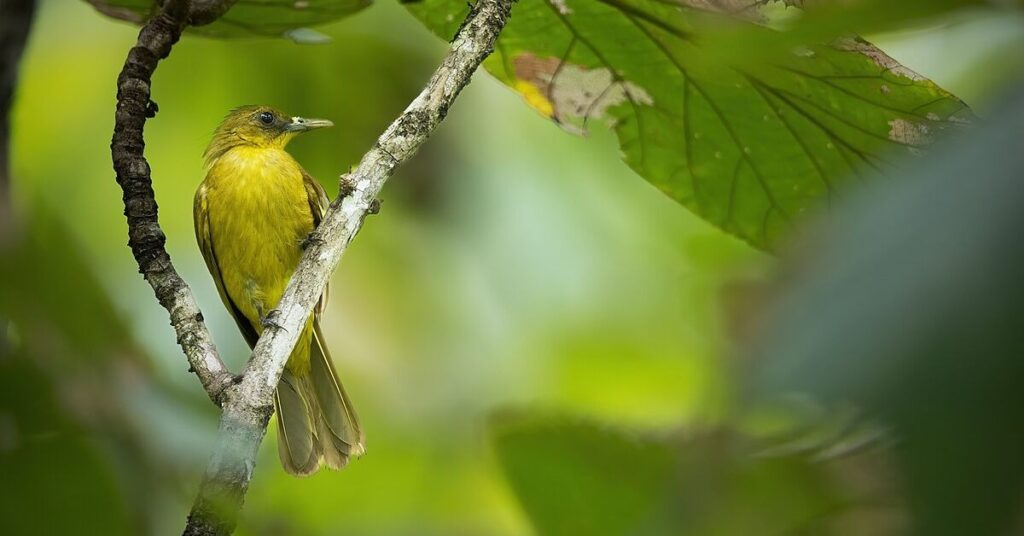
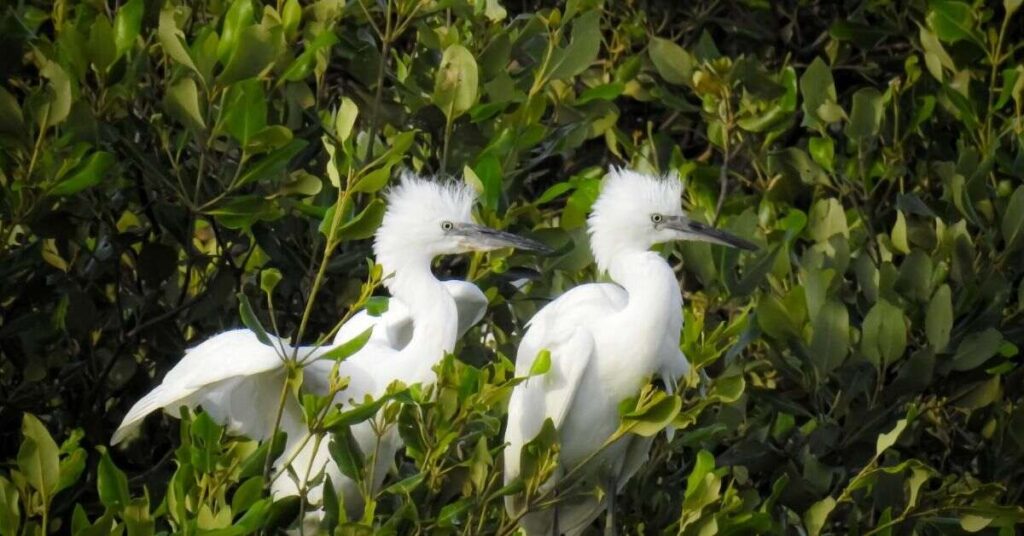
Bird lovers find indonesia wildlife exciting. The country hosts over one thousand bird species. Many species live only in this region. Birds of paradise in Papua show bright feathers and unique dances. Hornbills fly across forest canopies. Kingfishers sit near rivers waiting for fish.
Wetlands attract migratory birds. These birds travel long distances each year. They stop in Indonesia to rest and feed.
Indonesia wildlife also shines underwater. The Coral Triangle region holds some of the richest marine biodiversity in the world. Divers explore coral gardens filled with fish. Reef sharks glide through clear water. Manta rays swim gracefully.
Sea turtles, clownfish, and seahorses thrive in coral reefs. Healthy reefs protect coastlines and support fishing communities.
Here is a quick look at marine highlights.
| Marine Species | Location | Why Special |
| Manta rays | Raja Ampat | Large and graceful swimmers |
| Whale sharks | Cenderawasih Bay | Gentle giants of the sea |
| Sea turtles | Bali coast | Important nesting beaches |
| Clownfish | Coral reefs | Bright colors and reef life |
Conservation Efforts Supporting Indonesia Wildlife
Indonesia wildlife faces serious challenges. Deforestation removes large forest areas. Illegal hunting threatens rare animals. Pollution affects rivers and oceans.
The government created many national parks to protect indonesia wildlife. These parks include protected forests and marine reserves. Rangers patrol these areas. They stop illegal activities and monitor animal populations.
Local communities also play a key role. Many villages now support eco tourism. Visitors stay in local homes and join guided wildlife tours. This creates income without harming nature.
Conservation groups rescue injured animals. They also plant trees to restore forests. Education programs teach children about protecting indonesia wildlife.
You can support indonesia wildlife by choosing responsible tour operators. Avoid buying products made from wildlife parts. Share awareness through social media. Small actions help protect this rich biodiversity.
Best Places to Experience Indonesia Wildlife
Travelers can explore indonesia in many regions. Sumatra offers rainforest treks and orangutan sightings. Borneo provides river cruises through dense jungle. Komodo National Park allows safe viewing of Komodo dragons.
Raja Ampat attracts divers from around the world. The coral reefs there remain healthy and colorful. Bali also offers marine life experiences and sea turtle conservation centers.
Papua holds remote forests filled with rare birds. These areas require careful planning and local guides.
When visiting indonesia areas, respect park rules. Keep distance from animals. Do not feed wildlife. Stay on marked trails.
The best time to visit depends on region and weather. Dry season often offers easier travel conditions. Research each destination before planning your trip.
Practical Tips for Exploring Indonesia
Planning helps you enjoy indonesia safely. Always hire experienced local guides. They understand animal behavior and forest paths.
Wear light clothing with long sleeves. Use insect repellent. Carry enough water during forest walks.
Respect local customs and traditions. Many communities live close to wildlife areas. Support local businesses and eco friendly lodges.
Bring binoculars and a camera with zoom. Avoid flash photography. Flash can disturb animals.
Learn basic facts about indonesia wildlife before your trip. Understanding habitats and species increases your appreciation. Responsible travel protects these ecosystems for future generations.
Why Indonesia Wildlife Matters to the World
Indonesia wildlife plays a big role in global biodiversity. Many species exist nowhere else. Scientists study these ecosystems to learn about evolution and climate change.
Rainforests absorb carbon dioxide. This helps fight climate change. Coral reefs protect coastlines from storms. Healthy oceans support global fish supplies.
When indonesia wildlife suffers, the world feels the impact. Protecting this region helps maintain ecological balance.
People around the world can support conservation through donations and awareness campaigns. International cooperation strengthens protection laws.
Conclusion
Indonesia wildlife offers an incredible mix of land and sea life. Dense forests hide rare mammals. Open savannas shelter giant lizards. Coral reefs glow with marine color. Few countries match this level of biodiversity.
Yet indonesia wildlife needs protection. Habitat loss and pollution threaten many species. Conservation efforts show hope. National parks, community support, and eco tourism make a difference.
If you love nature, consider learning more about indonesia wildlife. Support responsible travel. Share knowledge with others. Every action helps preserve this natural treasure for future generations.
Frequently Asked Questions
What makes indonesia wildlife unique?
Indonesia wildlife is unique because it combines Asian and Australian species. Many animals live only in this country. Its islands create isolated habitats that support rare species.
Where can I see orangutans in indonesia wildlife areas?
You can see orangutans in Sumatra and Borneo. National parks offer guided treks to observe them safely in the wild.
Is indonesia wildlife safe to explore?
Yes, indonesia wildlife areas are safe when you follow park rules. Always travel with trained guides and respect animal space.
How can tourists help protect indonesia wildlife?
Tourists can choose eco friendly tours, avoid wildlife products, and respect habitats. Supporting local conservation groups also helps protect indonesia wildlife.
