

Introduction
The whale is one of the most amazing animals in the ocean. Many people wonder how long does a whale stay underwater and how these huge mammals manage to live in deep seas without breathing like fish. Unlike fish, whales need air to survive. Through their blowholes, they must come to the surface to breathe. Yet they can still stay underwater for a long time.
The answer to how long does a whale stay underwater depends on the whale species, its size, and what it is doing. Some whales stay underwater only for a few minutes while others can dive for more than an hour. Their bodies have special features that help them store oxygen and use it slowly.
In this guide, you will learn how long does a whale stay underwater, what helps whales hold their breath, and how diving times differ between species. You will also discover interesting facts about whale behavior and how deep ocean dives support their survival.
How long does a whale stay underwater on average
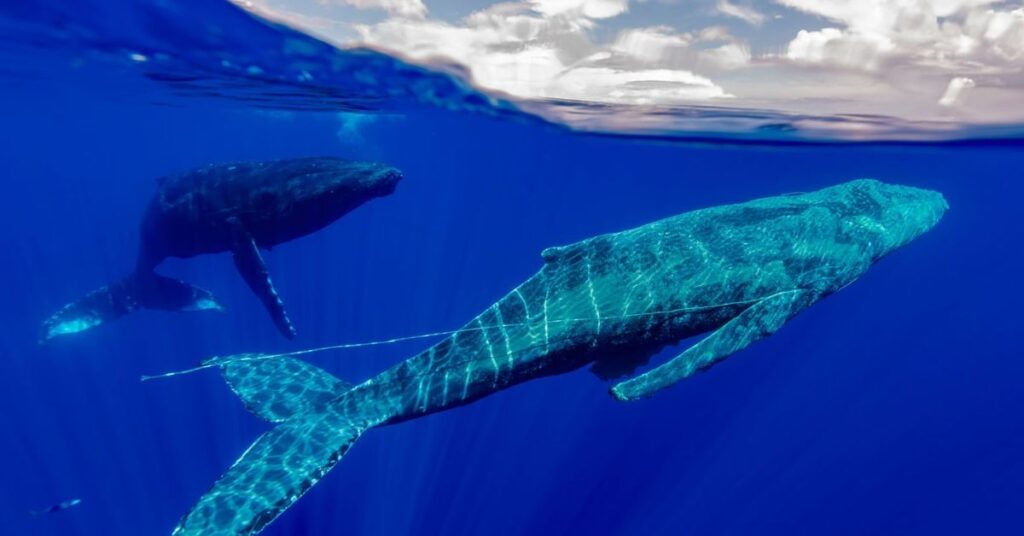
Many people ask how long does a whale stay underwater during a normal dive. Most whales stay underwater between 5 and 20 minutes. This time allows them to search for food, travel, or avoid danger. After that, they return to the surface to breathe.
Large whales like blue whales and humpback whales often dive for around 10 to 15 minutes. During feeding, they may repeat several short dives in a row. These dives help them catch krill or small fish near the surface.
Some species can stay underwater much longer.Deep diving is one of the most famous characteristics of sperm whales. They can remain underwater for about 45 to 60 minutes while hunting squid in dark waters. In rare cases, they may stay underwater even longer.
Young whales usually stay underwater for shorter periods. They need more frequent breaths as their lungs and muscles are still developing. Calm conditions and slow swimming also help whales stay underwater longer because they use less oxygen.
Whales follow a rhythm of diving and breathing. This pattern helps them save energy and keep enough oxygen for their body and brain.
What helps explain how long does a whale stay underwater
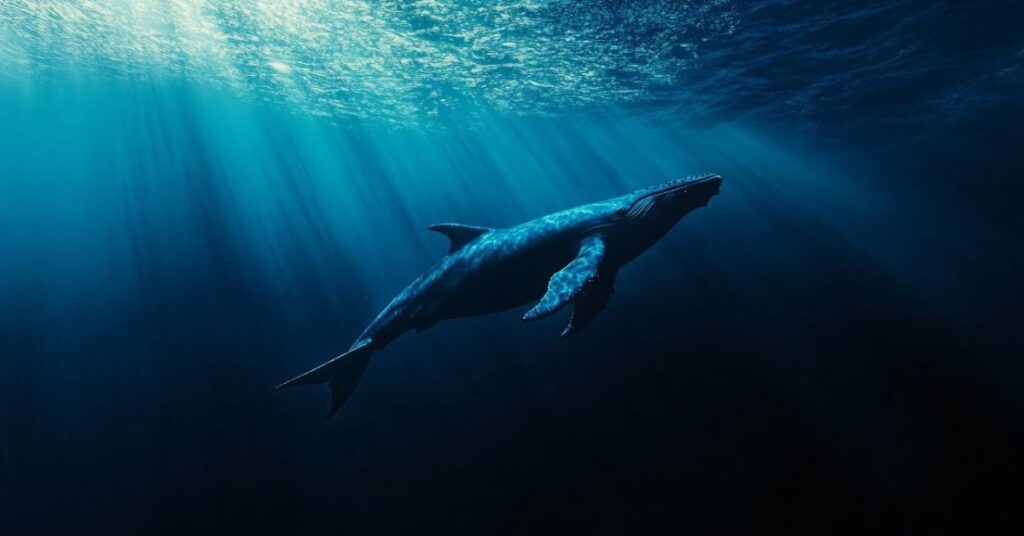
To understand how long does a whale stay underwater, it helps to know how their bodies manage oxygen. Whales have large lungs that take in a huge amount of air with each breath. When they surface, they can replace most of the air in their lungs in just one or two seconds.
Whales also store oxygen in their blood and muscles. Their blood contains a lot of hemoglobin, which carries oxygen. Their muscles contain myoglobin, a protein that stores oxygen for use during long dives. These features allow whales to keep their organs working even when they are far below the surface.
Another helpful feature is their slow heart rate during dives. Whales dive at a slower pace when they dive. This process saves oxygen and directs it to important organs like the brain and heart.
Whales can also reduce movement to save energy. Some species glide downward instead of swimming constantly. This behavior lowers oxygen use and lets them stay underwater longer.
All these natural adaptations explain how long does a whale stay underwater and why whales are such skilled deep divers.
How long does a whale stay underwater by species
Different whale species show very different dive times. The table below shows how long does a whale stay underwater for some well known whales.
| Species | Average dive time | Maximum recorded dive |
| Blue whale | 10 to 20 minutes | About 30 minutes |
| Humpback whale | 10 to 15 minutes | About 30 minutes |
| Sperm whale | 45 to 60 minutes | More than 90 minutes |
| Fin whale | 10 to 20 minutes | Around 30 minutes |
| Cuvier beaked whale | 60 minutes or more | Over 2 hours recorded |
Sperm whales are among the best known deep divers. They hunt giant squid far below the surface. Their strong muscles and oxygen rich blood help them stay underwater for long periods.
Longest dives have been recorded by Cuvier beaked whales. Scientists have tracked individuals staying underwater for more than two hours. These whales dive extremely deep and move slowly to conserve oxygen.
Smaller whales and those that feed near the surface usually have shorter dives. Their feeding style does not require long trips into deep water.
Why whales dive and how it affects how long does a whale stay underwater
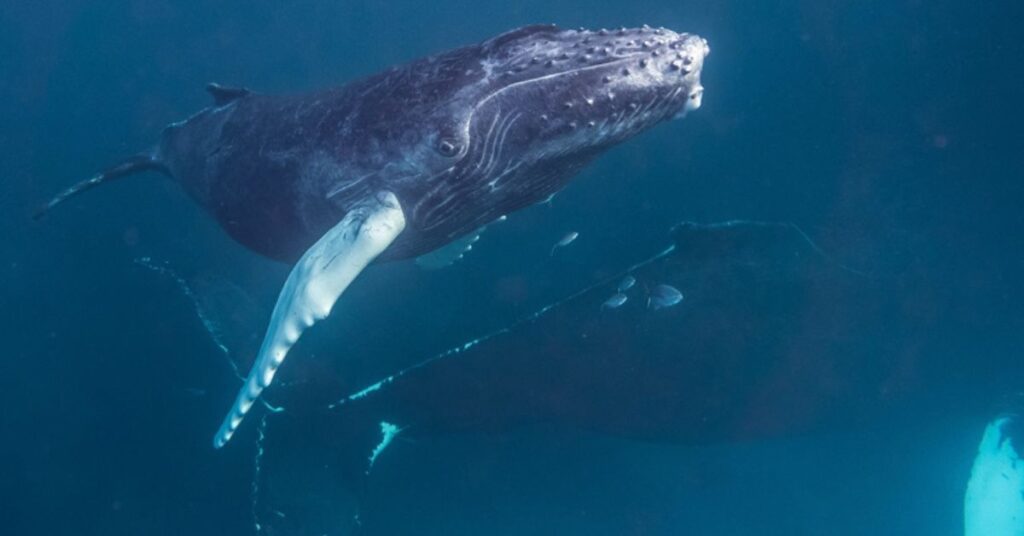
Whales dive mainly to find food. Deep ocean waters contain squid, krill, and fish that whales depend on. The deeper the food lives, the longer the whale must stay underwater.
Some whales dive to travel safely. Swimming below the surface can help them avoid waves or threats. Mothers may also dive gently with their calves to guide them and teach safe swimming behavior.
Resting can also influence how long does a whale stay underwater. Some whales rest near the surface and take slow breaths. Others perform gentle shallow dives while sleeping. These shorter dives help them conserve energy.
Environmental conditions also matter. Cold water can slow metabolism slightly, which may help whales use oxygen more slowly. Strong currents or chasing prey can shorten dives because the whale uses more energy.
Human activity sometimes changes whale diving behavior. Noise from ships or sonar may cause whales to dive longer or change their patterns. Protecting whale habitats supports their natural breathing and diving cycles.
How whales breathe between dives
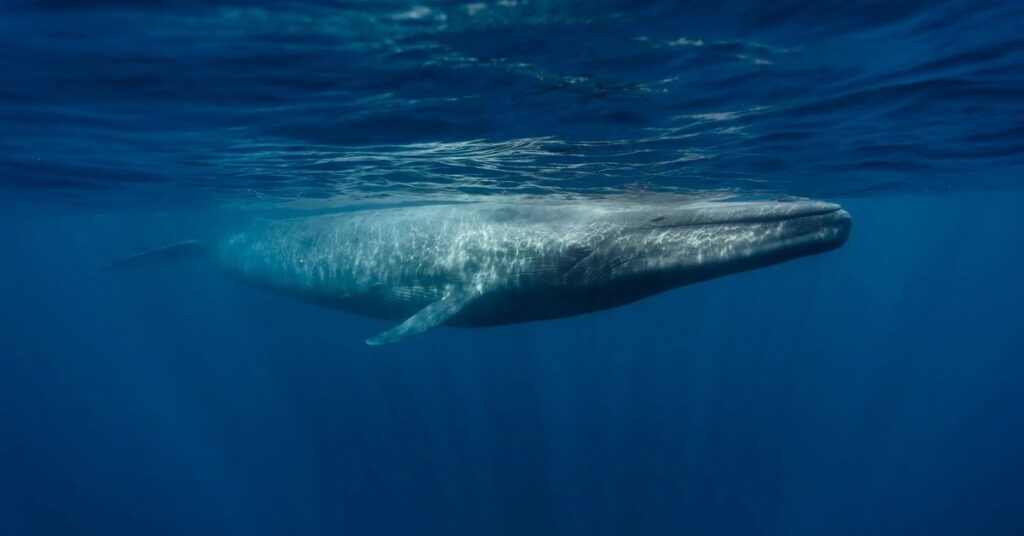
Whales must return to the surface to breathe air. When they reach the top, they exhale forcefully through the blowhole. This creates the visible spray that people often see from a distance.
After exhaling, whales inhale fresh air quickly. Their lungs fill very fast compared to human lungs. This rapid breathing helps them prepare for the next dive in just seconds.
Some whales take several breaths before diving again. This process is called logging or surface recovery. During this time, they restore oxygen levels and remove carbon dioxide from their body.
The speed of breathing plays a big role in how long does a whale stay underwater next. A well rested whale with full oxygen stores can dive longer than one that rushed back underwater too quickly.
Understanding whale breathing patterns also helps researchers track whale health and behavior in the wild.
Conclusion
So how long does a whale stay underwater depends on many factors, including species, activity, and environment. Most whales dive for 5 to 20 minutes, while deep diving species like sperm whales and beaked whales can stay underwater for an hour or more.
Whales survive these long dives thanks to powerful lungs, oxygen storing blood and muscles, and energy saving dive behavior. Their ability to manage oxygen makes them perfectly suited for life in the ocean.
Learning how long does a whale stay underwater helps us understand whale biology and the importance of protecting their habitats. Healthy oceans allow whales to dive, feed, and breathe naturally for generations to come.
FAQs
How long does a whale stay underwater on average?
Most whales stay underwater for about 5 to 20 minutes during normal dives, though deep diving species can remain below for much longer.
Which whale stays underwater the longest?
Cuvier beaked whales hold the record and can stay underwater for more than two hours in extreme dives.
Do whales sleep underwater?
Whales rest using short dives or slow surface breathing. They cannot stay fully underwater for sleep because they must breathe air.
How deep do whales dive when staying underwater?
Some whales dive a few hundred meters, while sperm whales and beaked whales can dive more than one kilometer deep while hunting.
What is the purpose of whales coming up for air?
Whales are mammals and breathe air with lungs. They must surface to inhale oxygen and release carbon dioxide.
