


Have you ever wondered how deep do sharks swim when they disappear beneath the waves? These magnificent ocean predators are far more complex than most people realize. While many of us picture sharks cruising near the surface, the truth is that different shark species explore vastly different depths of our oceans.
The answer to how deep sharks swim varies dramatically depending on the species. Some sharks prefer shallow coastal waters, while others venture into the deepest, darkest parts of the ocean where sunlight never reaches. Scientists have tracked sharks diving thousands of feet below the surface, revealing secrets about their behavior that continue to amaze researchers around the world.
Understanding shark diving depths helps us protect these important animals. It also gives us insight into how these ancient creatures have adapted to survive in extreme environments. From the sunlit surface to the crushing pressure of the deep sea, sharks have conquered every layer of the ocean.
Understanding Shark Diving Behavior and How Deep Sharks Swim
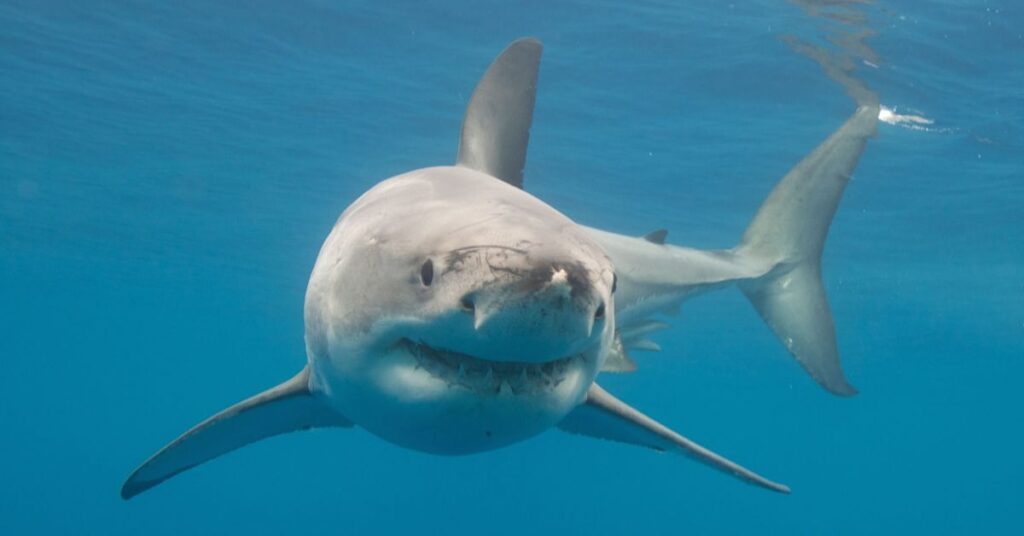
Sharks don’t just swim randomly through the ocean. Their diving behavior follows specific patterns based on their needs. Most sharks live in waters between 100 and 1,000 meters deep, but this range can vary significantly. Scientists use special tracking devices called satellite tags to monitor where sharks go and how deep sharks swim during their daily activities.
These tracking devices attach to shark fins without causing harm. The technology records depth, water temperature, and location. When the tag releases from the shark after a set period, it floats to the surface and transmits all the collected data via satellite. This information has revolutionized our understanding of shark behavior.
Depth preferences change throughout the day for many shark species. Some sharks stay near the surface during certain hours and dive deeper during others. This vertical movement often relates to hunting patterns. Many prey species migrate up and down in the water column, and sharks follow them to feed.
Water temperature also influences how deep sharks swim. Most sharks are cold-blooded, meaning their body temperature matches the surrounding water. When they dive into colder deep waters, they must manage their energy carefully. Some species have developed special adaptations that allow them to maintain warmer body temperatures even in frigid depths.
Great White Sharks and Their Diving Depths
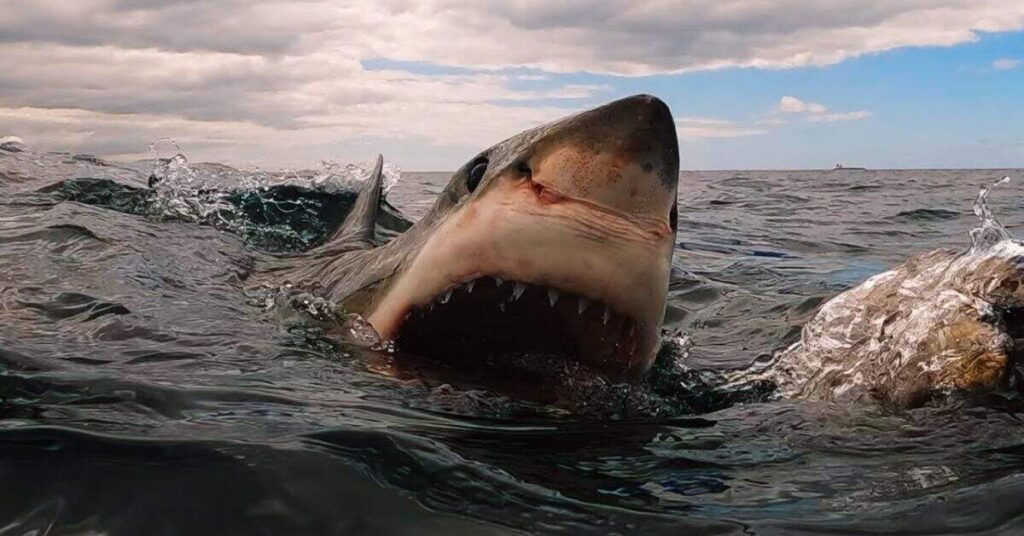
Great white sharks are powerful swimmers that can reach impressive depths. These apex predators typically spend most of their time in the upper 200 meters of water, where sunlight penetrates and prey is abundant. However, research has shown they can dive much deeper when necessary.
Great white sharks are famous for swimming near the ocean surface. Many people see them close to beaches and boats. This creates the idea that they live only in shallow water. In reality, great white sharks are strong deep divers. They move up and down through the ocean every day. Most of the time, they swim in surface waters where seals and fish are easy to find.
Research shows that great white sharks can dive very deep when needed. Some recorded dives reach more than 1200 meters below the surface. These deep dives help them hunt squid and deep sea fish. Cold water does not stop them. Their bodies keep heat better than many other fish. This ability allows great white sharks to explore both shallow seas and deep ocean layers with ease.
| Shark Species | Average Depth | Maximum Recorded Depth |
| Great White Shark | 0-200 meters | 1,200 meters |
| Whale Shark | 0-130 meters | 1,928 meters |
| Tiger Shark | 0-200 meters | 1,000 meters |
| Hammerhead Shark | 0-200 meters | 1,240 meters |
| Portuguese Dogfish | 400-2,000 meters | 3,675 meters |
Whale Sharks Break Diving Records
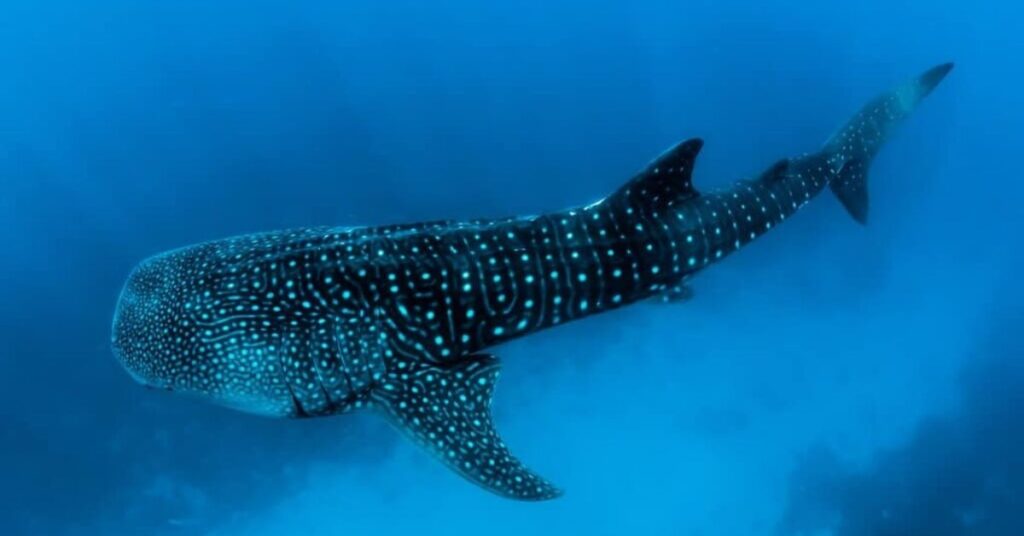
Whale sharks hold the record as the deepest diving sharks among the larger species. These gentle giants can dive to depths approaching 2,000 meters, which is over a mile deep. Scientists were amazed when they first discovered just how deep whale sharks swim during their daily routines.
One whale shark tagged by researchers dove to 1,928 meters, setting a remarkable record. At these depths, the water temperature drops to just a few degrees above freezing. The pressure is intense enough to crush most objects. Yet whale sharks handle these conditions regularly.
Whale sharks use their thick layer of subcutaneous fat as insulation against the cold. Their huge, oil-rich liver also helps them maintain buoyancy at extreme depths. Unlike many fish, whale sharks don’t have swim bladders, which would collapse under deep-sea pressure.
Why do whale sharks dive so deep? Scientists believe several reasons drive this behavior. Deep diving may help them navigate using the Earth’s magnetic field. It could also be a way to cool down after spending time in warm surface waters. The deep ocean is also home to concentrations of squid and other prey that whale sharks feed on.
During these deep dives, whale sharks can’t rely on their eyes. The ocean becomes completely dark below 200 meters. They may shut down their visual systems to conserve energy while diving. When they need to warm up or get oxygen, they race back to the surface at impressive speeds.
Tiger Sharks Explore Varying Depths
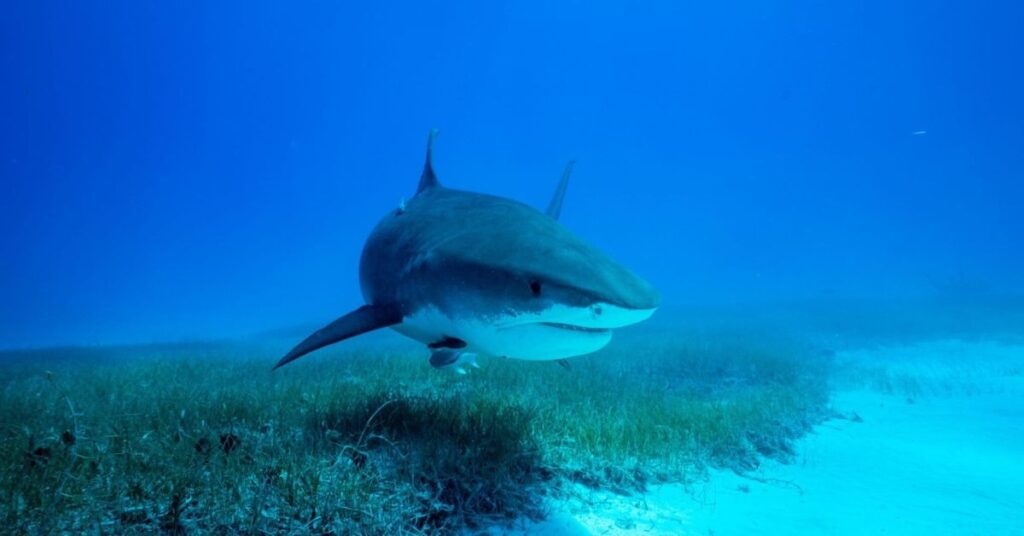
Tiger sharks show fascinating variety in how deep they swim. These large predators typically cruise in shallow coastal waters, often staying in the top 5 meters. However, tagged tiger sharks have been recorded diving to depths exceeding 800 meters.
Individual tiger sharks have unique diving patterns. Some prefer to stay shallow, while others make frequent deep dives. One tiger shark was tracked diving to 828 meters, showcasing the species’ impressive range. Scientists believe these differences relate to age, sex, and hunting preferences.
In the Bahamas, researchers discovered that tiger sharks make regular deep dives even when tagged in very shallow water. Most tagged sharks dove to at least 650 feet weekly. Some reached depths between 1,600 and 2,000 feet regularly. This surprised scientists who assumed these sharks would stay in shallow seagrass beds.
The deep sea may serve as an important social meeting place for tiger sharks. It could also be an efficient way to search for food on the seafloor. By gliding down steep underwater walls, tiger sharks save energy while looking for meals. The exact reasons for their deep water use remain under investigation.
Tiger sharks adjust their diving angles based on water depth. In very shallow areas under 3 meters, they hunt continuously without needing to transit between surface and bottom. In deeper water, they use steeper dive angles to move more quickly between hunting zones. This strategy helps them save energy while covering more territory.
Hammerhead Sharks and Deep Ocean Dives
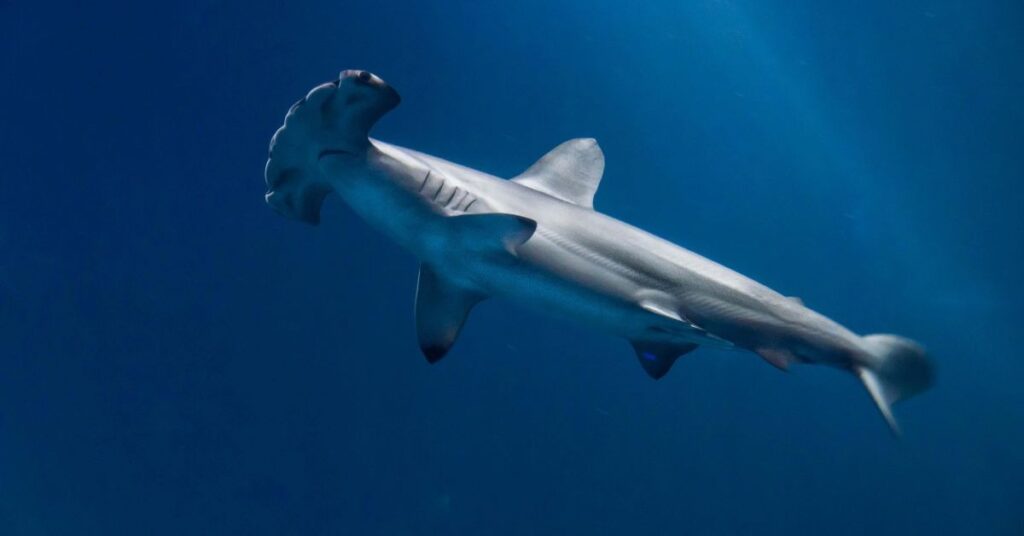
Scalloped hammerhead sharks are remarkable deep divers that regularly venture into cold, dark waters. These sharks can dive to depths exceeding 800 meters, with the deepest recorded dive reaching 1,240 meters. That’s over 4,000 feet below the surface.
What makes hammerhead deep diving truly special is their unique adaptation. Recent research discovered that hammerhead sharks actually hold their breath when diving deep. They close their gill slits to prevent cold water from flowing over their gills. This stops their blood from cooling down rapidly.
When hammerheads dive, they descend quickly at steep angles, sometimes as steep as 80 degrees. They spend just a few minutes at depth, likely hunting for squid and other deep-water prey. Then they shoot back toward the surface, ascending much more slowly than they descended.
Their body temperature stays warm during these dives because they hold their breath. If they allowed water to flow over their gills, the cold would cool their blood and make them sluggish. This breath-holding strategy lets them remain effective hunters even in frigid deep water.
Hammerheads make these deep dives more than six times per day on average. Each dive lasts between 6 and 49 minutes, with most averaging around 24 minutes. The energy cost of diving so deep is enormous, but the abundant prey in the mesopelagic zone makes it worthwhile.
How Deep Do Thresher Sharks Swim
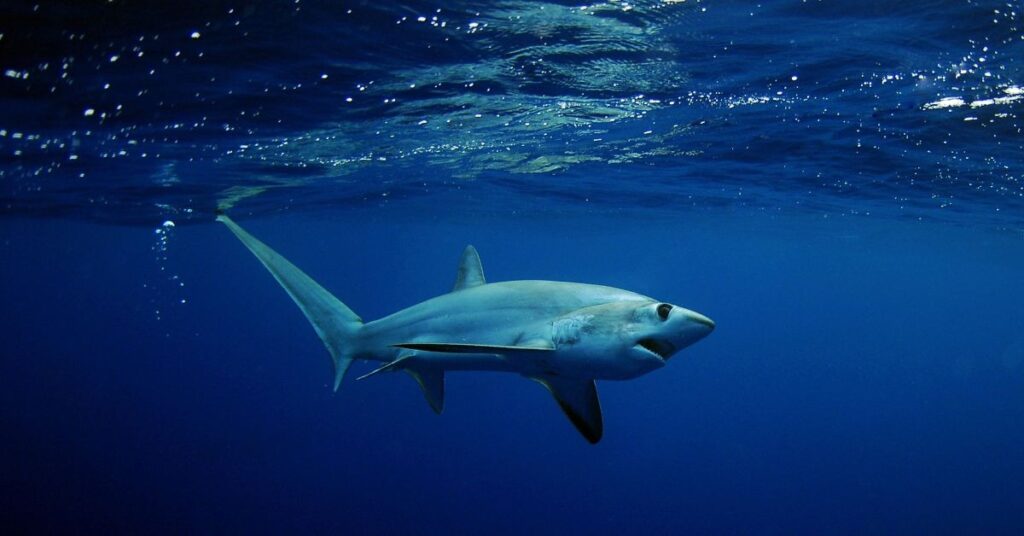
Thresher sharks have long tails. They use them to stun fish. This hunting style works best in deeper water. Thresher sharks often swim between 200 and 500 meters.
Some tagged threshers have reached depths beyond 800 meters. These dives usually happen during the day. At night, threshers move closer to the surface.
The answer to how deep do sharks swim becomes clearer with threshers. Their depth pattern follows prey movement. Fish rise at night and sink during the day.
This daily movement is called vertical migration. Sharks that follow it gain more food with less effort.
How Sharks Survive Extreme Depths
Deep ocean water has high pressure. Light disappears. Food becomes rare. Sharks handle this with special traits.
Their bodies lack air filled spaces. This prevents pressure damage. Their livers store oil, which helps with buoyancy.
Sharks also move slowly during deep dives. This saves energy. Some species reduce heart rate at depth.
When exploring how deep do sharks swim, these traits explain survival. Sharks evolved over millions of years. Deep diving became part of their success.
Practical Takeaways for Ocean Lovers
People who dive or fish should respect shark habitats. Avoid disturbing deep water zones.
Supporting marine research helps gather depth data. This data saves shark populations.
Sharing facts about how deep do sharks swim spreads awareness. Knowledge reduces fear and supports coexistence.
The Deepest Living Sharks in Our Oceans
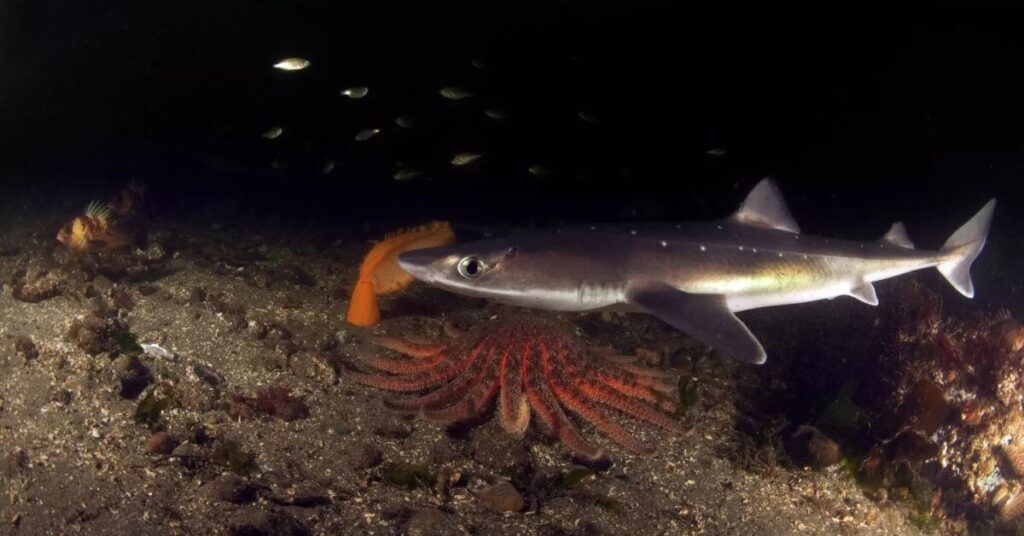
Not all sharks live near the surface. Some species spend their entire lives in the deep ocean. The Portuguese dogfish holds the title as the deepest-living shark species ever recorded. These small sharks have been found at depths of 3,675 meters, or over 12,000 feet below the surface.
Portuguese dogfish typically live between 400 and 2,000 meters deep. They prefer the lower continental slopes and abyssal plains. At these depths, the water is permanently dark and extremely cold. The pressure is crushing, equivalent to having several elephants standing on a postage stamp.
These deep-sea sharks have special adaptations for their extreme lifestyle. Their eyes are large and equipped with reflective layers that help them detect bioluminescence from prey. They hunt mainly cephalopods like squid and octopus, along with deep-water fish.
Other deep-diving shark species include the bluntnose sixgill shark, found at depths up to 2,000 meters. The frilled shark, with its prehistoric appearance, lives between 600 and 1,500 meters deep. The cookiecutter shark, despite its small size, has been found at depths exceeding 3,000 meters.
Scientists believe sharks rarely venture below 10,000 feet because they face competition from bony fish species at those extreme depths. Most sharks lack the biological adaptations that deep-sea bony fish possess. Their cartilage skeletons and unique buoyancy systems work better at somewhat shallower depths.
Why Do Sharks Dive So Deep?
Understanding how deep sharks swim also means understanding why they make these journeys. Food is the primary driver for most deep dives. The mesopelagic zone hosts the largest migration on Earth. Every day, billions of small fish, squid, and plankton move up and down through the water column. Sharks follow this food source.
Temperature regulation motivates some deep dives. Large sharks generate heat through muscle activity. When they get too warm in surface waters, diving deep helps them cool down. This behavioral thermoregulation allows them to maintain optimal body temperatures without internal temperature control systems.
Predator avoidance may also explain some diving behavior. Even sharks have predators. Killer whales hunt large sharks, including great whites. By diving deep, sharks can escape these air-breathing hunters that cannot follow them into the depths.
Navigation is another possible reason for deep diving. Sharks may be able to detect magnetic fields better when closer to the Earth’s core. Deep dives could help them orient themselves during long-distance migrations across featureless ocean expanses.
Reproduction might also play a role in diving patterns. Some sharks may use deep water as meeting places for mating. The deep sea could provide refuge for pregnant females or nursery areas for young sharks. Scientists continue studying these possibilities to understand shark behavior better.
Ocean Zones and Shark Distribution
The ocean is divided into distinct depth zones, and different sharks inhabit each one. The epipelagic zone, from the surface to 200 meters, receives sunlight and supports most marine life. Most shark species spend considerable time here, where food is plentiful and temperatures are comfortable.
The mesopelagic or twilight zone extends from 200 to 1,000 meters. Sunlight barely reaches here, creating a dim, twilight environment. Many sharks make regular forays into this zone to hunt. The pressure increases significantly, and temperatures drop rapidly with depth.
The bathypelagic or midnight zone starts at 1,000 meters and extends to 4,000 meters. This zone is completely dark except for bioluminescence from deep-sea creatures. Only a few shark species venture this deep, and usually only during brief hunting dives.
The abyssal zone, below 4,000 meters, is home to the deepest-living sharks like the Portuguese dogfish. These sharks have adapted completely to life in crushing pressure, total darkness, and near-freezing temperatures. Food is scarce, so these sharks grow slowly and live long lives.
Conservation and Research on Shark Diving Depths
Learning how deep sharks swim is crucial for conservation. Most sharks spend over 95% of their time in the top 250 meters of water. This is exactly where fishing activities are most intense. Understanding depth preferences helps scientists identify which sharks are most at risk from fishing gear.
Climate change affects how deep sharks can swim. Ocean oxygen levels are decreasing in many areas. Some depths that sharks once used regularly may become inhospitable. Rising temperatures force some sharks to dive deeper or change their migration patterns to find suitable conditions.
Satellite tagging technology continues improving. Modern tags can track sharks for years, recording detailed information about depth, temperature, and location. This data helps researchers map critical habitats and understand seasonal movements. Better information leads to better protection strategies.
Marine protected areas need to extend to appropriate depths. If protections only cover shallow waters but sharks regularly dive deep, they remain vulnerable. Comprehensive conservation requires understanding the full vertical range that each species uses throughout the year.
International cooperation is essential for shark conservation. Many species migrate across national boundaries. They dive to different depths in different regions. Global tracking studies involving hundreds of researchers are revealing patterns that single-nation studies could never discover.
FAQs
How deep do sharks swim on average?
Most sharks swim between the surface and 200 meters. Some species go much deeper based on food and environment.
What shark swims the deepest?
The Greenland shark likely swims the deepest. Some estimates suggest depths beyond 2000 meters.
Do sharks sleep in deep water?
Some sharks rest while swimming slowly. Deep water offers calm conditions for rest.
Why do sharks dive at night?
Some prey rise closer to the surface at night. Sharks follow this movement to hunt.
Are deep diving sharks dangerous to humans?
Deep diving sharks rarely interact with humans. Most stay far from beaches and people.
