
Introduction
The Galapagos Islands feel like a different planet. Animals here look strange. They act in unusual ways. Many species live nowhere else on Earth. This is why people often talk about bizarre Galapagos wildlife with surprise and wonder.
These islands sit far from the mainland. Animals evolved without fear of humans. Nature shaped them in special ways. Birds changed their beaks. Reptiles learned to swim. Mammals adapted to harsh land and sea.
Bizarre Galapagos wildlife is not just about odd looks. It tells a story of survival. Every animal shows how life adapts when conditions are tough. Heat is strong. Food is limited. Water is rare.
This guide explores the most bizarre Galapagos wildlife. You will learn why these animals look strange. You will also understand how they survive. Most importantly you will see why protecting them matters so much.
Galapagos Marine Iguana: The Only Sea Swimming Lizard
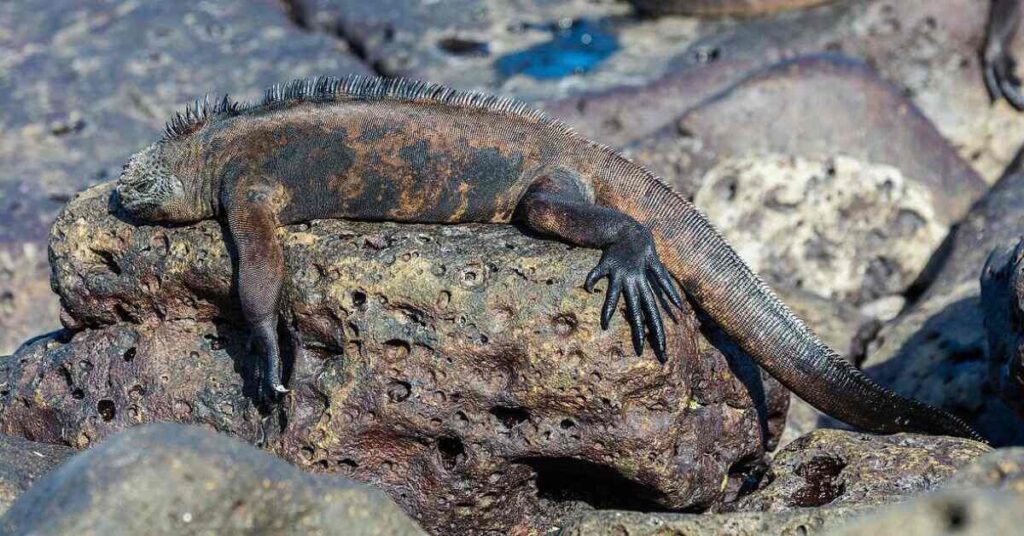
The marine iguana is one of the most bizarre Galapagos wildlife species. It is the only lizard in the world that lives and feeds in the ocean. This alone makes it special.
Marine iguanas dive into cold seawater. They swim using strong tails. They eat algae from rocks under the waves. After swimming they rest on black lava rocks to warm their bodies.
Their dark color helps absorb heat fast. Their flat tails work like paddles. Sharp claws help them grip rocks. These features did not appear by chance. Nature shaped them over thousands of years.
Salt is another challenge. Marine iguanas swallow salt water while feeding. To survive they sneeze out salt through their noses. You can often see white salt on their faces.
This bizarre Galapagos wildlife species shows how reptiles can break all rules. It proves that evolution has no limits when survival is at stake.
Galapagos Giant Tortoise: Living Symbols of Time
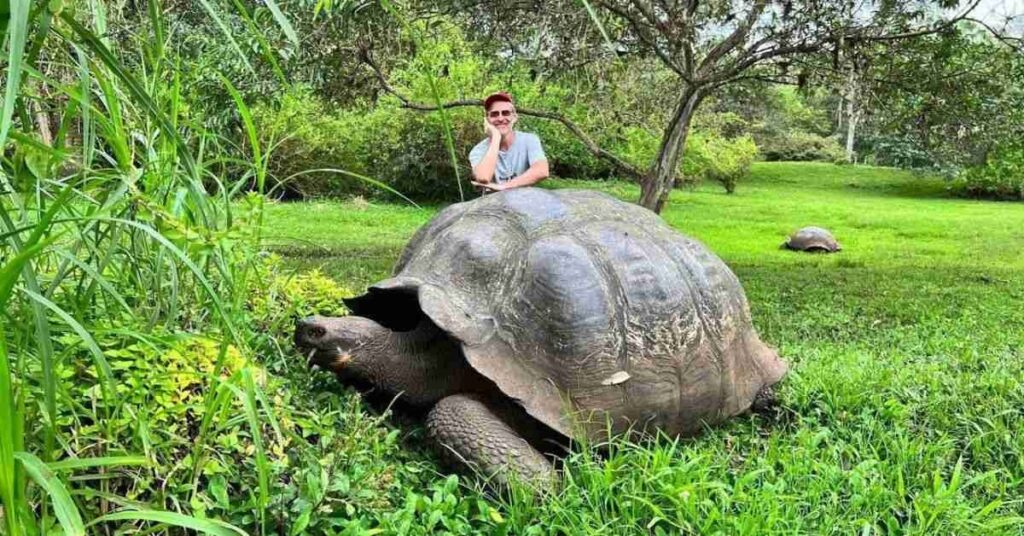
The Galapagos giant tortoise is famous for its size. It is also one of the longest living animals on Earth. Some live over one hundred years. This makes them living history.
These tortoises move slowly. They eat grass leaves and cactus. Their calm behavior feels peaceful. Yet their bodies tell a story of extreme adaptation.
Different islands have different shell shapes. Some shells are dome shaped. Others rise high in the front. These shapes help tortoises reach food in their environment.
Their slow metabolism helps them survive long dry seasons. They can live months without food or water. This ability saved them in harsh island conditions.
As bizarre Galapagos wildlife icons they remind us of patience and endurance. They also show how isolation creates unique life forms.
Blue Footed Booby: A Bird With Bright Blue Feet
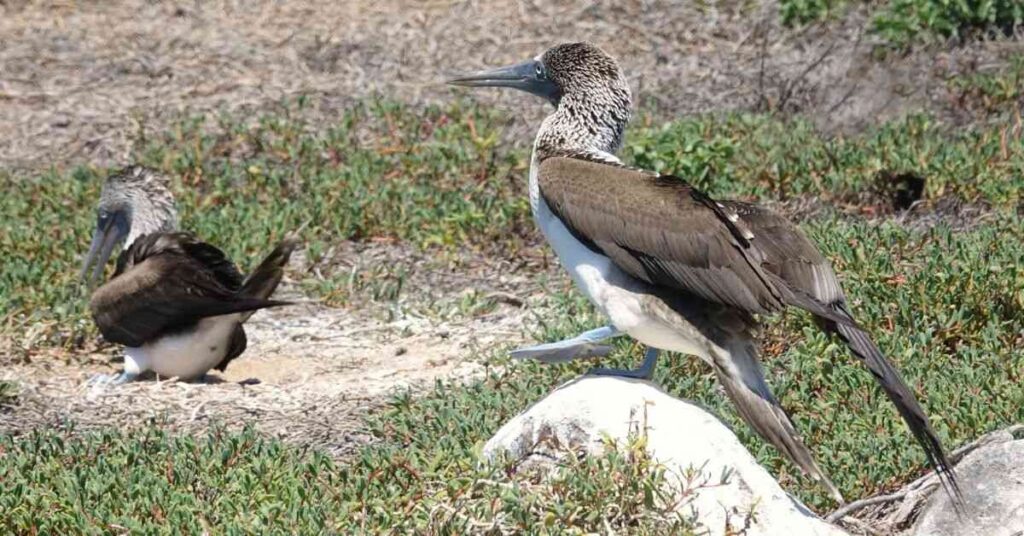
Few animals surprise visitors like the blue footed booby. Its bright blue feet look almost unreal. This makes it one of the most bizarre Galapagos wildlife species.
The blue color comes from diet. Fish rich in nutrients keep the feet bright. Brighter feet attract mates. Dull feet signal poor health.
During courtship males lift their feet in a slow dance. They show off their color proudly. Females choose the bluest feet.
Blue footed boobies are also skilled hunters. They dive straight into the ocean at high speed. Their bodies handle impact with ease.
This bird shows how strange beauty can serve a purpose. In the world of bizarre Galapagos wildlife even bright feet matter.
Galapagos Flightless Cormorant: A Bird That Forgot How to Fly
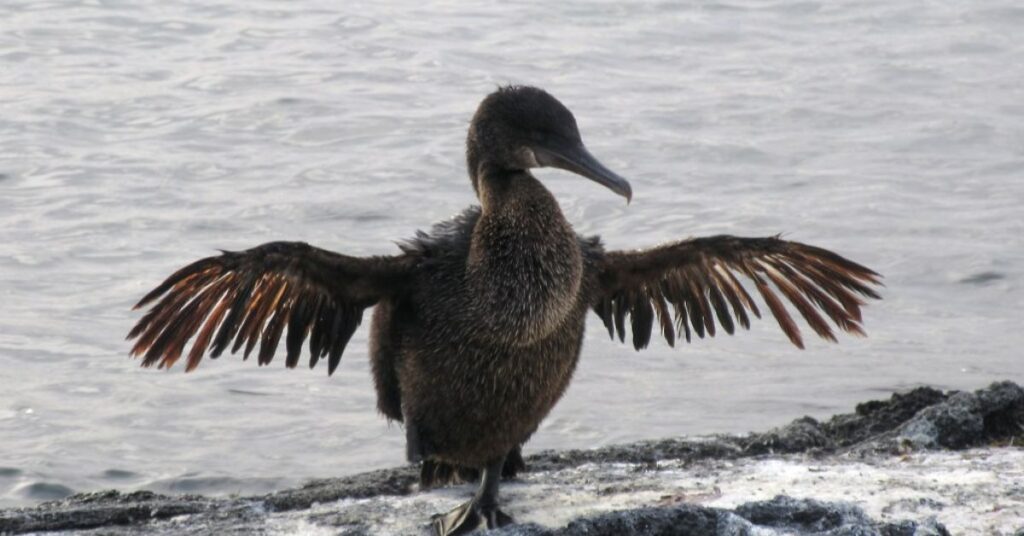
The flightless cormorant looks like a bird that missed evolution class. Its wings are tiny. Flying is impossible. This makes it truly bizarre Galapagos wildlife.
These birds evolved without predators. Flying was no longer needed. Strong legs and webbed feet became more useful.
They swim with power. They chase fish underwater. Their bones are heavier than flying birds. This helps them dive deeper.
Without flight they stay close to shore. This limits their range. It also makes them vulnerable to human activity.
The flightless cormorant proves that losing an ability can sometimes help survival. In isolated islands strange changes make sense.
Read about it more: https://www.wildlifenomads.com/blog/animals-of-the-galapagos-islands/
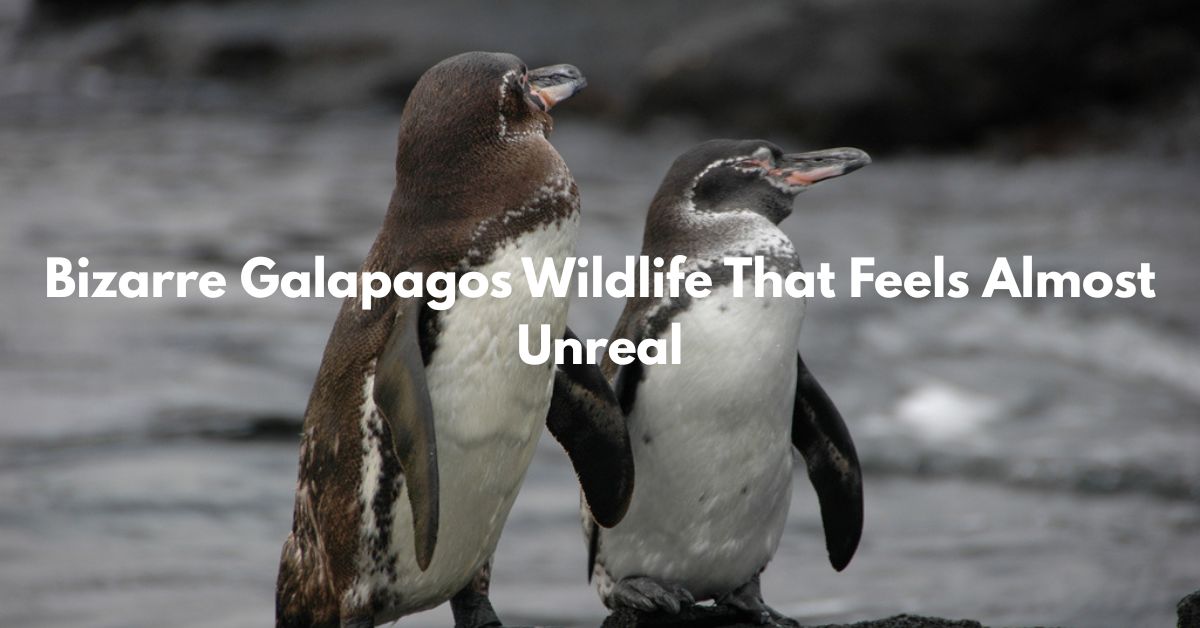
Galapagos Penguin: A Penguin Living Near the Equator
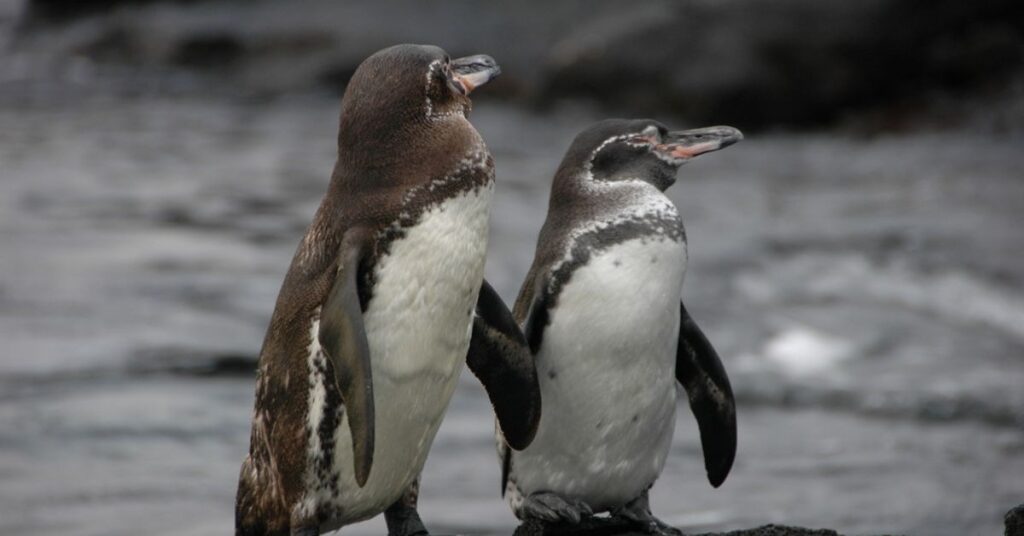
Penguins usually live in cold places. The Galapagos penguin breaks this rule. It lives near the equator. This makes it one of the most bizarre Galapagos wildlife species.
Cold ocean currents keep waters cool. Penguins rely on these currents for survival. They hunt fish close to shore.
They rest in shaded lava crevices. These behaviors help them avoid overheating.
Galapagos penguins are small. This reduces heat retention. Their size fits their warm environment.
This species shows how animals adjust even when conditions seem impossible. Bizarre Galapagos wildlife often challenges expectations.
Darwin Finches: Nature’s Living Laboratory
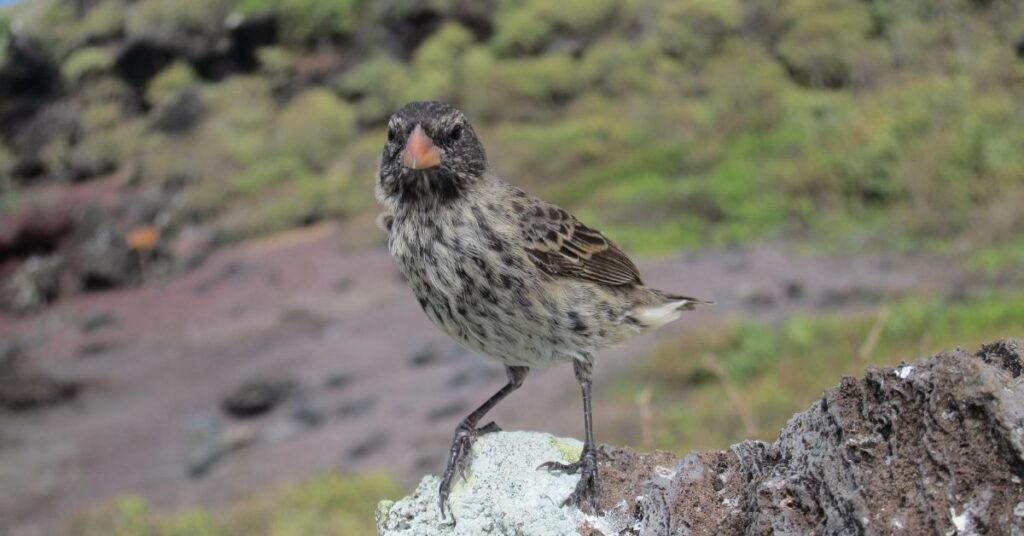
Darwin finches may look simple at first. Their importance makes them bizarre Galapagos wildlife legends. Each species has a different beak shape.
Beaks evolved based on food sources. Some crack seeds. Others catch insects. A few even drink blood from other birds.
These small changes helped scientists understand evolution. Charles Darwin used them to explain natural selection.
Finches adapt fast. Droughts change food supply. Beak sizes shift in just a few generations.
They prove evolution is ongoing. In the Galapagos nature experiments continue every day.
Galapagos Sea Lion: Friendly Faces With Wild Roots
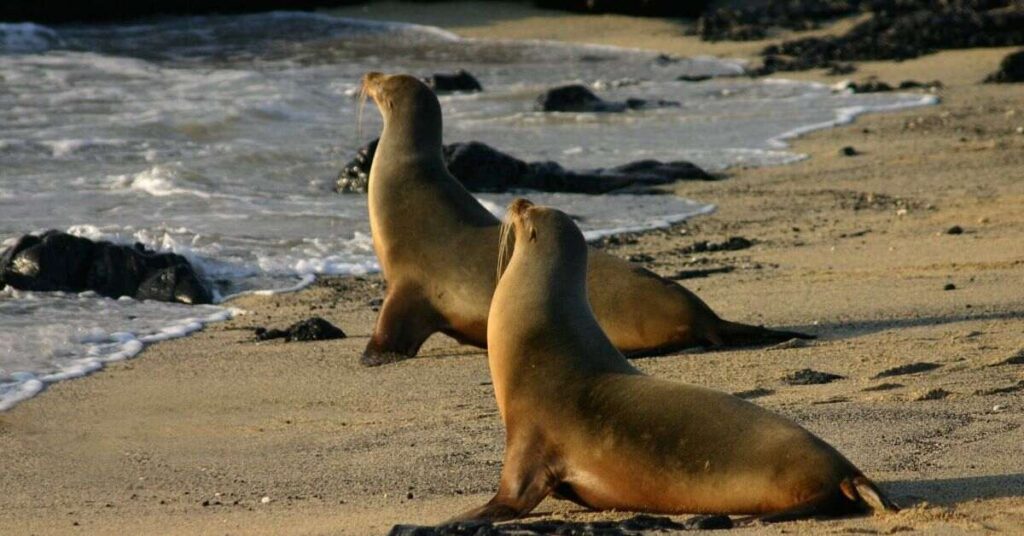
Galapagos sea lions often approach humans. They rest on beaches benches and boats. This fearless behavior feels unusual.
They evolved without land predators. Humans did not exist here for most of their history. Fear was unnecessary.
Sea lions are skilled hunters. They hunt fish squid and octopus. On land they appear playful and calm.
Despite their charm they are wild animals. Respecting distance is important for their safety.
As part of bizarre Galapagos wildlife they remind us how human presence changes animal behavior.
Galapagos Hawk: The Island’s Top Hunter
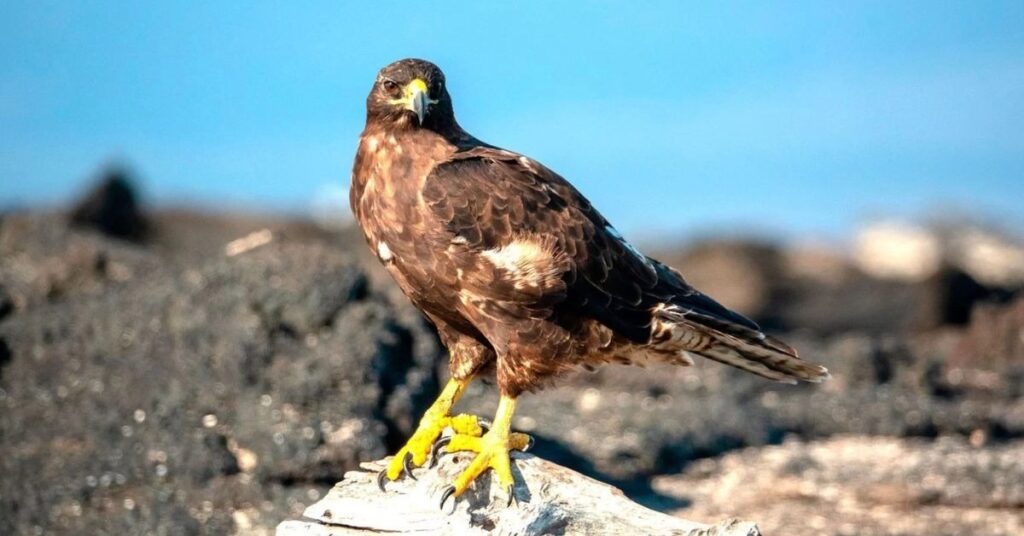
The Galapagos hawk rules the skies. It has no natural predators. This makes it bold and curious.
These hawks hunt small animals and scavenge when needed. They work together in groups. This behavior is rare among hawks.
They approach humans closely. Fear is low due to isolation.
Their population remains limited to the islands. Habitat protection is vital.
This predator shows how dominance shapes behavior in bizarre Galapagos wildlife.
Why Bizarre Galapagos Wildlife Needs Protection
Bizarre Galapagos wildlife exists because of isolation. This also makes it fragile. Small changes cause big damage.
Invasive species threaten native animals. Climate change affects food and water supply. Human activity increases pressure.
Conservation programs protect habitats. Strict visitor rules reduce impact. Education raises awareness.
Protecting bizarre Galapagos wildlife protects science history and natural wonder.
Conclusion
Bizarre Galapagos wildlife shows how creative nature can be. These animals did not follow normal rules. They followed survival.
Each species tells a story of change. Each adaptation has meaning. Together they form one of the most unique ecosystems on Earth.
Protecting them is not optional. It is a responsibility. When we protect bizarre Galapagos wildlife we protect nature’s imagination.
FAQs
What makes Galapagos wildlife bizarre?
Isolation caused animals to evolve in unusual ways. Many traits exist nowhere else.
Can you see bizarre Galapagos wildlife easily?
Yes many animals live close to humans and show little fear.
Why are Galapagos animals not afraid of people?
They evolved without human predators for thousands of years.
Is bizarre Galapagos wildlife endangered?
Some species face threats from climate change and invasive species.
How can visitors help protect Galapagos wildlife?
By following rules respecting animals and supporting conservation efforts.
