

Introduction
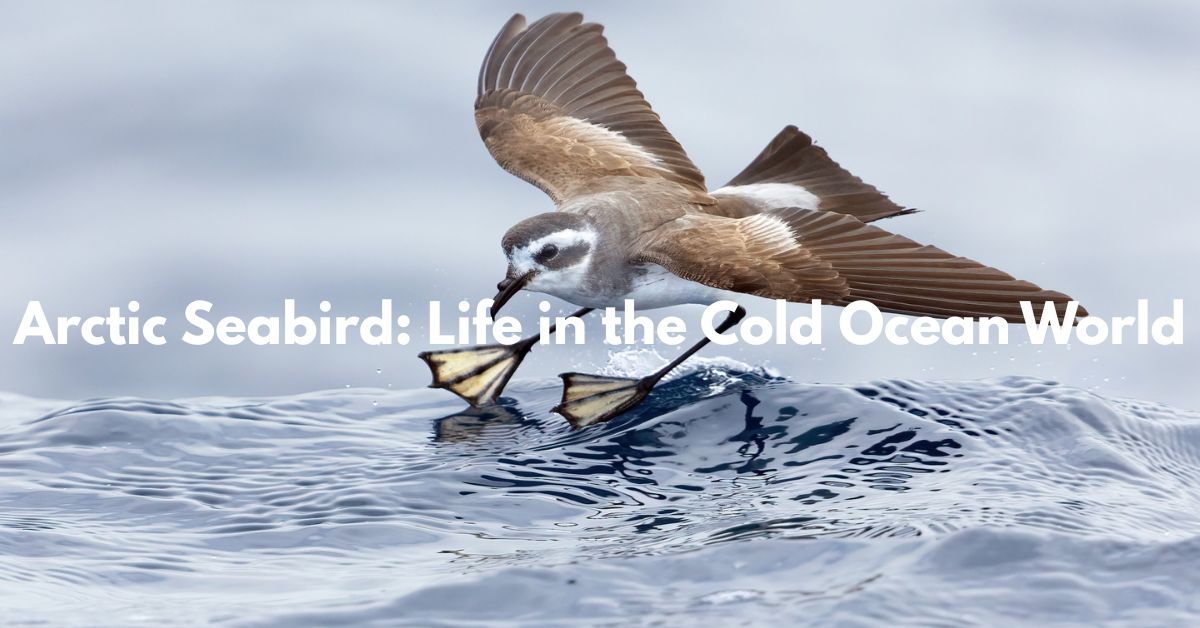
The arctic seabird lives in one of the coldest places on Earth. Ice, wind, and long dark winters shape its life. Yet, these birds survive and even thrive in this harsh land.
An arctic seabird spends most of its time near the ocean. It depends on the sea for food and survival. These birds are strong, fast, and well adapted to freezing weather.
Many people find the arctic seabird fascinating. It travels long distances and returns to the same place every year. This makes it one of the most amazing birds in the world.
In this guide, you will learn about different types of arctic seabird, their habitat, and how they live in such extreme conditions.
What Is an Arctic Seabird
An arctic seabird is a bird that lives near the Arctic Ocean. It spends most of its life over water. It hunts fish, small sea animals, and plankton.
An arctic seabird also nests on land. During summer, it lays eggs on cliffs, rocks, or islands. These places are safe from many predators.
Most arctic seabird species migrate. They travel to warmer places when winter becomes too harsh. Some birds travel thousands of kilometers each year.
The life of an arctic seabird depends on both land and sea. This makes it unique among birds.
Types of Arctic Seabird You Should Know
There are many types of arctic seabird species. Each one has its own habits and features. Some are strong swimmers. Others are great flyers.
The Arctic tern is one of the most famous birds. It travels the longest distance of any bird in the world. It moves between the Arctic and Antarctic every year.
The puffin is another popular arctic seabird. It has a colorful beak and a small body. It dives into the water to catch fish.
The guillemot is known for its strong swimming ability. It can dive deep into the ocean to find food.
The kittiwake is a type of gull. It lives on cliffs and feeds on fish near the surface.
Below is a simple table showing some common arctic seabird species:
| Species | Key Feature | Habitat |
| Arctic Tern | Long migration | Coastal areas |
| Puffin | Colorful beak | Cliffs and islands |
| Guillemot | Deep diver | Rocky coasts |
| Kittiwake | Cliff nesting | Sea cliffs |
Each arctic seabird plays an important role in the ecosystem.
10 Remarkable Seabirds you must know
1. Wandering Albatross
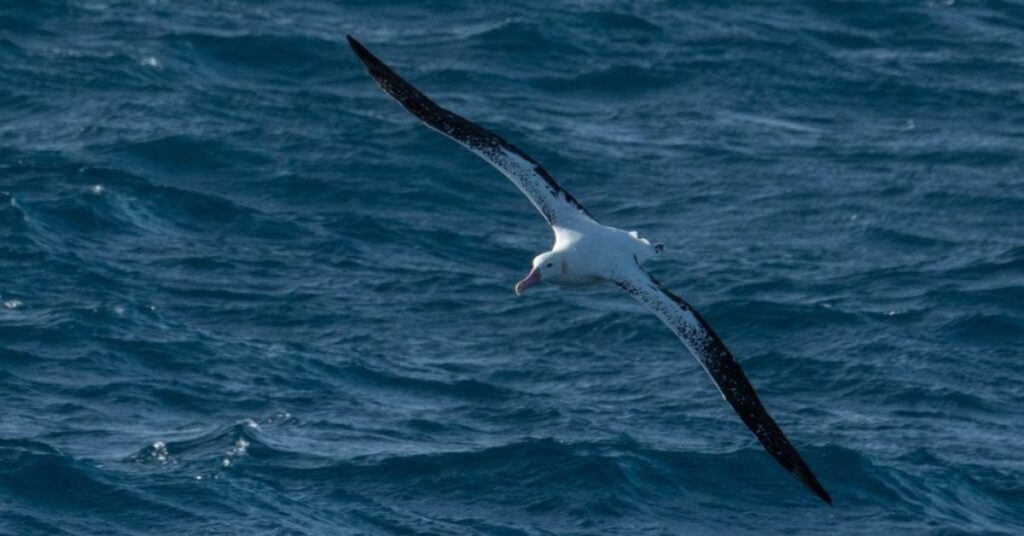
Wandering albatrosses are among the largest flying birds in the world. It has very long wings that can stretch over three meters. This bird is known for its smooth and effortless flight. Gliding over the ocean without flapping its wings can take hours. Wandering albatrosses spend most of their lives at sea. It only comes to land for breeding. It usually nests on remote islands where there is less danger.
This bird feeds on fish, squid, and small sea animals. It often follows ships to find food. The wandering albatross has a strong sense of smell, which helps it locate prey in the open ocean. It can travel thousands of kilometers in search of food. Sadly, this bird faces threats like pollution and fishing lines. Many efforts are now in place to protect its population and habitat.
2. Antarctic Petrel
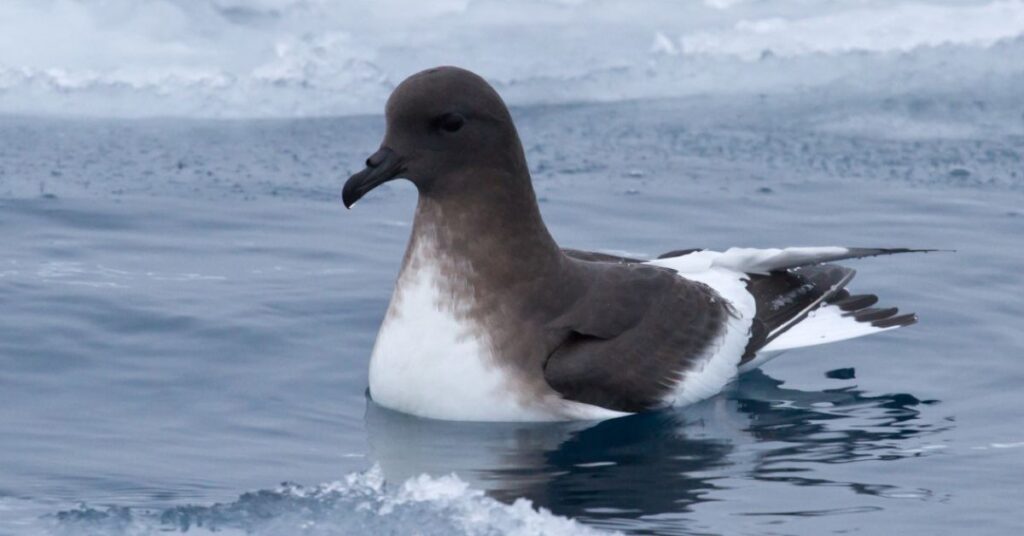
The Antarctic petrel is a strong and active seabird. It lives in cold regions near ice and snow. This bird has a dark brown body with white patches on its wings. It is well adapted to harsh weather. The Antarctic petrel spends most of its time flying over the ocean. It often stays close to sea ice where food is easy to find. It nests in large groups on rocky land during the breeding season.
This bird feeds on fish, krill, and small sea animals. It is a skilled hunter and can catch food near the water surface. The Antarctic petrel is also known for its fast and steady flight. Like many seabirds, it faces threats from climate change and changes in sea ice. Protecting its habitat is important for its survival.
3. Southern Giant Petrel
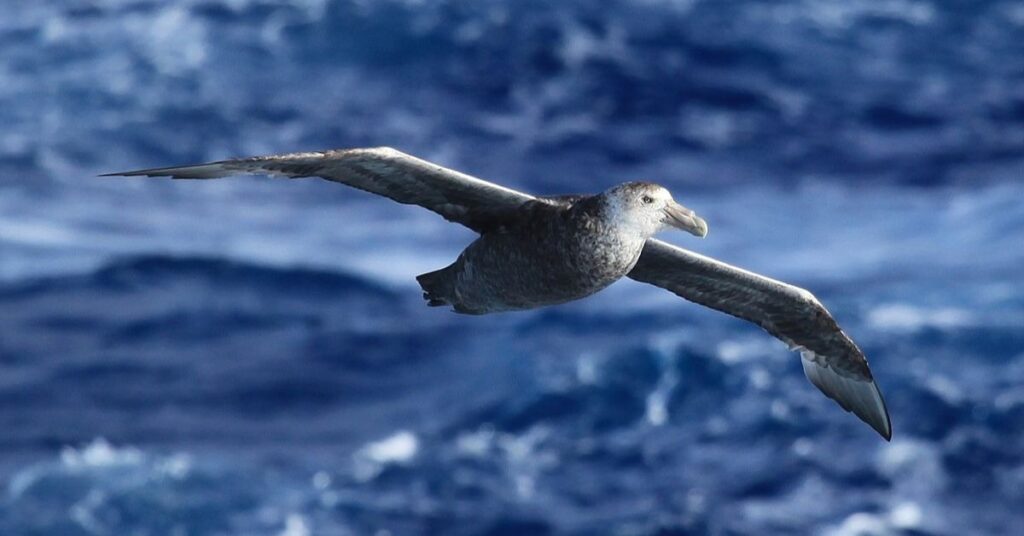
The southern giant petrel is a large and powerful seabird. It looks similar to an albatross but has a stronger build. This bird has a thick neck and a hooked beak. It often flies low over the ocean. The southern giant petrel lives in cold southern regions near Antarctica. It can also be seen near coastal areas and islands.
It eats fish, squid, and dead animals. The southern giant petrel plays an important role in cleaning the environment. It has a strong sense of smell to find food from far away. However, it faces threats from pollution and human activity. Protecting this bird helps maintain balance in the ocean ecosystem.
4. Brown Skua
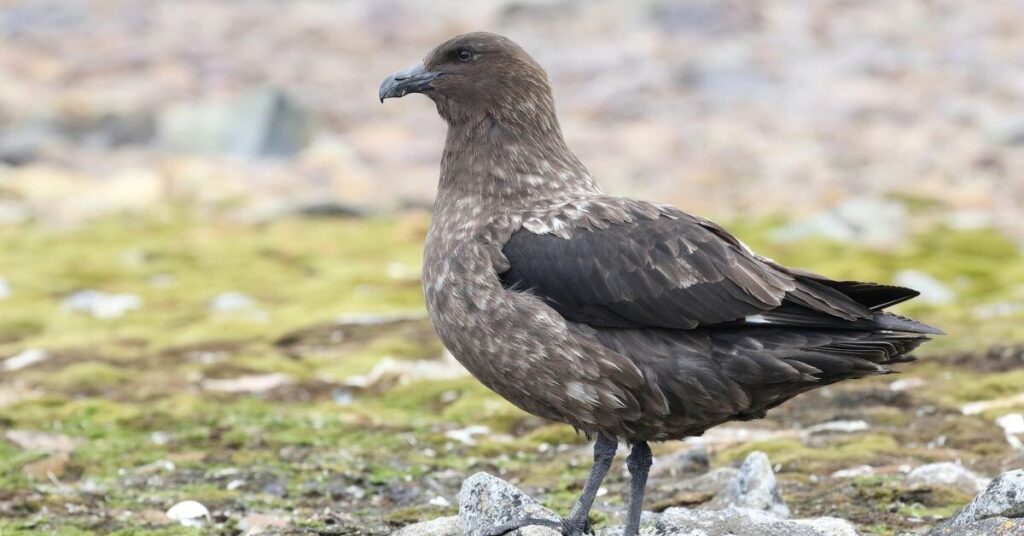
The brown skua is a strong and aggressive seabird. It lives in cold coastal areas and islands. This bird has dark brown feathers and a powerful body. The brown skua often flies low and fast over the land and sea. During the breeding season, it protects its nest very fiercely.
The brown skua is both a hunter and a thief. It eats fish, small birds, and eggs. This behavior makes it very unique. The brown skua plays an important role in the food chain. It helps control the population of other animals. However, it also faces threats from climate change and human disturbance. Protecting its habitat is important for its survival.
5. Snow Petrel
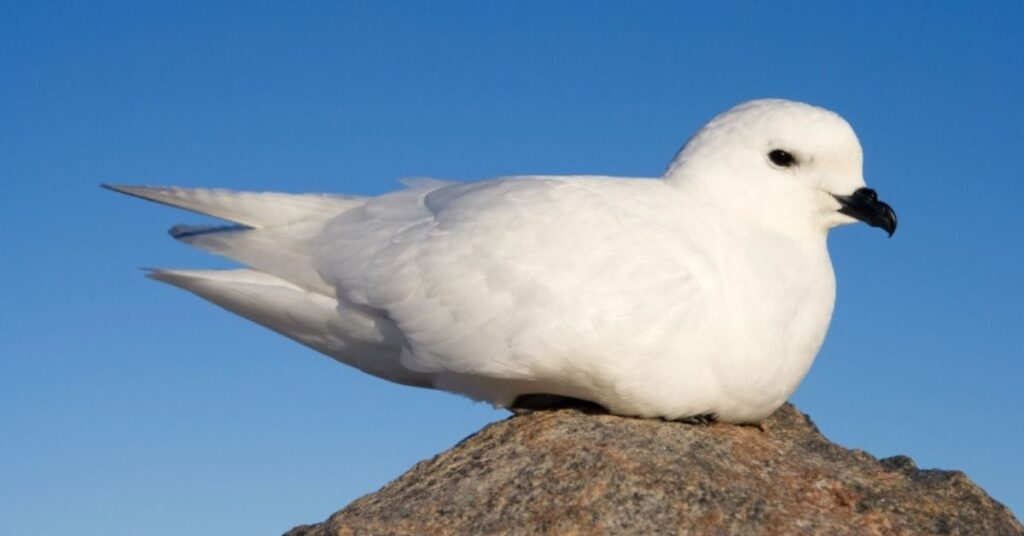
The snow petrel is a beautiful white seabird that lives in very cold regions. It is one of the few birds that stay close to Antarctica all year. Its pure white feathers help it blend with snow and ice. This bird has black eyes and a small strong beak. The snow petrel often flies low over icy waters.
The snow petrel feeds on fish, krill, and small sea animals. It usually hunts near sea ice where food is easy to find. This bird is a good flyer and can travel long distances. It is also very calm compared to other seabirds. However, it still faces threats from climate change and melting ice. Protecting its icy habitat is very important for its survival.
Read about it more: https://www.wildlifenomads.com/blog/antarctic-seabirds/
6. Cape Petrel
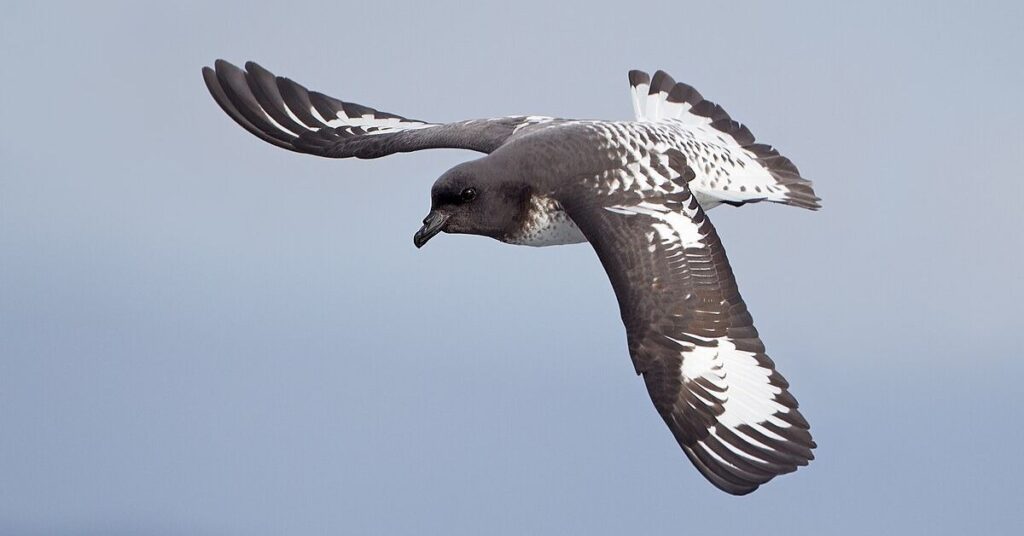
The Cape petrel is a small and striking seabird. It has a black-and-white patterned body that looks like a checkerboard. This bird lives in cold southern oceans near Antarctica. It spends most of its time flying over open water. The Cape petrel nests on rocky cliffs and islands. During breeding, it lays eggs in shallow nests made of stones and moss.
The Cape petrel feeds on fish, squid, and krill. It often picks food from the surface of the ocean. This bird is a fast and skilled flyer. It can travel long distances to find food. The Cape petrel also faces threats from climate change and human activities. Protecting its feeding and nesting areas is important for the bird’s survival.
7. South Polar Skua
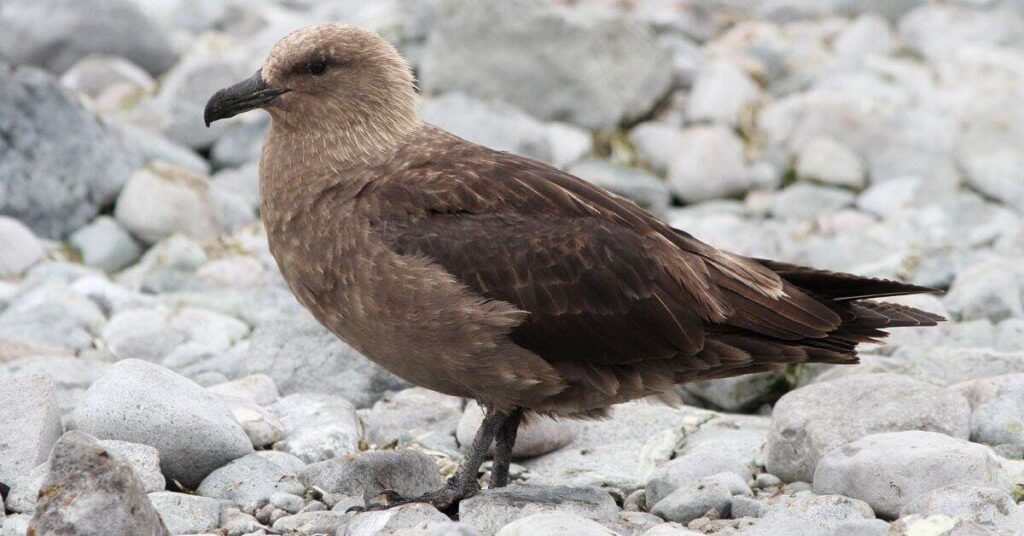
The South Polar skua is a strong and aggressive seabird. It lives in the cold regions of Antarctica. This bird has brown feathers and a sharp, hooked beak. It often flies low over the ocean and land. The South Polar skua nests on open ground near rocks. During breeding season, it fiercely protects its eggs and chicks.
It eats fish, other birds’ eggs, and small animals. The South Polar skua is known for stealing food from other birds. It has a strong and fast flight that helps it catch prey. Climate change and human activity are threats to this bird. Protecting its habitat helps keep the Antarctic ecosystem balanced.
8. Arctic Tern
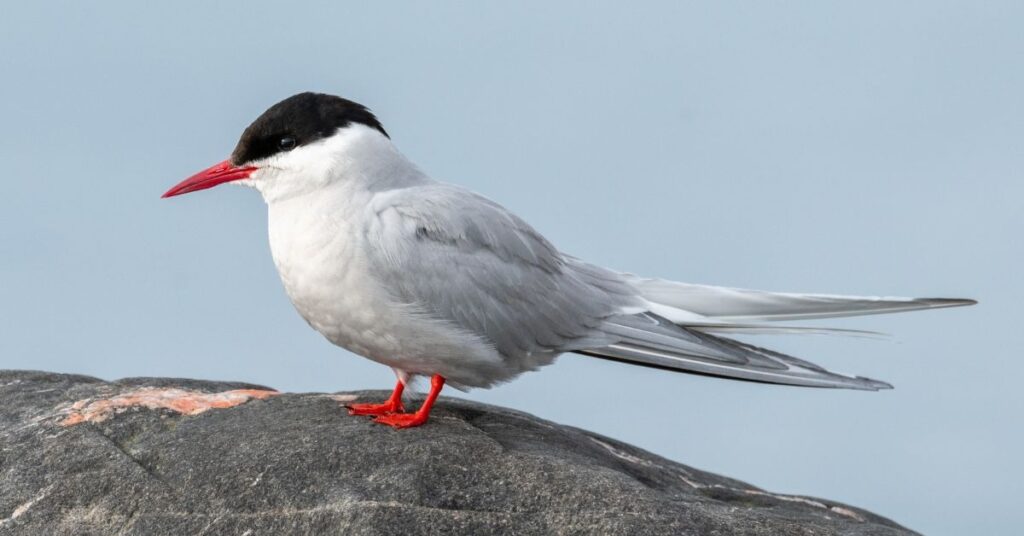
The Arctic tern is a small but amazing seabird. It has a white body, black cap on its head, and a red beak. This bird is famous for the longest migration of any animal in the world. It flies from the Arctic to the Antarctic and back every year. The Arctic tern spends most of its life at sea. It only comes to land to breed on cliffs and islands.
The Arctic tern feeds on fish and small sea animals. It catches food by diving into the water. This bird is very strong and can travel thousands of kilometers each year. Its long migration helps it avoid cold winters and find food. The Arctic tern faces threats from climate change and loss of nesting areas. Protecting its habitat ensures this incredible bird continues to survive.
9. Storm Petrel
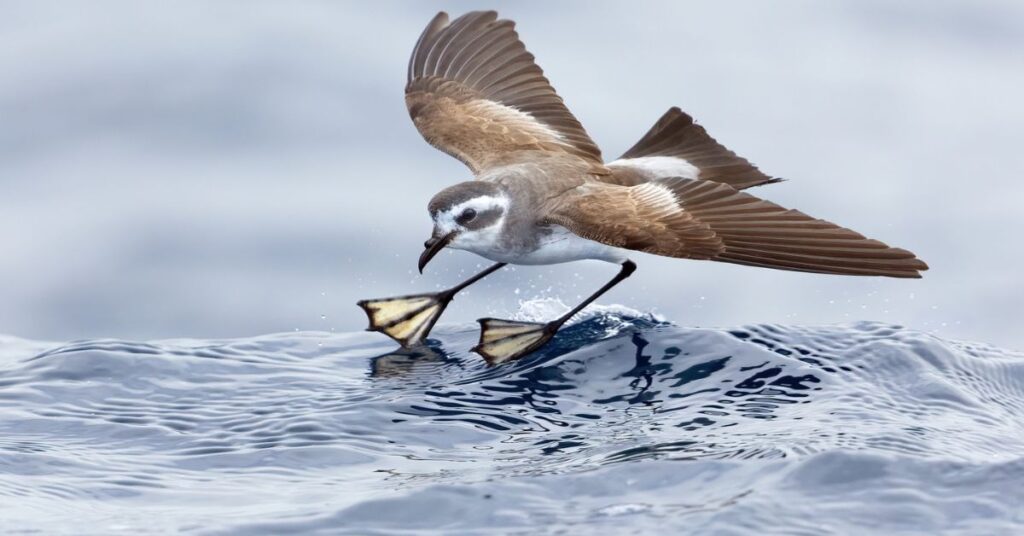
The storm petrel is a small and delicate seabird. It has dark brown or black feathers with a lighter belly. This bird spends most of its life flying over the ocean. It rarely comes to land except for nesting. The storm petrel often glides close to the water surface. It nests in rock crevices or burrows on islands to stay safe from predators.
The storm petrel feeds on small fish, plankton, and tiny sea animals. It picks food from the ocean surface while flying. This bird is known for its strong sense of smell, which helps it locate food. It can travel long distances over open water. Climate change and pollution are threats to the storm petrel. Protecting its ocean habitat is important for its survival.
10. Diving Petrel
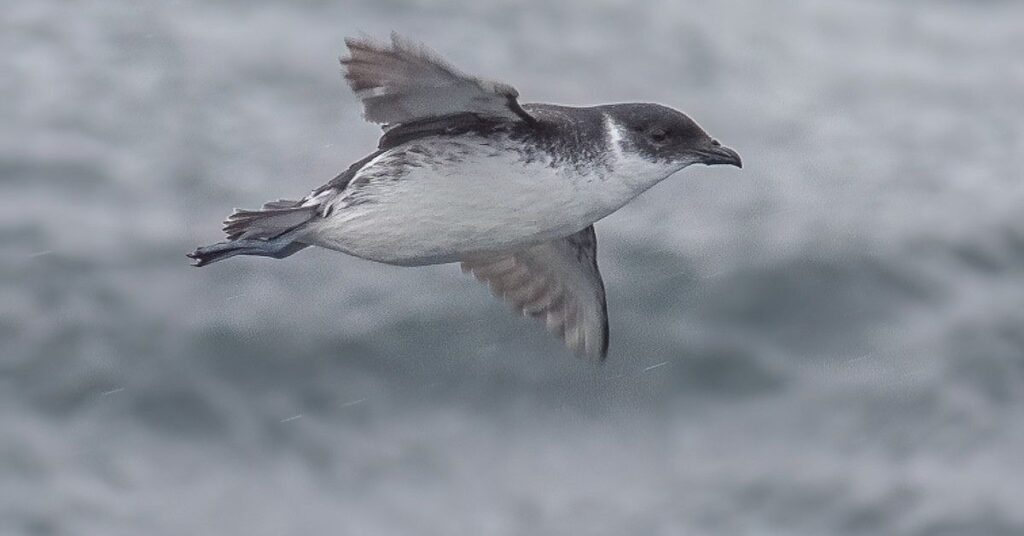
The diving petrel is a small and fast seabird. It has dark feathers on its back and white on its belly. This bird is an excellent swimmer. It uses its wings to dive and catch food underwater. The diving petrel lives near southern oceans and islands. It nests in burrows or crevices on rocky land to stay safe from predators.
The diving petrel feeds on fish, squid, and tiny sea animals. It dives deep and swims quickly to catch prey. This bird is very agile in water but also flies well over the ocean. It often travels far from its nest to find food. Protecting its nesting and feeding areas is important for keeping the species safe.
Habitat of Arctic Seabird in the Wild
The arctic seabird lives in cold and icy regions. It prefers coastal areas, islands, and cliffs. These places offer safety and easy access to food.
The Arctic Ocean is the main feeding ground. Fish and small sea animals are easy to find here.
During summer, ice melts and food becomes more available. This is the best time for breeding. Birds build nests and raise their young.
In winter, conditions become very hard. Food becomes scarce. Many arctic seabird species migrate to warmer areas.
The habitat of an arctic seabird is always changing. Ice levels, weather, and food supply all affect where it lives.
How Arctic Seabird Survives Extreme Cold
Life in the Arctic is not easy. The arctic seabird has many adaptations that help it survive.
Its feathers are thick and waterproof. Even in icy water, the bird stays protected.
An arctic seabird also has a layer of fat. This gives energy and insulation. It helps the bird survive long flights and cold nights.
Its body is designed to save heat. Blood flow reduces in cold areas like feet. This keeps the core warm.
These birds also change behavior with seasons. They move to better areas when needed. This smart movement helps them survive.
Without these features, an arctic seabird would not last in such a harsh place.
Diet and Hunting Behavior of Arctic Seabird
The arctic seabird depends on the ocean for food. It eats fish, krill, and small marine animals.
Some birds dive into the water to catch prey. Others pick food from the surface. Each arctic seabird has its own hunting style.
The Arctic tern dives quickly from the air. The puffin uses its wings to swim underwater. The guillemot dives deep to find fish.
Food is very important during breeding season. Parents must feed their chicks often. They travel many times a day to find food.
The hunting skill of an arctic seabird is key to its survival.
Conservation and Threats to Arctic Seabird
The arctic seabird faces many threats today. Melting ice affects food supply. It also changes nesting areas. This makes survival harder.
Pollution is another issue. Oil spills and plastic harm marine life. This affects the food chain.
Human activity also disturbs nesting sites. This can reduce bird populations.
Many groups now work to protect these birds. They study their behavior and protect habitats.
Saving the arctic seabird is important for the health of the ocean ecosystem.
Conclusion
The arctic seabird is a true survivor of nature. It lives in one of the toughest environments on Earth.
Its ability to adapt, migrate, and hunt makes it unique. These birds play a key role in marine ecosystems.
Learning about the arctic seabird helps us understand nature better. It also reminds us to protect wildlife.
With proper care and awareness, we can help these birds survive for future generations.
FAQs
What is an arctic seabird?
An arctic seabird is a bird that lives near the Arctic Ocean and depends on the sea for food and survival.
Why do arctic seabirds migrate?
They migrate to find food and escape harsh winter conditions.
What do arctic seabirds eat?
They eat fish, krill, and small marine animals.
Where do arctic seabirds live?
They live in coastal areas, cliffs, and islands in the Arctic region.
Why are arctic seabirds important?
They help maintain balance in the marine ecosystem and indicate ocean health.
