
Introduction
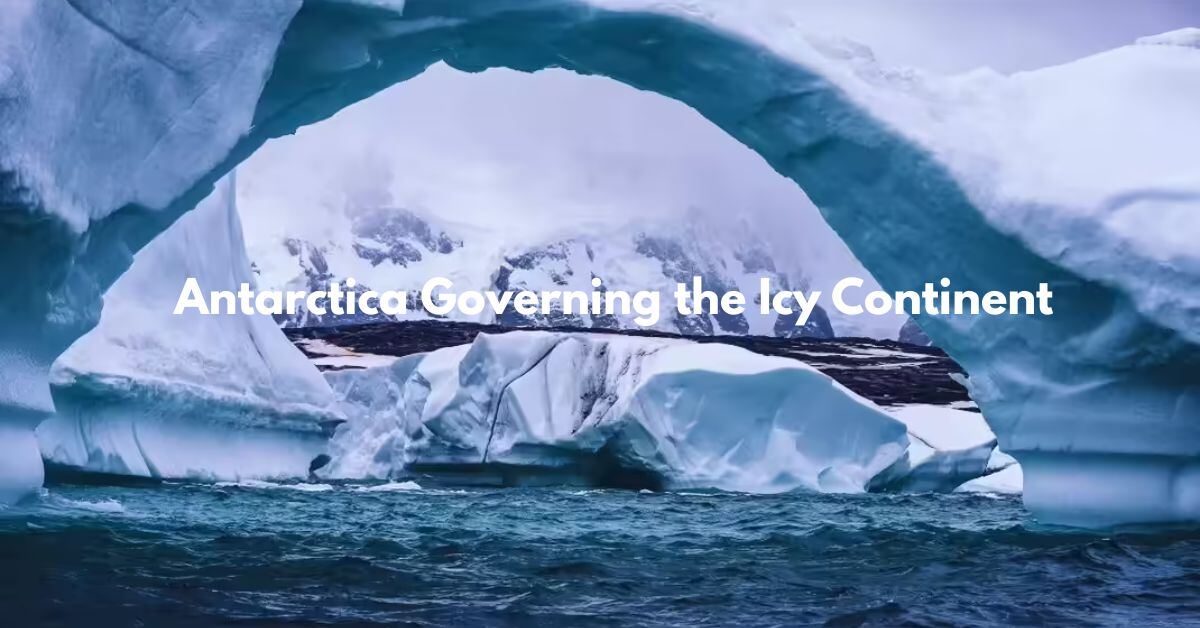
Antarctica feels like a place beyond human control. It has no native population. It looks untouched and endless. Yet this frozen land is not lawless. The way antarctica: governing the icy continent works is one of the most unique systems on Earth.
This icy continent belongs to no single country. Many nations have interests there. Scientists, researchers, and conservation groups all depend on clear rules. Wildlife also needs strong protection. Penguins, seals, whales, and seabirds rely on a stable environment to survive.
Understanding antarctica: governing the icy continent helps us see how global cooperation can work. It shows how countries can protect nature instead of fighting over land. It also shows why Antarctica remains one of the last truly protected places on Earth.
Why Antarctica Needs Governance
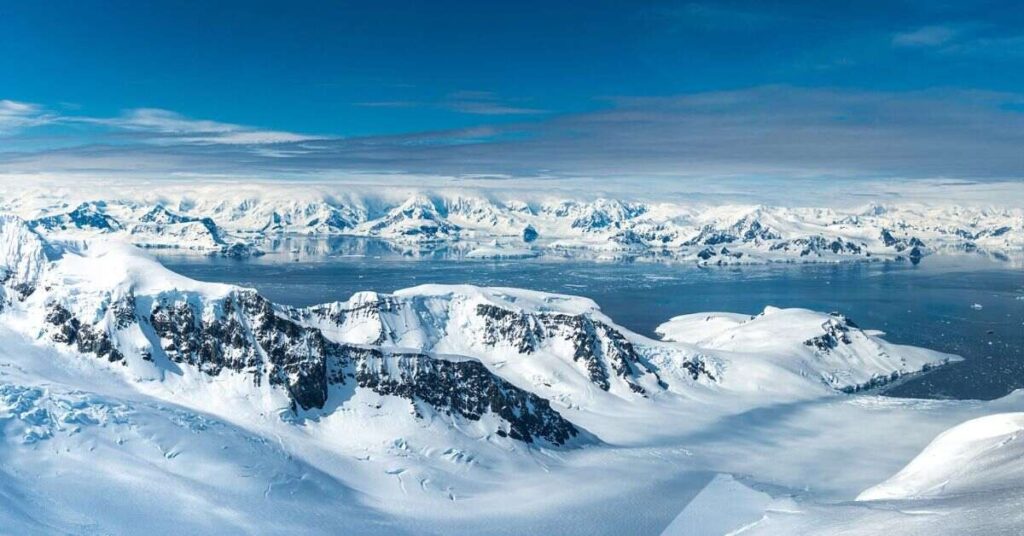
Antarctica may look empty, but it plays a huge role in the health of the planet. Its oceans help regulate global climate. Its wildlife depends on clean waters and stable ice.
Without a clear system, countries could exploit Antarctica. Mining could damage fragile land. Unchecked tourism could disturb wildlife. Fishing without limits could destroy ocean life. This is why antarctica governing the icy continent became necessary.
Governance ensures peaceful use. It supports scientific research. It protects ecosystems that cannot recover easily once damaged.
Antarctica also acts as a natural laboratory. Scientists study climate change, glaciers, and wildlife behavior. These studies help the whole world. Governance rules make sure research remains open and shared.
Why Is Antarctica So Vulnerable to Tourism?
Antarctica looks strong and endless, but it is very fragile. The land recovers very slowly because of extreme cold. Even a single footprint can last for many years. Plants like moss and algae grow very slowly. When people walk off marked paths, they can damage these plants easily. Wildlife also feels stress when humans come too close. Penguins and seals may leave their nests if they feel disturbed.
Tourism also brings pollution risks. Ships can leak fuel. Waste can harm clean snow and water. Noise from ships and visitors can disturb animals. Antarctica has no cities or repair systems. Any damage stays for a long time. That is why Antarctica needs strict tourism rules. Careful control helps protect this icy continent for future generations.
The Antarctic Convergence: A Critical Ecological Boundary
The Antarctic Convergence is an invisible line in the ocean. It forms where cold Antarctic water meets warmer northern water. These waters do not mix easily. This creates a natural boundary around Antarctica. The cold water rises and brings nutrients to the surface. These nutrients support tiny plants and animals in the sea.
This boundary is very important for life. It supports krill, fish, and whales. Many seabirds also depend on this rich food supply. The Antarctic Convergence helps protect Antarctica’s ecosystem. It keeps cold water and unique species together. Without this boundary, Antarctic wildlife would struggle to survive.
The Impact of Climate Change on Antarctica
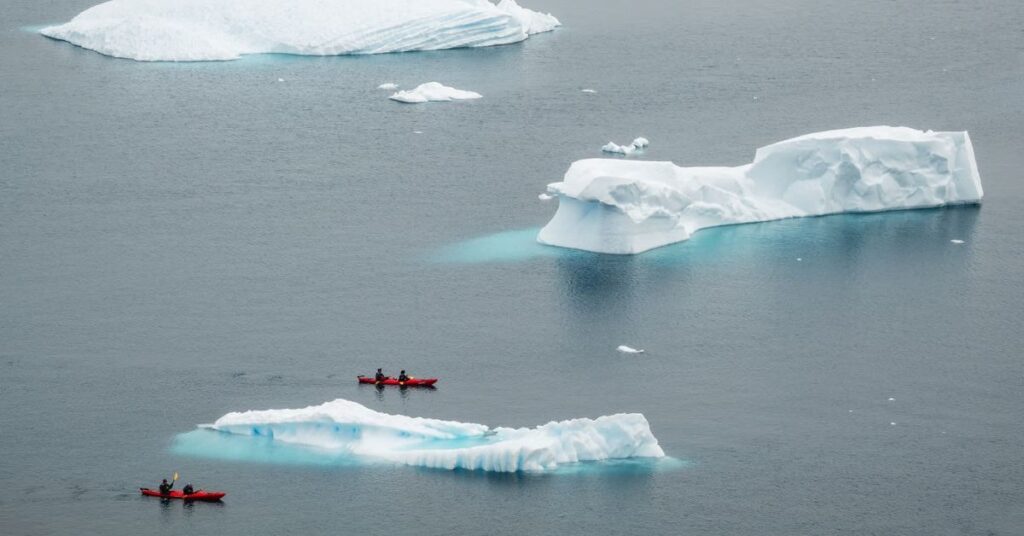
Climate change is affecting Antarctica faster than many people expect. Temperatures are rising in some regions. Ice shelves are breaking apart more often. Glaciers are melting and moving faster into the sea. This ice loss adds to rising sea levels around the world.
Wildlife also feels the impact. Penguins depend on sea ice to breed and find food. When ice melts early, chicks struggle to survive. Warmer oceans change food supply for seals and whales. Climate change threatens the balance of life in Antarctica and beyond.
Antarctica Oceans and the Marine Ecosystem
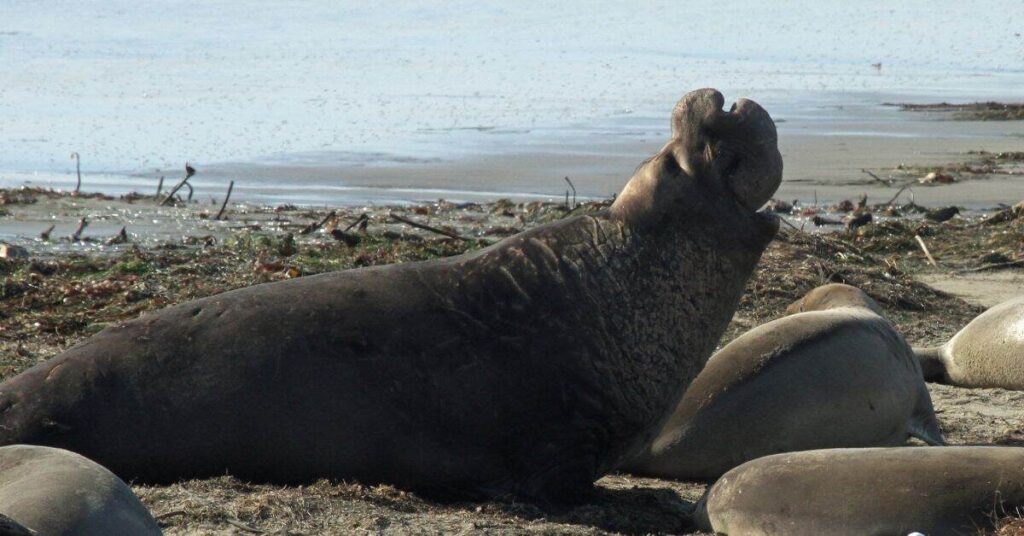
The oceans around Antarctica are cold, deep, and full of life. These waters support tiny plants called phytoplankton. They grow in large numbers during summer. This growth feeds krill, which is the main food for many animals. Fish, seals, whales, and penguins all depend on this rich ocean system.
Antarctic oceans also help control Earth’s climate. Cold water absorbs heat and carbon from the air. Strong currents move water around the globe. When these oceans stay healthy, the whole planet benefits. Protecting the marine ecosystem helps protect life far beyond Antarctica.
What lives in the Southern Ocean?
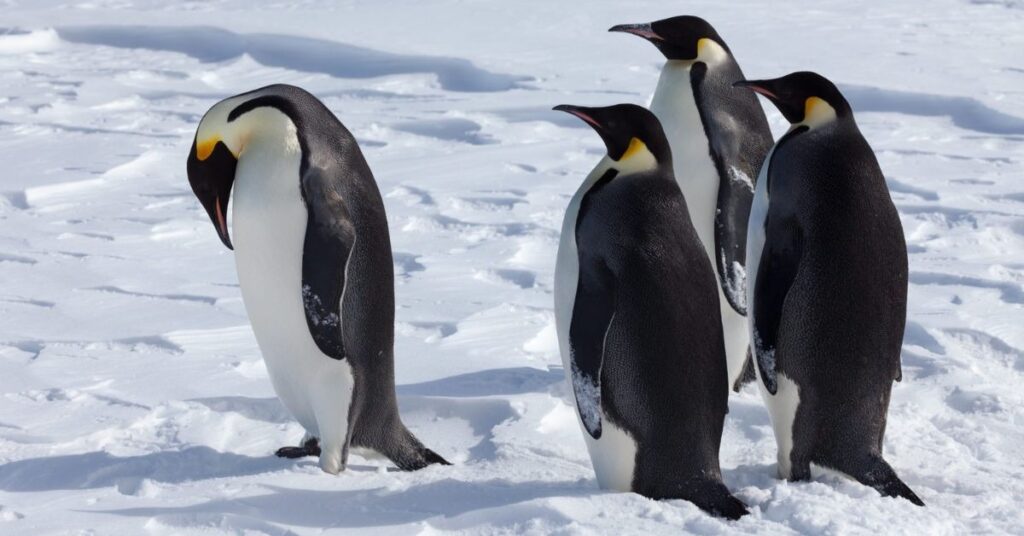
The Southern Ocean is full of amazing life. Krill are the most important animals there. They are small but exist in huge numbers. Many other species depend on them for food. Fish, squid, and jellyfish also live in these cold waters. They have special bodies that help them survive freezing temperatures.
Large animals also live in the Southern Ocean. Whales travel here to feed during summer. Seals rest on ice and hunt in the water. Penguins swim long distances to catch fish. Seabirds fly over the waves and dive for food. All these animals form a strong and connected ecosystem.
The Antarctic Treaty System Explained
The foundation of antarctica: governing the icy continent is the Antarctic Treaty System. This agreement began in 1959 and came into force in 1961. Twelve countries signed it first. Many more joined later.
The treaty focuses on peace. It allows only peaceful use. It promotes scientific cooperation between nations.
The treaty freezes territorial claims. Some countries claimed parts of Antarctica before the treaty. The agreement does not cancel these claims, but it stops new ones. This rule prevents conflict.
Scientific freedom remains a key goal. Countries can build research stations. They can share data openly. Inspections ensure that rules are followed.
The Antarctic Treaty System shows how antarctica: governing the icy continent works through trust and cooperation instead of power.
How Decisions Are Made in Antarctica
Antarctica has no government in the usual sense. There is no president or parliament. Instead, decisions come from meetings between treaty members.
These meetings are called Antarctic Treaty Consultative Meetings. Countries with active research programs can vote. Others can attend and share views.
Decisions focus on safety, research, and environmental care. All major decisions require agreement. This slow process ensures fairness.
Environmental protection often takes priority. New rules consider long term impact. Short term gain does not outweigh future harm.
This approach keeps antarctica: governing the icy continent balanced and stable, even as global interest grows.
Environmental Protection and Conservation Rules
Protecting nature stands at the heart of antarctica: governing the icy continent. The Protocol on Environmental Protection strengthened this goal in 1991.
This protocol bans mining. It protects land, ice, and wildlife. It requires environmental impact checks before any activity.
Human waste must be managed carefully. Fuel spills face strict penalties. Wildlife disturbance remains limited.
Special protected areas exist. These zones protect sensitive habitats. Entry requires permits and strict rules.
These protections help penguin colonies grow. They support seal populations. They protect feeding grounds for whales.
Antarctica shows how strong rules can keep ecosystems healthy even with human presence.
Read about it more: https://www.wildlifenomads.com/blog/how-antarcticas-oceans-and-strict-tourism-protects-ecosystems/
Wildlife Protection Under Antarctic Governance
Wildlife depends on strong governance. Antarctica hosts species found nowhere else. Emperor penguins rely on sea ice. Weddell seals depend on clean shores. Seabirds nest on ice free land.
Antarctica: governing the icy continent ensures animals stay protected from harm. The Convention for the Conservation of Antarctic Marine Living Resources plays a key role.
This agreement manages fishing. It prevents overfishing. It protects krill, which supports the entire food chain.
Healthy oceans mean healthy wildlife. Governance ensures balance instead of exploitation.
Tourism and Human Activity Control
Tourism in Antarctica has grown. People want to see its beauty. This creates risk.
Antarctica: governing the icy continent controls tourism carefully. Tour operators must follow strict rules. Ships limit passenger numbers. Visitors cannot touch wildlife.
Footpaths protect fragile ground. Waste must leave the continent. Emergency plans protect both people and nature.
These rules allow education without damage. Visitors leave with respect, not footprints.
Scientific Research and International Cooperation
Science drives Antarctica activity. Research stations study ice, oceans, and wildlife.
Antarctica: governing the icy continent encourages shared knowledge. Scientists exchange data freely. Discoveries benefit everyone.
Joint projects reduce duplication. Shared stations save resources. Cooperation builds trust.
This system proves that global science can work without competition.
Challenges Facing Antarctic Governance
Despite strong rules, challenges remain. Climate change melts ice faster. Warmer oceans affect wildlife.
Illegal fishing threatens marine life. Tourism pressure continues to rise.
Antarctica: governing the icy continent must adapt. Rules evolve. Monitoring improves. Cooperation strengthens.
The system faces stress, but its foundation remains strong.
A Comparison of Antarctic Governance Features
| Aspect | How It Works |
| Territorial Claims | Frozen and unresolved |
| Military Activity | Completely banned |
| Mining | Permanently prohibited |
| Scientific Research | Open and shared |
| Wildlife Protection | Strict and enforced |
| Tourism | Carefully regulated |
Why Antarctic Governance Matters to the World
Antarctica impacts everyone. Ice melt affects sea levels. Ocean currents influence climate.
Antarctica: governing the icy continent protects these global systems. It prevents conflict. It preserves wildlife.
This model offers lessons for other shared spaces like oceans and space.
The Future of Antarctica Governance
The future depends on cooperation. Climate change demands stronger protection.
Antarctica: governing the icy continent must stay flexible. Science must guide decisions.
Protecting this frozen land protects the planet.
Conclusion
Antarctica stands as a symbol of hope. It shows that nations can work together. It proves that protection can come before profit.
Antarctica: governing the icy continent remains one of humanity’s greatest agreements. It keeps peace. It protects wildlife.
As the world changes, Antarctica reminds us what cooperation can achieve.
FAQs
What is antarctica: governing the icy continent?
It refers to the international system that manages Antarctica through treaties and cooperation.
Who controls Antarctica?
No single country controls it. Multiple nations share responsibility under the treaty system.
Is mining allowed in Antarctica?
Mining is completely banned to protect the environment.
Why is wildlife protection important in Antarctica?
Antarctic wildlife depends on fragile ecosystems that recover very slowly.
Can tourists visit Antarctica?
Yes, but tourism follows strict rules to protect nature and wildlife.
