
Introduction
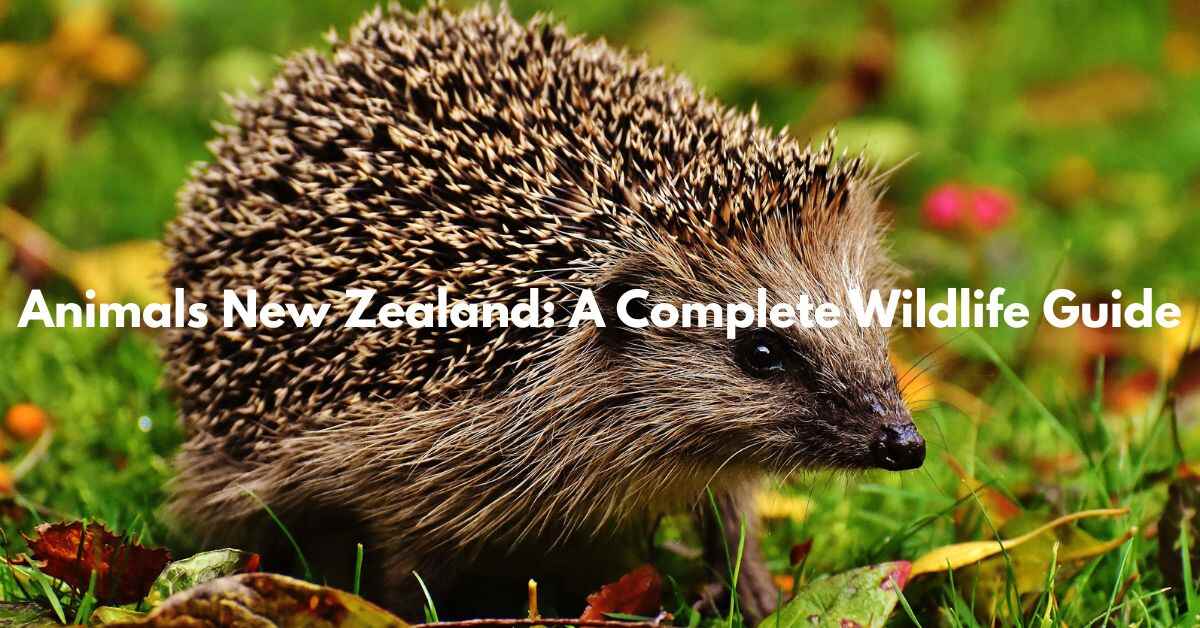
Animals New Zealand is known for are unlike those found anywhere else on Earth. This island nation sits far from other land masses. Because of this isolation, wildlife evolved in rare and surprising ways. Many animals New Zealand has today exist nowhere else. Some cannot fly. Others live only at night. Many survived for millions of years without land predators.
Animals New Zealand offers include birds, marine species, reptiles, insects, and a small number of land mammals. These animals play an important role in nature and culture. They shape forests, oceans, and even local traditions. Learning about animals New Zealand protects helps us understand why conservation matters so much here.
This guide explores the most important animals New Zealand is famous for. It explains where they live, how they survive, and why they need protection. If you love wildlife, this journey will open your eyes to one of the most special ecosystems on Earth.
Why New Zealand Animals Are So Unique
The isolation of New Zealand created a natural laboratory for evolution. For millions of years, these islands were free from mammalian predators. Everything else arrived by swimming, flying, or drifting across the ocean.
This absence of predators changed everything. To escape danger, birds did not need to fly. They could nest on the ground without fear. Insects grew larger than anywhere else. The animals New Zealand developed became defenseless in ways that would spell disaster in other parts of the world.
Scientists estimate that over 80 percent of native plants and 70 percent of breeding birds were endemic before humans arrived. These species existed nowhere else on Earth. The country hosts around 70,000 native species living on land. Many remain undescribed by science even today.
The animals New Zealand ecosystem faced dramatic changes when humans first arrived less than 900 years ago. Maori settlers brought Pacific rats and dogs. European colonizers introduced cats, stoats, possums, and deer. These newcomers devastated populations that had no natural defenses against such predators.
The Big 5 Animals of New Zealand
1. Kiwi: The National Treasure
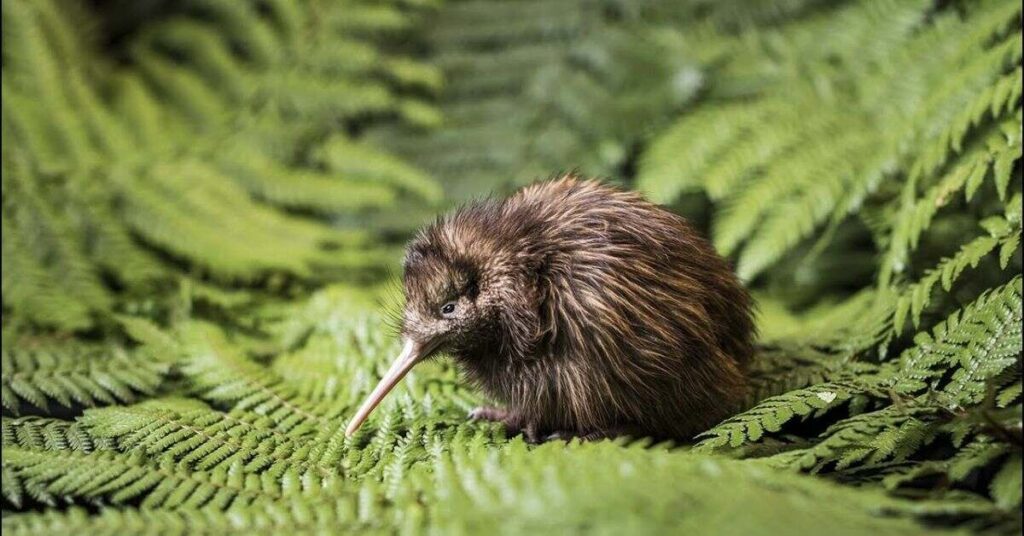
The kiwi is New Zealand’s most beloved bird. It cannot fly, which makes it quite unusual. This small, round bird has a long beak and brown, fuzzy feathers. It looks more like a furry fruit than a bird. The kiwi is nocturnal, so it sleeps during the day and hunts at night. New Zealanders love this bird so much that they call themselves “Kiwis” too. The bird appears on coins, stamps, and souvenirs throughout the country.
Sadly, kiwis are endangered in the wild. They face many threats from predators like cats, dogs, and stoats. These animals were brought to New Zealand by humans long ago. In comparison to their body size, Kiwis lay very large eggs. A female kiwi works hard to produce just one or two eggs per year. Many conservation groups are working to protect kiwis. They trap predators and create safe spaces for kiwis to live. Some programs even raise kiwi chicks until they’re big enough to survive on their own. Thanks to these efforts, kiwi numbers are slowly increasing in some areas.
2. Kea: The World’s Smartest Parrot
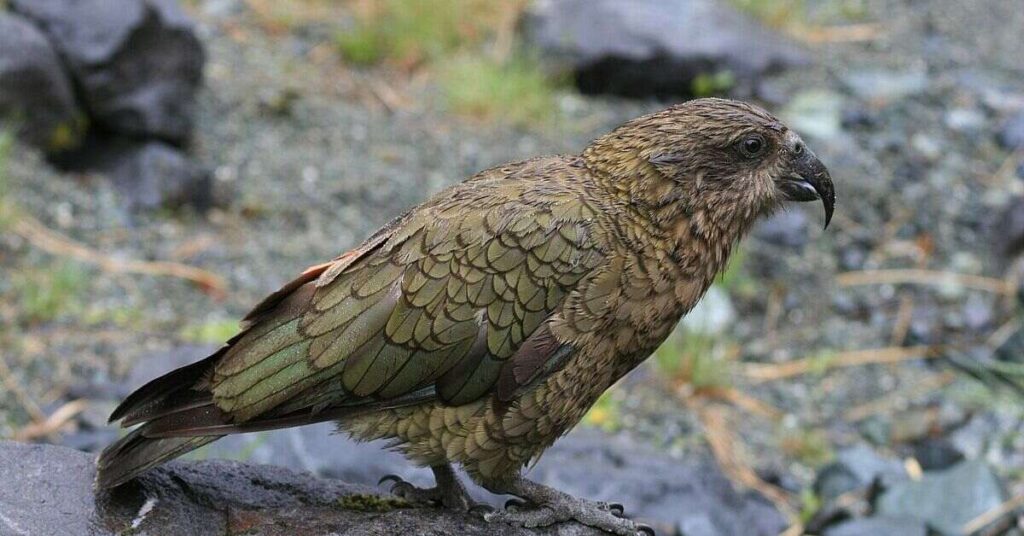
The kea is a large, colorful parrot found in New Zealand’s mountains. It has bright green feathers and an orange underwing. Keas are very intelligent and curious. They explore everything around them. These birds can solve puzzles and work together to find food. People often see them playing and interacting with each other in groups. The kea is also known for its bold behavior and sometimes mischievous acts.
Kea live in alpine areas where conditions can be harsh. They eat plants, insects, and sometimes scavenge from humans. These parrots face threats from habitat loss and introduced predators. Conservation efforts protect their natural homes and keep their numbers stable. Observing kea helps people appreciate the intelligence and unique behaviors of animals New Zealand is famous for.
3. Tuatara: A Living Fossil
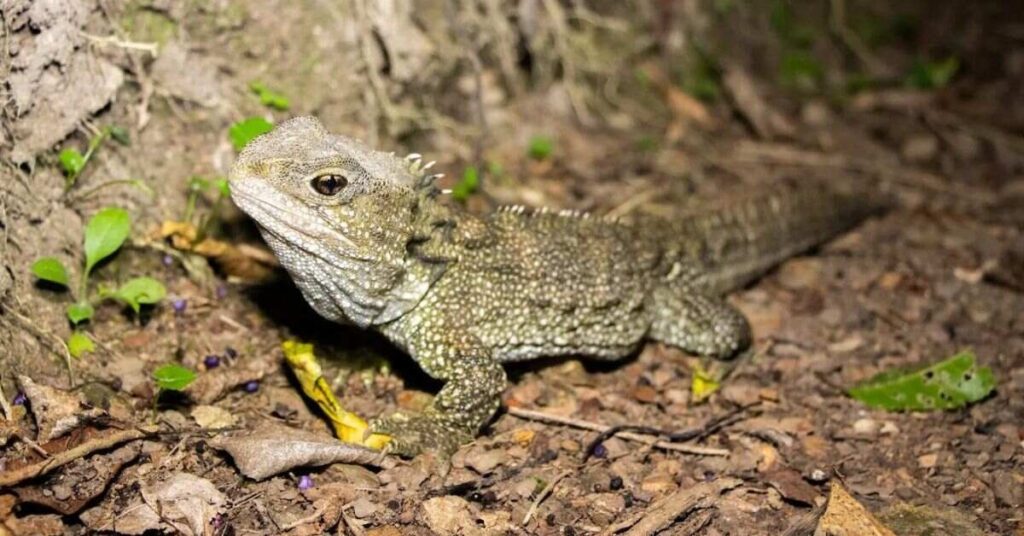
The tuatara is a unique reptile found only in New Zealand. It looks like a lizard but is very different. Tuataras belong to a group that lived alongside dinosaurs. They grow slowly and can live over one hundred years. These reptiles have a third eye on top of their head that helps detect light. Tuataras are mainly active at night and feed on insects, small birds, and eggs.
Tuatara live mostly on protected offshore islands. They are sensitive to temperature changes, which affects their breeding. Introduced predators once made them very rare. Conservation programs now protect their habitats and allow populations to recover. Studying tuatara helps scientists learn about ancient reptiles and evolution. They are a true symbol of New Zealand’s ancient wildlife.
4. Kākāpō: The Flightless, Giant Parrot
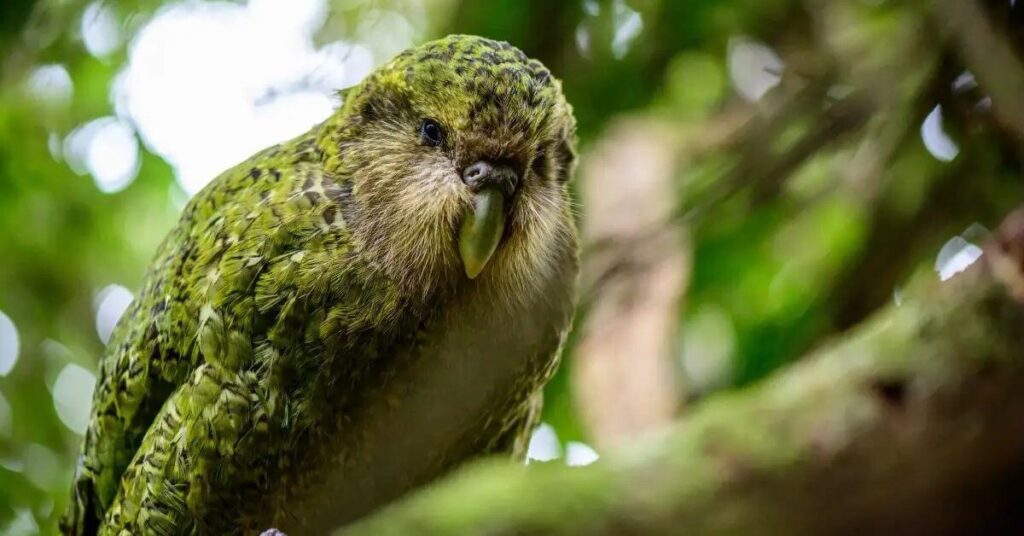
The kākāpō is a large, flightless parrot found in New Zealand. It has green feathers with a yellowish tint. Kākāpō are nocturnal and come out at night to feed. They eat plants, seeds, and fruits. These parrots are gentle and very rare. Kākāpō can live up to 90 years. Their unusual behavior and size make them one of the most unique animals New Zealand protects.
Kākāpō face threats from introduced predators. Conservation programs now use predator-free islands to help them survive. Breeding programs carefully monitor each bird. Scientists track kākāpō with special devices to ensure safety. Learning about kākāpō shows how humans can help save endangered animals New Zealand treasures.
5. Hector’s Dolphin: The Smallest and Rarest Dolphin
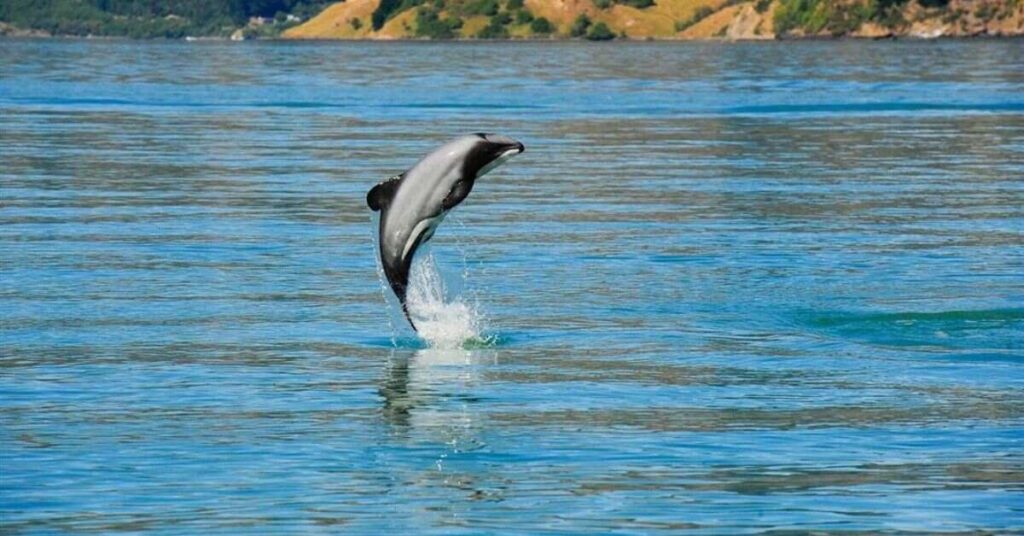
The Hector’s dolphin is one of the smallest dolphins in the world.It lives only in the coastal waters of New Zealand. These dolphins are playful and social. They have a round dorsal fin and a short beak. Hector’s dolphins feed on fish, squid, and crustaceans. They often swim near the shore and sometimes leap out of the water.
Hector’s dolphins are endangered due to fishing nets and pollution. Conservation efforts include marine reserves and strict fishing rules. Scientists monitor their numbers to prevent further decline. These dolphins are a symbol of New Zealand’s rich marine wildlife. Learning about Hector’s dolphin highlights the importance of protecting animals New Zealand treasures.
Native Birds of New Zealand
Birds rule the wildlife scene in animals New Zealand stories. The country earned the title of seabird capital of the world. Many forest birds live only in these islands and nowhere else on our planet.
Kakapo parrot
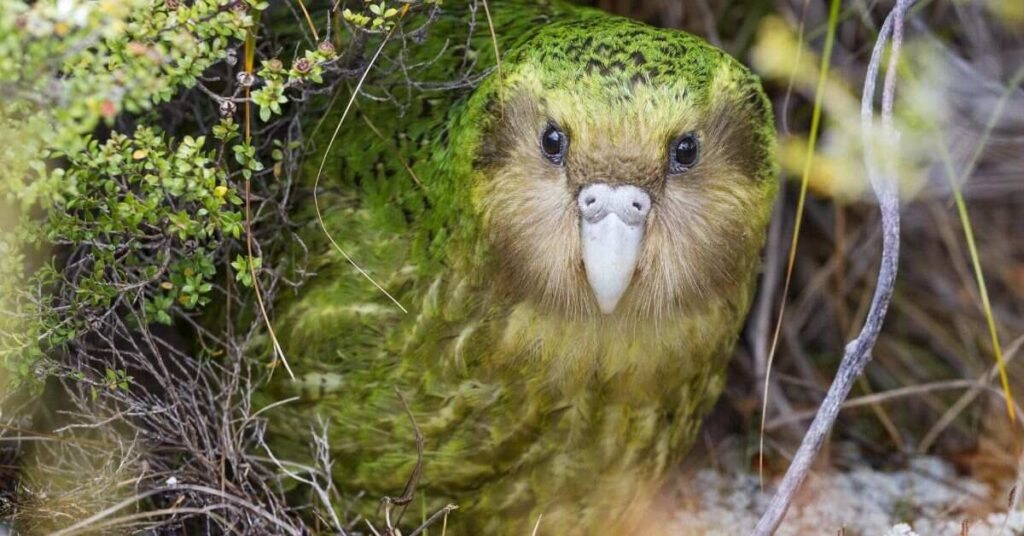
The kakapo parrot deserves special mention as one of the rarest birds alive. Only about 200 individuals survive today. This large, flightless parrot is nocturnal and uses its sense of smell to navigate. It weighs up to four kilograms, making it the heaviest parrot species in the world.
Takahe
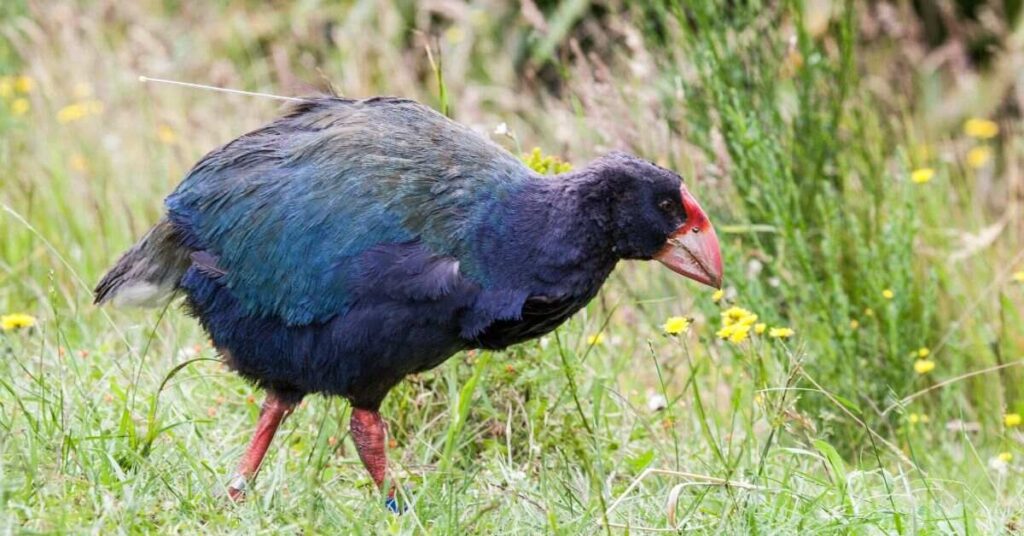
The takahe was once thought extinct until a population was rediscovered in 1948. This flightless bird sports beautiful indigo plumage and a bright red beak. It stands as the world’s largest rail species. Dedicated conservation efforts have slowly increased their numbers from just 118 birds in 1981.
Weka
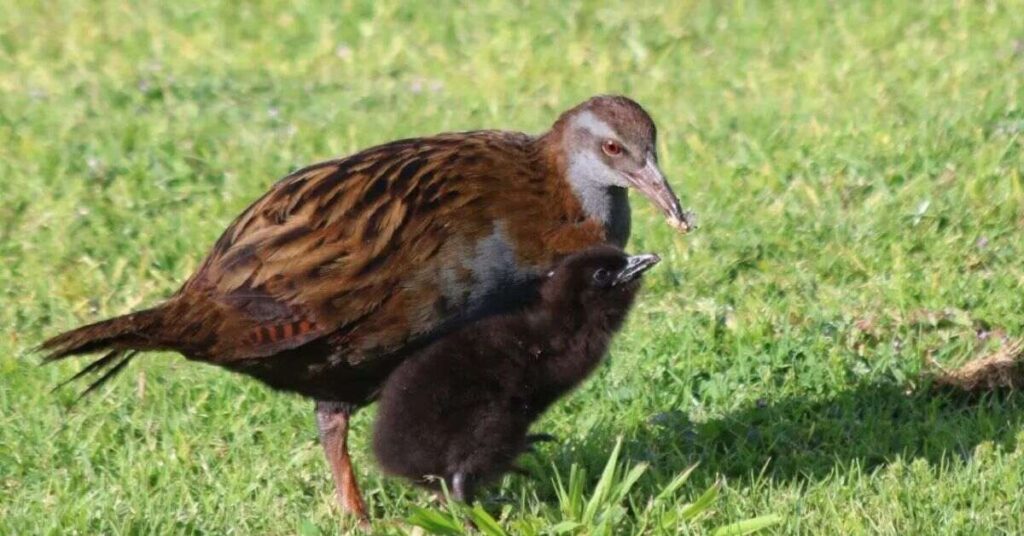
The weka is another flightless bird with a reputation for being cheeky. These brown birds often visit campgrounds looking for food. They will steal shiny objects if given the chance. Their curious and bold nature makes them easy to spot in many areas.
Read about it more: https://www.wildlifenomads.com/blog/wildlife-animals-of-new-zealand-animals/
The Ancient Tuatara Reptile
The tuatara represents living history among animals New Zealand protects. This reptile looks like a lizard but belongs to a completely different order. All other members of its family went extinct about 60 million years ago. The tuatara survived only in New Zealand.
These remarkable creatures have a third eye on top of their heads. This eye can detect light but cannot form images. Tuatara have been around since the time of dinosaurs. They grow very slowly and can live for over 100 years.
Tuatara live only on protected offshore islands now. They were once common on the mainland but disappeared when rats and other predators arrived. Conservation efforts have established new populations on predator-free islands. These ancient reptiles need our protection to survive.
The tuatara has unusual characteristics that set it apart from other reptiles. It can tolerate much colder temperatures than most reptiles. It remains active at temperatures as low as seven degrees Celsius. The tuatara also continues growing throughout its life, though growth slows dramatically in old age.
New Zealand is also home to around 60 species of lizards. These include 30 species of geckos and 30 species of skinks. Many of these lizards are also endemic to the country. Four species of native frogs survive, though all are rare and endangered. These frogs are also ancient, having descended from Gondwanan ancestors.
Marine Mammals and Ocean Wildlife
The waters surrounding New Zealand teem with marine life. Almost half of the world’s whale and dolphin species have been reported in these waters. The animals New Zealand coasts support create some of the best wildlife viewing opportunities anywhere.
Hector’s dolphins
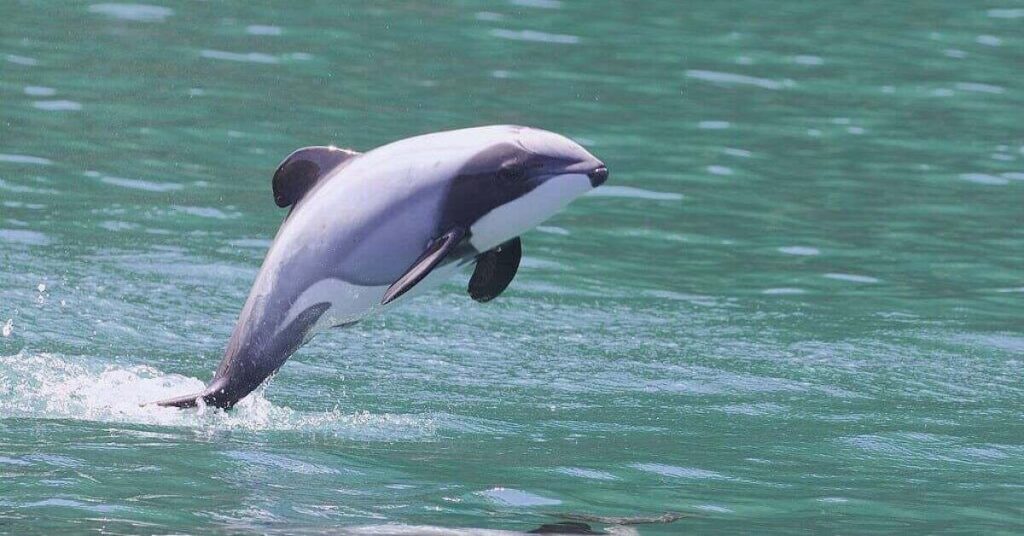
Hector’s dolphins hold the title of the world’s smallest and rarest dolphin species. They have distinctive rounded dorsal fins that look like Mickey Mouse ears. These dolphins live only in New Zealand waters. Their population stands at around 7,000 individuals, making them critically endangered.
Maui dolphins
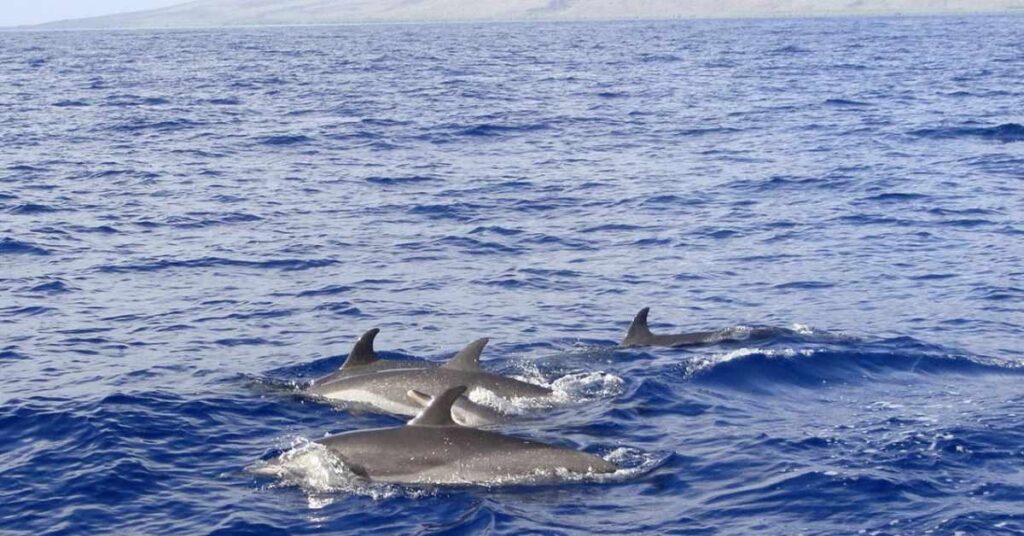
Maui dolphins are a subspecies of Hector’s dolphins and even more rare. Fewer than 100 of these tiny dolphins survive. They live only along the west coast of New Zealand’s North Island. Conservation efforts focus intensely on protecting these precious marine mammals.
Sperm whales
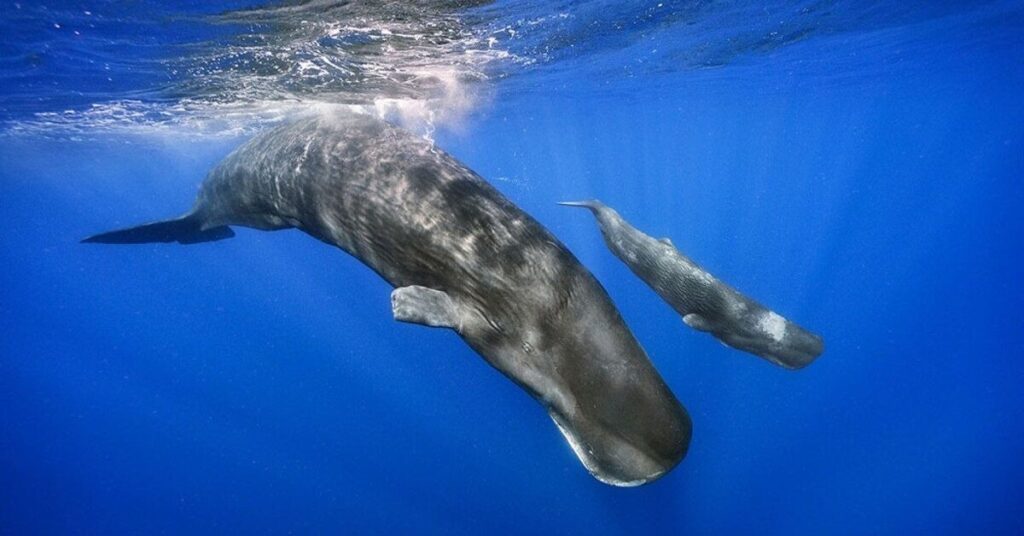
Sperm whales frequent the deep ocean canyons near Kaikoura on the South Island. These giants search for their favorite prey of giant squid. The town of Kaikoura has become world-famous for whale watching. Visitors can see these magnificent creatures year-round in their natural habitat.
Fur Seals
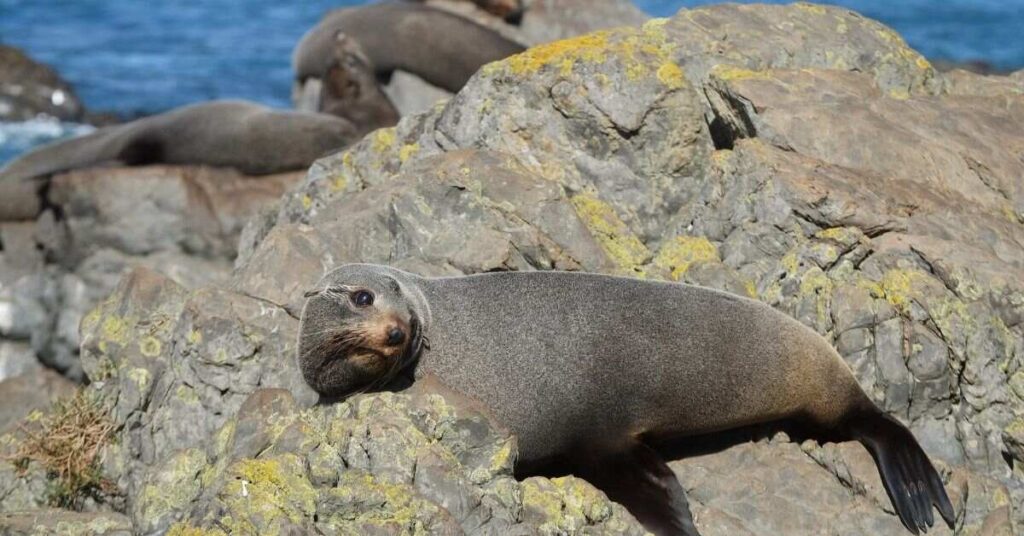
New Zealand fur seals are the most common seals in New Zealand waters. They can be observed at various points along coastlines, especially around Kaikoura. Pups are excellent swimmers and can turn up almost anywhere around the country. Adult males are called bulls and adult females are called cows.
Sea lions
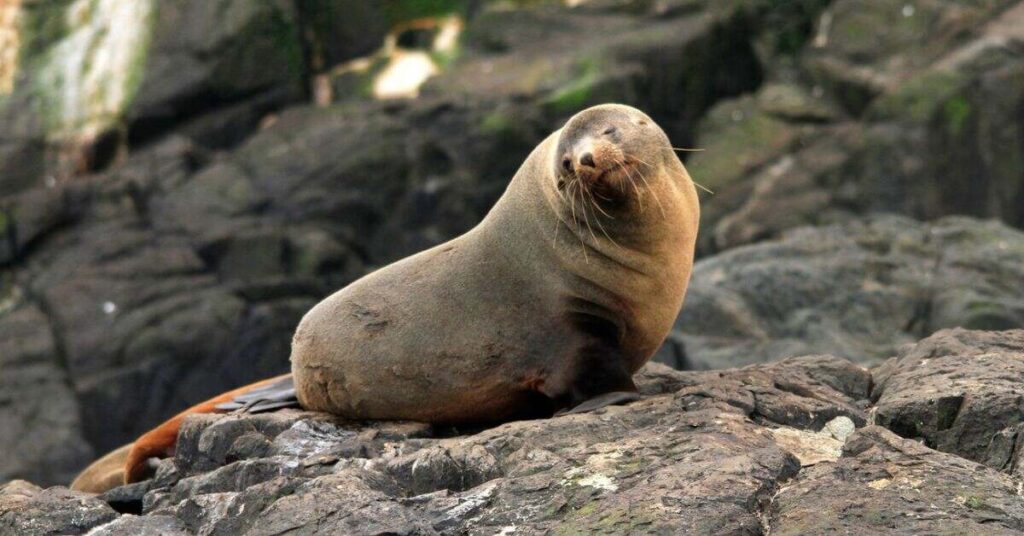
New Zealand sea lions live primarily in the southern waters. They breed mainly around the Auckland Islands. These large marine mammals face threats from fishing operations and habitat degradation. Conservation groups work to monitor and protect their populations.
Leopard seals
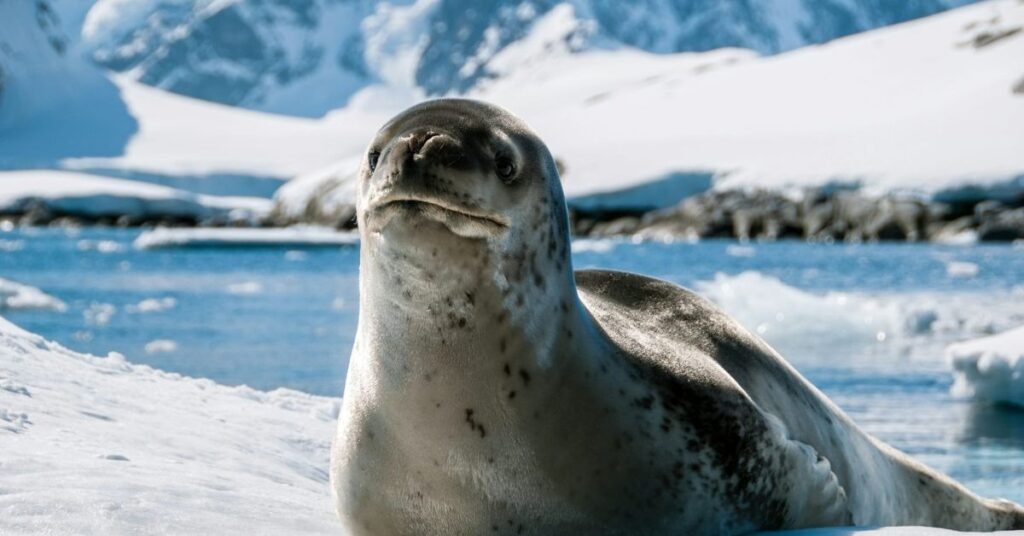
Leopard seals occasionally visit New Zealand shores from Antarctic waters. These powerful predators haul out on beaches for rest or molting. They can stay in one area for months at a time. The public is encouraged to report leopard seal sightings to help with conservation efforts.
Several species of dolphins visit New Zealand waters regularly. Dusky dolphins travel in large pods that can number anywhere from 100 to 800 individuals. Bottlenose dolphins are also common. All marine mammals enjoy protection under the Marine Mammals Protection Act 1978.
What Is the Main Predator in New Zealand?
New Zealand has very few native land predators. The main predators are introduced animals. Cats, stoats, and rats are the most dangerous. They hunt birds, eggs, and small mammals. Native birds like kiwis and kakapos are very vulnerable.
These predators were not in New Zealand before humans arrived. They have caused many native species to decline. Conservation efforts are trying to control them. Traps and fences help protect wildlife. Without action, many species could disappear.
Cats
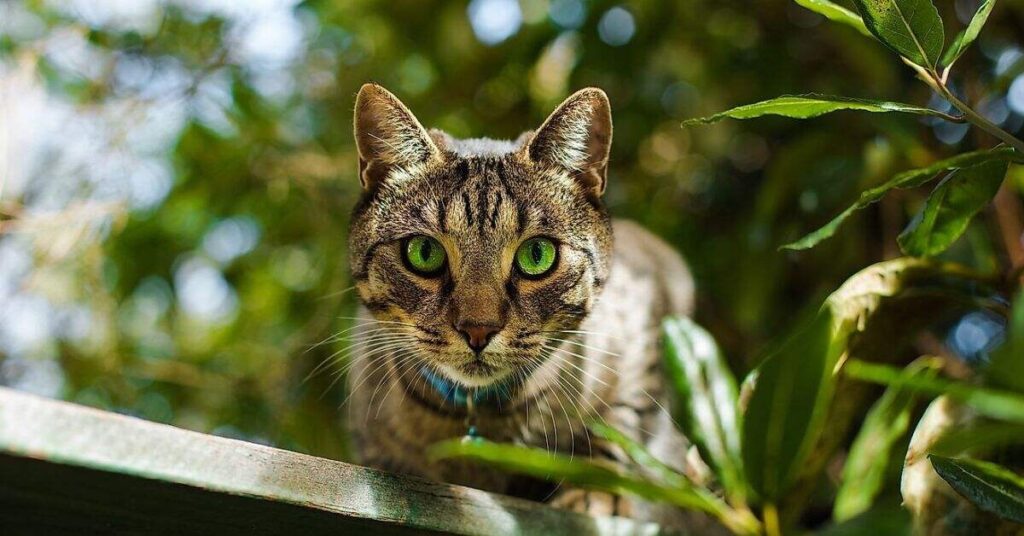
Cats are not native to New Zealand. They were brought by humans a long time ago. Cats hunt birds, lizards, and small animals. They can cause big damage to native wildlife.
Many birds, like kiwis, are easy prey for cats. Cats can live in cities and forests. People try to control stray cats to protect nature. Conservation efforts help reduce their impact.
Stoats
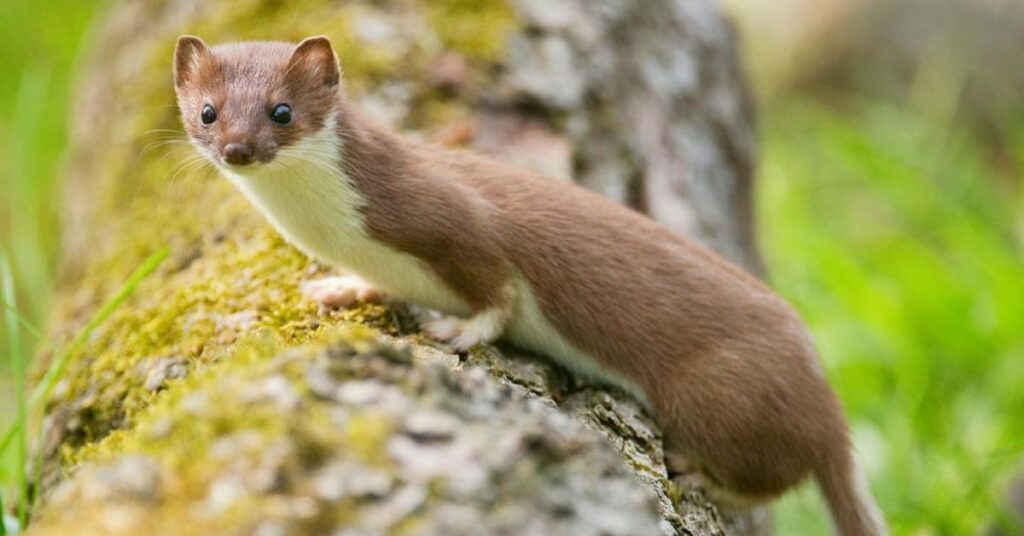
Stoats are small, fast predators in New Zealand. They were introduced to control rabbits. Stoats hunt birds, eggs, and small mammals. They are very good climbers and swimmers.
Stoats are a big threat to native birds like kiwi chicks. They can kill many animals quickly. Traps and fences are used to control them. Protecting wildlife from stoats is very important.
Possums
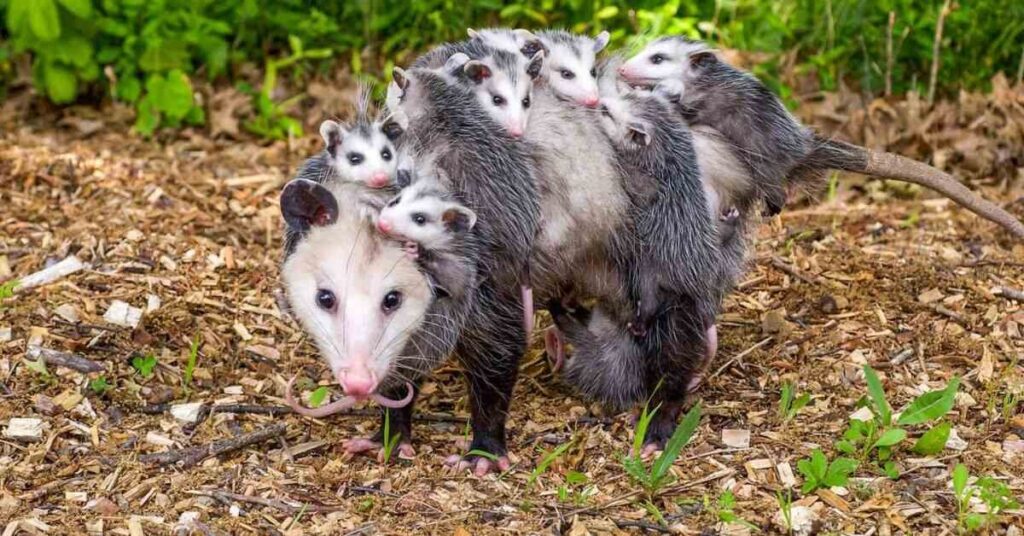
Possums were brought to New Zealand from Australia. They eat leaves, fruits, and flowers. They also eat eggs and chicks of birds. Possums damage trees and forests.
Possums are very active at night. They can spread diseases to plants and animals. Traps and poison are used to control them. Protecting nature from possums is important.
Ferrets
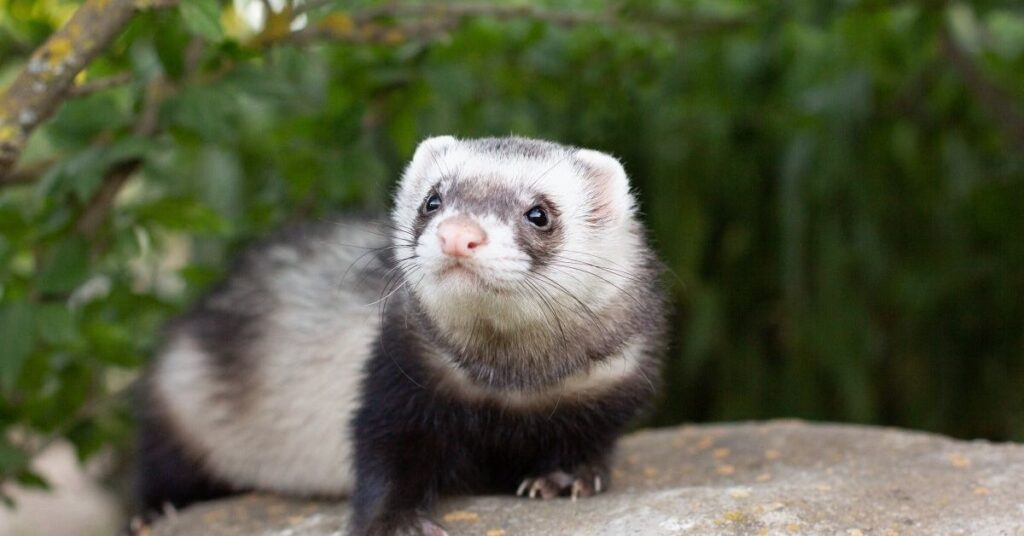
Ferrets were brought to New Zealand to control rabbits. They are strong and fast hunters. Ferrets eat birds, eggs, and small animals. They are a big threat to native wildlife.
Ferrets can live in forests and farmlands. They often hunt at night. People use traps to control ferrets. Protecting native birds from ferrets is very important.
Hedgehogs
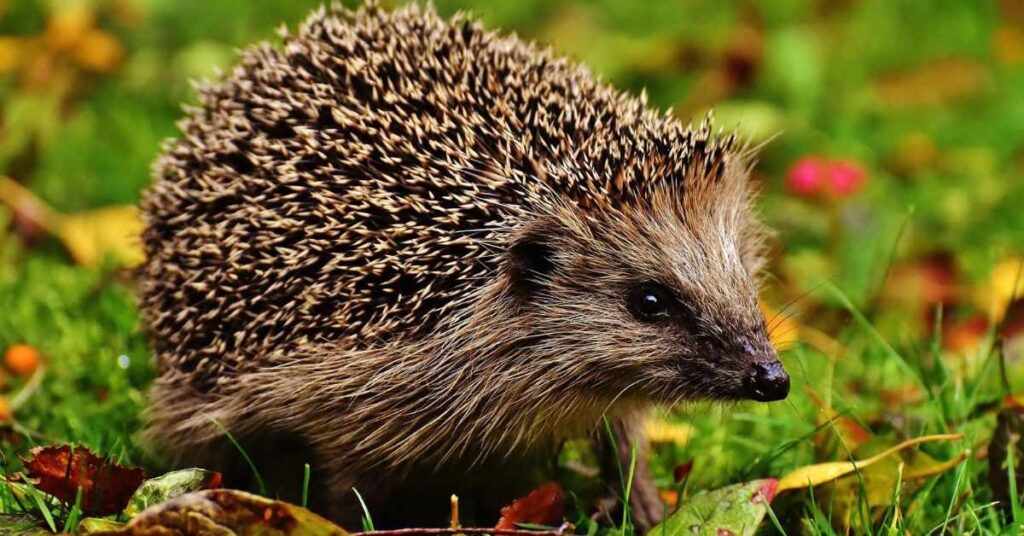
Hedgehogs were brought to New Zealand from Europe. They eat insects, worms, and small animals. They also eat eggs and baby birds. Hedgehogs can harm native wildlife.
Hedgehogs are mostly active at night. They live in gardens, forests, and fields. People use traps to control them. Protecting birds and eggs from hedgehogs is important.
Weasels
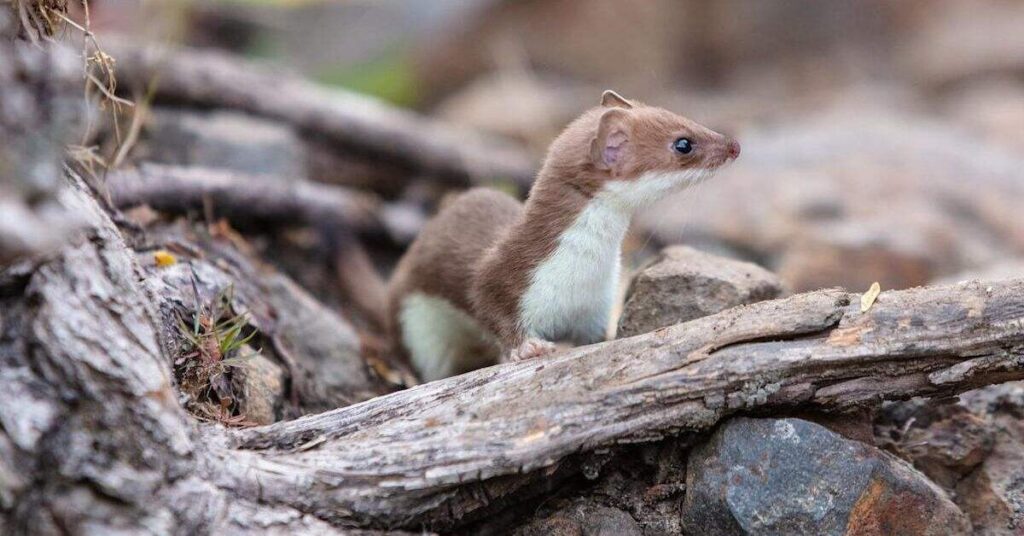
Weasels were introduced to New Zealand to control rabbits. They are small but very fast hunters. Weasels eat birds, eggs, and small mammals. They are a threat to native wildlife.
Weasels can hide easily in forests and fields. They hunt mostly at night. People use traps to control them. Protecting birds and small animals from weasels is important.
Unique Insects and Invertebrates
Insects dominate the biodiversity of animals New Zealand with an estimated 20,000 species. Many of these remain undescribed by science. The giant weta deserves special recognition among these incredible creatures.
Weta are large insects that can weigh more than a sparrow. They look prehistoric with their armored bodies and long antennae. Some species are nocturnal while others are active during the day. These tough insects inspired the name of Weta Workshop, the special effects company behind the Lord of the Rings films.
New Zealand hosts around 6,000 species of beetles. The country also has almost as many species of fungi. Stick insects, mayflies, caddis flies, and sandflies all trace their ancestry back to Gondwana. At least 170 species of earthworms live in New Zealand, including some very large specimens.
The katipo spider is the only poisonous native animal in New Zealand. These small spiders live on sandy beaches. While their bite can be painful, deaths are extremely rare. Most New Zealanders never encounter these shy spiders in their lifetime.
Velvet worms, known scientifically as peripatus, are another living fossil found in New Zealand. These creatures have remained largely unchanged for millions of years. They represent an important link in understanding the evolution of arthropods and other invertebrates.
Bats: The Only Native Land Mammals
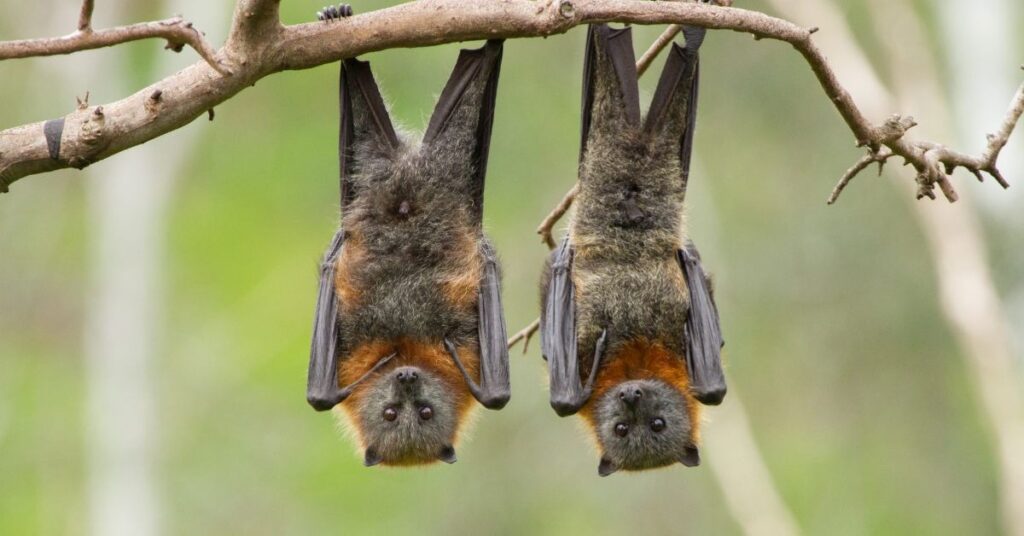
New Zealand’s only native land mammals are bats. Two species survive today: the long-tailed bat and the short-tailed bat. Both are about the size of a thumb with wingspans reaching around 30 centimeters.
These small creatures pack impressive abilities into their tiny bodies. They can travel 50 kilometers in a single evening. Their flight speeds reach up to 60 kilometers per hour. Scientists believe they might live up to 30 years, though exact lifespans remain unknown.
The short-tailed bat has an unusual behavior for a bat species. It often forages on the forest floor, searching for insects and other food. This ground-dwelling habit developed because New Zealand had few native predators. European settlers brought cats, rats, and stoats that now threaten these ground-feeding bats.
Both bat species face conservation challenges today. Habitat loss, introduced predators, and disease threaten their populations. Conservation efforts focus on protecting their forest homes and controlling predator numbers. The best time to see these bats is at dusk when they emerge to feed.
Introduced Animals and Their Impact
Sometimes, humans bring animals to new places. These animals are not native to the land. They can be pets, farm animals, or accidentally moved. At first, people may think they are useful or harmless.
But introduced animals can change nature a lot. They may eat local plants and animals. They can compete with native species for food and space. Sometimes, they bring diseases too.
Conservation Efforts and Success Stories
New Zealand has become a world leader in conservation efforts. The country administers approximately 30 percent of its land for conservation purposes. Thirteen national parks and forty-four marine reserves protect biodiversity. Hundreds of community conservation groups work tirelessly to save native species.
Predator-free islands showcase what New Zealand ecosystems can achieve without introduced pests. Since the 1910s, successful efforts have removed possums, rats, and other mammals from many offshore islands. Kapiti Island had all possums removed between 1982 and 1986. Over 20,000 possums were eliminated from this one island.
The Predator Free 2050 initiative aims to eliminate rats, stoats, and possums from the entire country. This ambitious goal involves community participation nationwide. New Zealanders trap predators in their backyards and local reserves. Technology advances in trapping and monitoring help make this goal achievable.
Species-specific recovery programs have saved birds from extinction. The kakapo recovery program combines efforts of Maori iwi, rangers, volunteers, and scientists. Every kakapo is individually named and monitored. The population has grown from just 51 birds in 1995 to over 200 today.
The black robin was saved from just five individuals in 1980. All black robins alive today descend from a single female named Old Blue. While the species has little genetic diversity, it survives thanks to intensive conservation management.
Takahe were thought extinct until rediscovered in 1948. Their numbers dropped to just 118 birds in 1981. Today, over 500 takahe live in managed populations. They have been reintroduced to several predator-free sites.
Zealandia in Wellington demonstrates urban conservation success. This fully-fenced, predator-proof sanctuary sits just kilometers from the capital city center. It has reintroduced 18 species of native wildlife. Visitors can see rare birds like hihi, kaka, and takahe thriving in a restored forest ecosystem.
Where to See Animals in New Zealand
Many locations throughout the country offer excellent wildlife viewing opportunities. Kaikoura on the South Island’s east coast provides world-class whale watching. Deep ocean canyons close to shore attract sperm whales year-round. Visitors can also see dolphins, fur seals, and seabirds.
Stewart Island, also known as Rakiura, teems with native birdlife. This southern island offers some of the best chances to see kiwi in the wild. The forests host many endemic species that are harder to find on the mainland.
The Otago Peninsula near Dunedin hosts rare yellow-eyed penguins. Only about 5,000 of these penguins remain worldwide. The peninsula also supports New Zealand sea lions and various seabirds. Local tour operators support conservation efforts through habitat protection and research funding.
Tiritiri Matangi Island in the Hauraki Gulf serves as an open sanctuary. Visitors can take day tours or stay overnight. The island hosts endangered bird species extinct on the mainland. Excellent walking tracks provide opportunities to see takahe, kokako, and saddlebacks.
Wildlife reserves and sanctuaries exist throughout both main islands. Many offer guided tours with expert naturalists. These experiences support conservation while educating visitors about New Zealand’s unique wildlife challenges and successes.
How You Can Help Protect New Zealand Wildlife
Everyone can contribute to protecting animals New Zealand needs to survive. Simple actions make real differences for threatened species and fragile ecosystems.
Support conservation organizations through donations or memberships. Groups like Forest and Bird, WWF New Zealand, and the Department of Conservation rely on public support. Your contributions fund vital research, habitat restoration, and predator control programs.
Participate in local conservation projects. Many communities run trapping programs or habitat restoration initiatives. Volunteers help with tree planting, predator monitoring, and wildlife surveys. These hands-on activities connect you directly with conservation work.
Report wildlife sightings to help scientists track populations. Apps like SeaSpotter collect marine mammal data from citizen scientists. Leopard seal sightings can be reported to LeopardSeals.org. This information aids conservation management and increases understanding of species movements.
Practice responsible tourism when visiting wildlife areas. Keep appropriate distances from animals. Follow all guidelines at sanctuaries and reserves. Never feed wild animals as this changes their natural behaviors. Stay on marked tracks to protect sensitive habitats.
Control predators if you live in New Zealand. Trap rats, stoats, and possums on your property. Many councils provide free or subsidized traps to residents. Regular trapping significantly reduces predator numbers in local areas.
Plant native species in gardens and public spaces. Native plants provide food and shelter for native birds and insects. They support the ecosystem that unique New Zealand wildlife depends upon. Choose plants suited to your local area for best results.
The Future of New Zealand’s Wildlife
The future of animals New Zealand shelters depends on continued conservation efforts and public support. Climate change presents new challenges as habitats shift and weather patterns change. Rising temperatures affect alpine species and coastal ecosystems.
Technology offers hope through improved monitoring and control methods. DNA analysis helps track individual animals and genetic diversity. Automated traps target predators more effectively. Drones monitor remote populations and hard-to-reach habitats.
Community engagement continues growing as more New Zealanders embrace conservation. The Predator Free 2050 goal inspires nationwide participation. Schools integrate conservation education into their curricula. Young people learn the importance of protecting native species from an early age.
Partnerships between government agencies, Maori iwi, community groups, and private landowners create powerful alliances. Traditional Maori knowledge combines with modern science to guide conservation decisions. This collaboration strengthens protection efforts across all land types.
Sanctuaries and predator-free islands serve as arks for threatened species. As mainland predator control improves, reintroduction programs can expand. Success stories show that dedicated efforts can bring species back from the brink of extinction.
Conclusion
Animals New Zealand offers are rare, fascinating, and deeply connected to the land and sea. From flightless birds to ancient reptiles, each species tells a story of survival and change.
Conservation efforts show that people can make a difference. Protecting habitats, managing predators, and raising awareness help wildlife recover.
By learning about animals New Zealand protects, we become part of the solution. Respect for nature ensures these species remain for future generations to enjoy.
FAQs
What animals New Zealand is best known for?
Animals New Zealand is best known for include the kiwi, kea, tuatara, and Hector’s dolphin, which are found nowhere else in the world.
Why are many animals New Zealand species unique?
Animals New Zealand evolved in isolation for millions of years, which allowed rare species to develop without land predators.
Are there dangerous wild animals in New Zealand?
Animals New Zealand has are mostly harmless, with no native land predators that pose serious danger to humans.
What marine animals New Zealand waters support?
Animals New Zealand waters support include whales, dolphins, seals, sea lions, and many unique fish species.
How does New Zealand protect its wildlife?
Animals New Zealand protects through conservation programs, predator control, protected islands, and public awareness efforts.
