
Introduction
Have you ever wondered how many types of penguins waddle across our planet? While most people picture penguins in icy Antarctica, these charming birds actually inhabit diverse environments from tropical beaches to rocky coastlines. The penguin family is far more varied than you might imagine, with 18 distinct species, each adapted to its unique habitat and lifestyle.
Whether you’re a wildlife enthusiast curious about different types of penguins or simply captivated by these tuxedo-clad birds, understanding the incredible diversity within the penguin world reveals nature’s remarkable adaptability. From the towering Emperor penguin standing nearly four feet tall to the tiny Little Blue penguin barely reaching 16 inches, each species has evolved fascinating characteristics that help them thrive in their environment.
In this comprehensive guide, we’ll explore all types of penguins, their distinguishing features, where they live, and what makes each species unique.
Emperor Penguin (Antarctica Only)
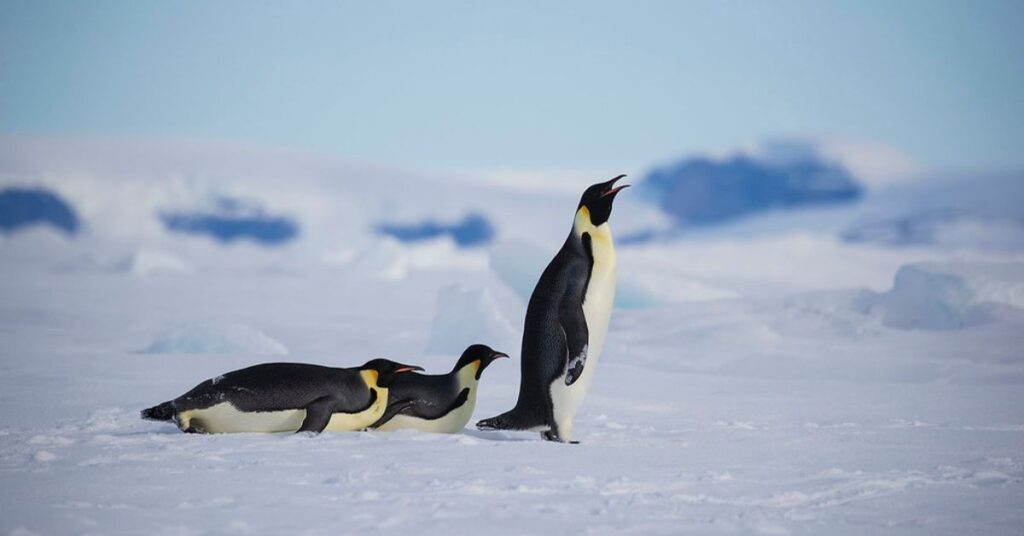
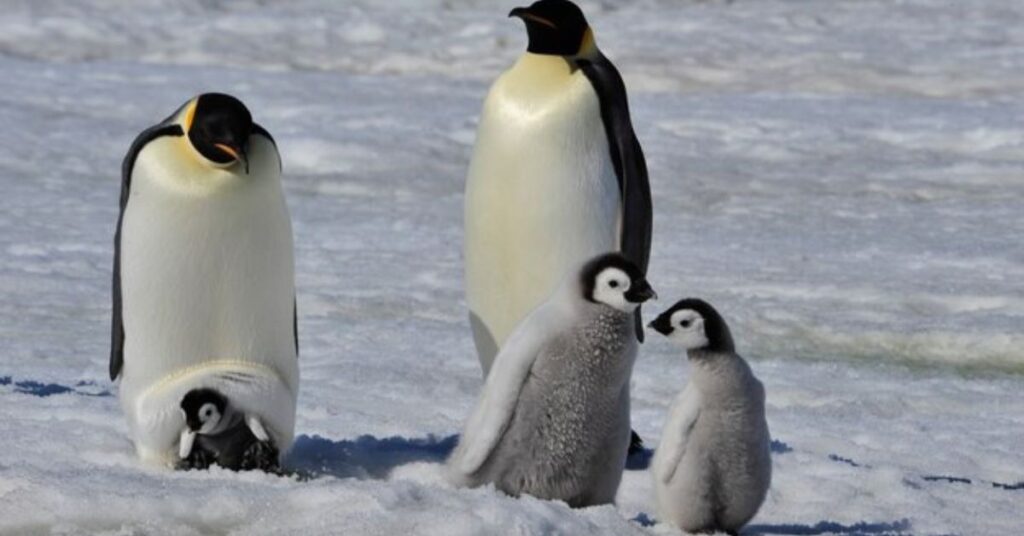
The Emperor Penguin is the largest of all penguin species. It lives only in Antarctica, where temperatures are extremely cold. These penguins are known for their black and white bodies and bright yellow markings near their necks. They survive harsh winters by huddling together to stay warm.
Emperor Penguins are excellent swimmers and can dive deep to catch fish and squid. They lay a single egg, and the male keeps it warm on his feet during the winter. Both parents work together to feed and protect their chick. Their strong family bond helps them survive in one of the toughest places on Earth.
King Penguins
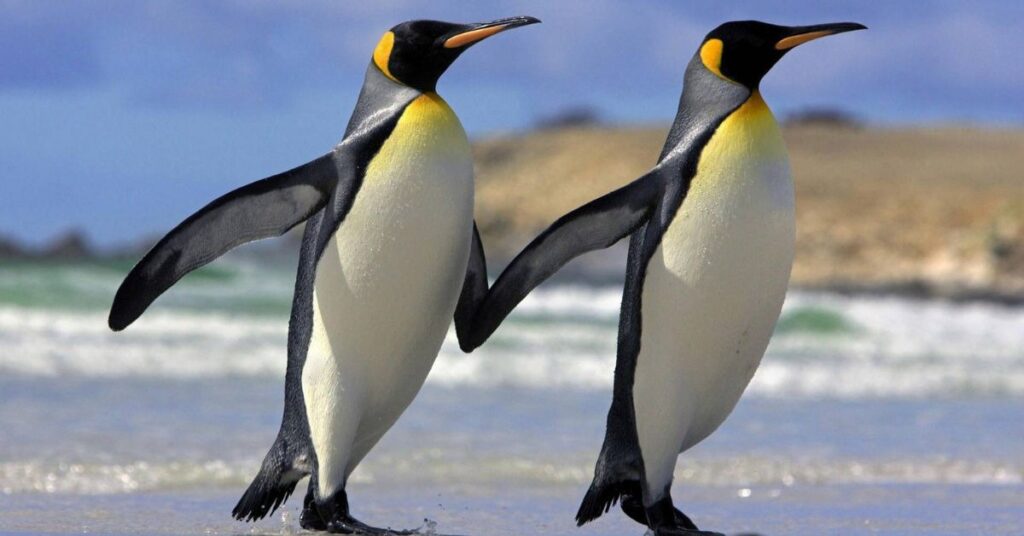
King Penguins are the second-largest penguin species. They have bright orange patches on their necks and a sleek, tall body. These penguins live on sub-Antarctic islands, where the weather is cool but not as extreme as Antarctica. They gather in huge groups called colonies, sometimes with thousands of birds.
King Penguins are strong swimmers and can dive deep to find fish and squid. They raise one chick at a time, and the parents take turns caring for it. The chick stays warm in a special pouch under the parent’s body. Their long breeding cycle makes them unique among penguins.
Adelie Penguin
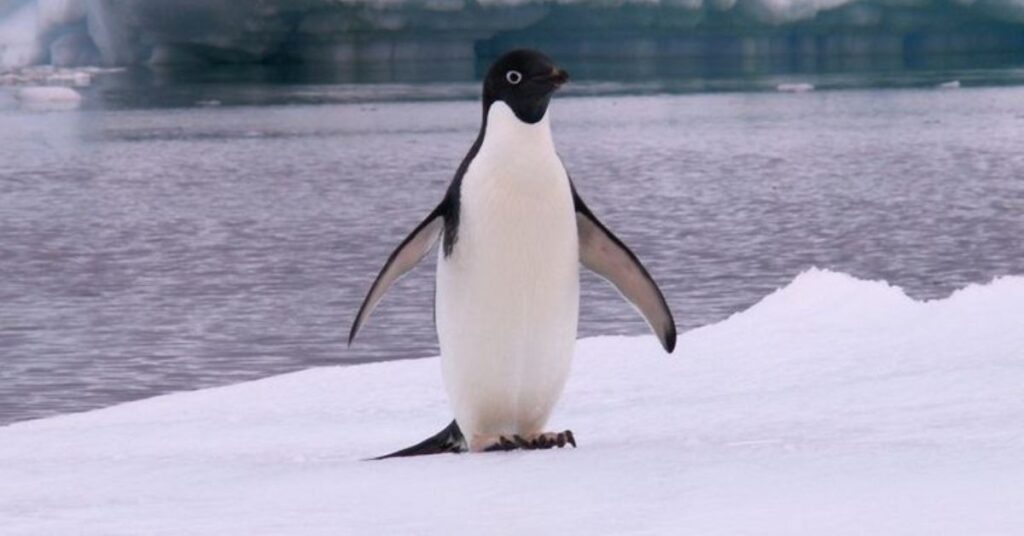
Adelie Penguins are small, fast-moving birds that live in Antarctica. They are easy to recognize by their white eye rings and black heads. These penguins build their nests with small stones and live in large colonies near the coast. They are curious animals and often explore their surroundings.
Adelie Penguins eat mainly krill, fish, and small sea creatures. They are strong swimmers and can travel long distances for food. During breeding season, both parents take turns protecting the eggs and feeding the chicks. Their active behavior and playful nature make them one of the most well-known Antarctic penguins.
Chinstrap Penguin
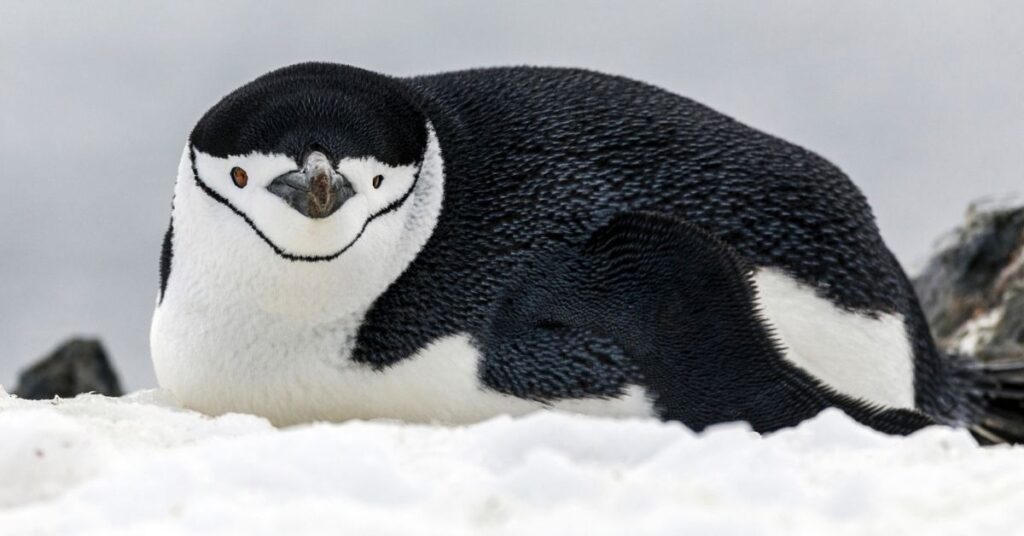
Chinstrap Penguins are easy to spot because of the thin black line under their chin. This line looks like a helmet strap, which is how they got their name. They live on rocky islands in the Southern Ocean and form large, noisy colonies. These penguins are energetic and move quickly across land.
Chinstrap Penguins eat mostly krill and small fish. They are powerful swimmers and can dive deep to catch their food. During breeding season, they build nests with stones and take turns caring for their eggs. Their loud calls and bold nature make them one of the most lively penguin species.
Gentoo Penguin
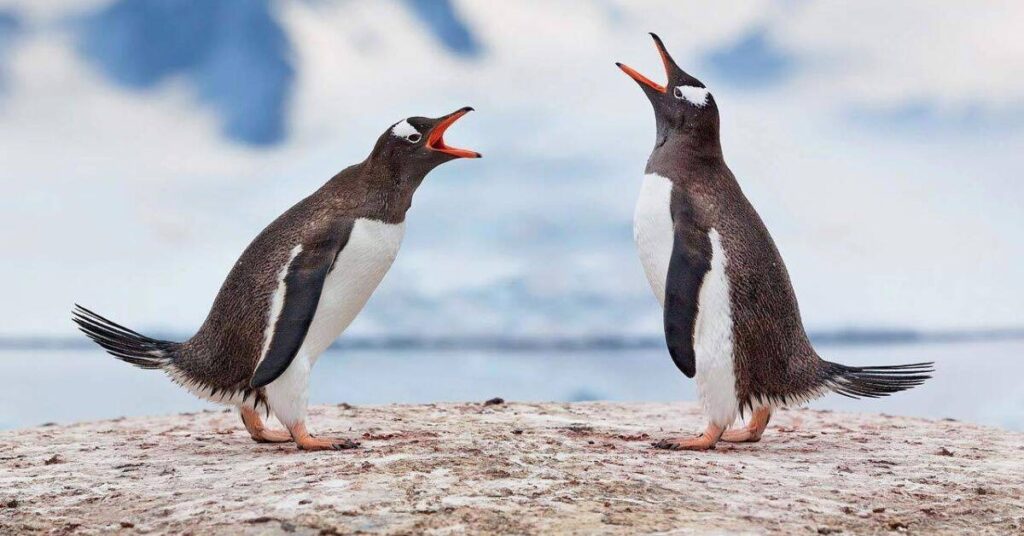
Gentoo Penguins are known for the white stripe on their heads and their bright orange beaks. They live on sub-Antarctic islands and prefer areas with grass and rocky beaches. These penguins are curious and gentle, often seen walking in small groups. They build their nests using stones, grass, and feathers.
Gentoo Penguins are very fast swimmers and can reach high speeds underwater. They eat fish, krill, and squid. Both parents help take care of the eggs and feed the chicks after they hatch. Their calm behavior and strong family care make them one of the most loved penguin species.
Macaroni Penguin
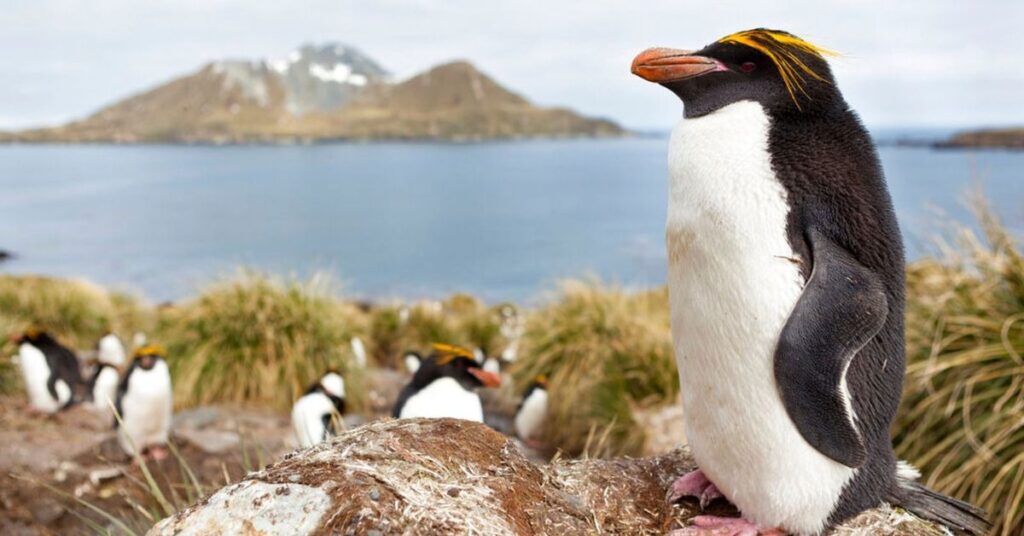
Macaroni Penguins are easy to recognize because of their bright yellow feathers on top of their heads. These feathers look like a little crown. They live on sub-Antarctic islands and stay in large, noisy groups. Their black-and-white bodies help them blend into the ocean while swimming.
Macaroni Penguins eat mostly krill, fish, and squid. They are strong divers and can stay underwater for a long time. During breeding season, they lay two eggs, but usually only one chick survives. Both parents work together to protect and feed the chick. Their bold colors and lively behavior make them one of the most striking penguin species.
Rockhopper Penguin
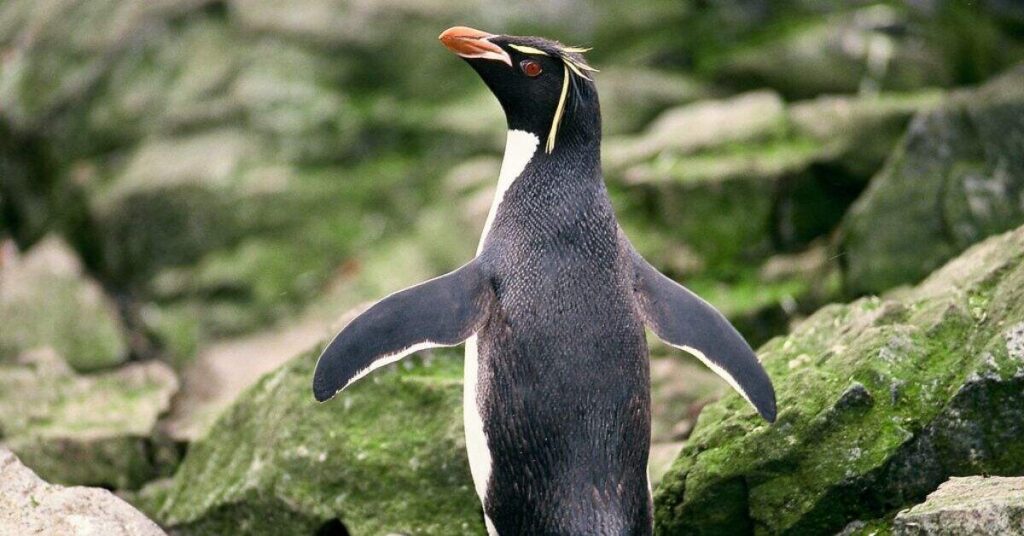
Rockhopper Penguins are small and full of energy. They are known for their bright yellow eyebrows and spiky head feathers. These penguins live on rocky islands in the Southern Ocean. They move by hopping from rock to rock, which is how they got their name.
Rockhopper Penguins eat krill, fish, and small sea animals. They are quick swimmers and dive deep for food. During breeding season, they build nests on cliffs and take turns caring for their eggs. Their bold personalities and playful behavior make them fun to watch.
Royal Penguin
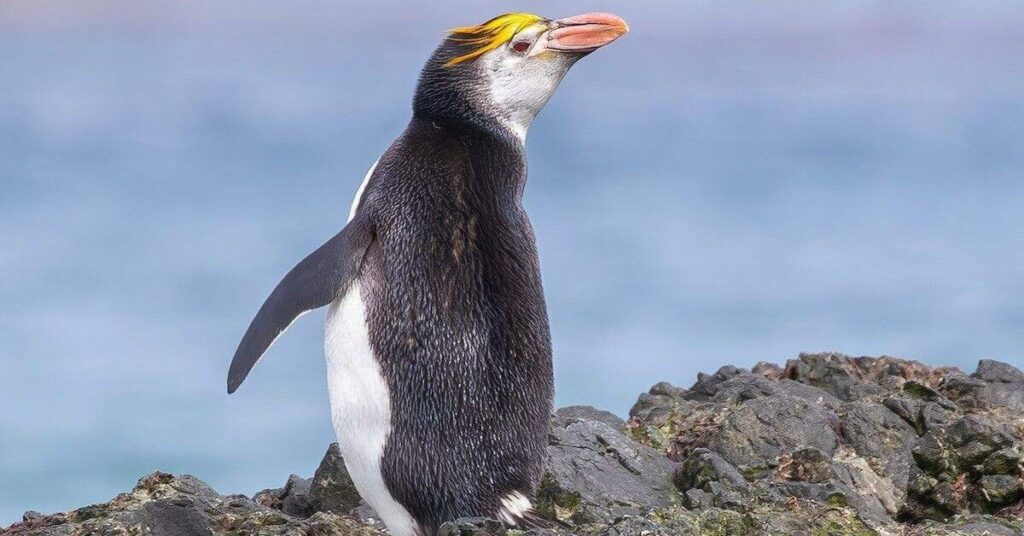
Royal Penguins have bright yellow feathers on their heads and white faces. They live mainly on Macquarie Island in the sub-Antarctic region. These penguins gather in large colonies on sandy beaches. They are social and often stay close to each other for safety.
Royal Penguins eat krill, fish, and squid. They are strong swimmers and dive deep to find food. Both parents take turns caring for their eggs and feeding their chicks. Their gentle nature and striking colors make them easy to recognize among penguins.
Snares Penguin
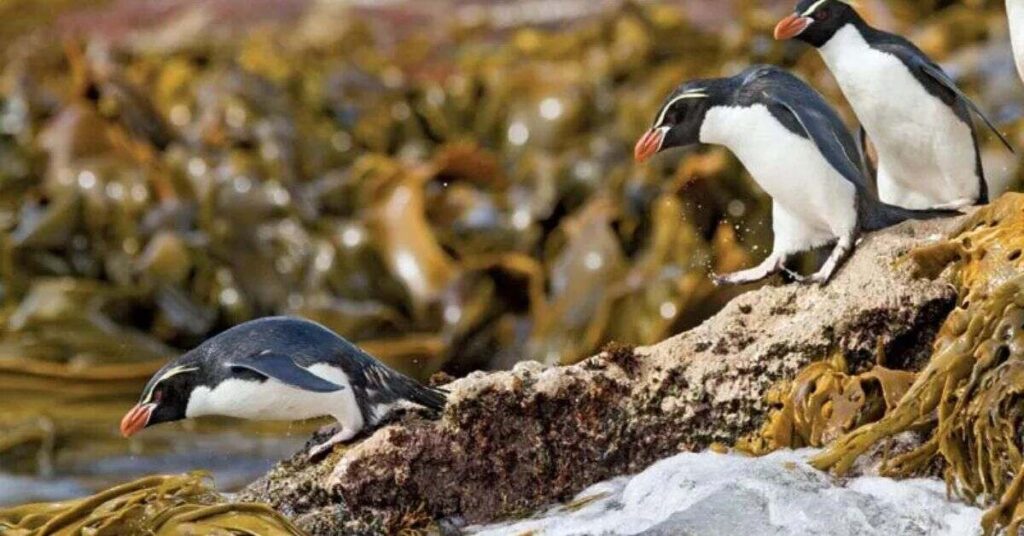
Snares Penguins live only on the Snares Islands near New Zealand. They have black heads and bright yellow eyebrows. These penguins are small and gather in large, dense colonies. They prefer nesting among shrubs and rocky areas to stay safe.
Snares Penguins eat krill, fish, and squid. They are strong swimmers and can dive deep for food. Both parents share the work of keeping eggs warm and feeding chicks. Their calm behavior and strong family care make them unique among penguins.
Erect-crested Penguin
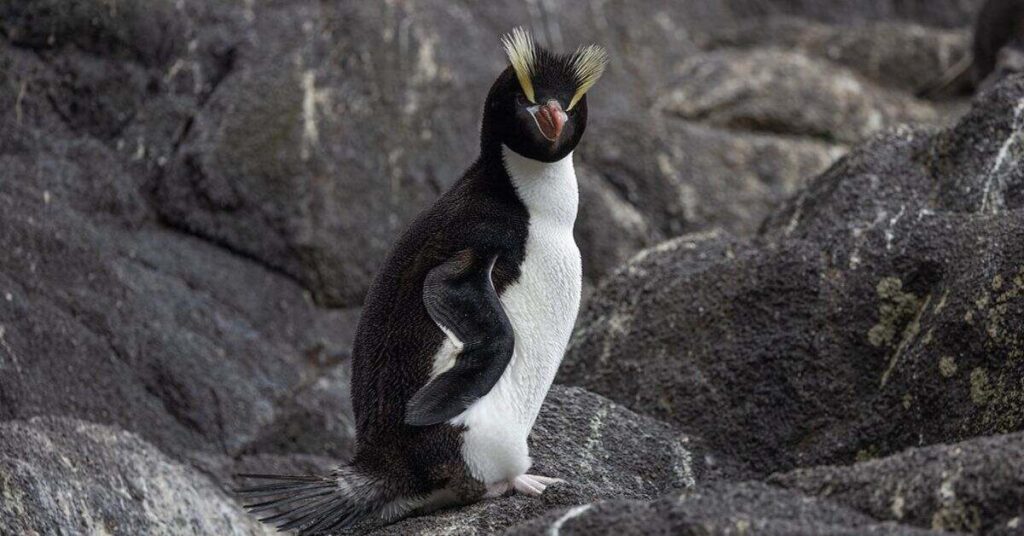
Erect-crested Penguins are large and have long, yellow crests that stand up on their heads. They live on rocky sub-Antarctic islands like the Bounty and Antipodes Islands. These penguins form large, noisy colonies and often nest in groups on cliffs and rocky slopes.
Erect-crested Penguins eat fish, squid, and krill. They are strong swimmers and dive deep to catch their food. Both parents take turns caring for the eggs and feeding the chicks. Their bold crests and striking appearance make them one of the most unique penguin species.
Fiordland Penguin
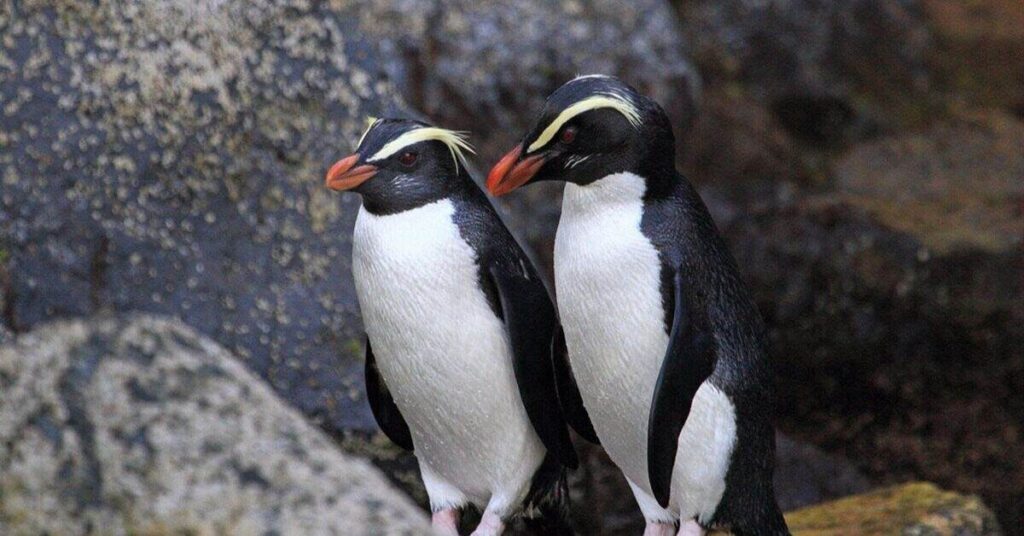
Fiordland Penguins live along the southwestern coasts of New Zealand. They have dark black heads with pale yellow streaks above their eyes. These penguins prefer dense forests and rocky coastlines for nesting. They are shy and usually stay hidden from humans.
Fiordland Penguins eat fish, squid, and small crustaceans. They are strong swimmers and can dive deep to catch food. Both parents take care of the eggs and feed the chicks. Their secretive nature and striking yellow markings make them special among penguins.
Yellow-eyed Penguin
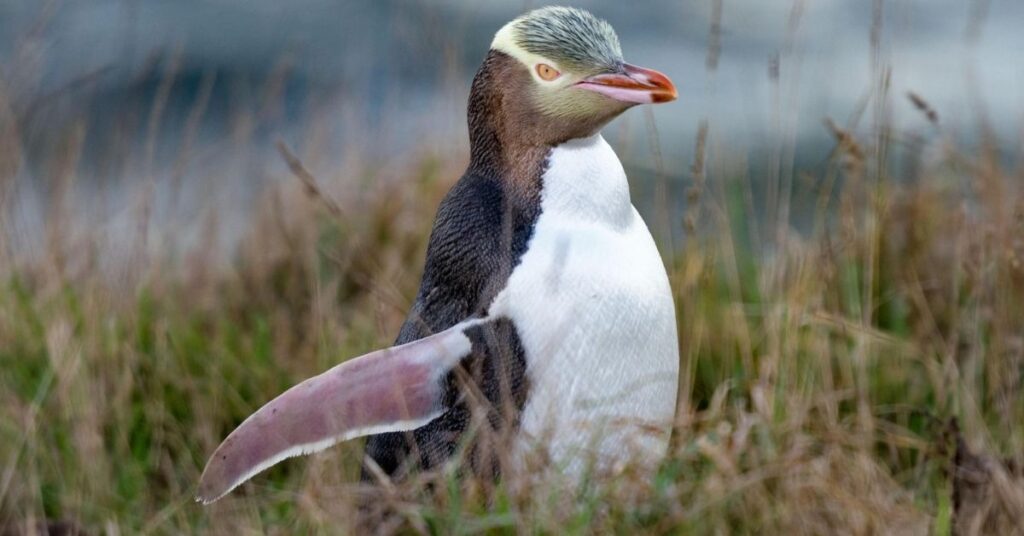
Yellow-eyed Penguins are named for their pale yellow eyes. They live on the southeastern coasts of New Zealand. These penguins prefer forests and beaches for nesting. They are shy and usually avoid humans.
Yellow-eyed Penguins eat fish and squid. They are strong swimmers and dive deep to hunt. Both parents care for the eggs and feed the chicks. Their calm nature and unique eyes make them one of the rarest penguin species.
Little Blue Penguin
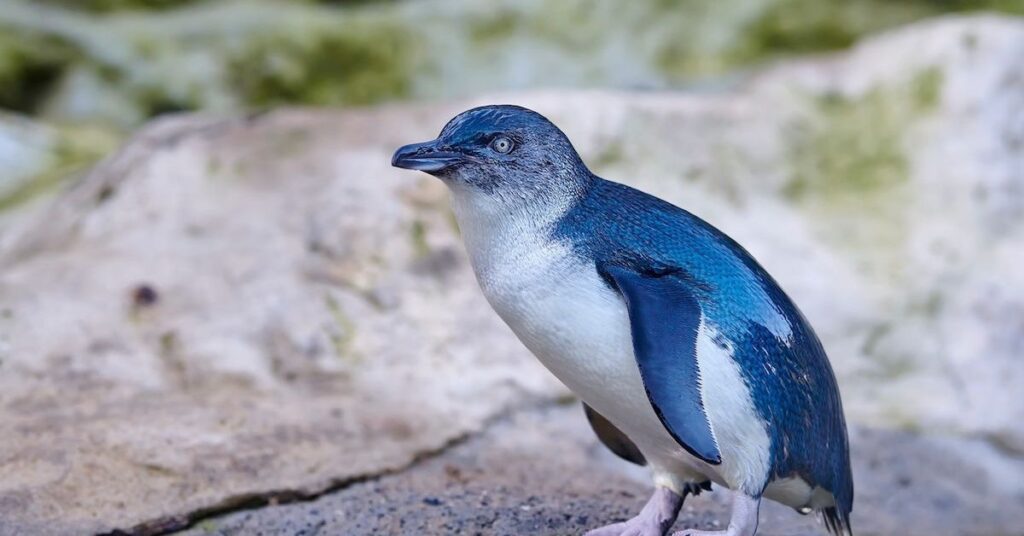
Little Blue Penguins are the smallest penguin species. They have blue-gray feathers and live in coastal areas of New Zealand and southern Australia. These penguins are very social and often nest in burrows or under rocks.
Little Blue Penguins eat small fish and squid. They are strong swimmers and hunt in groups. Both parents take care of the eggs and feed the chicks. Their small size and gentle nature make them one of the most charming penguin species.
African Penguin
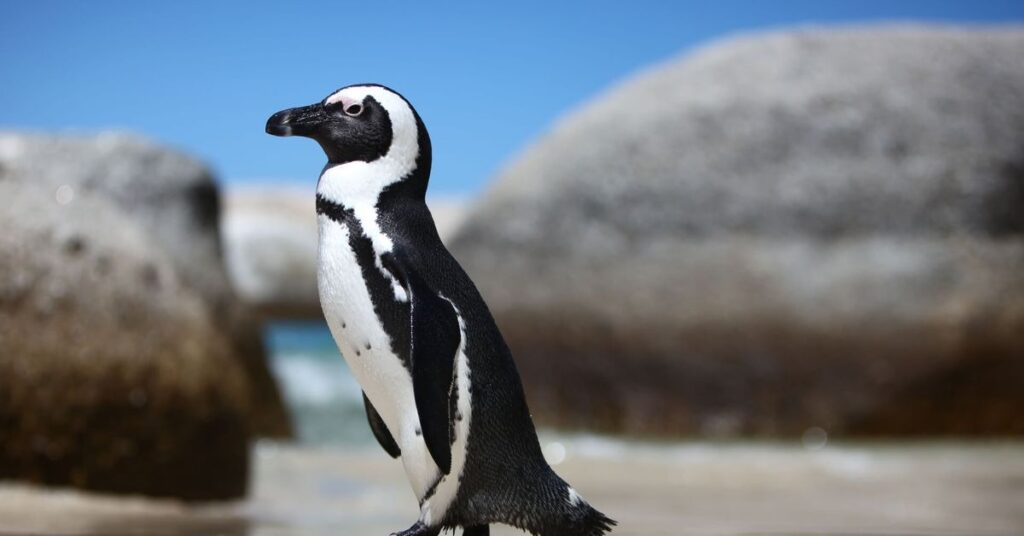
African Penguins live on the southern coasts of Africa. They have black and white bodies with a unique pattern of spots on their chest. These penguins are also called “jackass penguins” because of their loud braying call. They nest in burrows or under rocks to stay safe.
African Penguins eat fish and squid. They are strong swimmers and can dive deep to catch food. Both parents share the work of keeping eggs warm and feeding chicks. Their funny calls and distinctive spots make them easy to recognize.
Humboldt Penguin
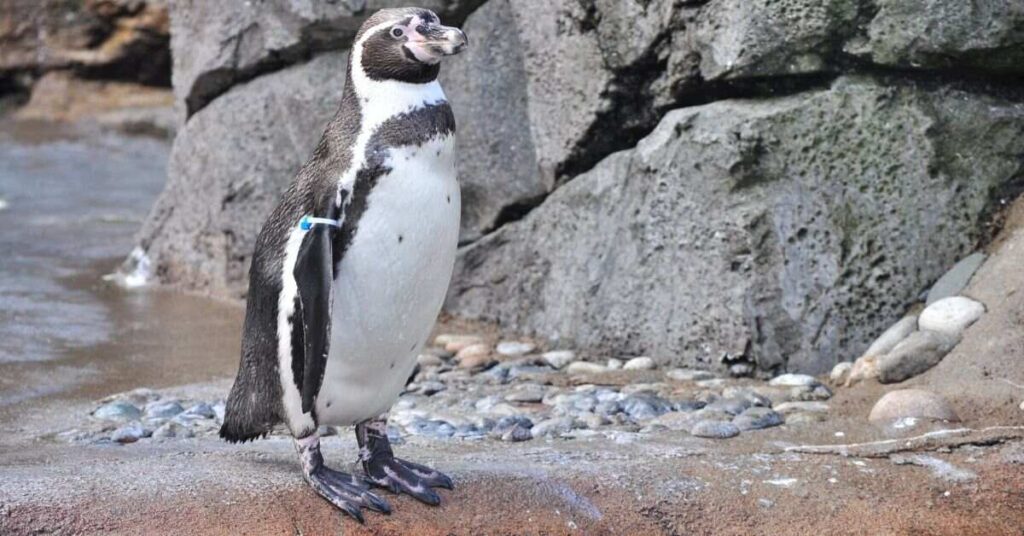
Humboldt Penguins live along the coasts of Peru and Chile in South America. They have black heads with a white border running from the eyes to the throat. These penguins prefer rocky shores and coastal islands for nesting. They often dig burrows or use natural crevices to lay eggs.
Humboldt Penguins eat fish and small squid. They are strong swimmers and dive to catch their food. Both parents take turns caring for the eggs and feeding the chicks. Their unique markings and calm behavior make them one of the most recognizable penguin species.
Magellanic Penguin
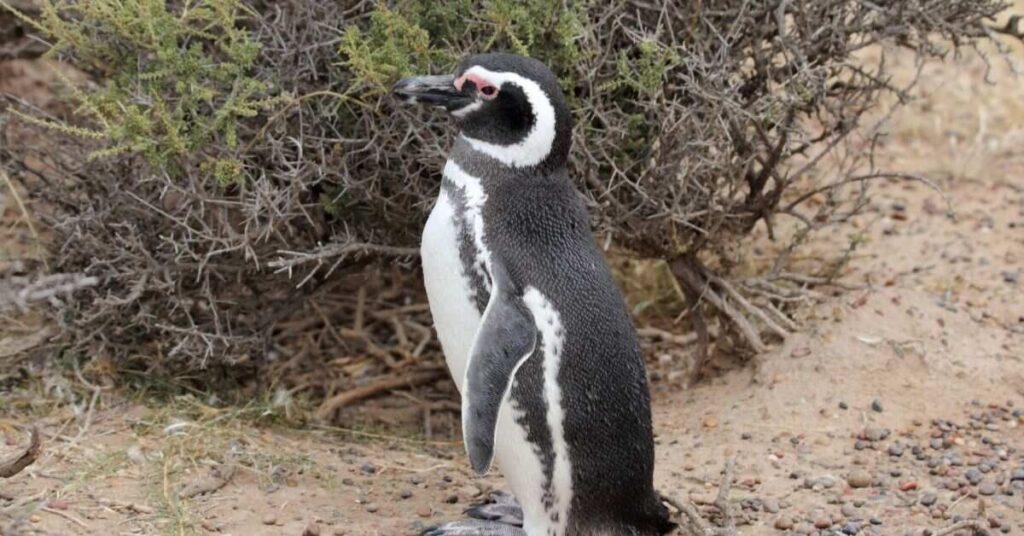
Magellanic Penguins live along the coasts of Argentina, Chile, and the Falkland Islands. They have black backs, white fronts, and two black bands across their chest. These penguins nest in burrows or under bushes to protect their eggs. They often form large colonies near the shore.
Magellanic Penguins eat fish, squid, and crustaceans. They are strong swimmers and dive to catch their food. Both parents share the work of keeping eggs warm and feeding chicks. Their calm nature and distinctive chest bands make them easy to recognize.
Galapagos Penguin
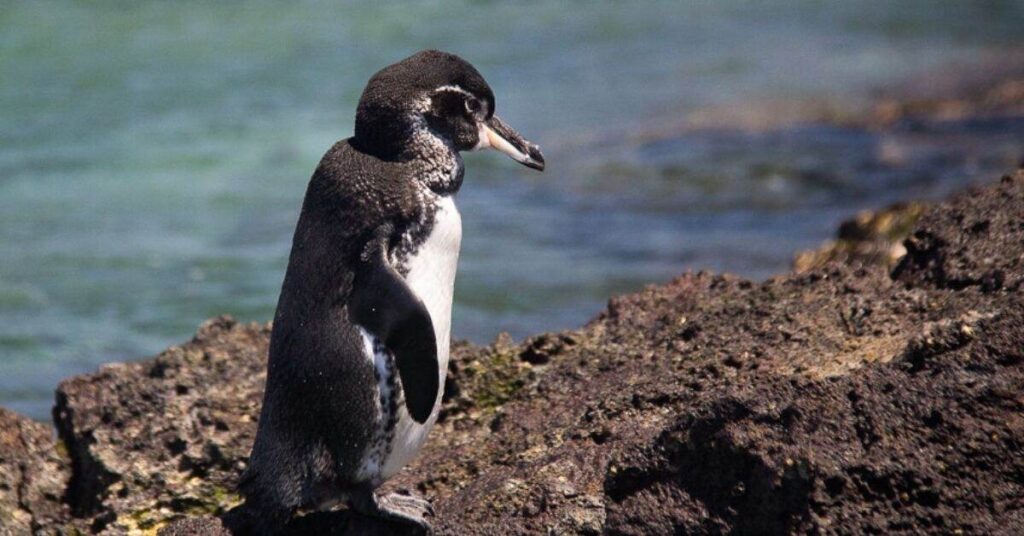
Galapagos Penguins live only on the Galapagos Islands near the equator. They are small and have black heads with a white stripe running from the eye to the throat. These penguins nest in lava crevices or under bushes to stay cool and safe.
Galapagos Penguins eat fish and small crustaceans. They are strong swimmers and hunt close to the shore. Both parents take care of the eggs and feed the chicks. Their rare location and unique behavior make them one of the most special penguin species.
Families of Penguins
Understanding the classification of penguins helps us appreciate their evolutionary relationships and diversity. All penguins belong to the family Spheniscidae, but within this family, scientists recognize several distinct genera that group related species together.
The six recognized penguin genera organize the 18 penguin species based on evolutionary relationships and shared characteristics. These groupings help scientists understand how different penguin species evolved and adapted to various environments.
The genus Aptenodytes contains the largest penguins: Emperor and King penguins. These species share similar body structures, breeding behaviors (both balance eggs on their feet), and occupy the coldest climates among penguins.
Understanding these family groupings reveals how penguins diversified to occupy various ecological niches across the Southern Hemisphere, from the Antarctic ice to tropical islands.
Baby penguins, called chicks, go through fascinating developmental stages across all types of penguins. Regardless of species, penguin chicks typically hatch covered in fluffy down feathers, which provide insulation but aren’t waterproof. This downy covering varies in color from gray to brown depending on the species.
Conclusion
Penguins are amazing birds that show how life can adapt to many different environments from the freezing Antarctic to the warm Galapagos Islands. Each of the 18 penguin species has unique traits that help it survive in its own habitat. Learning about these penguins helps us understand not only their fascinating behaviors but also the problems they face in today’s changing world.
Penguins remind us how connected we are to the natural world. Their future depends on the choices we make today. If we take care of our planet, future generations will still be able to enjoy watching these wonderful birds waddle on the ice, dive through the waves, and care for their chicks.
