
Introduction
The Galapagos Islands are one of the most unique places on Earth. These islands sit far from the mainland and feel like a living wildlife laboratory. Animals here evolved in isolation for thousands of years. They faced harsh sun, limited food, volcanic land, and changing ocean currents. To survive, they developed special features and behaviors. These changes are known as adaptations of animals in the Galapagos Islands.
Visitors often feel surprised by how calm and fearless the animals seem. Many species never had natural predators before humans arrived. This allowed animals to focus more on survival skills than fear. Over time, nature shaped them in amazing ways. The adaptations of animals in the Galapagos Islands help them find food, save energy, and live in difficult conditions. These adaptations also inspired Charles Darwin and changed how we understand evolution.
Why the Galapagos Islands Create Unique Animal Adaptations
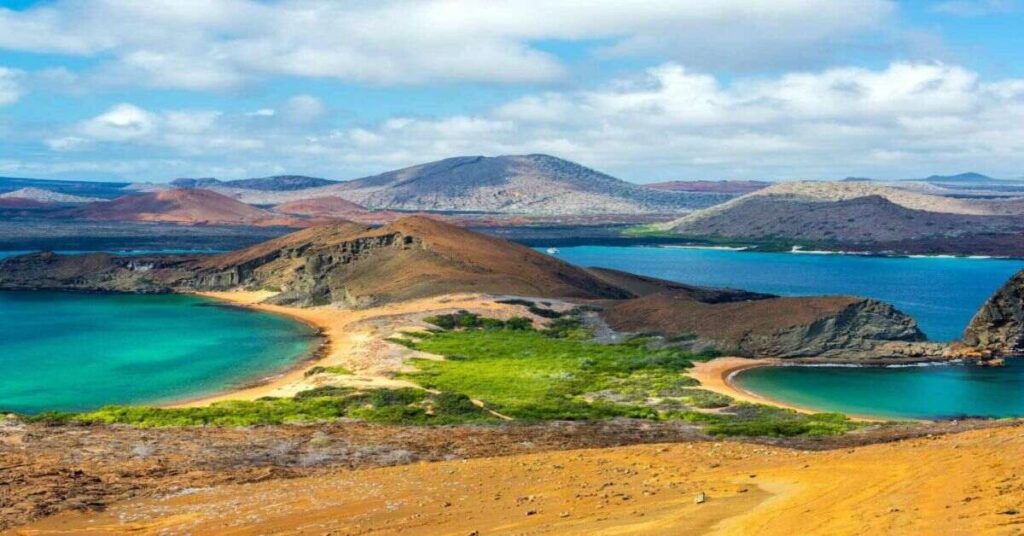
The Galapagos Islands have a harsh but balanced environment. Fresh water is scarce. Food availability changes with ocean currents. The land is rocky and volcanic. Temperatures can shift quickly between land and sea. These challenges forced animals to adapt or disappear.
Because the islands are isolated, animals could not easily move away. They had to change instead. Over many generations, small changes became strong survival traits. This process shaped the adaptations of animals in the Galapagos Islands. Each island also has slightly different conditions. That caused animals of the same species to develop different features on different islands.
Another important factor is limited competition. Many animals filled empty roles in the ecosystem. Some birds became ground feeders. Some reptiles learned to swim and dive. These rare roles pushed evolution in new directions. This is why the adaptations of animals in the Galapagos Islands are unlike anywhere else in the world.
Adaptations of the Galapagos Giant Tortoise
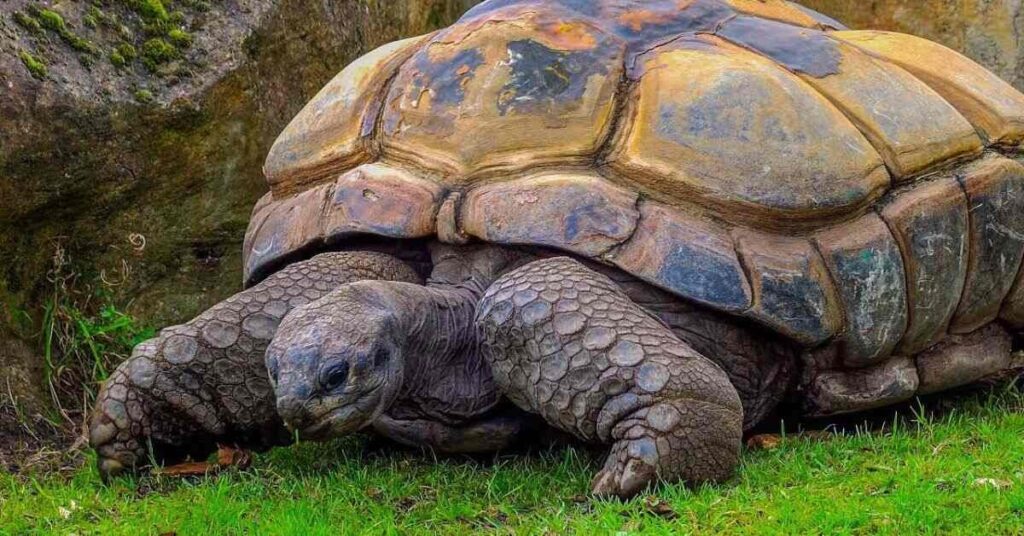
The Galapagos giant tortoise is one of the most famous island animals. It can live over 100 years. Its large size helps it store water and fat. This allows it to survive long dry seasons without food.
Different islands shaped different shell forms. Some tortoises have dome shaped shells. These shells help them eat grass close to the ground. Other tortoises have saddleback shells. These shells rise in the front and allow the neck to stretch upward. This helps them reach cactus pads and higher plants.
The tortoise also moves slowly to save energy. Its slow metabolism reduces water loss. These features show clear adaptations of animals in the Galapagos Islands that match local food sources and climate.
Adaptations of Marine Iguanas in the Galapagos Islands
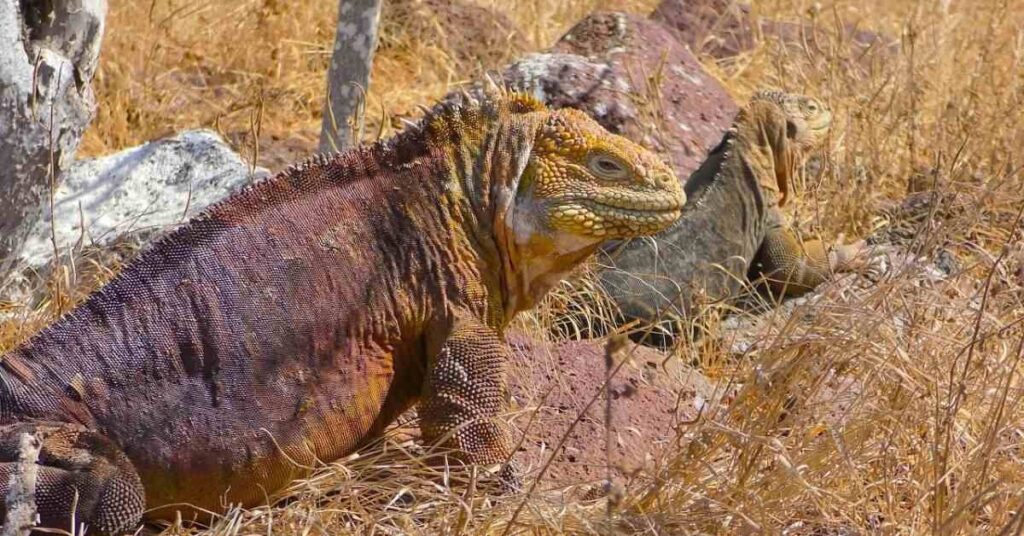
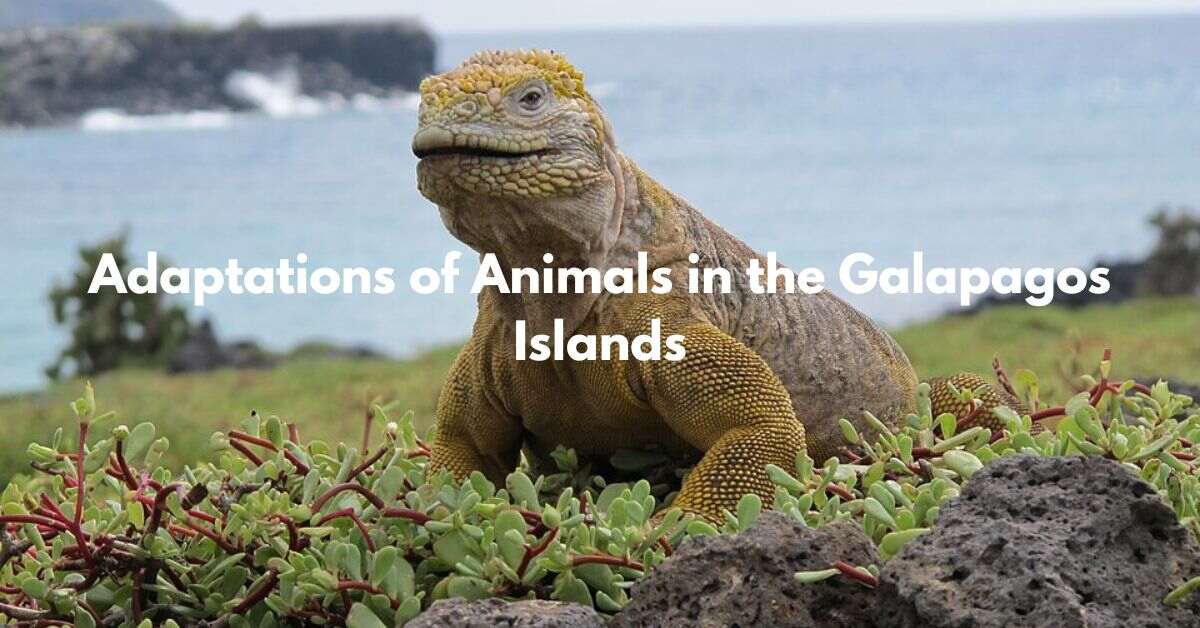
The only lizard that feeds in the ocean is the marine iguana. This alone makes them special. Their bodies adapted to swim, dive, and survive salty water.
They have flat tails that act like paddles. Strong claws help them grip rocks while waves crash around them. Their dark skin absorbs heat quickly after cold dives. This helps them warm up faster.
Marine iguanas also developed salt glands. These glands remove extra salt from their bodies. The iguanas sneeze out the salt, which keeps their blood balanced. These traits are key adaptations of animals in the Galapagos Islands that allow reptiles to live between land and sea.
Adaptations of Darwin’s Finches and Beak Evolution
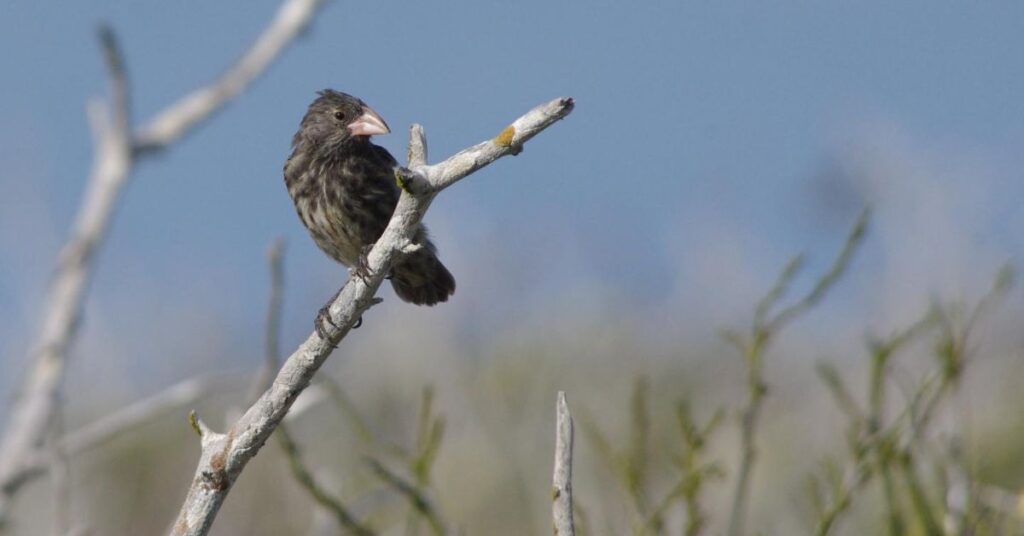
Darwin’s finches played a major role in the study of evolution. These small birds show how tiny changes can lead to big differences. Each finch species developed a beak shape that fits its food source.
Some finches have thick beaks for cracking hard seeds. Others have thin beaks for insects. Some even use tools to reach food hidden in wood. These beak differences reduce competition and help each species survive.
The finches change slowly over time. When food sources shift, birds with useful beaks survive better. This process continues generation after generation. It clearly explains the adaptations of animals in the Galapagos Islands through natural selection.
Adaptations of Galapagos Sea Lions
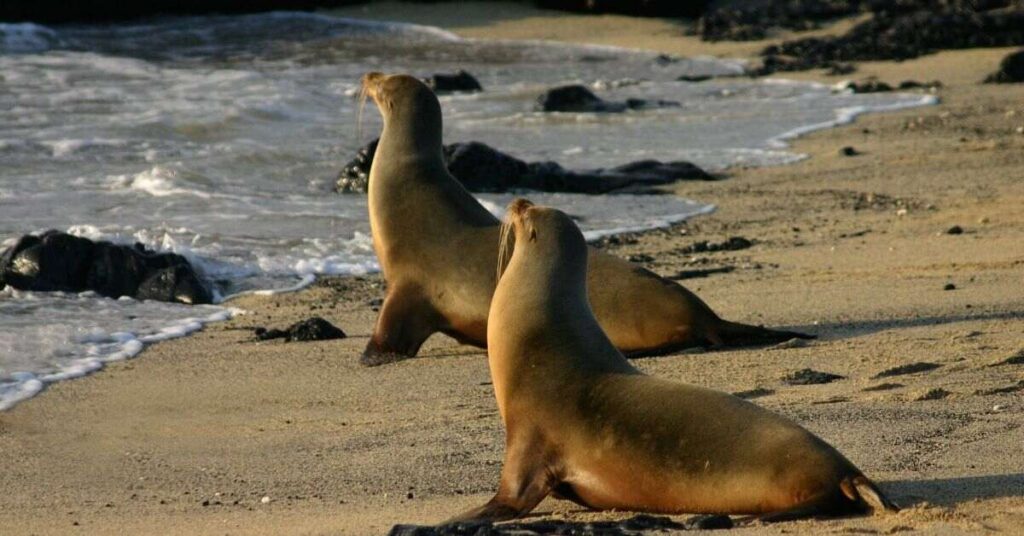
Galapagos sea lions are playful and intelligent animals. Both on land and in water, they adapted to life. Their streamlined bodies help them swim fast and catch fish.
They have strong flippers that allow sharp turns underwater. On land, they use these flippers to move across rocks and beaches. Thick blubber keeps them warm in cold water and stores energy.
Sea lions also adapted their behavior. They rest during the hottest hours to avoid overheating. These physical and behavioral traits are important adaptations of animals in the Galapagos Islands that support survival in coastal environments.
Bird Adaptations in the Galapagos Islands
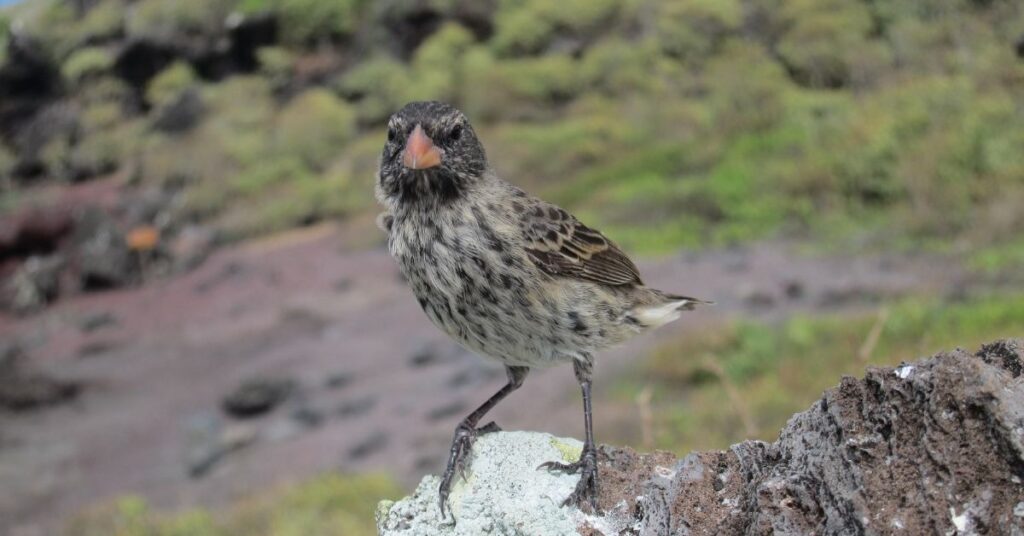
Birds dominate the skies of the Galapagos. Many species evolved without fear of predators. This led to calm behavior and close human encounters.
The blue footed booby shows strong adaptation for hunting fish. Its bright feet attract mates. Its sharp eyesight helps it dive accurately into the sea. Long wings allow efficient gliding.
Flightless cormorants lost the ability to fly. Instead, they gained powerful legs and strong bodies for swimming. This saves energy and improves underwater hunting. These examples show clear adaptations of animals in the Galapagos Islands driven by food access and safety.
Reptile Adaptations Beyond Iguanas
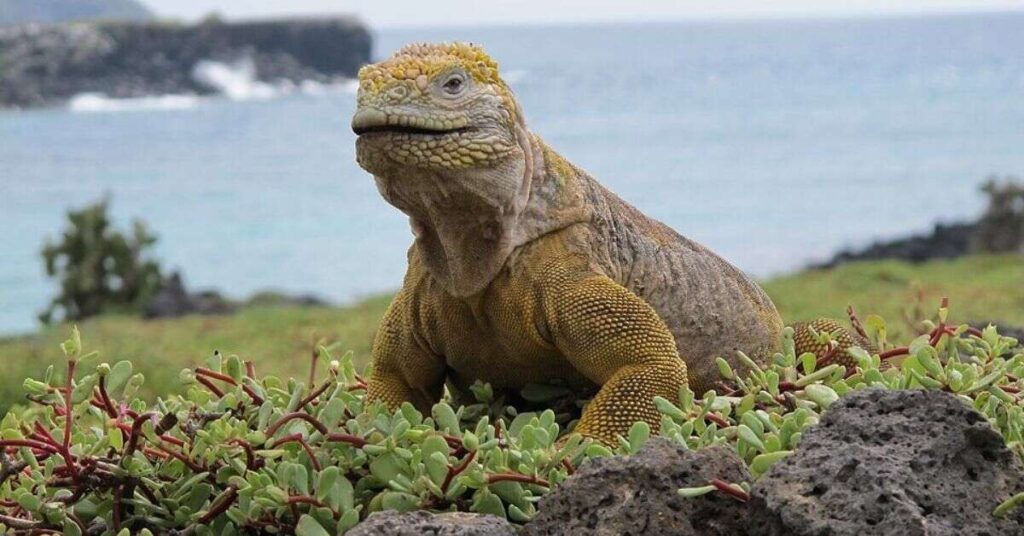
Reptiles thrive in the Galapagos climate. Lava lizards adapted to blend with dark volcanic rocks. This helps them avoid danger and regulate body heat.
In order to eat tough cactus pads, land iguanas developed strong jaws. They also rely on cactus fruit for water. Thick skin protects them from sharp spines.
These reptiles show how physical traits match local resources. Their survival depends on specialized adaptations of animals in the Galapagos Islands that reduce stress and increase efficiency.
Aquatic Adaptations in Galapagos Penguins
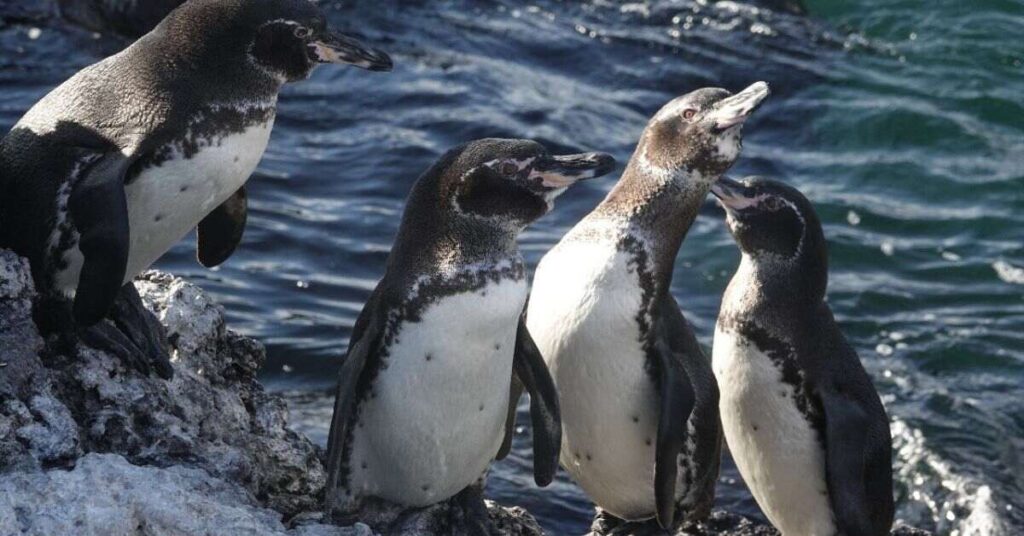
The Galapagos penguin is the only penguin living near the equator. It adapted to warm weather while still needing cold water.
It relies on cool ocean currents to survive. Its small size helps release heat faster. Specialized feathers protect against water while preventing overheating.
Penguins hunt during cooler hours. They rest in shade and crevices during heat. These strategies reflect smart adaptations of animals in the Galapagos Islands that balance temperature challenges.
How These Adaptations Support Conservation Efforts
Understanding adaptations of animals in the Galapagos Islands helps protect them. These animals depend on fragile ecosystems. Even small changes can disrupt survival.
Human activity introduces new threats. Invasive species compete for food. Climate change alters ocean currents. Conservation programs focus on protecting habitats and limiting human impact.
Learning how animals adapted naturally shows why protection matters. Preserving these traits ensures species survival for future generations.
Practical Takeaways for Wildlife Enthusiasts
Visitors should respect wildlife space. Animals evolved without fear. Human behavior should not change that balance.
Supporting conservation groups helps research and protection. Sharing knowledge raises awareness. Education plays a key role in preserving adaptations of animals in the Galapagos Islands.
Conclusion
The Galapagos Islands offer a rare look into evolution in action. Animals here adapted in creative and powerful ways. Their bodies, behaviors, and survival strategies reflect nature’s intelligence.
The adaptations of animals in the Galapagos Islands teach us about balance, patience, and resilience. Protecting this ecosystem protects a living story of evolution. It reminds us that nature thrives when left undisturbed.
Frequently Asked Questions
What makes the adaptations of animals in the Galapagos Islands unique?
Isolation and limited resources forced animals to evolve special traits not seen elsewhere.
Why are Galapagos animals not afraid of humans?
They evolved without natural predators, so fear was not needed for survival.
How did marine iguanas adapt to ocean life?
They developed salt glands, flat tails, and strong claws for swimming and feeding.
Do animals on different islands adapt differently?
Yes. Each island has unique conditions that shape specific adaptations.
Why are these adaptations important for conservation?
They show how fragile ecosystems are and why protection is necessary.
